
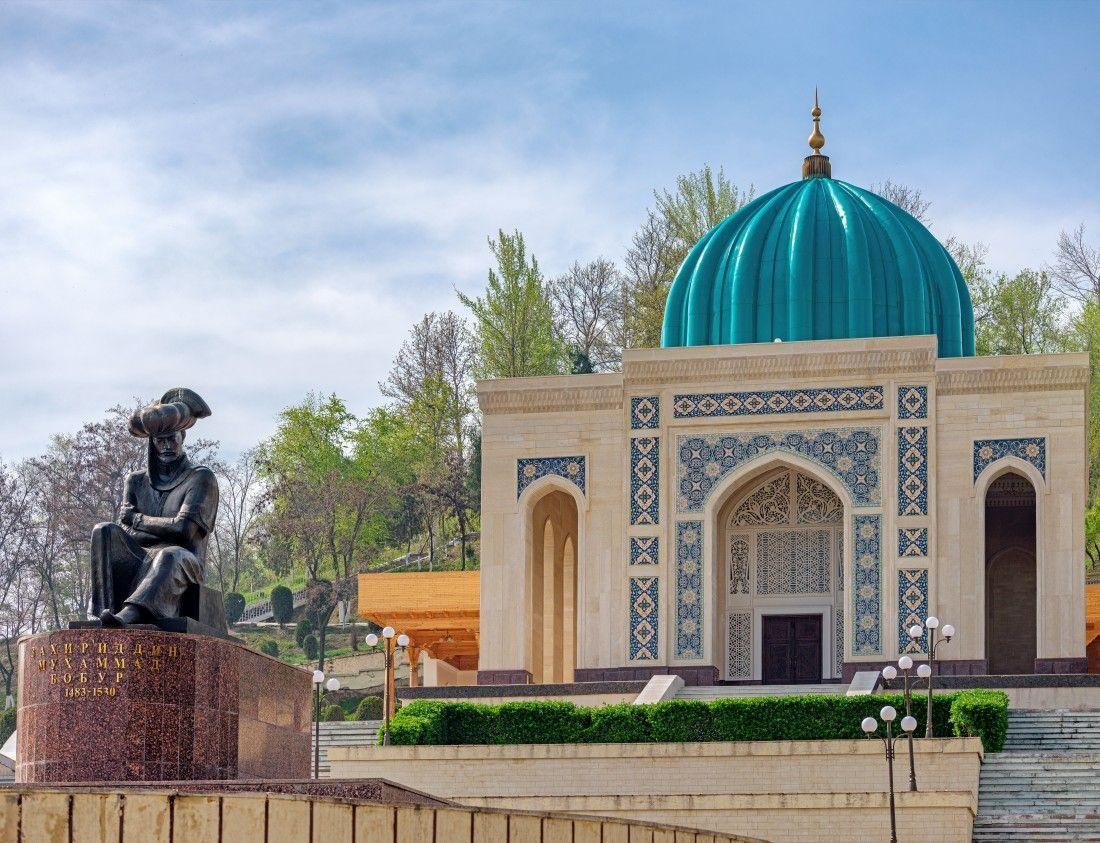
Architectural ensemble · Babur Park 1993; Devonaboy Mosque late 19th century, enlarged 2018; Qutayba ibn Muslim shrine rebuilt after 1991
Andijan: Babur's City
The largest city of the Fergana Valley and the birthplace of Babur, founder of the Mughal Empire: a hilltop memorial park with his symbolic tomb, the valley's biggest Friday mosque, and the shrine of the Arab commander Qutayba ibn Muslim.
About
Andijan sits at the eastern end of the Fergana Valley, the last Uzbek city before the Kyrgyz border and Osh. It is old, prosperous and rarely visited by foreigners, which makes it a rewarding half-day for anyone crossing the valley. One name dominates it: Zahiriddin Muhammad Babur, born here in 1483, ruler of Fergana at eleven, exile, and finally conqueror of Delhi and founder of the dynasty that built the Taj Mahal. His memoir, the Baburnama, begins with a loving description of Andijan's melons, grapes and pheasants.
Babur Memorial Park (Bagishamol)
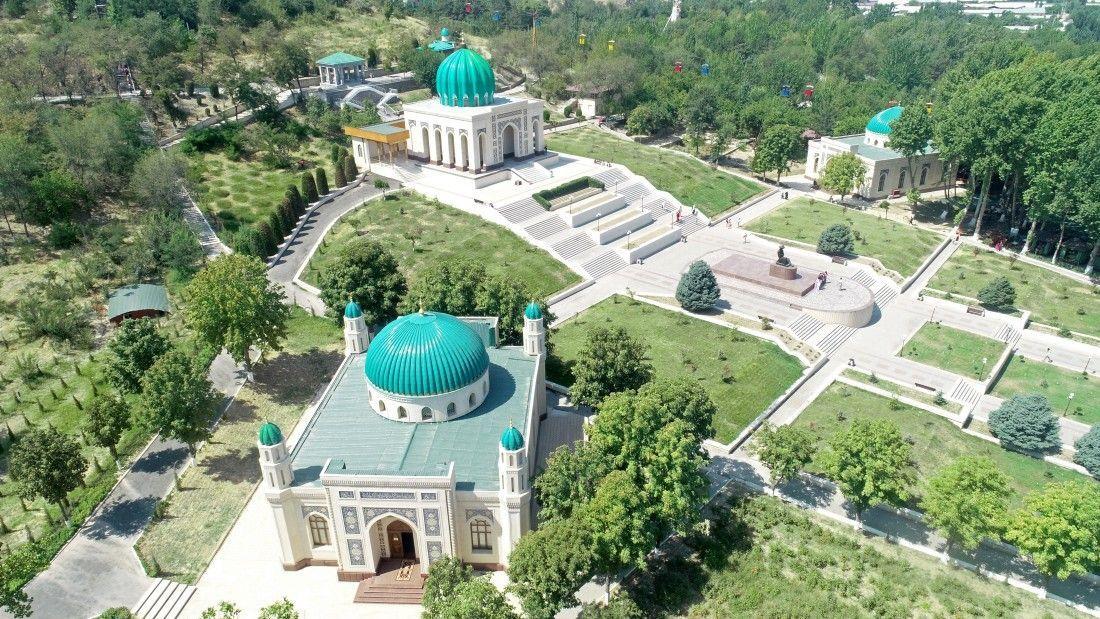
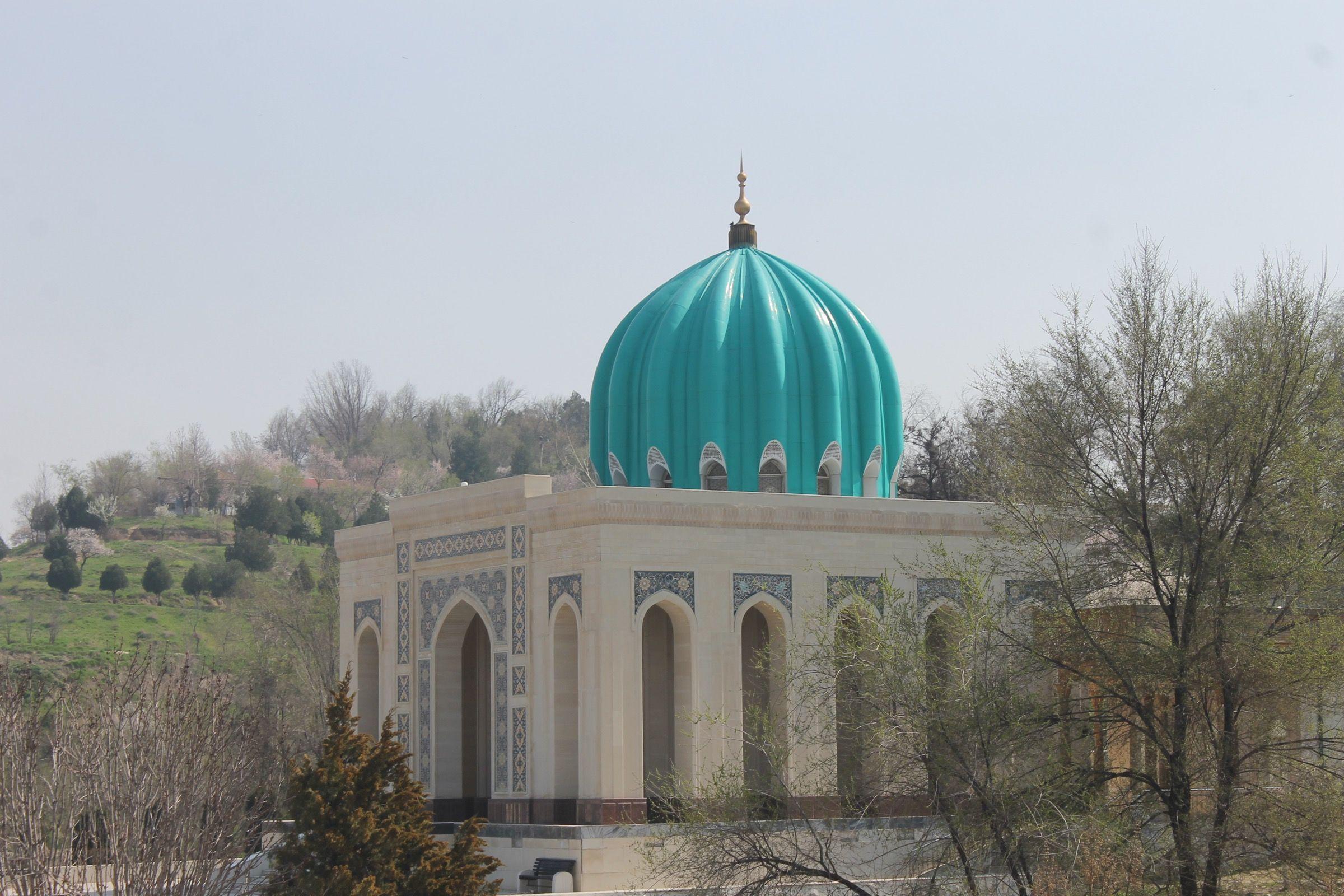
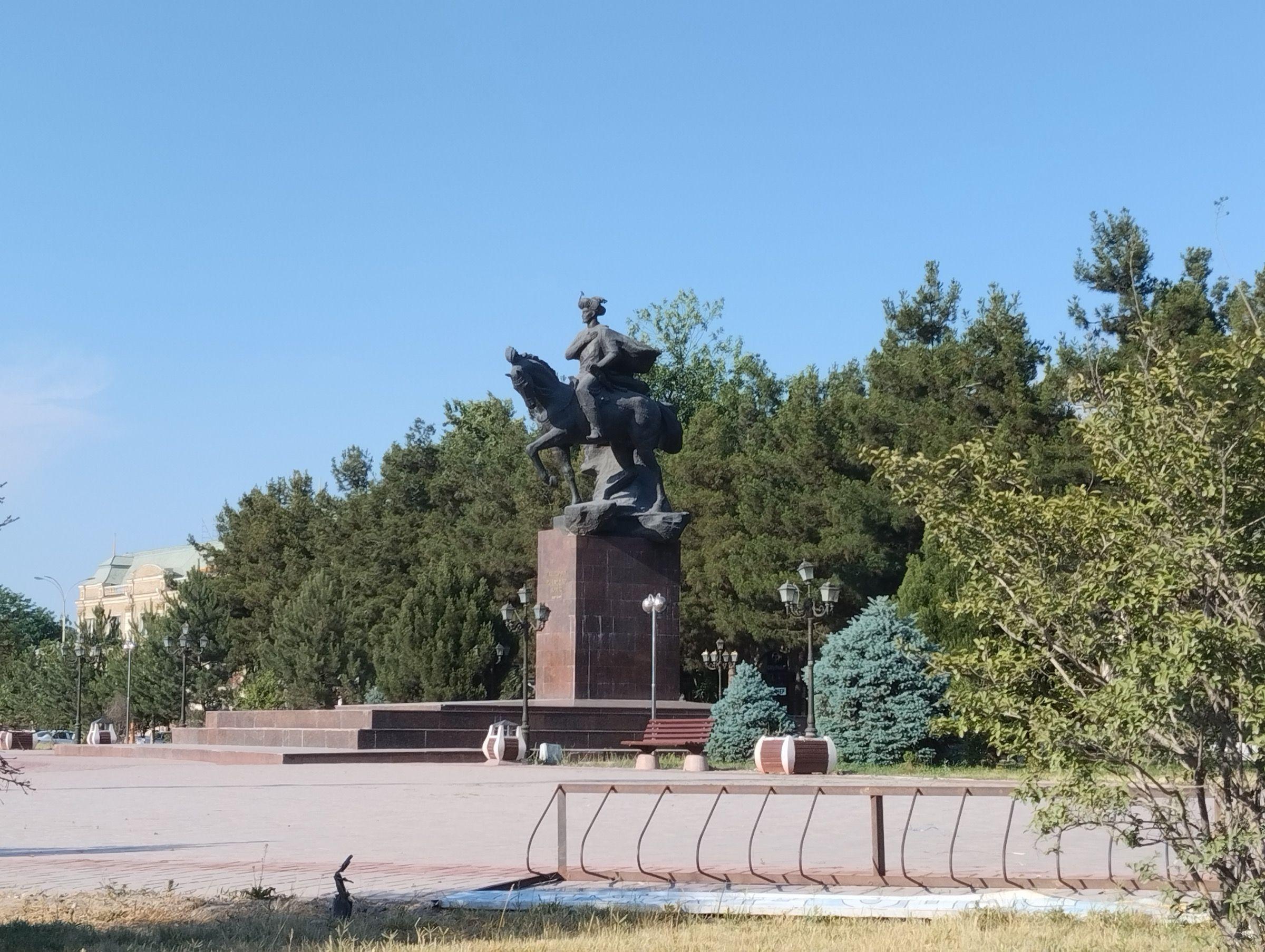
On the Bagishamol hill about 7 km south-east of the centre, on the road towards Osh, a memorial park was opened in 1993. Its focus is a symbolic tomb under a turquoise dome: Babur was buried in Kabul, and soil from his grave there and from Agra, where he died in 1530, was placed in the cenotaph. A seated bronze statue of the emperor, a museum of Babur and the Mughals with manuscripts, miniatures and objects gathered from India, Afghanistan and Pakistan, a small mosque and terraced gardens planted in the spirit of the Baburnama complete the ensemble. A cable car climbs the hill for a view across the city to the mountains.
Devonaboy Mosque
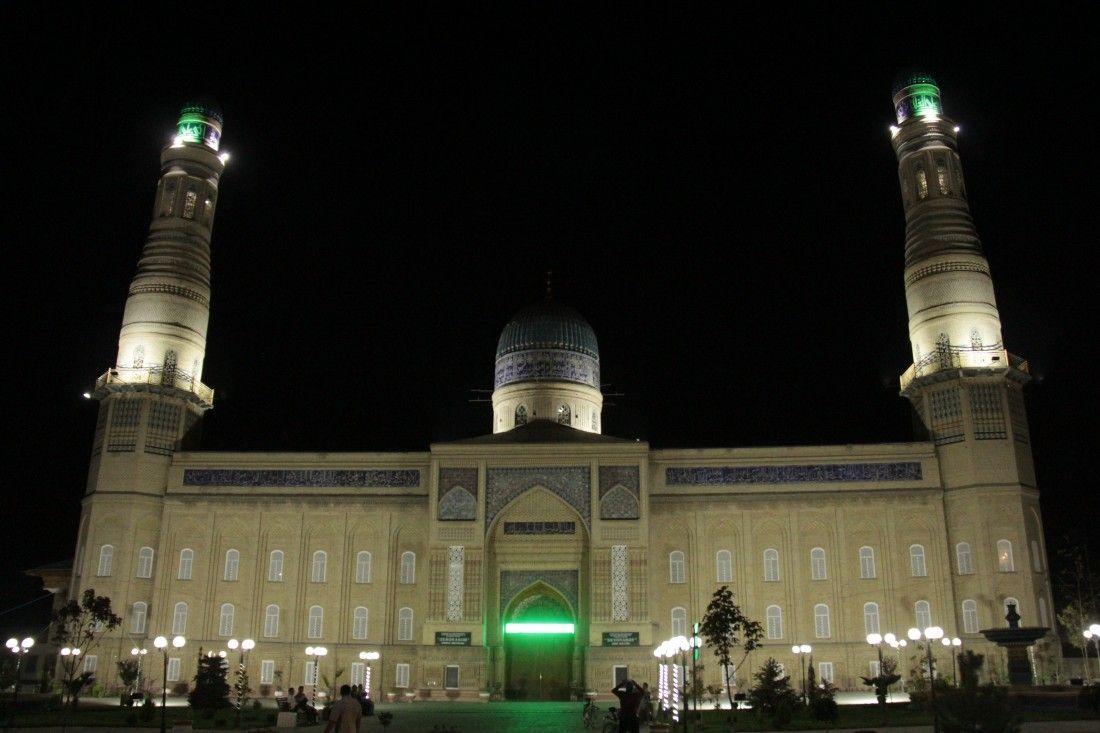
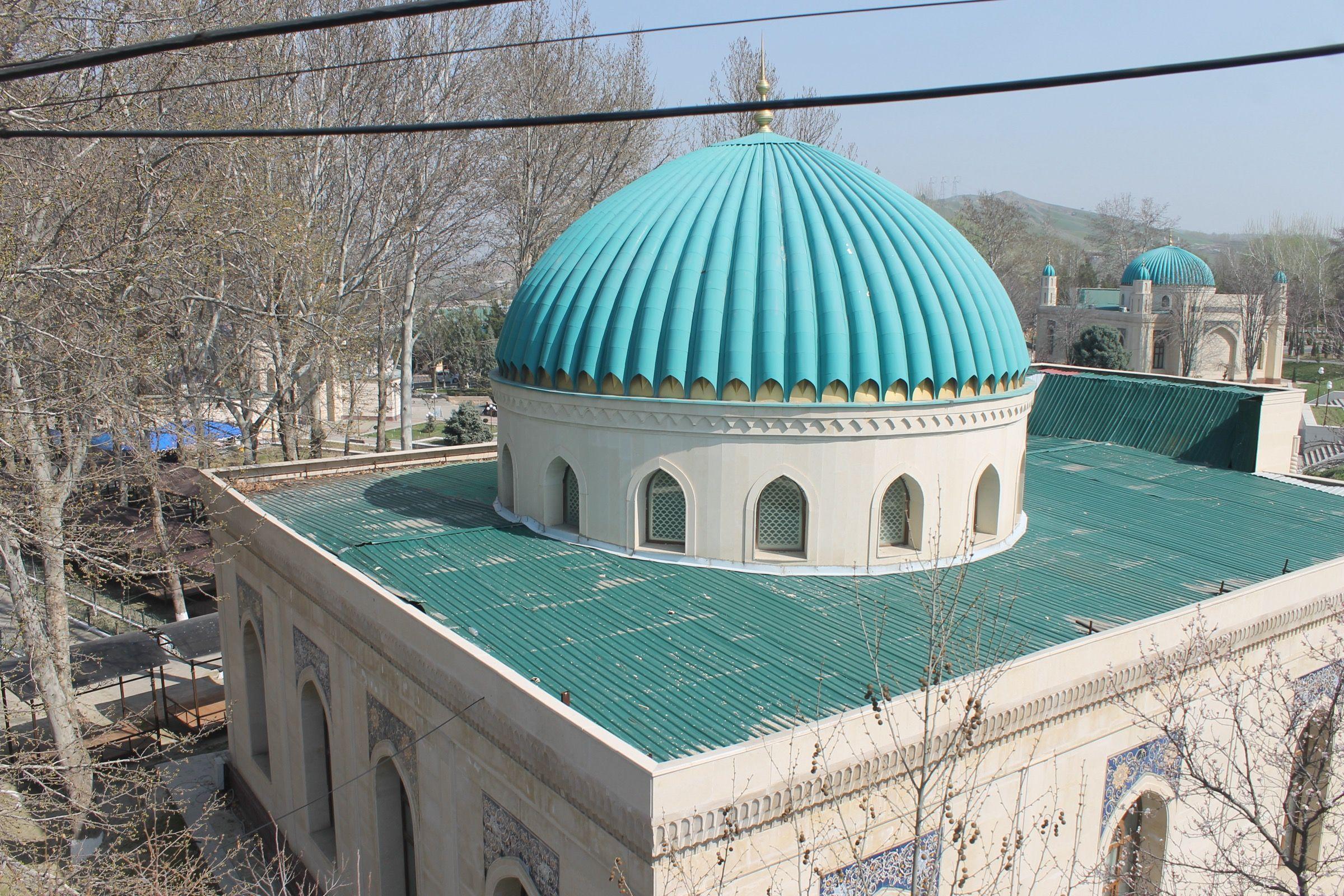
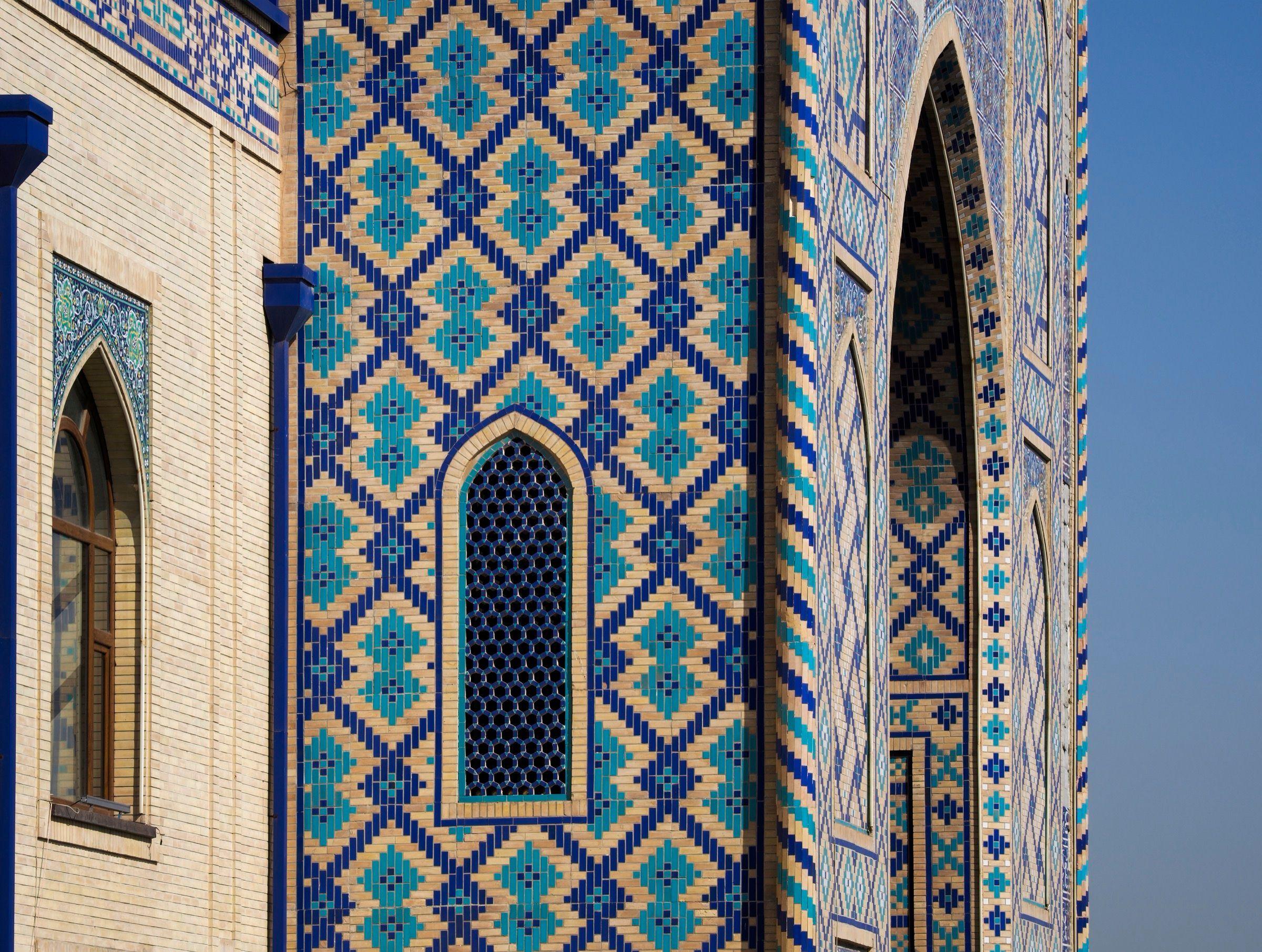
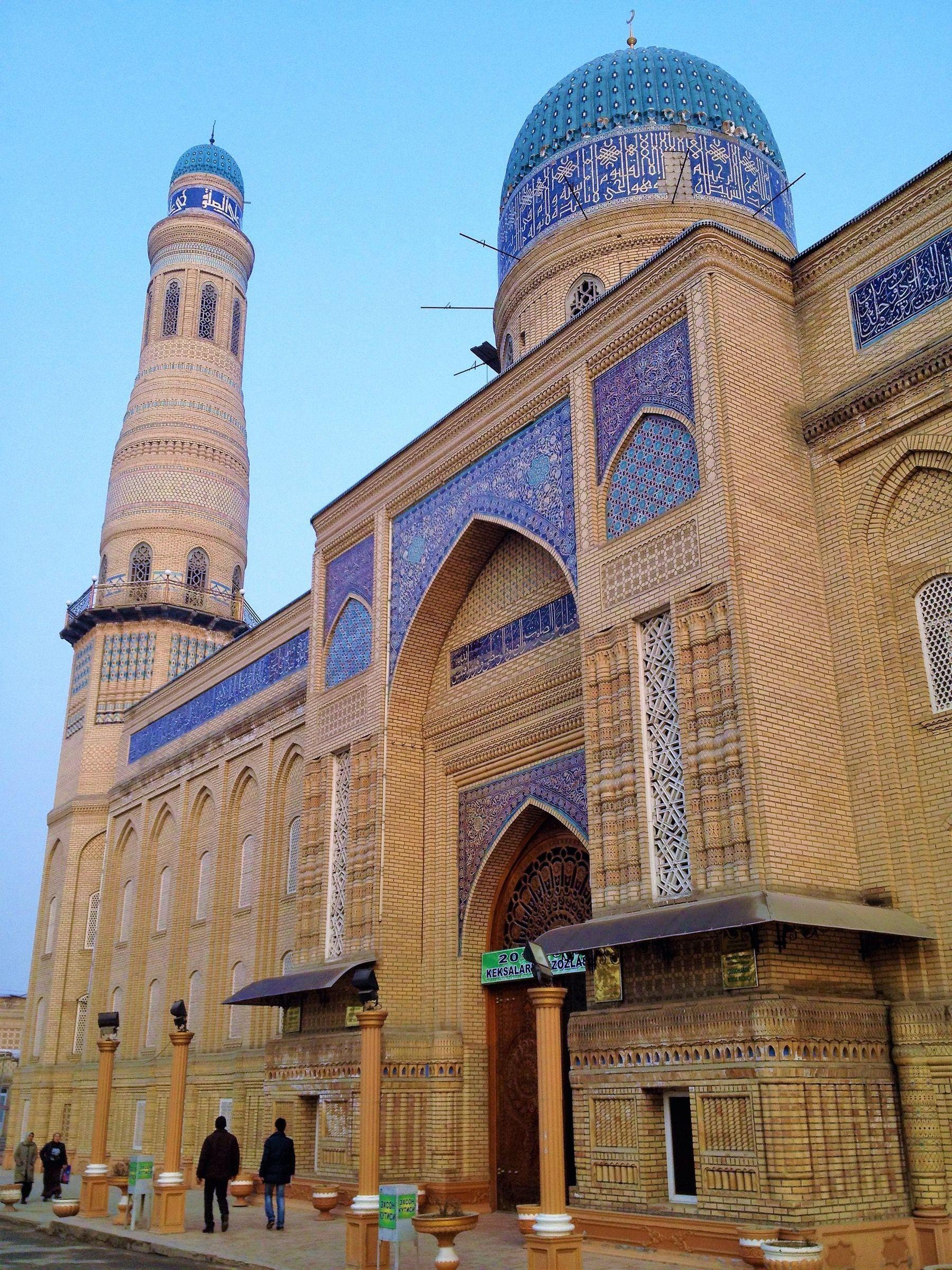
In the old town, the Devonaboy Mosque was founded at the end of the nineteenth century by a merchant of that name and has served as the city's Friday mosque without interruption since 1944, one of the few in the Soviet Union allowed to stay open. A reconstruction completed in 2018 turned it into the largest congregational mosque in the valley, with a tiled portal, a blue dome and twin minarets about 35 metres high; it is said to hold around 5,000 worshippers. Nearby, the Jami complex of 1885–92, a madrasah with a minaret and a long arcaded facade, now houses the museum of literature and art.
Qutayba ibn Muslim
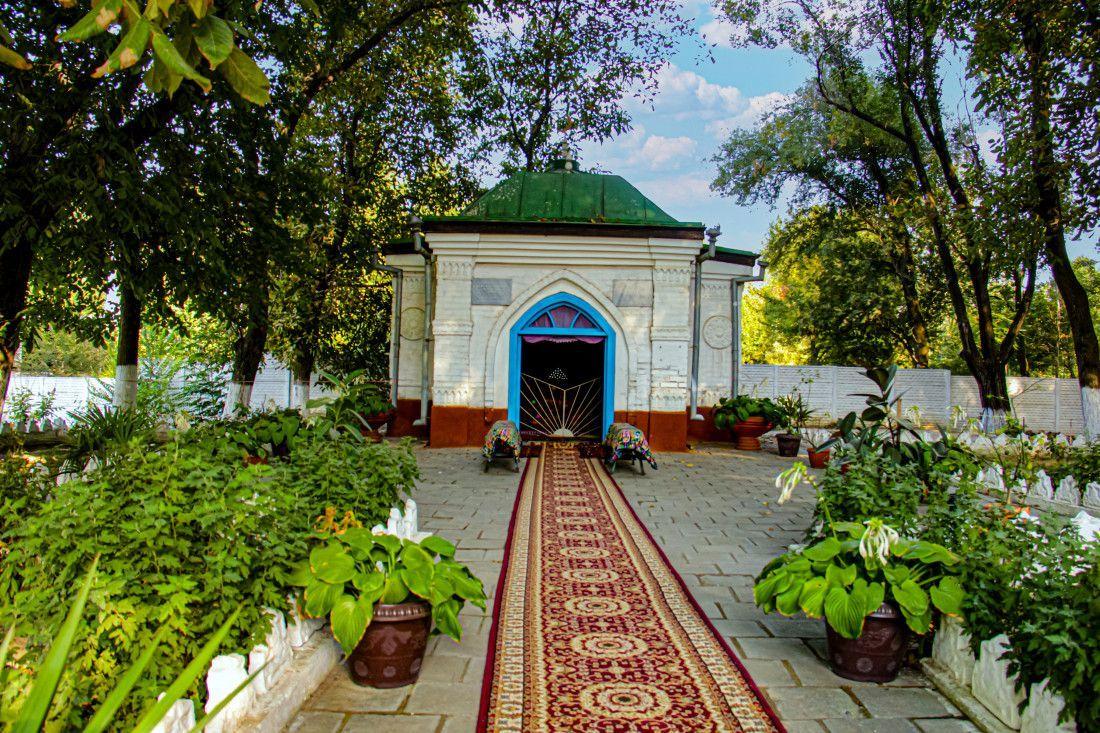
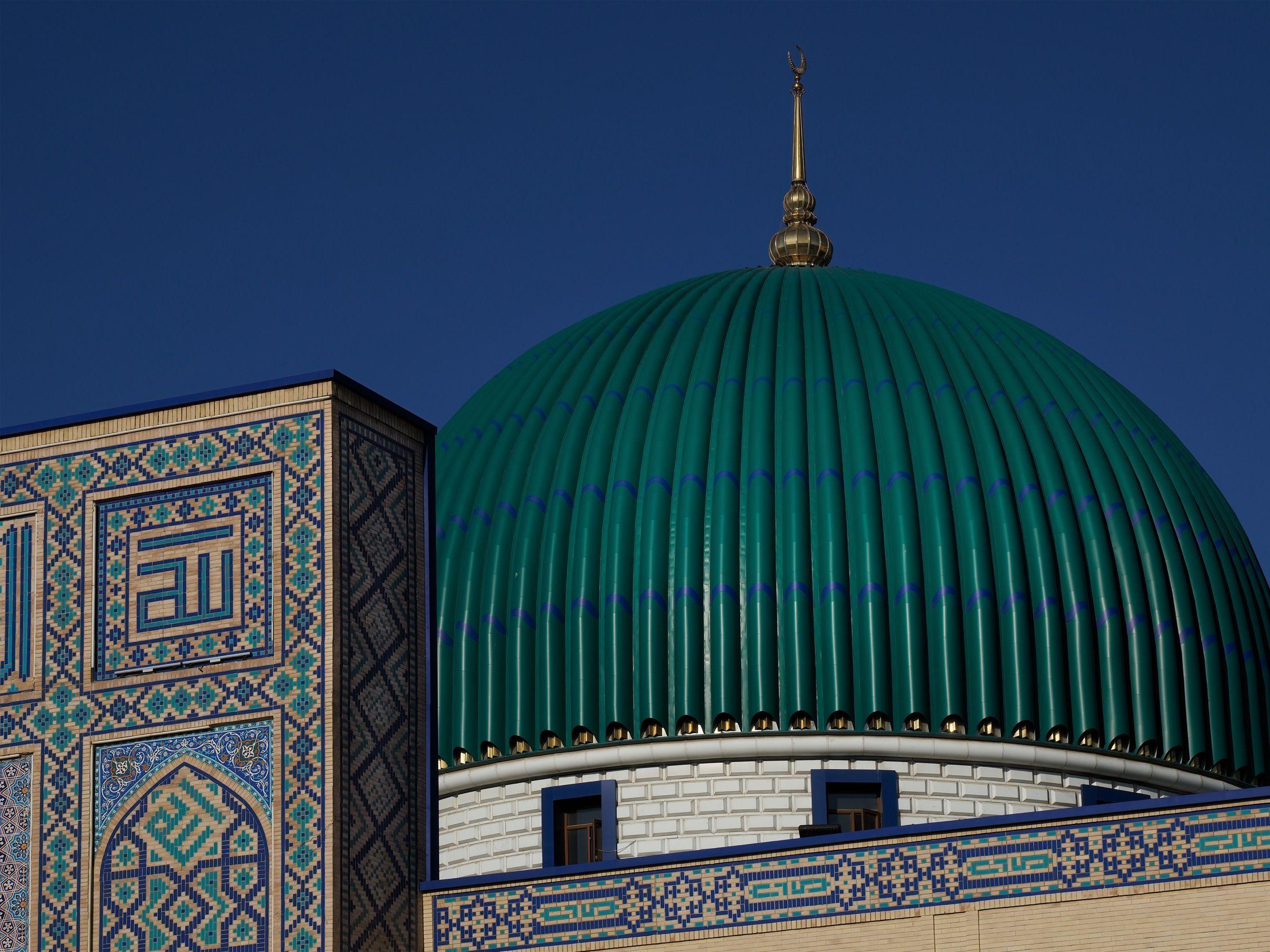
About 28 km from the city, in the Jalaquduq district, a shrine marks what local tradition holds to be the grave of Qutayba ibn Muslim, the Umayyad general who brought Islam to Transoxiana and was killed by his own troops in Fergana in 715. A mausoleum is said to have stood here from Timurid times; it was demolished in 1935 and rebuilt after independence as a modest white pavilion with a green roof in a walled garden. For visitors from the Gulf, Turkey and South-East Asia this is one of the most significant ziyarat sites in the valley; for everyone else it is a quiet, well-kept place that explains how the region's history turned.
Visiting
Andijan is an easy day from Fergana (75 km) or the natural last stop before the Dostuk border crossing to Osh. Combine the park in the morning, the mosque and the old-town bazaar at midday, and the shrine on the way out. The city is also the home of the Shahrikhan knife makers; buy with a certificate if you intend to fly out with one.
What to see
- Babur's symbolic tomb and statue on Bagishamol hill
- The Babur and Mughal museum with manuscripts and miniatures
- The cable-car view over Andijan
- The Devonaboy Mosque, the largest Friday mosque in the Fergana Valley
- The Jami madrasah complex and the old-town bazaar
- The shrine of Qutayba ibn Muslim in Jalaquduq district
Gallery


More sights in Fergana Valley
All of Fergana Valley

See Andijan: Babur's City with a local guide
We build private and small-group trips around the places you want to see — with guides who grew up here.