A curated reading and watching list for Uzbekistan: Silk Road histories, Timur and Babur, Great Game travelogues, Soviet-era fiction and a documentary, each matched to the city it prepares you for.
Facts, prices and schedules checked on November 4, 2026
Uzbekistan rewards the traveller who arrives with a little reading behind them. The Registan makes more sense when you know who built it and why, the Ark of Bukhara is more vivid after a nineteenth-century traveller's account of its dungeon, and the Nukus museum is more moving when you have met its founder in a film. The right book on the Afrosiyob train turns a two-hour transfer into part of the trip.
This is a short, curated list: books about Uzbekistan and the Silk Road, travel accounts old and new, fiction set in the region and one remarkable documentary. For each we say why it matters and which city it prepares you for. We have chosen titles that are widely available in English, and where an edition or date is uncertain we say so. It is a reading list for people who like to understand where they are going, not a complete bibliography.
Start with the big picture: the Silk Roads and the region
Peter Frankopan's The Silk Roads: A New History of the World (2015) is the best-known recent attempt to put Central Asia at the centre of world history rather than at its edge. It argues for the importance of the routes and the empires that crossed the region, and it is a good companion for anyone visiting Samarkand, Bukhara and Khiva. If you want a more region-specific introduction, the Odyssey guidebook Uzbekistan: The Golden Road to Samarkand is frequently recommended on Silk Road reading lists for its coverage of cities, culture and art.
For the long view of the trade and the ideas that travelled along it, our own guides to Silk Road history in Uzbekistan, the Uzbekistan history timeline and Islamic architecture explained are written to be read before or during a trip.
Samarkand and Timur: the medieval world
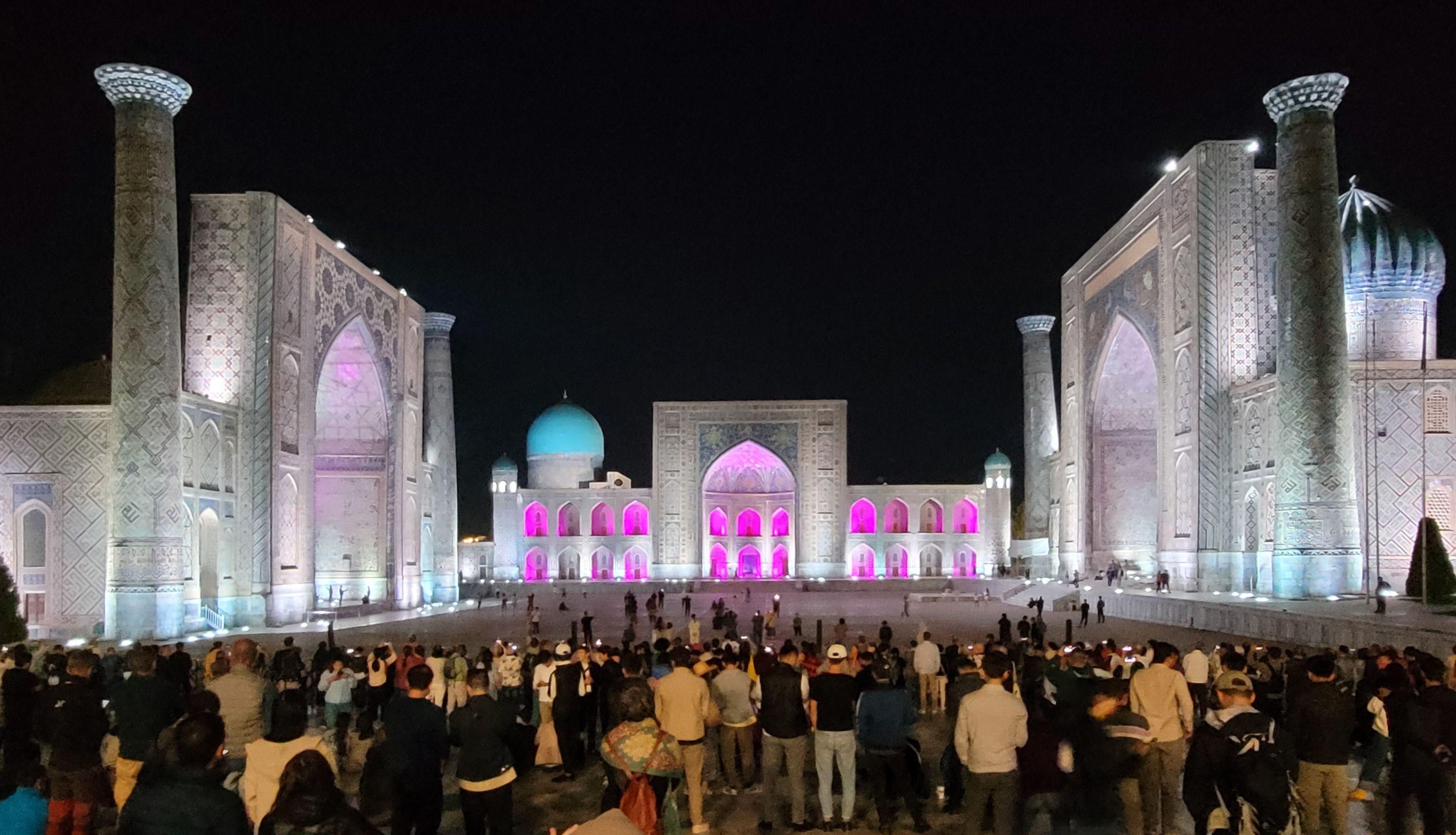
Samarkand became the capital of Amir Timur, known in the West as Tamerlane, in the late 14th century. Two books help you see it as his contemporaries did. Ruy Gonzalez de Clavijo was a Castilian ambassador sent to Timur's court in 1403 to 1406, and his diary of the journey, published in English as Embassy to Tamerlane, is a first-hand account of Samarkand's gardens, banquets and building sites. For a modern biography, Justin Marozzi's Tamerlane: Sword of Islam, Conqueror of the World is widely read and gives a clear narrative of the man and his campaigns. Our own guide to Amir Timur and the Gur-e-Amir and Bibi-Khanym guide cover the monuments.
For fiction, Amin Maalouf's novel Samarkand, first published in French in 1988, weaves the story of the poet and astronomer Omar Khayyam's manuscript of the Rubaiyat with Persia's turbulent twentieth century. It is a romantic way to meet the city, if not a guide to what you will find there. Visitors to the Ulugbek Observatory, the astronomer-ruler's great achievement, may like to read around the Timurid court and our guide to the great scholars of Uzbekistan.
Bukhara and the Great Game
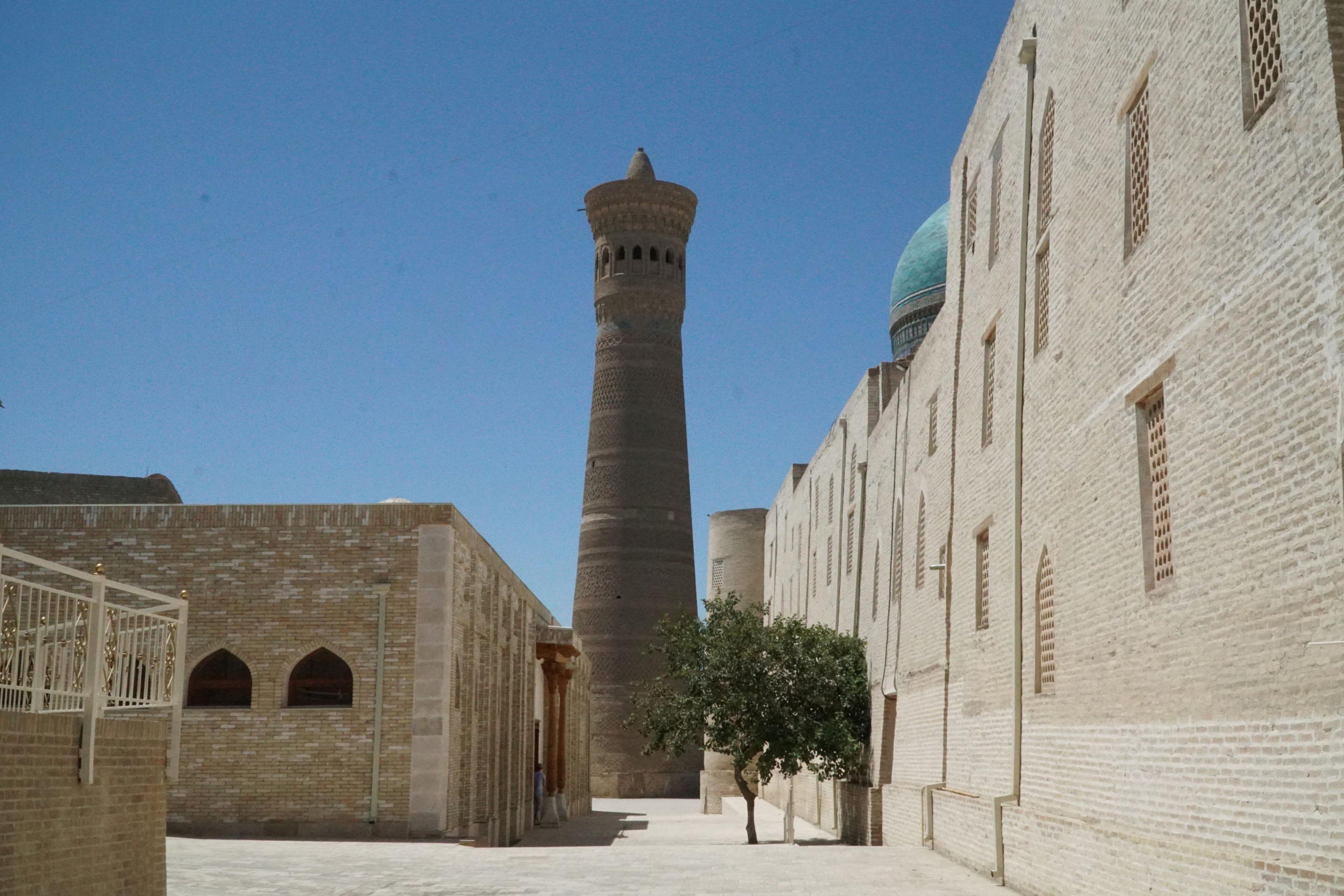
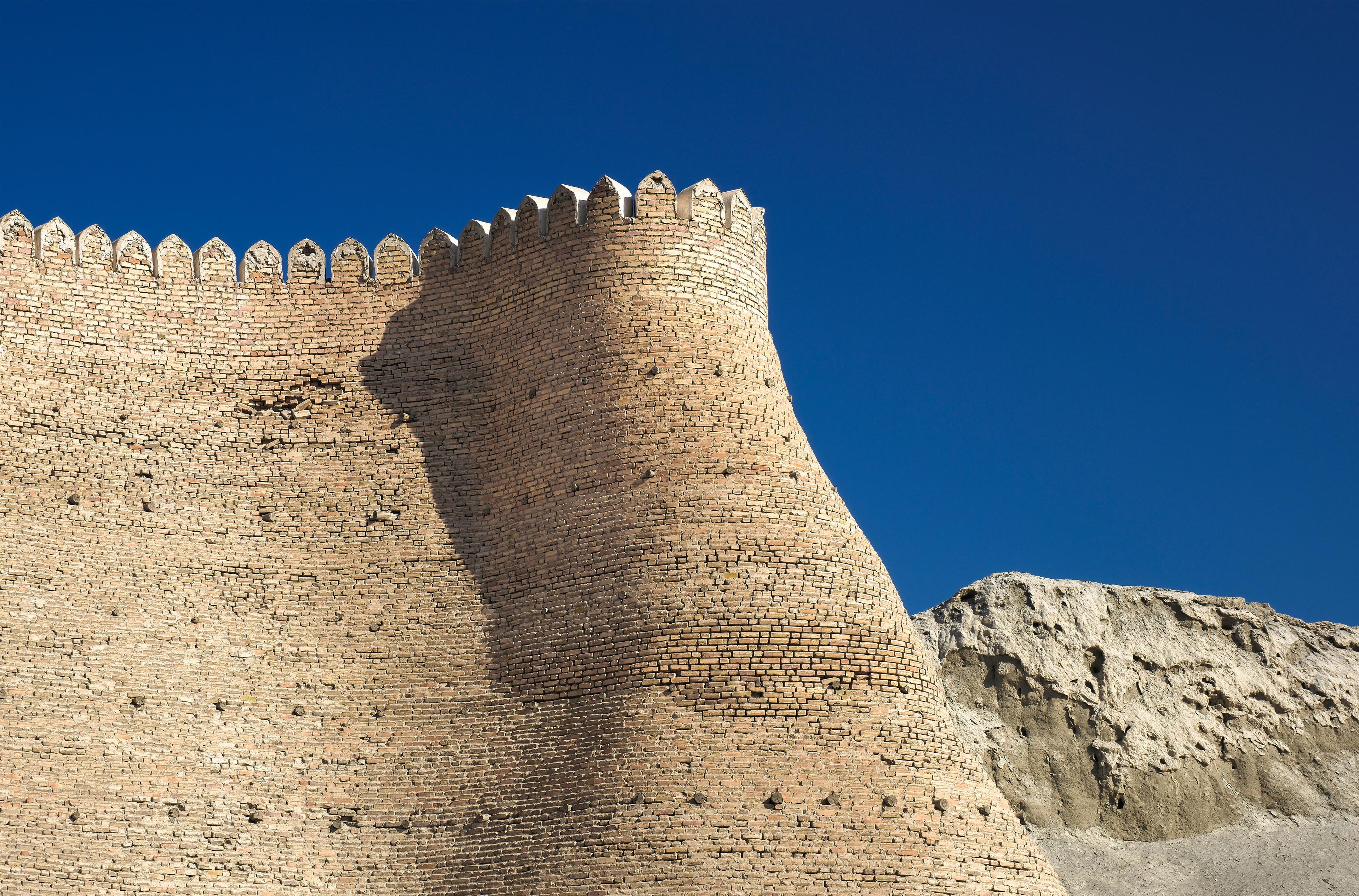
Bukhara's best-known literary legacy comes from the nineteenth century, when British and Russian agents competed for influence across Central Asia. Peter Hopkirk's The Great Game: On Secret Service in High Asia (first published in 1990) tells the story of that rivalry with pace, and its account of two British officers who ended up in the Emir of Bukhara's dungeon will change how you look at the Ark Fortress. Read it before visiting Bukhara's Ark and the old town.
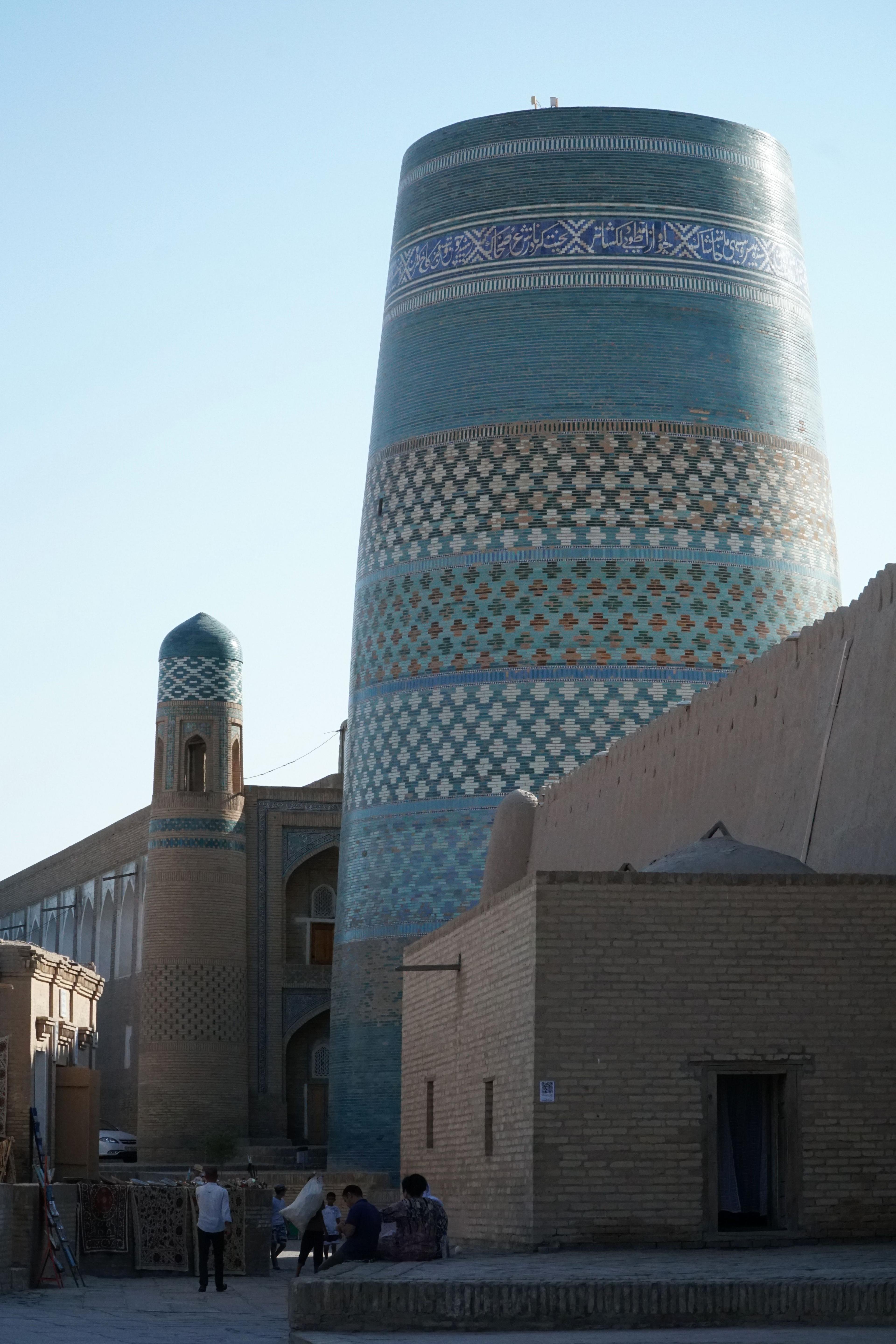
For a lighter and funnier outlook, Frederick Burnaby's A Ride to Khiva, a Victorian bestseller published in 1876, tells of his winter journey through Russian-controlled Turkestan to the khanate of Khiva. It is a very period piece, with attitudes of its time, but it gives a vivid picture of a world that was changing fast. Bukhara and Khiva were both independent khanates then, and Burnaby's book is a lively companion for the Ichan-Kala.
Fergana, Babur and travel in the twentieth century
The Baburnama, the memoirs of Babur, a prince born in Andijan in the Fergana Valley who became the first Mughal emperor, is among the first great autobiographies in world literature. Wheeler Thackston's English translation, published by Oxford University Press with the Smithsonian in 1996, is widely recommended and has been described as a definitive modern rendering. Babur writes about the valley's fruit, rivers and politics with a frankness that survives centuries. It is the best book to read before visiting Fergana or Margilan.
For twentieth-century Central Asia, Colin Thubron's The Lost Heart of Asia, published in 1994, describes his journey through the newly independent republics after the fall of the Soviet Union, and remains a fine portrait of the region at a turning point. His later Shadow of the Silk Road follows the old trade routes from China towards Turkey and also passes through Samarkand. For an earlier era, Ella Maillart's Turkestan Solo (1934) recounts a Swiss traveller's journey in Soviet Central Asia in the early 1930s.
The Soviet years and today
Erika Fatland's Sovietistan, a Norwegian bestseller of 2014 that appeared in English translation around 2019 to 2020 depending on the edition, visits each Central Asian republic, with a chapter on Uzbekistan that includes her visit to the Nukus museum. It is a readable, observant tour of the region after independence, and a good way to understand the Soviet legacy you will see in Tashkent, from the metro to the mahalla.
Hamid Ismailov's novel The Railway, written in Russian and published in 1997, appeared in Robert Chandler's English translation in 2006. It is set in a fictional railway town in Uzbekistan and follows a cast of characters across the twentieth century. It is funny, warm and wise about a place where Uzbeks, Russians, Jews and others lived together. If you want to read one novel from Uzbekistan on your trip, this is a good choice. For the buildings that this world left behind, see our guides to Tashkent modernism and Soviet architecture and the 1966 earthquake.

Uzbek voices: Navoi and the classical poets
Visitors notice quickly that one name appears on streets, theatres and metro stations: Alisher Navoi, the 15th-century poet and statesman who wrote in Chagatai Turkic and is honoured as a founder of the Uzbek literary tradition. His works are available in English only in selections and scholarly translations, which can be hard to find, so do not expect a single standard edition. A better route for most travellers is an anthology of Central Asian and Persian poetry, or the poems quoted on museum labels and on the walls of Samarkand and Bukhara.
It is also worth knowing that much of the region's classical writing is in Persian and Arabic. The scholars described in our guide to the great scholars of Uzbekistan, from al-Khwarizmi to Ibn Sina, wrote in those languages, and a hand-held book of translated excerpts will make the Center of Islamic Civilization in Tashkent more meaningful. Our guide to Uzbek music and dance also introduces the maqom tradition, which sets classical poetry to music. If you find a translation you like, ask your guide where to buy it locally: Tashkent bookshops and museum shops often stock illustrated editions in English and Russian.
One film to watch: The Desert of Forbidden Art
The Desert of Forbidden Art (2010), directed by Amanda Pope and Tchavdar Georgiev, tells the story of Igor Savitsky, the artist and collector who gathered banned Soviet avant-garde paintings and hid them in a museum in Nukus, in the remote region of Karakalpakstan. The documentary runs for about 80 minutes, was a Russia, USA and Uzbekistan co-production, and has been shown in cinemas and on American television. It is an eloquent argument for the power of art, and it makes a visit to the Savitsky Museum in Nukus unforgettable. Read our guide to the museum, then watch the film, and you will see the collection with new eyes.
Beyond that, a good habit is to look for local documentaries and short films in Tashkent's cultural venues and museums when you arrive. Our guides to art in Uzbekistan and to music and dance suggest places to start.
How to build your own reading list
- For a plane or train journey, choose a narrative: Burnaby, Thubron or Fatland.
- For a particular city, read first about its ruler: Timur for Samarkand, Babur for Fergana, the emirs for Bukhara.
- If you are short on time, read the introductions and chapters on Uzbekistan only; many of these books wander across several countries.
- Check editions and availability before you travel; older titles are often reprinted by small publishers or available as e-books.
- Keep a guidebook for facts. Prices, hours and routes change, and several of these books are history rather than practical help.
If you would like the history to come alive on location, our guides can build a theme into your itinerary: Timur's Samarkand, the Great Game in Bukhara, Babur's Fergana or the avant-garde of Nukus. Tell us what you have been reading through our trip builder or on WhatsApp.