Algebra, the algorithm, the Canon of Medicine, a star catalogue measured in Samarkand: some of the great minds of the medieval world came from what is now Uzbekistan. Their lives, their discoveries and the museums and monuments you can visit today.
Facts, prices and schedules checked on November 4, 2026
Every time you use an algorithm, solve an equation or read a star chart, you touch the work of scholars from what is now Uzbekistan. Between the 9th and 15th centuries, the oases of Khorezm, Bukhara and Samarkand produced some of the greatest minds of the medieval world: al-Khwarizmi, the father of algebra; al-Biruni, who measured the Earth; Ibn Sina, known in Europe as Avicenna, whose medical textbook was used for centuries; and Ulugh Beg, the ruler who built an observatory in Samarkand.
This guide tells their stories briefly and clearly, explains what they actually discovered, and shows you where to find their legacy on a trip: the village of Afshona where Ibn Sina was born, the statue of al-Khwarizmi in Khiva, the Ulugh Beg Observatory in Samarkand and more.
Why did Central Asia produce so many scholars?
The short answer is wealth, trade and patronage. Central Asia sat on the Silk Road, where goods, books and ideas from China, India, Persia and the Mediterranean met. Rich cities could afford libraries, and their rulers competed for prestige by attracting learned men.
Three moments stand out:
- The Abbasid period (8th and 9th centuries), when scholars from Khorezm and Transoxiana went to Baghdad to work at the House of Wisdom, translating and extending Greek, Persian and Indian science.
- The Samanid and Khorezmian courts (10th and early 11th centuries), when Bukhara and Gurganj in Khorezm (today's Kunya-Urgench, across the border in Turkmenistan) gathered physicians, astronomers and philosophers.
- The Timurid era (15th century), when Ulugh Beg made Samarkand a centre of mathematics and astronomy.
These scholars wrote mostly in Arabic, the scientific language of the time, and some in Persian. Modern Uzbekistan, Iran, Tajikistan, Afghanistan and others all honour them, which is a reminder that borders did not exist in their world the way they do now. Our Silk Road history guide covers the wider story.
Al-Khwarizmi: algebra and the algorithm
Muhammad ibn Musa al-Khwarizmi was born around 780, and his name tells you where he came from: Khwarazm (Khorezm), the oasis on the lower Amu Darya around today's Khiva and Urgench. Around 820 he was working in Baghdad at the House of Wisdom, the great Abbasid library and research centre, as an astronomer and scholar. He died around 850.
What he gave the world:
- Algebra. His book on calculation by 'completion and balancing', written around 820, set out systematic methods for solving linear and quadratic equations. The word algebra comes from al-jabr in its title.
- The algorithm. A second book explained calculation with the Hindu numerals (the 0 to 9 decimal system we now call Arabic numerals). Its Latin translation began 'Algoritmi says...', and his Latinised name became the word algorithm.
- Astronomy and geography. He compiled astronomical tables and a revised world geography listing the coordinates of more than 2,000 places.
Through Latin translations in the 12th century, his books helped bring decimal numbers and algebra to Europe.
Al-Biruni: the man who measured the Earth
Abu Rayhan al-Biruni was born in 973 in Kath, an ancient capital of Khorezm on the right bank of the Amu Darya, in today's Karakalpakstan. The town is now named Beruniy in his honour. He worked at the courts of Khorezm and Central Asia, then from 1017 was taken to Ghazni (in today's Afghanistan) by Mahmud of Ghazni, and died there around 1050.
Al-Biruni was an extraordinary polymath. Among his achievements:
- He estimated the radius of the Earth using a clever method: measuring the height of a mountain and the angle of the horizon seen from its top. His result was within a few per cent of the modern value.
- He wrote a remarkable book on India, its religions, sciences and customs, based on years of study there, often called one of the first works of comparative religion and anthropology.
- His book on chronology compared the calendars and festivals of many peoples, and his astronomical encyclopedia, the Mas'udi Canon, discussed the possibility that the Earth rotates.
- He studied minerals, gems and medicines, measuring specific gravities with impressive accuracy.
As a young man he exchanged a famous series of questions and answers with Ibn Sina on physics and philosophy, a debate between two geniuses that still makes lively reading.
Ibn Sina (Avicenna): the prince of physicians
Abu Ali ibn Sina, known in Europe as Avicenna, was born around 980 in the village of Afshona (Afshana), near Bukhara, then the capital of the Samanid state. His family moved to Bukhara when he was a child, and he was a prodigy: by his own account he had mastered the Quran, logic and the sciences in his teens, and at 17 he was treating the Samanid ruler Nuh II, which gave him access to the royal library.
After the fall of the Samanids he moved from court to court across Khorezm and Persia, writing constantly, often while travelling or in political trouble. He died in Hamadan, in today's Iran, in 1037, where his mausoleum stands.
His legacy:
- The Canon of Medicine, a five-volume encyclopedia of medical knowledge, became the standard textbook in the Islamic world and at European universities for centuries, still used in some places in the 17th century.
- The Book of Healing, a vast encyclopedia of philosophy and science, which shaped both Islamic and medieval European thought.
- Around 450 works are attributed to him, of which around 240 survive.
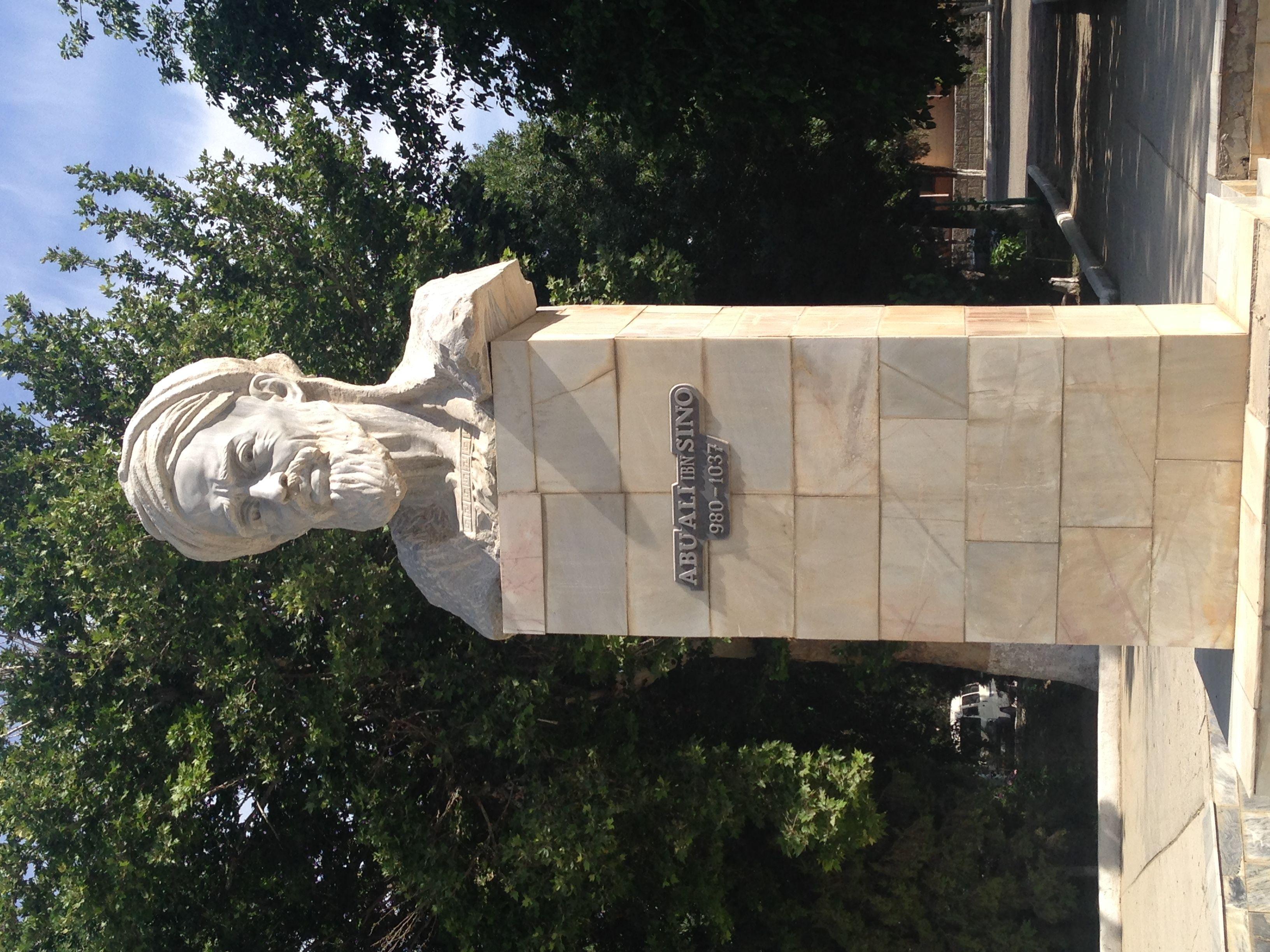
In Uzbekistan he is Abu Ali ibn Sino, and you will see his name on hospitals, streets, schools and a large medical institute.
Ulugh Beg: the astronomer king
Mirzo Ulugh Beg was the grandson of Amir Timur. Born in 1394, he became governor of Samarkand in 1409, aged 16, and ruled the city for four decades, more as a scholar than a conqueror. He studied mathematics and astronomy himself and gathered leading scientists around him, including the astronomers Qadi Zada al-Rumi and al-Kashi.
His achievements:
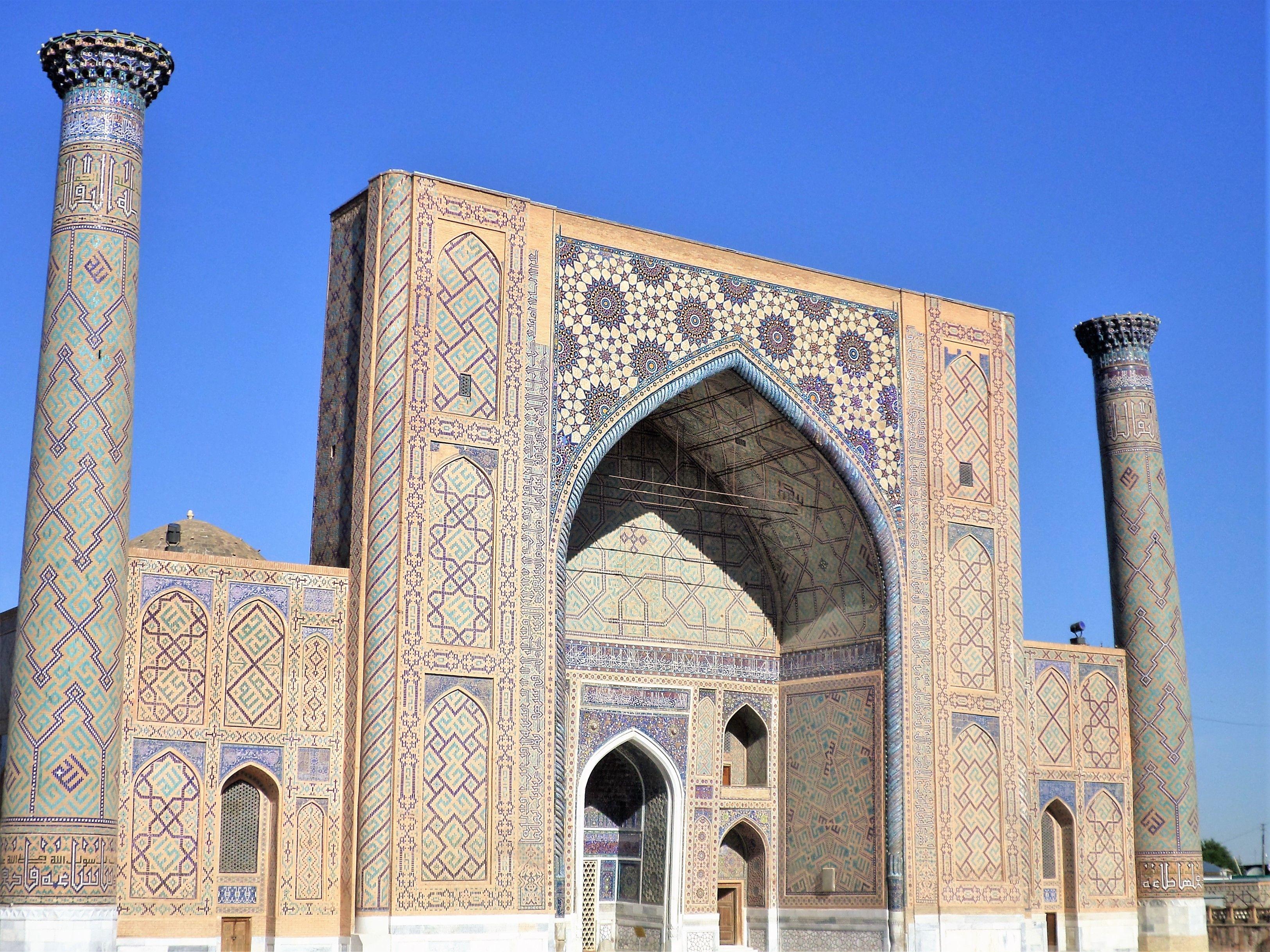
- The Ulugh Beg Madrasa on Registan Square (1417 to 1420), where astronomy and mathematics were taught alongside religious subjects, and a sister madrasa in Bukhara.
- The observatory on a hill north-east of Samarkand, built between 1424 and 1429, a three-storey round building around a giant meridian instrument.
- The Zij-i Sultani, completed around 1437: astronomical tables with a catalogue of about 994 stars, the most accurate since antiquity. He measured the sidereal year as 365 days, 6 hours, 10 minutes and 8 seconds, remarkably close to the modern value.
His story ends tragically. After his father Shah Rukh died in 1447, Ulugh Beg became ruler of the Timurid state, but in 1449 he was overthrown and killed on the orders of his son Abd al-Latif. The observatory was abandoned and later destroyed. He is buried in Gur-e-Amir, next to his grandfather; Soviet scientists opened the tomb in 1941 and confirmed he had been beheaded.
Visiting the Ulugh Beg Observatory in Samarkand
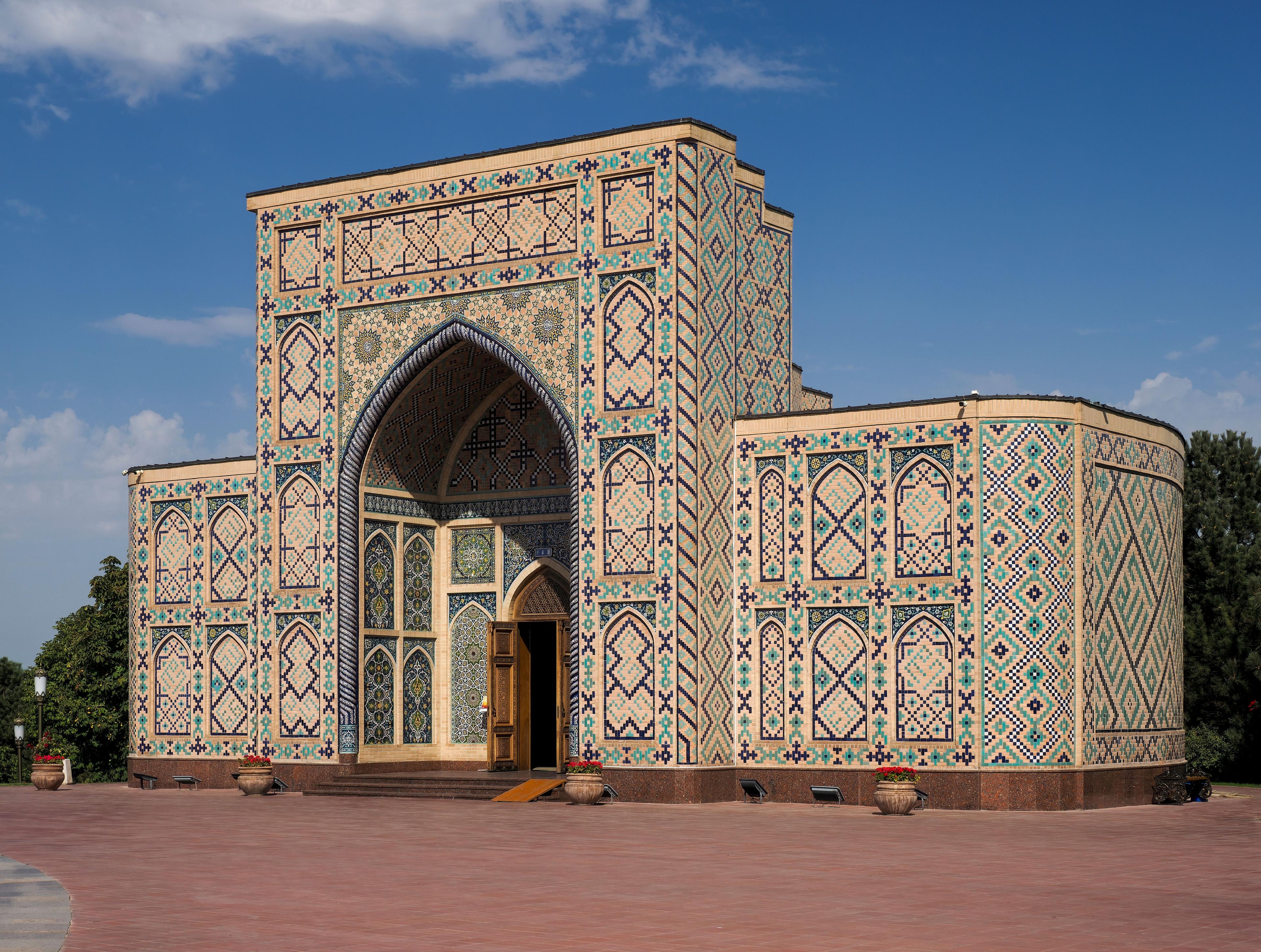
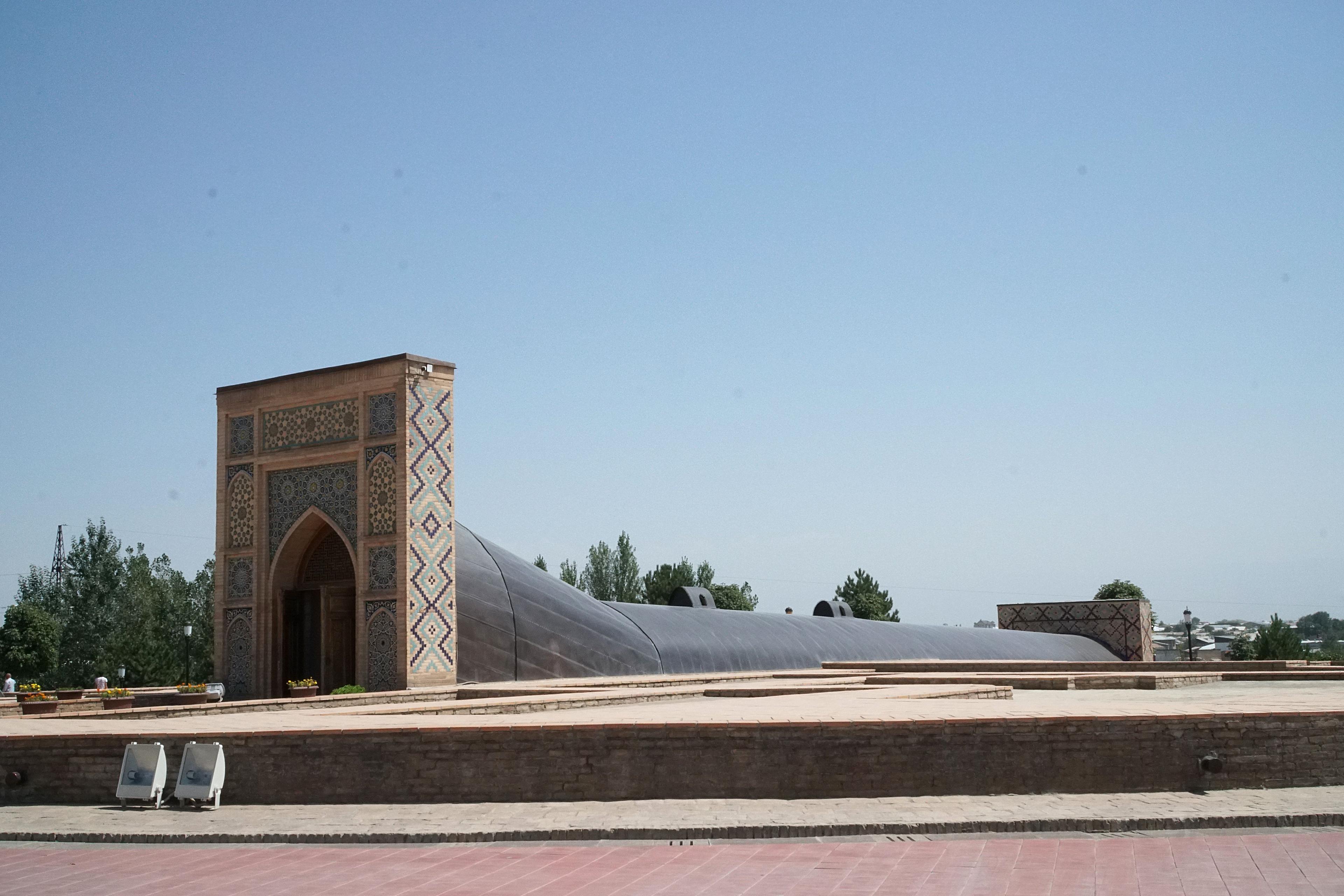
The observatory was lost for centuries until the Russian archaeologist Vasily Vyatkin found its remains in 1908, guided by an old document. What you see today:
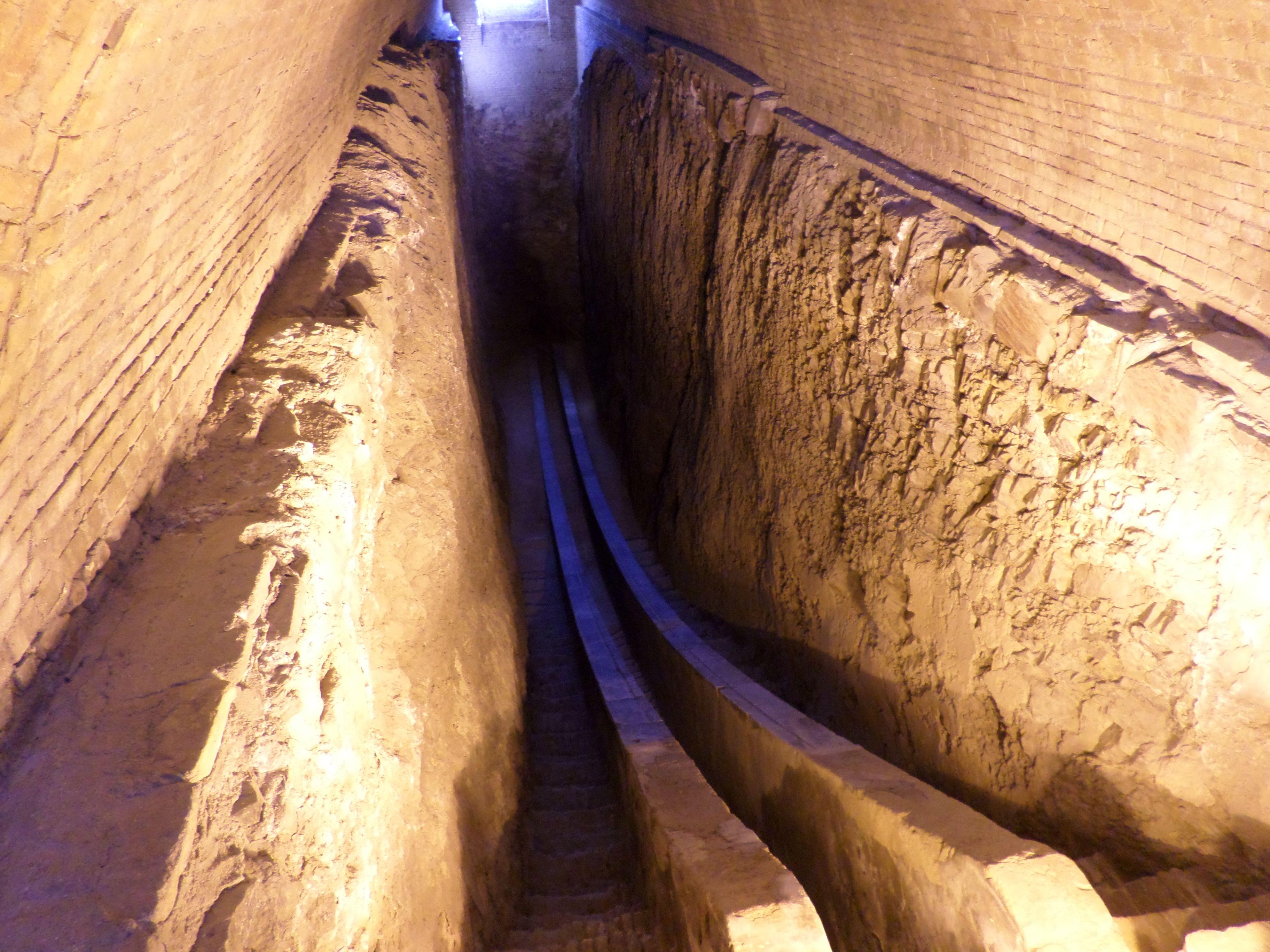
- The surviving underground part of the great meridian arc, a curved stone-lined trench with brass-edged rails, now covered by a protective vault. Scholars describe the original instrument as a quadrant or sextant with a radius of about 40 metres. Only the lower section survives.
- The foundations of the round building, around 46 metres across.
- A small museum in a tiled building next to the site, with copies of Ulugh Beg's star catalogue, instruments, portraits and the story of Vyatkin, who asked to be buried here.
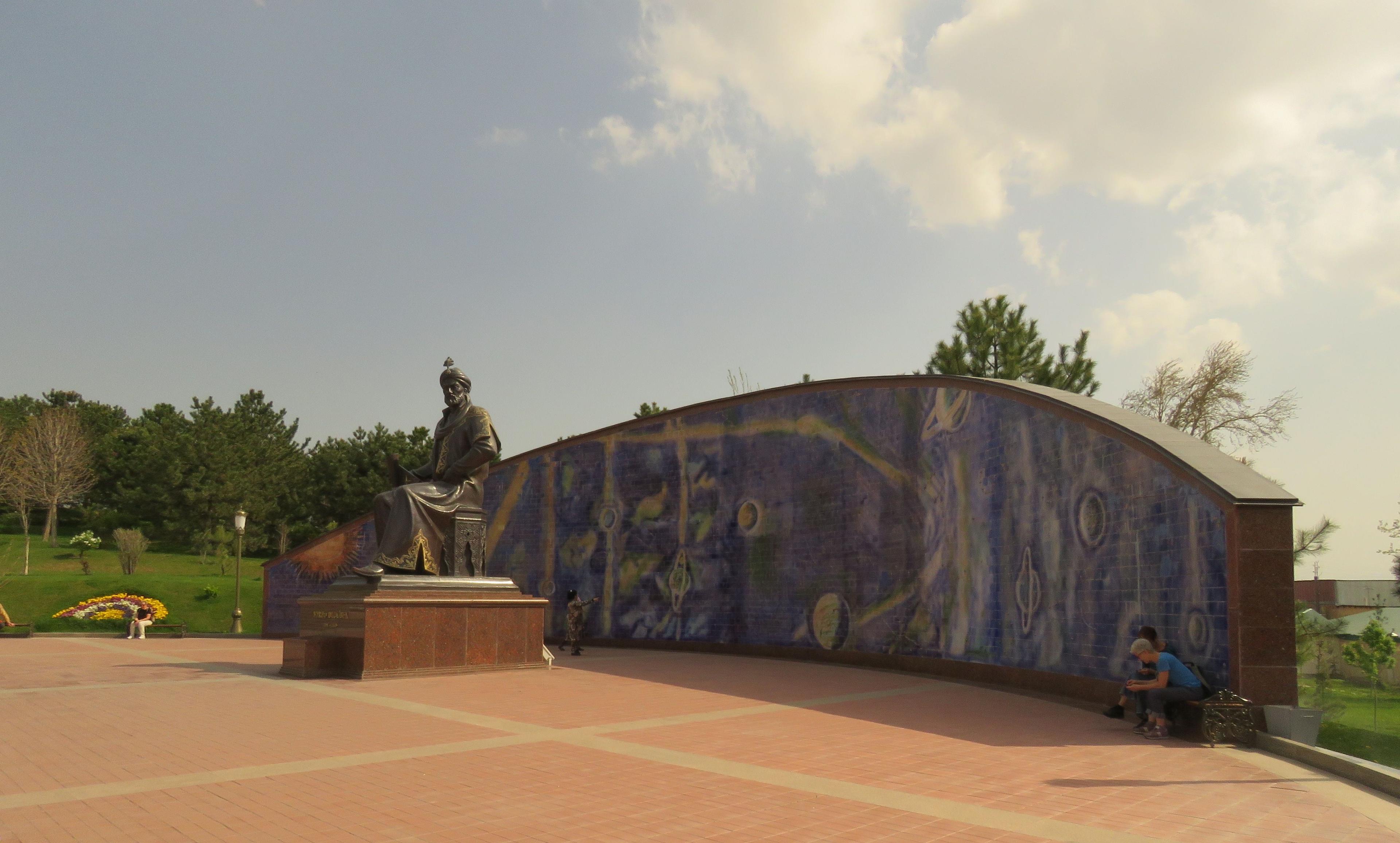
- A modern monument to Ulugh Beg seated in front of a mosaic panel.
Practical information:
- Location: on a hill about 3 km north-east of the Registan, near the Afrosiyob museum and the ancient city site. Combine the three in one morning.
- Time needed: about an hour.
- Hours: usually 9:00 to 17:00 or 18:00. Some sources say it closes on Sundays, so check locally.
- Tickets: foreigners paid roughly 25,000 to 30,000 som (about US$2 to 3) according to recent reports; prices in Samarkand change, so check at the ticket office.
The observatory is included in most Samarkand city tours, and it pairs naturally with the Ulugh Beg Madrasa on Registan Square, where his science was taught. Our Samarkand beyond Registan guide covers the nearby sights.
Visiting Afshona, the birthplace of Ibn Sina
Afshona is a quiet village in the Peshku district north of Bukhara, about an hour's drive from the old town. There is a small memorial museum to Ibn Sina, opened in 1980 for the thousandth anniversary of his birth, with exhibits on his life, manuscripts and copies of his books, old medical instruments and medicinal plants, and a statue in the garden.
It is a modest place, not a grand complex, and best for travellers who are genuinely interested in Ibn Sina or who enjoy village life. The visit is easy to combine with the ceramic workshops of Gijduvan, making a pleasant half-day trip from Bukhara.
Tips:
- Allow about one hour at the museum, plus travel time.
- Opening hours are not always reliable; go with a guide or call ahead.
- Signs are mainly in Uzbek and Russian, so a guide makes the visit much richer.
In Bukhara itself you will find a bust of Ibn Sina in the old town, and the Ark Fortress area recalls the Samanid court where he studied.
Al-Khwarizmi and al-Biruni in Khorezm and Karakalpakstan
Both scholars came from the Khorezm oasis, so their memorials are in the north-west of Uzbekistan, the region you visit for Khiva.
- Khiva: a statue of al-Khwarizmi stands just outside the western gate (Ota Darvoza) of Ichan-Kala, where most visitors enter the old city. It is a favourite photo spot.
- Urgench: the regional capital, 30 km from Khiva, has a statue of al-Khwarizmi under a white colonnade in the centre, opposite the regional administration building. You pass through Urgench if you fly into Khorezm.
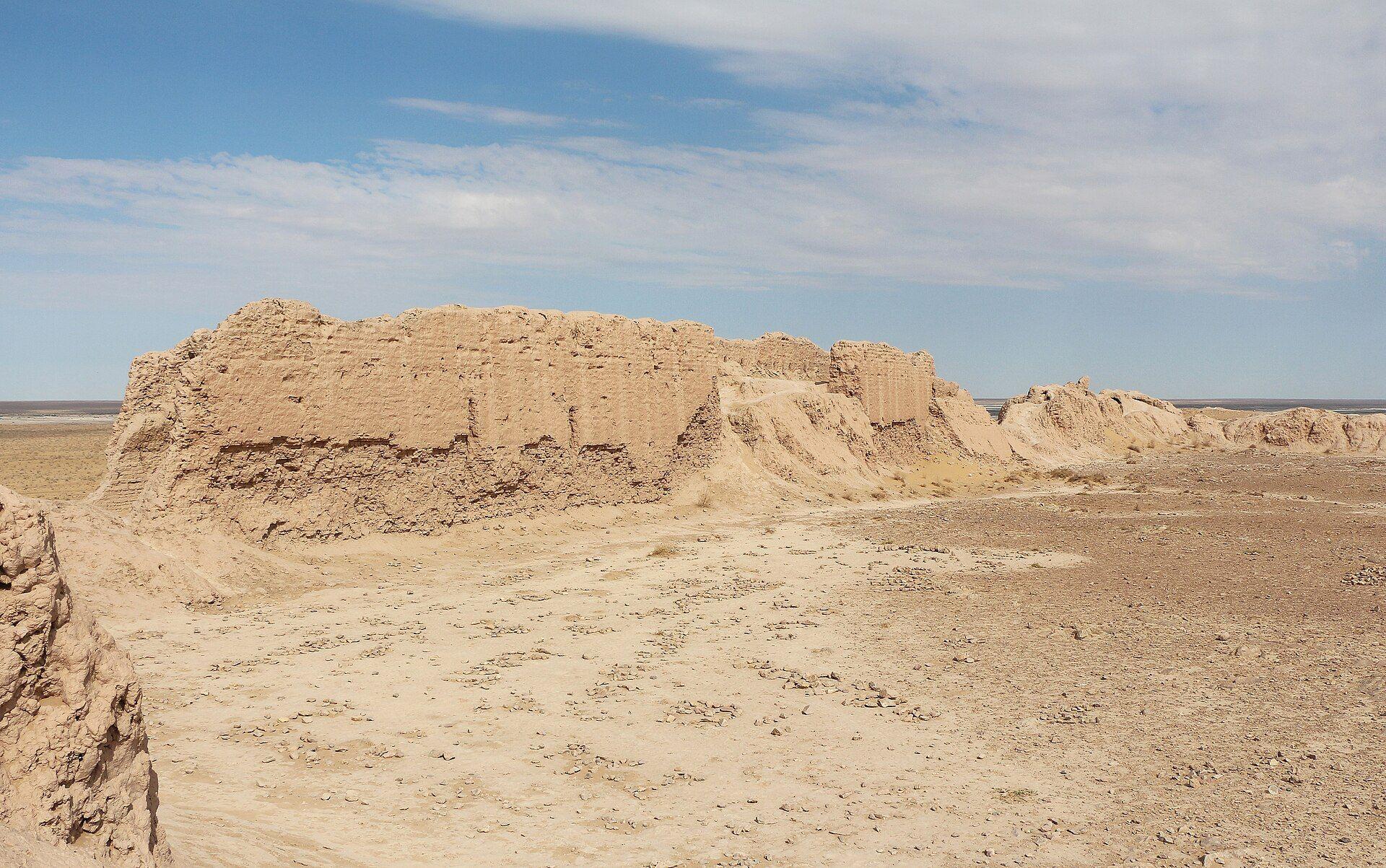
- Beruniy: the town built on the site of ancient Kath, in Karakalpakstan, is named after al-Biruni. It lies on the road between Khiva and Nukus, and the desert fortresses of Khorezm are not far away.
- Tashkent: the Institute of Oriental Studies of the Academy of Sciences, named after al-Biruni, holds one of the world's great collections of oriental manuscripts. Access for visitors is limited; ask us in advance if you are a researcher.
If your itinerary includes Khiva, Nukus and the Savitsky museum, you will cross the land of both men; see our guides to Khiva and the Khorezm desert fortresses.
Other great minds from Uzbekistan
The four above are the best known, but the list is long:
- Ahmad al-Farghani (Alfraganus), 9th century, from the Fergana Valley: an astronomer whose textbook was widely read in medieval Europe. Fergana has a monument to him.
- Imam al-Bukhari, 9th century, from Bukhara: compiler of the most respected collection of hadith in Sunni Islam. His memorial complex near Samarkand is a major pilgrimage site.
- Abu Isa at-Termizi and Hakim at-Termizi, from Termez: a hadith scholar and a Sufi thinker, both honoured with shrines in Surkhandarya.
- Ali Qushji, 15th century, a student of Ulugh Beg, who carried the Samarkand school of astronomy to Istanbul.
- Alisher Navoi, 15th century, Herat-based poet and statesman of the Timurid era, father of Chagatai Turkic literature and a national hero in Uzbekistan.
Our guide to ziyarat pilgrimage in Uzbekistan covers the religious scholars and their shrines.

A scholars' route through Uzbekistan
You can follow these men across the country in a classic itinerary:
- Tashkent: start at the State Museum of History of Uzbekistan and the modern Center of Islamic Civilization, where the scholars of the Golden Age are a major theme.
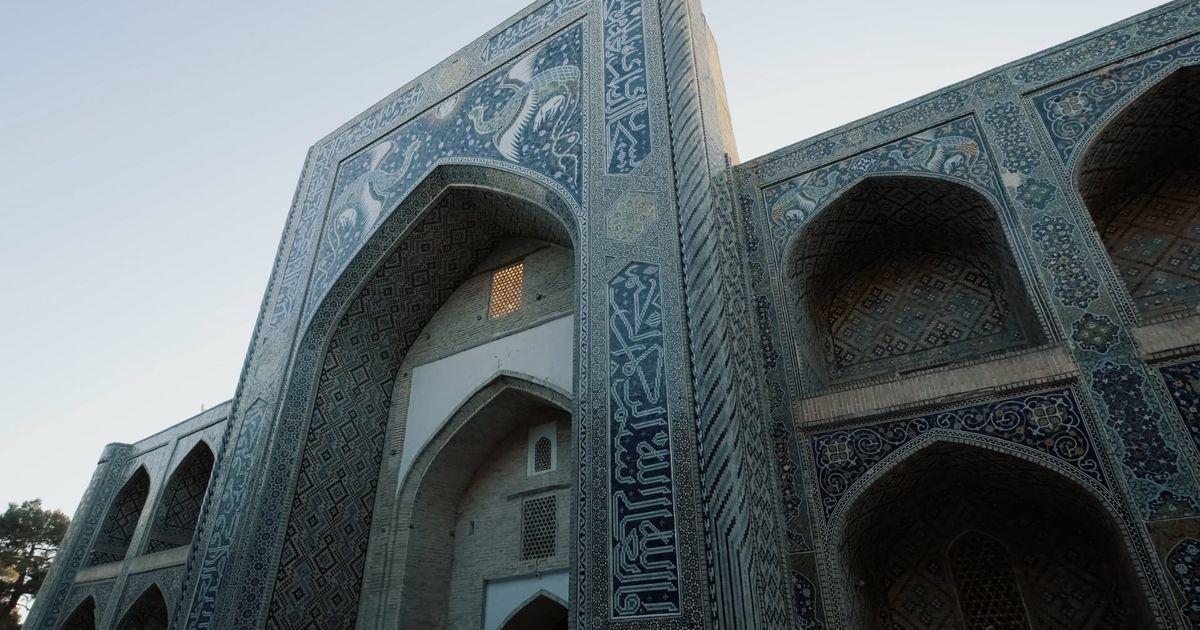
- Samarkand: the Ulugh Beg Madrasa on Registan Square, the observatory and Ulugh Beg's tomb in Gur-e-Amir.
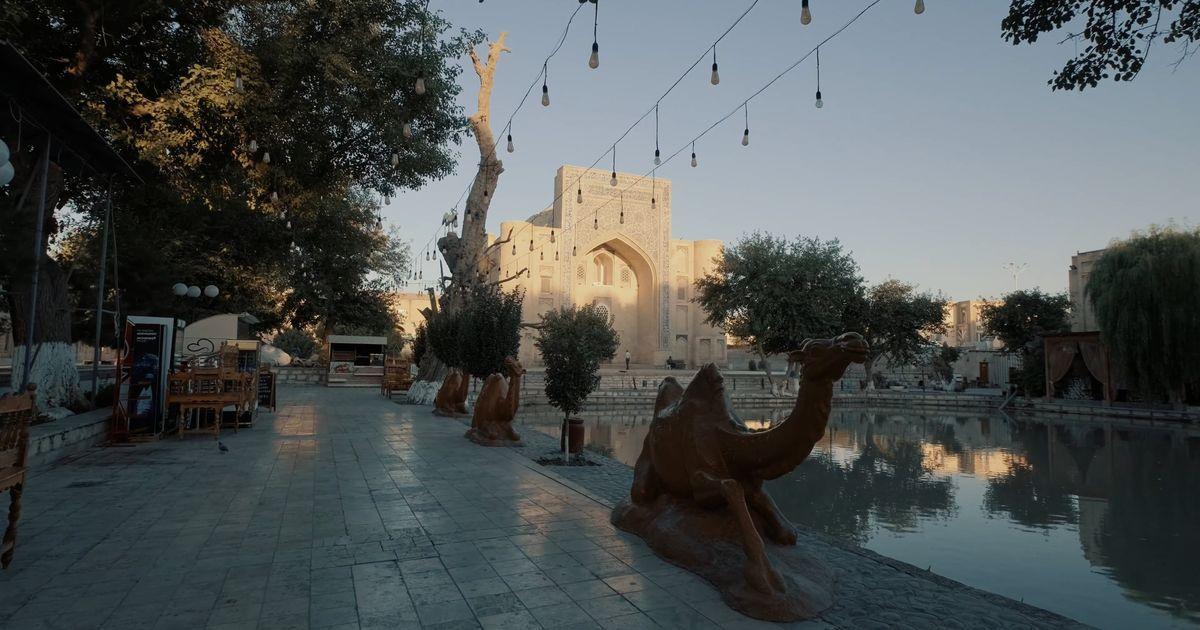
- Bukhara: the Samanid Mausoleum, from the dynasty that employed the young Ibn Sina, and a half-day trip to Afshona.
- Khiva and Karakalpakstan: the al-Khwarizmi statue, Urgench and the town of Beruniy.
Travel between them by the Afrosiyob high-speed train or by road, as you would on any Silk Road trip.
Exploring the scholars' Uzbekistan with TourEast
Our guides in Samarkand, Bukhara and Khiva bring these stories to life on site, and we can build a private tour around science and history, including Afshona, the observatory and the Khorezm memorials. Afshona and the observatory already feature in some of our small-group itineraries.