
Craft workshop · Living craft tradition
Chust Knife Makers
The Namangan-region town whose forged knives, the Chust pichoq, are carried and given as gifts across Uzbekistan; family smiths still forge, temper and finish them by hand.
About
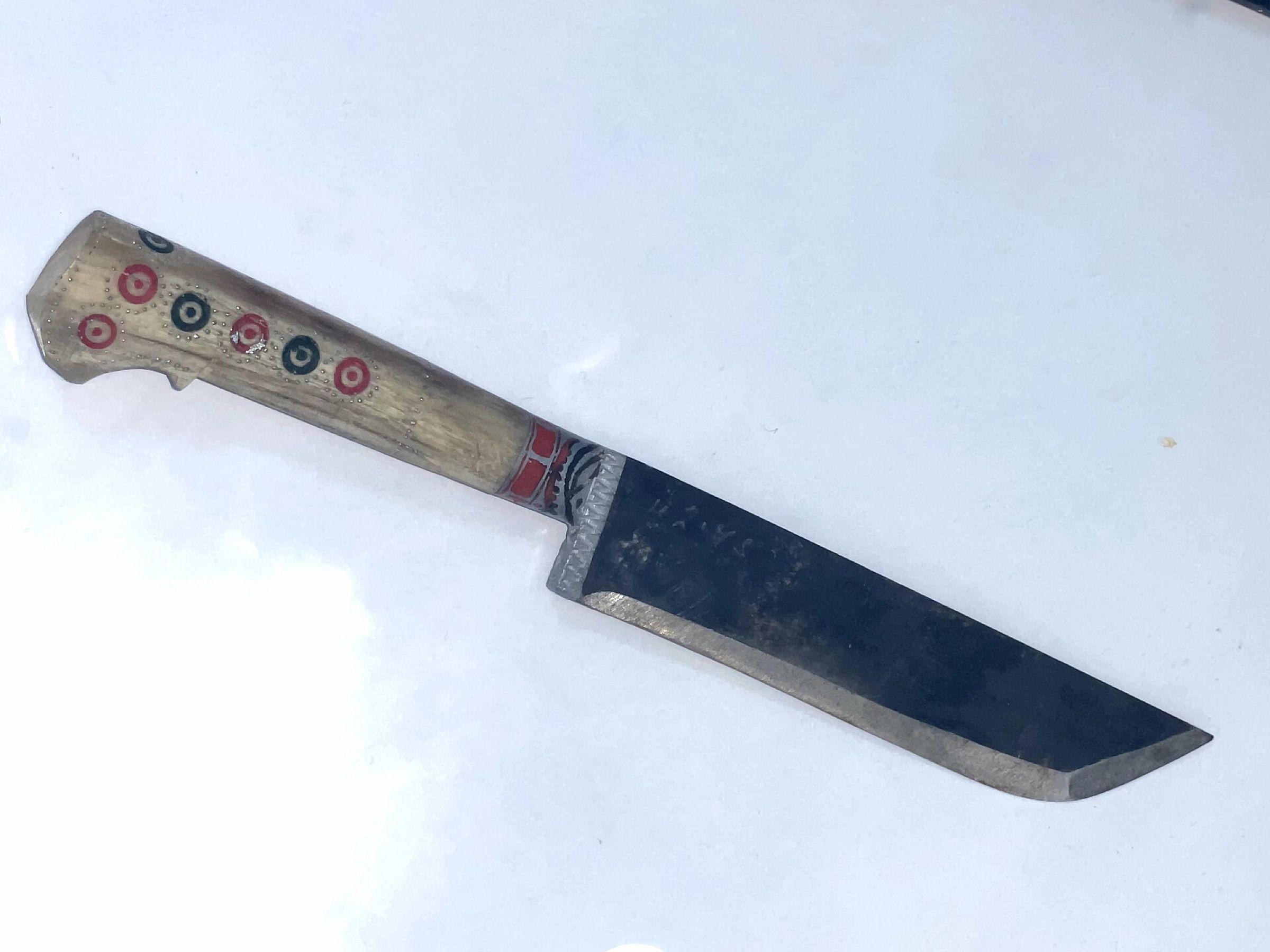
Ask an Uzbek where the best knives come from and the answer is usually the same: Chust. This small town at the north-western end of the Fergana Valley, in the Namangan region, has given its name to the Chust pichoq, the traditional knife found in every Uzbek kitchen, at every plov cauldron and in many a guest's luggage. A good one is a lifelong possession and a classic gift.
Chust is old. Archaeologists use its name for the Chust culture, a Bronze Age farming culture of the valley, and the town had a quarter of knife makers long before the Russian conquest. The craft passed from father to son, and several family workshops today trace their trade back many generations, though the number of masters has fallen and the craft is regarded as vulnerable.
What makes a Chust knife
The classic pichoq has a broad, slightly curved blade of forged steel, a straight back and a handle traditionally made of horn, bone or wood, often inlaid with coloured plastic or brass. Each master stamps the blade with his mark. The finest decorated knives, called guldor pichoq, carry engraving and chasing on the blade and bolster. Smiths forge the blade from a steel bar, temper it, grind and polish it, and fit the handle; at a family workshop you can watch every step, sparks and all.
Visiting a workshop
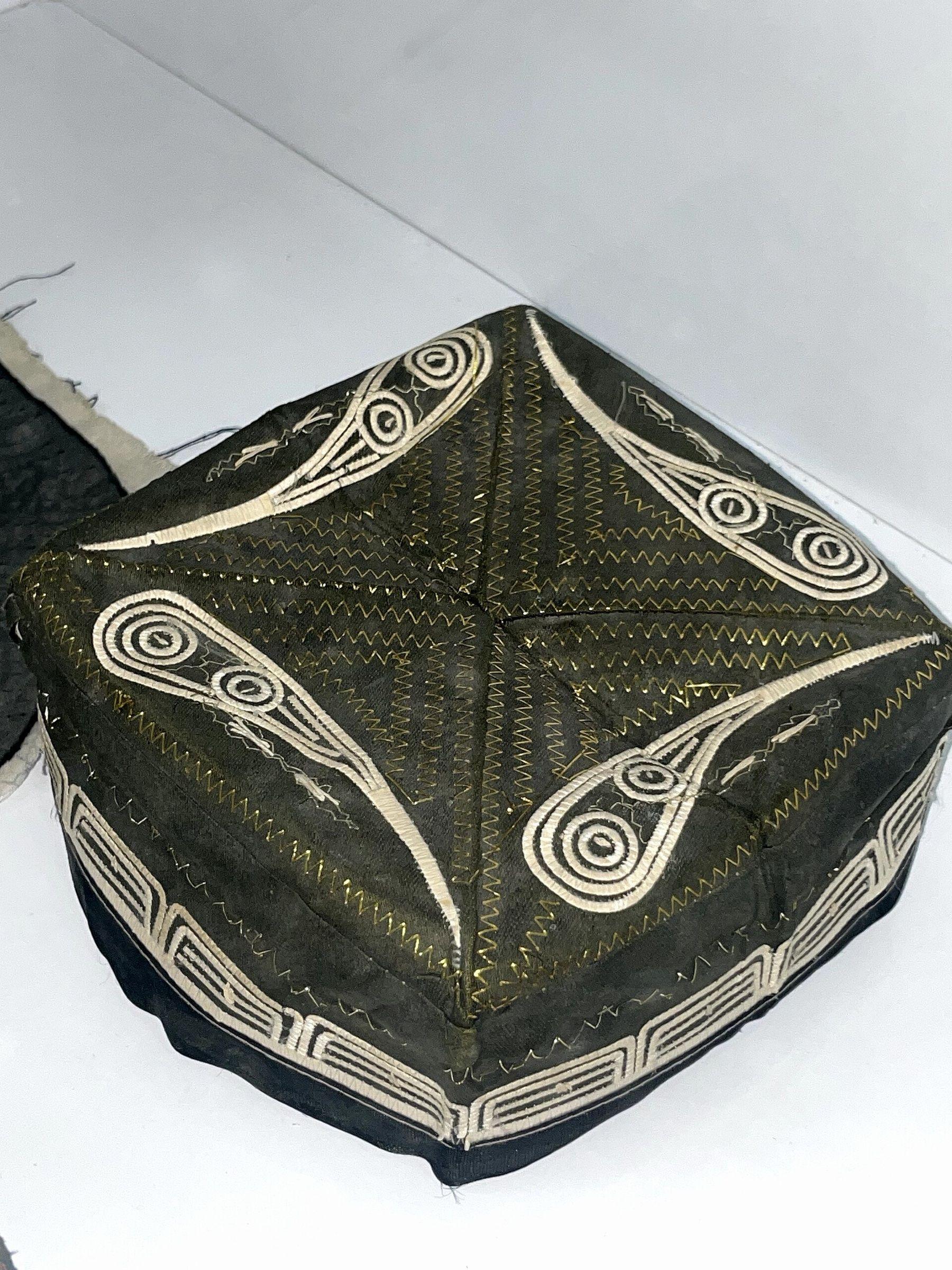
Visits are arranged with a family of smiths in advance, and the master usually demonstrates forging, sharpening and finishing, then lays out knives for sale. Prices depend on the steel, the handle and the decoration. The town's bazaar also has rows of knife sellers, along with Chust's other famous product, the black-and-white embroidered doppi skullcap.
Two practical points. Pack knives in your checked luggage, never in your cabin bag, and check the rules on carrying blades in your home country before buying. Chust lies on the northern road into the valley, about four hours from Tashkent over the Kamchik Pass, so it is usually visited on the way in, followed by Namangan and Fergana.
What to see
- Watching a smith forge and temper a blade
- Masters' marks stamped on each knife
- Guldor pichoq with engraved and chased blades
- Horn, bone and inlaid handles
- Knife rows and black-and-white doppi skullcaps at the Chust bazaar
Gallery


More sights in Fergana Valley
All of Fergana Valley

See Chust Knife Makers with a local guide
We build private and small-group trips around the places you want to see — with guides who grew up here.