
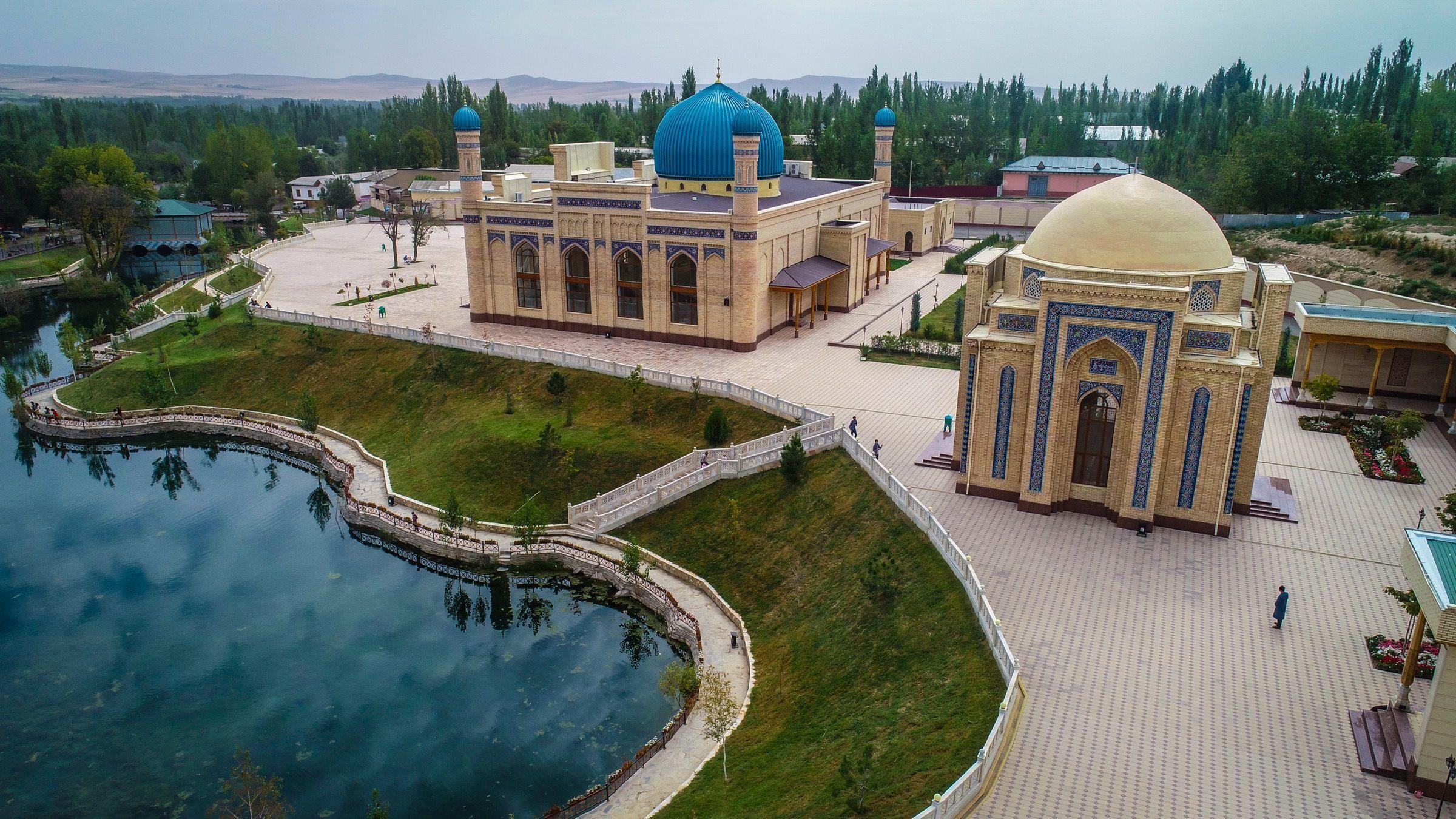
Architectural ensemble · Jampyk-kala 4th century BC – 14th century; Sultan Uvays-bobo shrine 16th–20th centuries; Badai-Tugai reserve founded 1971
Sultan Uvays Mountains: Jampyk-kala, Sultan Uvays-bobo and Badai-Tugai
A black mountain ridge on the Amu Darya that holds Khorezm's most elegant fortress, its most visited shrine and a riverside forest where Bukhara deer survive. One road, one day, three very different reasons to stop between Nukus and Khiva.
About
Between Nukus and Khiva the Urgench road passes the dark, bare Sultan Uvays range (Sultanuizdag), a low ridge of ancient rock rising from the desert on the right bank of the Amu Darya. Along its foot lie three places that together make the best day out in southern Karakalpakstan: a fortress with decorated walls, a shrine that draws pilgrims from across Central Asia, and a floodplain forest that is the last stronghold of a rare deer.
Jampyk-kala
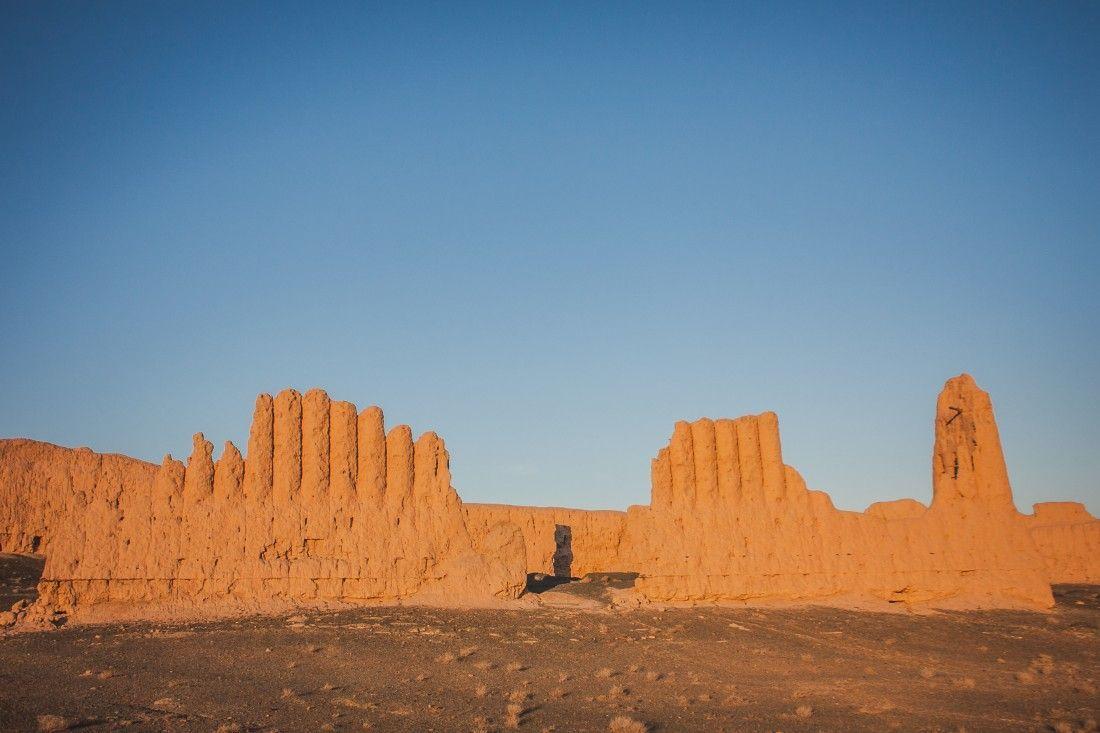
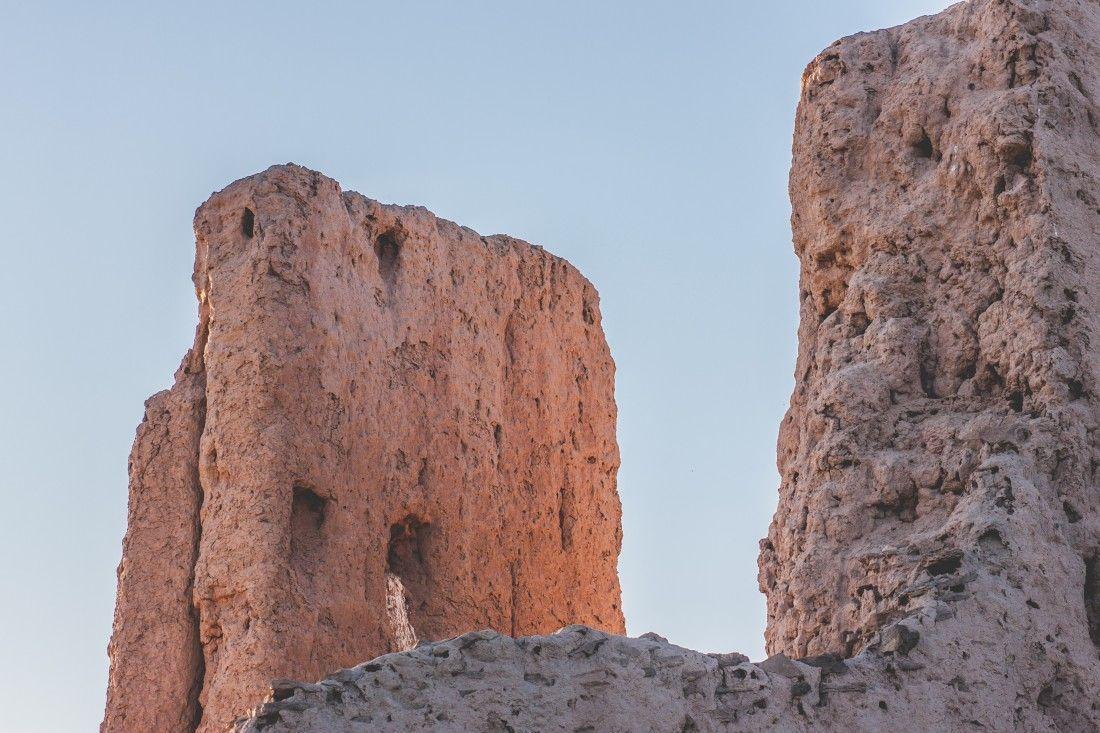
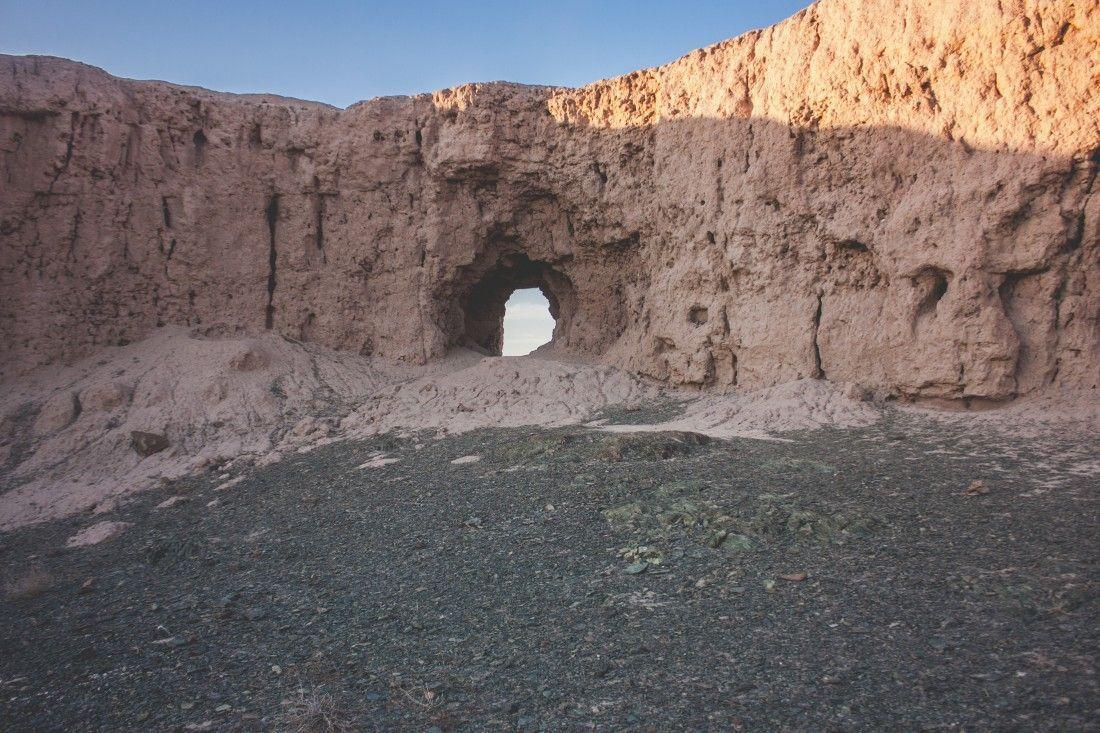
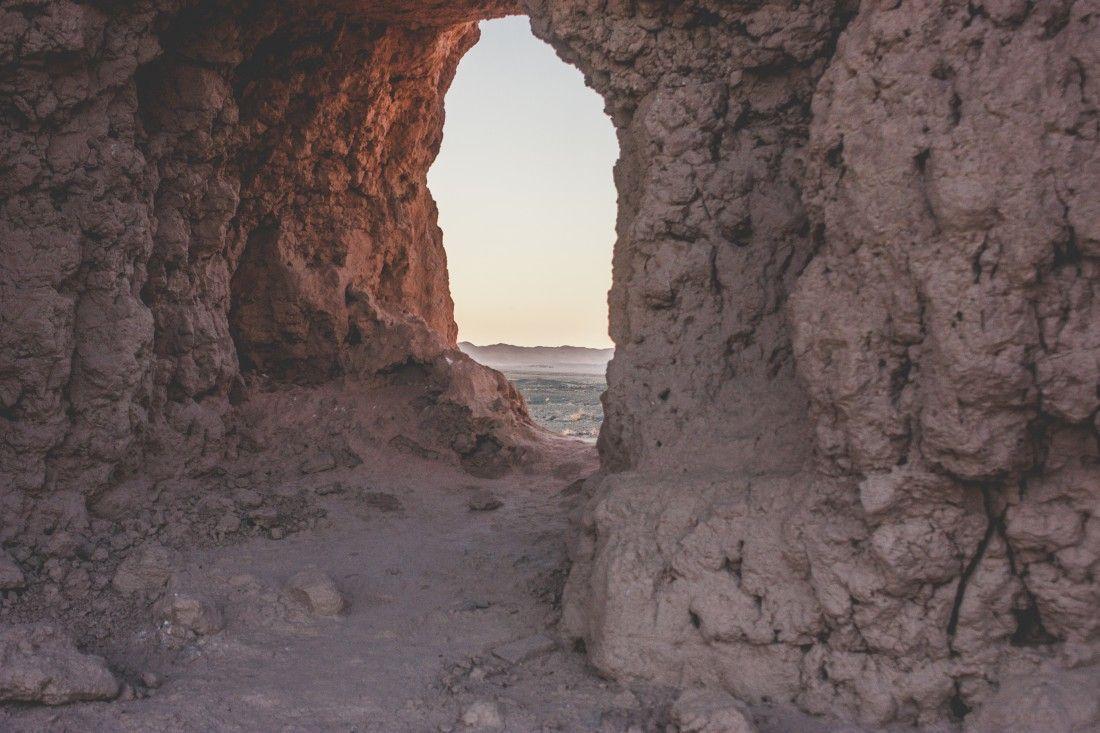
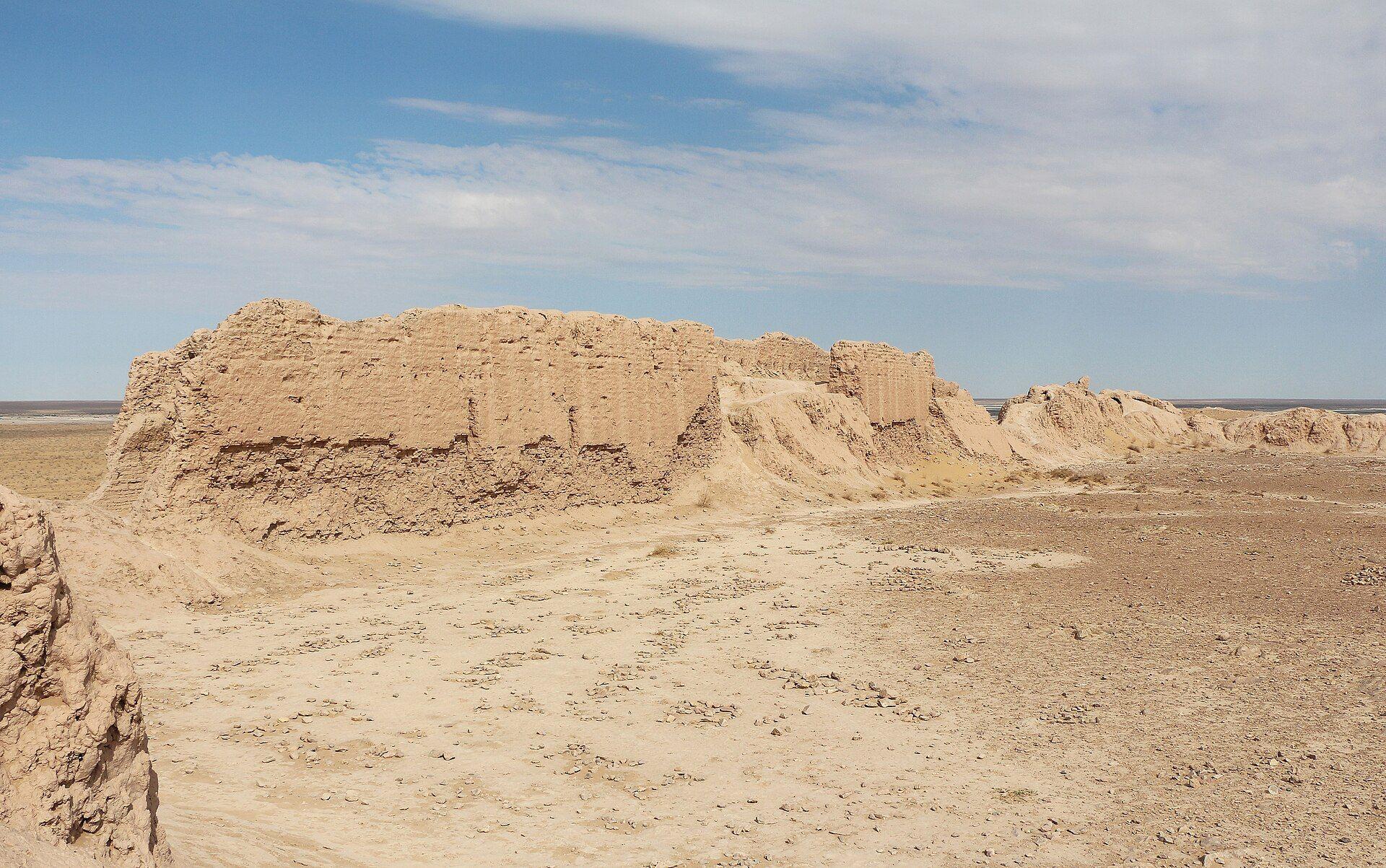
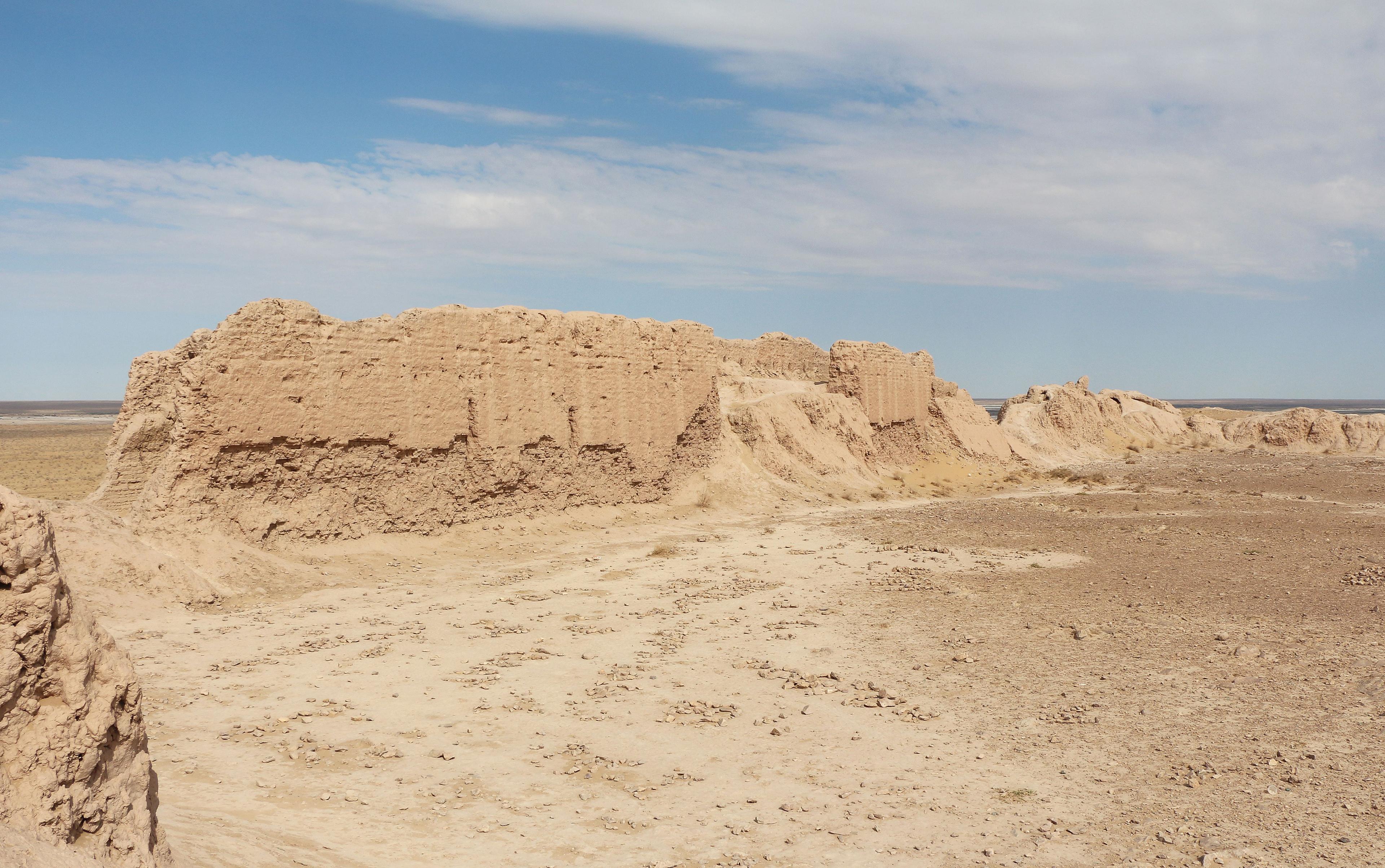
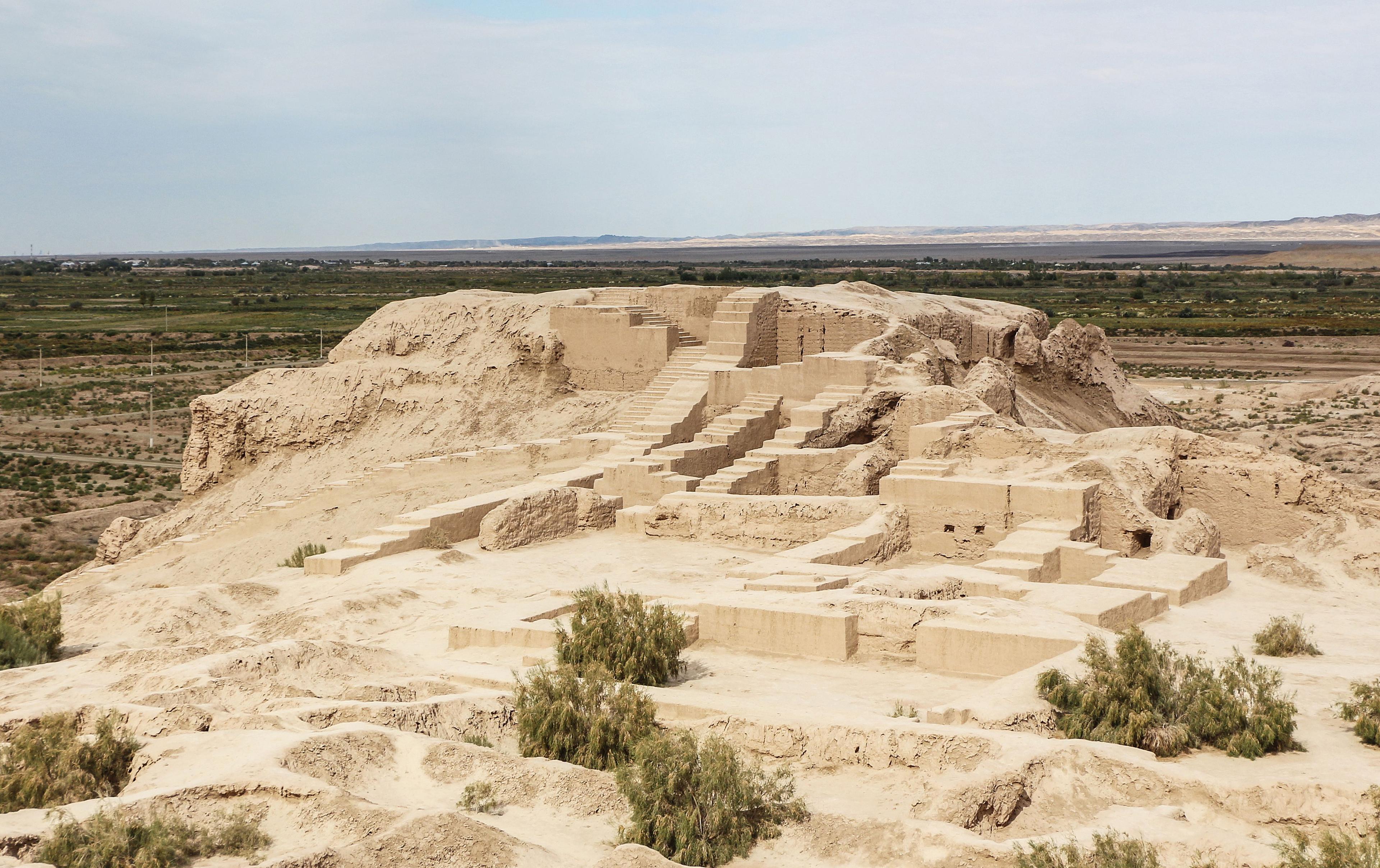
Jampyk-kala stands at the foot of the ridge beside the Badai-Tugai forest, a few hundred metres from the river and about 50 km from Nukus. The archaeologist Sergei Tolstov, who surveyed Khorezm's fortresses in the 1930s–40s, called it the most beautiful of them. A settlement existed here from the 4th century BC, but the walls that survive, with their closely set towers and corrugated faces, belong to the 9th–13th centuries, when it was a river port and trading town; coins and ceramics from as far as the Volga and the Caucasus have been found. A citadel occupies the western end and a breach in the wall is said, in local telling, to be the work of the Mongols, though the town lived on into the 14th century. The site is unrestored, which is its appeal: at sunset the clay turns orange against the black hills.
Sultan Uvays-bobo
On the southern slope of the range, about 25 km from Beruniy, is the shrine of Sultan Uvays-bobo, the main ziyarat of Khorezm and Karakalpakstan. It honours Uwais al-Qarani, a Yemeni ascetic of the 7th century who was a contemporary of the Prophet Muhammad but never met him, and who is revered in Sufi tradition as the model of devotion at a distance. His actual grave is in Syria; the Khorezm complex is a symbolic tomb, and legend says that the saint knocked out his own teeth on hearing that the Prophet had lost a tooth in battle, and that the black stones of the mountain are those teeth. The complex, built and rebuilt from the 16th to the 20th century and extensively restored in recent years, includes the mausoleum, a mosque, a pool with fish that pilgrims feed, and a hillside cemetery; the tomb of Chinor-bobo on the hilltop is visited first, by custom. Pilgrims come especially on Thursdays and Fridays, and the place has the atmosphere of a popular festival on holy days. Dress modestly, cover hair (women), and ask before photographing people.
Badai-Tugai
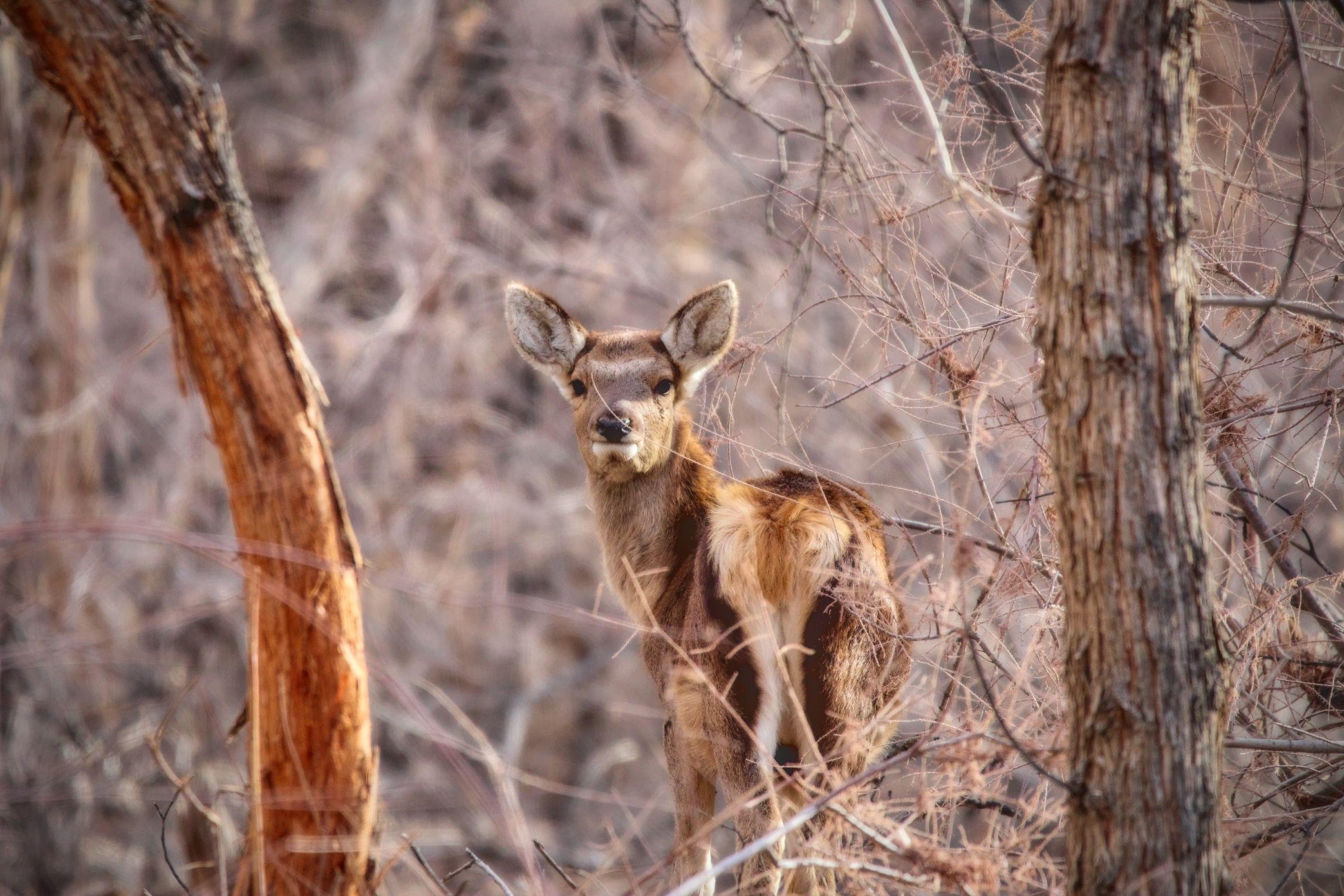
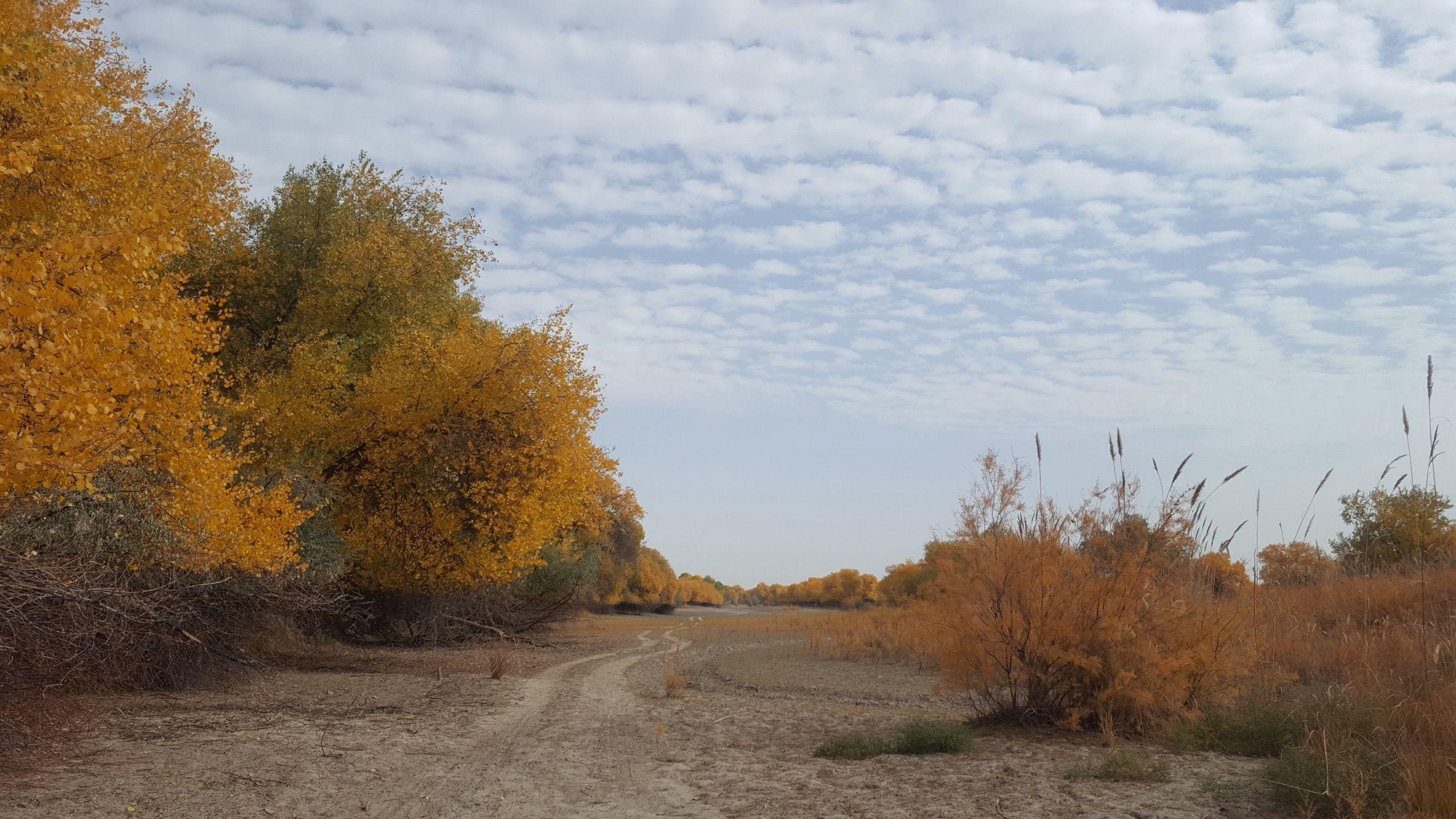
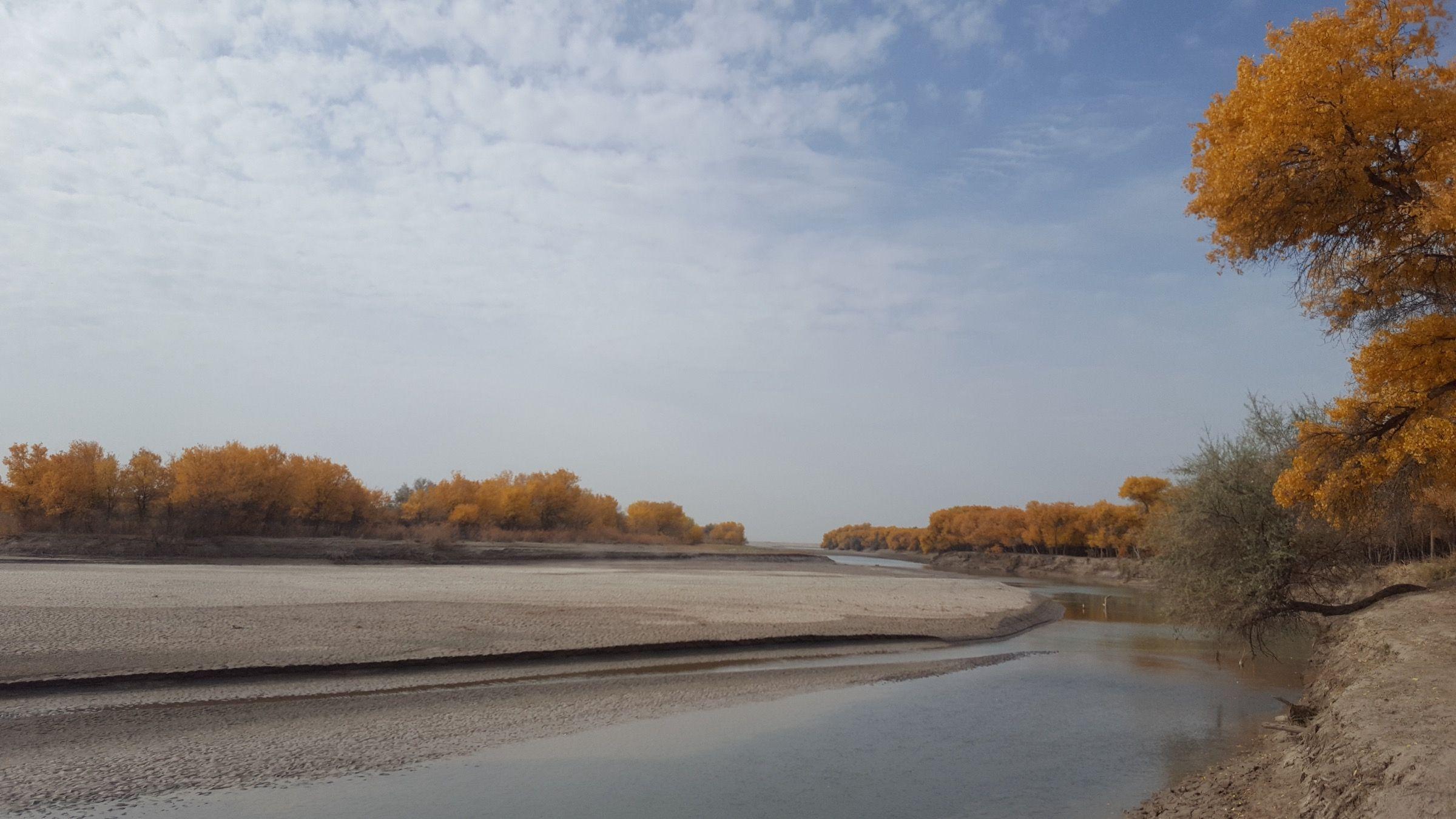
West of the shrine, on the river, Badai-Tugai was created in 1971 to protect about 6,400 hectares of tugai, the dense poplar, tamarisk and reed forest that once lined the whole Amu Darya. Since 2011 it has formed the core of the Lower Amu Darya State Biosphere Reserve. Bukhara deer, reintroduced here in the 1970s, number around two thousand, the largest population anywhere, and the forest also shelters jungle cat, Khivan pheasant and wild boar. Visitors enter with a permit and a ranger; there is a small museum and a short walking route, and early morning or dusk give the best chance of seeing deer at the forest edge.
Making a day of it
From Nukus, the natural order is Chilpyk at sunrise, then Badai-Tugai and Jampyk-kala in the morning, Sultan Uvays-bobo around midday, and on to the fortresses of Ellik-kala or Khiva in the afternoon. With a Khiva base the same loop runs in reverse, with Jampyk-kala kept for the sunset light. A 4x4 is not essential, but the last kilometres to the fortress and the reserve are on dirt tracks.
What to see
- The corrugated towers and citadel of Jampyk-kala at sunset
- The symbolic tomb of Uwais al-Qarani, Khorezm's main pilgrimage site
- The sacred pool with fish and the hilltop tomb of Chinor-bobo
- Bukhara deer in the tugai forest of Badai-Tugai at dawn or dusk
- The black ridge of the Sultan Uvays range above the Amu Darya
- An easy loop between Nukus and Khiva with Chilpyk on the way
Gallery
Tours that visit Sultan Uvays Mountains: Jampyk-kala, Sultan Uvays-bobo and Badai-Tugai
More sights in Karakalpakstan
All of Karakalpakstan
See Sultan Uvays Mountains: Jampyk-kala, Sultan Uvays-bobo and Badai-Tugai with a local guide
We build private and small-group trips around the places you want to see — with guides who grew up here.