
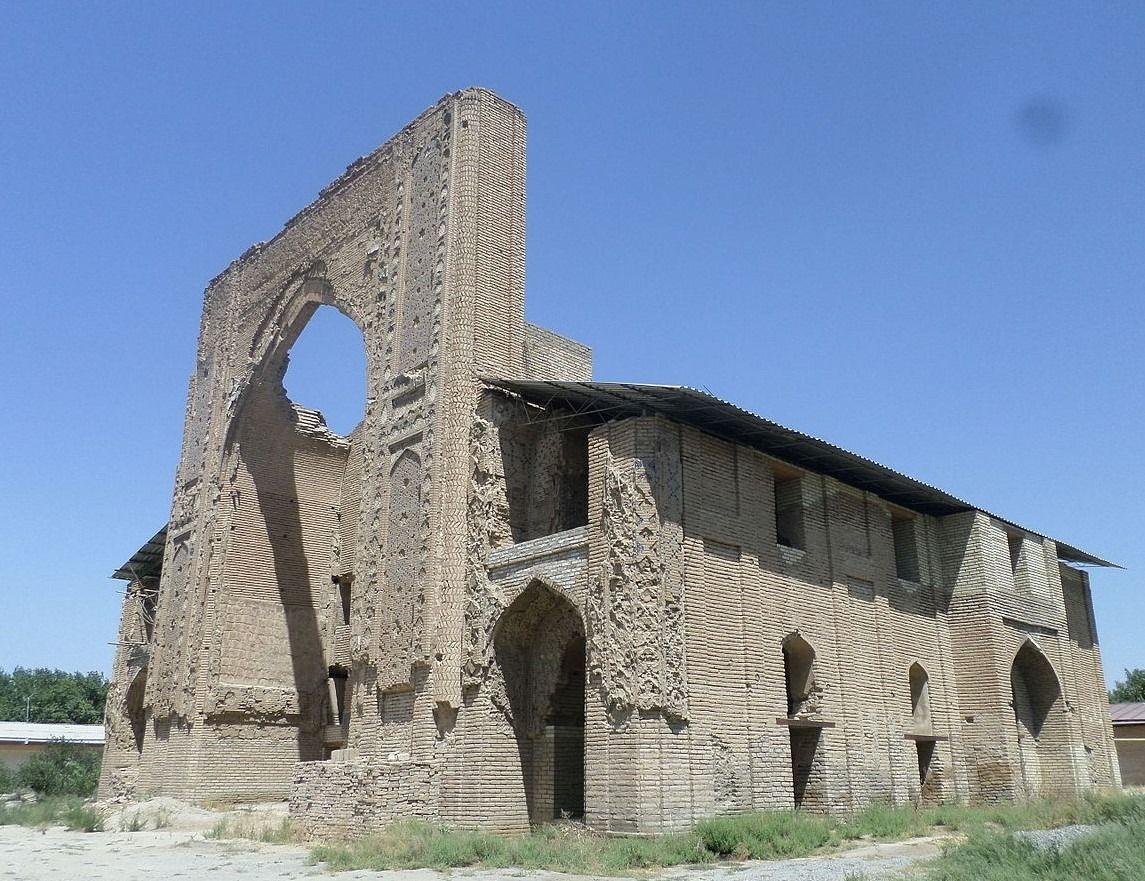
Mausoleum · c. 1460–1464, Timurid; dome lost in the 1903 earthquake
Ishratkhona Mausoleum
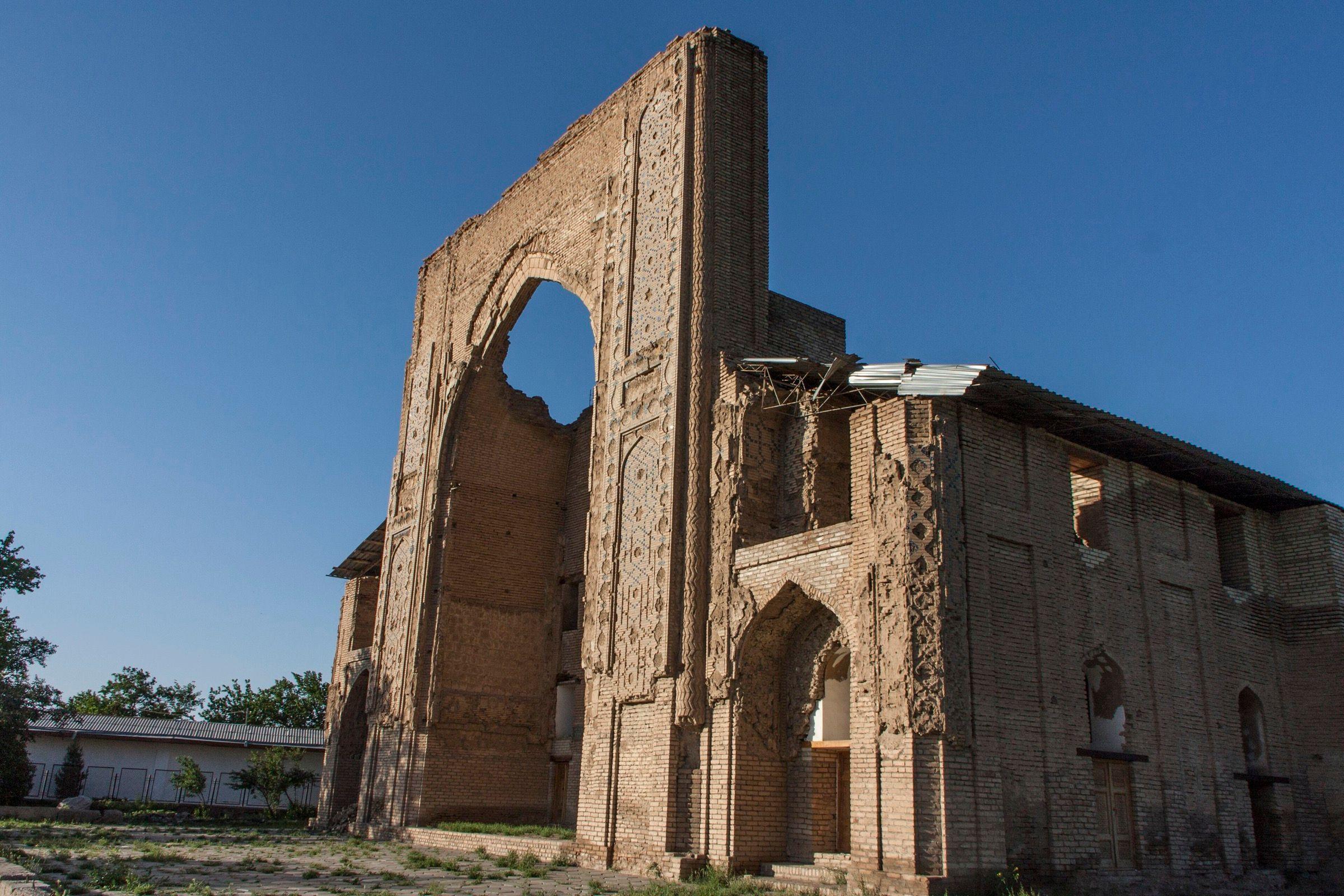
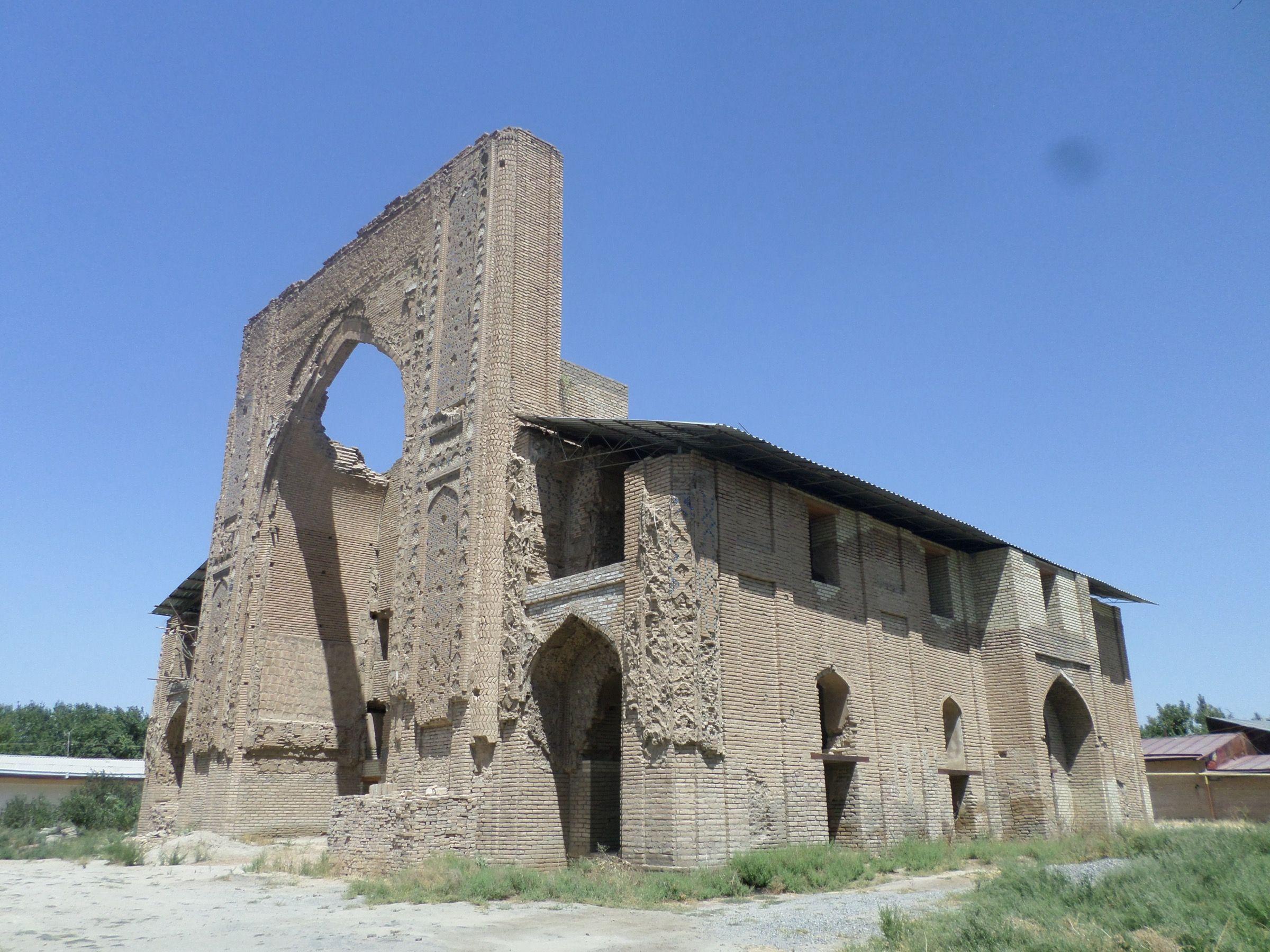
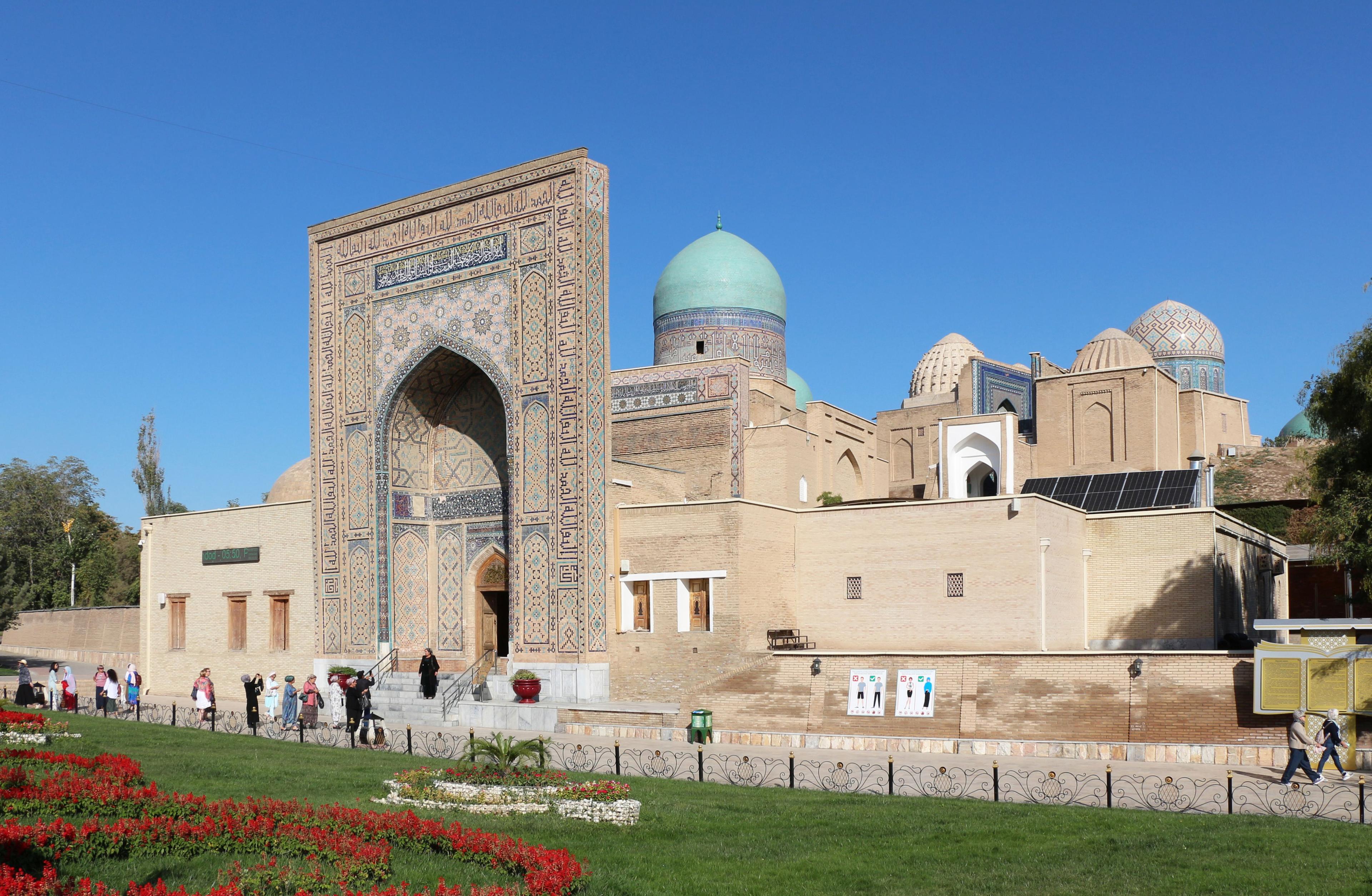
A roofless Timurid tomb for the women of Abu Said's court, built by Habiba Sultan over her daughter's grave. Its broken portal and bare brick show how Samarkand's monuments looked before restoration.
About
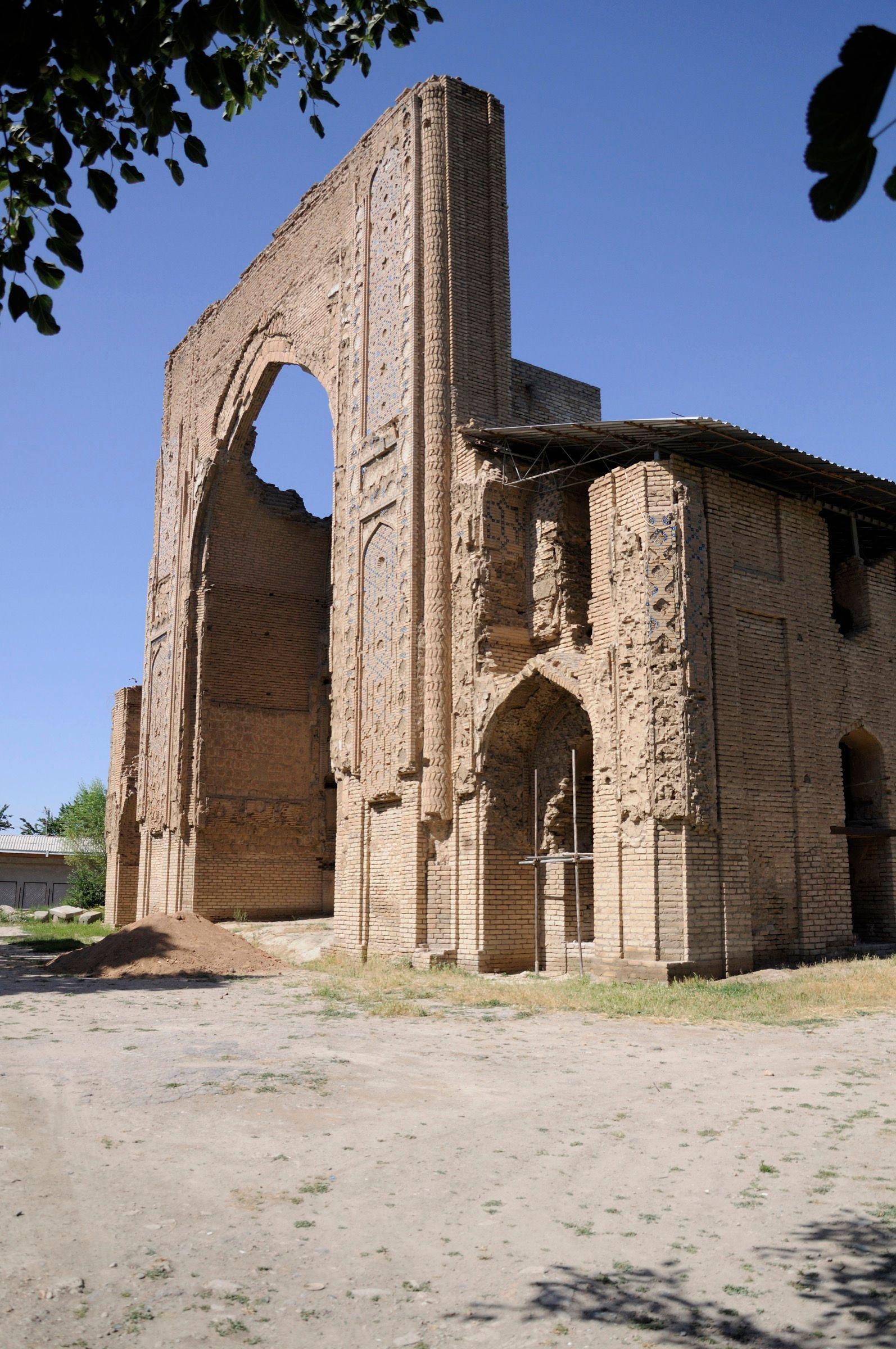
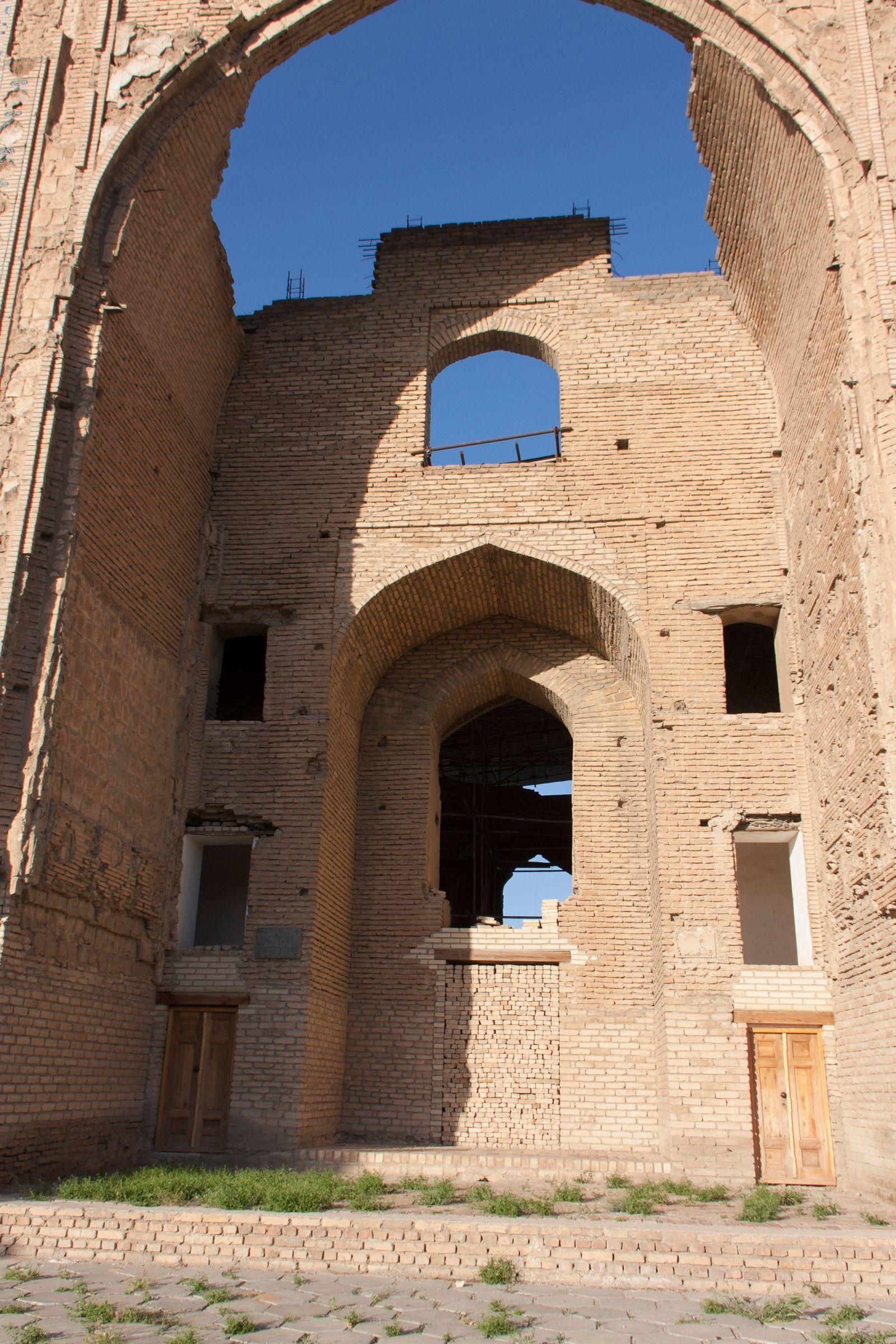
On the south-eastern edge of the old city, a short walk from the Khoja Abdi Darun ensemble, stands one of the least visited and most honest Timurid buildings in Samarkand. Ishratkhona was never restored to glossy perfection. Its high portal rises with a gaping arch, the dome fell in the earthquake of 1903, and what survives is the raw brick skeleton of a 15th-century mausoleum, protected by a modern roof.
A tomb for the women of the court
A waqf document of 1464 records that Habiba Sultan Begim, a wife of the Timurid ruler Abu Said, built the mausoleum over the grave of her young daughter. It became a family tomb for the women and children of the dynasty: excavations in 1939–40 found an octagonal underground crypt with about twenty burials, almost all female. The popular name, which means House of Pleasure, was attached only in the 19th century and says more about local folklore than about the building's purpose.
Architecture
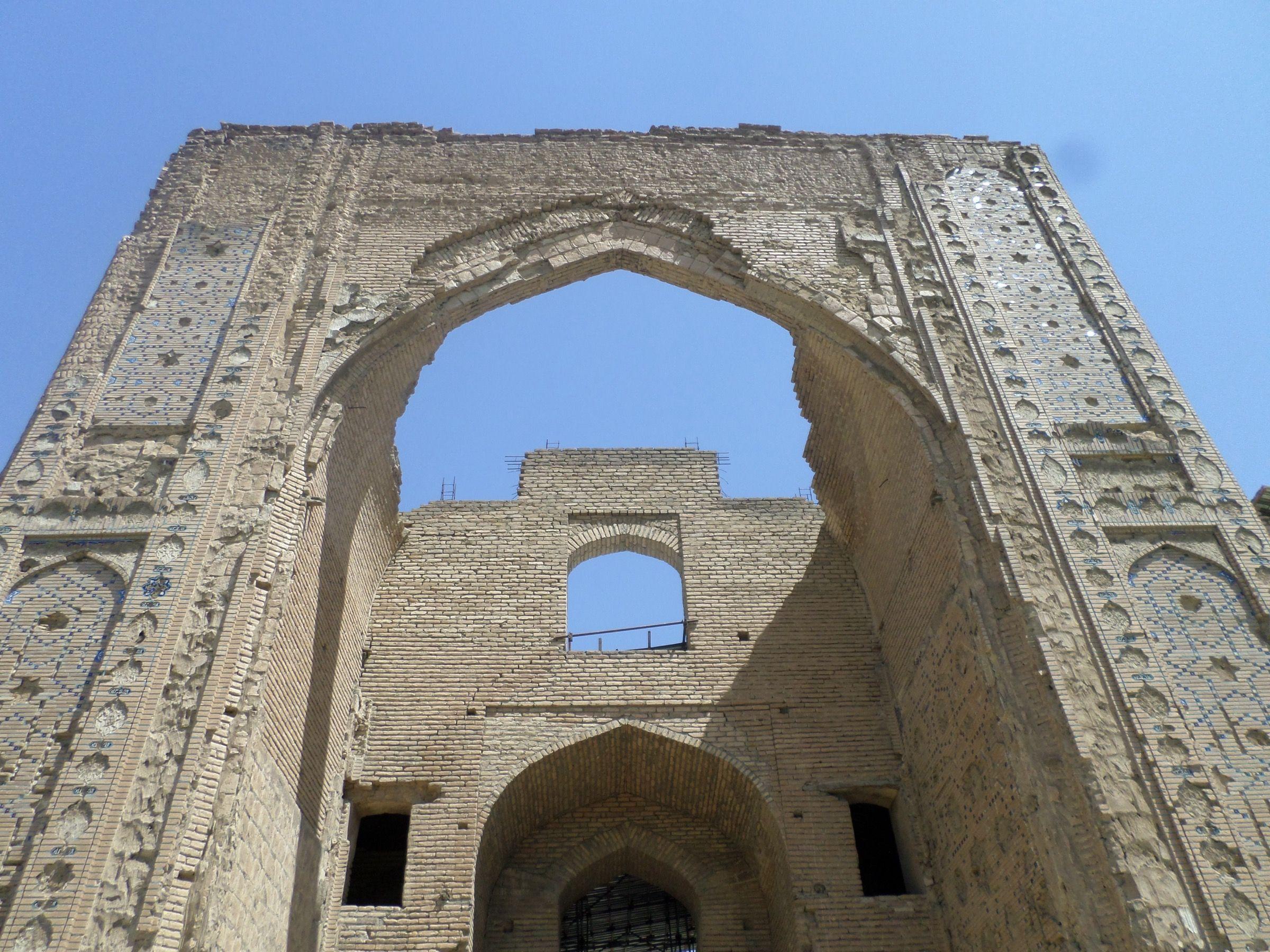
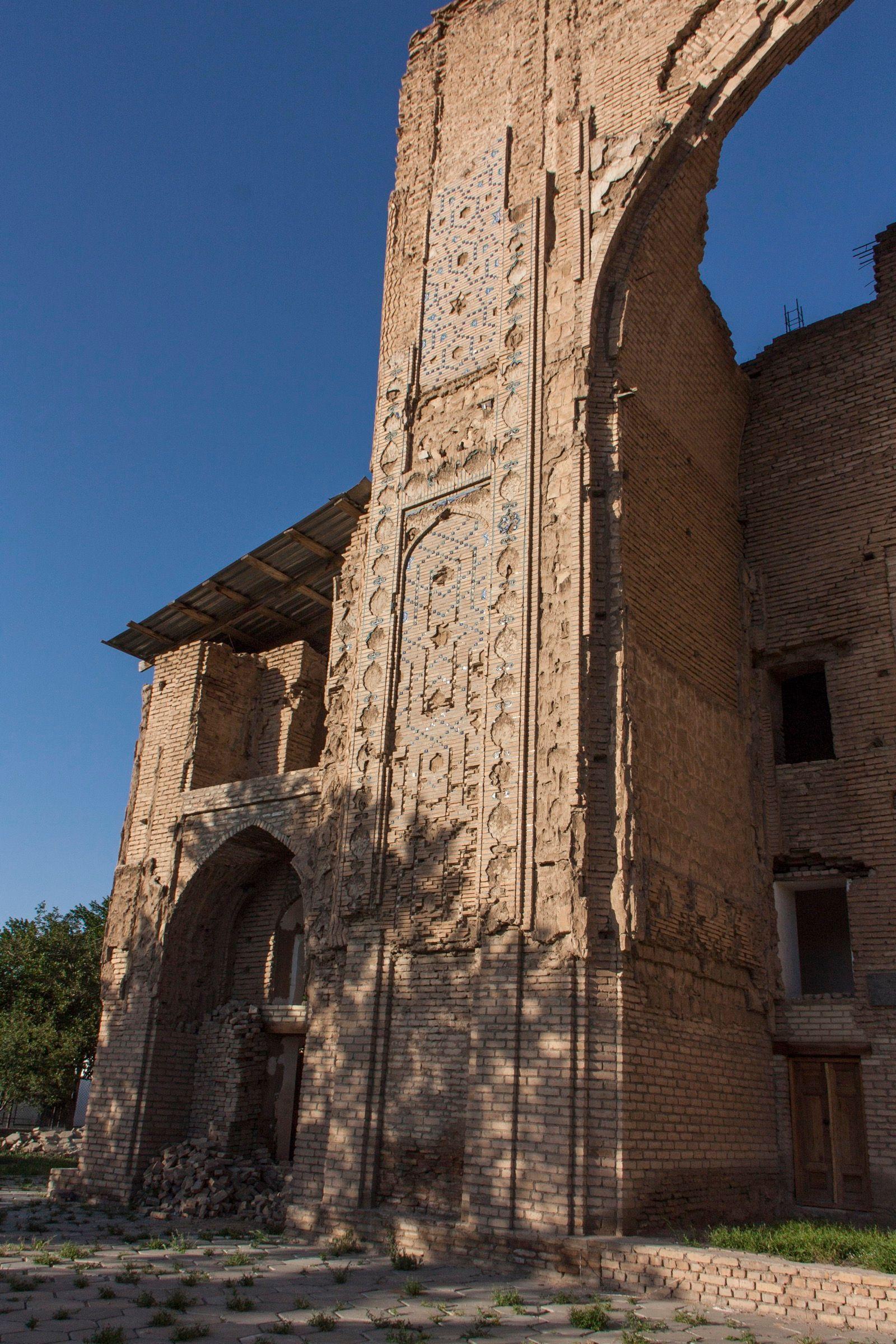
The plan is unusually complex for a tomb: a central domed hall flanked by a mosque on one side and galleries on the other, with a two-storey arrangement of rooms around the portal and the crypt below. The vaulting of the main hall, built on intersecting arches, is regarded as one of the most daring of the Timurid period. Inside, traces survive of the kundal technique, in which ornament is modelled in relief and then painted and gilded; several historians consider Ishratkhona the earliest building where it was used. The exterior once carried mosaic faience and glazed tilework, fragments of which remain on the portal.
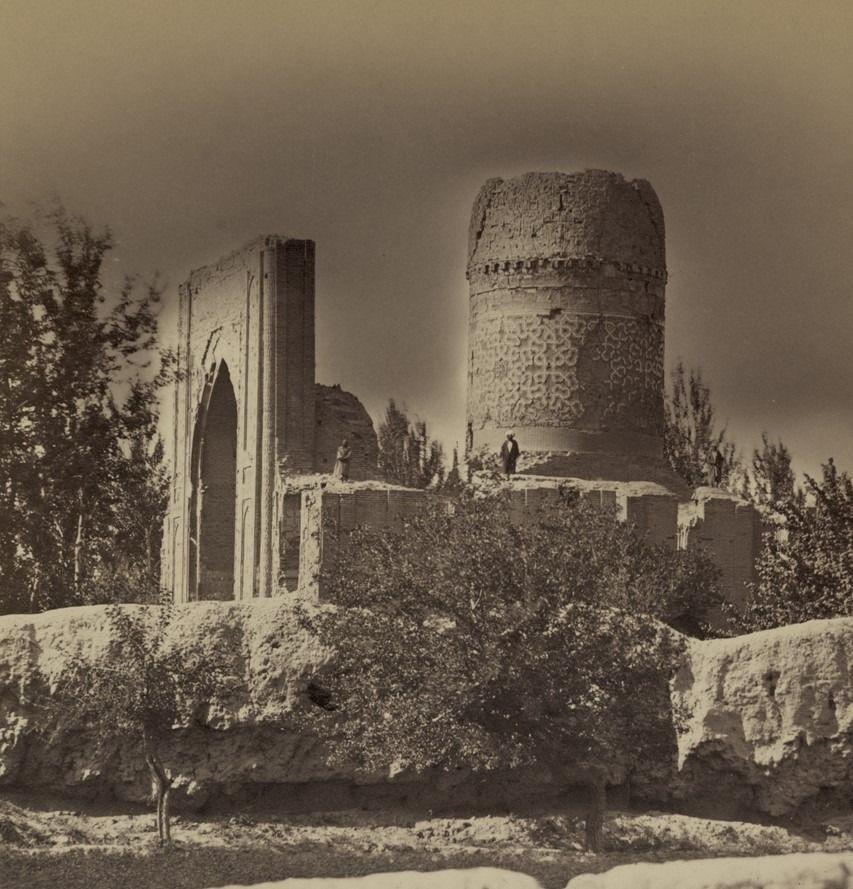
The decline began early. Marble panels and tombstones were removed in later centuries, some reportedly reused in the madrasahs of the Registan, and by the 19th century the building stood empty. Photographs from the 1870s still show the dome; after 1903 only the drum stumps remained.
How to experience it
Ishratkhona is best seen with the nearby Khoja Abdi Darun shrine and the Mausoleum of Saint Daniel, all on the same side of town, in the soft light of late afternoon. There is little signage, so a guide adds a great deal. For photographers it is one of the few places in Samarkand where a Timurid monument can be studied without crowds or new tiles.
What to see
- The ruined portal and open arch, unrestored since 1903
- Remains of kundal relief painting and gilding in the hall
- The octagonal underground crypt of the Timurid women
- Fragments of mosaic faience on the facade
- The intersecting-arch vaulting of the central hall
- Quiet setting beside the Khoja Abdi Darun ensemble
Gallery
Tours that visit Ishratkhona Mausoleum
 New
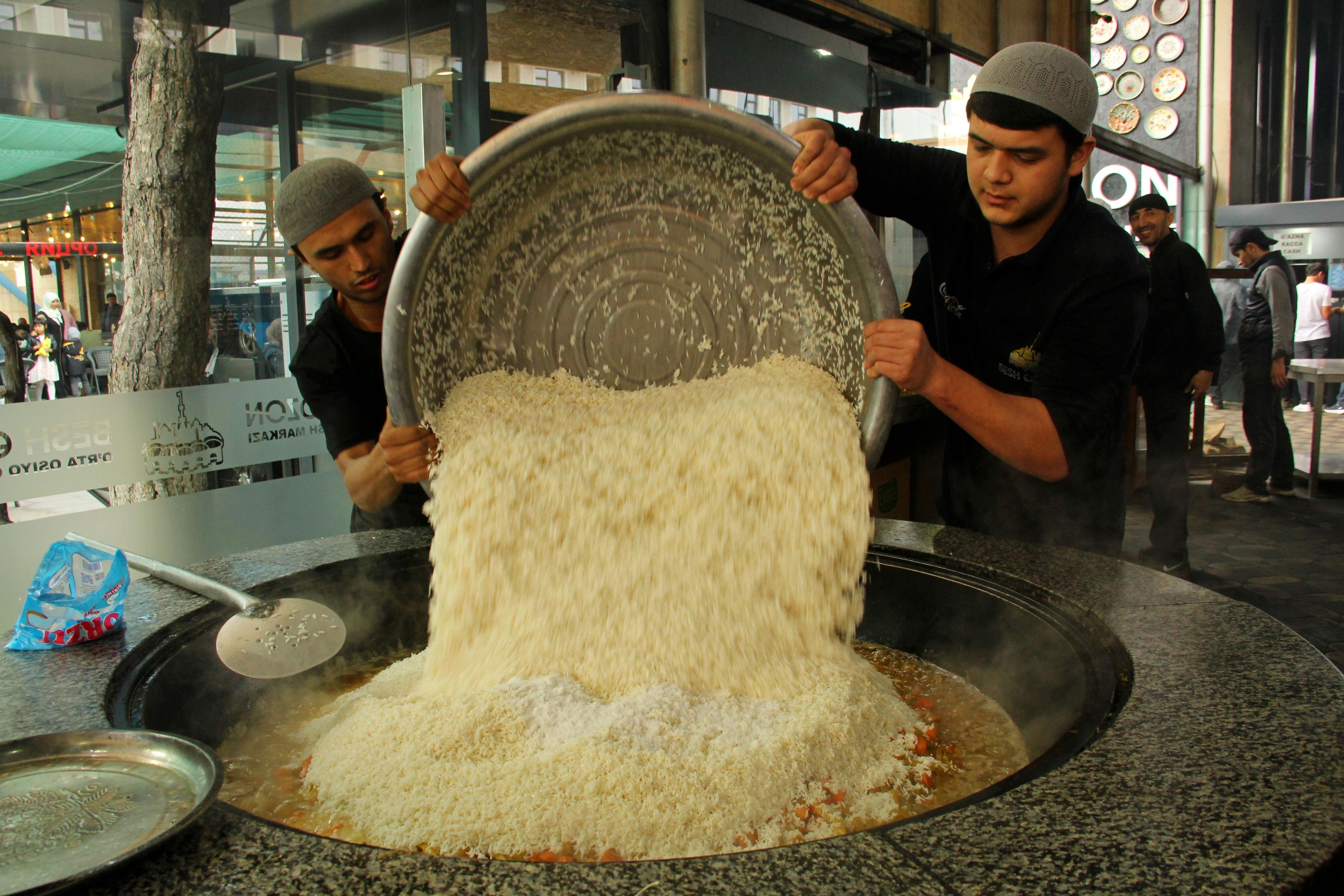
Six Days, Seven Plovs
From
$995
 Premium
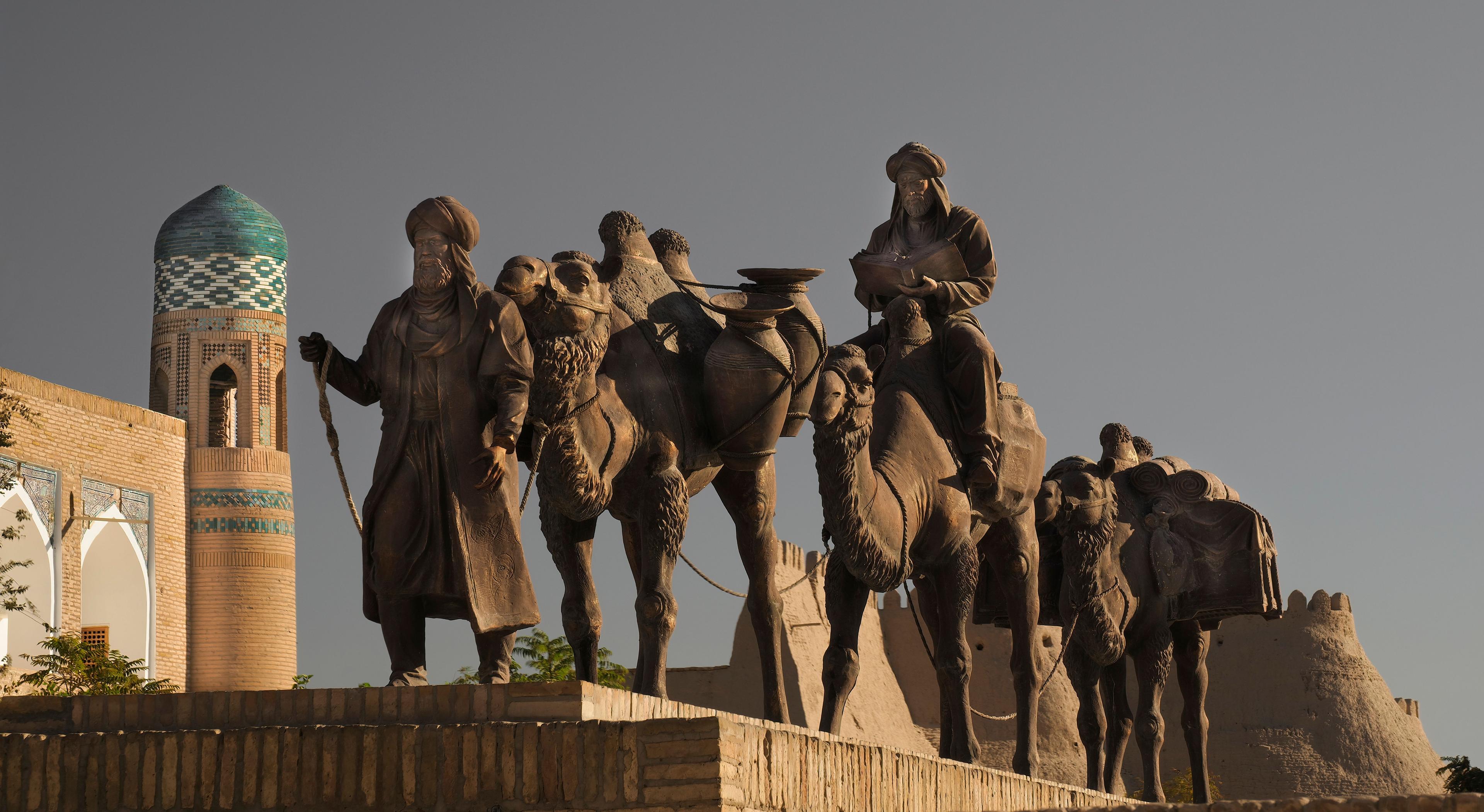
Twelve Gates of the Silk Road
From
$1,750
 Best Seller
Four Crowns: Tashkent, Samarkand, Bukhara, Khiva
From
$1,270
More sights in Samarkand
All of Samarkand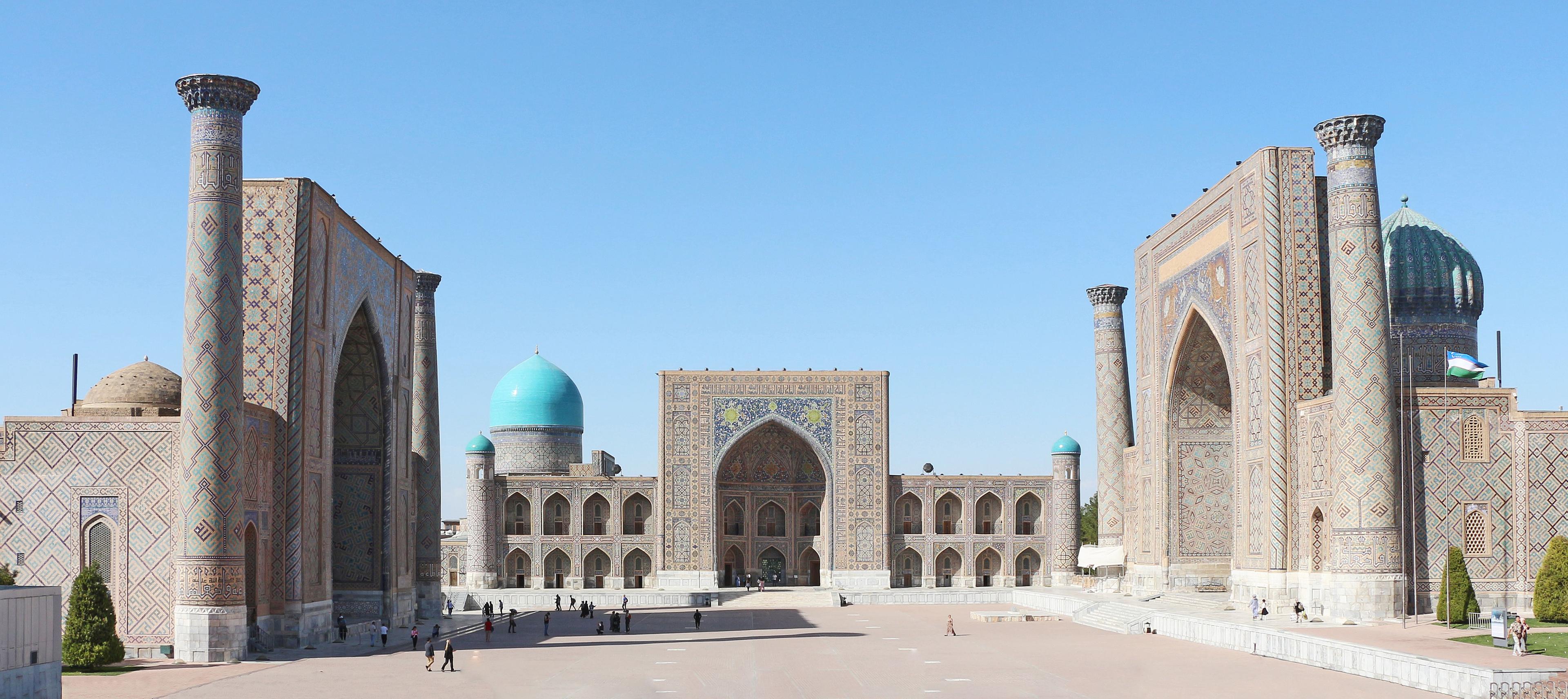

See Ishratkhona Mausoleum with a local guide
We build private and small-group trips around the places you want to see — with guides who grew up here.