
Fortress · 3rd century BC – 1620; peak 9th–12th centuries
Akhsikent Ancient City
The ruined medieval capital of Fergana on a bluff above the Syr Darya: a centre of crucible-steel making, the seat of Babur's father, and a city wiped out by an earthquake in 1620.
About
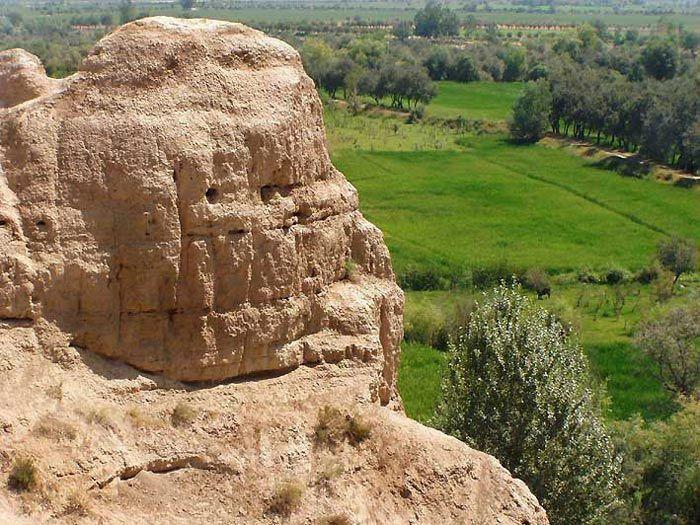
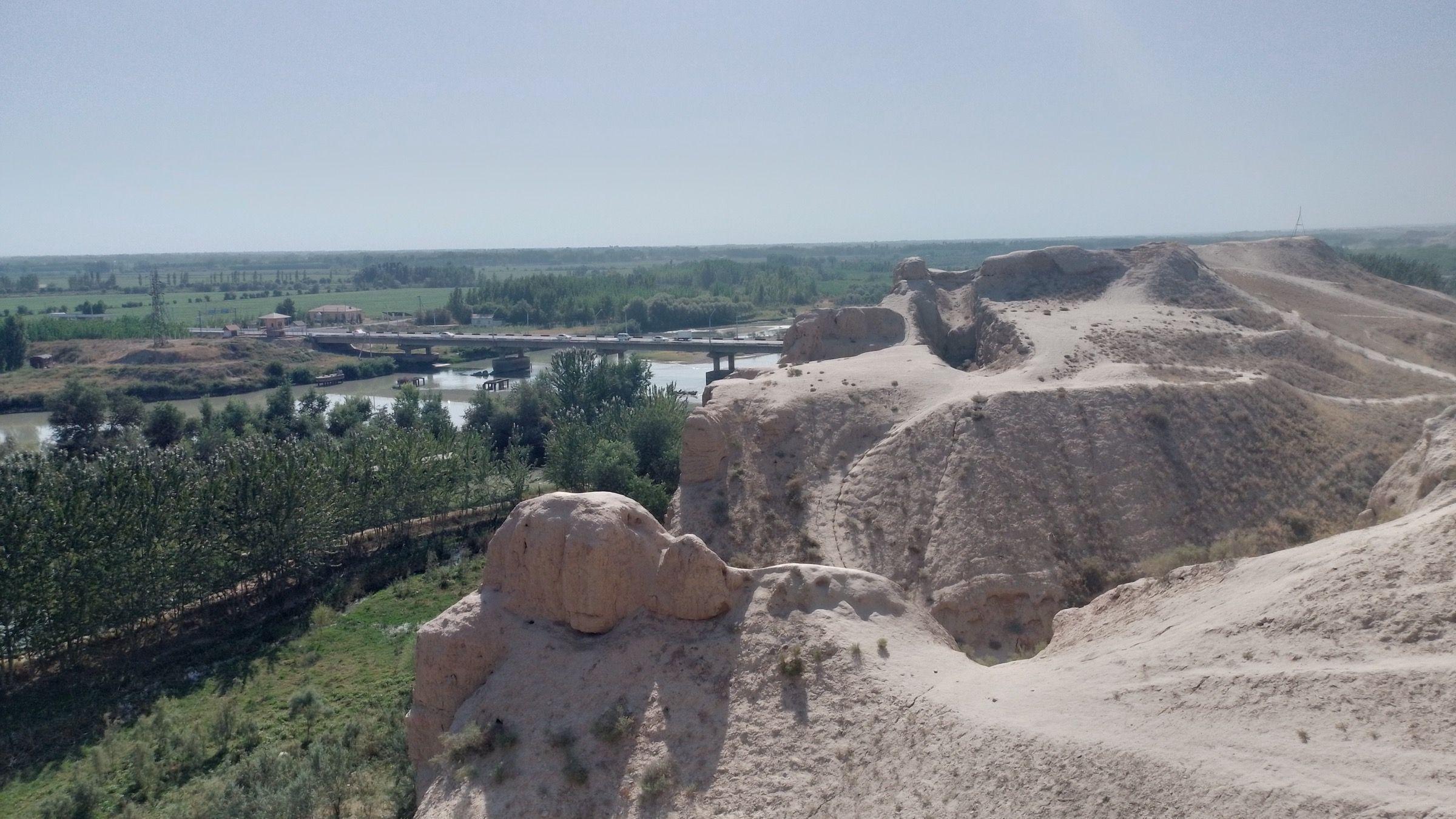
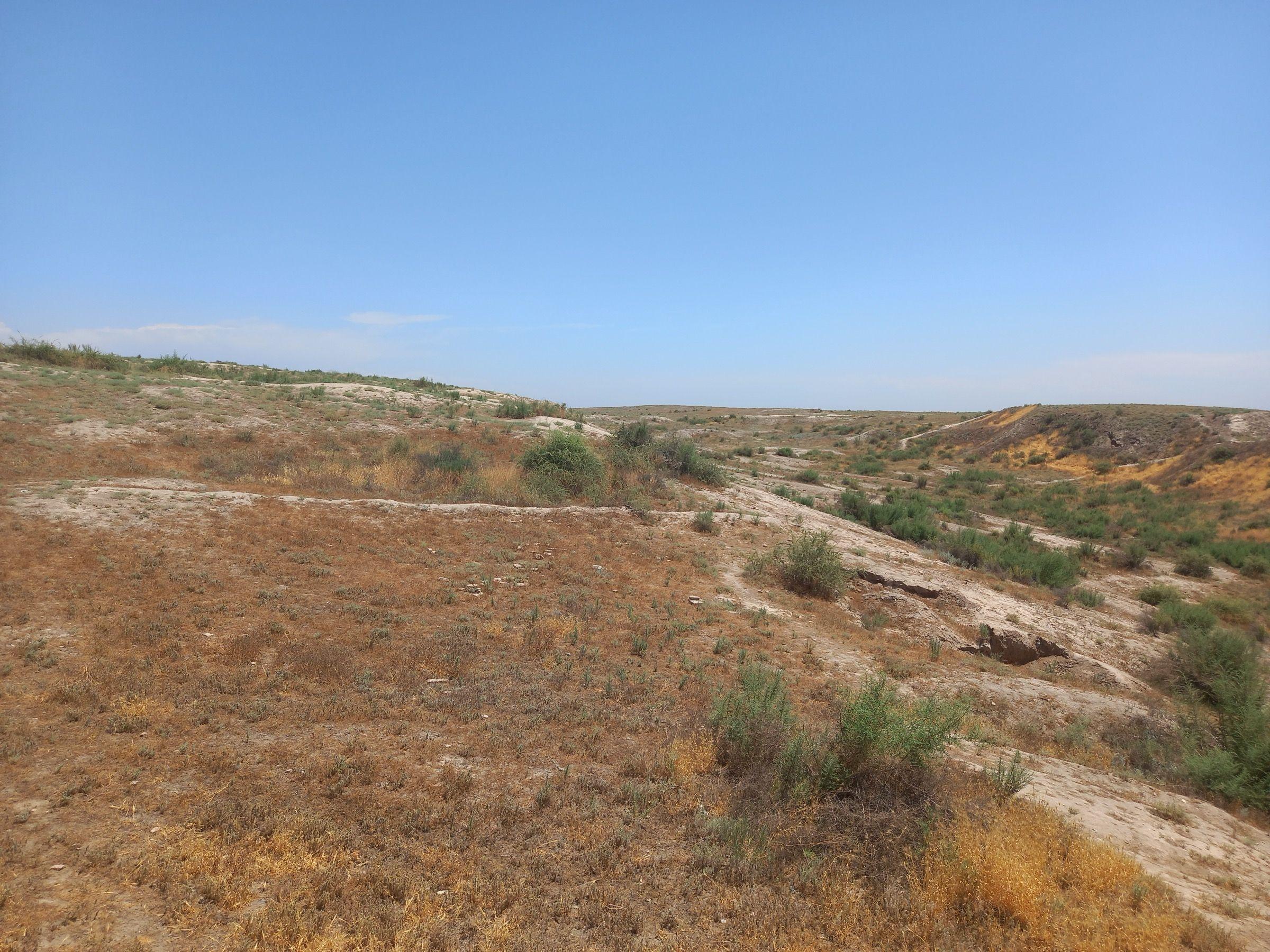
For most of the Middle Ages the capital of Fergana was not Kokand or Andijan but Akhsikent (Akhsikath, or simply Akhsi), a walled city on the right bank of the Syr Darya 22 km south-west of today's Namangan. Its ruins cover about 30 hectares of loess bluff: a citadel, a shahristan and the traces of suburbs, with the river flats and orchards below. The oldest layers go back to the third century BC, when the valley was the kingdom the Chinese called Dayuan and sent armies to for its “heavenly horses”.
A city of steel
Akhsikent flourished under the Samanids and Karakhanids, from the ninth to the twelfth century, with a palace, mosques, a prison, a caravanserai and a piped water supply. Its particular fame was metallurgy. A British–Uzbek expedition in 2002 found quantities of kaolin crucibles that could withstand about 1,300 degrees, proof that Akhsikent, like Merv, produced the high-carbon crucible steel that reached the Middle East as “Damascus” steel. Juniper charcoal from the mountains and iron ore from the Tien Shan foothills fed the furnaces.
Babur's father
The city was sacked by the Qara Khitai and again by the Mongols in 1219, but it recovered enough to become the residence of Umar Sheikh Mirza, Timurid ruler of Fergana and father of Babur. In 1494 the fortress wall gave way beneath his pigeon loft and he fell to his death into the ravine; the Baburnama records the accident, which made the eleven-year-old Babur ruler. The end came in 1620, when an earthquake destroyed what remained and the survivors moved to a village that grew into Namangan.
The site today
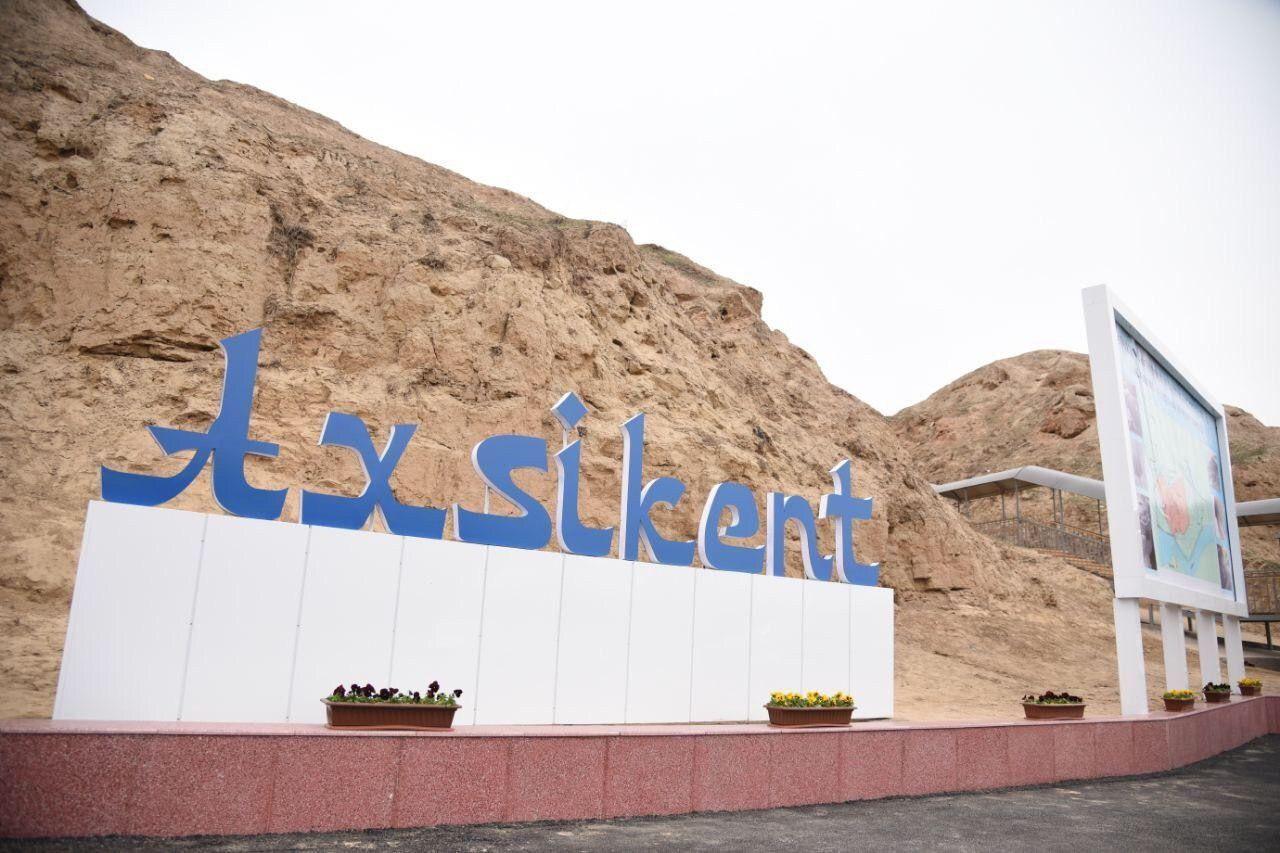
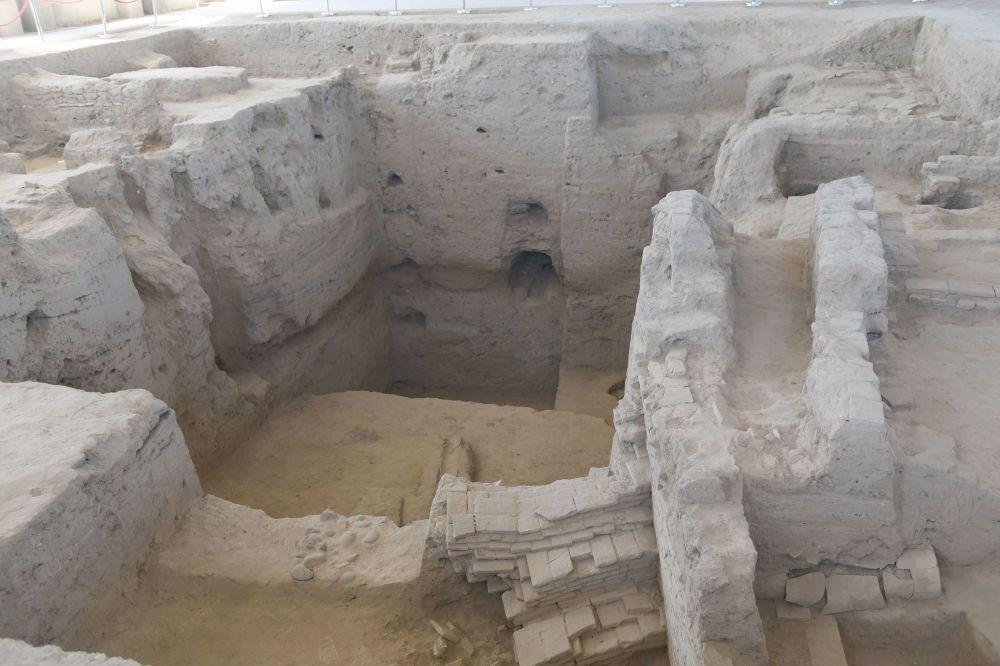
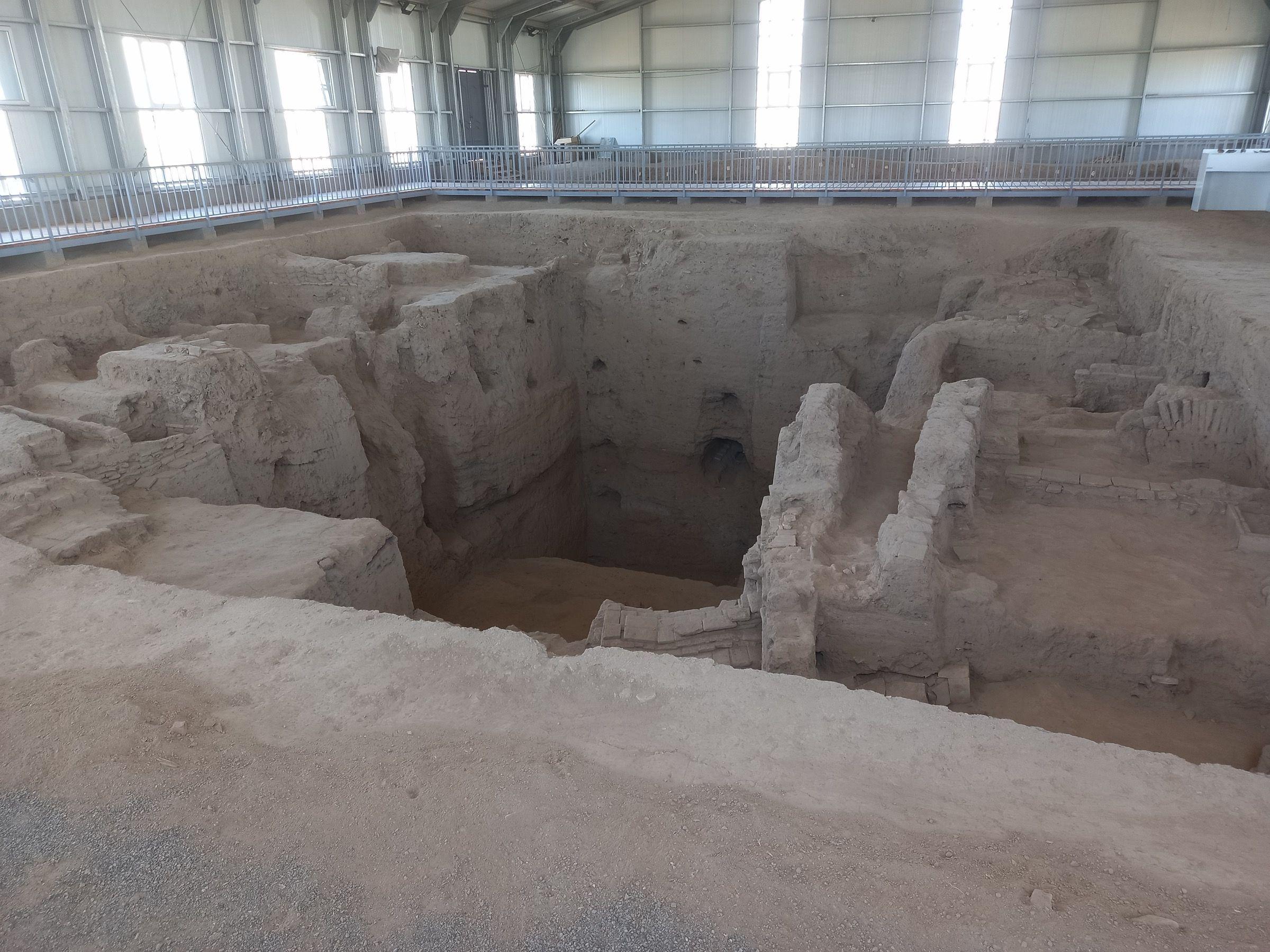
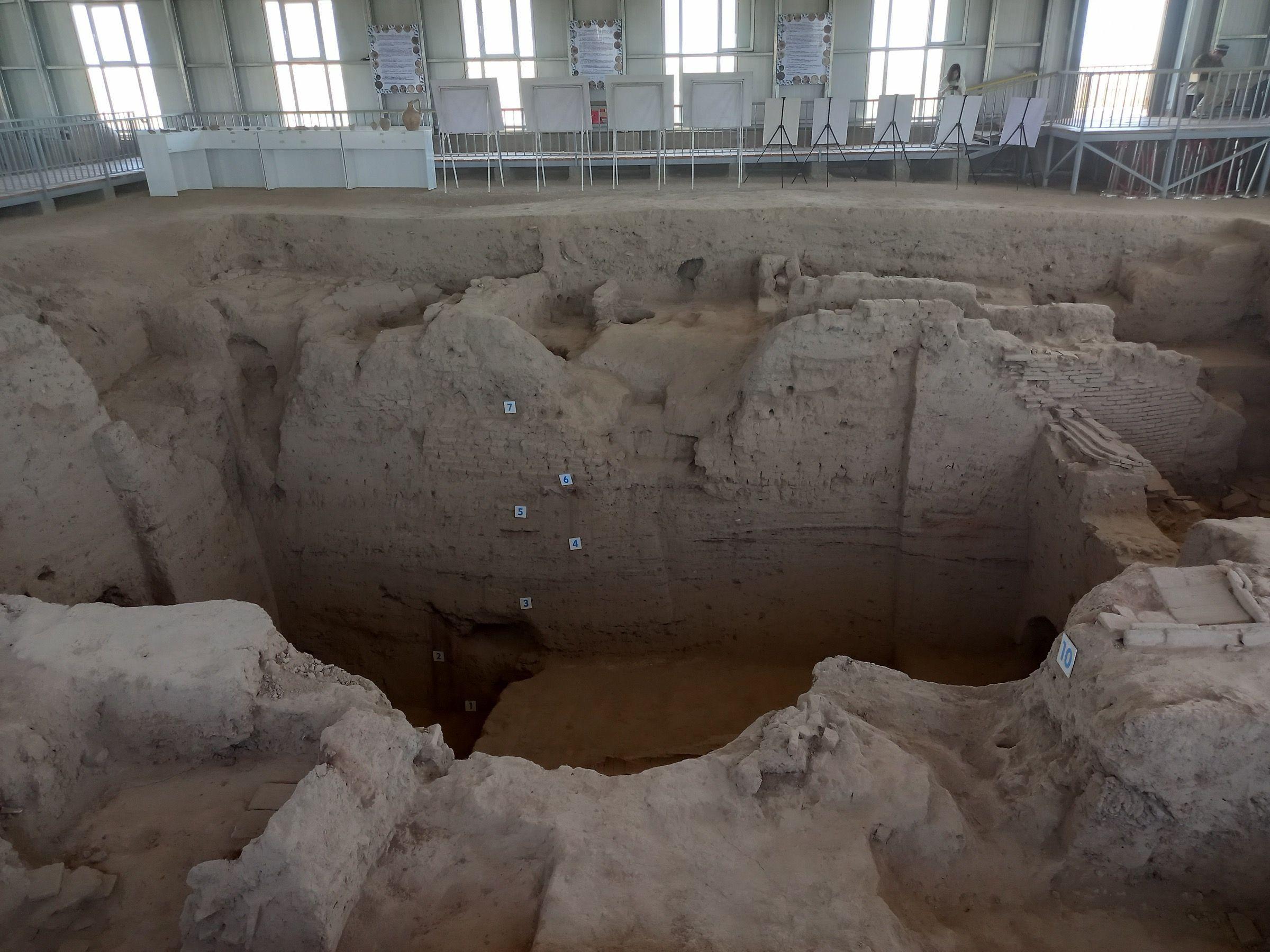
Excavations began in 1885 and have continued at intervals ever since; finds are divided between Tashkent, Moscow and the Louvre. In recent years the regional authorities have added an entrance sign, information boards, a viewing pavilion and paths, so the site is easier to read than most Fergana archaeology. There are no reconstructed walls: what you see is the sculpted mass of the citadel mound, trenches with mud-brick masonry, and a wide view over the Syr Darya. A guide makes the difference between a pleasant walk and a real understanding.
Visiting
Allow an hour on the ground. Akhsikent combines well with Namangan's Mullah Kyrgyz Madrasah and the knife-makers of Chust, or as a stop between Kokand and Namangan. Avoid the midday heat of July and August; spring, when the bluffs are green, is the best time.
What to see
- The citadel mound above the Syr Darya
- Excavation trenches showing mud-brick walls and workshops
- The viewing pavilion and river panorama
- The story of Umar Sheikh Mirza's fall from the walls in 1494
- Evidence of medieval crucible-steel production
Gallery


More sights in Fergana Valley
All of Fergana Valley

See Akhsikent Ancient City with a local guide
We build private and small-group trips around the places you want to see — with guides who grew up here.