
Sight · Natural cave; pilgrimage site since at least the medieval period, mosque and stairway modern
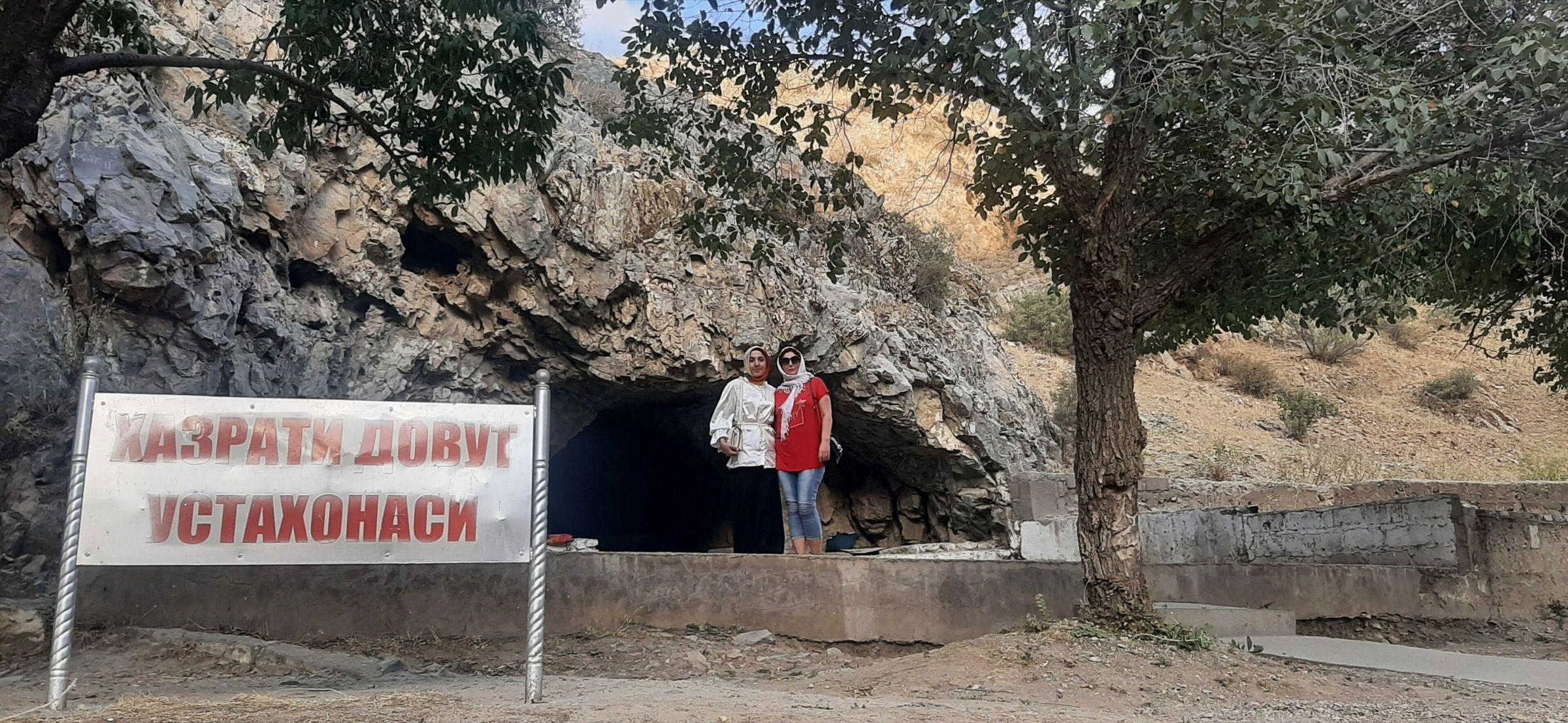
Hazrat Daud Cave
A mountain shrine 40 km from Samarkand where 1,303 steps climb to a hilltop mosque and a narrow cave said to hold the handprints of the Prophet David. Revered by Muslims, Christians and Jews alike.
About
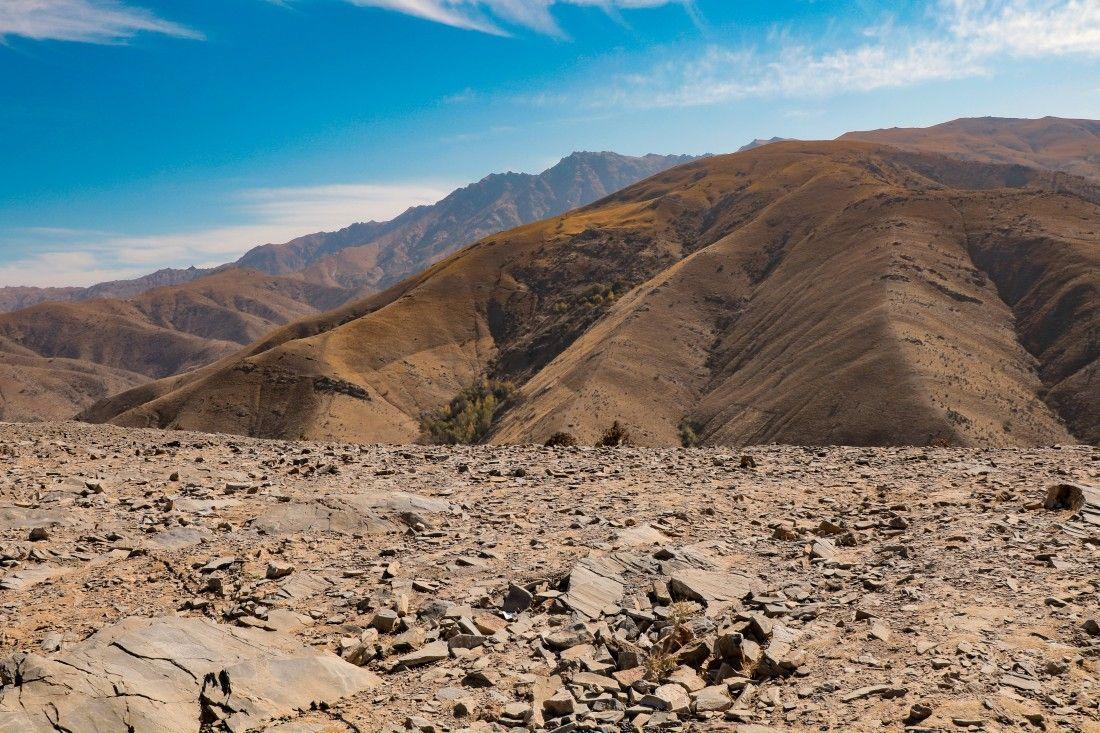
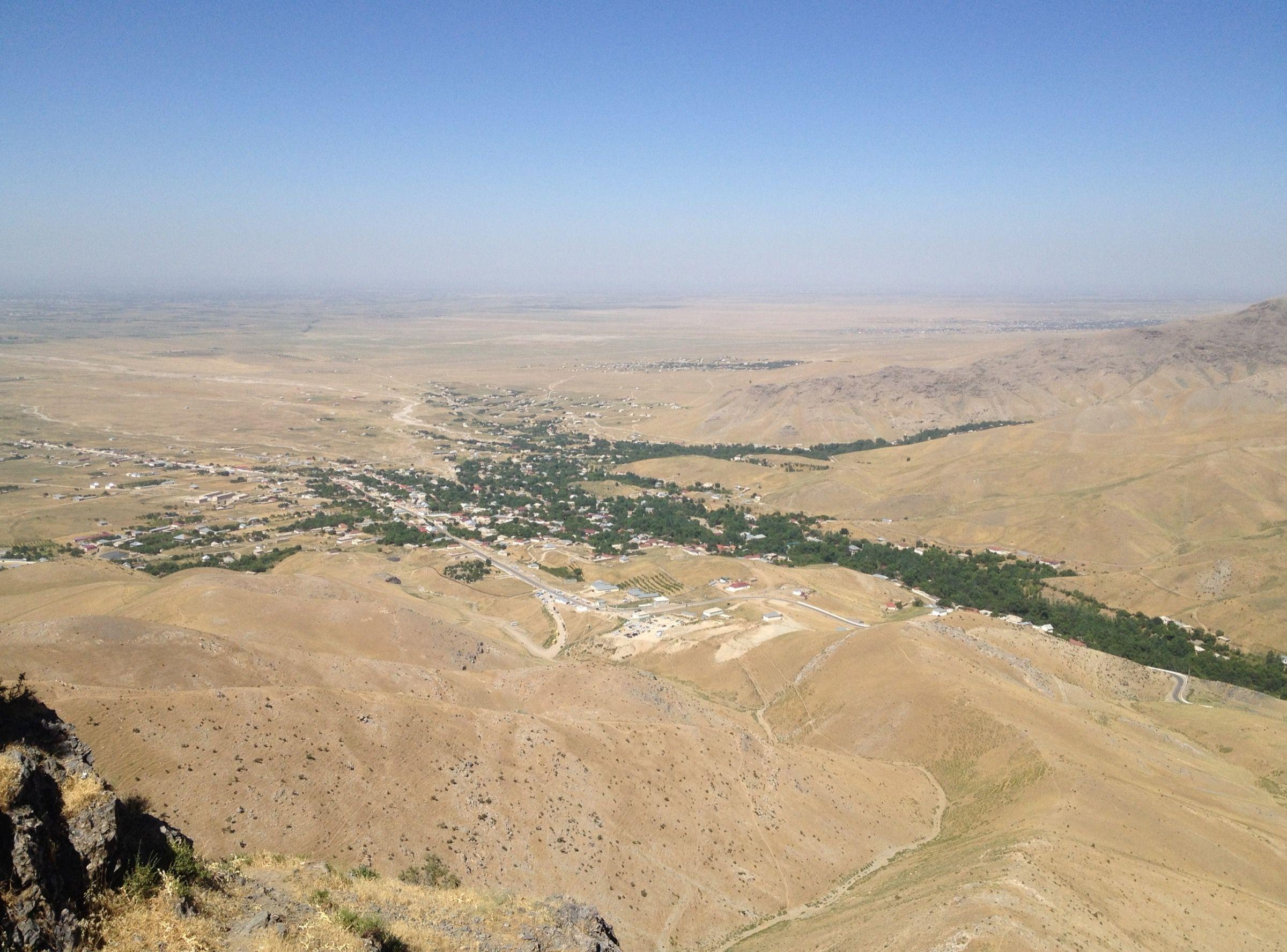
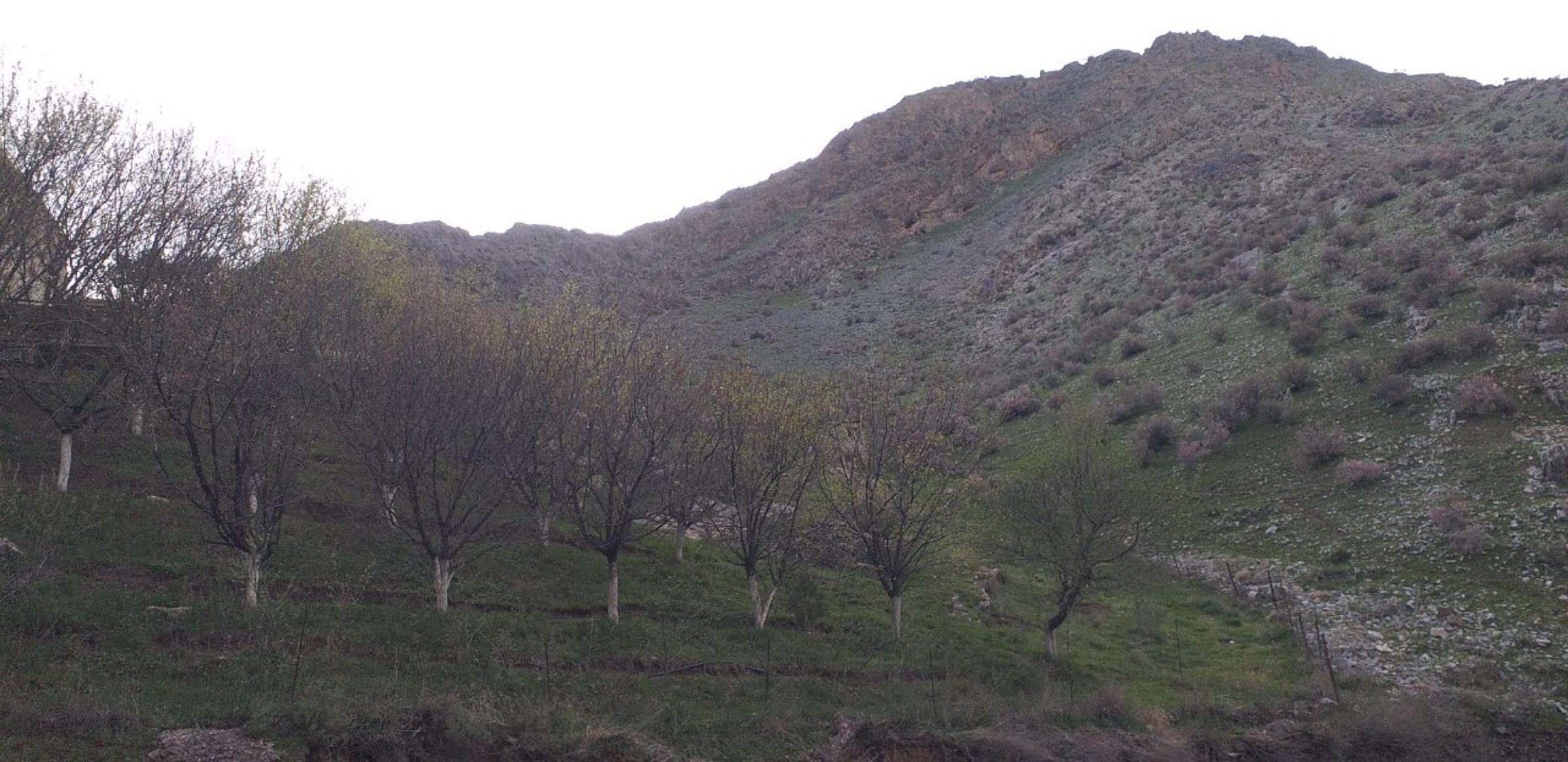
South-west of Samarkand, where the road to Karshi climbs into the dry hills of the Nurabad district, a long stone stairway rises from the village of Aksay to a ridge at about 1,250 metres. The climb is counted at 1,303 steps. At the top stands a small mosque with shade trees and benches; from there a further 200 or so steps drop down the far side of the ridge to the mouth of the cave of Hazrat Daud, the Prophet David.
The story
David is a prophet in Islam as well as a king in the Hebrew Bible and the Christian tradition, which is why the shrine attracts visitors of all three faiths. According to legend, David was sent east to preach, was pursued by fire-worshippers and prayed for refuge; the rock opened for him and closed again. In another telling he split the stone with his bare hands. Because the Quran describes David as the prophet to whom God made iron soft, he is also the patron of blacksmiths and metalworkers, and smiths from the region still come here. The marks on the walls at the far end of the cave are shown to pilgrims as the imprint of his hands and feet.
The cave
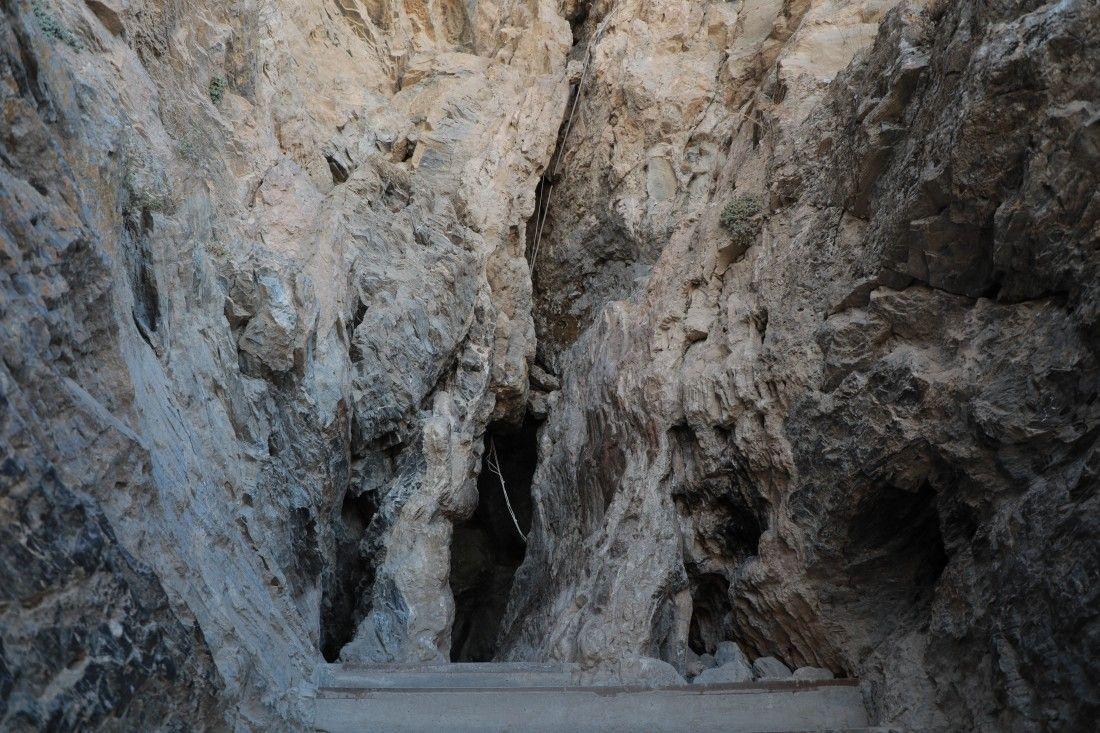
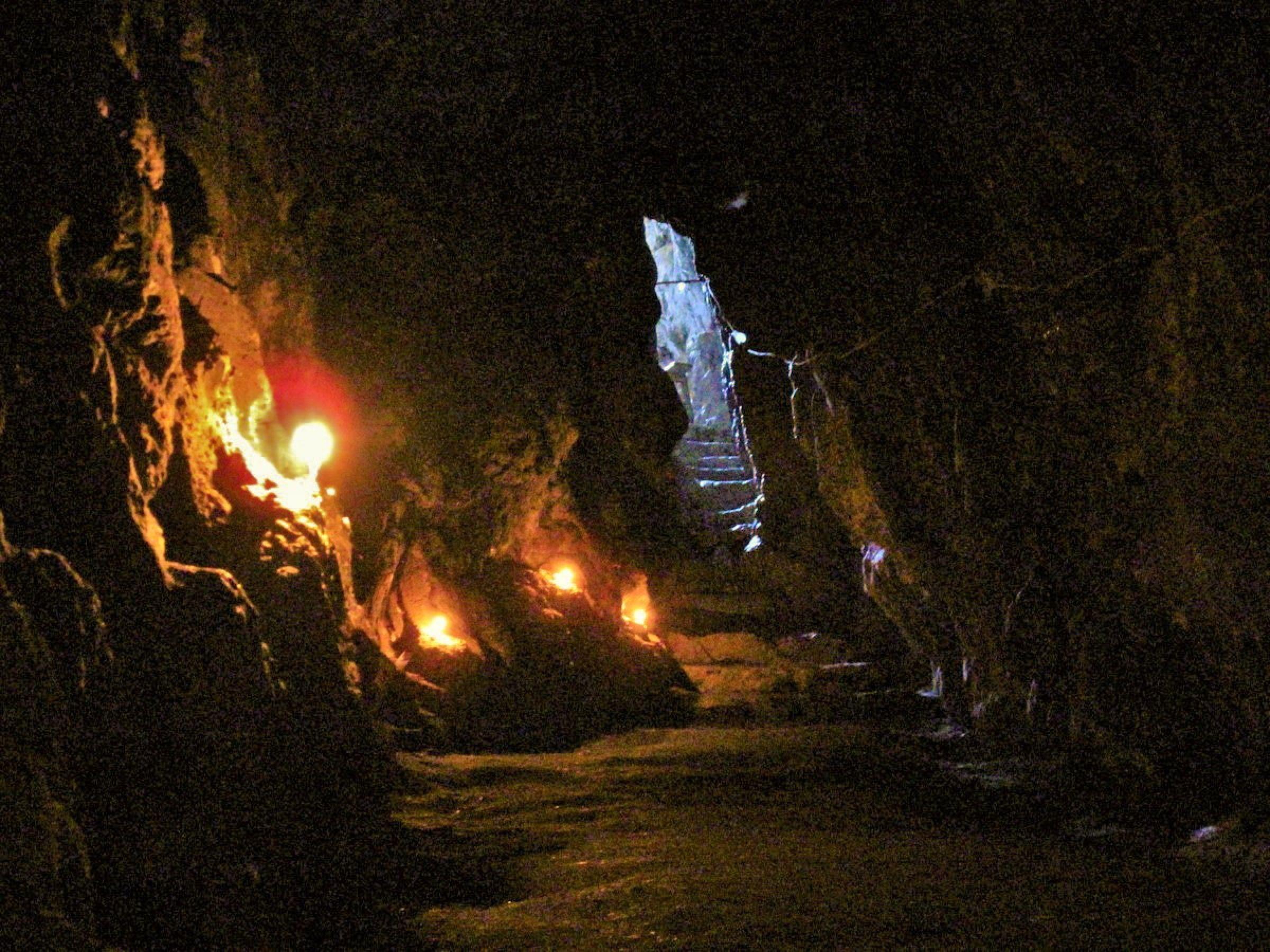
The cave itself is a tall, narrow fissure, roughly 30 metres long and in places only half a metre wide, lit by lamps. Pilgrims move through it in single file, touch the hand-shaped hollows at the end and make a wish. Local belief holds that a wish is more likely to be granted if the climb was made on foot, though horses and donkeys can be hired at the bottom for those who prefer to ride.
How to experience it
Allow half a day from Samarkand: about an hour on the road each way and two to three hours on site. The stairway is steep but well built, with landings, benches and stalls selling tea, dried fruit and mountain herbs. Go early in the morning or in the late afternoon, especially from June to August when the hillside is exposed to the sun. Dress modestly and remove shoes at the mosque; women usually cover their hair. Fridays, religious holidays and spring weekends bring large numbers of pilgrims, which is atmospheric but slow on the stairs. The trip combines naturally with the Agalyk mountains on the way back, or with a longer day towards Shakhrisabz over the Takhtakaracha pass.
A cable car to the summit has been announced in the press; check the current situation before planning around it.
What to see
- The 1,303-step stairway up the ridge
- The hilltop mosque and its views over the Nurabad hills
- The narrow fissure cave with the hand-shaped hollows attributed to David
- Pilgrims of three faiths sharing one shrine
- Horses and donkeys for hire at the foot of the climb
- Stalls selling mountain herbs and dried fruit
Gallery
Tours that visit Hazrat Daud Cave
 New
Six Days, Seven Plovs
From
$995
 Premium
Twelve Gates of the Silk Road
From
$1,750
 Best Seller
Four Crowns: Tashkent, Samarkand, Bukhara, Khiva
From
$1,270
More sights in Samarkand
All of Samarkand

See Hazrat Daud Cave with a local guide
We build private and small-group trips around the places you want to see — with guides who grew up here.