
Nature · Kitab State Geological Reserve 1979; national geopark status 2020; UNESCO Global Geopark candidate
Kitab Geopark and the Takhtakaracha Pass
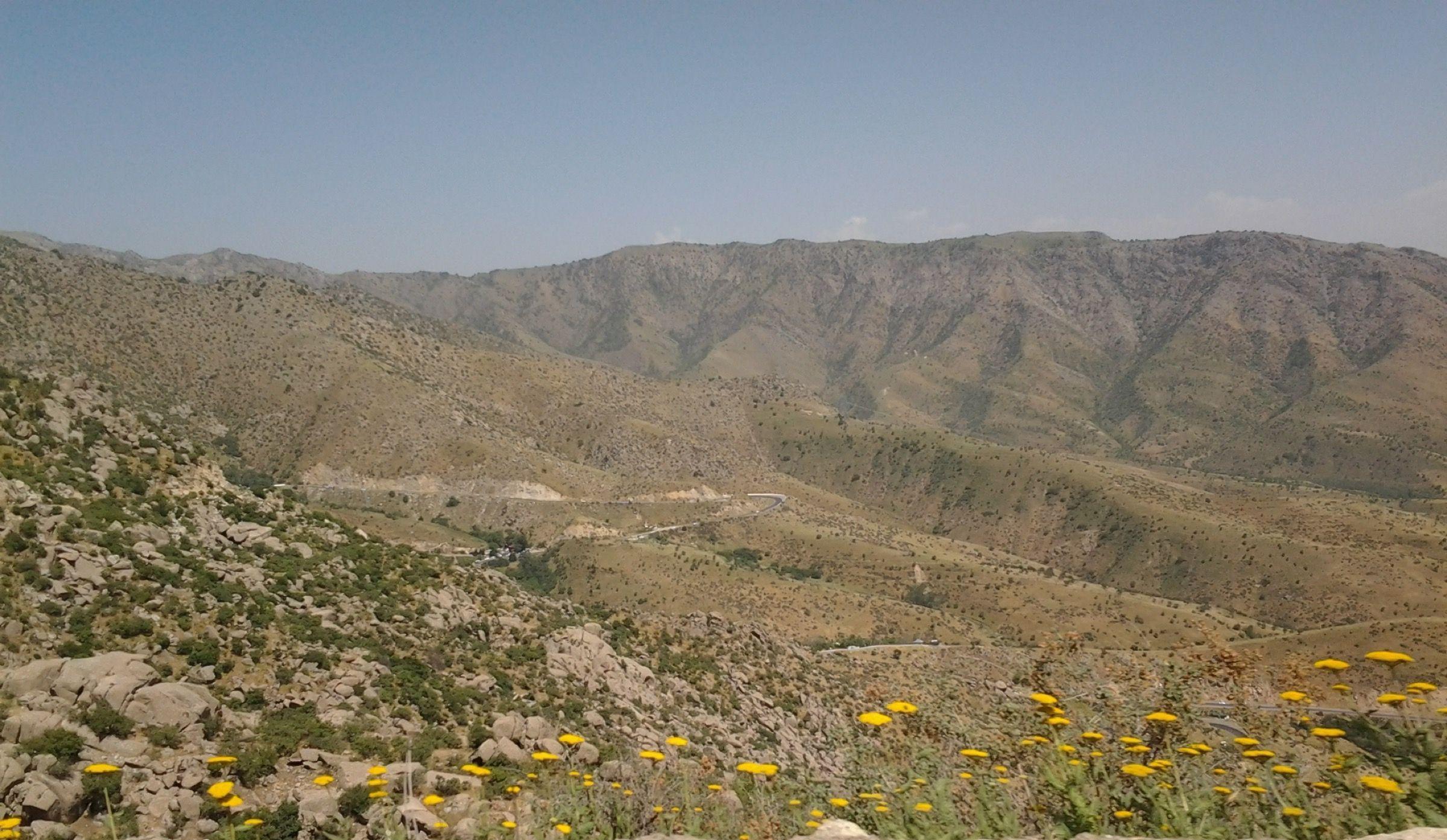
The mountain road from Samarkand to Shakhrisabz crosses the Takhtakaracha pass at about 1,700 m; beyond it lies the Kitab geological reserve, where a gorge wall records 140 million years of Devonian seas and serves as a world reference point for geologists.
About
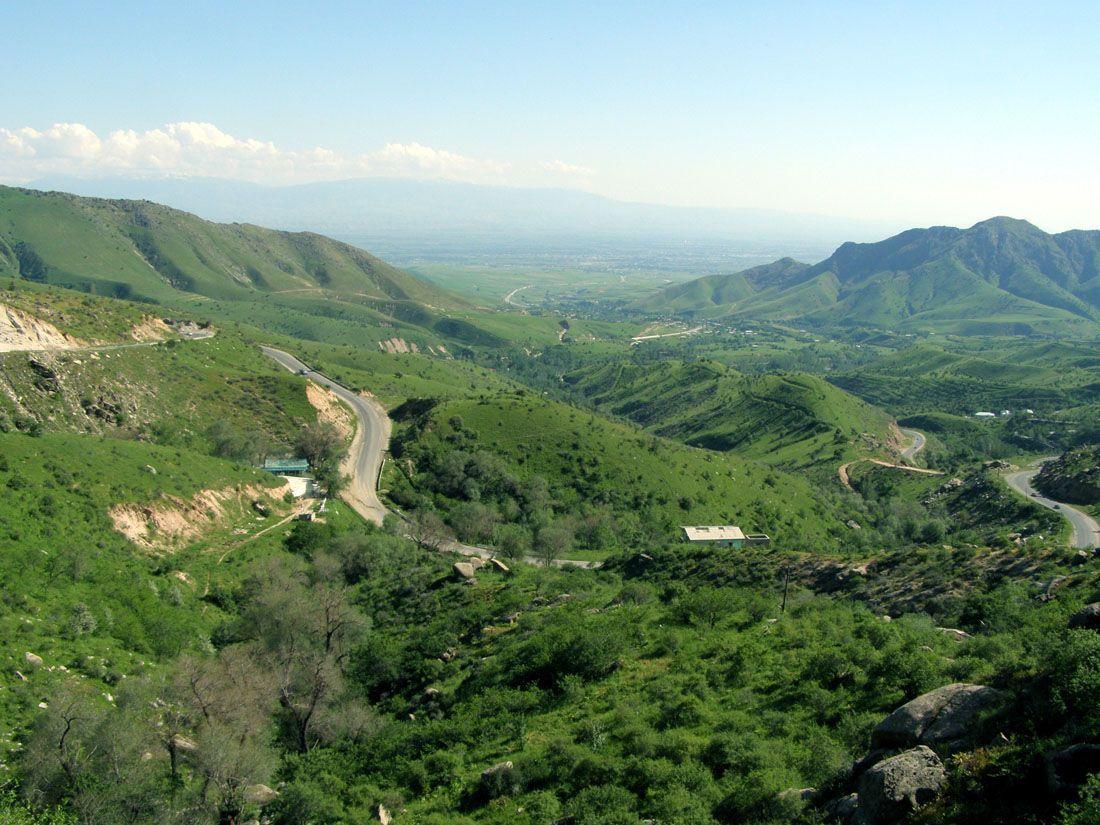
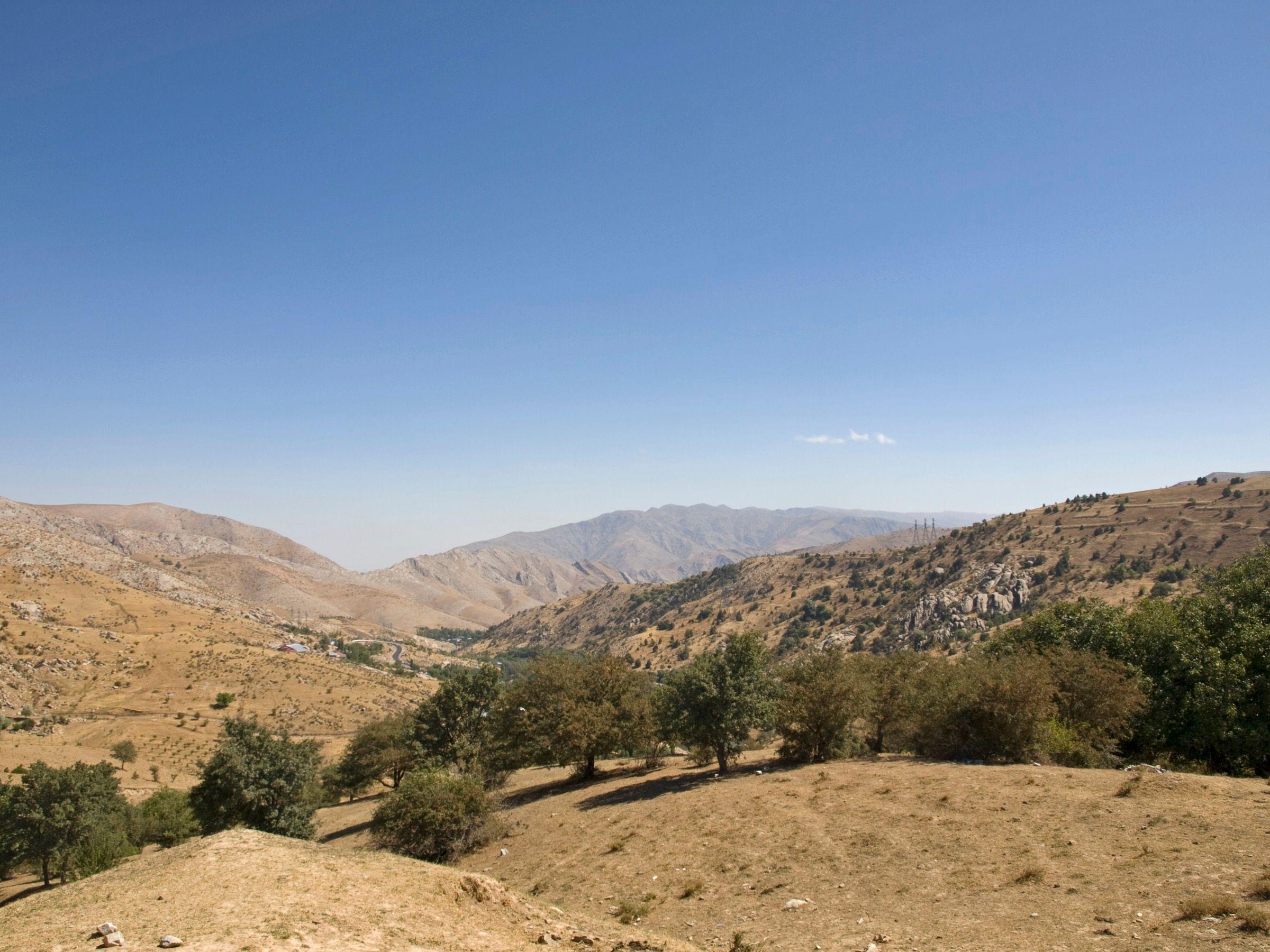
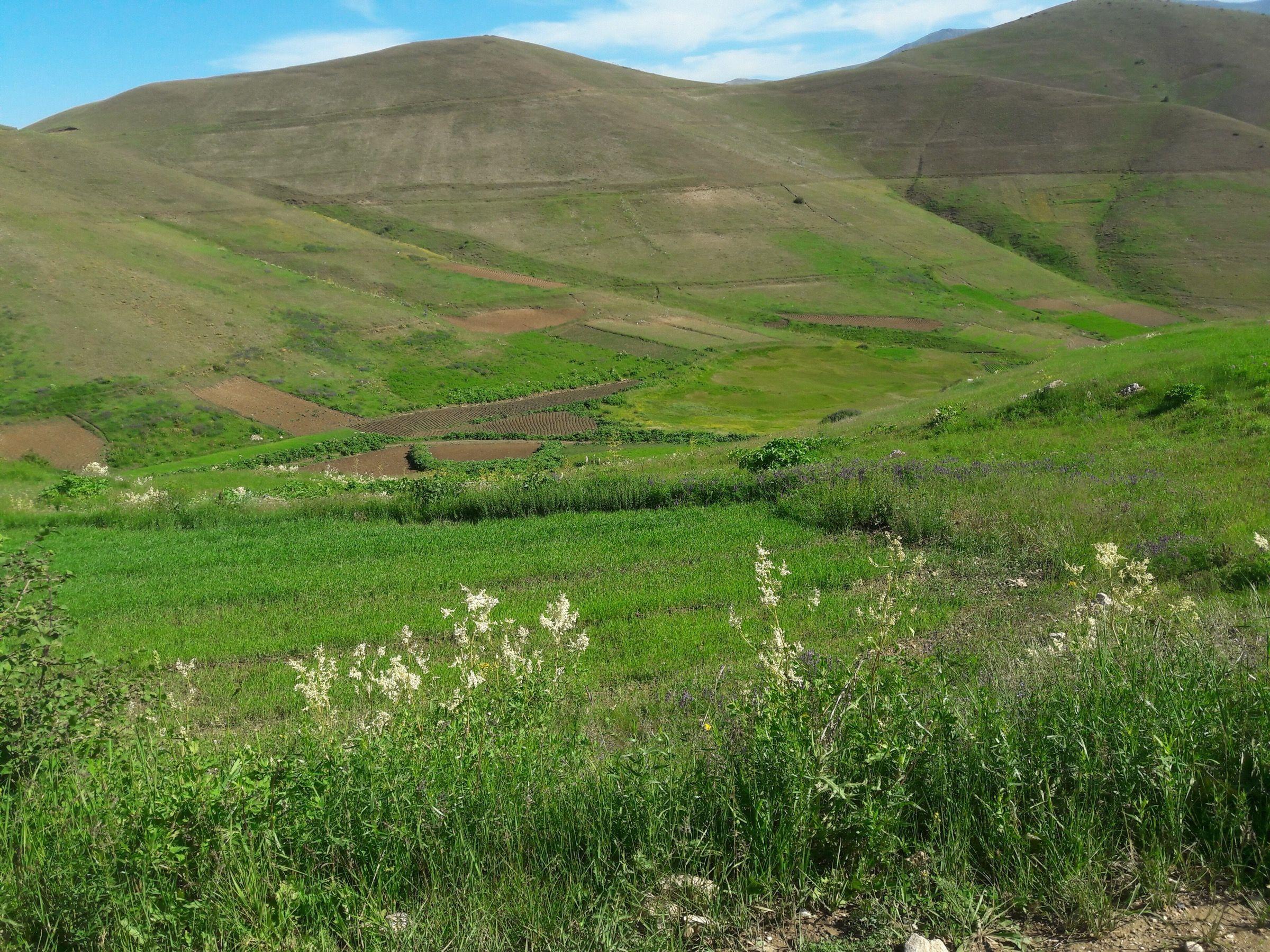
Every trip from Samarkand to Shakhrisabz crosses the Zarafshan range by the Takhtakaracha pass, and the pass is worth more than a photo stop. The road climbs through walnut and juniper to a saddle of about 1,700 m with a view back over the Samarkand oasis and forward into the green Kashkadarya valley. The Castilian envoy Clavijo came this way to Timur's court in 1404; the Mongol and Timurid armies used it before him. In spring the slopes are red with poppies and tulips, and roadside stalls sell dried fruit, honey and shashlik.
Amankutan
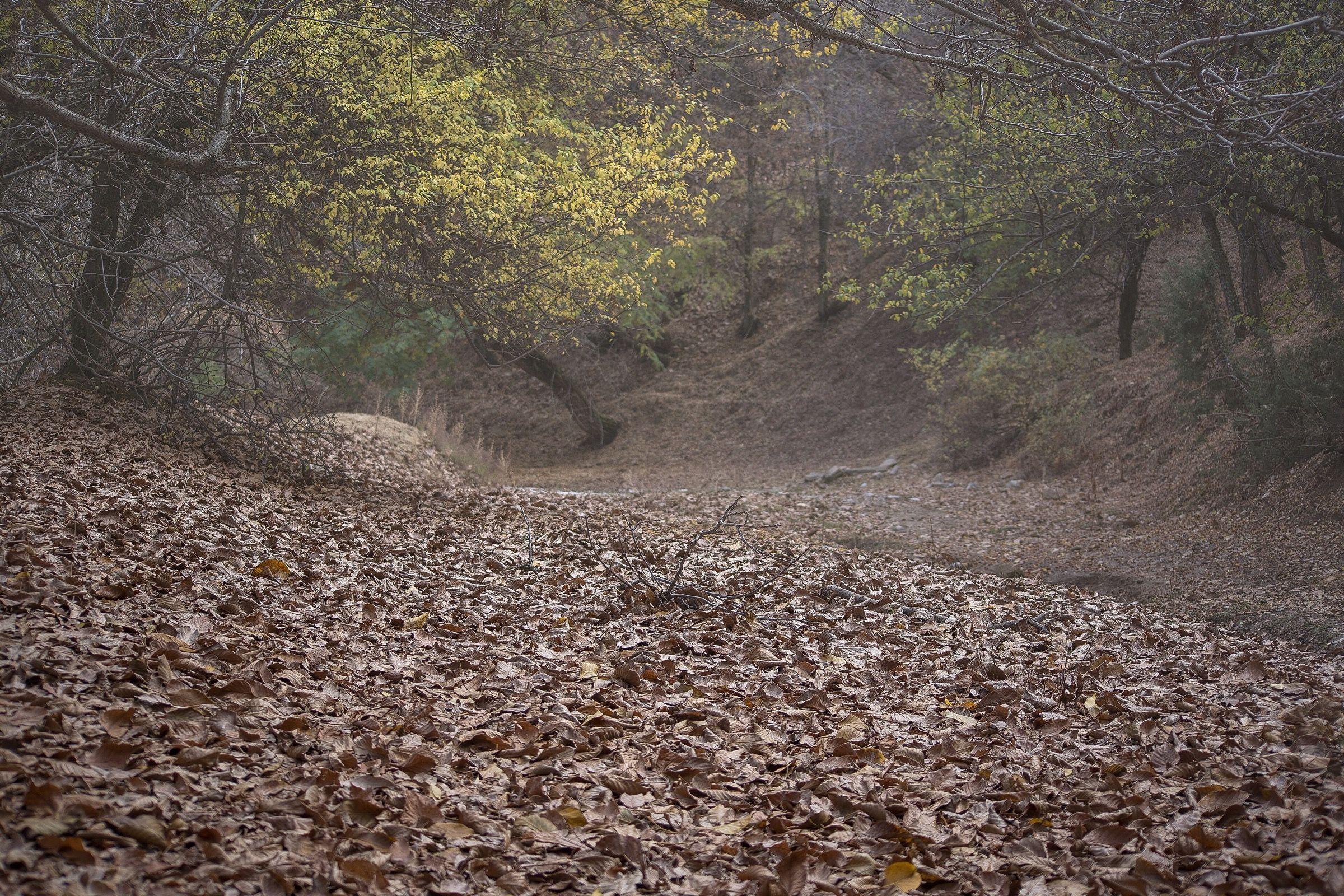
On the Samarkand side of the pass the Amankutan valley is a forested nature area with planted walnut groves from the nineteenth century, a cave where Neanderthal tools were found in the 1940s, and a small resort village. It is the easy walking country of the range, an hour from Samarkand, and the usual picnic place on the way.
The Kitab geopark
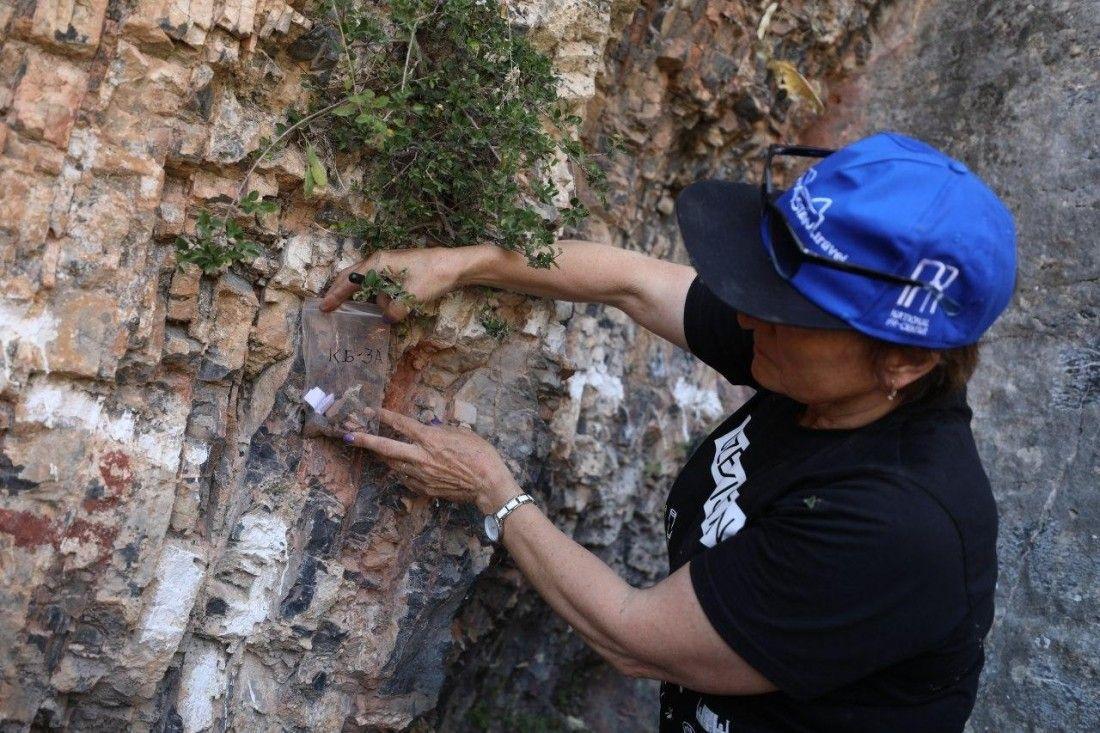
South of the pass, about 50 km from Shakhrisabz in the Kitab district, the Kitab State Geological Reserve protects 3,938 hectares of the upper Jindydarya valley between 1,300 and 2,650 m. Established in 1979, it exists because its limestone cliffs expose an almost unbroken sequence of marine sediments from the Devonian and Carboniferous periods, roughly 470 to 330 million years old, packed with corals, brachiopods and the microfossils used to date rock worldwide. In the Zinzilban gorge the International Commission on Stratigraphy fixed the global reference section, a “golden spike”, for the boundary between the Pragian and Emsian stages of the Devonian; there are only a few dozen such points on Earth. The reserve was redesignated as the Kitab Geopark in 2020 and, with UNESCO's involvement since 2019, is being prepared for the Global Geoparks Network; as of early 2026 the application was still in progress.
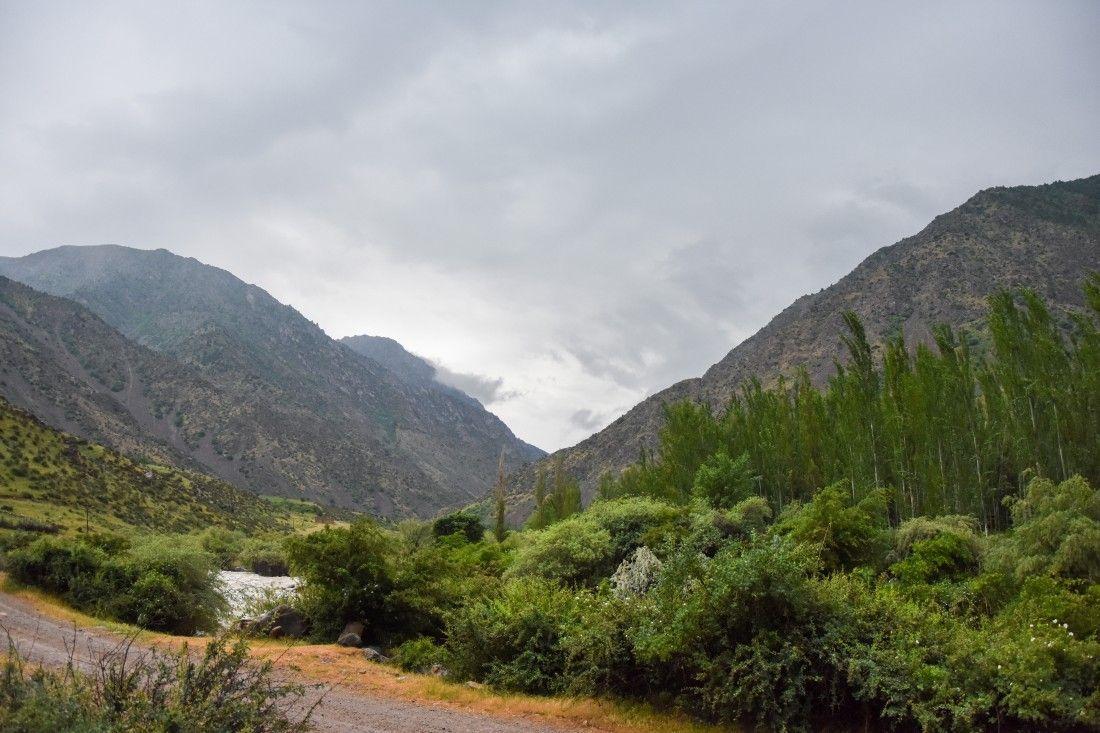
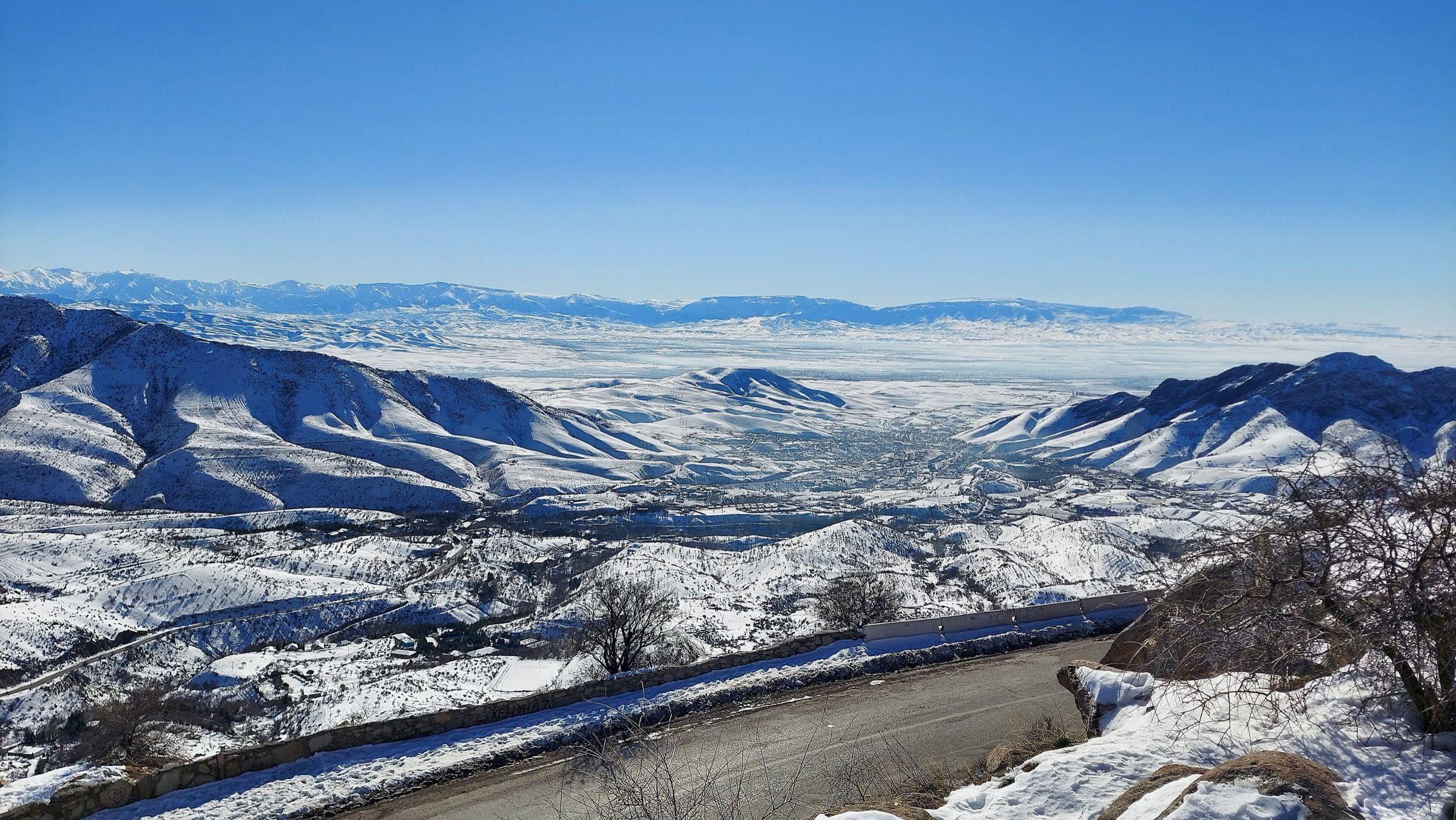
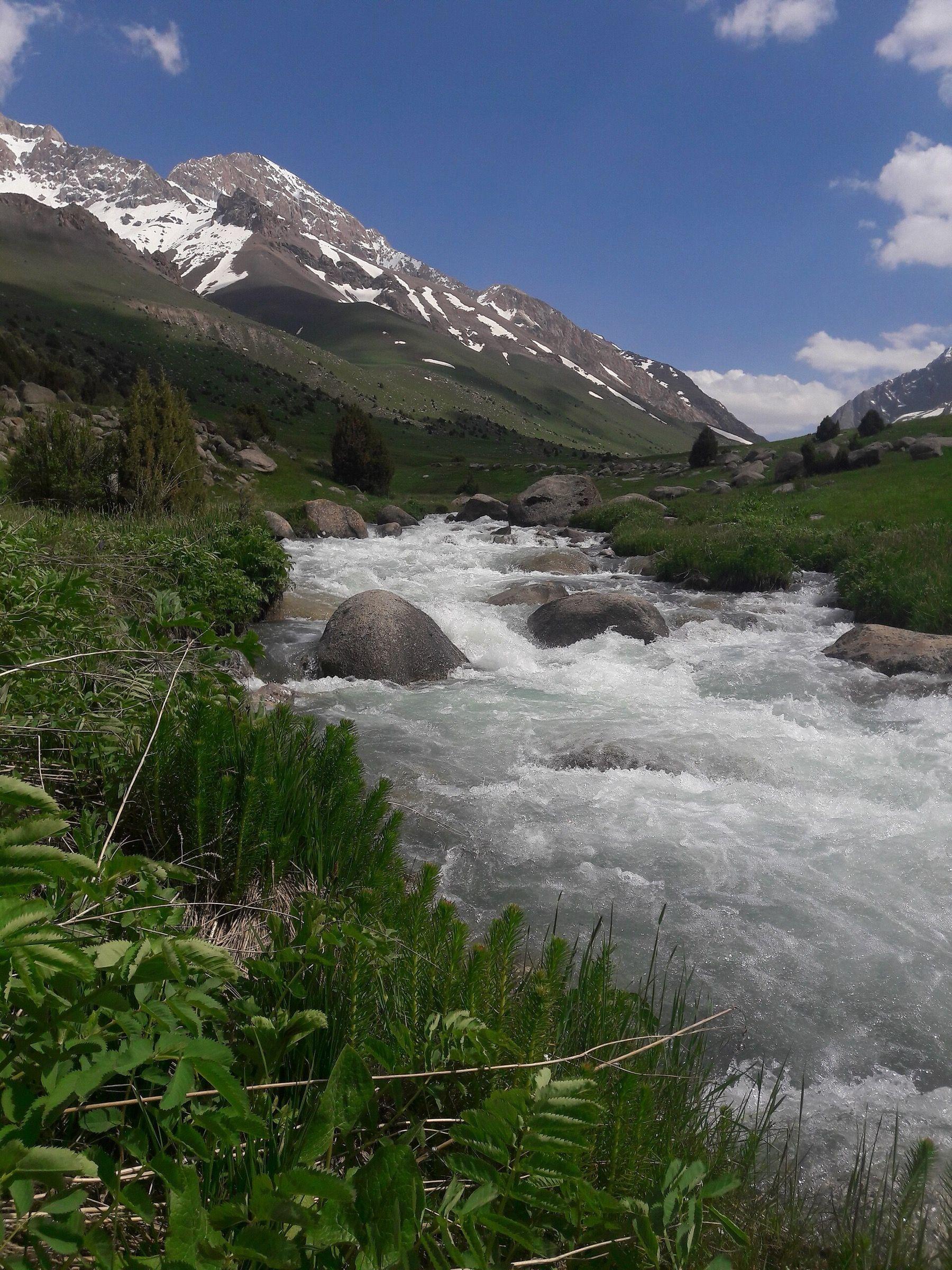
The reserve is also botanically rich, with about 800 plant species, and the scenery is a reason in itself: a river gorge with layered red and grey walls, juniper slopes and, in the distance, the snow of the Hissar range. The Suvtushar waterfall, which does not freeze in winter, lies further into the mountains at 2,100 m inside the Hissar nature reserve and requires a permit and a long walk.
Visiting
The pass needs no planning beyond a clear day; it may close after heavy snow, when traffic takes the longer road round via Karshi. The geopark takes a full day from Samarkand or half a day from Shakhrisabz: a car to the reserve entrance near the village of Khojakurgan, then walking in the gorge with a reserve guide, who can point out the marked sections. Geologists and students come on organised field trips; others come for the river, the cliffs and the quiet. Wear proper shoes, carry water and expect no shops once you leave Kitab town.
What to see
- The view from the Takhtakaracha pass over two valleys
- Spring poppies and roadside honey stalls on the climb
- The Amankutan walnut forests and cave
- The Zinzilban gorge with its Devonian golden spike
- Fossil-rich limestone cliffs in the Jindydarya valley
- Juniper slopes and views to the Hissar snow peaks
Gallery
Tours that visit Kitab Geopark and the Takhtakaracha Pass
 New
Six Days, Seven Plovs
From
$995
 Premium
Twelve Gates of the Silk Road
From
$1,750
 Best Seller
Four Crowns: Tashkent, Samarkand, Bukhara, Khiva
From
$1,270
More sights in Samarkand
All of Samarkand

See Kitab Geopark and the Takhtakaracha Pass with a local guide
We build private and small-group trips around the places you want to see — with guides who grew up here.