
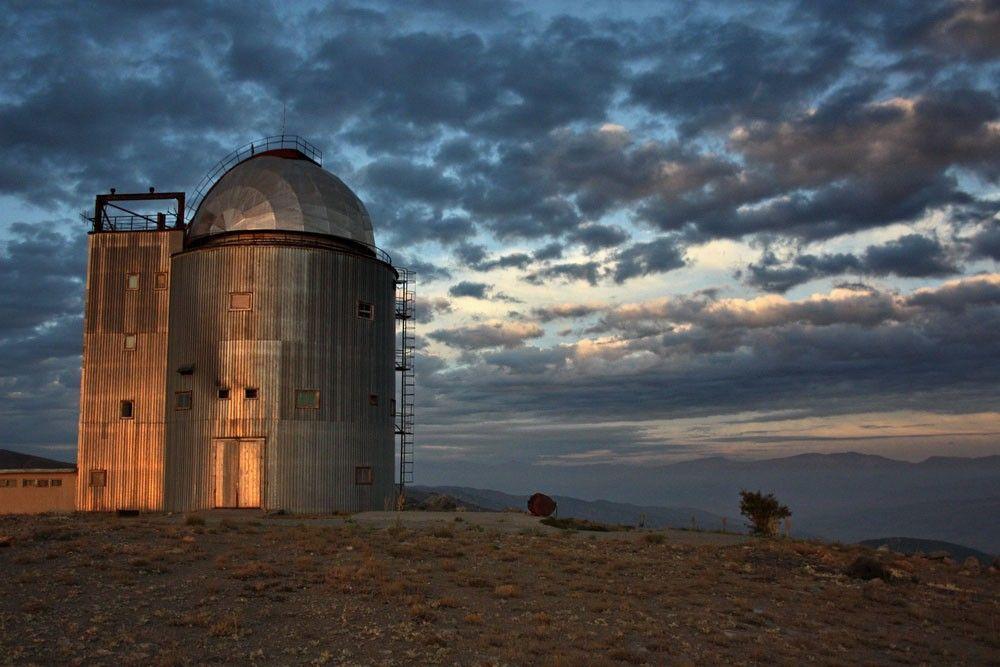
Sight · Founded 1970; 1.5-metre telescope commissioned in the 1990s
Maidanak High-Altitude Observatory
A working astronomical observatory at 2,650 m in the Kashkadarya mountains, with Central Asia's largest optical telescope and some of the clearest skies on the continent. Visits are possible by prior arrangement.
About
Ulugbek built his sextant in Samarkand in the 1420s; his successors in Uzbek astronomy work on a ridge of the Hissar range 45 km south of Shakhrisabz, at 2,650 m above sea level. The Maidanak observatory, run by the Ulugh Beg Astronomical Institute of the Academy of Sciences, was founded in 1970 after a Soviet survey picked the site for its dark skies, dry air and exceptionally steady atmosphere. Its seeing, the measure of how little the air blurs a star, is comparable with the best sites in Chile and Hawaii, and it enjoys around 2,000 clear hours a year.
The instruments
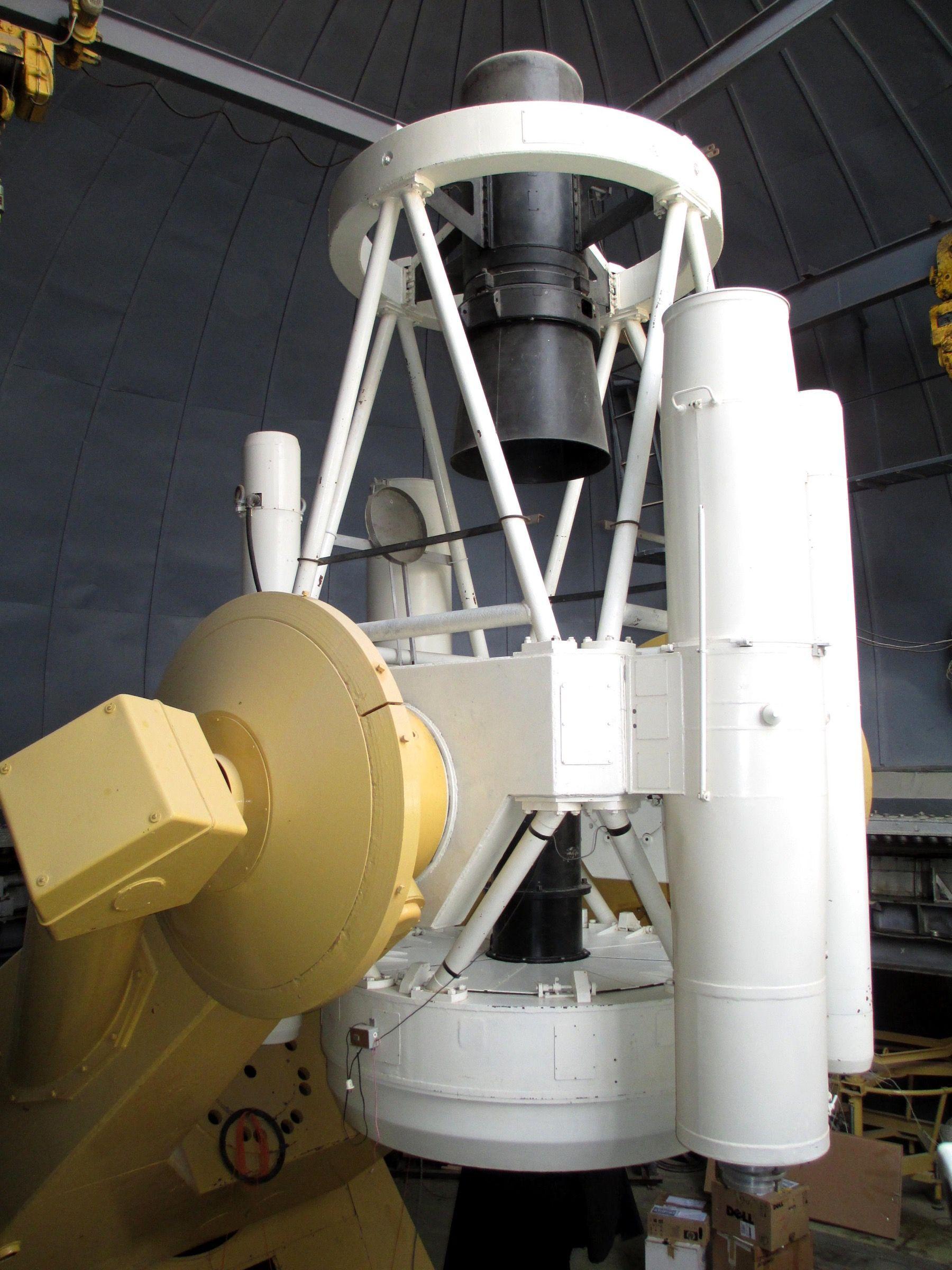
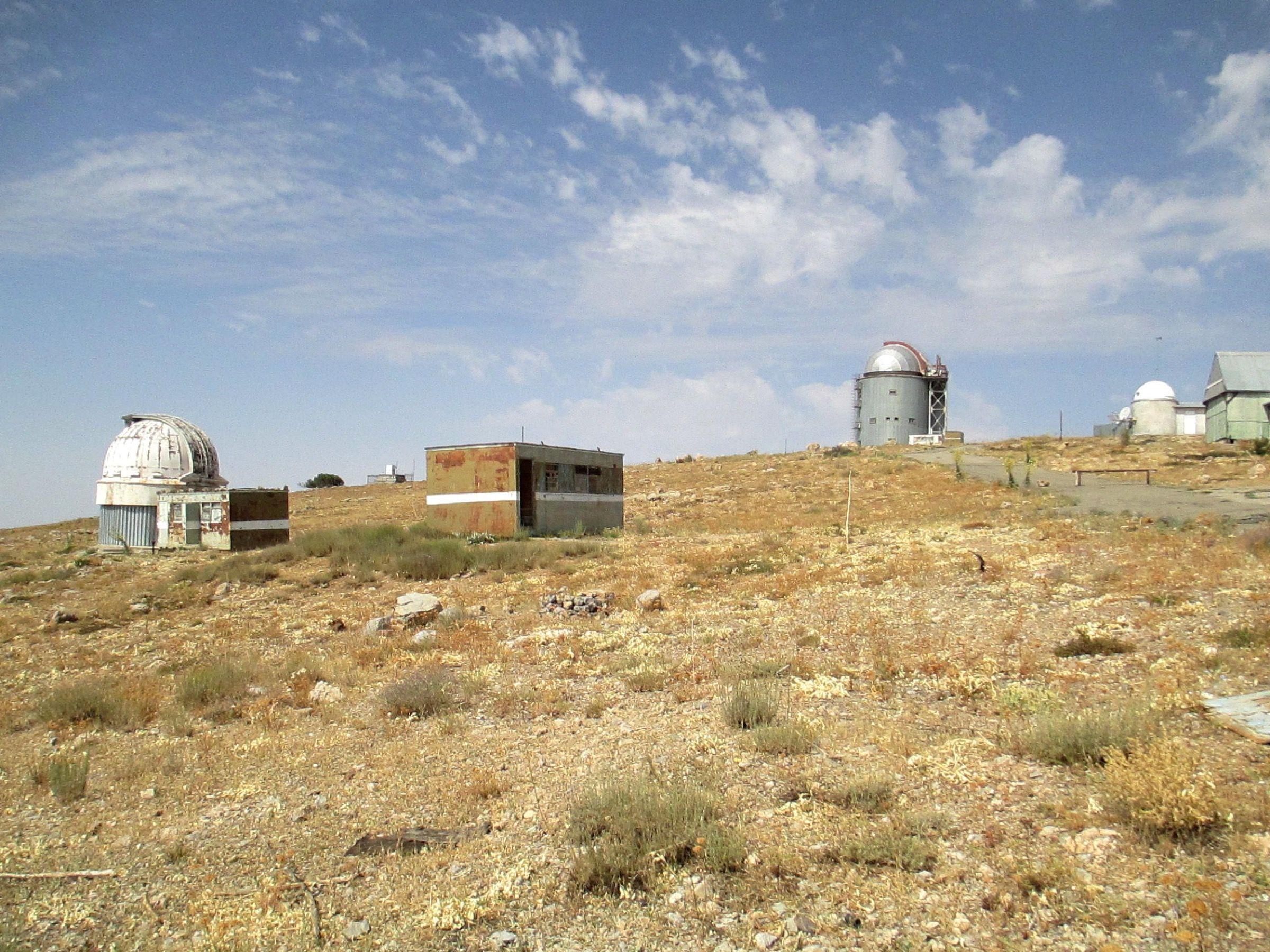
The main telescope is the AZT-22, a 1.5-metre reflector that is the largest optical instrument in Central Asia; around it stand a one-metre Zeiss and several 60-centimetre telescopes, housed in the silver domes that give the site its look. Maidanak has been used by astronomers from Russia, Korea, Japan, Europe and the United States for long-term monitoring of quasars, gravitational lenses and variable stars; more than 80 asteroids and four comets were discovered here, and in 2010 one of the asteroids was named Samarkand. The main instruments were being rebuilt in 2025, with a museum telescope planned for visitors.
Astro-tourism
Maidanak is a research station, not a theme park, and that is its appeal. Day visits can be arranged through the Institute to see the domes, the control rooms and the panorama over the Kashkadarya hills; night observing sessions with the smaller telescopes are offered to groups by agreement and depend on the observing programme and the weather. A yurt camp and a basic guesthouse have appeared near the site, and in 2025 the region hosted a “Starry Sky” press tour to promote it. The Institute's rule is simple: no unannounced arrivals, and no lights or drones after dark.
What you see by day
The plateau is bare and wide, grazed by sheep in summer, with the domes strung along its crest and the Hissar peaks to the east. Inside the main building the 1.5-metre mirror and its mount fill a hall three storeys high; staff explain how a night's observing is planned and how the data travels to partner institutes abroad. At sunset the sky turns through orange to violet over the valleys of Kashkadarya far below, and the first stars appear within minutes of the sun going down, which is the simplest demonstration of why the site was chosen.
Practicalities
The drive from Shakhrisabz takes about 2.5–3 hours by road through Kamashi and then a mountain track; a four-wheel-drive is advisable and the road closes with snow from late autumn to spring. The altitude is enough to give some visitors a headache, so take the climb slowly and bring warm layers even in July, when nights fall to single figures. Combine the observatory with the Langar-ota shrine in the valley below for a two-day loop from Samarkand.
What to see
- The 1.5-metre AZT-22, Central Asia's largest optical telescope
- Silver domes on the ridge at 2,650 m
- Night observing sessions by arrangement
- A sky with around 2,000 clear hours a year
- Sunset over the Kashkadarya foothills from the plateau
- The link back to Ulugbek's Samarkand observatory
Gallery
Tours that visit Maidanak High-Altitude Observatory
 New
Six Days, Seven Plovs
From
$995
 Premium
Twelve Gates of the Silk Road
From
$1,750
 Best Seller
Four Crowns: Tashkent, Samarkand, Bukhara, Khiva
From
$1,270
More sights in Samarkand
All of Samarkand

See Maidanak High-Altitude Observatory with a local guide
We build private and small-group trips around the places you want to see — with guides who grew up here.