
Architectural ensemble · 14th–15th centuries; restorations 1910s, 1970s–80s
Sheikhantaur Ensemble
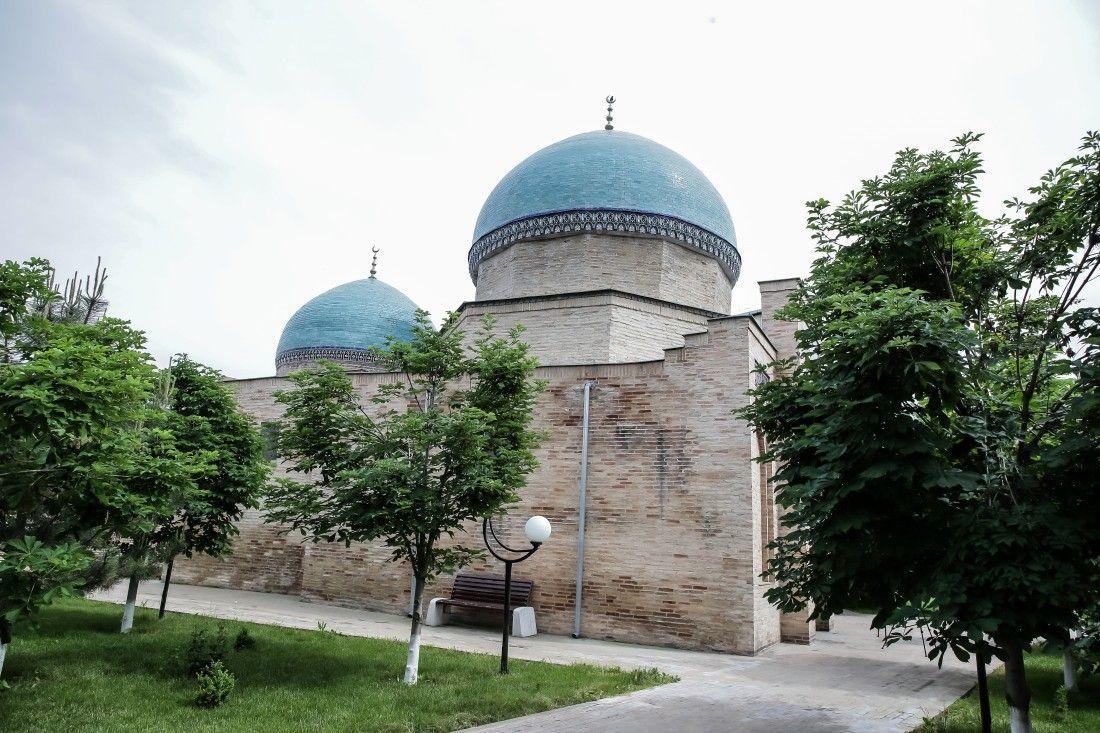
Three medieval mausoleums hidden between office blocks in central Tashkent: the Sufi Sheikh Khovendi at-Tahur, the Kazakh judge Tole-biy and Yunus Khan, grandfather of Babur, with a petrified tree beside the saint's grave.
About
Most visitors walk past Sheikhantaur without knowing it is there. The ensemble sits in a leafy block between Alisher Navoi and Abdulla Kadiri streets, surrounded by the Islamic University and Soviet-era apartment buildings, and it is the oldest surviving religious site in the modern centre of Tashkent. Until the 1920s this was a large cemetery with some sixteen monuments; three mausoleums remain, each from a different century and for a different kind of man.
Sheikh Khovendi at-Tahur
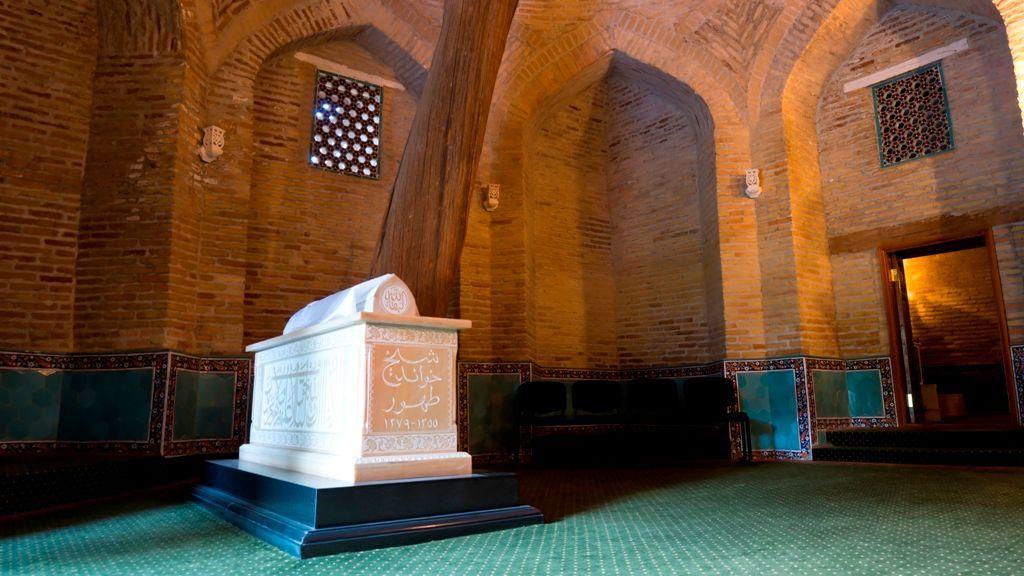
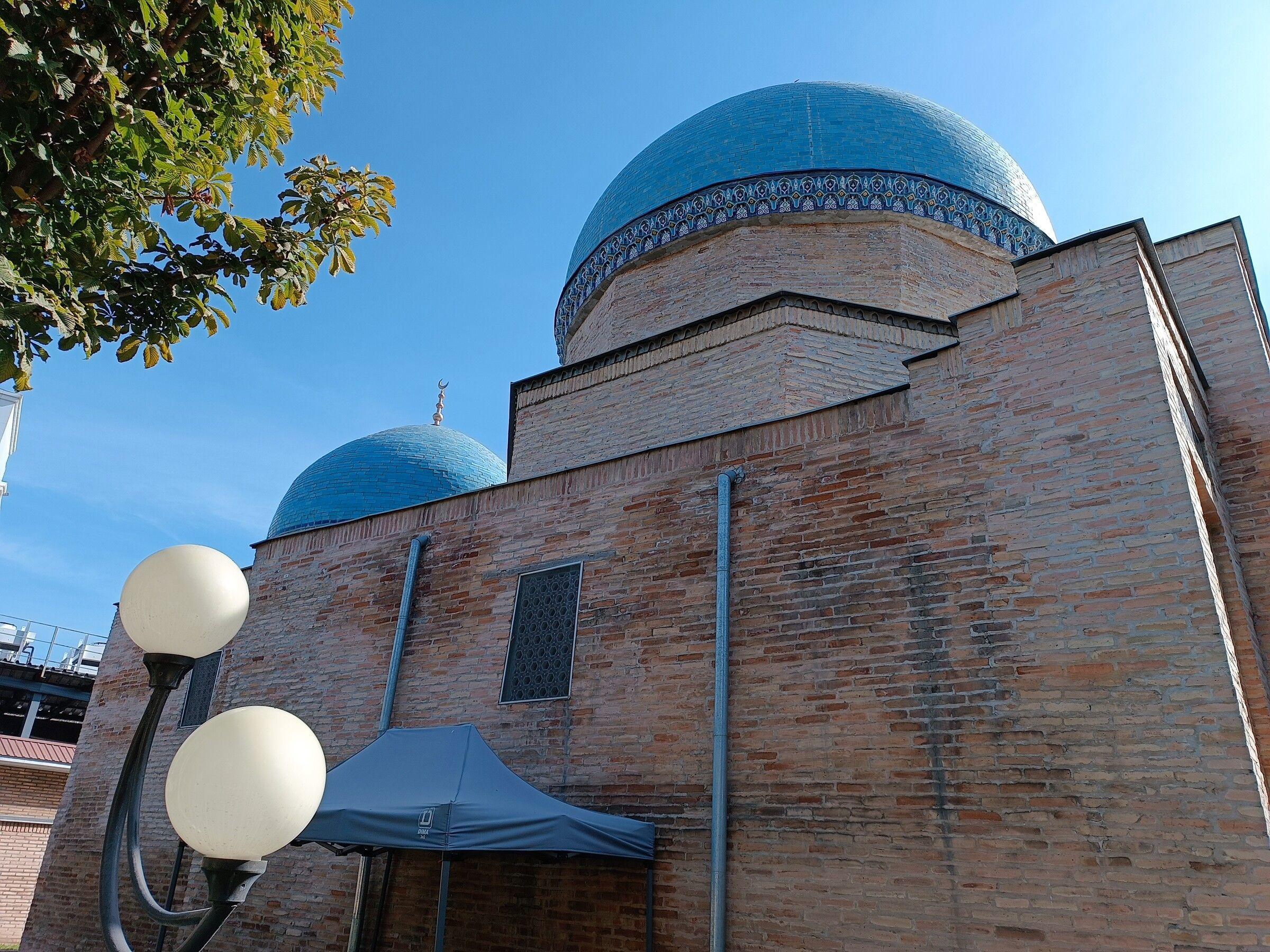
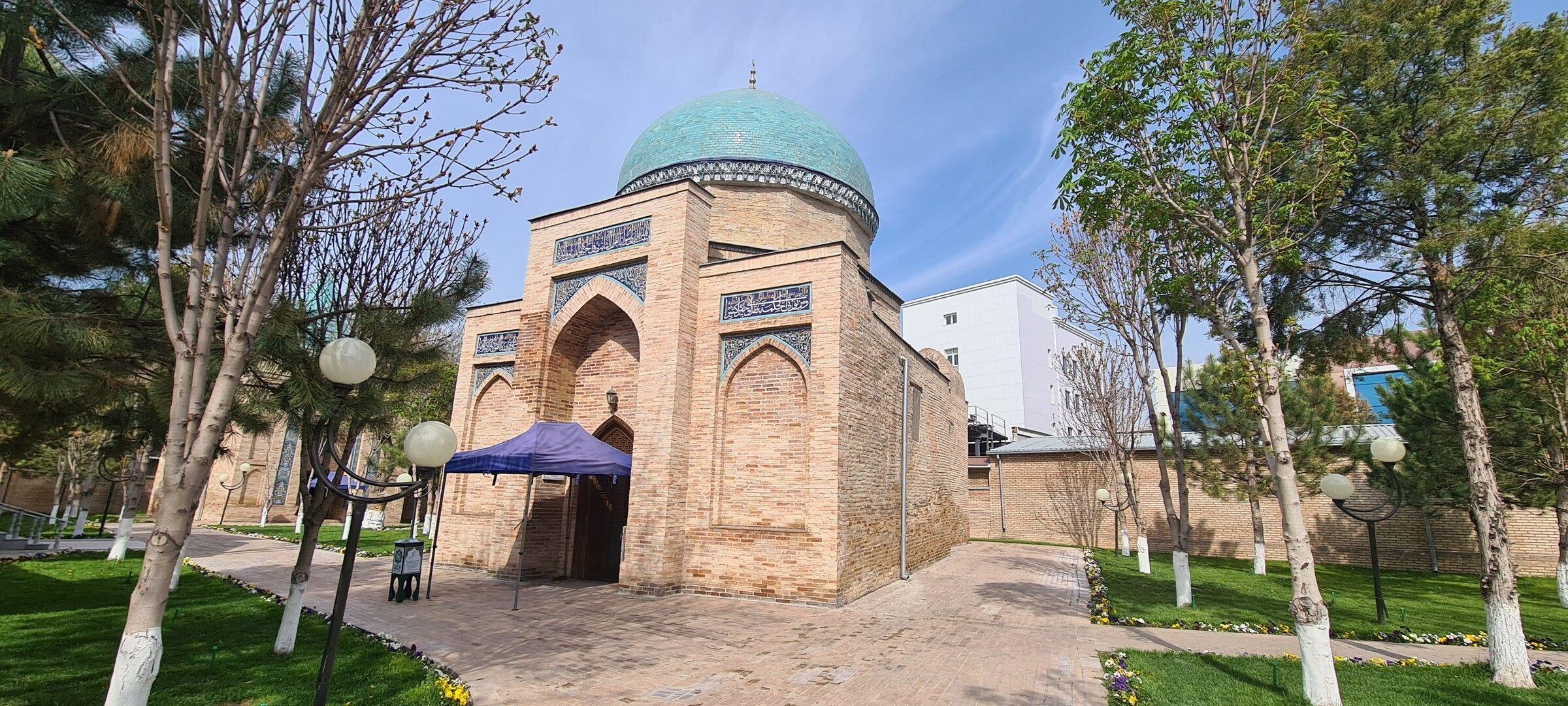
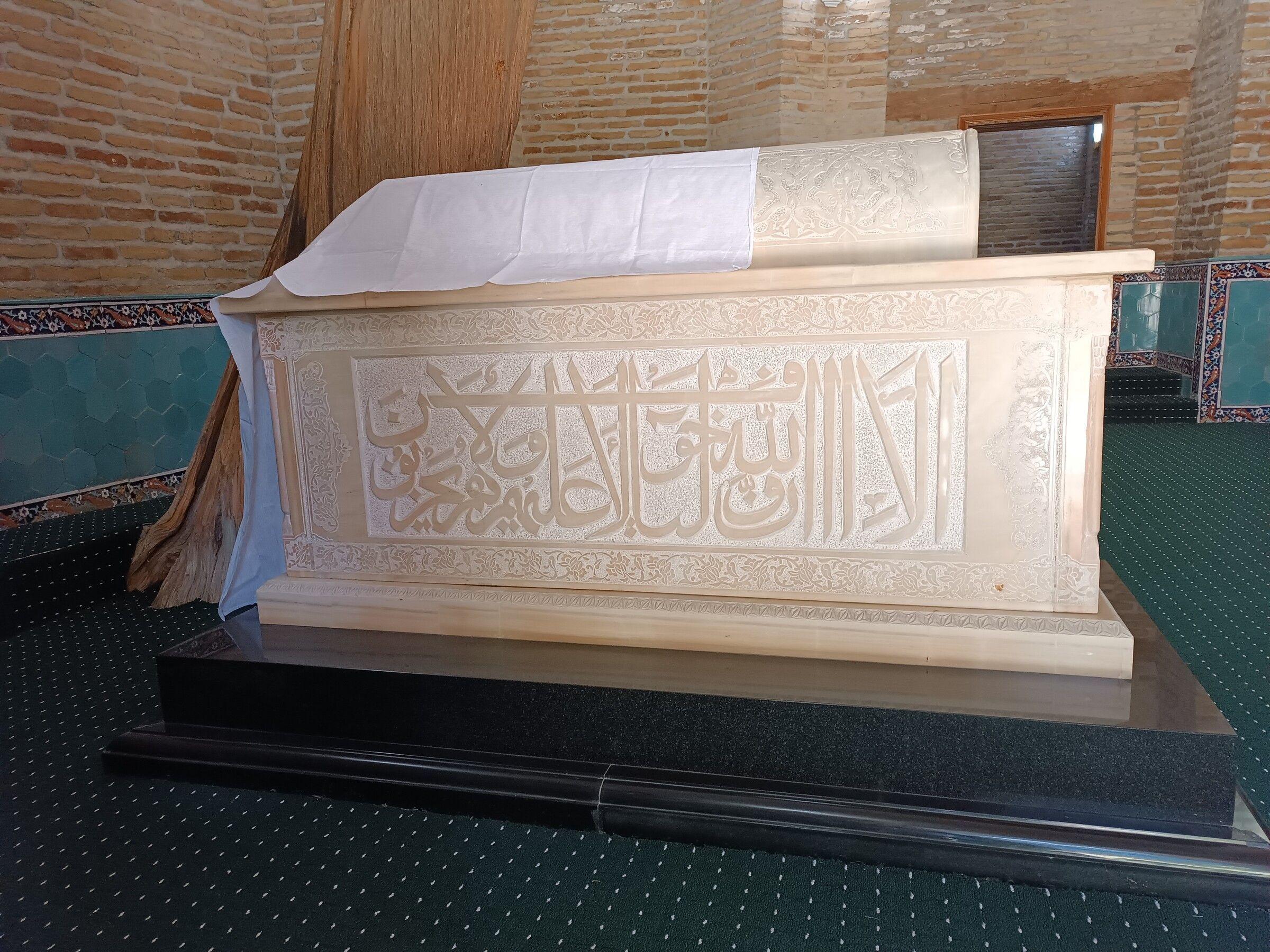
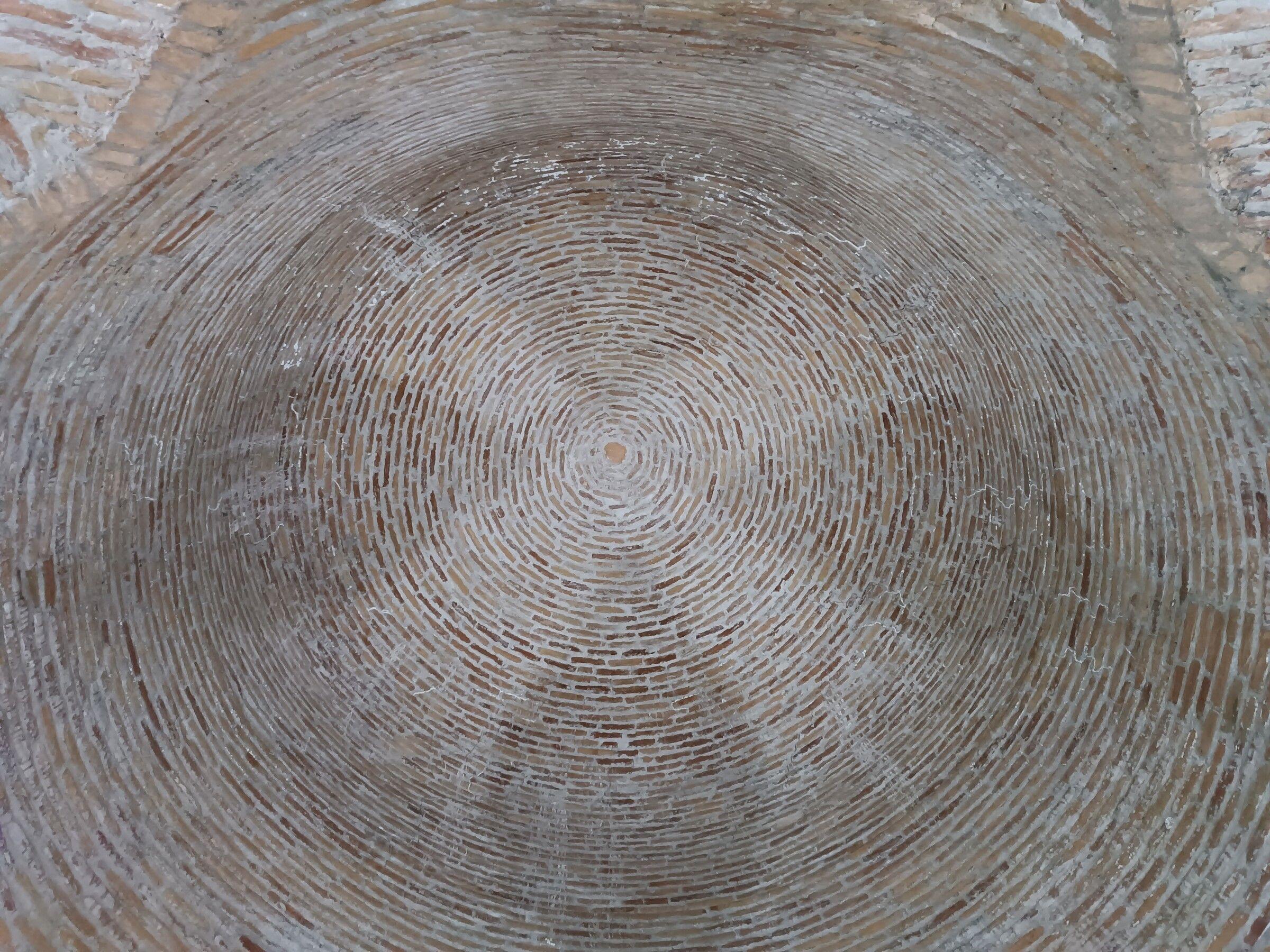
The saint who gave his name to the quarter was born in the late 13th century in Bogustan, a village now beneath the waters of the Charvak reservoir, into a family that traced its line to the caliph Umar. He studied among the dervishes of Yasi (Turkestan), the centre of Ahmad Yasawi's order, and settled in Tashkent, where he died between 1355 and 1360. His mausoleum was rebuilt several times; the present brick building with its two domes dates largely from the 19th century on a 14th-century plan. Inside, next to the marble cenotaph, stands the trunk of a petrified juniper-like tree. Legend holds that Alexander the Great rested by a spring here and that the sheikh chose to be buried among a grove of sacred "saur" trees; this trunk is the last of them. The tree is real, the Alexander story is a story.
Kaldirgach-biy
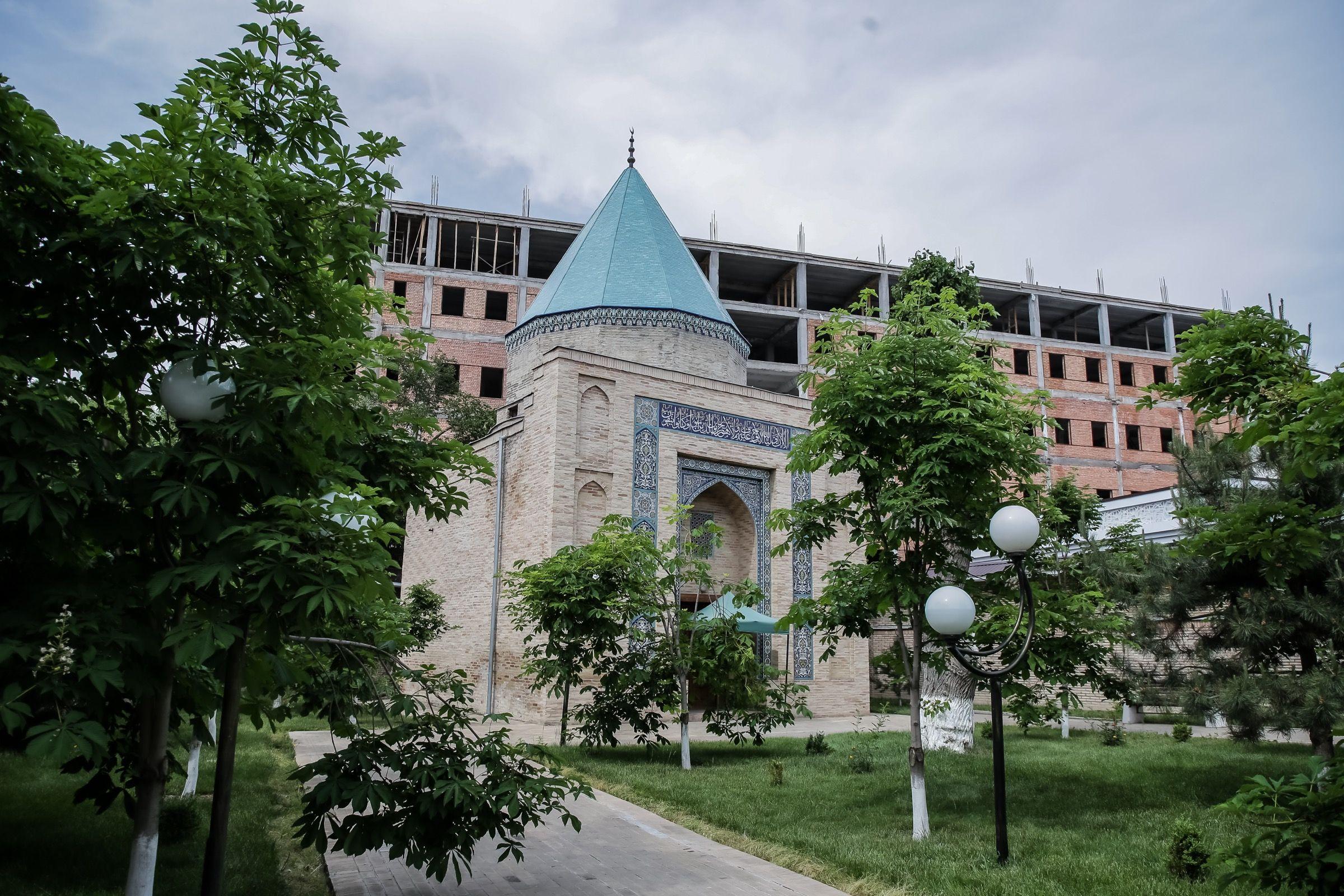
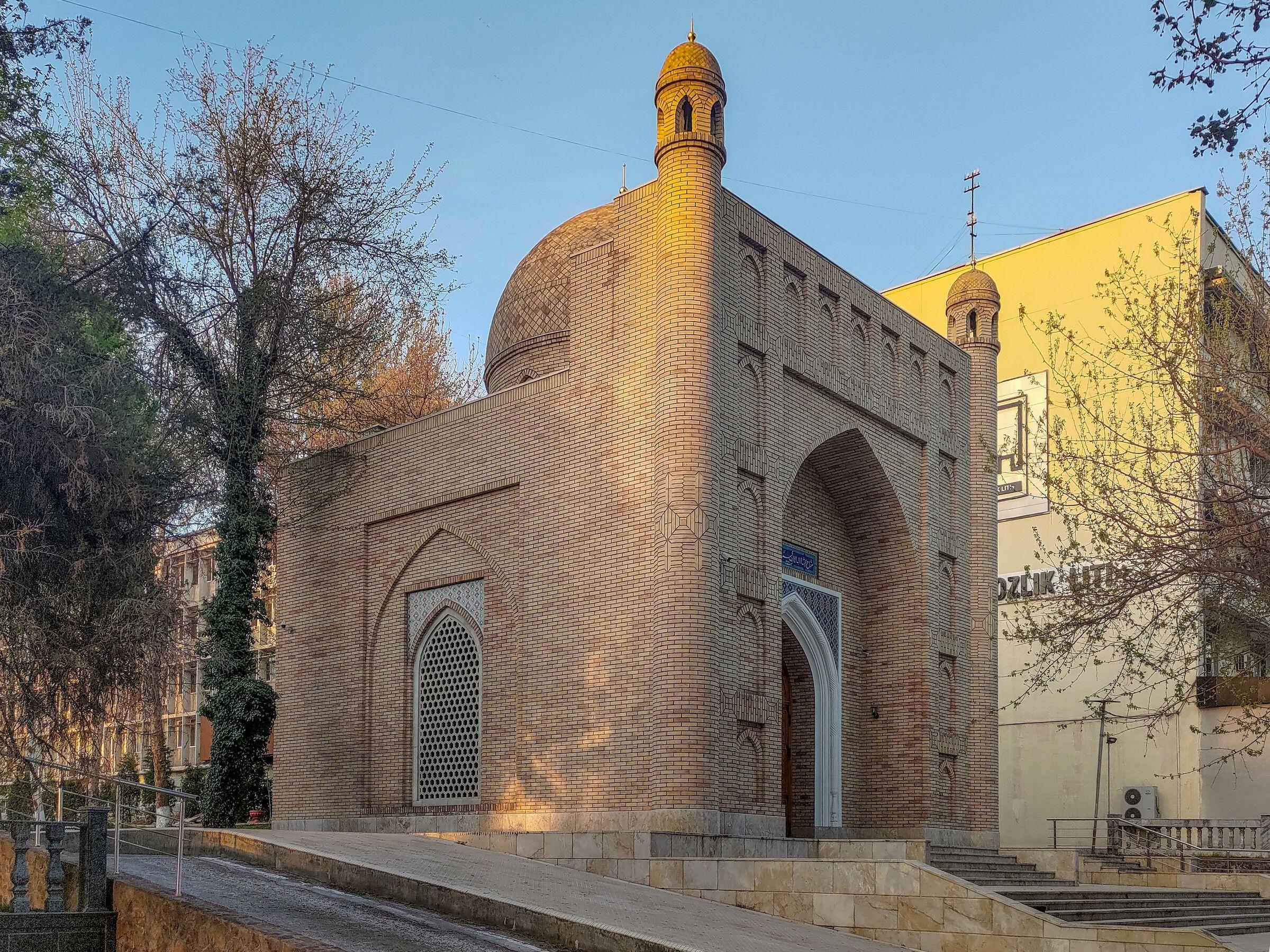
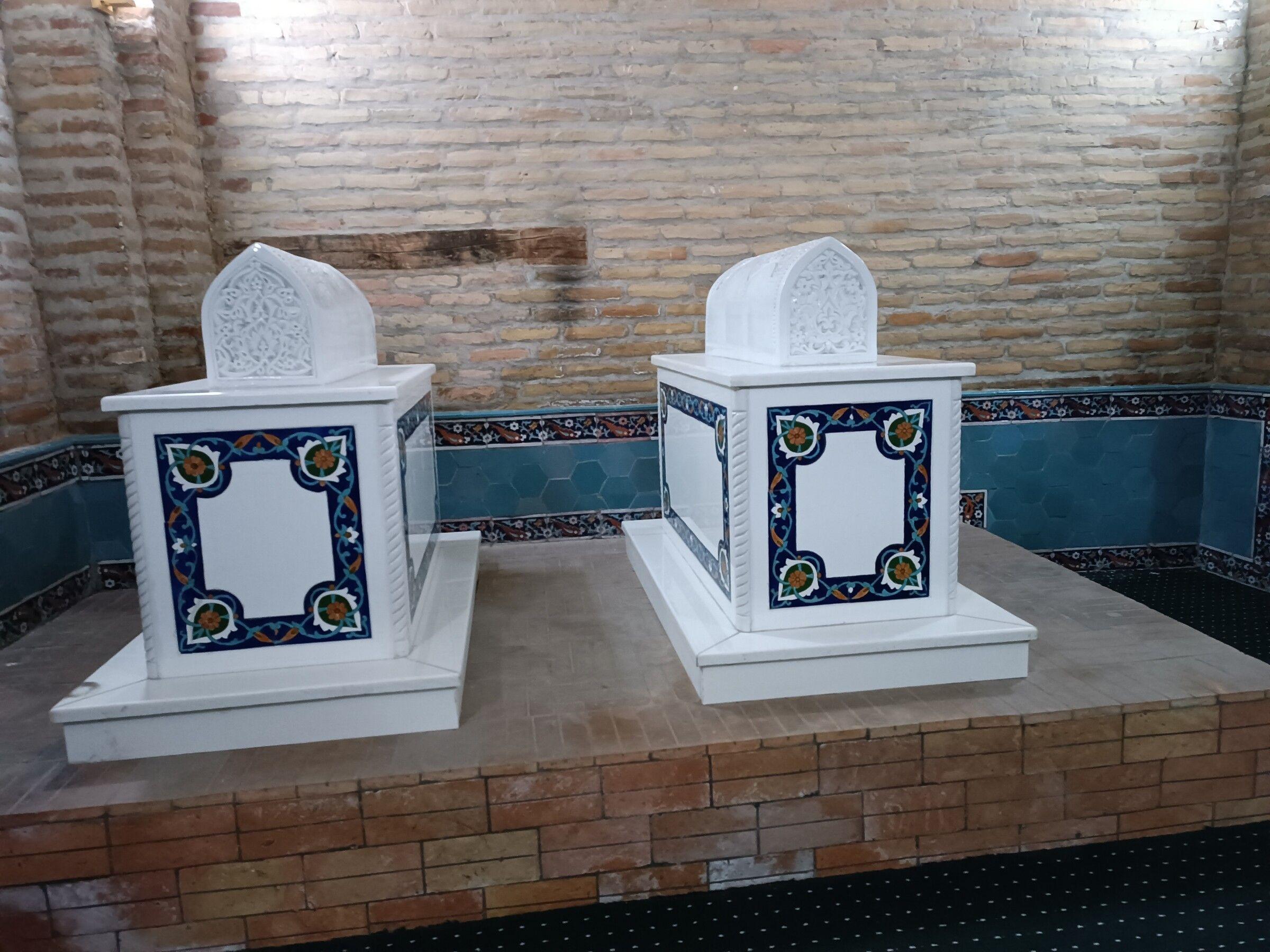
A few steps away, the small Kaldirgach-biy mausoleum is instantly recognisable by its twelve-sided pyramidal roof, a form borrowed from the steppe and almost unique in Uzbekistan. It is dated to the first half of the 15th century. Tradition identifies the tomb with Tole-biy (c. 1663–1756), the great judge of the Kazakh Senior Zhuz, who governed Tashkent in the 1740s and is remembered in a legend about a swallow ("kaldirgach") nesting on his yurt that persuaded a Dzungar commander to spare him. The building is older than the man, so the burial may be a later reuse; either way the mausoleum is a place of pilgrimage for visitors from Kazakhstan.
Yunus Khan
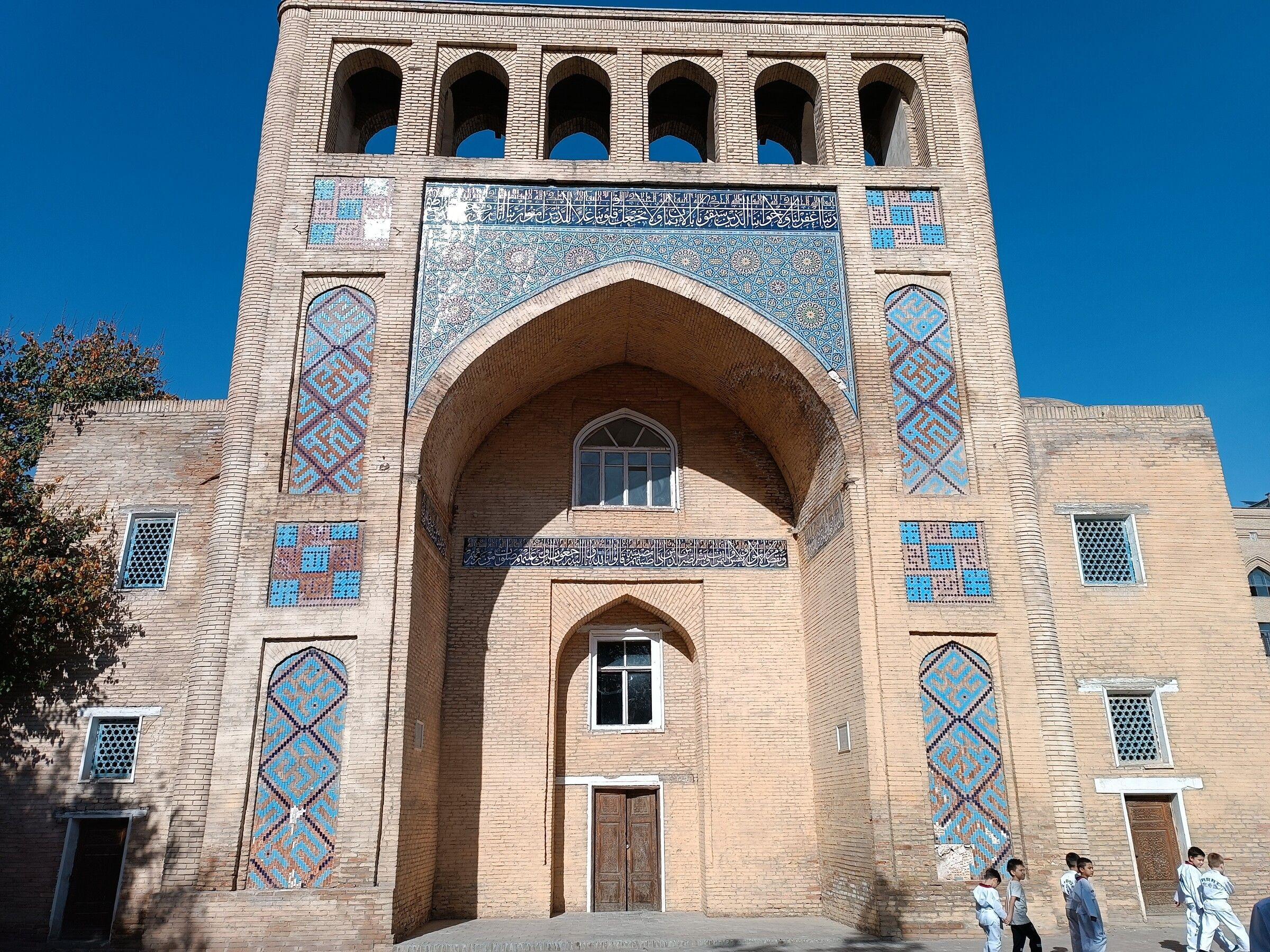
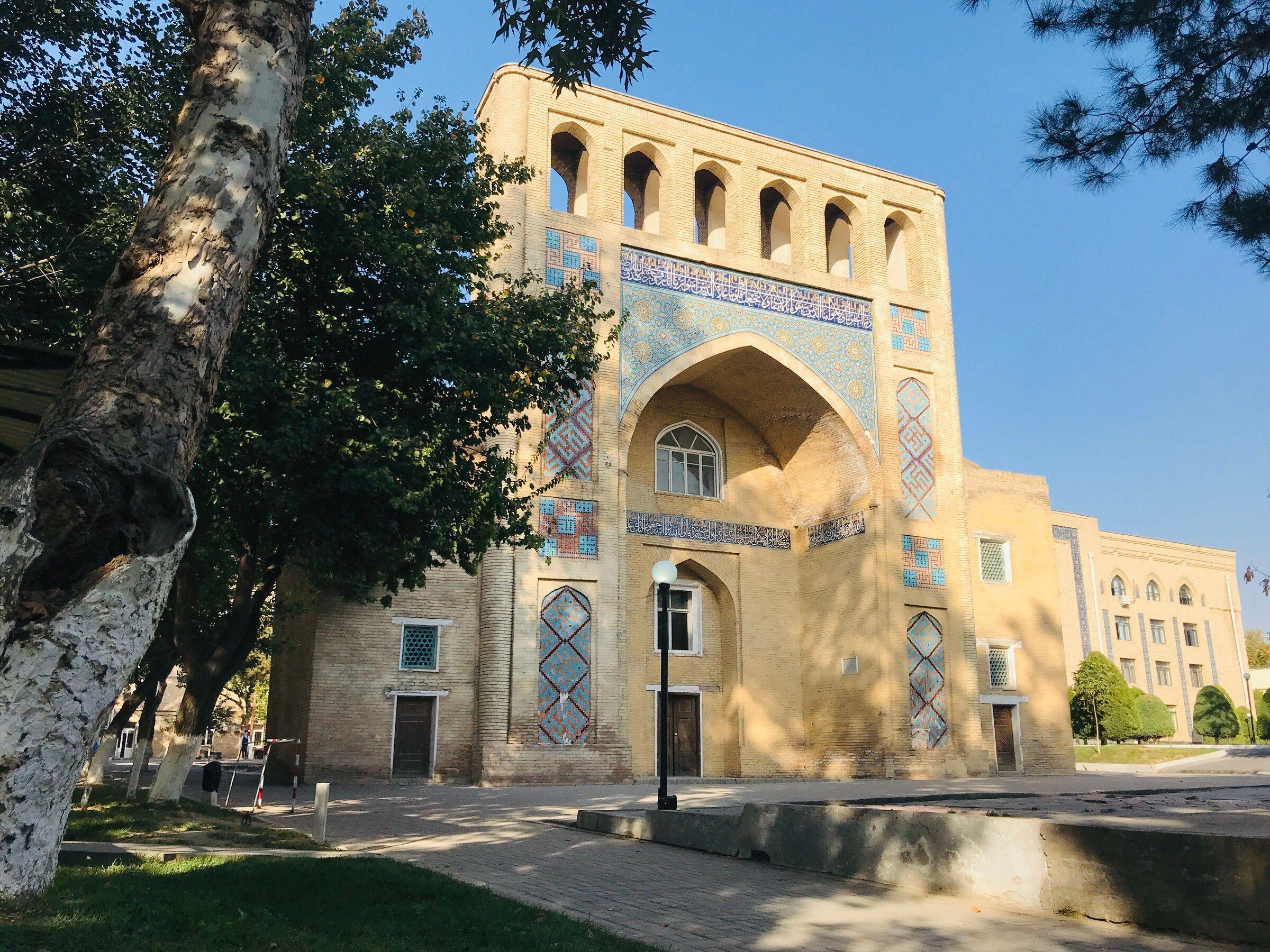
The largest and finest building is the mausoleum of Yunus Khan (1415–1487), ruler of Moghulistan, poet, and maternal grandfather of Babur, founder of the Mughal dynasty. Built by his sons at the end of the 15th century, it is a rare T-shaped khanaqah type with a tall portal, a central domed hall and a frieze of carved and glazed inscriptions. It stands on the grounds of the Islamic University, so access is sometimes limited to the exterior; ask at the gate.
Visiting
Sheikhantaur is a working shrine as much as a monument: people come to pray at the saint's tomb, and the small mosque beside it is active. Dress modestly, remove shoes before entering the mausoleum and keep voices low. Half an hour is enough, and it combines naturally with the Alisher Navoi Theatre and the Museum of Applied Arts, both within ten minutes' walk.
What to see
- The petrified 'saur of Iskander' trunk beside the saint's cenotaph
- Kaldirgach-biy's pyramidal roof, a steppe form rare in Uzbekistan
- Yunus Khan mausoleum, the tomb of Babur's grandfather
- The only surviving medieval cemetery in the modern city centre
- Quiet garden courtyard with active small mosque
- Easy pairing with the Navoi Theatre and Museum of Applied Arts
Gallery
Tours that visit Sheikhantaur Ensemble
 New
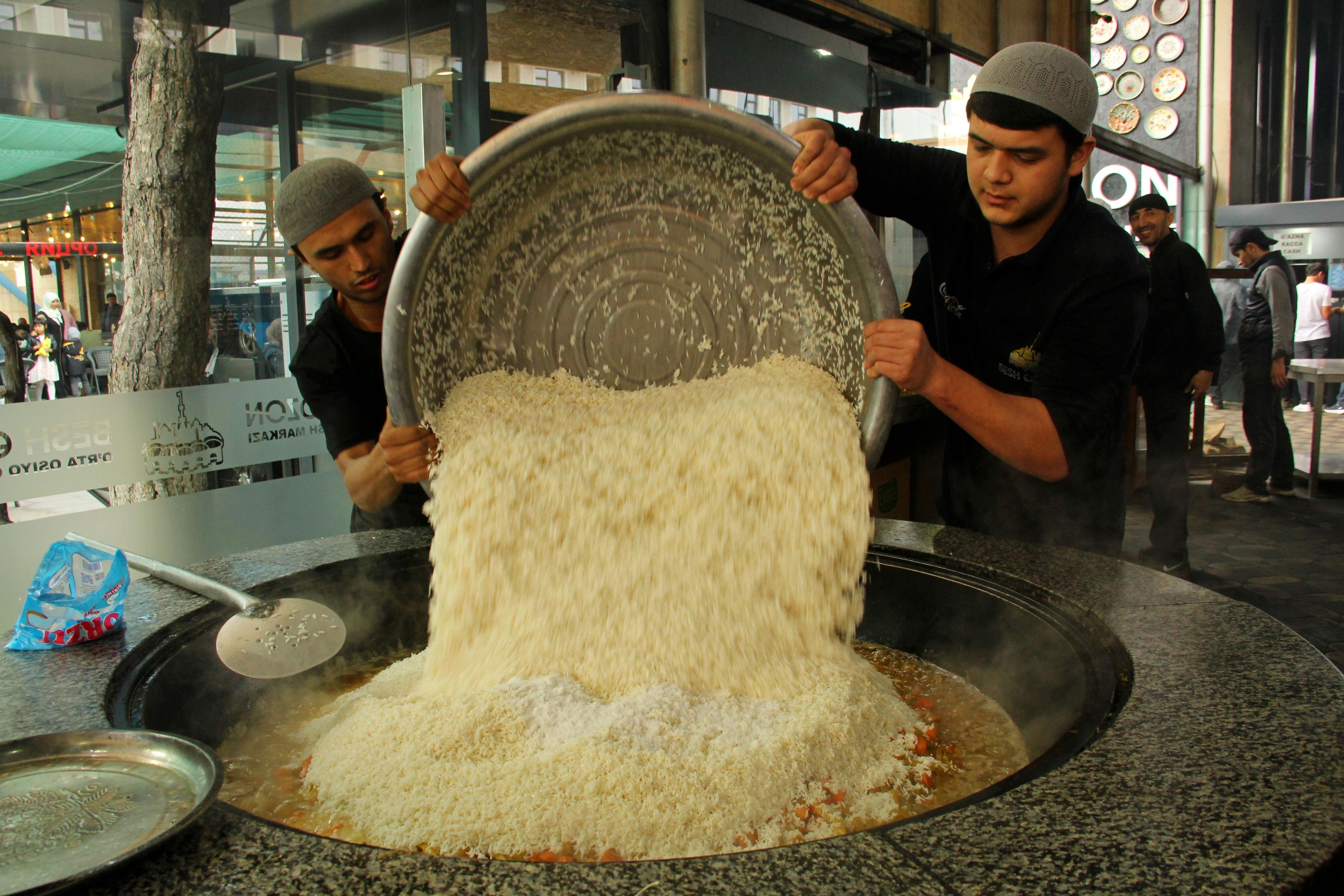
Six Days, Seven Plovs
From
$995
 Premium
Twelve Gates of the Silk Road
From
$1,750
 Best Seller
Four Crowns: Tashkent, Samarkand, Bukhara, Khiva
From
$1,270
More sights in Tashkent
All of Tashkent


See Sheikhantaur Ensemble with a local guide
We build private and small-group trips around the places you want to see — with guides who grew up here.