The Japan–Uzbekistan thread as a trip theme: Kushan-era Buddhism at Fayaz Tepa and Kara Tepa, the Navoi Theatre built with Japanese internee labour in 1945–46, the Japanese cemetery at Yakkasaray, the Tashkent Japanese garden, plus visa-free entry, Tokyo–Tashkent flights and a nine-day route.
Facts, prices and schedules checked on November 4, 2026
Few countries outside East Asia have a Japan connection as unexpected as Uzbekistan's. Buddhism travelled east along the Silk Road from Kushan monasteries on the Amu Darya; the finest building in Soviet Tashkent was raised in 1945 and 1946 by Japanese internees whose care is still remembered; a quiet corner of a Tashkent cemetery holds their graves, tended for decades by local families; and a Japanese garden sits beside the capital's television tower. Japanese visitors feel this thread at once, and other travellers find it opens a side of Uzbekistan the Timurid monuments do not show.
This guide, written by our team in Tashkent and updated in November 2026, follows the Japan–Uzbekistan story from the Buddhist sites of Termez to modern Tashkent, then covers the practicalities for travellers from Japan: visa-free entry, direct Tokyo flights, money, language and a nine-day route that joins the Japanese sites to the Silk Road cities.
Where Buddhism went east: Termez, Fayaz Tepa and Kara Tepa
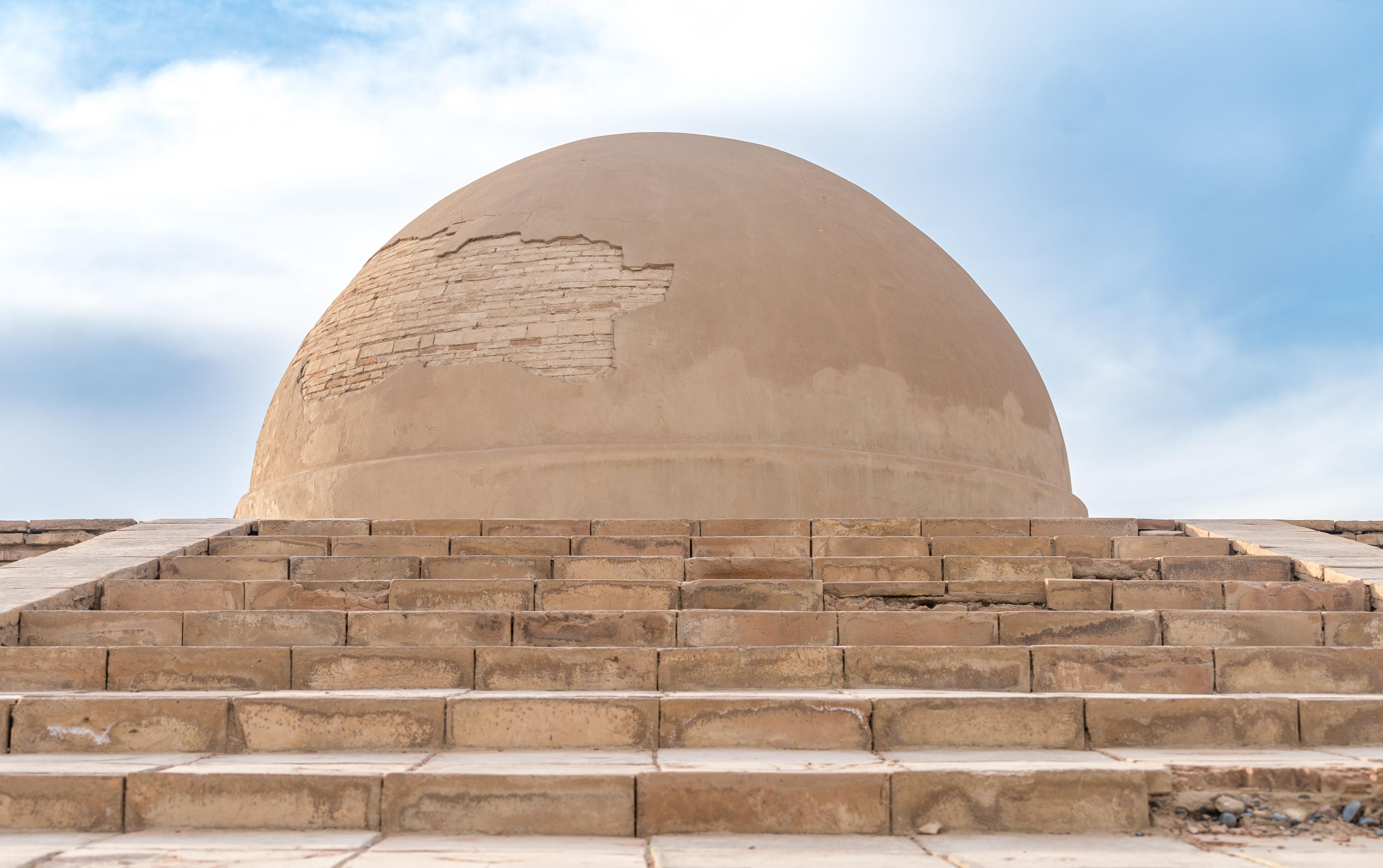
The oldest layer of the connection is on the Afghan border. Under the Kushan Empire, from the 1st to the 3rd century AD, the land around Termez was one of the great Buddhist centres of Central Asia, and the art that developed here and in Gandhara to the south, Greek in technique and Indian in subject, is an ancestor of the Buddhist art that reached China, Korea and Japan along the Silk Road in the following centuries.
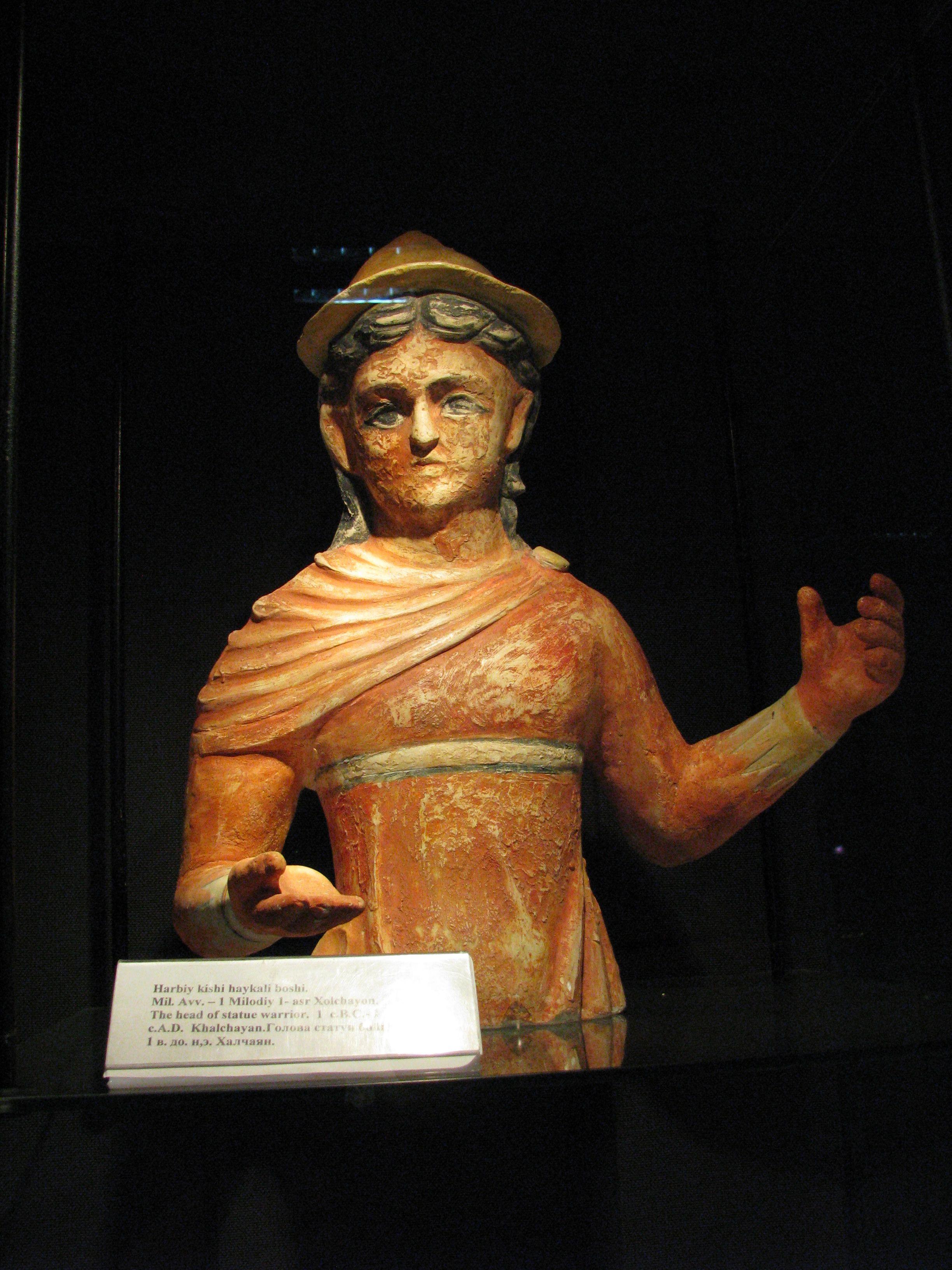
Three sites make the point. Fayaz Tepa, a monastery with a restored stupa and a refectory, produced the famous limestone relief of the Buddha flanked by monks now in the Tashkent history museum; Kara Tepa, a cave monastery cut into three hills beside the Amu Darya, lies inside the border zone and needs a pass arranged in advance; the Zurmala stupa, a brick tower in the fields, is the oldest standing Buddhist monument in Central Asia. The Termez Archaeological Museum holds the sculpture, painted clay and inscriptions from all of them.
Japanese archaeologists have worked at Kara Tepa for years alongside Uzbek colleagues, and Japanese Buddhist associations have supported conservation at the sites, which is one reason a Japanese guestbook signature is never far away. Termez is a ninety-minute flight or an overnight train from Tashkent; our Termez article covers access and the border-zone rules.
The Navoi Theatre and the Japanese internees of 1945–46
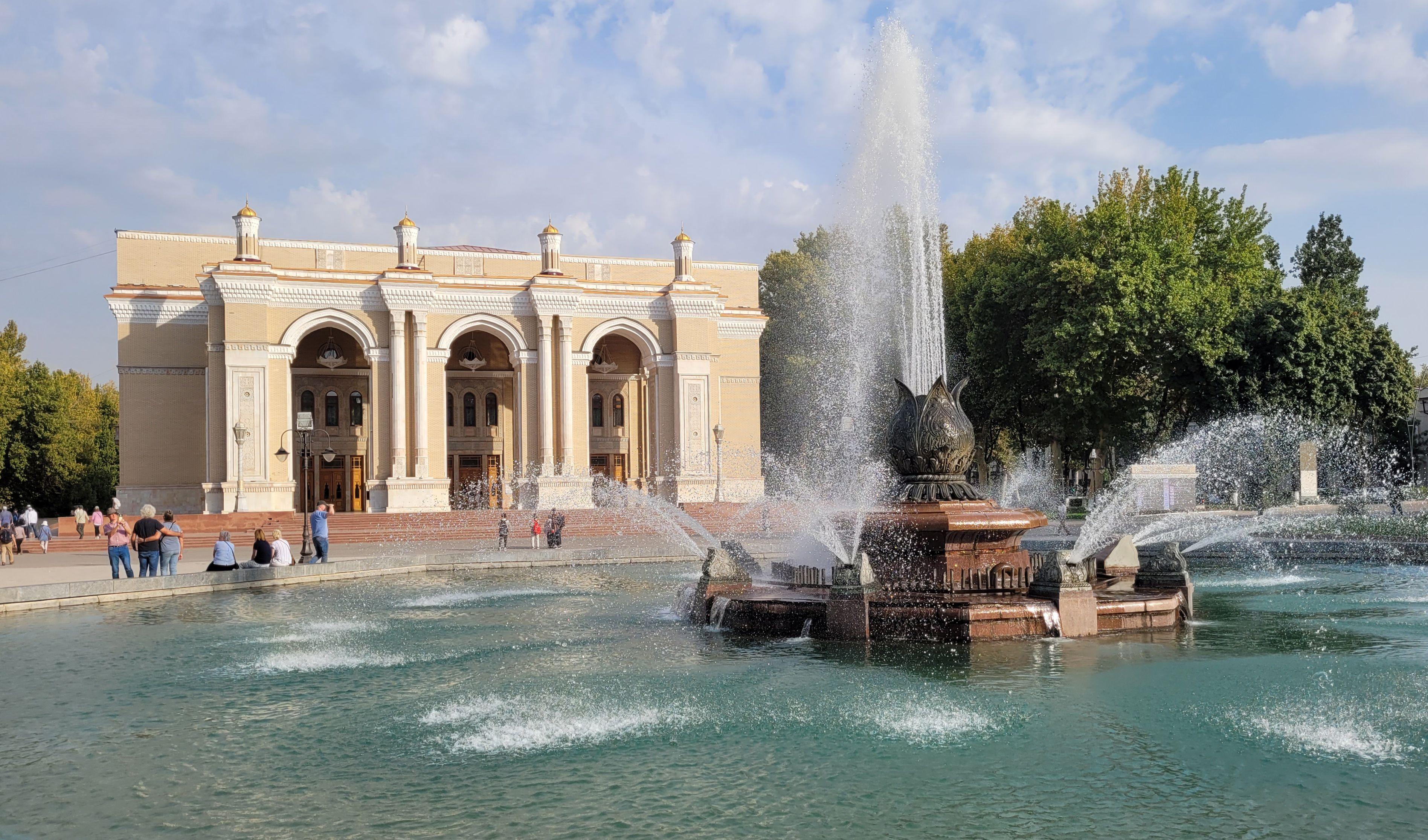
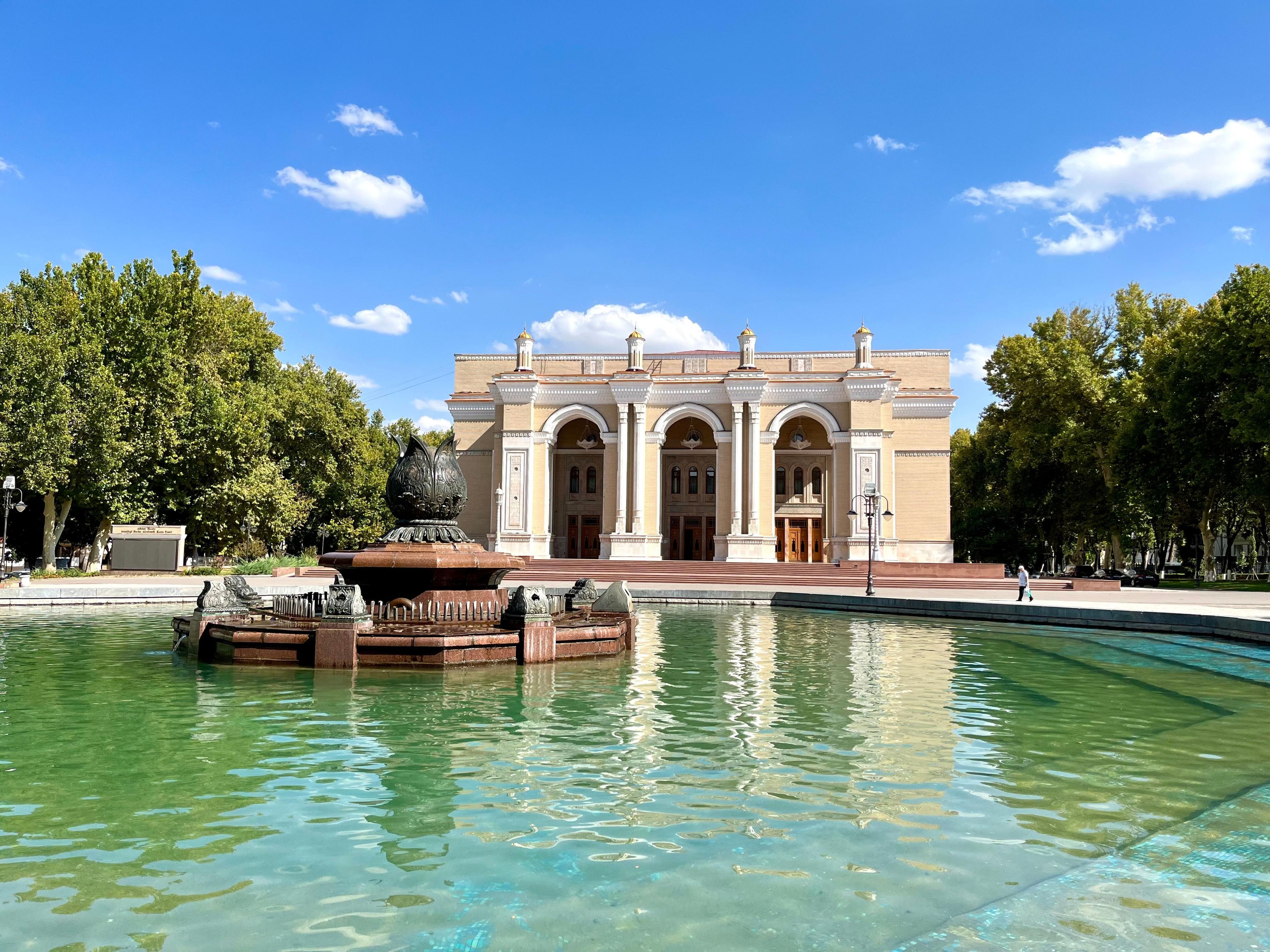
After August 1945 the Soviet Union transferred more than half a million Japanese soldiers to labour camps across its territory. Around 25,000 came to Uzbekistan between 1945 and 1950, working on canals, power stations, brick factories and public buildings. The most famous of these is the Alisher Navoi Opera and Ballet Theatre in central Tashkent. Designed before the war by the Moscow architect Alexey Shchusev, the building was finished between 1945 and 1947 with a detachment of about 450 Japanese internees working alongside Uzbek craftsmen on the masonry, the woodwork and the carved plaster of its six foyers, each decorated in the style of a different region of Uzbekistan.
The story every Tashkent guide tells is the earthquake of April 1966, which damaged or destroyed most of the city centre while the theatre stood without a crack. Whatever the engineering explanation, the building became a symbol of the internees' workmanship. In 1996 a plaque in Uzbek, Japanese and English was fixed to the side wall at the president's instruction, naming the Japanese citizens who took part in its construction and deliberately avoiding the words prisoners of war.
Visit the exterior and the plaque at any time; the foyers are open to ticket holders before performances, and a ballet or opera ticket costs very little. The theatre faces a square with fountains a few minutes' walk from Amir Timur Square and the Tashkent Metro.
The Japanese cemetery at Yakkasaray
Of the internees in Uzbekistan, 817 died in the camps and were buried in thirteen cemeteries across the country. The best-known lies inside the Fozil Ota cemetery, formerly called Yakkasaray cemetery, in the Yakkasaray district of central Tashkent, where 79 Japanese are buried. For decades the graves were tended by local families as a matter of neighbourly duty, long before anyone official took an interest. Today the section has white stone markers with Japanese inscriptions, a commemorative stele, cherry trees and a small memorial complex; the Japanese Foreign Minister laid flowers here in August 2025, and most official Japanese visits to Tashkent include the cemetery.
A private museum of the internment, founded by a local family who collected photographs, letters and objects, stands nearby and can be visited by arrangement; we can include it on request. The cemetery is open in daylight hours and is a short taxi ride from the centre. Dress modestly, keep voices low and do not photograph other mourners. Japanese visitors often bring incense or a small offering; nobody minds.
The Japanese garden and other Tashkent links
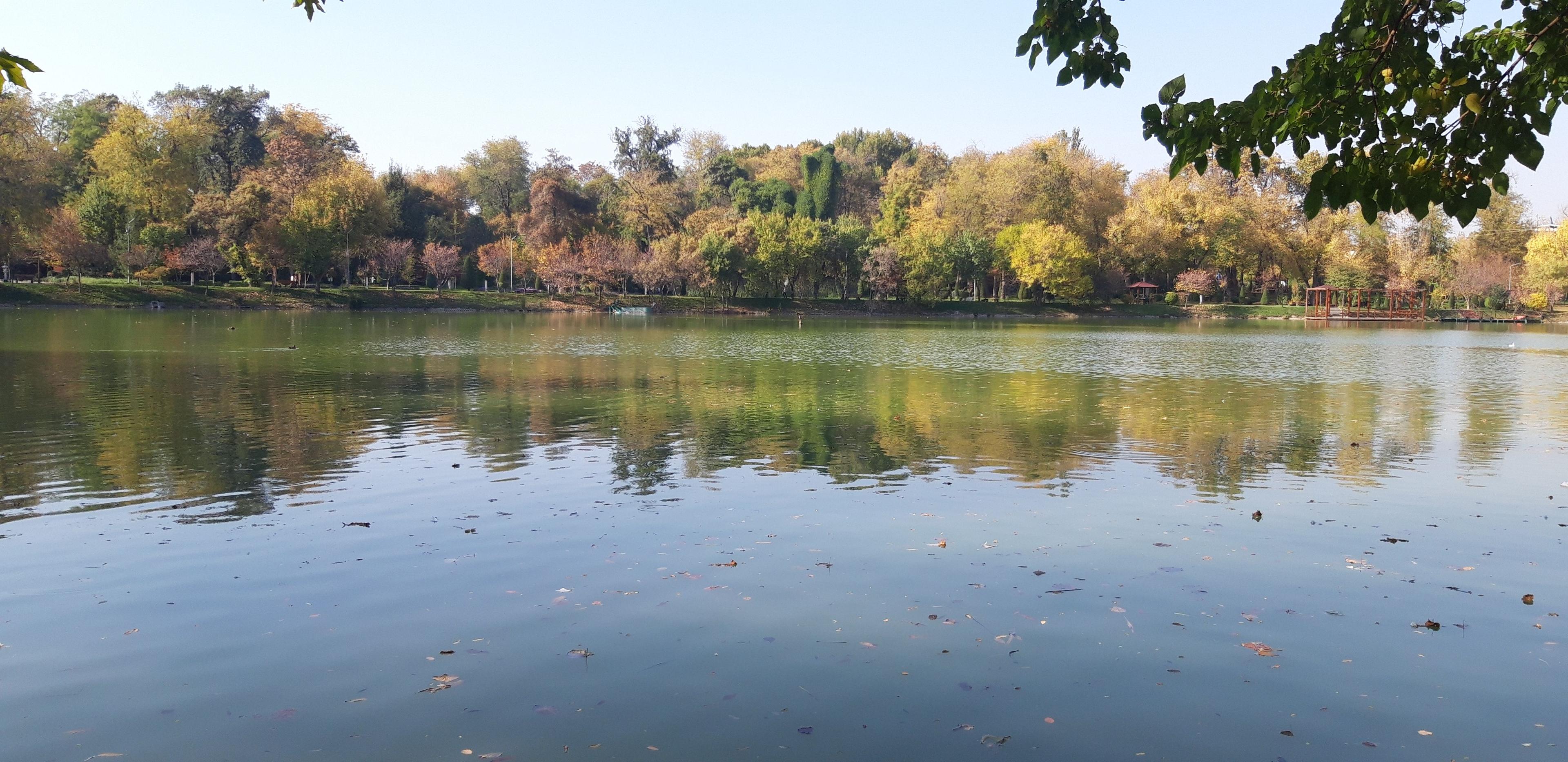
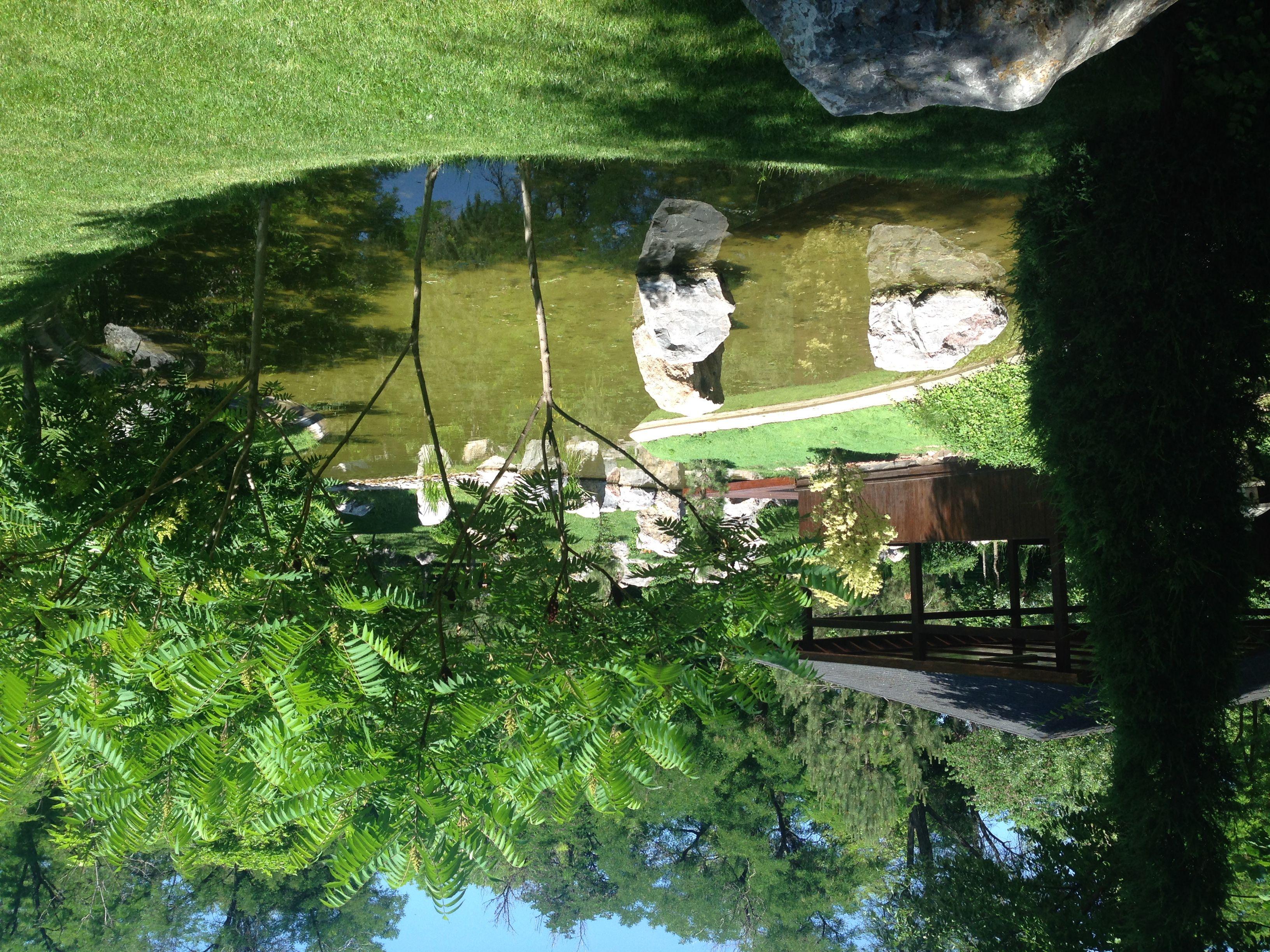
The Tashkent Japanese Garden opened on 25 August 2001 inside the Uzexpocentre grounds near the television tower, in the Yunusabad district, and was laid out with Japanese support around a lake that older accounts say was dug by Japanese internees. It has a tea house, stone lanterns, a koi pond, swans and ducks, and in autumn the maples turn; a small entrance fee is charged. It is a calm hour between the museum visits of a Tashkent day, and the Museum of Victims of Political Repression and the Tashkent TV tower are next door.
Other threads worth a stop: the Amir Timur Museum and the State Museum of History for the Fayaz Tepa Buddha; the Japanese studies and language departments at Tashkent universities, which produce many of the country's Japanese-speaking guides; and the tradition, still alive in older Tashkent families, of grandparents who remember the courteous foreigners who built the theatre.
Practicalities for Japanese passport holders
Uzbekistan is one of the easiest countries in the region for travellers from Japan:
- Visa: Japanese citizens have entered visa-free for 30 days since 2018, and Uzbek media reported in autumn 2025 that the tourist visa-free period for Japanese nationals was extended to 90 days. Check the current rule on the official e-visa.gov.uz site or with the Uzbek embassy in Tokyo before travel; work and residence still require a visa.
- Flights: Uzbekistan Airways flies non-stop between Tokyo Narita and Tashkent, twice a week in 2026 (the route opened in August 2022 with a weekly flight), taking about eight to nine hours. Alternatives are one-stop connections via Seoul with Korean carriers, via Istanbul or via the Gulf.
- Visitors: more than 30,000 Japanese travellers visited Uzbekistan in 2025, about 40 per cent more than in 2024, so hotels and guides are used to Japanese guests.
- Money: Japanese yen can be exchanged at some banks in Tashkent but the rate is poor; bring US dollars or use a Visa or Mastercard at ATMs. See our money guide.
- Food: plov, kebabs and bread are the staples; rice is everywhere, pork is rare, and vegetarians manage well. Tea is green and served without milk.
- Safety and health: Uzbekistan is a safe country for visitors; tap water is best avoided and bottled water is cheap.
- Language: Uzbek and Russian are spoken; English is common in tourism. Japanese-speaking guides can be requested for private tours and should be booked early for April and October.
A nine-day Japan–Uzbekistan route
A route that joins the Japanese sites to the Silk Road cities, with trains and one flight:
- Day 1: Arrive Tashkent. Rest, then the Navoi Theatre exterior and plaque at dusk, dinner nearby.
- Day 2: Tashkent. The Japanese cemetery at Yakkasaray in the morning, the State Museum of History for the Fayaz Tepa Buddha, the Japanese garden and the Museum of Victims of Political Repression in the afternoon, an opera or ballet at the Navoi Theatre in the evening.
- Day 3: Fly to Termez. Archaeological Museum, Fayaz Tepa, Zurmala stupa, Sultan Saodat.
- Day 4: Kara Tepa with the border-zone pass, Kampyr Tepa on the Amu Darya, flight or overnight train back to Tashkent.
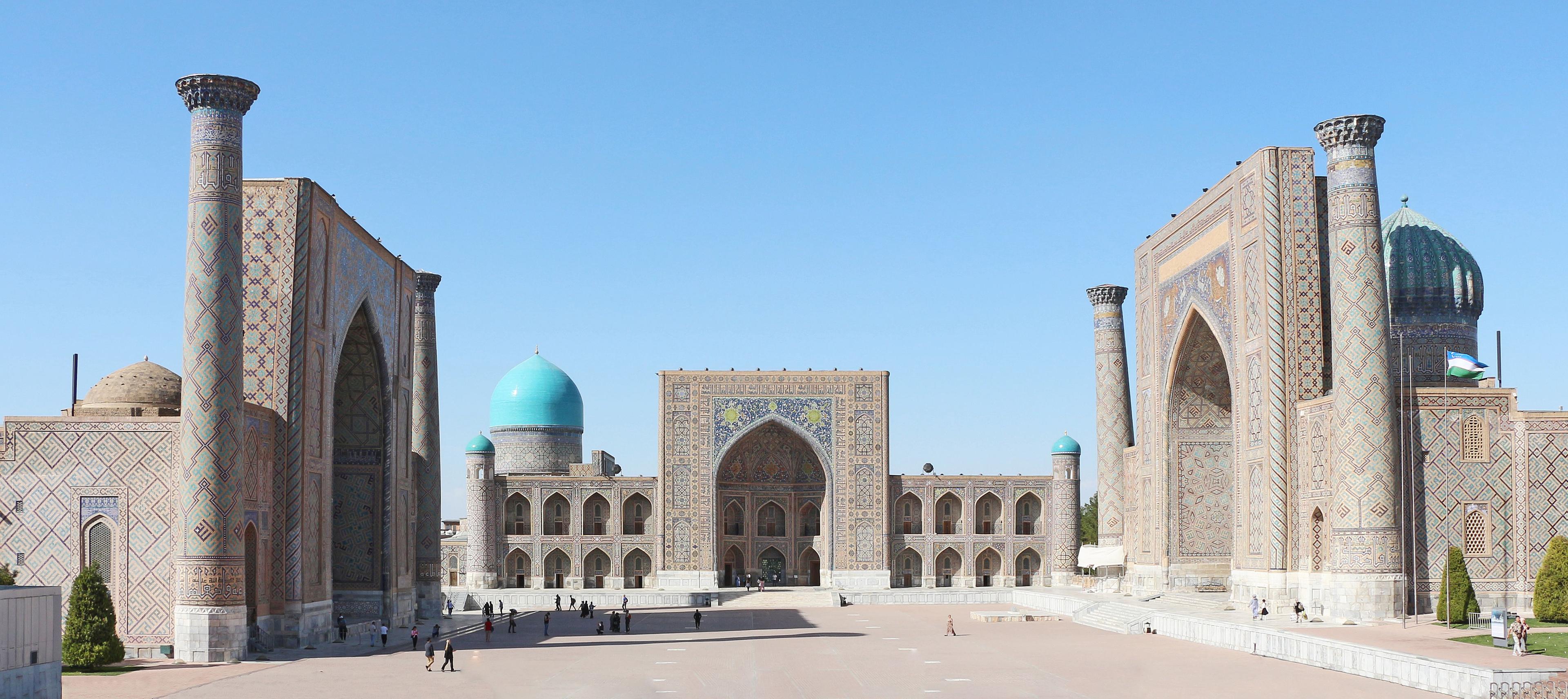
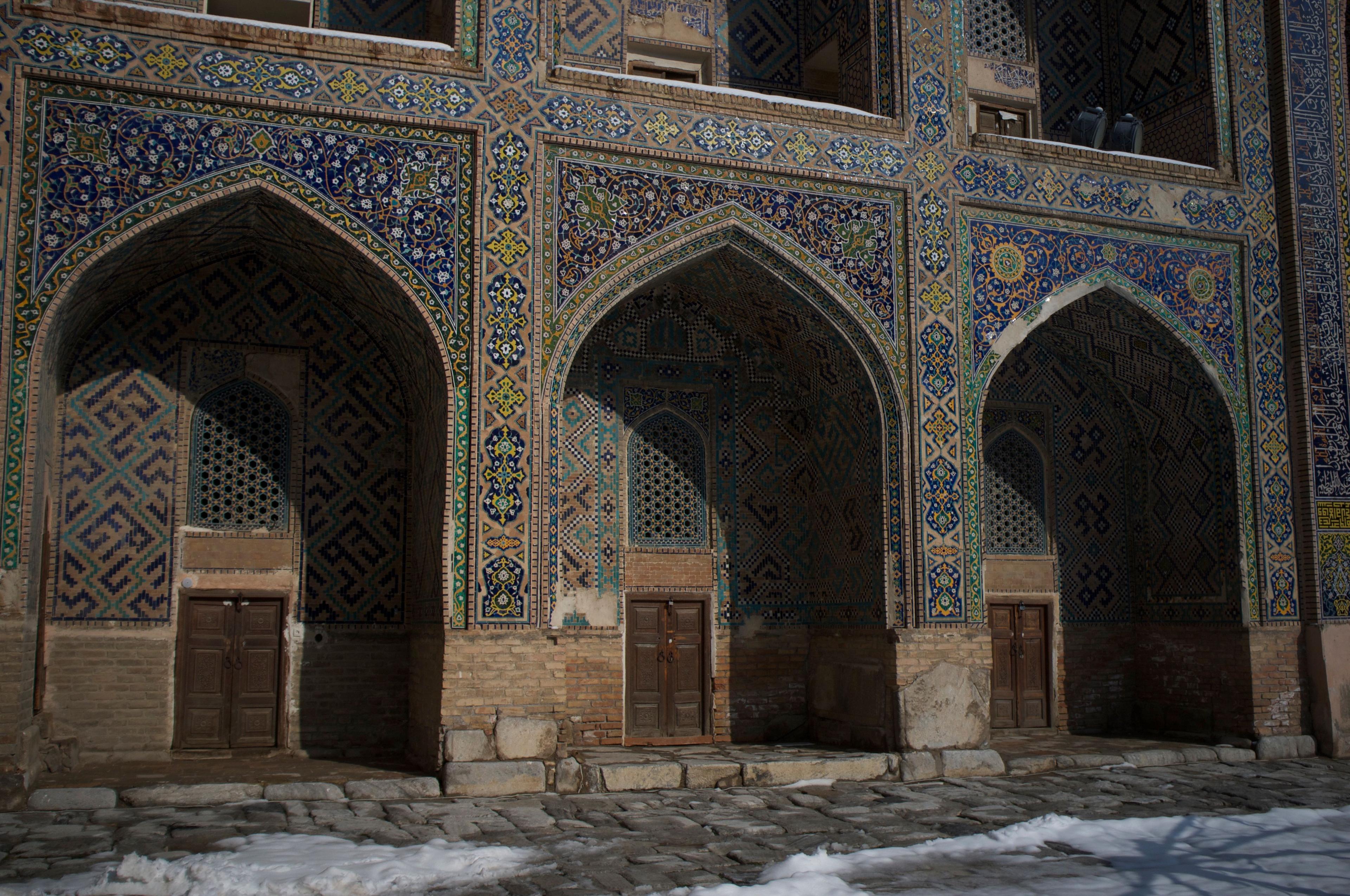
- Day 5: Afrosiyob train to Samarkand. Registan, Gur-e-Amir, Bibi-Khanym.
- Day 6: Samarkand. Shah-i-Zinda, Ulugbek Observatory, Afrasiab Museum with its Sogdian murals, which show a Chinese embassy and belong to the same Silk Road world as the Buddhist art.
- Day 7: Train to Bukhara. Po-i-Kalyan, the trading domes, Lyabi-Hauz.
- Day 8: Bukhara. Ark, Samanid Mausoleum, Sitorai Mohi-Hosa, a hammam in the evening.
- Day 9: Morning train to Tashkent, Chorsu Bazaar, evening flight home.
With two more days you can add Khiva by flying Bukhara to Urgench, or the Fergana Valley for silk and ceramics, both of which appeal to Japanese travellers interested in craft.
Etiquette notes that travel well
Japanese and Uzbek manners meet comfortably. Shoes come off at the door of homes and some restaurants with raised platforms; bread is never placed upside down or thrown away; elders are greeted first and served first; and a small gift from home is appreciated when you are invited to a family meal, which happens more often than you expect. Business cards are exchanged in tourism and trade settings with both hands. Photographing people, especially women in the Fergana Valley and at shrines, needs a smile and a gesture of permission. Our culture and etiquette article goes into more detail.

Travelling from Japan with TourEast
We design private itineraries around the Japan–Uzbekistan story, from Termez to the Navoi Theatre, with the Kara Tepa border pass, the cemetery visit and the internment museum arranged in advance, and Japanese-speaking guides can be requested when you book. Our Silk Road Grand Tour and Classic Uzbekistan itineraries work well as a base, with the Termez days added at the start.
Frequently asked questions
Watch
Photo gallery