
Nature · Founded 1977
Jeyran Ecocentre
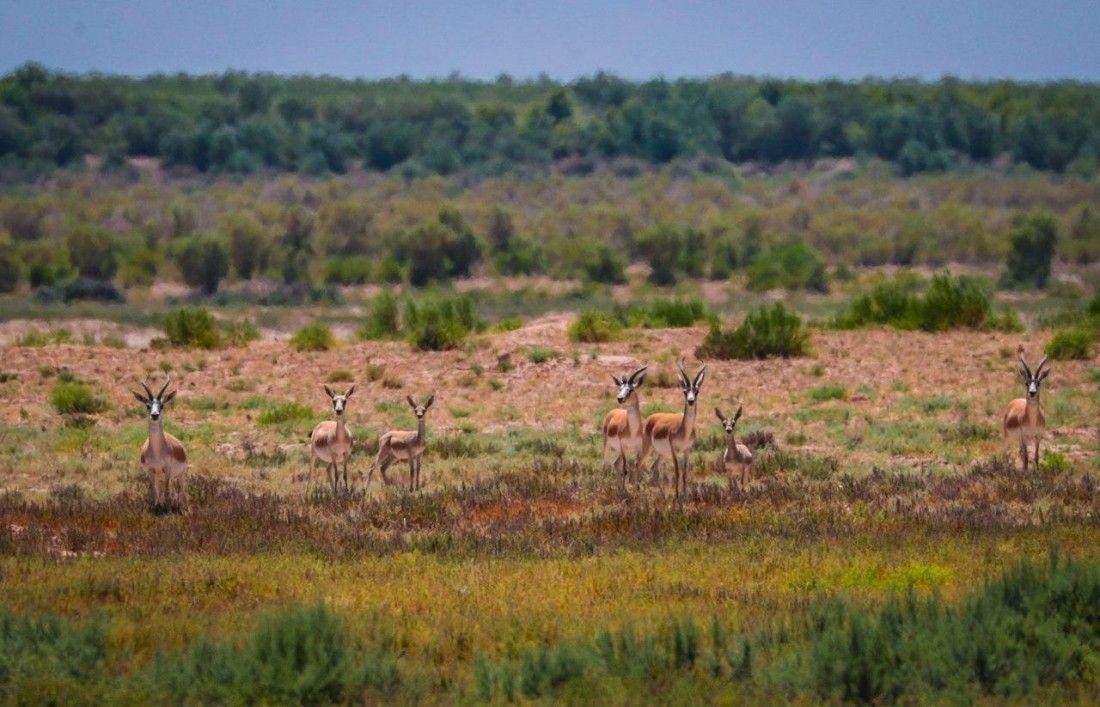
A fenced desert reserve 40 km from Bukhara where goitered gazelles, kulans and Przewalski's horses are bred for return to the wild. A guided drive at dawn or dusk is the surest way to see Central Asia's desert wildlife.
About
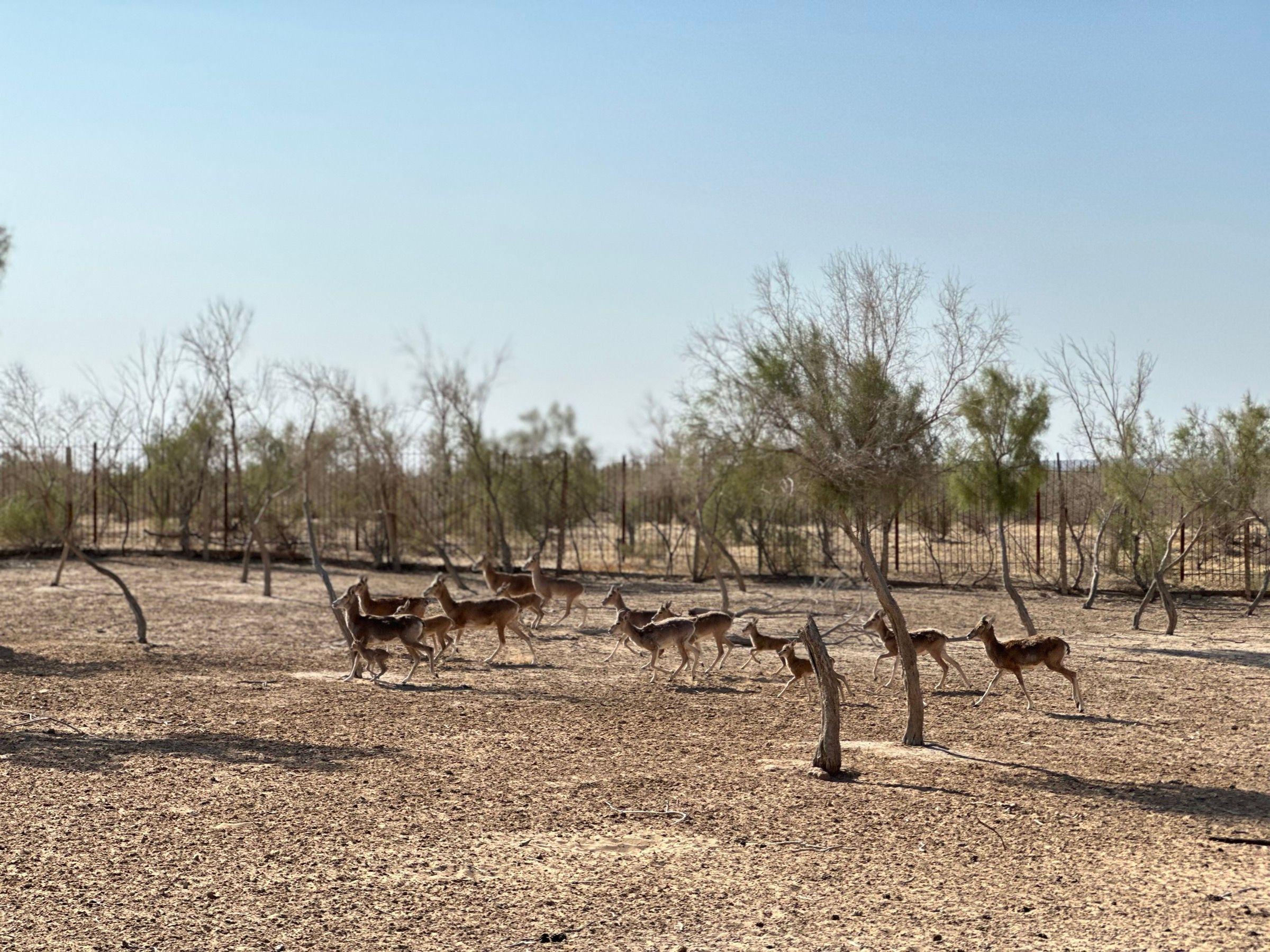
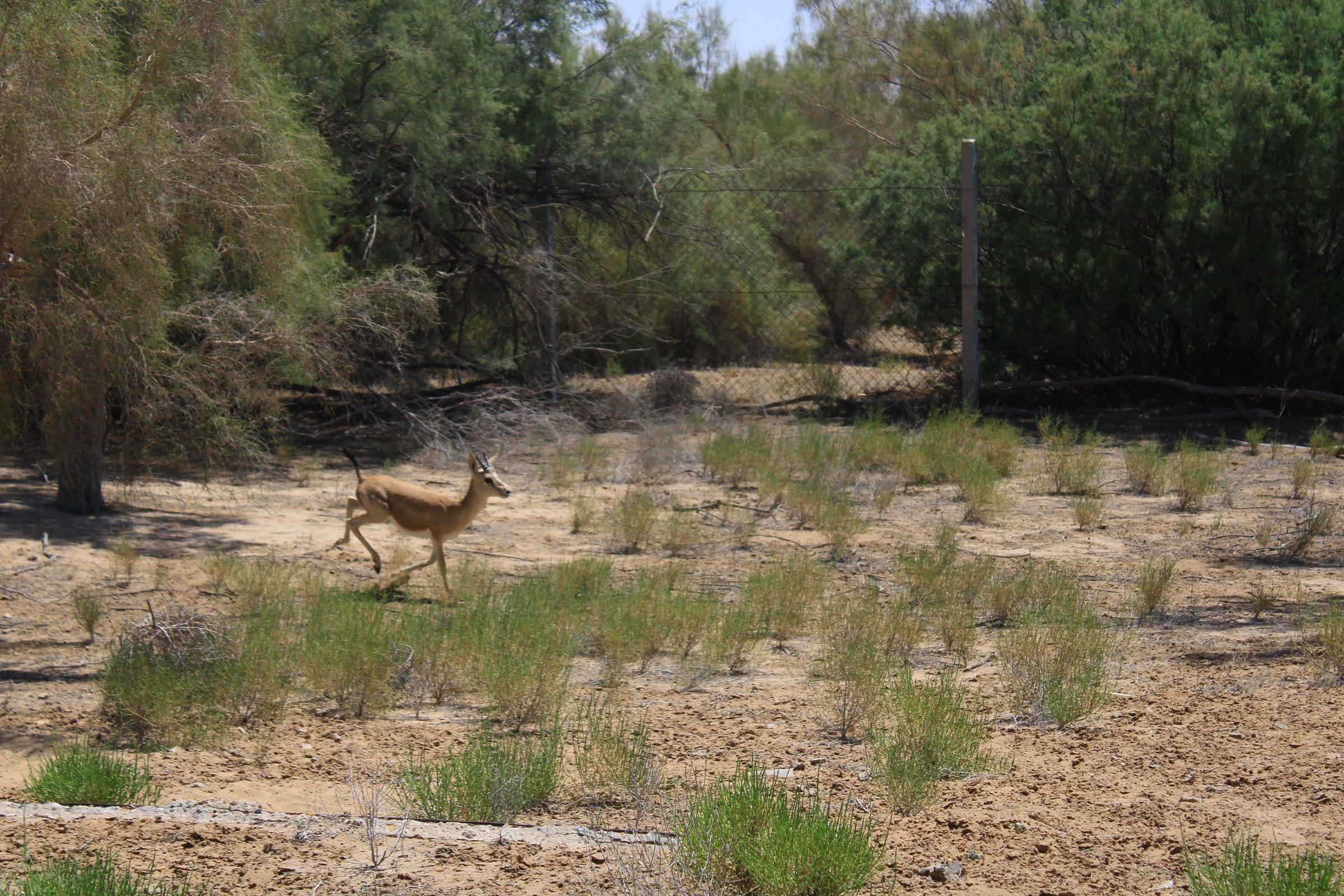
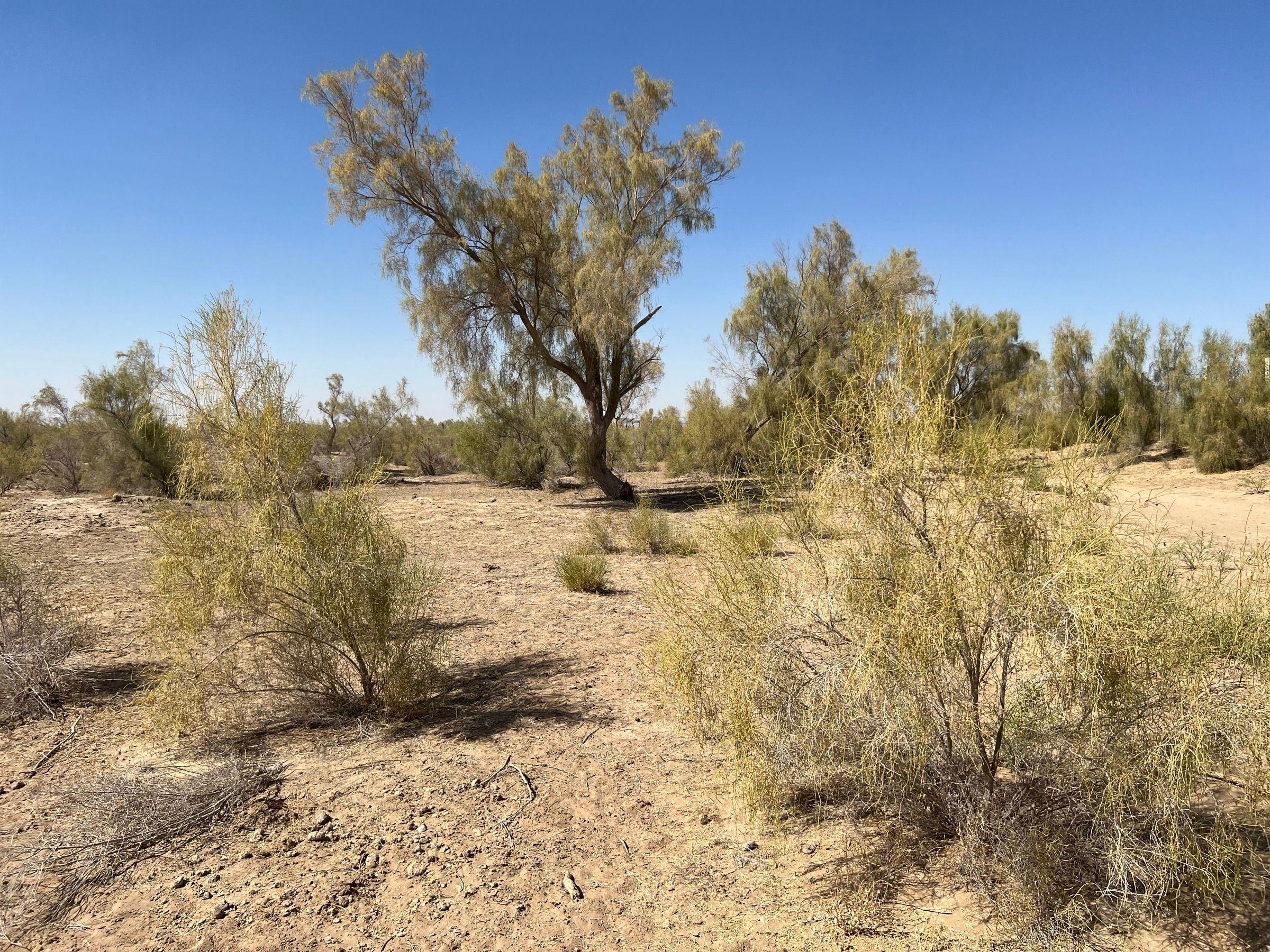
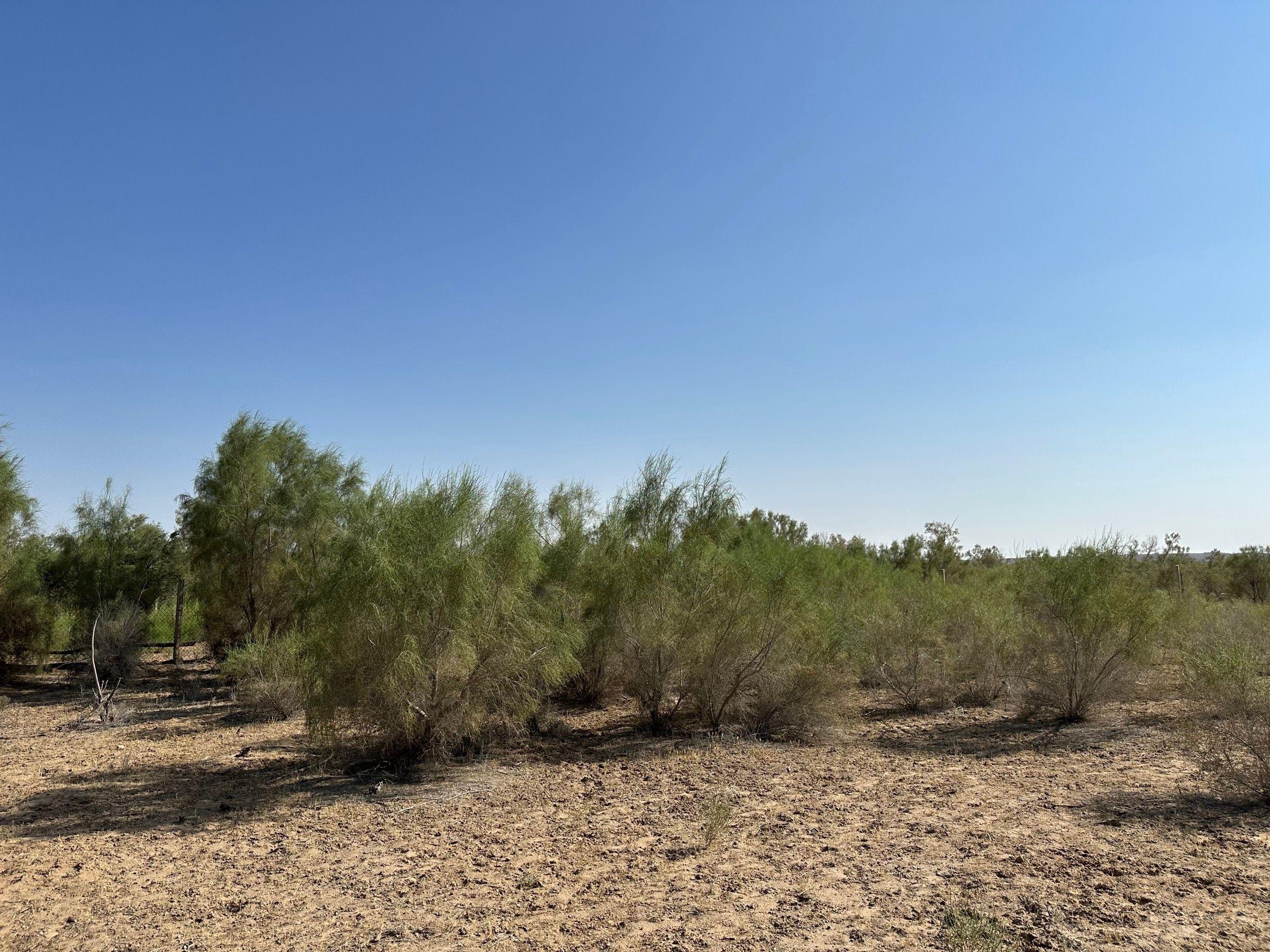
South-east of Bukhara, where the irrigated land ends at the Amu-Bukhara canal and the Kyzylkum begins, lies a reserve created for a single purpose: to save the jeyran, the goitered gazelle of the Central Asian deserts, from extinction. The Jeyran Ecocentre was founded in May 1977, when the gazelle had almost disappeared from Uzbekistan, and began with a handful of animals behind a fence. Today several hundred gazelles live in an enclosed territory of just over 5,000 hectares, with a wider protected area of saltmarsh, clay plains, dunes and shallow lakes around it.
The animals
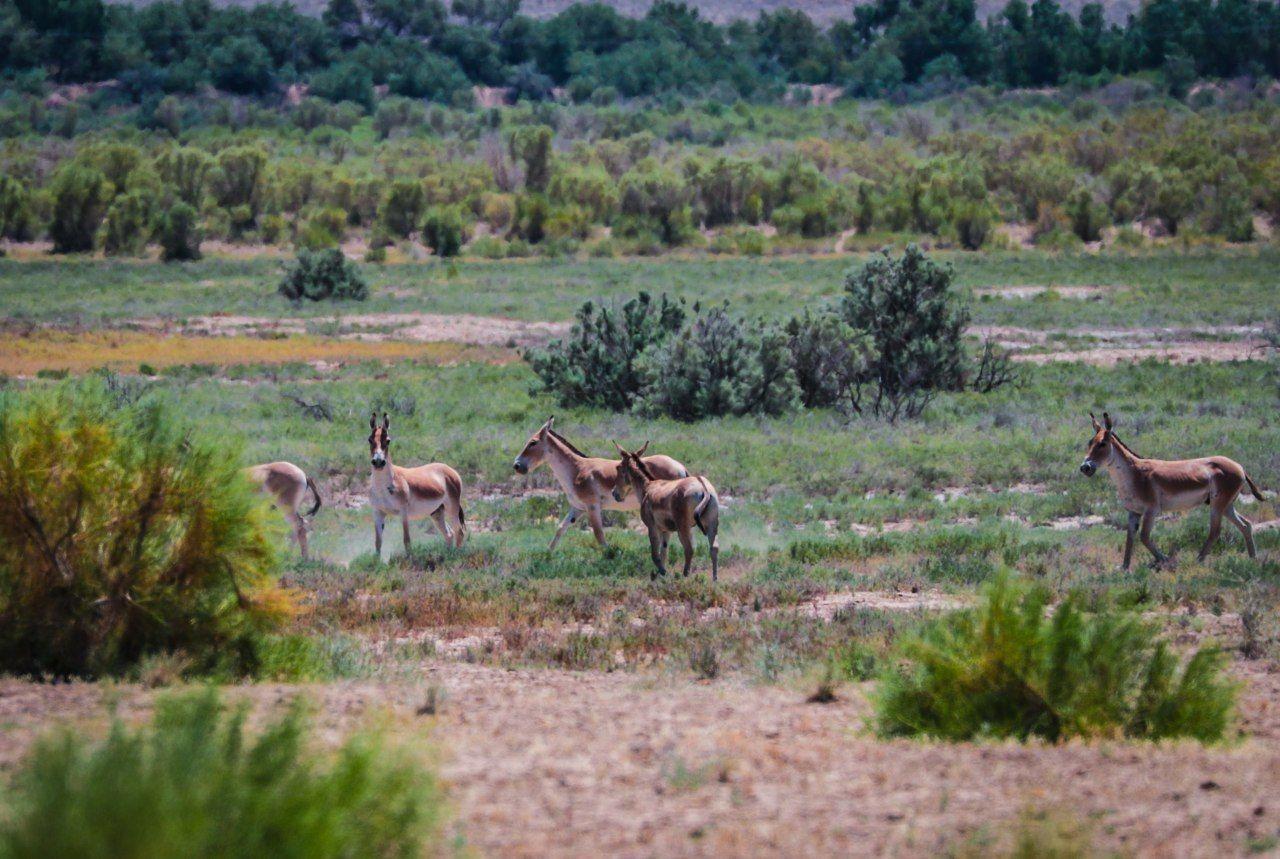
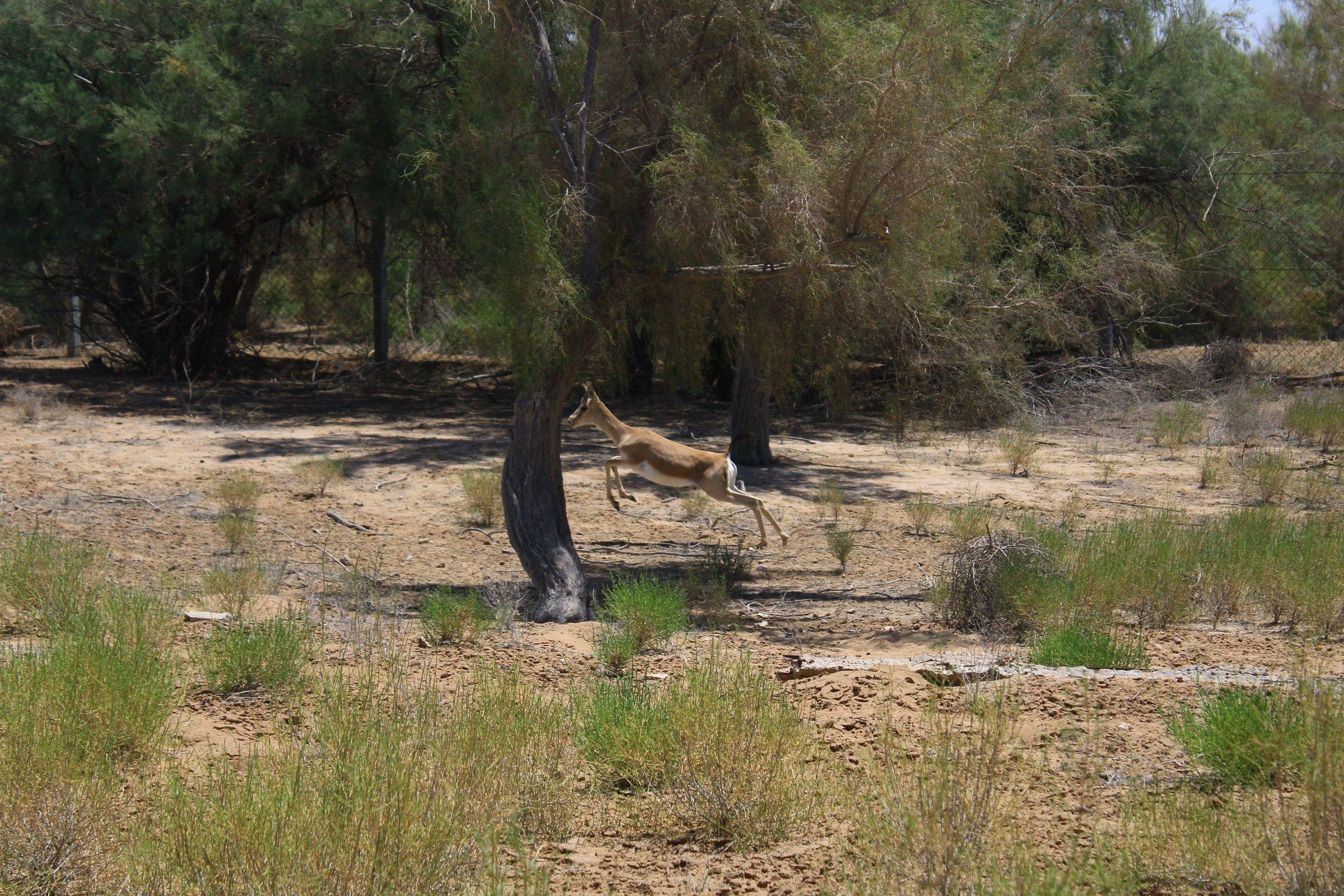
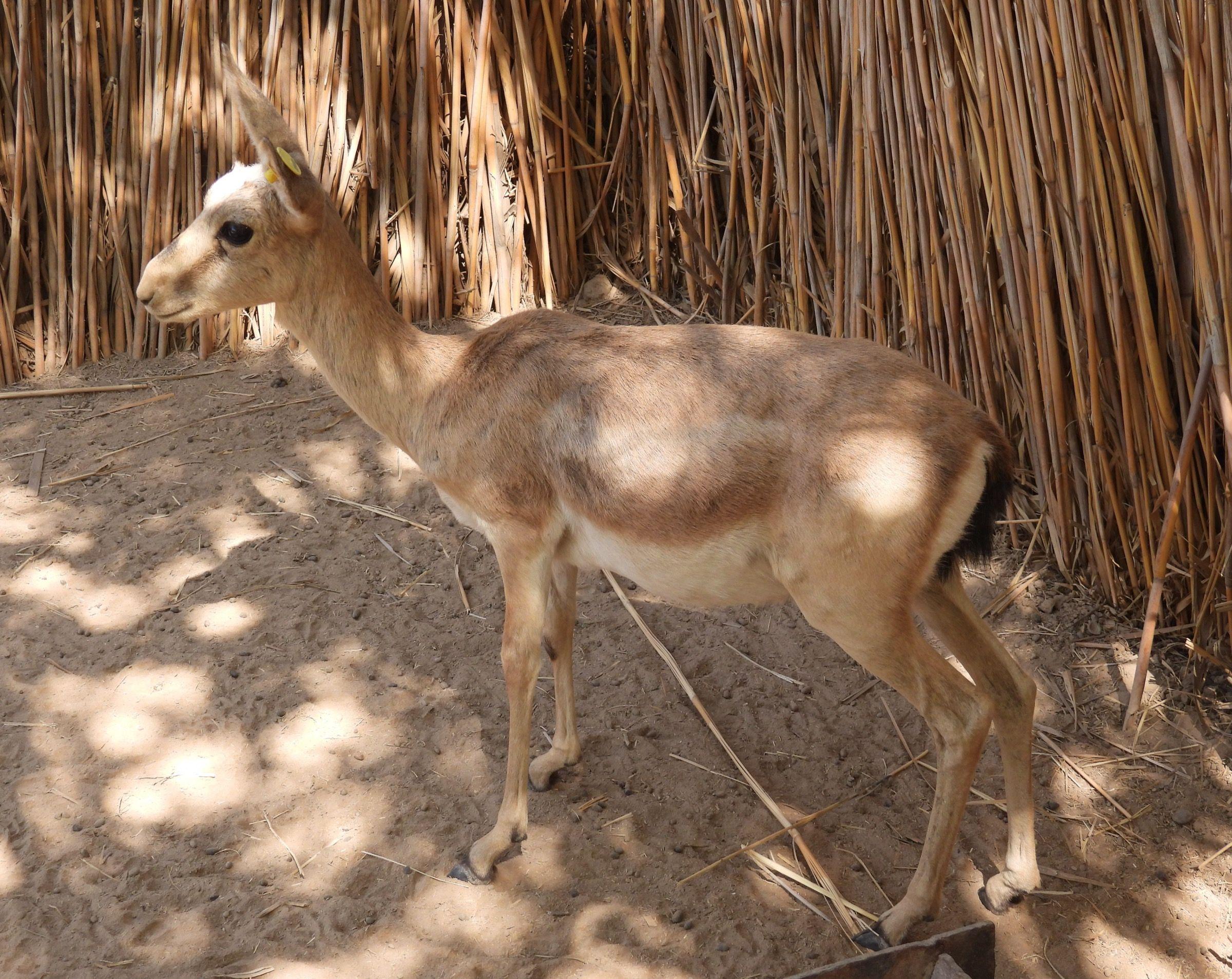
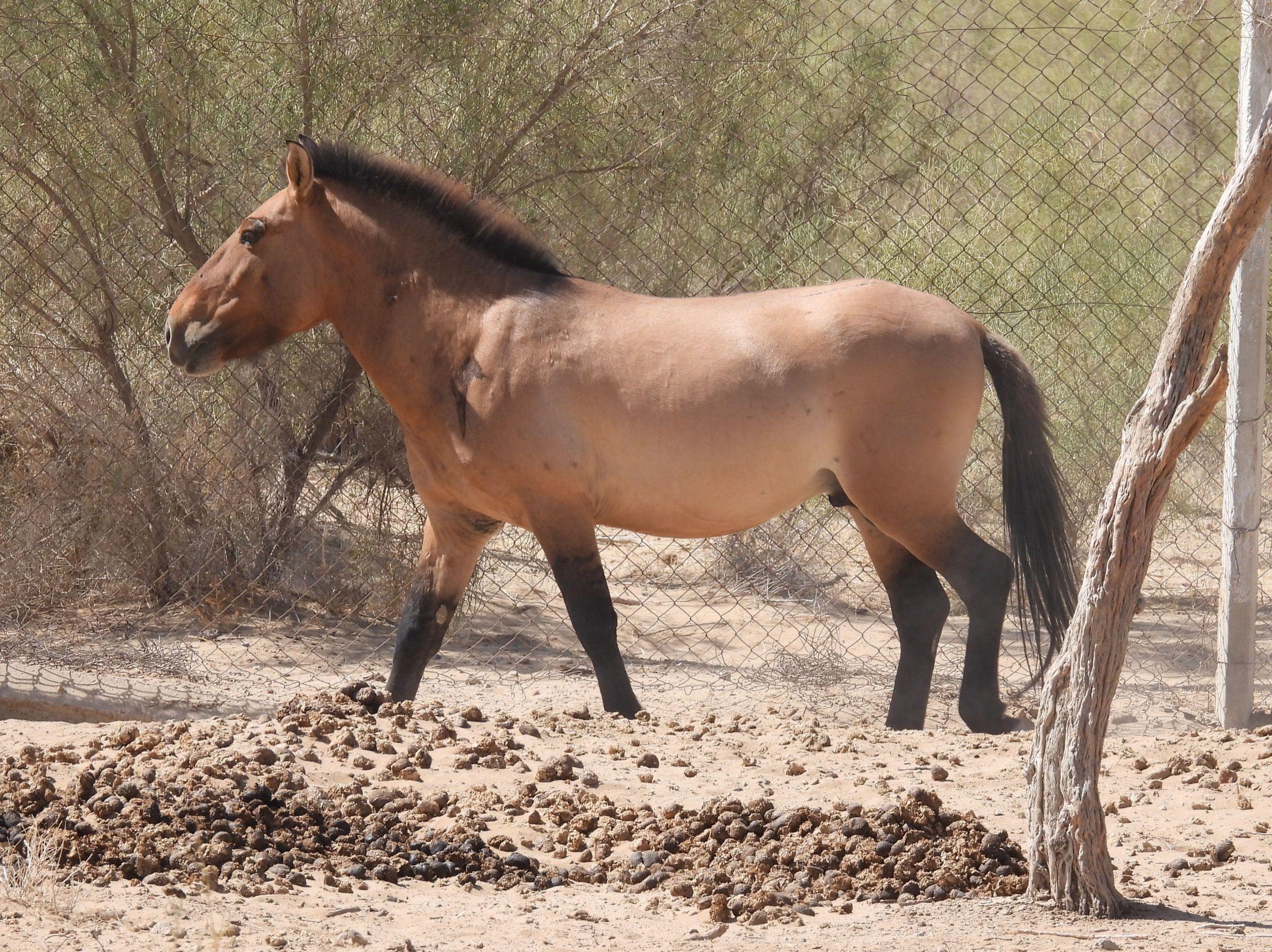
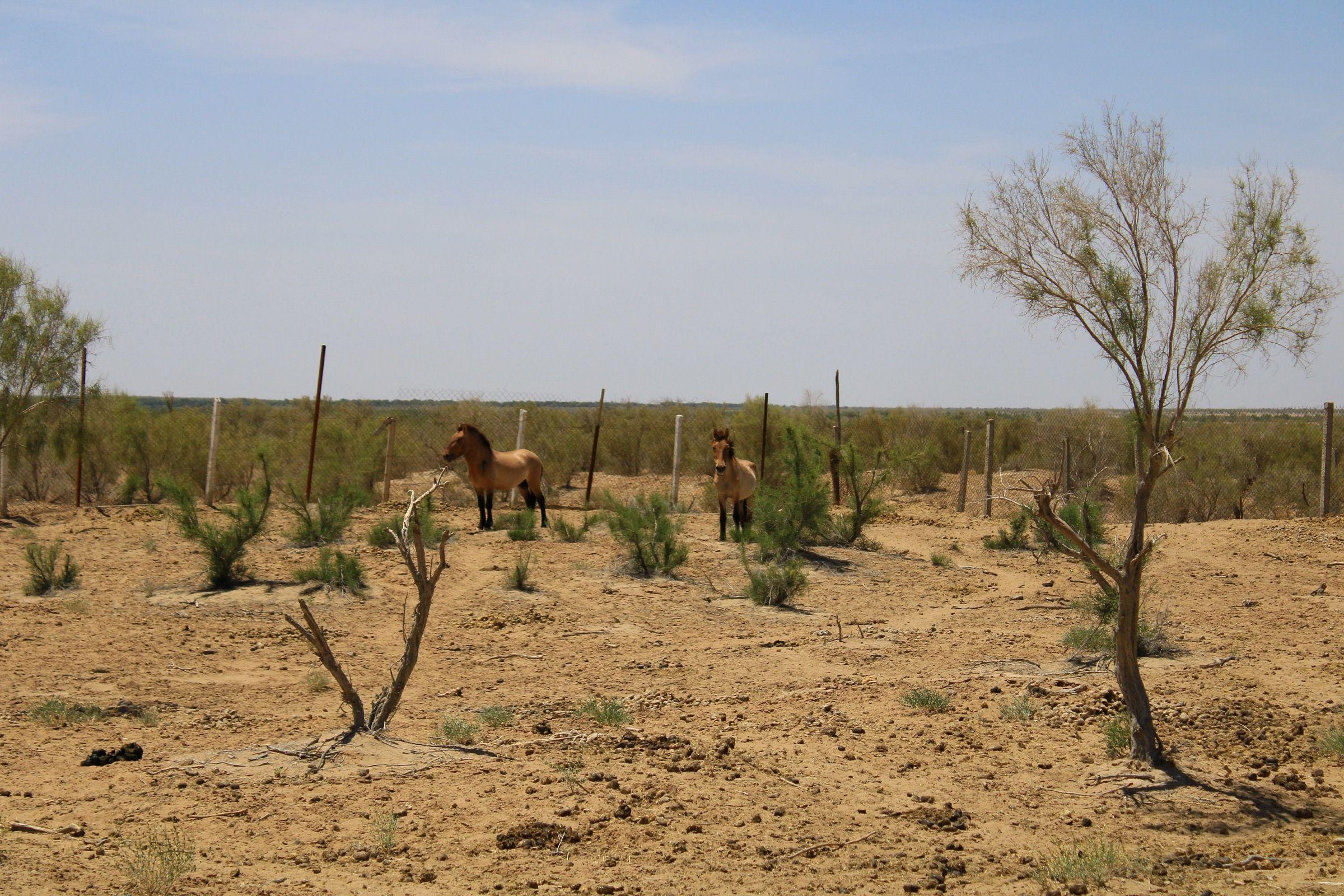
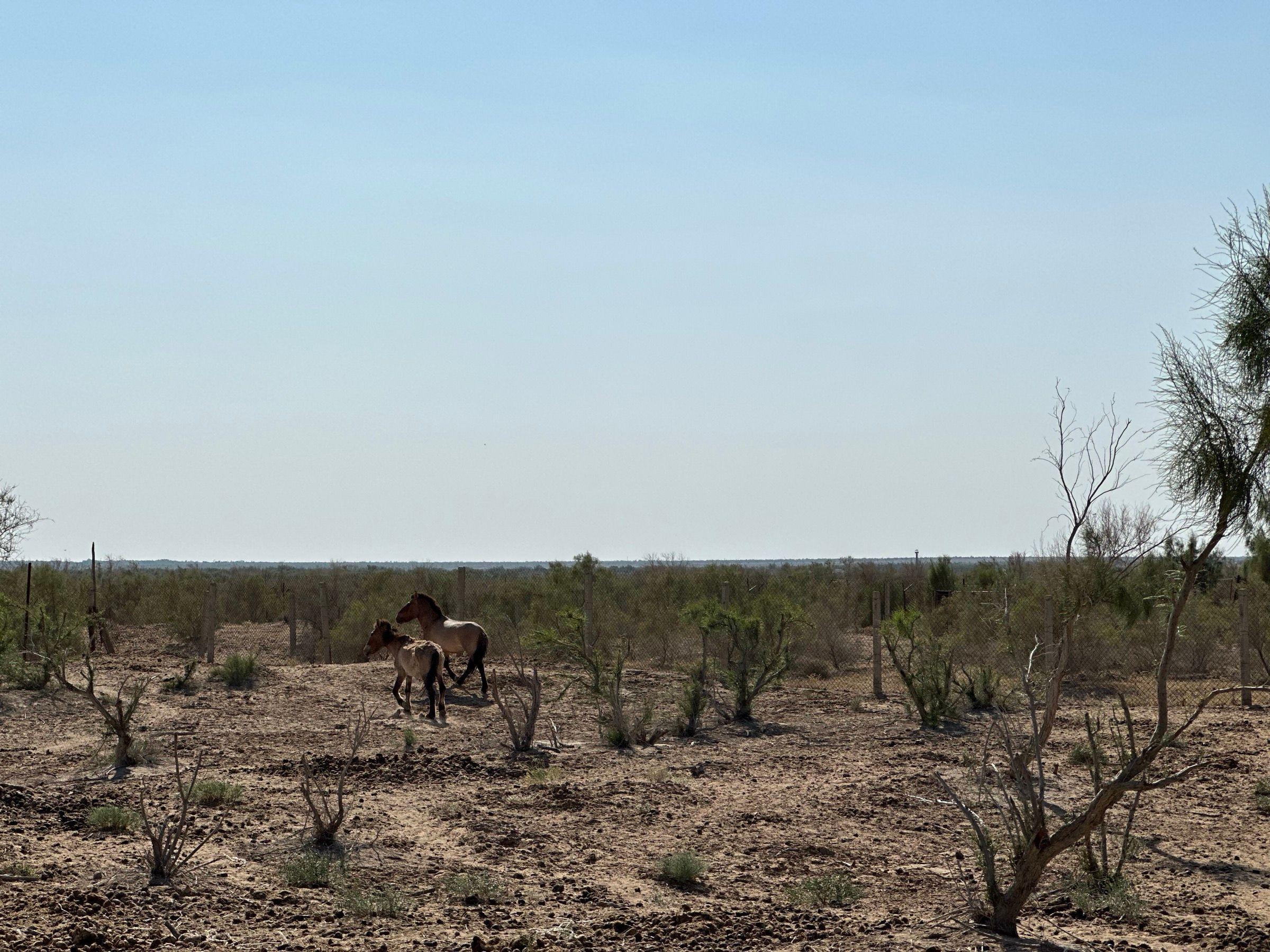
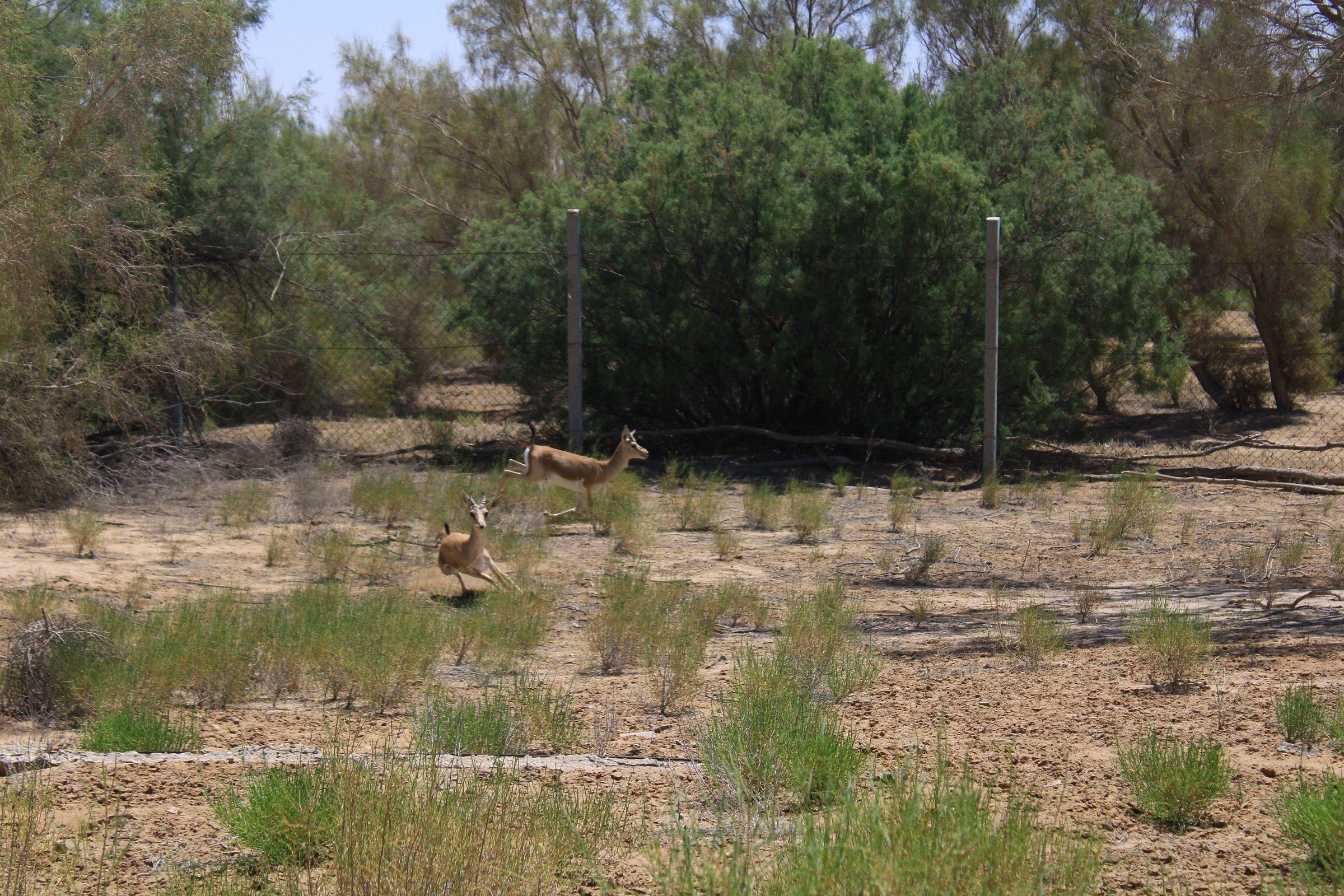
The gazelles are the stars: slender, sand-coloured, with ringed horns on the males and an astonishing turn of speed. Over the years the centre has added other species that vanished from the region: the kulan, the Asiatic wild ass; Przewalski's horse, the last truly wild horse, reintroduced from European zoos; and markhor goats from the mountains of the south. The lakes draw pelicans, flamingos on passage, marbled duck and herons, and the houbara bustard breeds on the plains. Monitor lizards, tortoises and gerbils are common in the warm months, and the sky belongs to eagles and vultures. The centre also runs research and education programmes and has supplied gazelles for release in other reserves.
How to experience it
Visits are by arrangement and always accompanied by a ranger. The usual format is a two- to three-hour drive and walk inside the fence, with stops at the feeding areas, the lakes and the viewing points; sightings of gazelles are close to guaranteed, and kulans and horses are usually found. Dawn and the last two hours before sunset are best, when the animals move and the light is soft. Bring binoculars, water and sun protection; there is little shade. The ecocentre combines well with Paykend, with a swim at Lake Tudakul in summer, or as an unusual last afternoon in Bukhara before the night train.
What to see
- Herds of goitered gazelle (jeyran) in open desert
- Kulans and Przewalski's horses bred for reintroduction
- Pelicans, flamingos and houbara bustards at the lakes
- A ranger-guided drive inside the reserve
- Dawn and sunset light on the Kyzylkum edge
- The conservation story since 1977
Gallery
Tours that visit Jeyran Ecocentre
 New
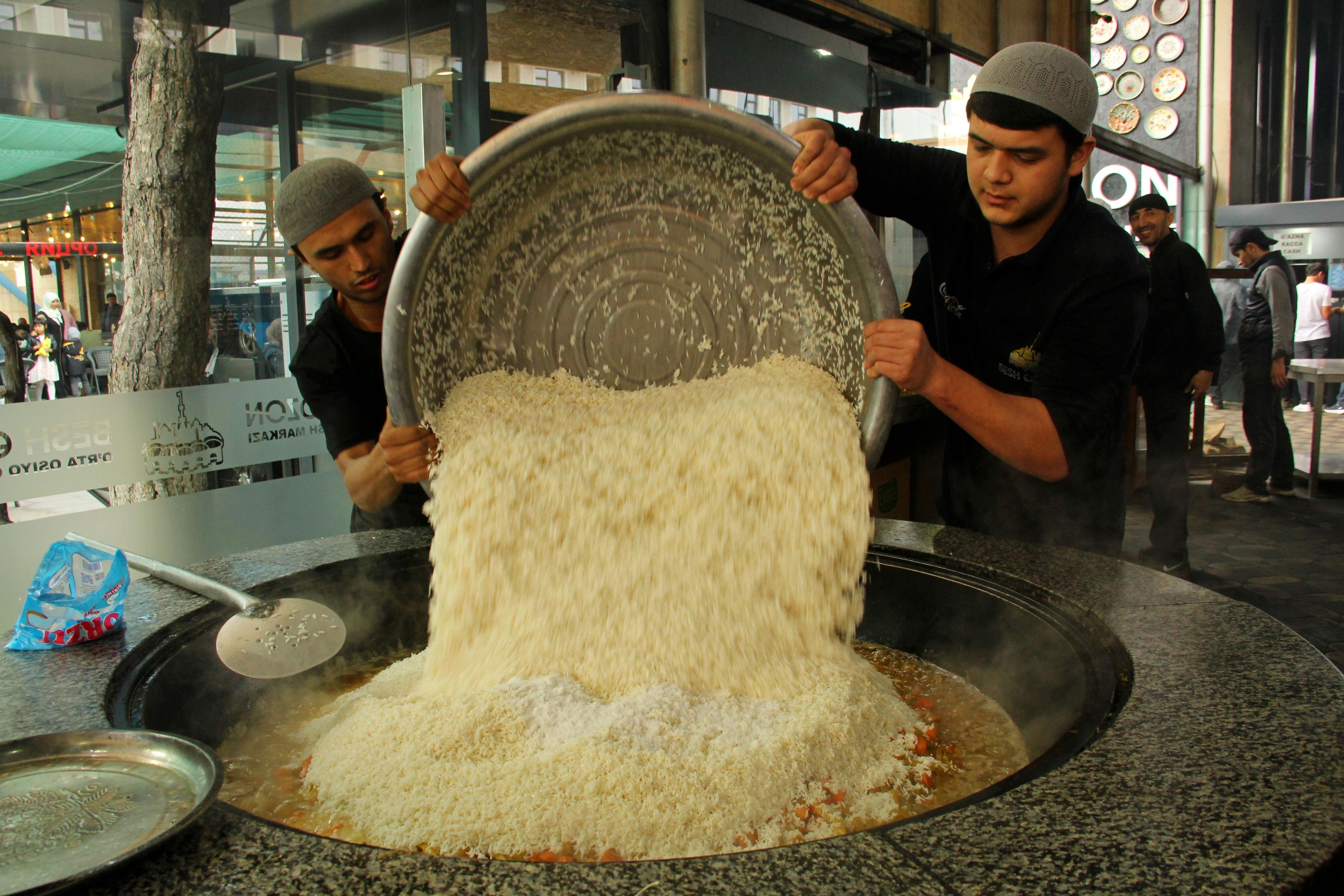
Six Days, Seven Plovs
From
$995
 Premium
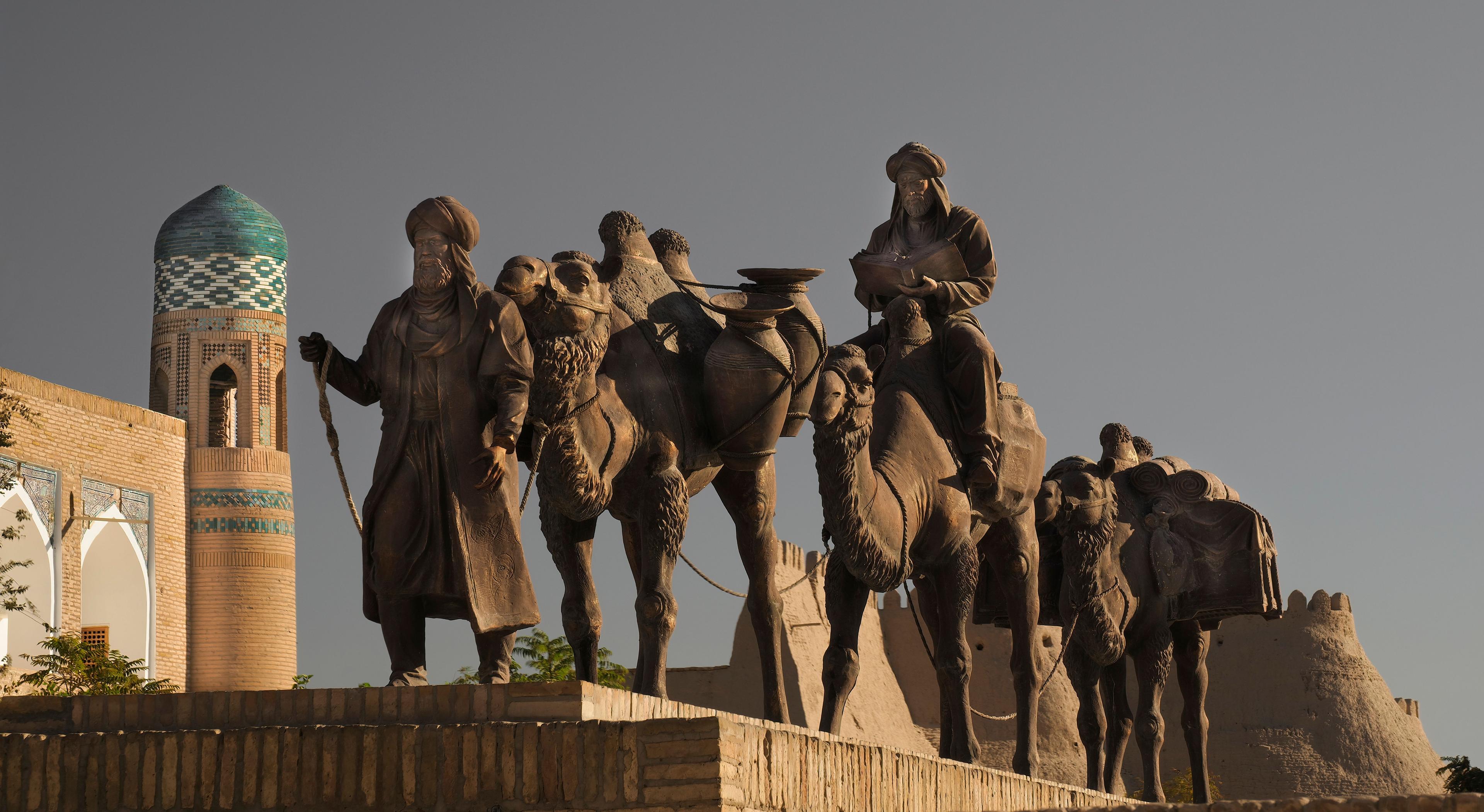
Twelve Gates of the Silk Road
From
$1,750
 Best Seller
Four Crowns: Tashkent, Samarkand, Bukhara, Khiva
From
$1,270
More sights in Bukhara
All of Bukhara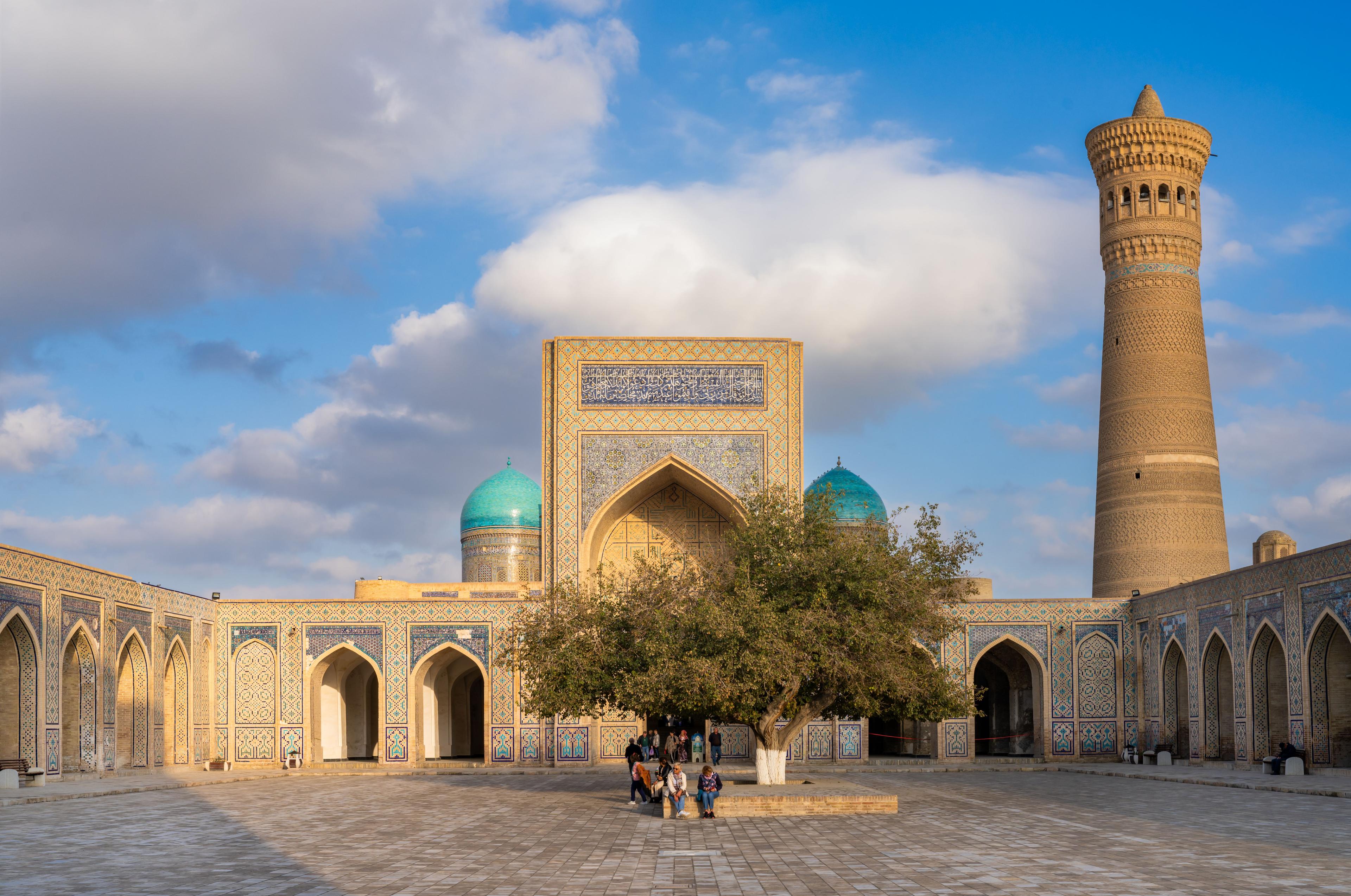

See Jeyran Ecocentre with a local guide
We build private and small-group trips around the places you want to see — with guides who grew up here.