Within an hour of Bukhara lie the earthen ruins of the Sogdian oasis: Varakhsha, palace of the Bukhar-khudats, the merchant city of Paykend, the Vobkent minaret of 1198, the Deggaron mosque and Rabat-i-Malik. What survives, how to see it in one or two half days, and what it costs.
Facts, prices and schedules checked on November 11, 2026
Bukhara's old town makes it easy to forget that the city was once one of several. Before the Arab conquest, and for centuries after, the delta of the Zarafshan held a ring of walled Sogdian towns, each with its citadel, its lords and its caravans. The rivers shifted, the towns emptied, and the desert and the cotton fields closed around them. What remains are great mounds of mud brick within an hour of Lyabi-Hauz, and along the road east towards Samarkand, a minaret, a mosque and a caravanserai gate that show how the Silk Road looked between cities.
As a Bukhara company we know these roads well. Five places are worth the detour, and all of them fit into one or two half days. All five were inscribed by UNESCO in 2023 as part of the Silk Roads: Zarafshan-Karakum Corridor.
Why go: the Bukhara oasis before Bukhara
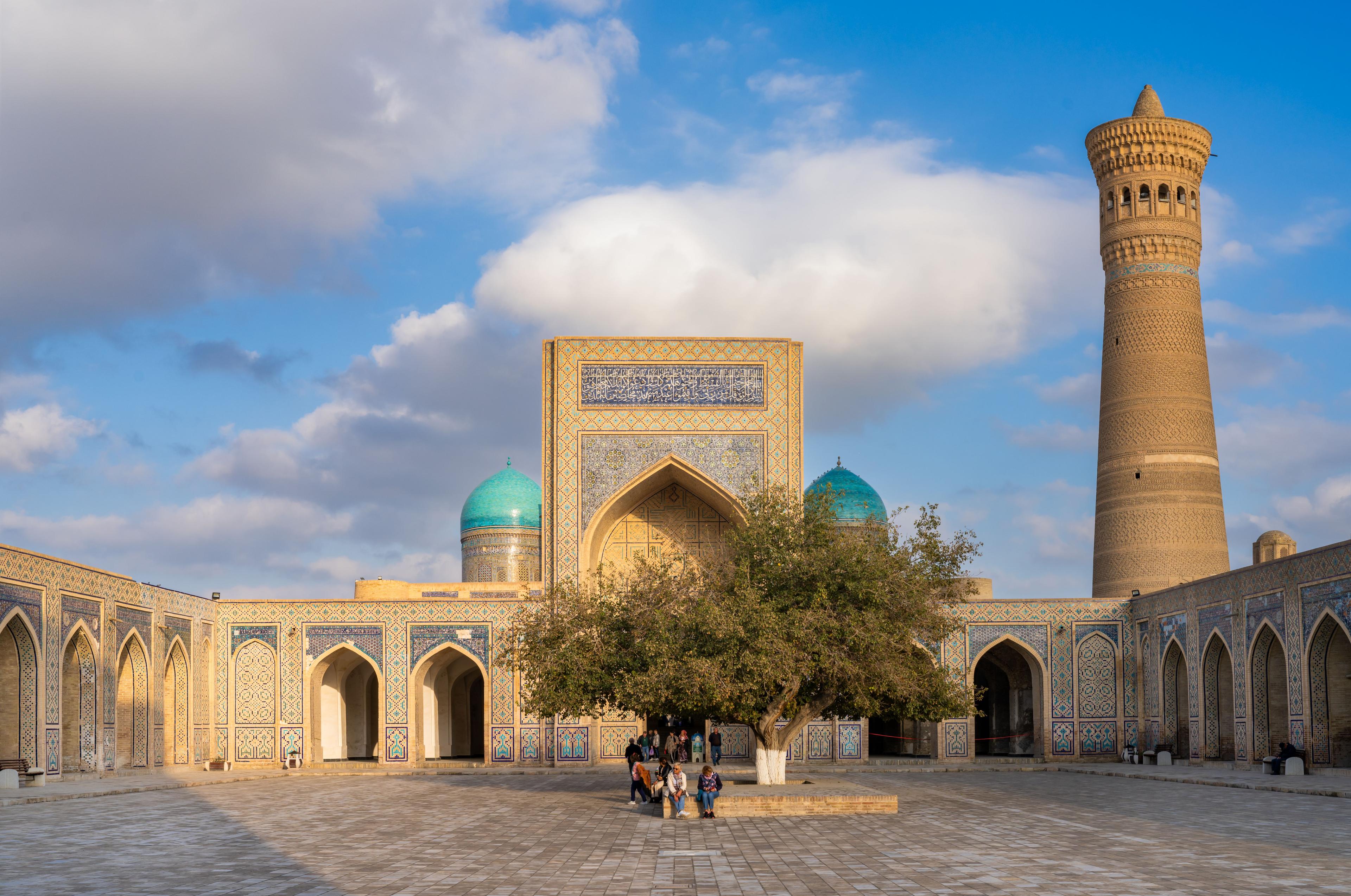
The sites around Bukhara tell the part of the story that the city's monuments, mostly sixteenth century and later, cannot. Varakhsha shows the court of the pre-Islamic Sogdian rulers; Paykend shows a merchant town at its height and in decline; Vobkent, Deggaron and Rabat-i-Malik show the Karakhanid century, the eleventh and twelfth, when the Kalyan minaret was built.
Be clear about what to expect. These are open archaeological sites with little shade and almost no signage. The famous wall paintings of Varakhsha are in museums, not on site. A good guide makes the difference between a pile of earth and a city; this is one excursion we would not do without one.
Varakhsha: the palace of the Bukhar-khudats
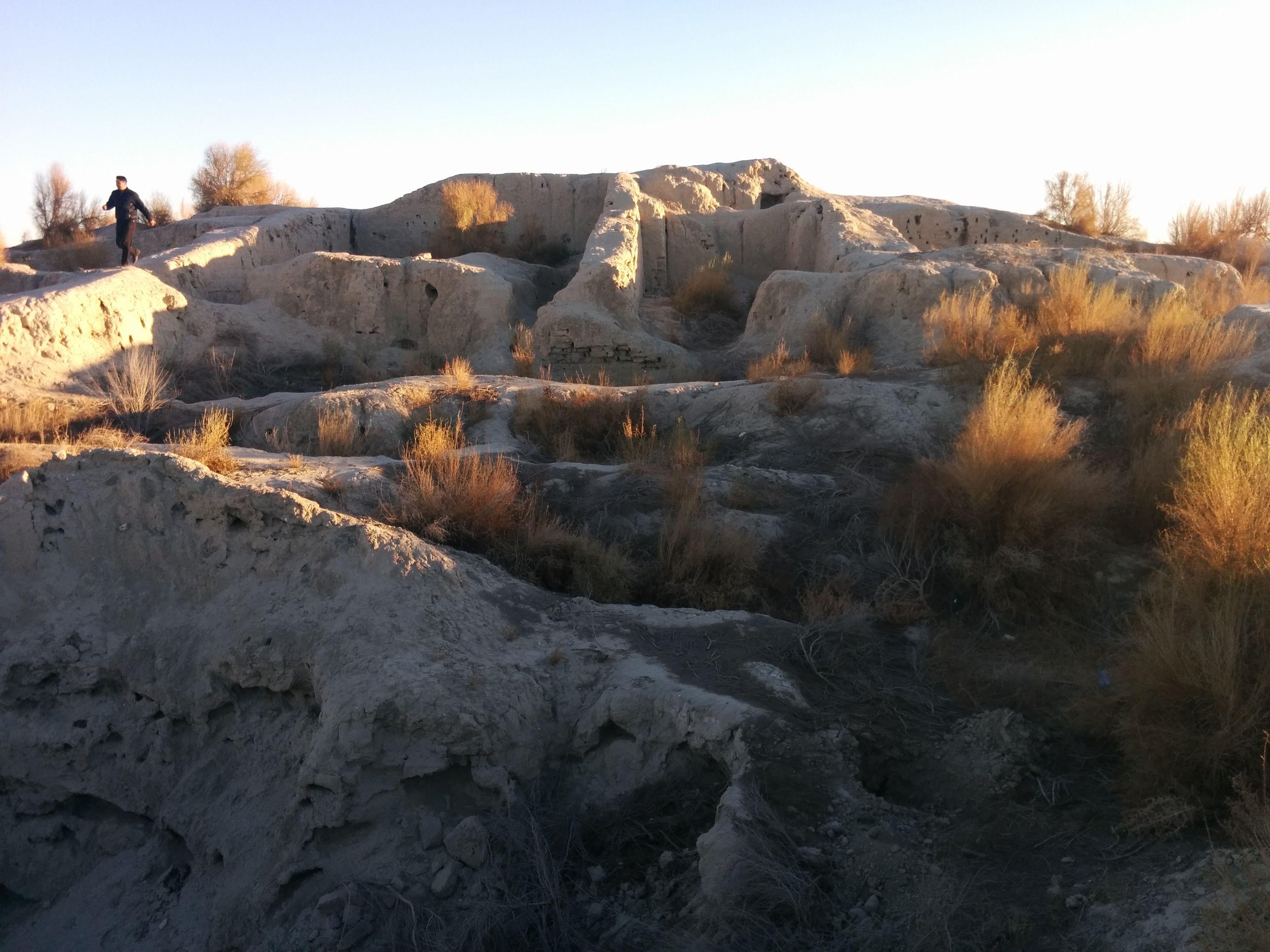
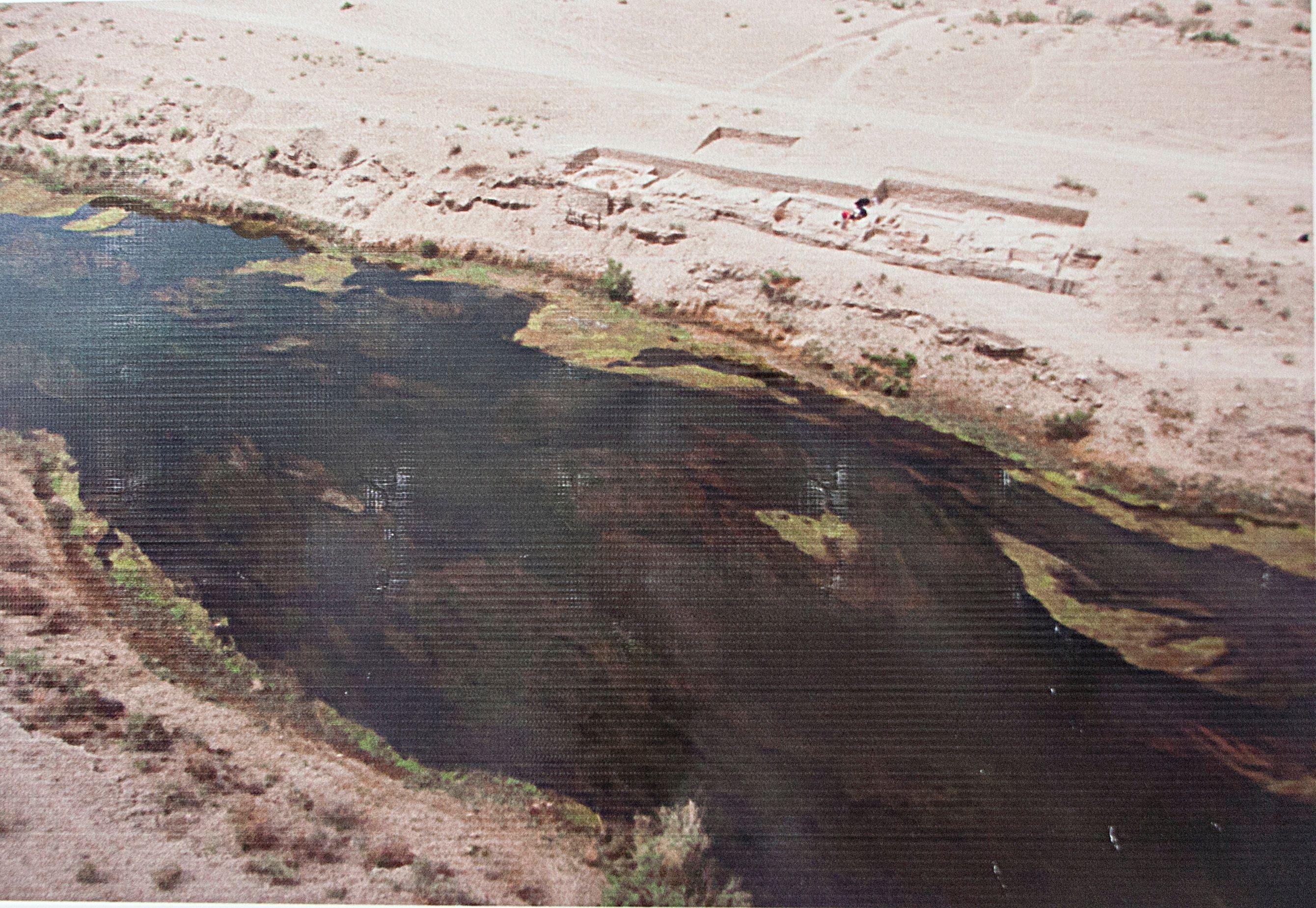
Varakhsha lies 39 km north-west of Bukhara in the Jondor district, where the irrigated land gives way to the Kyzylkum. Founded around the first century BCE, it became the residence of the Bukhar-khudats, the Sogdian lords of Bukhara, who kept it through the Arab conquest of the eighth century; the tenth-century historian Narshakhi describes the palace in his History of Bukhara.
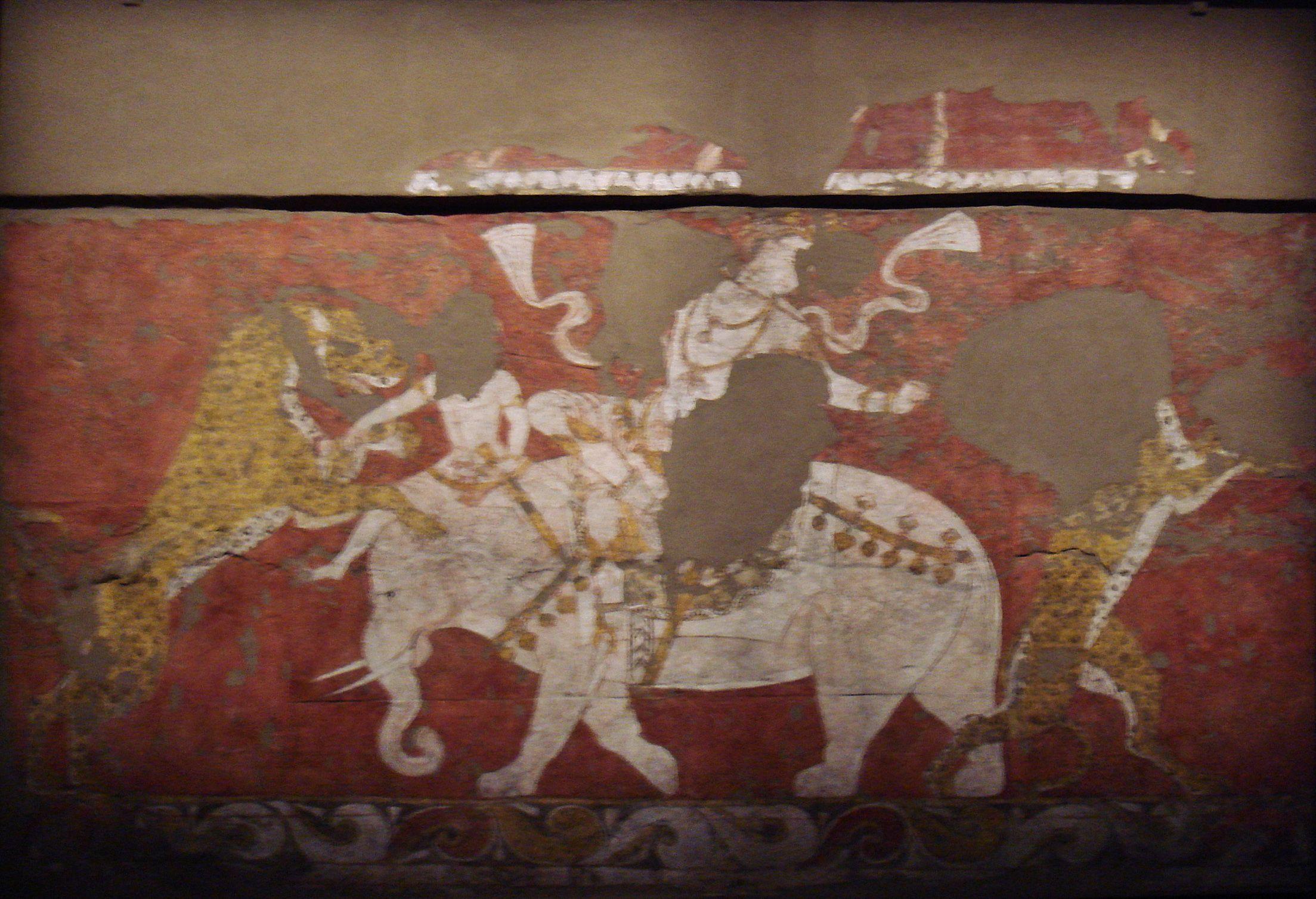
Excavations led by Vasily Shishkin in 1937–39 and 1947–54 uncovered a palace of the seventh and eighth centuries whose walls were painted. In the Red Hall a king and his retinue ride elephants against leopards and winged monsters; elsewhere carved stucco shows birds, fish and vines. These paintings rank among the most important works of Sogdian art. They were lifted and are now in the State Museum of Arts in Tashkent and the Hermitage in St Petersburg.
On site you see the citadel mound, the eroded walls of the palace and the outline of the town, with a wide view across the oasis. Come in the late afternoon, when low light picks out the mud-brick courses, and combine it with lunch in Jondor or Romitan.
Paykend: the city of merchants
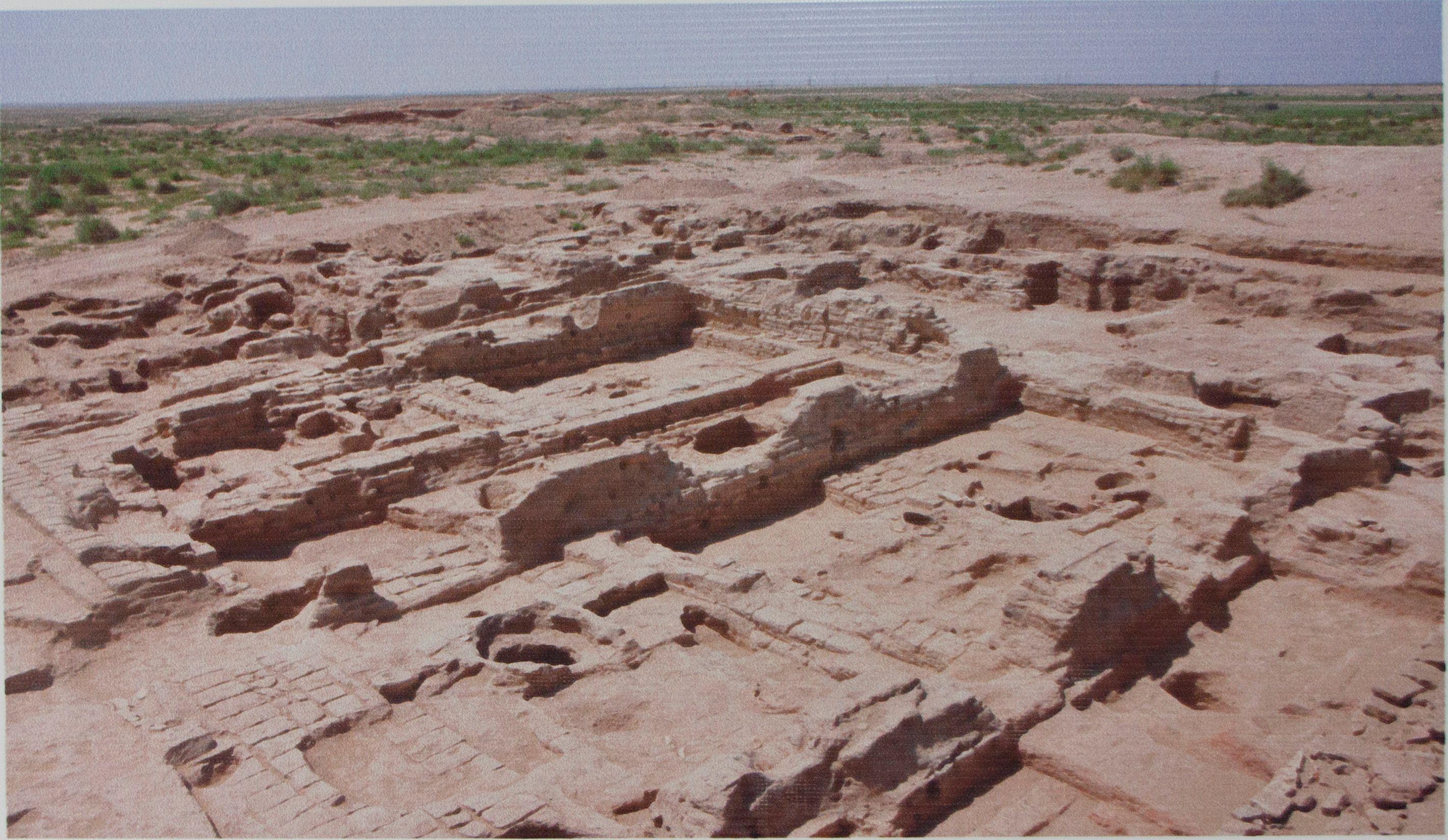
About 55 km south-west of Bukhara, near Karakul and the old road to Merv, Paykend began as a village in the fourth century BCE and grew into a fortified trading city. Chinese sources describe it as a town governed not by a king but by its merchants, whose caravans reached China and Iran. Its wealth made it a target: in 706 the Arab commander Qutayba ibn Muslim besieged and took it after the townspeople rebelled. The city revived under the Samanids, with a congregational mosque, caravanserais and potters' quarters, and was finally abandoned when the lower Zarafshan stopped reaching it; sources place the end between the ninth and eleventh centuries.
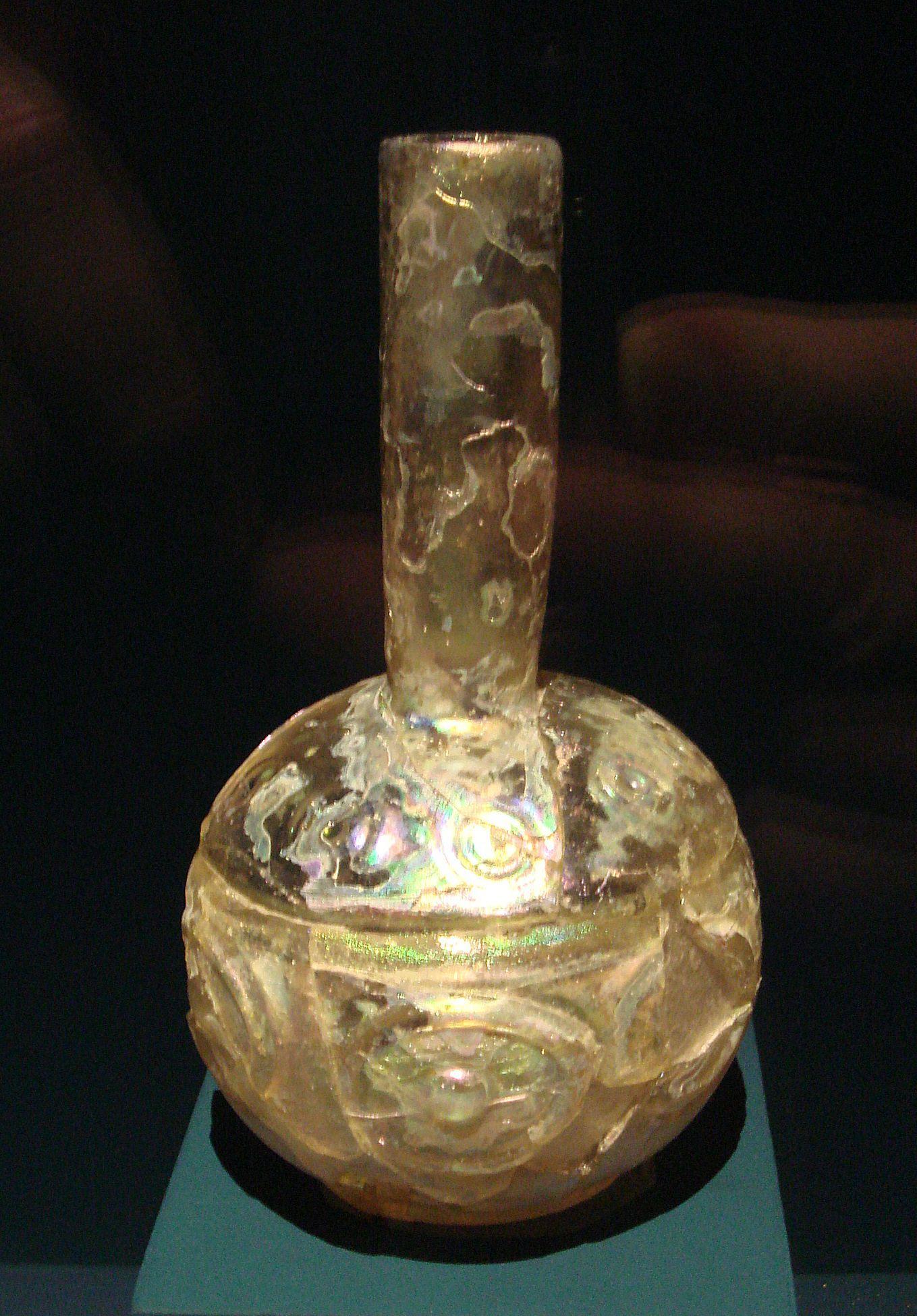
Abandonment is Paykend's good fortune. The citadel, the double town walls, streets and house walls survive to an unusual height, and the excavated pottery quarter is easy to read. A small museum at the site shows ceramics, glass bottles, lamps and coins from decades of excavation by the Institute of Archaeology of Uzbekistan and the Hermitage. Allow two hours, and ask your guide to walk you from the citadel down to the quarter of the potters.
Vobkent: the Kalyan's younger sibling
Twenty-five kilometres north-east of Bukhara, the district town of Vobkent keeps a minaret that most visitors pass at 80 km an hour on the way to Samarkand. Its Kufic inscriptions record that it was ordered in 1196 by the sadr Burhan al-Din Abdulaziz II, head of the family of religious leaders who ran Bukhara under the Karakhanids, and completed in 1198. It stands 40.3 m high, a tapering shaft of baked brick wrapped in ornamental bands, under a stalactite cornice and a lantern of arches, in what is now an ordinary town square.
Twenty minutes is enough. Stand at the base and look up: the brick patterns, each band different, are the same craft as the Kalyan, at closer range and without the crowds. The Vobkent, Deggaron and Rabat-i-Malik page describes all three road stops in more detail.
Deggaron and Rabat-i-Malik: the road east
Past Gijduvan, where the ceramics workshops deserve a stop of their own, a side road leads into the village of Hazara and the Deggaron mosque, a low brick building that looks nothing like the courtyard mosques of Bukhara. Four squat columns carry a central dome surrounded by smaller vaults, a plan with roots in pre-Islamic Sogdian building. Most scholars date it to the eleventh or twelfth century. It is still a village mosque; visit outside prayer times and dress modestly.
Back on the highway towards Navoi stands the portal of Rabat-i-Malik, the royal caravanserai built in the eleventh century by the Karakhanid ruler Shams al-Mulk Nasr. The twelve-metre gateway with its corrugated brickwork is most of what survives. Across the road is its sardoba, a domed brick cistern once fed by an underground channel from the Zarafshan, the oldest and largest in the country.
Two half days: how to plan it
The sites lie in opposite directions, so think of two separate outings.
- West and south (half a day or a long afternoon). Leave Bukhara after lunch for Paykend (about an hour), then drive round to Varakhsha (about 1.5 hours between them on country roads) to arrive for the late light, back in town for dinner. If you only have time for one, choose Paykend for the walls and museum, Varakhsha for the history and the setting.
- East (on the way to Samarkand or Nurata). Vobkent at 30 minutes from Bukhara, Gijduvan for potters and the shrine of Abdul Khaliq Gijduvani, Deggaron at about 1 hour 15 minutes, Rabat-i-Malik at 1 hour 30 minutes, then onwards. This turns a two-hour train ride into a full day of road, but the day is worth it.
A third combination, Vobkent plus Varakhsha in one morning, works because both lie north of the city, though on different roads; it suits travellers with a single free half day.
Getting there, when to go and what it costs
Getting there. By car only. There is no useful public transport to Varakhsha or Paykend; the last stretch to Varakhsha is unpaved but fine for a sedan in dry weather. Vobkent, Deggaron and Rabat-i-Malik are on or near the M37 Bukhara–Samarkand highway.
When to go. March to May and September to November. From June to August the sites are shadeless and very hot by late morning: go early or late, take water, a hat and closed shoes.
What it costs, as of 2026. Varakhsha, Vobkent and Deggaron are free. Small entrance fees are reported at the Paykend museum and at Rabat-i-Malik; check on site. The real costs are a car with driver, priced per vehicle and route, and a guide, which here matters more than anywhere. Bring cash in soum for fees and for tea in the villages.
The Bukhara oasis with TourEast
On Bukhara After the Buses Leave we can add Varakhsha or Paykend on request as an afternoon with an archaeologist guide. Four Crowns: Tashkent, Samarkand, Bukhara, Khiva already drives from Samarkand to Bukhara with a stop at Rabat-i-Malik, and Vobkent can be added on request. Travellers on Silk Road in Silk: Private Uzbekistan can ask for Varakhsha and Paykend too, with a picnic at Varakhsha at sunset. Tell us how much time you have in Bukhara and we will suggest which of the five fits it.
Frequently asked questions
Photo gallery
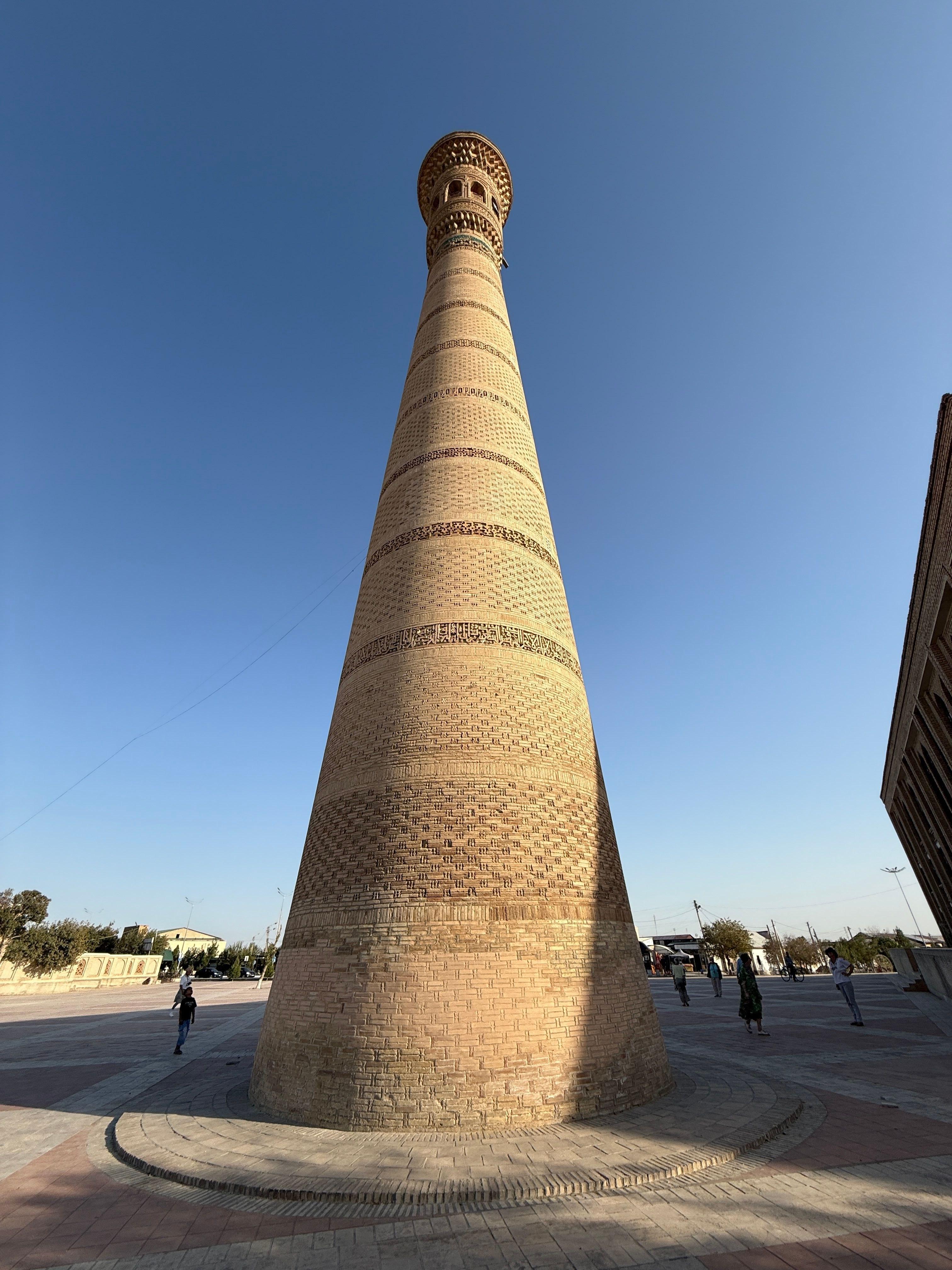
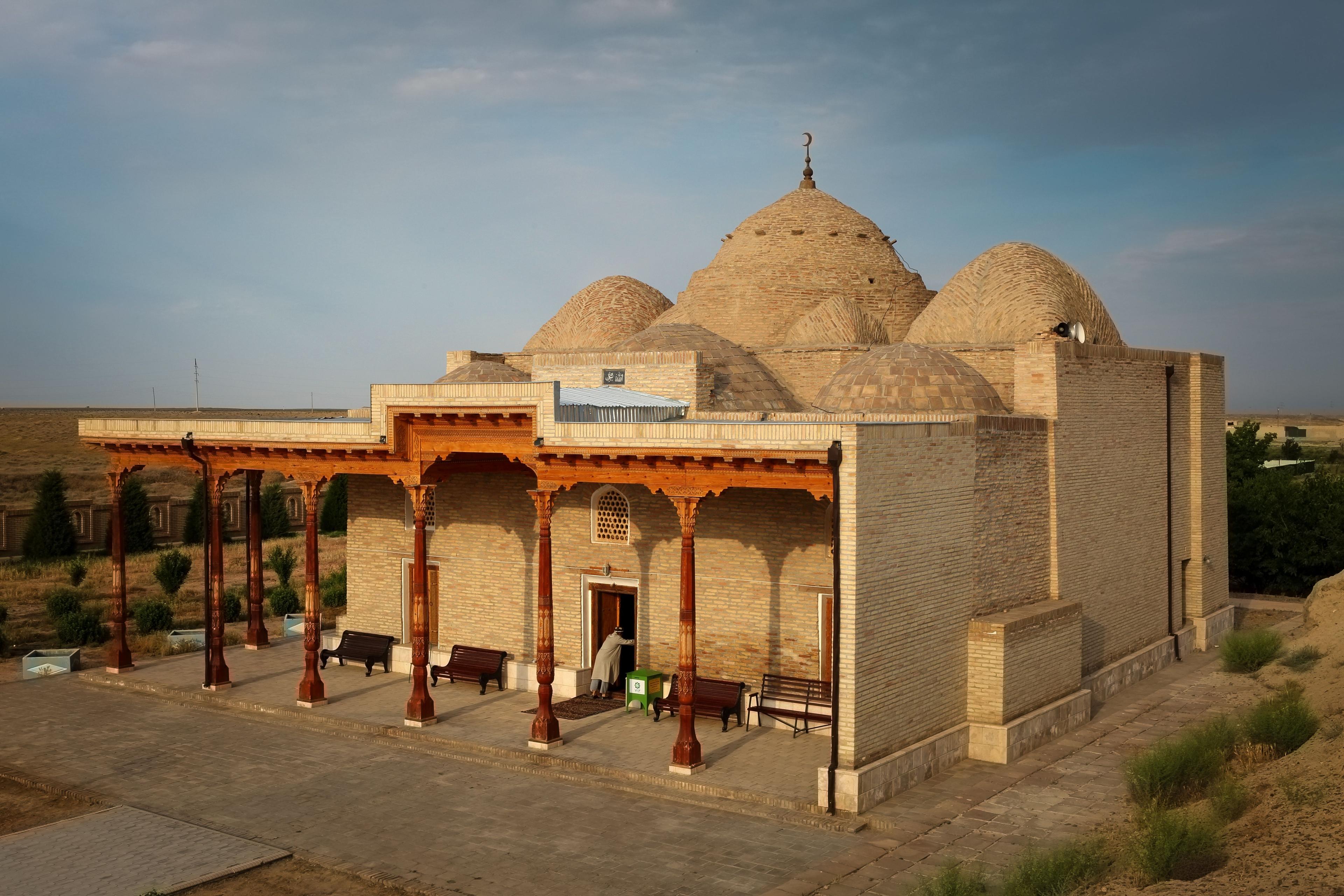
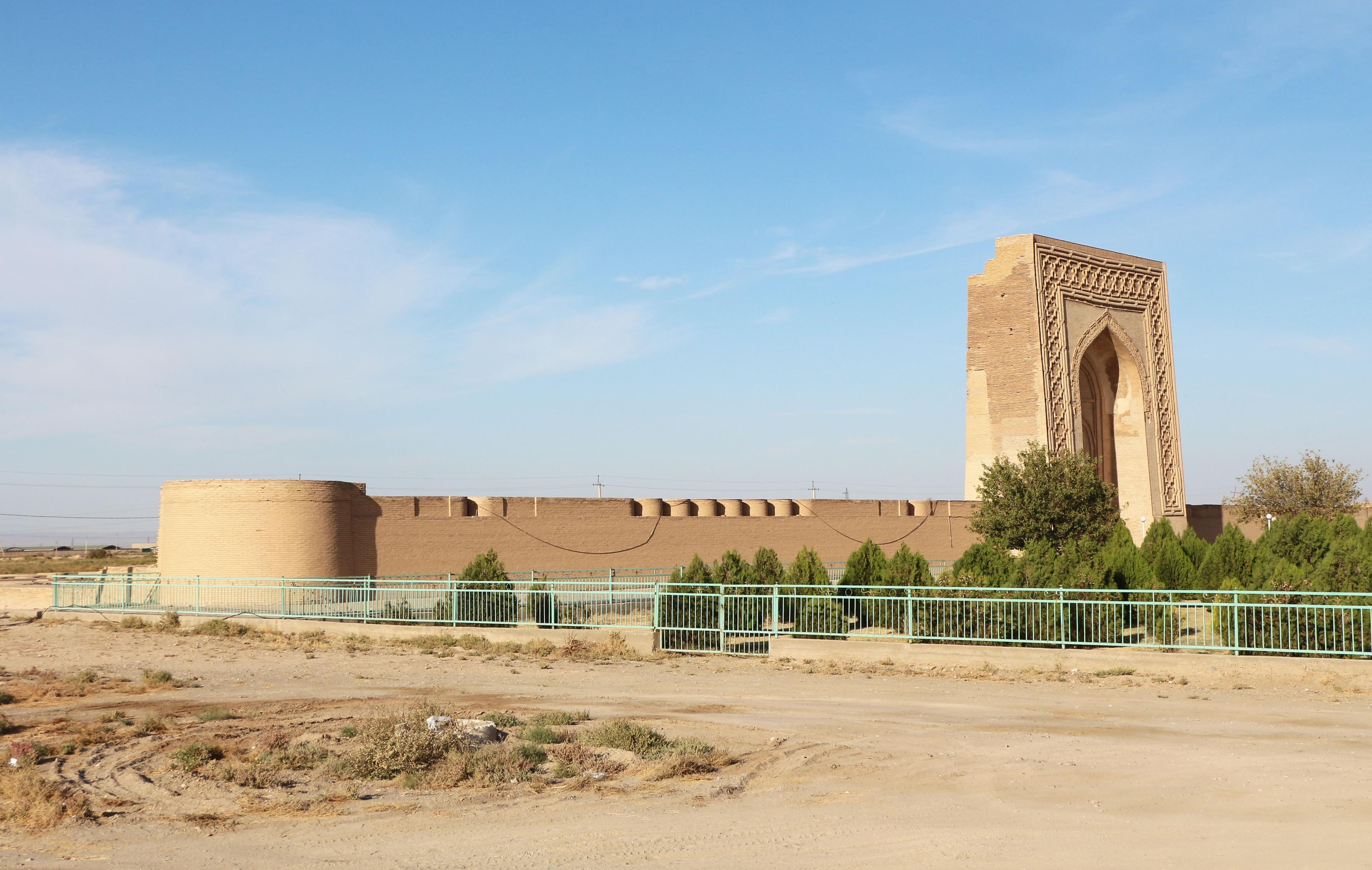
Photo: ALFGRN / Wikimedia Commons, CC BY-SA 2.0; Davide Mauro / Wikimedia Commons, CC BY-SA 4.0; FineCreatures / Wikimedia Commons, CC0; Kraftabbas / Wikimedia Commons, CC BY-SA 4.0; Bgag / Wikimedia Commons, CC0