Uzbekistan now has eight World Heritage properties, from Itchan Kala (1990) to Tashkent's modernist buildings (2026), plus 18 elements of intangible heritage from Shashmaqom to plov, Lazgi and the Karakalpak yurt. What each one is, where to see it and how to fit them into one trip.
Facts, prices and schedules checked on November 11, 2026
Uzbekistan's relationship with UNESCO began with a walled town in the desert. Itchan Kala in Khiva was inscribed in 1990, while the country was still a Soviet republic, and for a decade it was joined by the historic cities everyone knows: Bukhara, Shakhrisabz and Samarkand. Then came the transnational listings, a mountain range shared with Kazakhstan and Kyrgyzstan, a stretch of the Silk Road shared with Tajikistan and Turkmenistan, and a winter desert. In July 2026 Tashkent added something no one expected from Central Asia: ten buildings of Soviet-era modernism.
Here are all eight World Heritage properties, the 18 elements Uzbekistan has on UNESCO's intangible heritage lists, the most interesting candidates on the tentative list, and how to see as much as possible in one journey.
The four Silk Road cities
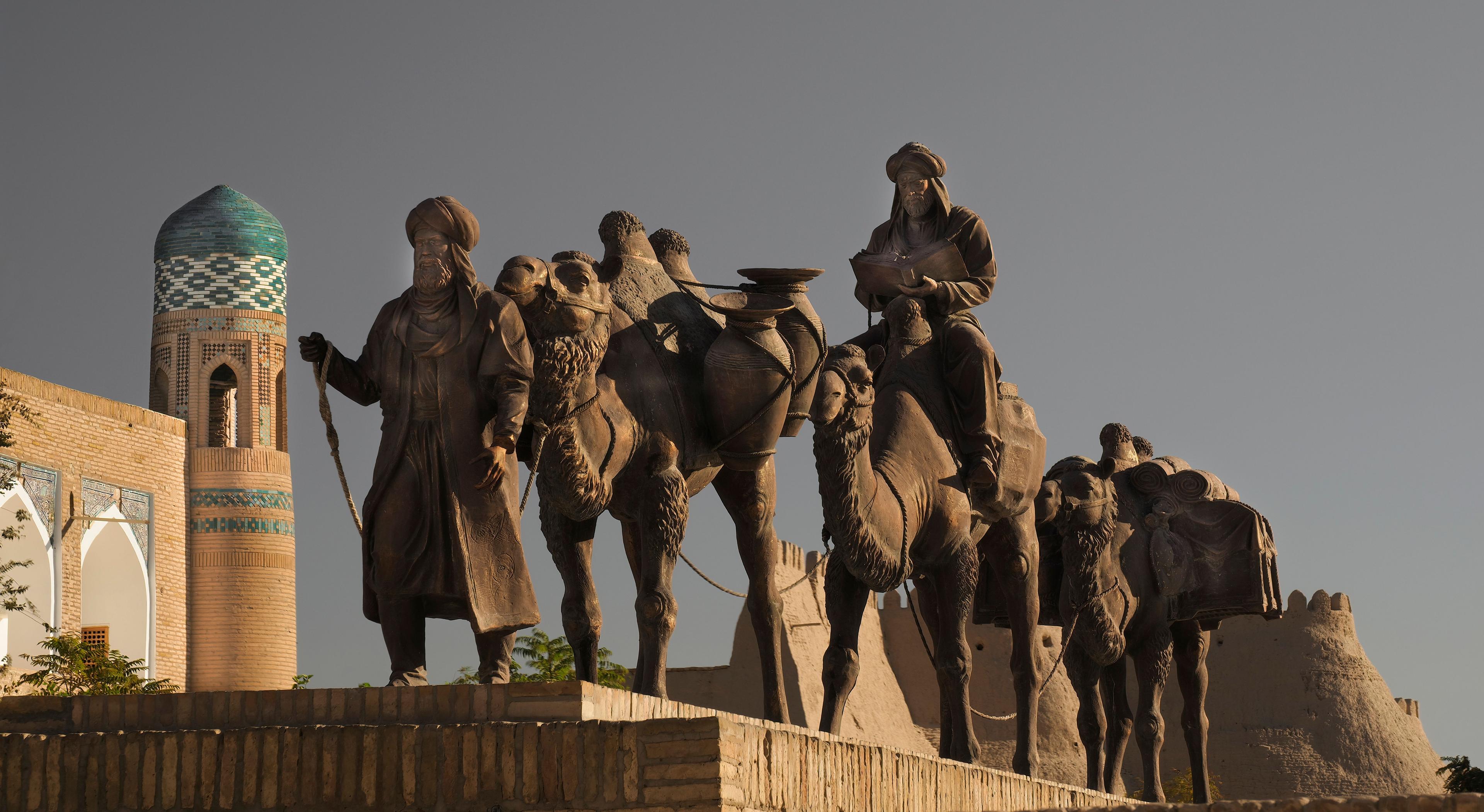
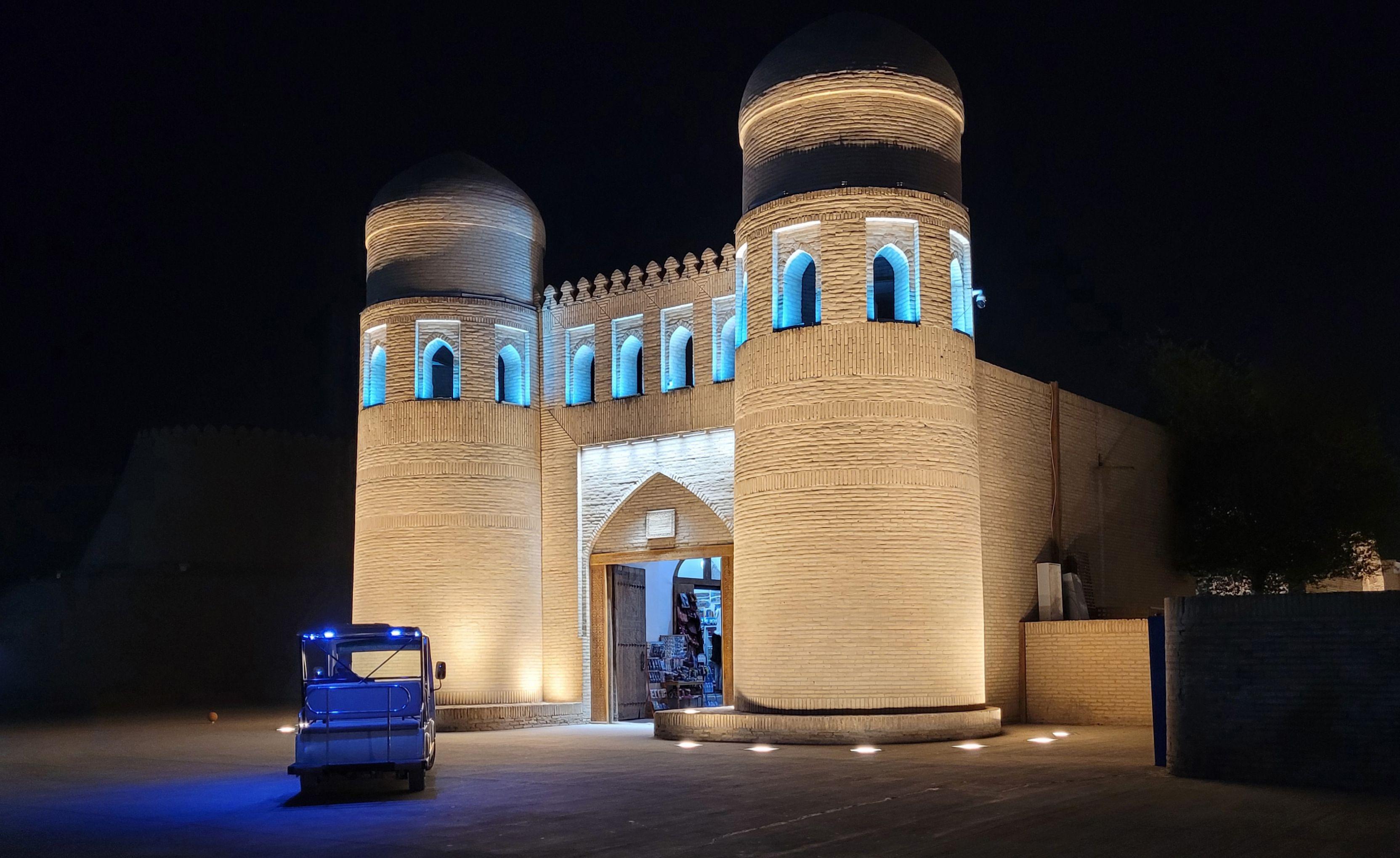
Itchan Kala, Khiva (1990). The walled inner town of Khiva, about 26 hectares inside clay ramparts, holds more than fifty monuments, most of them from the 18th and 19th centuries. It is the most complete example of a Central Asian khanate capital. Start at Itchan Kala, then climb the Islam Khodja Minaret for the view over the walls.
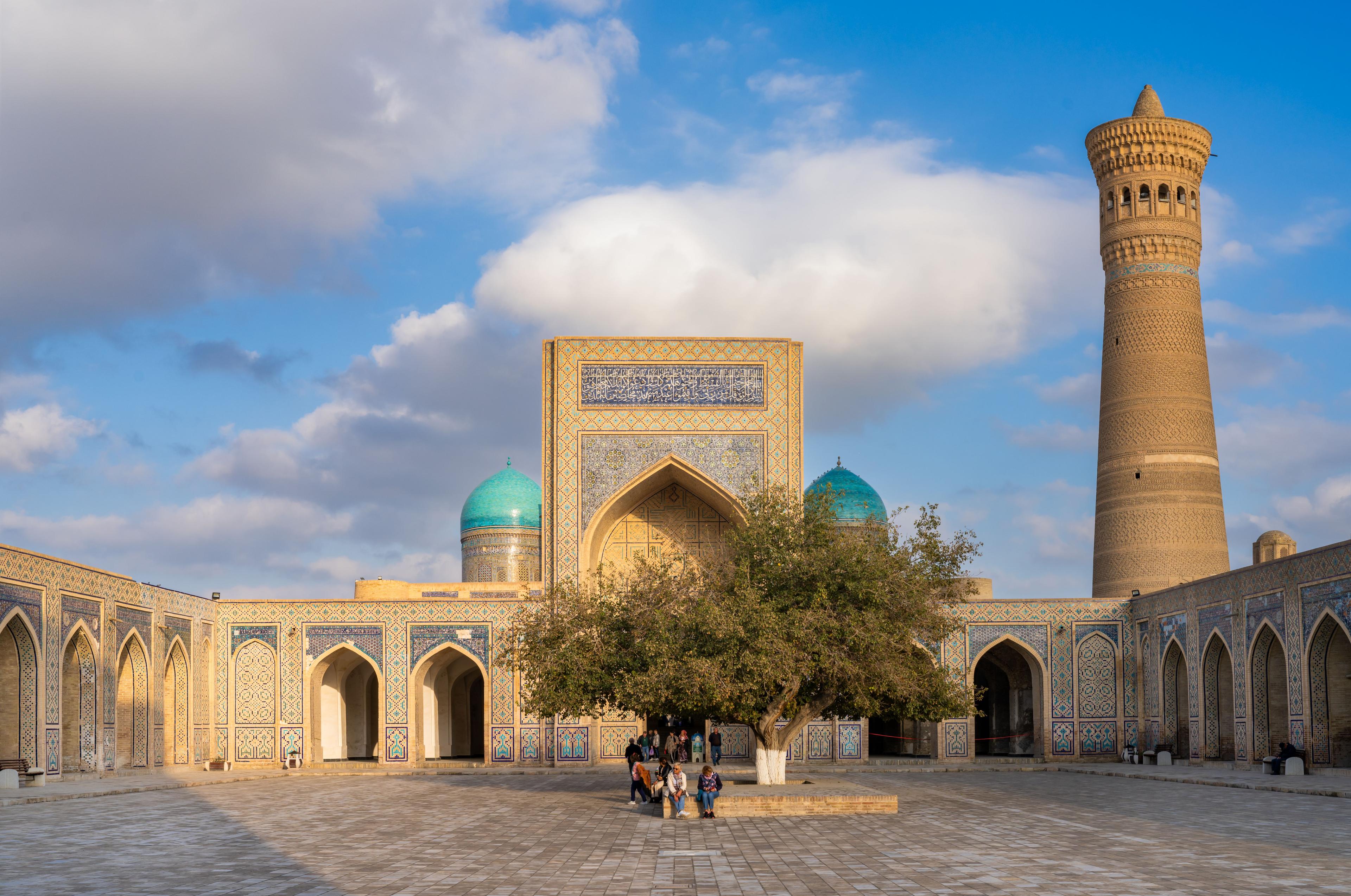
Historic Centre of Bukhara (1993). A living town built over two thousand years, with the 10th-century Samanid Mausoleum, the 12th-century Kalyan minaret at Po-i-Kalyan and the merchants' quarter around Lyabi-Hauz. People still live in the listed streets, which is a large part of its appeal.
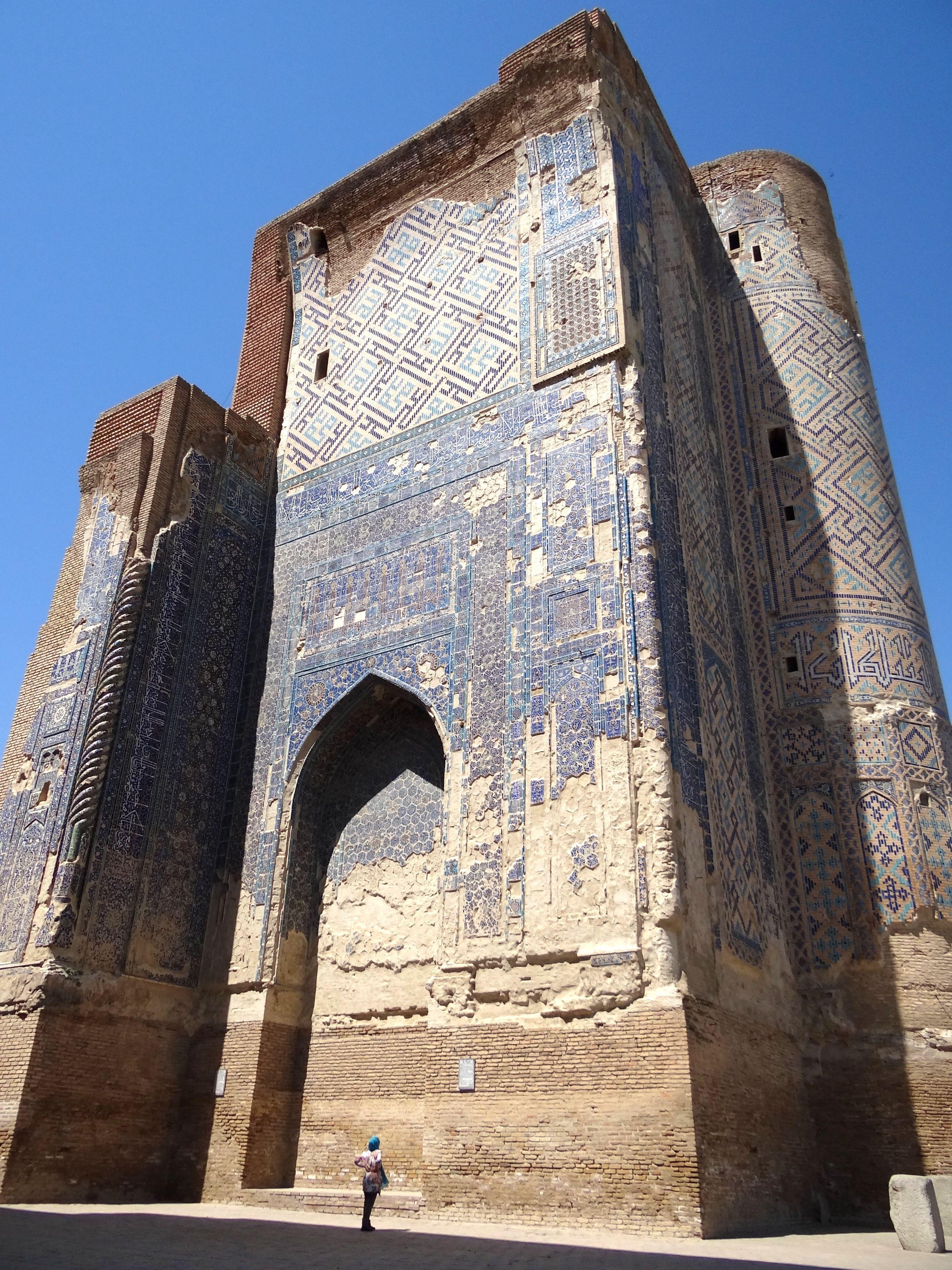
Historic Centre of Shakhrisabz (2000). Timur's home town keeps the broken portal of his Ak-Saray Palace and the family memorials of Dorus-Saodat. In 2016 UNESCO placed it on the List of World Heritage in Danger, after large-scale demolition and new construction around the monuments, and it remains there.
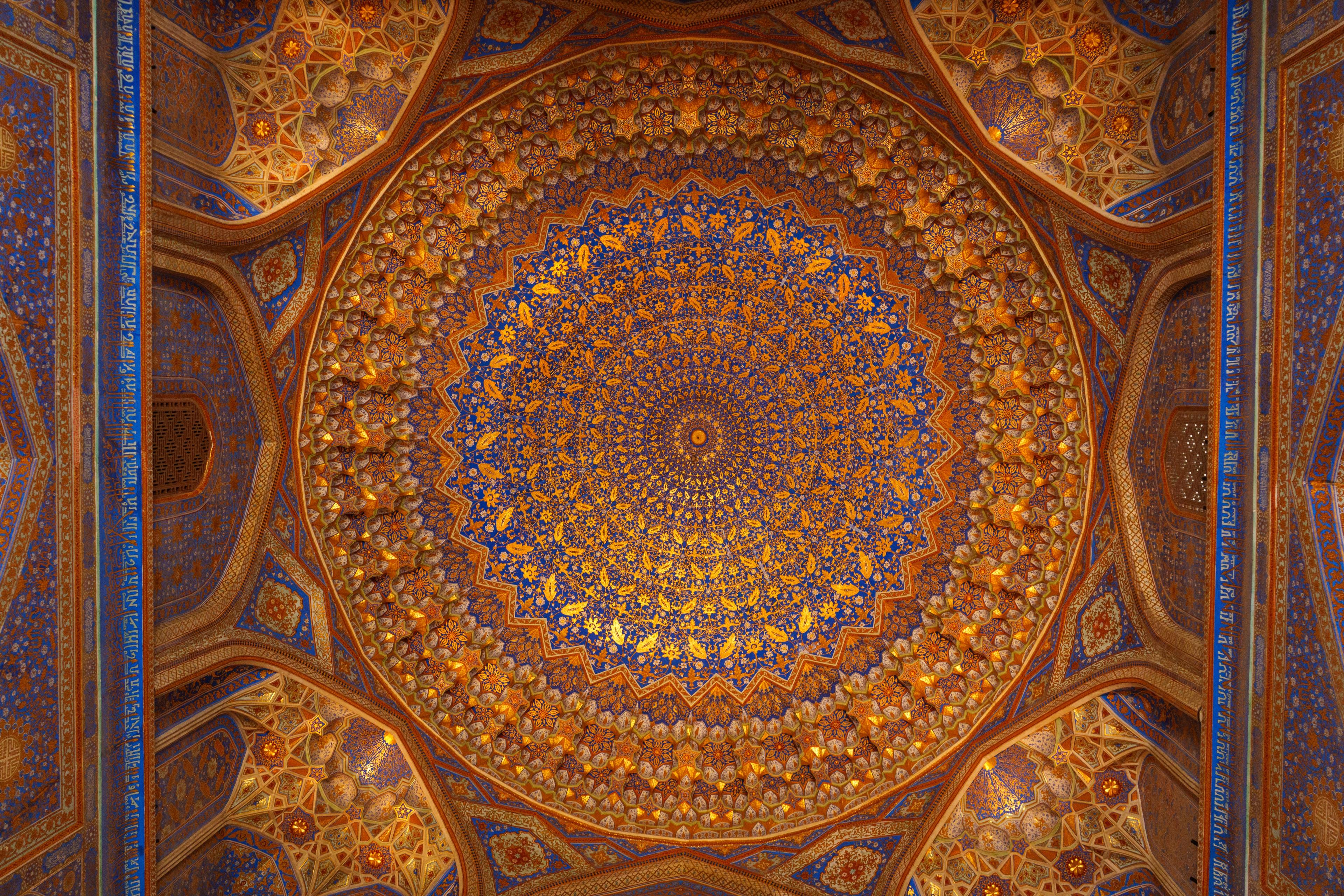
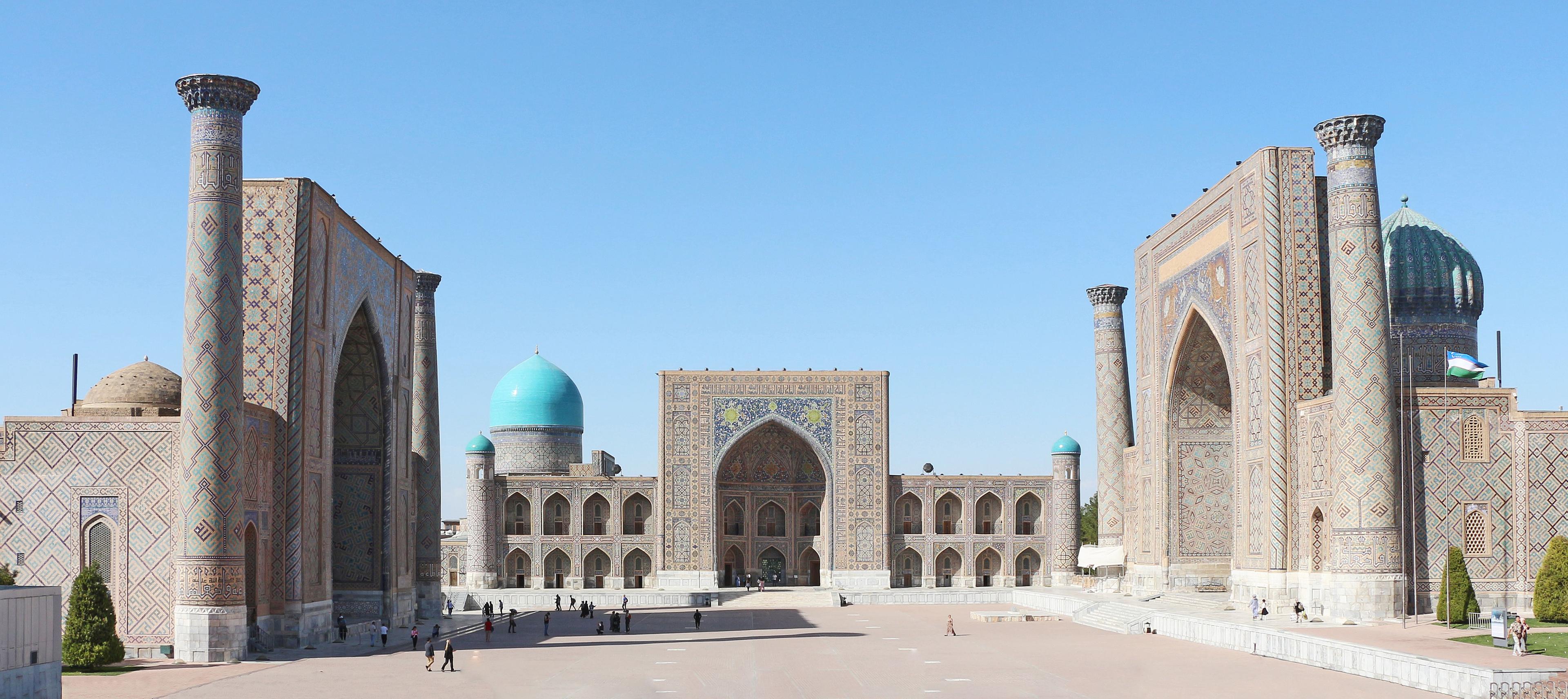
Samarkand, Crossroads of Cultures (2001). The property runs from the ancient site of Afrasiab through the Timurid city to the Registan and Shah-i-Zinda. Few places show so clearly how Islamic architecture in Central Asia developed over five centuries.
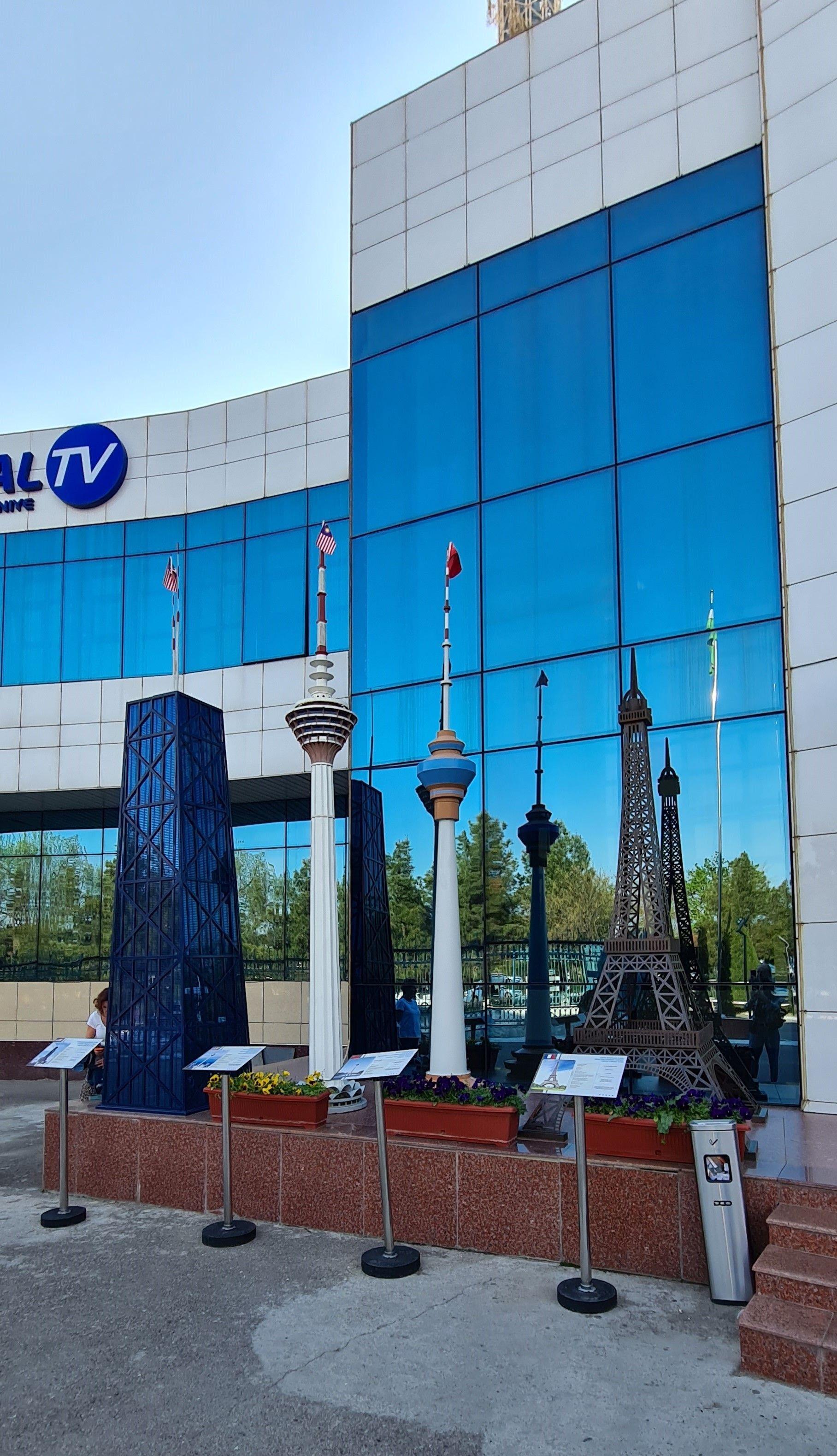
Tashkent Modernist Architecture (2026)
The newest listing was inscribed on 26 July 2026 at the 48th session of the World Heritage Committee in Busan. Its full name, Tashkent Modernist Architecture: Modernity and Tradition in Central Asia, explains the idea: buildings from the 1960s to the early 1990s that used concrete and new engineering, much of it after the earthquake of 1966, while borrowing domes, screens and ornament from local tradition. It is Uzbekistan's first purely national inscription in 25 years and, as the Art and Culture Development Foundation points out, one of the youngest architectural properties on the list.
The ten components are:
- the Zhemchug ("Pearl") residential building
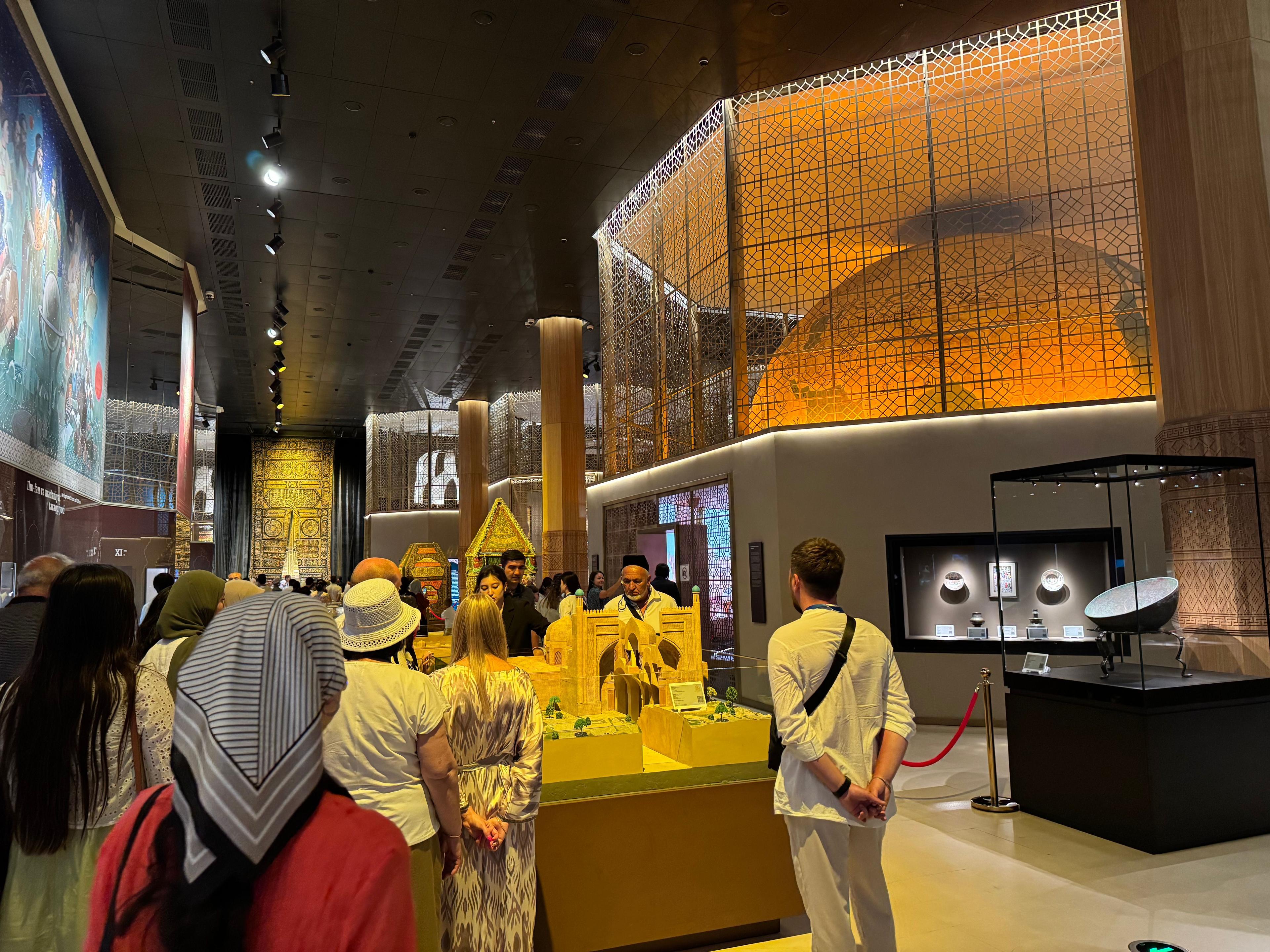
- the State Museum of History
- the Central Exhibition Hall of the Academy of Arts
- Kosmonavtlar station of the Tashkent Metro
- the Big Solar Furnace near Parkent, outside the city
- the Peoples' Friendship Palace
- the State Museum of Arts
- the State Circus
- the domed hall of Chorsu Bazaar
- the Alisher Navoi Cinema Palace
Nine are in central Tashkent and can be seen in a long day with a car, a metro ride and a lunch at Chorsu. The Solar Furnace is about an hour north-east of the city and pairs well with the Chimgan mountains.
Silk Roads: Zarafshan-Karakum Corridor (2023)
Shared with Tajikistan and Turkmenistan, this serial property follows one branch of the Silk Road from the Zarafshan headwaters past Penjikent, through Samarkand and Bukhara to the Amu Darya crossing at Amul. It has 31 components, and those in Uzbekistan include some of the most rewarding stops off the standard route:
- the caravanserai of Rabat-i Malik and its domed water cistern, between Navoi and Bukhara
- the Kasim Sheikh complex and the Mir-Sayid Bakhrom mausoleum in Karmana
- the Deggaron mosque, the Vobkent minaret and other stops covered in our page on Vobkent, Deggaron and Rabat-i Malik
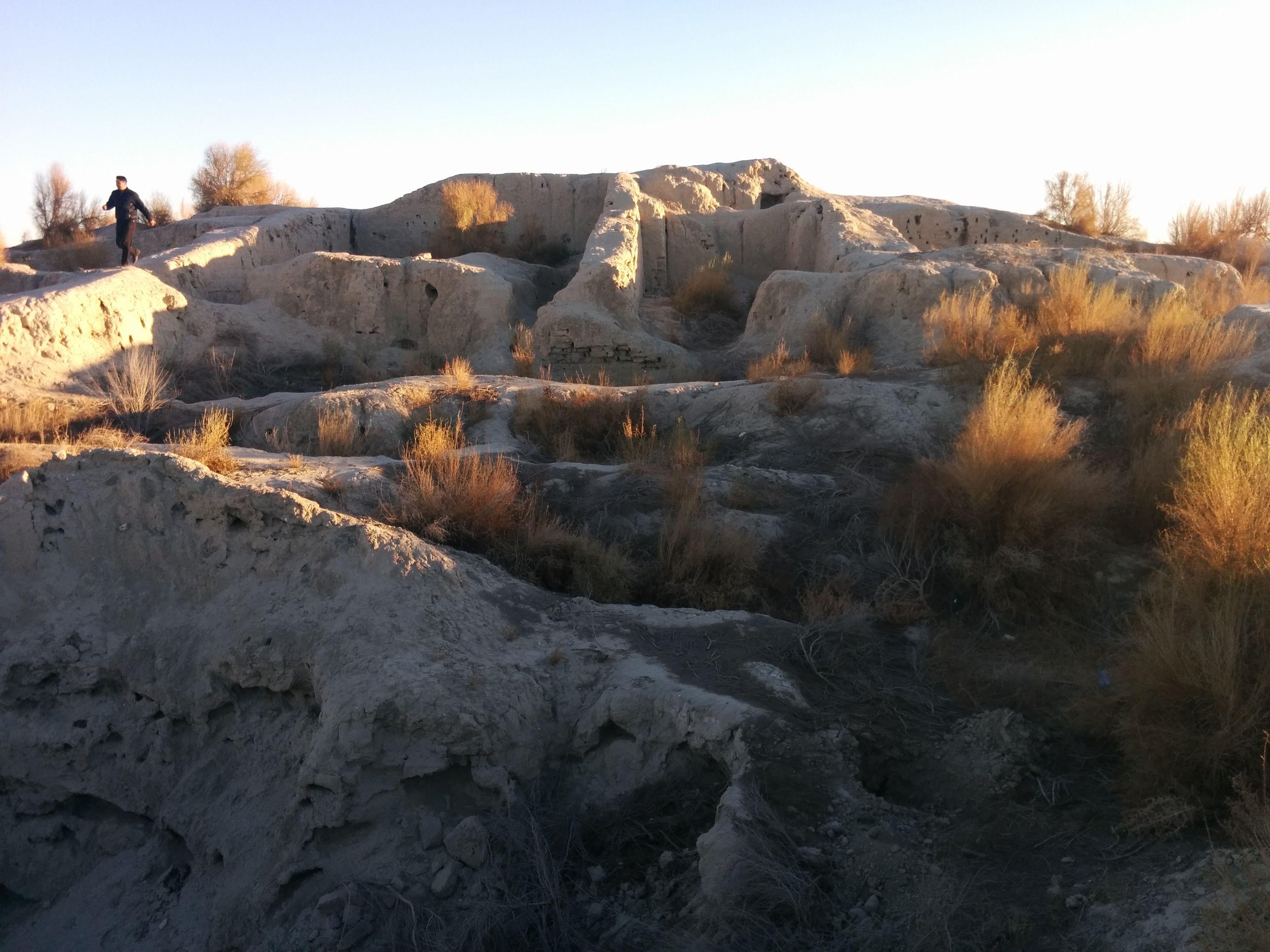
- the ancient towns of Varakhsha and Paykend in the Bukhara oasis
- the shrines of Chashma-Ayub, Chor-Bakr and the Bahauddin Naqshband memorial
- archaeological sites near Samarkand such as Kafir-kala, Suleimantepa and the Jartepa II temple
The corridor is the best argument for hiring a car between Samarkand and Bukhara instead of taking the train both ways.
Two natural sites: Western Tien Shan and the Turan deserts
Western Tien-Shan (2016). A transnational property shared with Kazakhstan and Kyrgyzstan, listed for its biodiversity: wild relatives of apple, walnut, apricot and pistachio, juniper forests, and snow leopard and Menzbier's marmot higher up. The Uzbek part lies in the Chatkal range north-east of Tashkent. The strictly protected reserve is closed to casual visitors, but the neighbouring Ugam-Chatkal National Park, around Chimgan, Charvak and Amirsoy, shows the same landscape and is a two-hour drive from the capital.
Cold Winter Deserts of Turan (2023). Shared with Kazakhstan and Turkmenistan, this property protects deserts that freeze in winter, home to saiga antelope, goitered gazelle and kulan. Uzbekistan's components are the Saigachy reserve and the Southern Ustyurt national park in Karakalpakstan, on the Ustyurt Plateau west of the Aral Sea. Only expedition-style trips by four-wheel drive reach them.
Intangible heritage: 18 living traditions
UNESCO's intangible lists matter more to a traveller than they sound, because each element is something you can hear, eat or watch. Uzbekistan now has 18 elements, nine of them shared with neighbours:
- Music and word: Shashmaqom (2008, with Tajikistan), Katta Ashula (2009), Askiya, the Fergana art of wit (2014), Bakhshi epic singing (2021), the rubab (2024) and the Karakalpak kobyz, listed in 2025 as needing urgent safeguarding.
- Places and festivals: the cultural space of Boysun (2008) and Navruz, inscribed in 2009 and extended since.
- Food: palov culture and tradition (2016) and iftar with its social traditions (2023).
- Dance and stories: Khorezm's Lazgi dance (2019) and the anecdotes of Nasreddin Hodja (2022).
- Crafts: miniature painting (2020), sericulture and silk weaving (2022), illumination or naqqoshlik (2023), ceramic arts (2023), the Kyrgyz, Kazakh and Karakalpak yurt (2025), and, on the register of good practices, the Margilan Crafts Development Centre for atlas and adras weaving (2017).
Where to meet them: Shashmaqom at evening concerts in Bukhara, Lazgi at the Khiva festival held in spring, askiya and silk in the Fergana Valley at the Yodgorlik factory, ceramics in Rishtan and Gijduvan, and Boysun's songs and games at the Boysun Bahori festival each May.
On the tentative list
Uzbekistan's tentative list has grown to about 37 properties. The ones worth knowing because you can already visit them:
- Desert castles of ancient Khorezm, the fortresses of Ayaz-Kala and Toprak-Kala, and the Chilpik dakhma.
- Nuratau Mountains and the Sarmishsay petroglyphs, added in 2024–2025.
- Boysun and the Hisor and Kuhitang ranges in Surkhandarya, with Kuhitang's karst shared with Turkmenistan.
- Silk Roads: Fergana-Syrdarya Corridor, a future transnational nomination.
- Ancient Termez, Varakhsha, Paykend and the historic centre of Kokand, listed in 2008.
- Tashkent's mahallas, added in 2021.
The Kitab geological park near Shakhrisabz is a separate case: it is a candidate for UNESCO Global Geopark status, a different programme.
How to see them: route, time and tickets
A practical sequence for one trip:
- Tashkent, 1–2 days: the modernist components, with a day out to Ugam-Chatkal in the warm months.
- Samarkand, 2–3 days, with a day trip to Shakhrisabz over the Takhtakaracha pass, about 90 km each way.
- Samarkand to Bukhara by car, stopping at Rabat-i Malik and the Karmana monuments.
- Bukhara, 2–3 days, including the Naqshband memorial, Chor-Bakr and Varakhsha.
- Khiva, 2 days, now reachable from Tashkent in about seven and a half hours on the high-speed train introduced in May 2026, with a day for the Khorezm fortresses.
Twelve days covers every property except the two natural ones in the far reaches. Entrance tickets are sold per monument or, in Khiva, as a combined ticket for Itchan Kala; prices rise most years, so we keep them in our separate guide to entrance fees. Spring (April to early June) and autumn (September to October) are the comfortable seasons; summer in Khiva and Bukhara often passes 40°C.

UNESCO Uzbekistan with TourEast
Our longest itinerary, Twelve Gates of the Silk Road, was designed with these listings in mind and passes through Khiva, Bukhara and Samarkand, the Zarafshan corridor and Tashkent, and Shakhrisabz can be added as a day trip from Samarkand. Four Crowns covers Tashkent, Samarkand, Bukhara and Khiva in eight days, with a stop at the Rabat-i Malik caravanserai on the road to Bukhara, and Silk Road in Silk takes Samarkand, Bukhara, Khiva and the Khorezm fortresses at a slower private pace; on request we add a Tashkent day for the modernist buildings. Our guides are specialists in the architecture of each city, and we can add the Ustyurt deserts or Boysun on request.
Frequently asked questions
Photo gallery

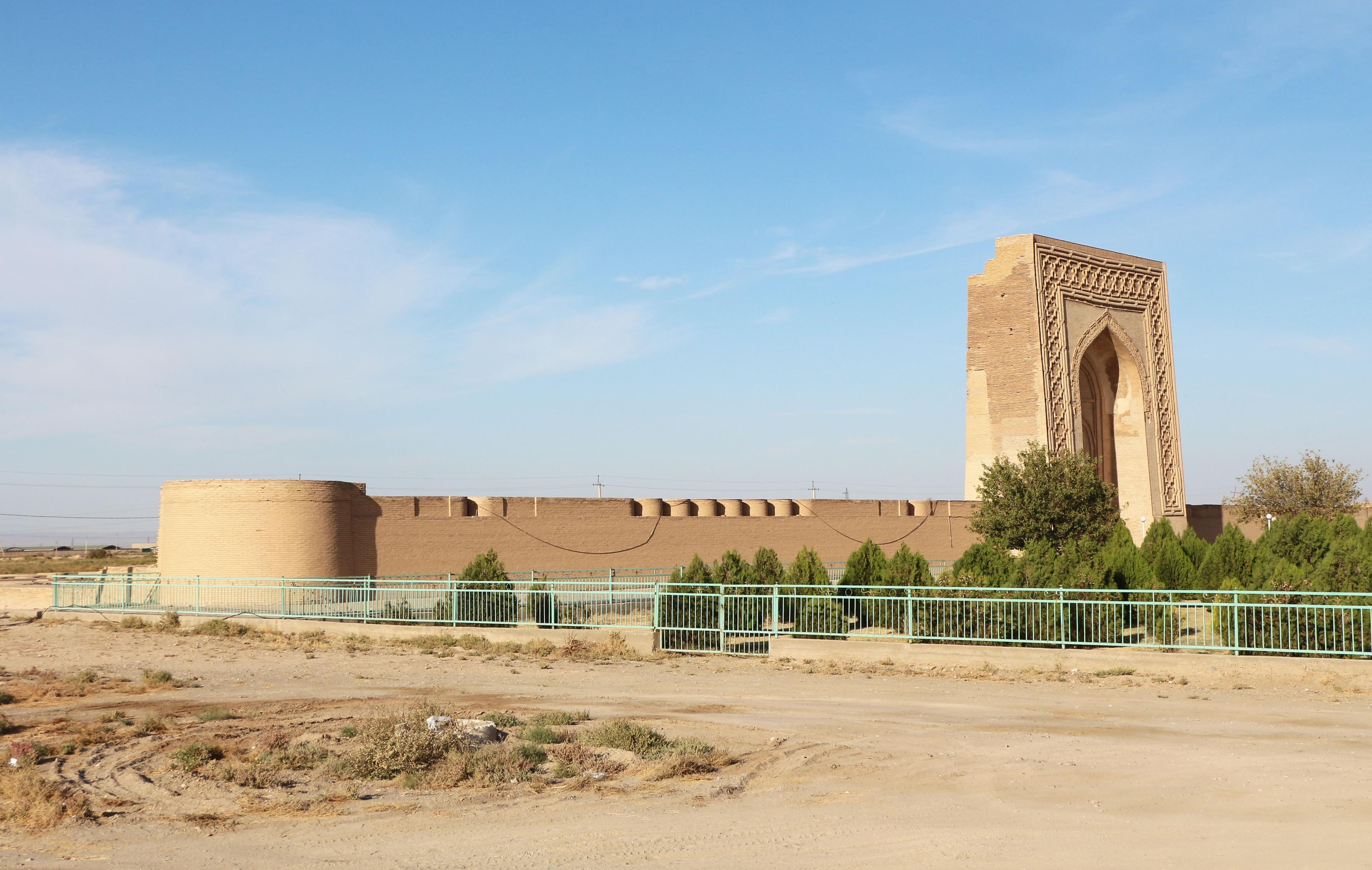
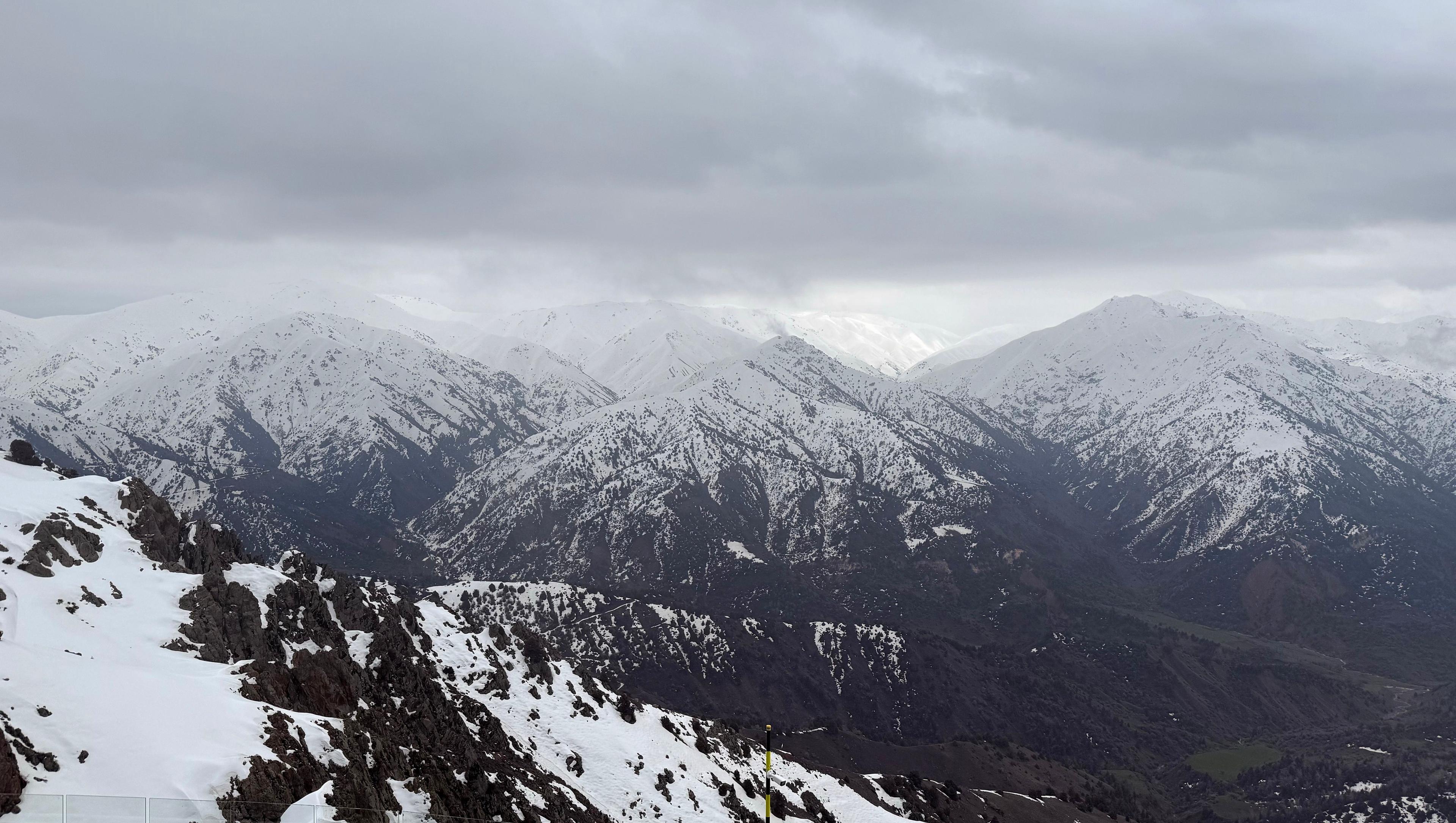
Photo: Bgag / Wikimedia Commons, CC0; Bernard Gagnon / Wikimedia Commons, CC0; Adam Jones from Kelowna, BC, Canada / Wikimedia Commons, CC BY-SA 2.0; Iaa2023 / Wikimedia Commons, CC BY 4.0; Paul Munhoven / Wikimedia Commons, CC BY-SA 3.0; Panpanchik / Wikimedia Commons, CC BY-SA 4.0