
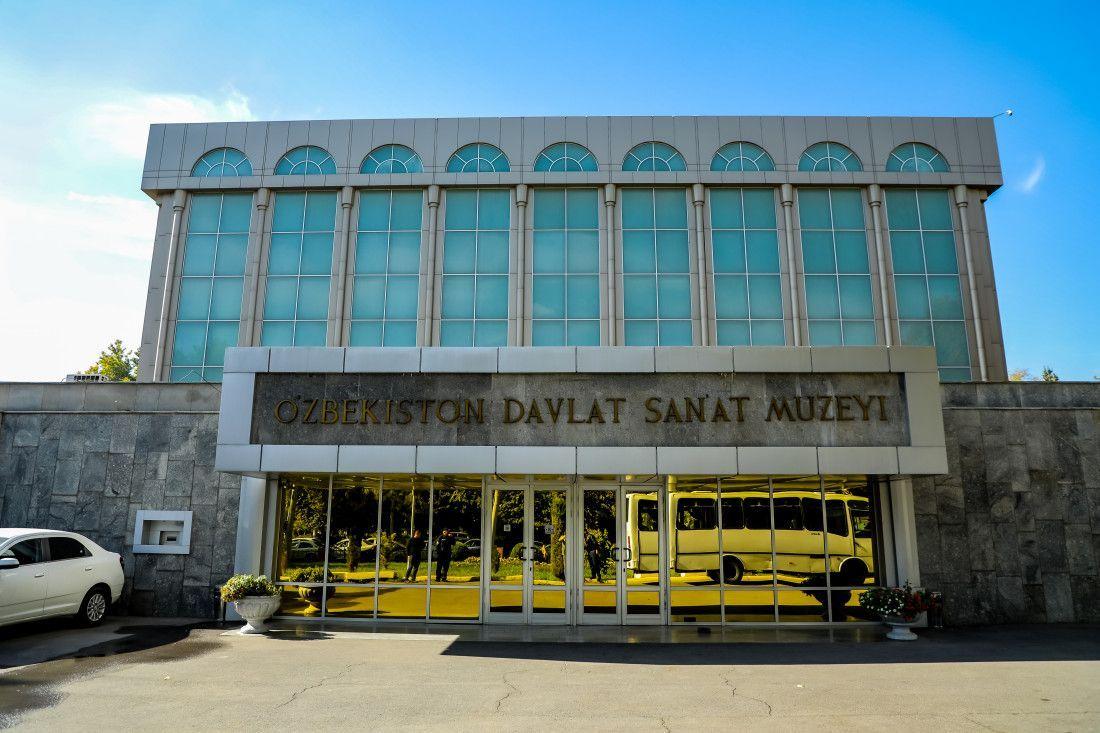
Museum · Founded 1918; present building 1974, renovated 1997
State Museum of Arts of Uzbekistan
Uzbekistan's main art museum grew from the confiscated collection of an exiled Romanov grand duke: Russian and European painting, Turkestan orientalists, Soviet-era Uzbek masters and galleries of carved wood, ceramics and suzani.
About
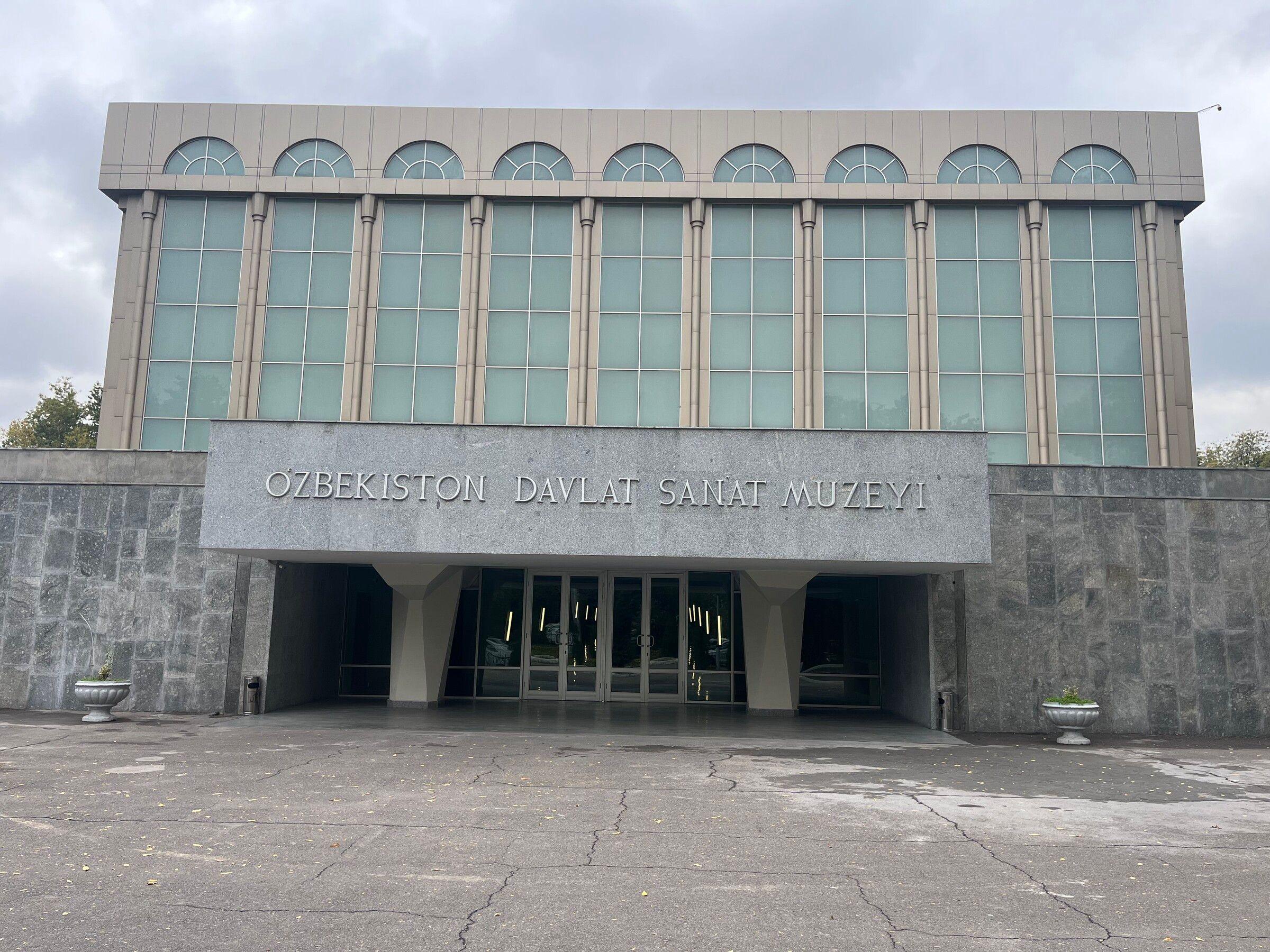
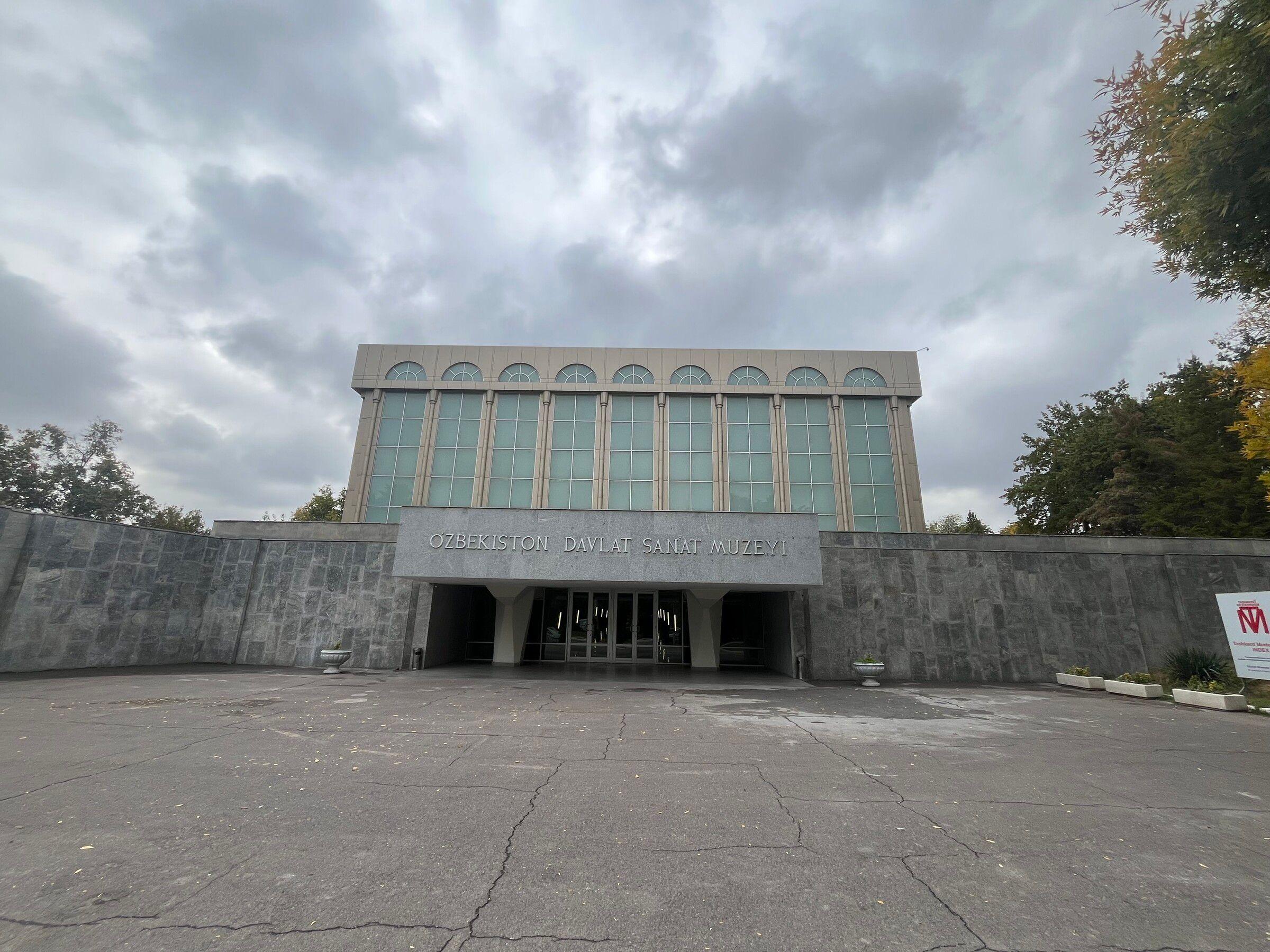
The State Museum of Arts began in 1918 as the museum of the Tashkent People's University, built around roughly a hundred paintings nationalised from Grand Duke Nikolai Konstantinovich Romanov, the tsar's cousin exiled to Tashkent in 1881, whose palace near Amir Timur Square still stands. Renamed several times, it became the State Museum of Arts in 1935 and moved in 1974 into a purpose-built block of glass and aluminium on Amir Temur Avenue, one of the more striking pieces of late-Soviet architecture in the city, renovated in 1997.
The collection
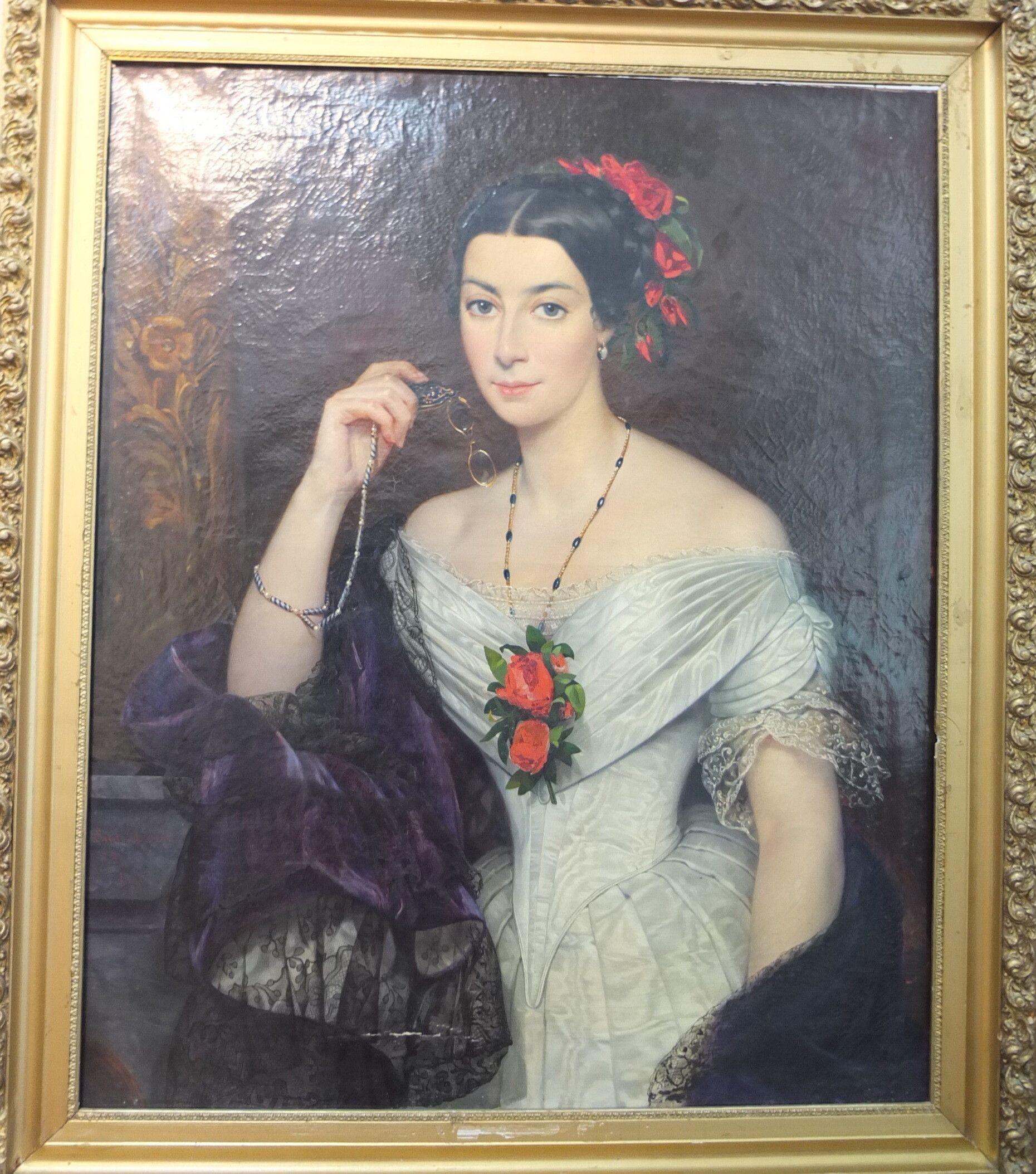
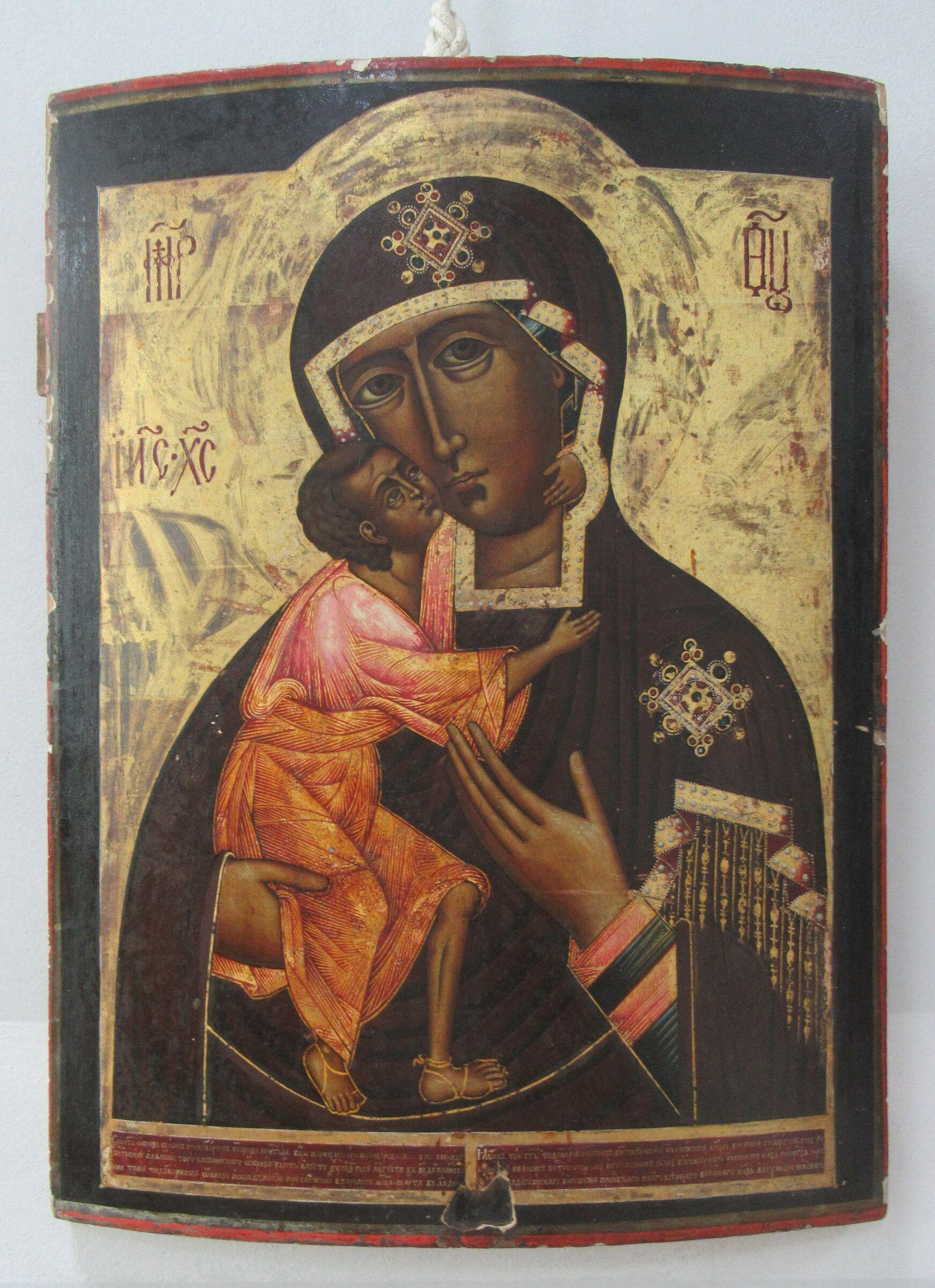
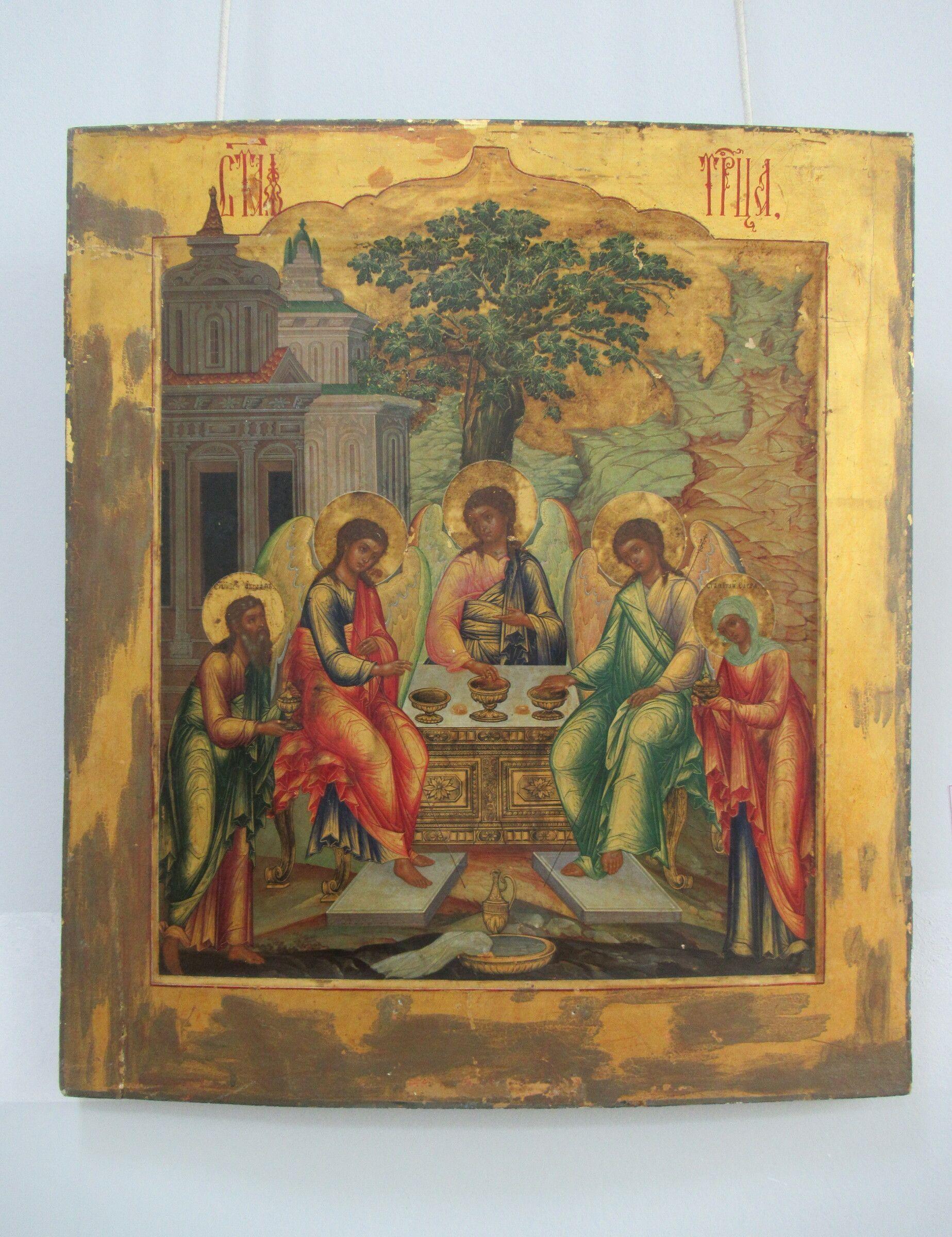
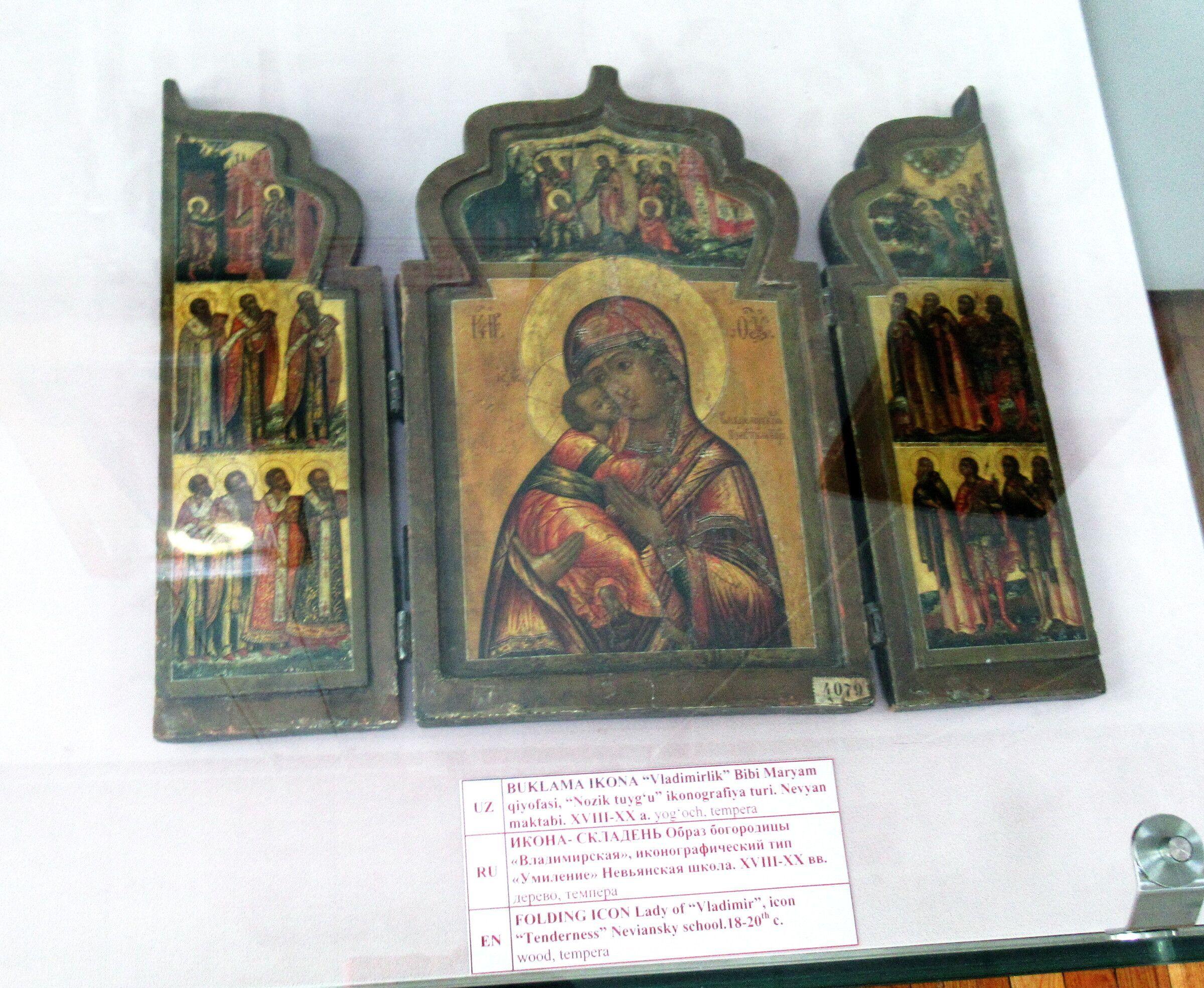
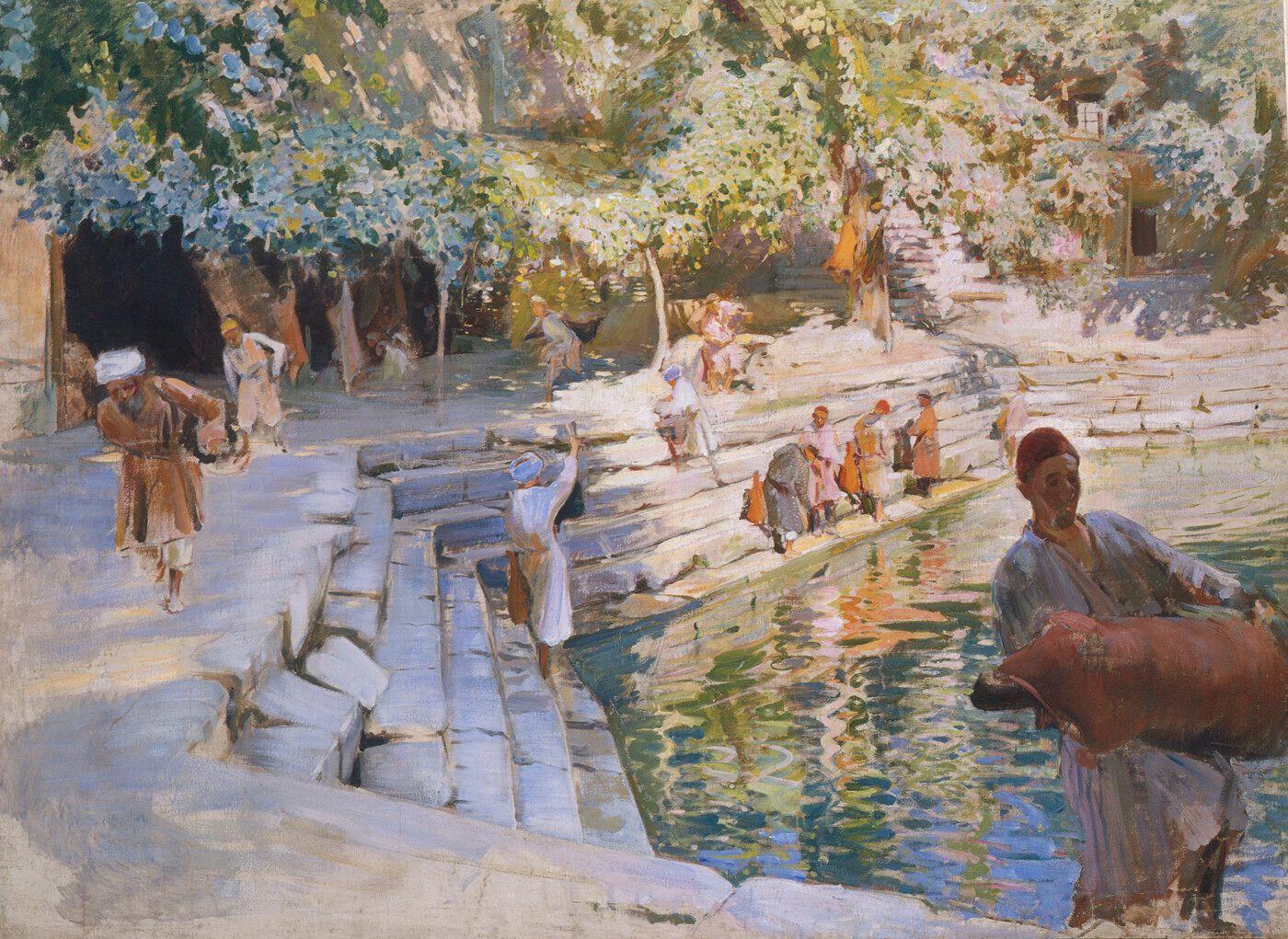
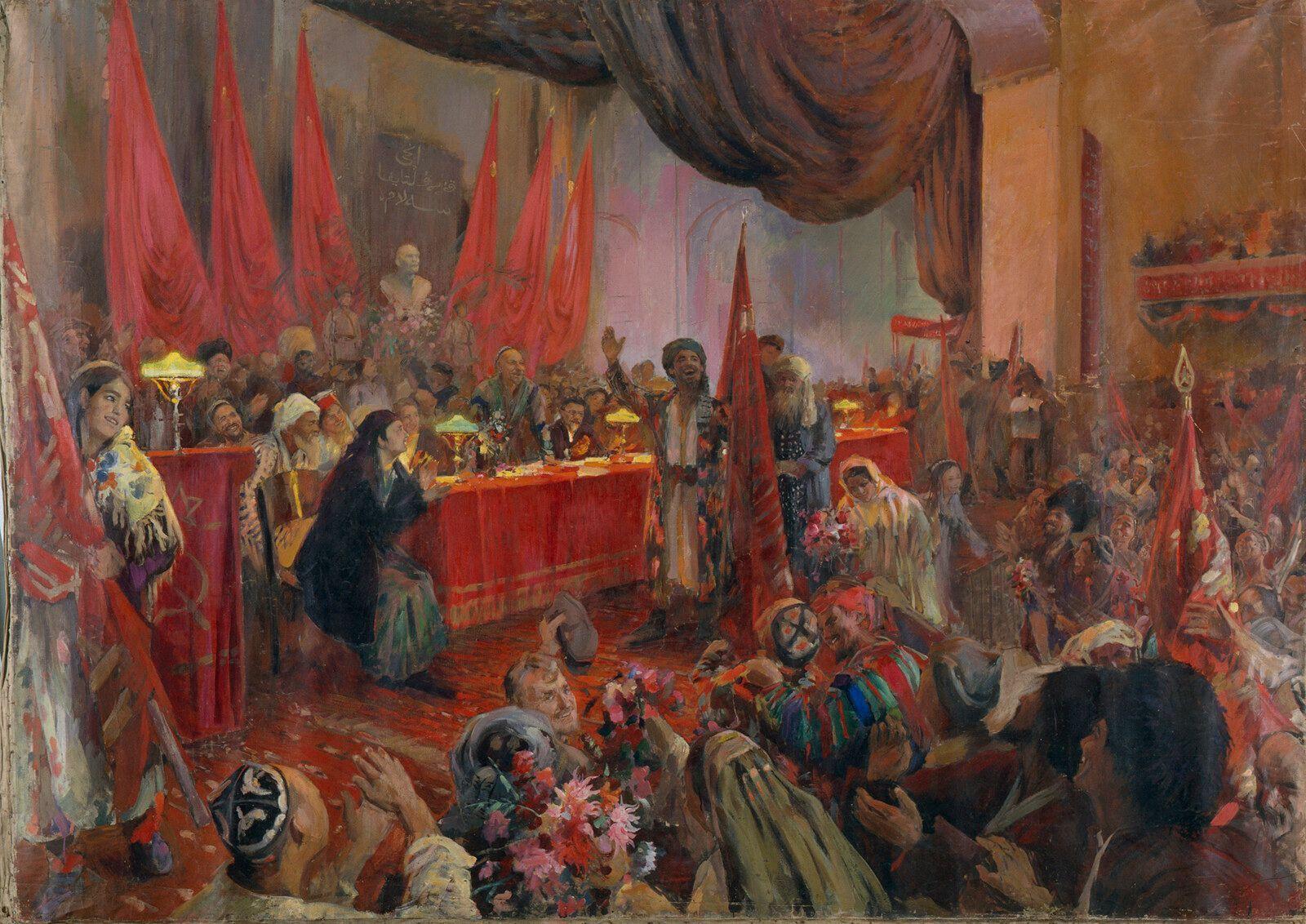
Four departments share the building. The Western European rooms hold Italian, Flemish, Dutch, French and German painting of the 16th to 19th centuries from the Romanov collection, with Andrea Belloli's "Bather" the best-known canvas. The Russian section runs from icons through Repin, Shishkin, Aivazovsky and Vereshchagin to the Turkestan painters, among them Nikolai Karazin's "Falcon Hunt". The Uzbek fine-art rooms follow the 20th century from the first Tashkent studios to the Soviet orientalists and the bold colour of Ural Tansykbayev and Chingiz Akhmarov.
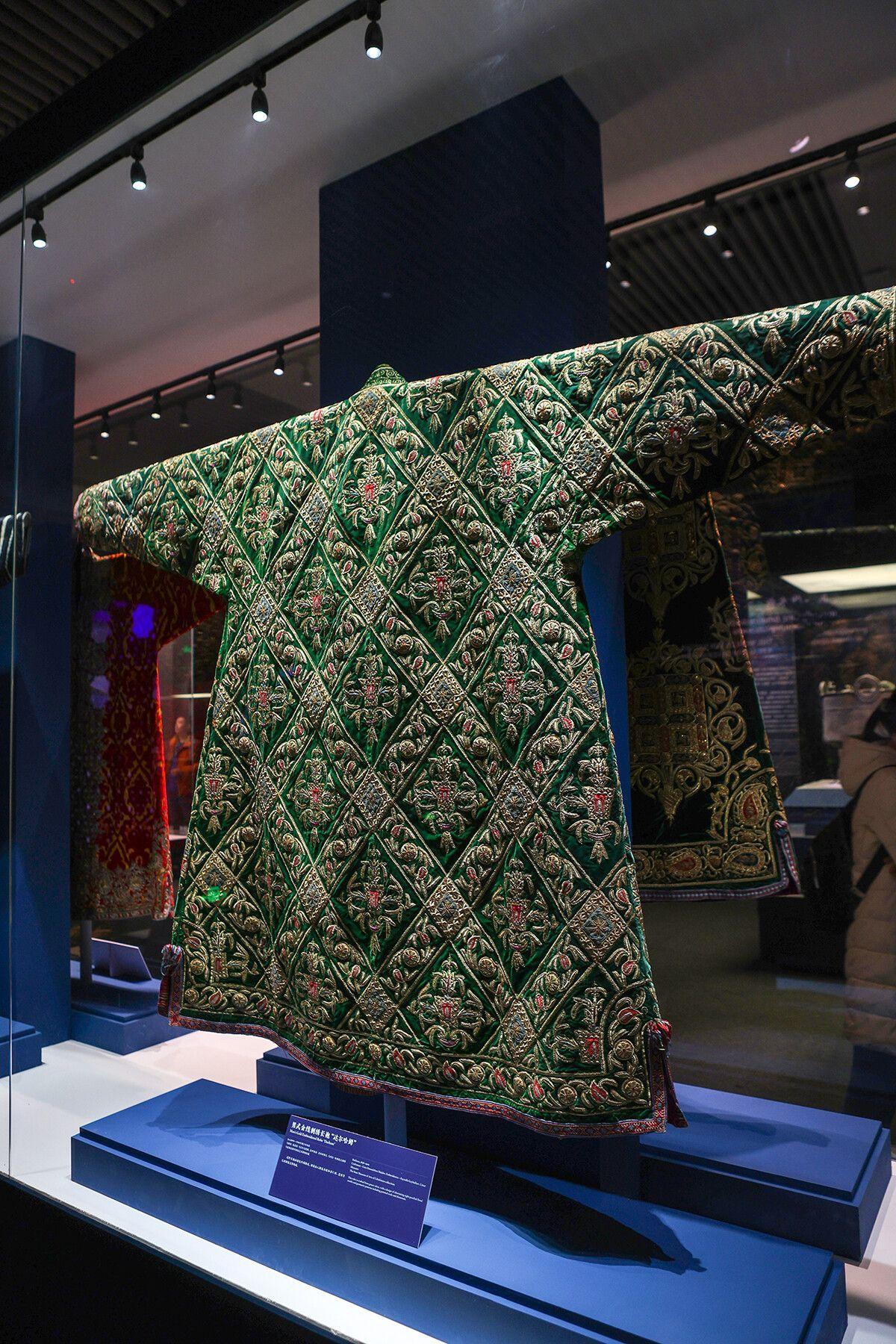
The applied-art department, the part most visitors enjoy most, shows carved doors and columns from Khiva and Bukhara, ganch panels, Rishtan and Gijduvan ceramics, Bukhara gold embroidery, suzani and jewellery.
Why go
It is a calm, uncrowded museum and a useful counterpoint to the Museum of Applied Arts: here you see how the crafts you will meet in Bukhara and Khiva sit beside the painting of the colonial and Soviet periods. The 19th-century Turkestan canvases are worth time on their own as a record of how the region looked before the earthquakes and rebuilding.
Visiting
Allow an hour and a half. Labels are in Uzbek, Russian and English, though the English is patchy; a guide helps with the Uzbek painters. Opening hours have changed several times in recent years and the museum closes periodically for renovation, so confirm before you go. It stands a short walk from the Alisher Navoi Theatre and the Mustaqillik Maydoni metro.
What to see
- Romanov collection of European painting, including Belloli's 'Bather'
- Turkestan orientalists: Karazin's 'Falcon Hunt' and Vereshchagin
- 20th-century Uzbek painting from Tansykbayev to Akhmarov
- Carved doors, columns and ganch from Khiva and Bukhara
- Ceramics, gold embroidery and suzani galleries
- The 1974 glass-and-aluminium building itself
Gallery
Tours that visit State Museum of Arts of Uzbekistan
 New
Six Days, Seven Plovs
From
$995
 Premium
Twelve Gates of the Silk Road
From
$1,750
 Best Seller
Four Crowns: Tashkent, Samarkand, Bukhara, Khiva
From
$1,270
More sights in Tashkent
All of Tashkent


See State Museum of Arts of Uzbekistan with a local guide
We build private and small-group trips around the places you want to see — with guides who grew up here.