
Sight · Varakhsha 1st century BCE – 11th century; Paykend 4th century BCE – 11th century
Varakhsha and Paykend: Sogdian cities of the Bukhara oasis
Two mud-brick cities on the desert edge of the Bukhara oasis: Varakhsha, palace of the Sogdian kings with its famous wall paintings, and Paykend, the merchants' republic sacked by the Arabs in 706 and later swallowed by sand.
About
Bukhara was not always the capital of its oasis. Before Islam, and for centuries after, the Zarafshan delta held a ring of walled Sogdian towns, and two of them survive as great earthen ruins within an hour of the city. Both were inscribed in 2023 as part of the UNESCO Silk Roads: Zarafshan-Karakum Corridor.
Varakhsha, the palace of the Bukhar-khudats
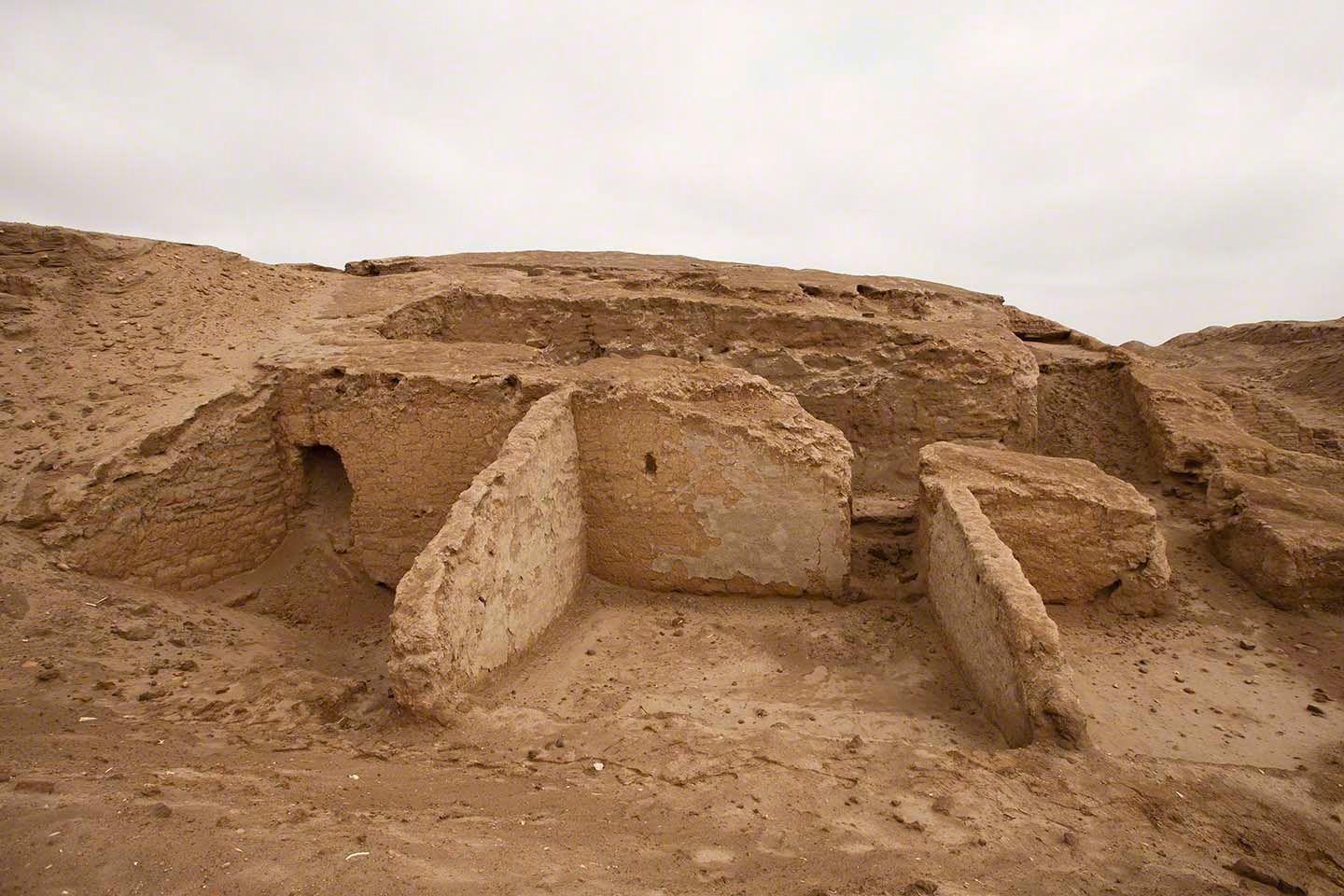
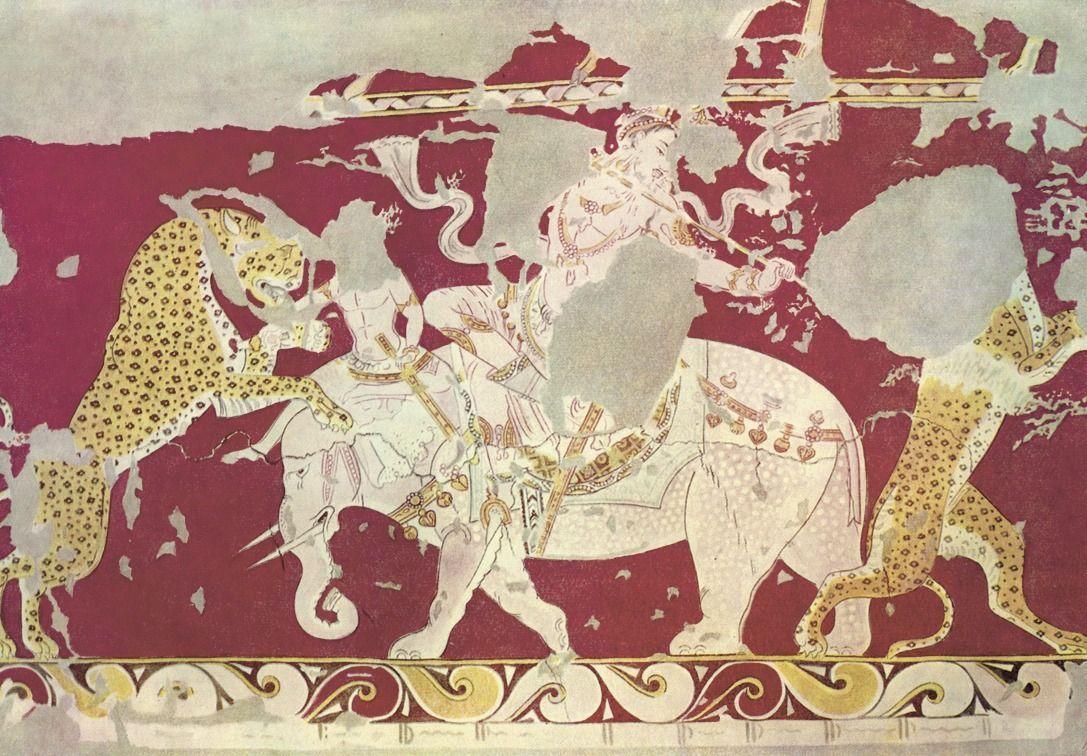
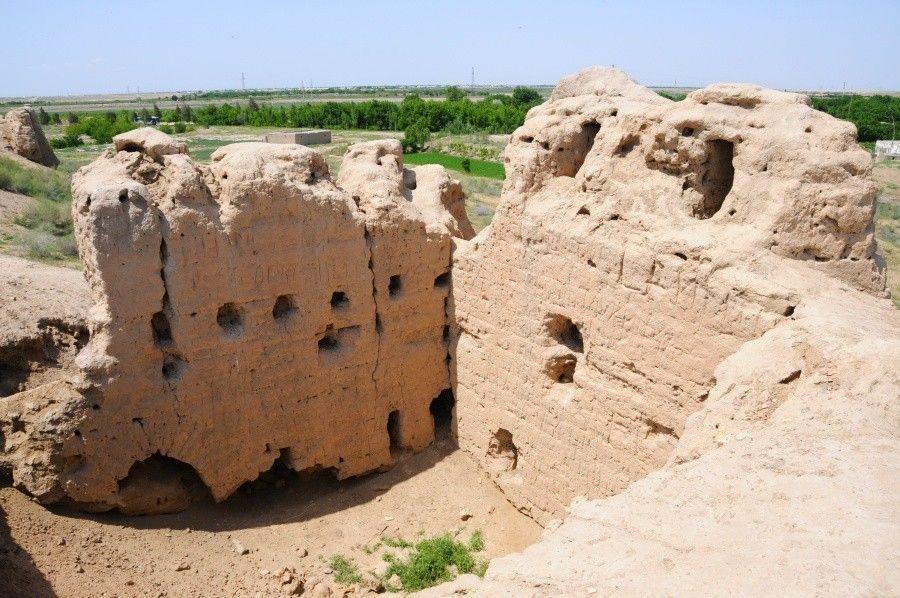
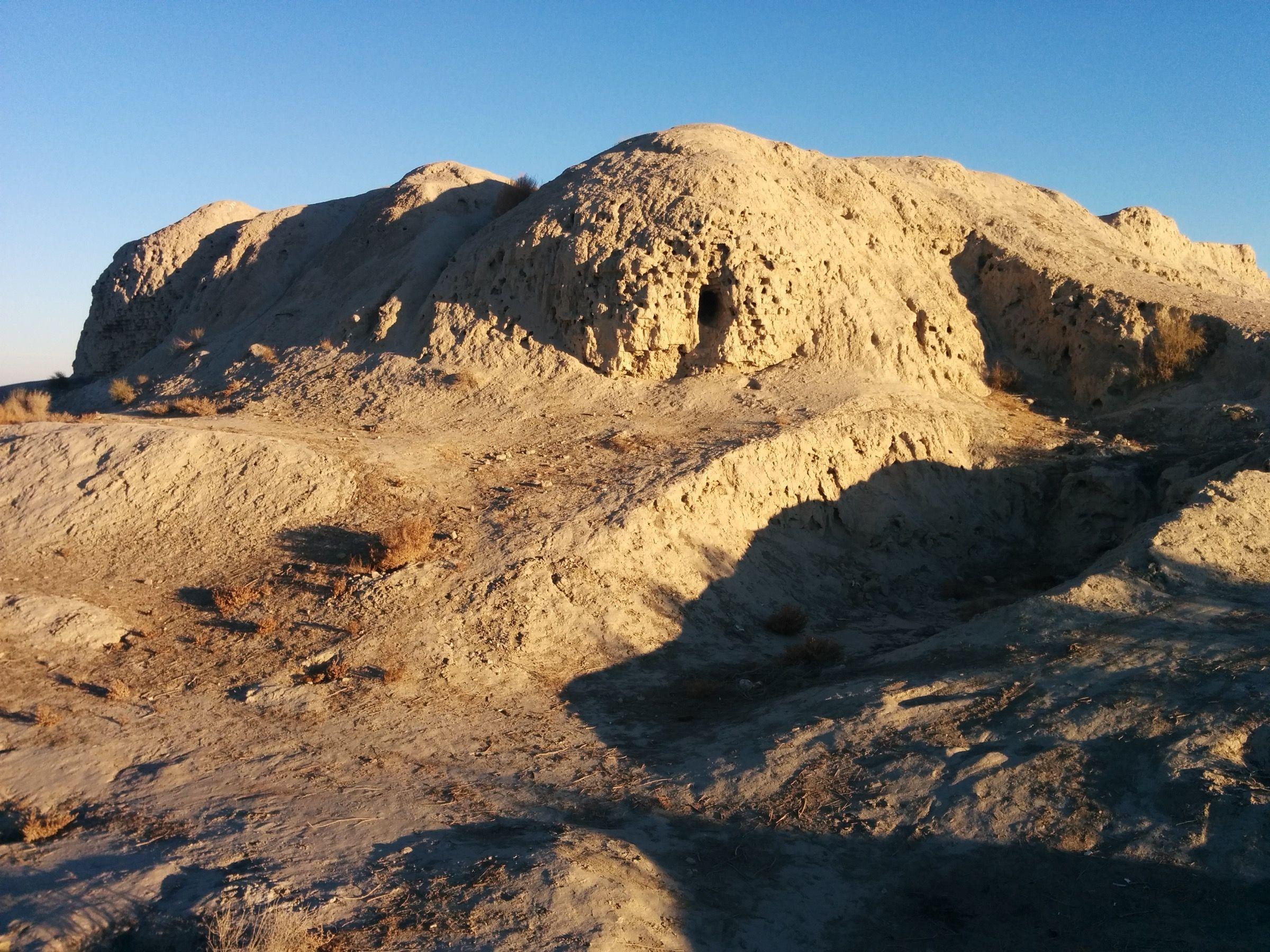
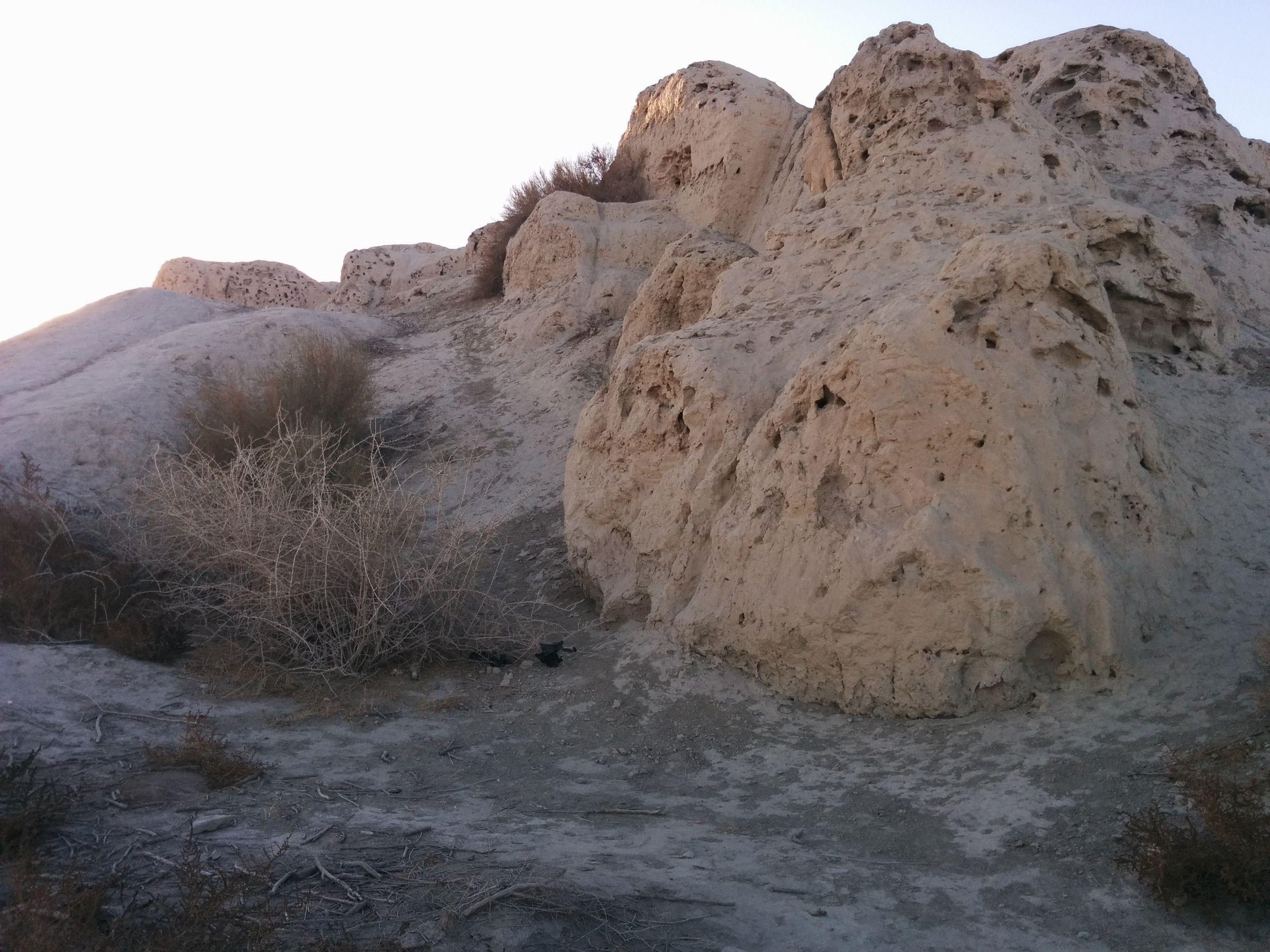
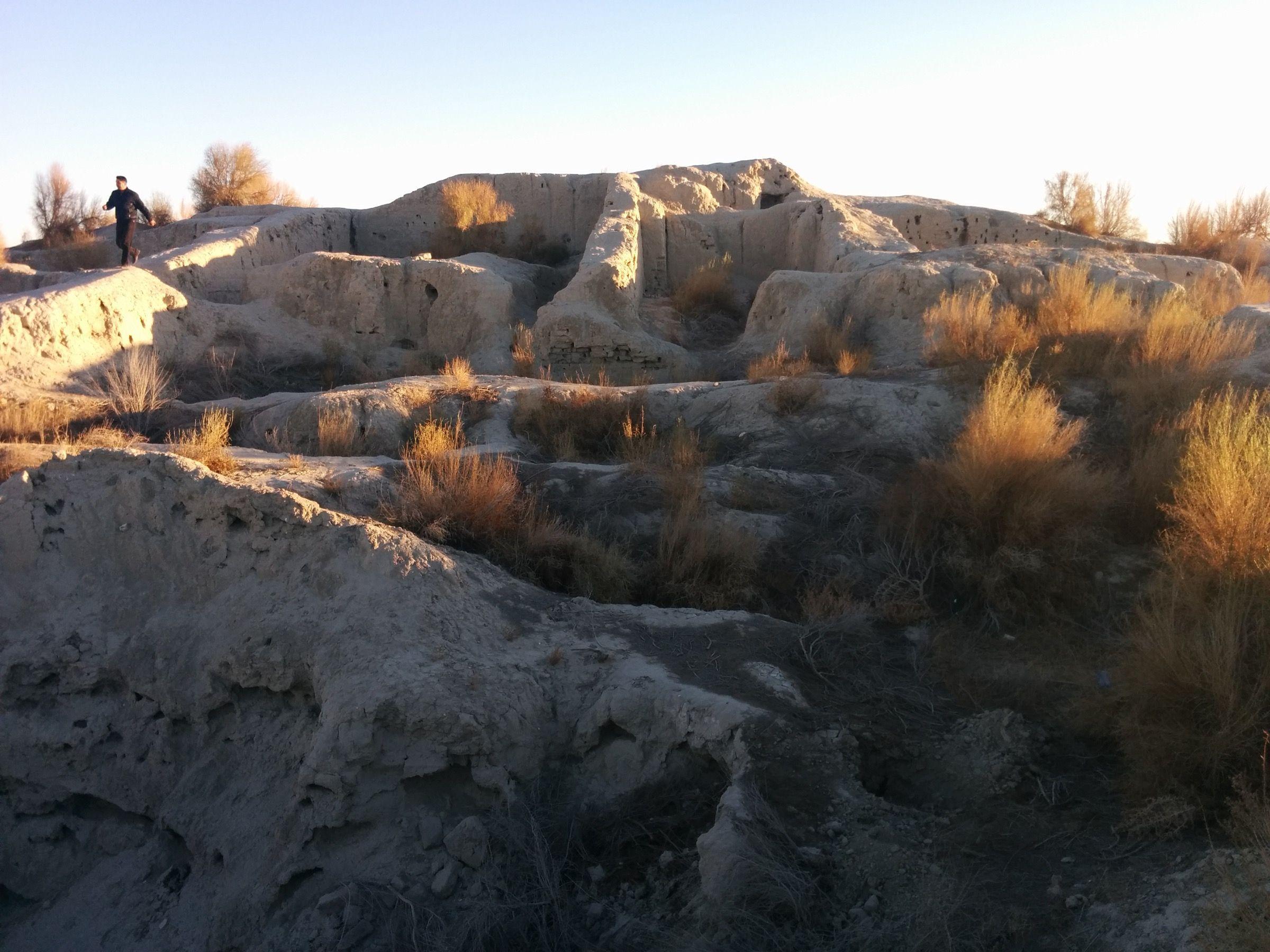
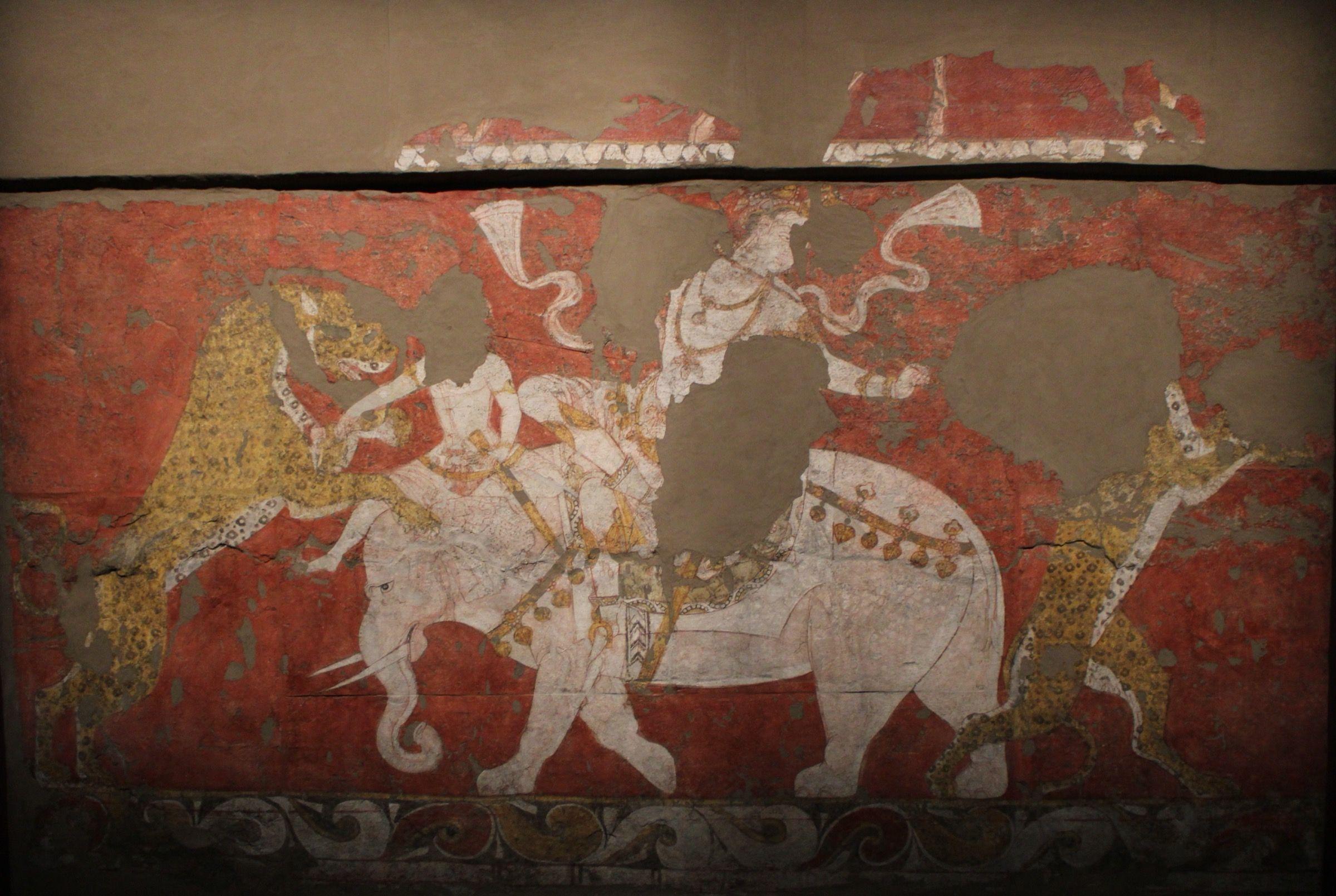
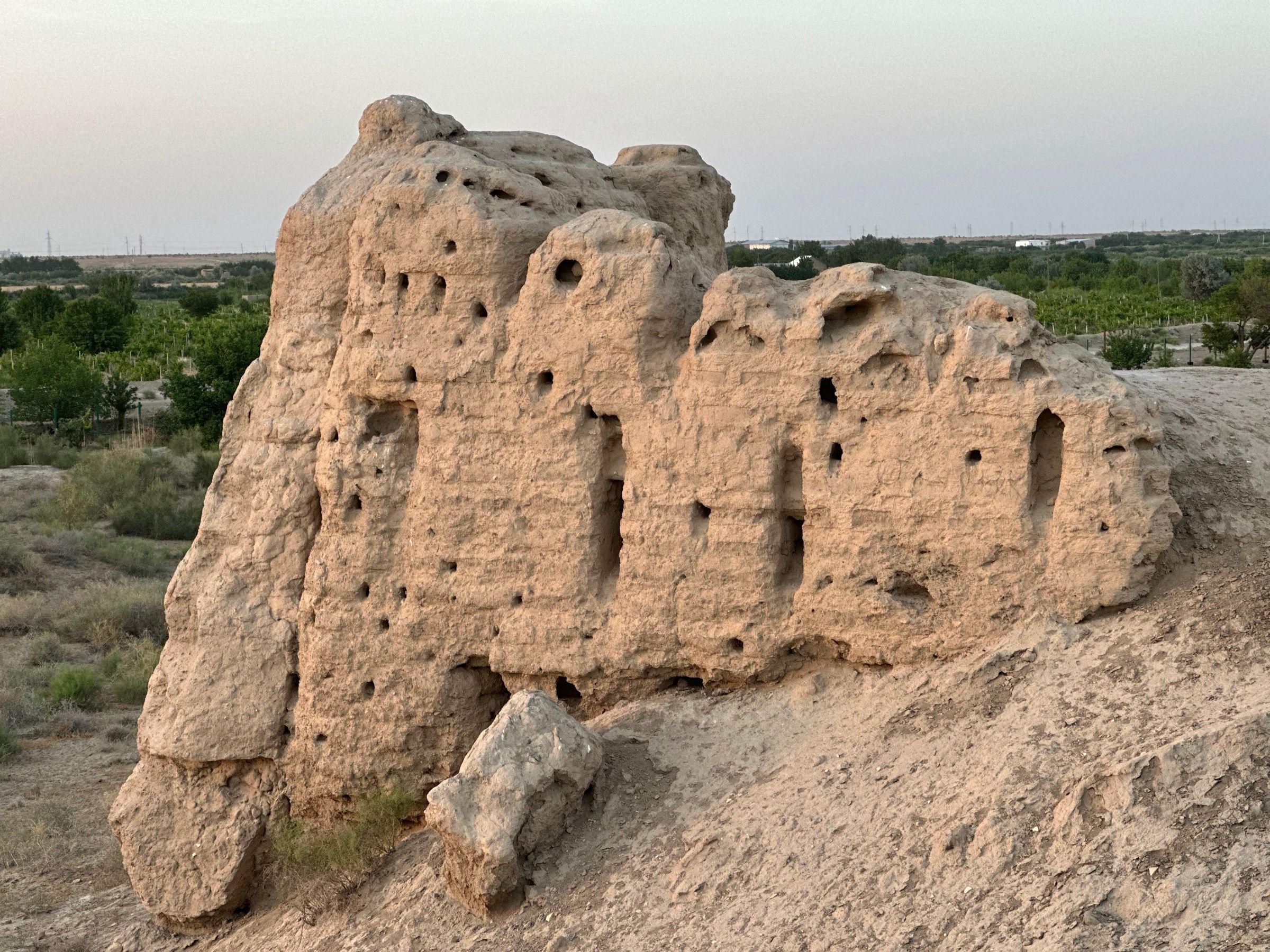
Thirty-nine kilometres north-west of Bukhara, in the Jondor district, a flat-topped mound rises above the fields where the irrigated land gives way to the Kyzylkum. Founded around the 1st century BCE, Varakhsha became the residence of the Bukhar-khudats, the Sogdian lords of Bukhara, and remained their stronghold through the Arab conquest. Excavations led by Vasily Shishkin in 1937–39 and again in 1947–54 uncovered a palace of the 7th–8th centuries whose walls were covered with paintings: in the Red Hall, a king and his retinue on elephants fighting leopards and winged beasts; in the Eastern Hall, scenes of audience and offerings; elsewhere carved stucco with birds, fish and vines. The paintings, among the most important works of Sogdian art, were lifted and are now displayed in the State Museum of Arts in Tashkent and in the Hermitage in St Petersburg. On site remain the citadel, the eroded walls of the palace and the outline of the town, with a wide view over the oasis. Recent Uzbek-American fieldwork has added metal finds and a clearer plan of the settlement.
Paykend, the city of merchants
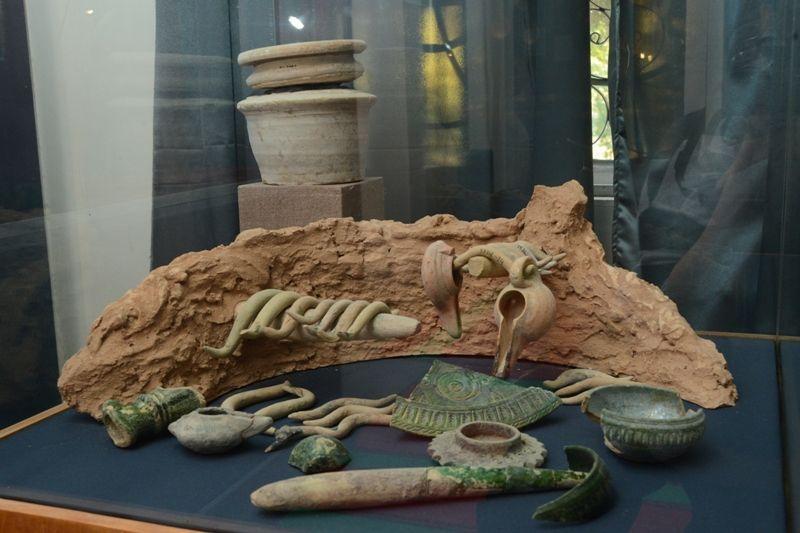
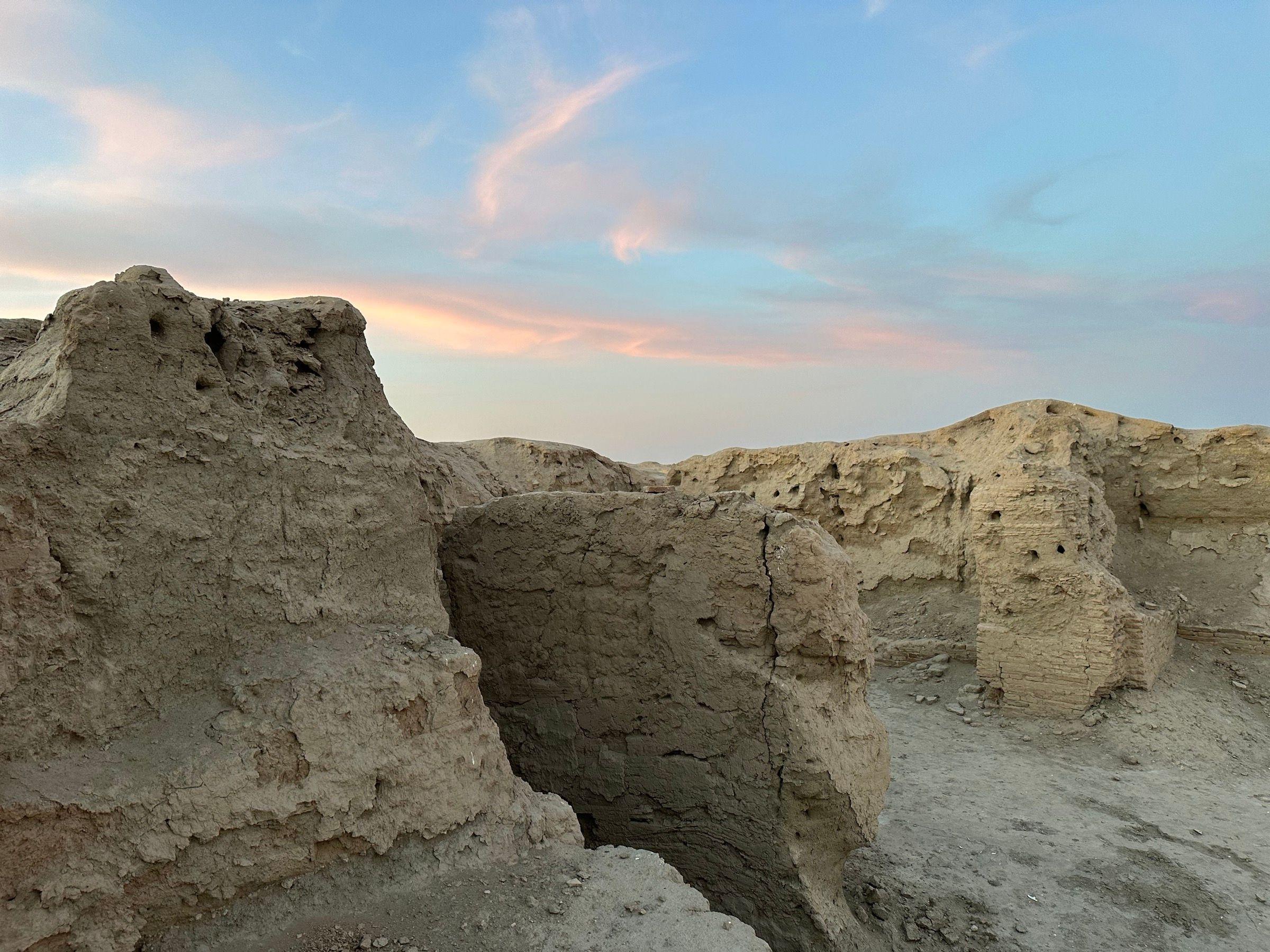
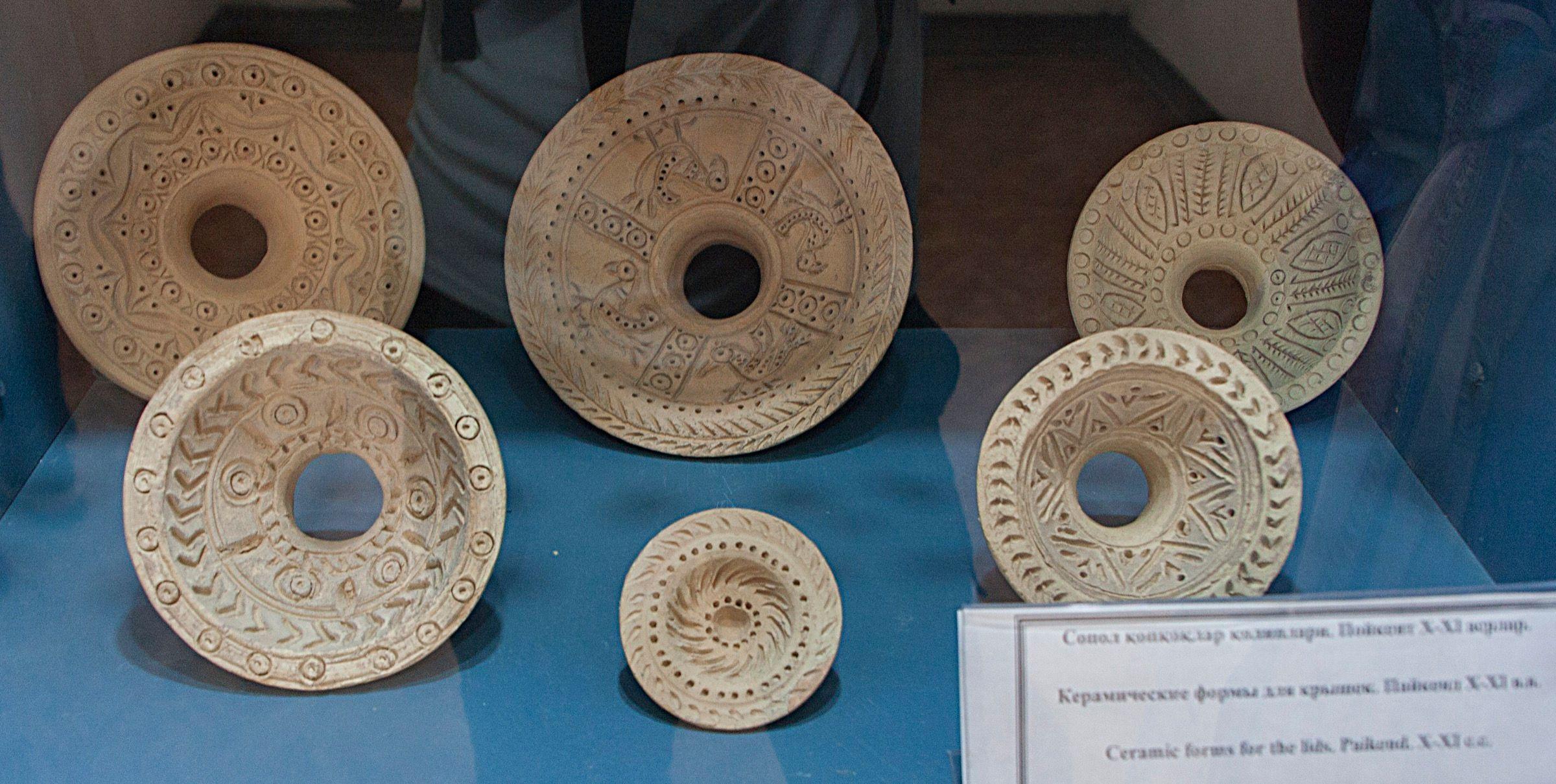
Fifty-five kilometres south-west of Bukhara, near Karakul and the old road to Merv, Paykend began as a village in the 4th century BCE and grew into a fortified trading city of the Sogdian era. Chinese chronicles describe it as a town without a ruler, governed by its merchants; its caravans reached China and Iran, and its wealth made it the first target of the Arab commander Qutayba ibn Muslim, who besieged and sacked it in 706. The city revived under the Samanids, with a congregational mosque, caravanserais and pottery quarters, but in the 11th century the lower Zarafshan no longer reached it and Paykend was abandoned to the sand. That is its fortune today: the citadel, the double town walls, streets and houses survive to an unusual height, and a small museum at the site shows the ceramics, blue glass and coins from the excavations of the Institute of Archaeology and the Hermitage.
How to experience it
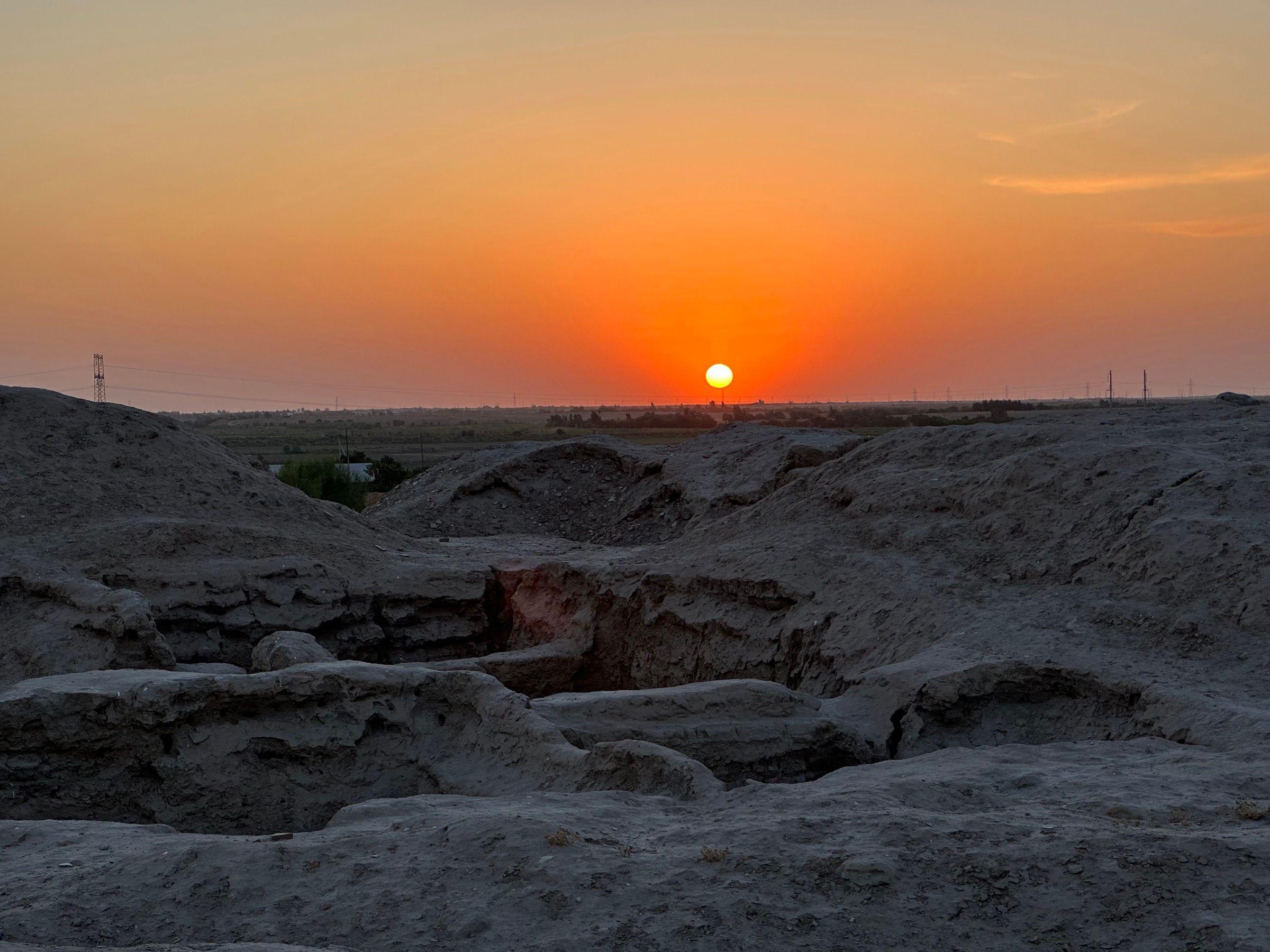
These are open archaeological sites with little shade and almost no signage; go with a guide who can read the ground. Varakhsha fits into a half day, ideally in the late afternoon when the light rakes across the mud brick, and combines with the Jondor craft centre or the desert resort at Romitan. Paykend is a half day in the other direction and can be joined to the Jeyran Ecocentre. Wear closed shoes, carry water, and avoid midday from June to August.
What to see
- The citadel mound of Varakhsha above the oasis edge
- Remains of the Bukhar-khudat palace where the Red Hall paintings were found
- Views from Varakhsha over fields and desert
- The high-standing walls and citadel of Paykend
- The site museum at Paykend with Sogdian and Samanid ceramics and glass
- The story of the 706 siege by Qutayba ibn Muslim
Gallery
Tours that visit Varakhsha and Paykend: Sogdian cities of the Bukhara oasis
 New
Six Days, Seven Plovs
From
$995
 Premium
Twelve Gates of the Silk Road
From
$1,750
 Best Seller
Four Crowns: Tashkent, Samarkand, Bukhara, Khiva
From
$1,270
More sights in Bukhara
All of Bukhara

See Varakhsha and Paykend: Sogdian cities of the Bukhara oasis with a local guide
We build private and small-group trips around the places you want to see — with guides who grew up here.