Seven Sufi masters passed a teaching from hand to hand across two centuries in the villages around Bukhara, and their graves form the city's classic pilgrimage. Who each master was, what he taught, what pilgrims do at each shrine, and how the day runs from Gijduvan to Bahauddin Naqshband.
Facts, prices and schedules checked on November 11, 2026
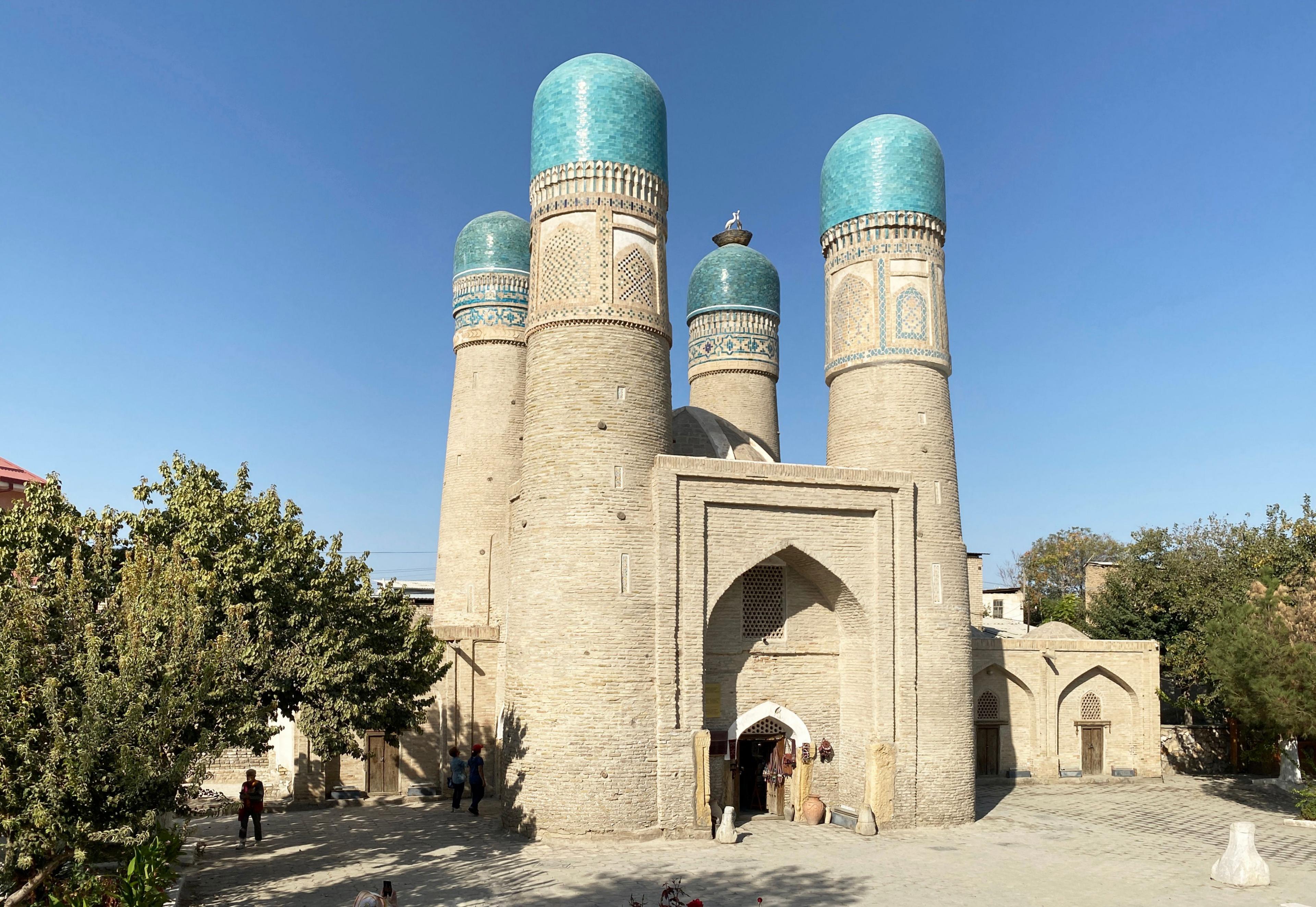
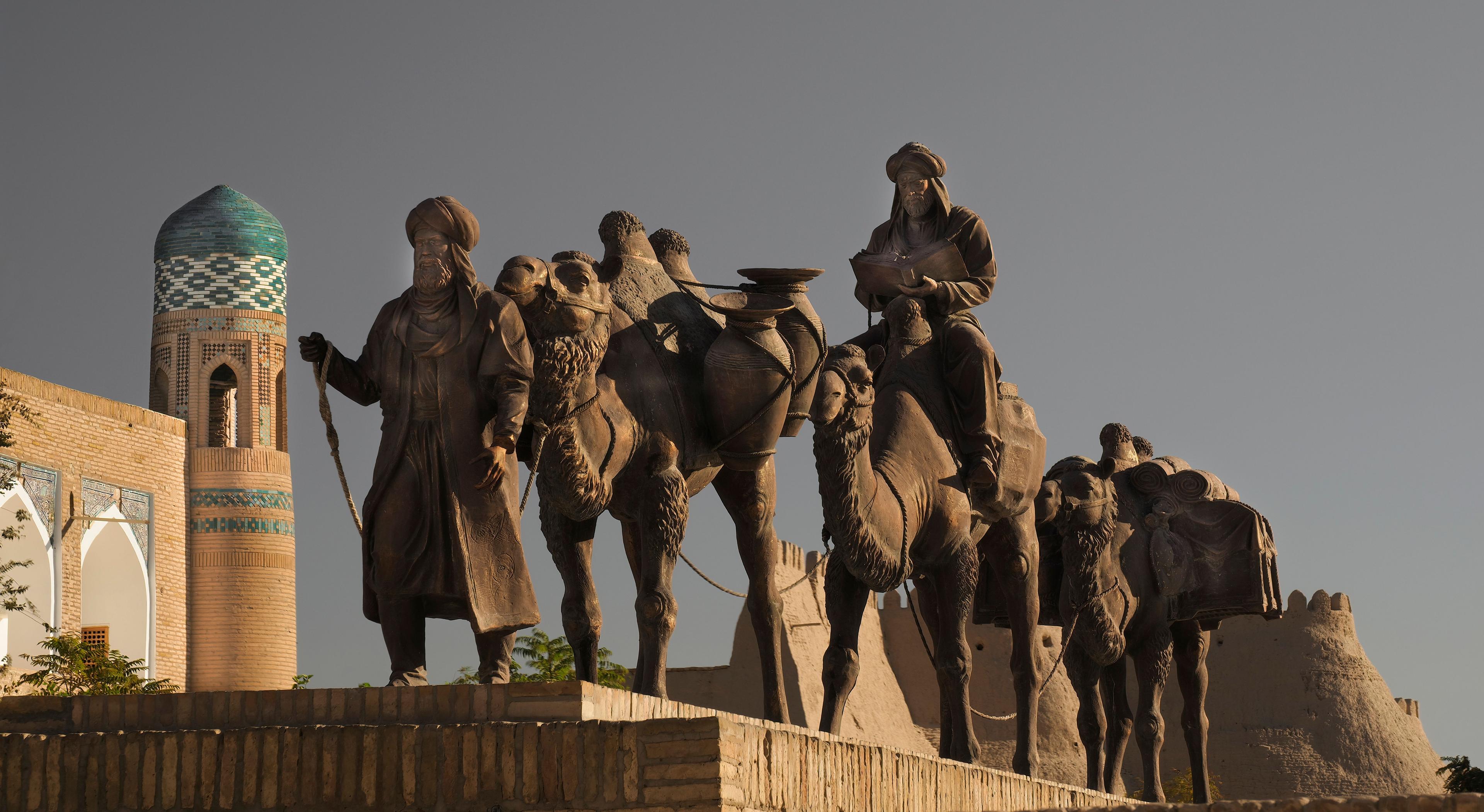
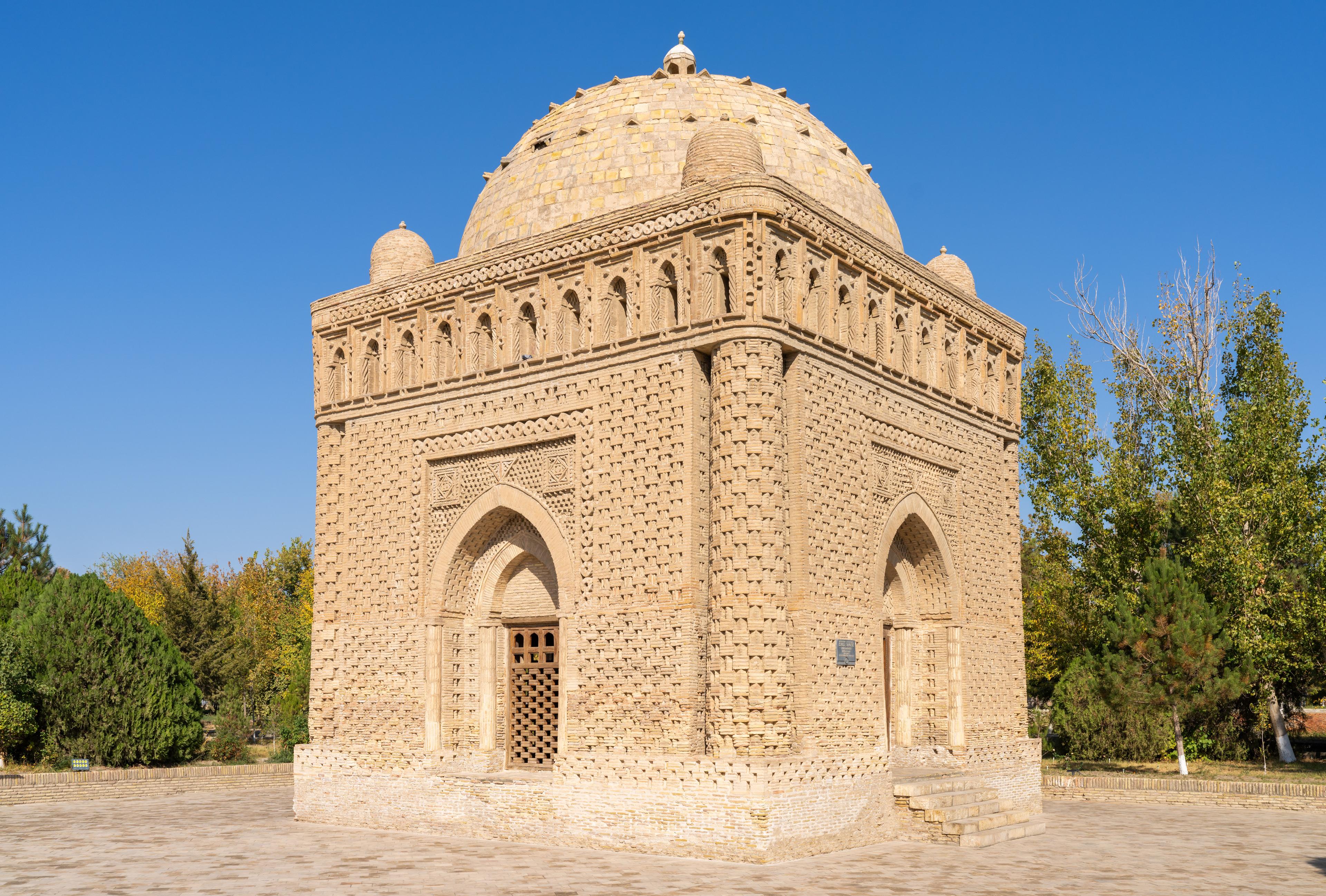
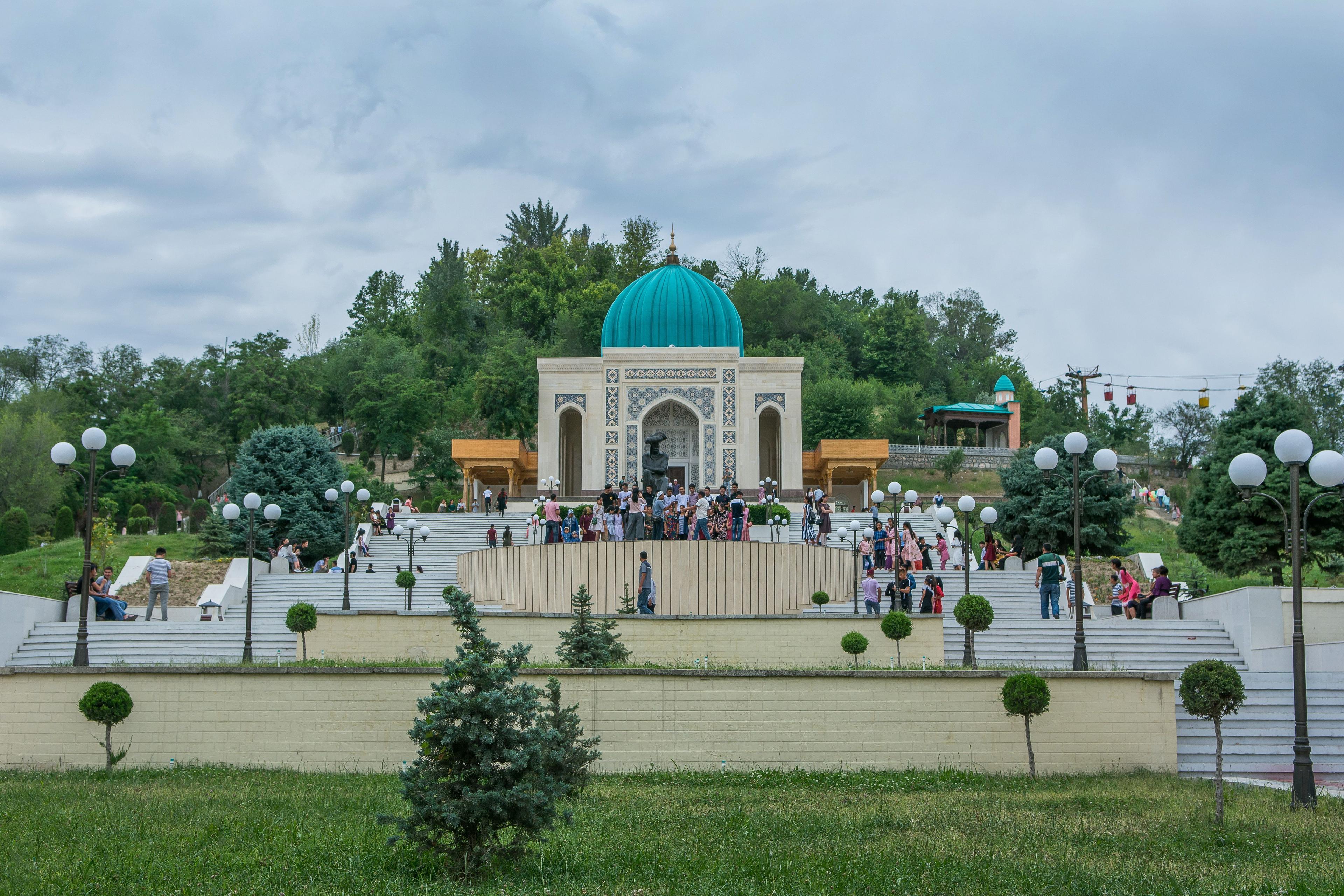
Ask in Bukhara for the Seven Pirs and you will be pointed not at the city but at the villages: Gijduvan, Revgar, Anjirbog, Romitan, Samas, Sukhar and Kasri Arifon, a ring of farming settlements between 15 and 45 km from the Kalyan minaret. In each lies the grave of a master of the Khwajagan, the line of Sufi teachers who passed a method of remembrance from one to the next across two centuries, until it reached Bahauddin Naqshband (1318–1389) and took his name. Naqshbandi communities from Istanbul to Jakarta trace their chain through these seven graves, which is why you will meet Turkish, Malaysian and Indonesian pilgrims on the route as often as Uzbeks.
Our earlier article on the Seven Pirs covers the logistics: route length, one day or two, dress and prayer times. This one is about the masters themselves, what each one taught, what pilgrims actually do at each stop, and what the shrines look like now that most have been rebuilt. Read them together and you will arrive knowing whose grave you are standing at. Dates for the early masters vary and are given as the most widely accepted.
The chain, and the eleven principles
The Khwajagan, "the Masters", begin with Yusuf Hamadani, a Persian sheikh who taught in Bukhara in the early 12th century, and his pupil Abdul Khaliq Gijduvani, the first of the seven. Gijduvani is credited with eight short Persian phrases, the "sacred words", that still define the Naqshbandi method: hush dar dam, awareness in every breath; nazar bar qadam, watching one's step; safar dar watan, the journey within one's homeland, from one's faults to one's virtues; khalwat dar anjuman, solitude in the crowd; yad kard, remembrance; baz gasht, returning to God after each distraction; nigah dasht, guarding the heart against stray thoughts; and yad dasht, the settled awareness of God's presence. Naqshband added three more: wuquf-i zamani, taking stock of how one's time was spent; wuquf-i adadi, counting the dhikr in odd numbers; and wuquf-i qalbi, holding the heart's attention on God.
The practice that follows from these is the silent dhikr, remembrance without sound, which Gijduvani is said to have received and Naqshband revived. It is the reason Naqshbandi shrines are quiet places: no drumming, no chanting, only people sitting with their hands open or walking slowly around a grave. If you understand that, you understand how to behave on the route.
1. Abdul Khaliq Gijduvani at Gijduvan: where the method begins
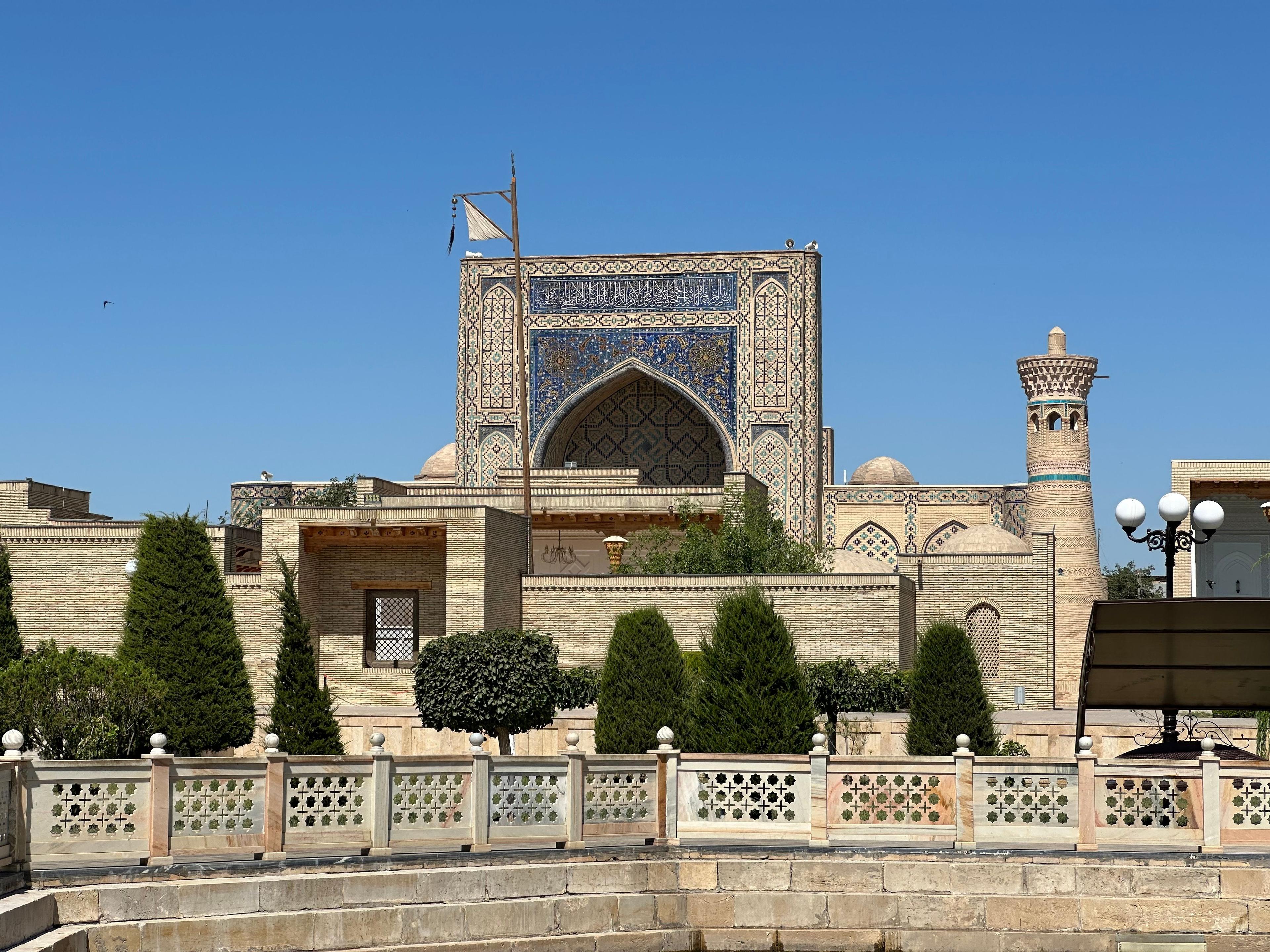
Gijduvan is 45 km north-east of Bukhara on the Samarkand road, about 45 minutes by car, and the natural first stop. Gijduvani was born here in 1103 to a jurist whose family had come from Malatya in Anatolia; he turned to the Sufi path while studying Quranic commentary in Bukhara and was trained by Yusuf Hamadani. He died in 1179 (or perhaps later in the century) and was buried in his home town.
His grave lies beside a small madrasah that Ulugbek, the astronomer-prince, built in 1433, one of only three he endowed; the tilework on its portal is original and worth the walk round. In 2003 the site was rebuilt as a complex with a mosque, a minaret and gardens. Pilgrims read the Fatiha at the grave and sit in the courtyard; many then walk the 300 metres to the pottery workshops, because Gijduvan is the ceramics capital of the oasis and the potters' families have been here as long as the shrine. Allow an hour, or an hour and a half with the workshops.
2. Arif Revgari in the Shafirkan district
Gijduvani's successor, Khoja Arif, was born in the village of Revgar and is buried there, in what is now the Shafirkan district north of Vobkent, about 20 minutes from Gijduvan across the cotton fields. Sources place his death in the mid-13th century, which means he led the brotherhood through the years of the Mongol conquest, when Bukhara itself was burned. Almost nothing of his teaching survives in his own words; what pilgrims honour is continuity, the fact that the chain held through catastrophe.
The shrine, a mausoleum with a mosque and a hauz pond, was rebuilt after independence and is the quietest of the seven. Thirty minutes is enough.
3. Mahmud Anjir Fagnavi at Anjirbog: the carpenter
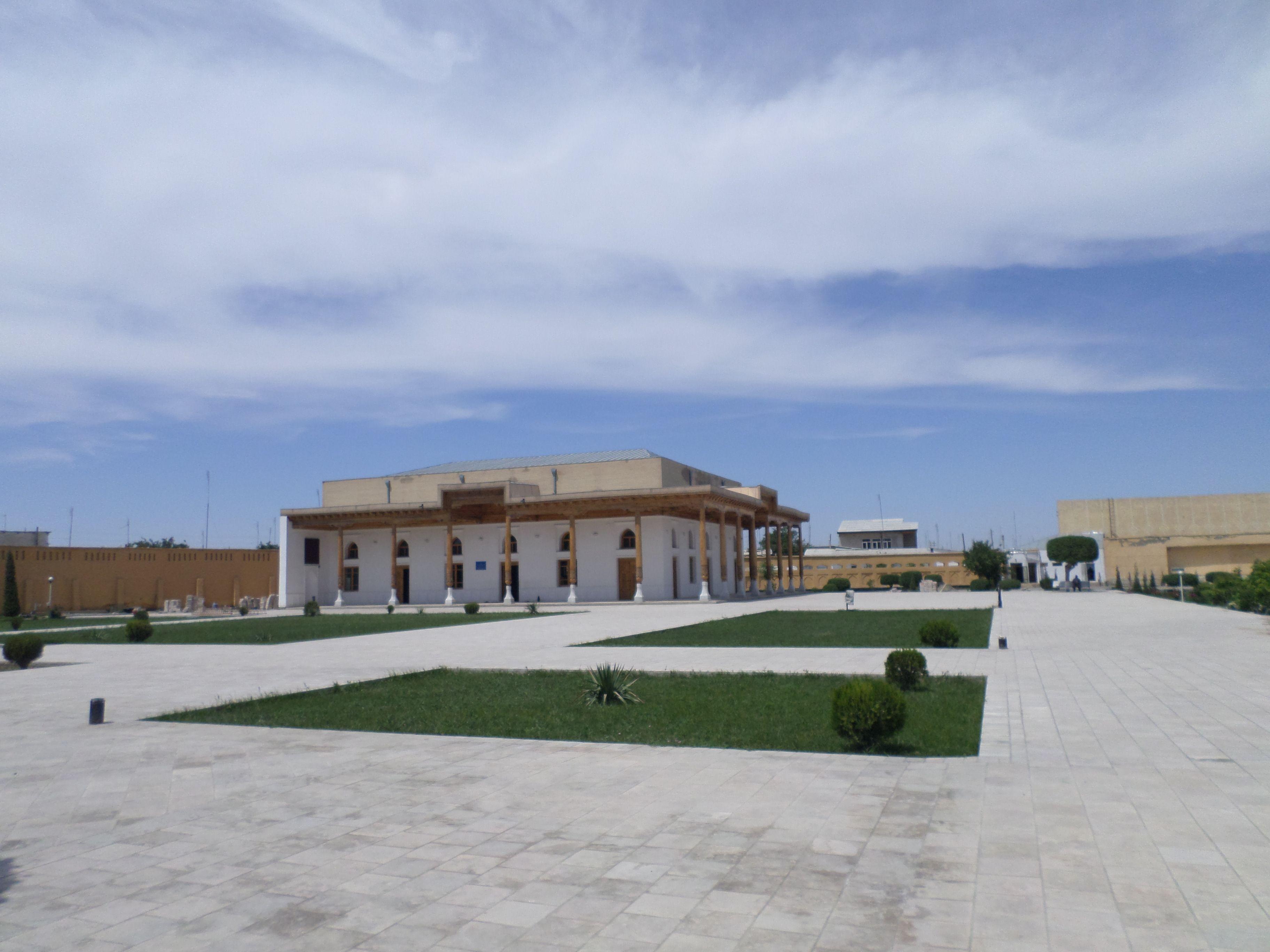
The third master was a carpenter who worked with his hands all his life, as several of the seven did; the Khwajagan expected their followers to earn their own bread. Born around 1227, Fagnavi led the brotherhood after Revgari and is remembered for one decision: he permitted the vocal dhikr alongside the silent one, in his view so that the sleeping might wake. The tension between the two practices runs through the whole history of the order, and the guides will tell you where each later master stood.
He is buried in his native village, now called Anjirbog, "the fig garden", in the Vobkent district. A legend, told as a legend, says he produced fresh figs for the khan in midwinter from the tree by his house. The complex has a burnt-brick mausoleum, a white-walled mosque with iwans on three sides, a well and a pond among the fig gardens that gave the place its name. Allow 30 to 40 minutes.
4. Ali Ramitani, Khoja Azizon, at Romitan: the weaver
Ali Ramitani was a weaver who, by tradition, never left his modest house in Romitan and was called Azizon, "the venerable", for the wisdom people walked to hear. He died in 1321 in Khorezm, where he had gone to teach, and his remains were brought back to the Romitan district. His short treatise, the Risala-i Azizan, is still read, and a line from it is often quoted at the shrine: that the heart should be kept so that nothing enters it except God.
The shrine stands on a rise 20 minutes from Bukhara with a domed brick mausoleum, a mosque and a large pond; it is a good place for the midday prayer, which falls naturally here on a full-day route. Romitan town has simple chaikhanas for lunch. Allow 45 minutes plus prayer.
5. Muhammad Baba Samasi at Samas: the man who adopted Naqshband
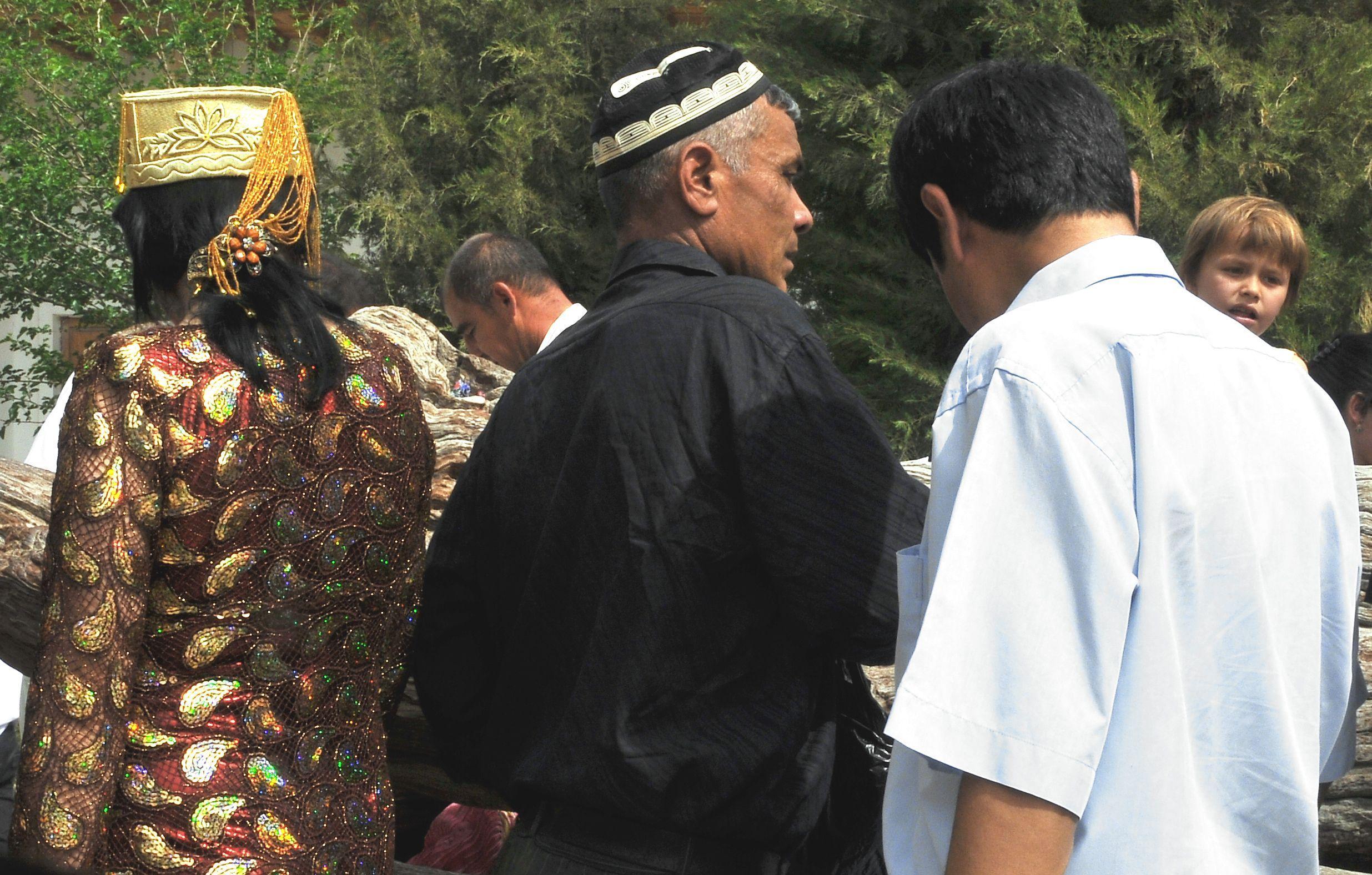
The fifth master is remembered for two acts. He taught Amir Kulol, walking distance away at Sukhar, and he foretold the birth of Bahauddin Naqshband in the nearby village of Kasri Arifon, visiting the newborn and adopting him as his spiritual son. He died in 1354, and his shrine, with a mausoleum and mosque, stands in the village of Samas in the Romitan district, a short drive from Romitan town. Pilgrims treat this as the hinge of the day: before Samas, the masters are teachers of the method; after it, the story becomes Naqshband's. Thirty minutes.
6. Sayyid Amir Kulol at Sukhar: the potter who guided Timur
East of Bukhara, past the railway town of Kagan, the village of Sukhar keeps the grave of Sayyid Amir Kulol (c. 1281–1370). Kulol means potter: he worked at the wheel all his life and expected his disciples to keep a trade. As a young man he was a famous wrestler, and the story goes that Baba Samasi saw him at a match and recognised a future saint. The hagiographies say he walked the twenty-odd kilometres from Sukhar to Samas twice a week for twenty years to attend his teacher. After Samasi's death he led the brotherhood, and the youth sent to him from Kasri Arifon was Bahauddin Naqshband.
Amir Kulol was also the first spiritual guide of Timur: the chronicles record Timur seeking his counsel before his early campaigns in the 1360s, and Timur's deference to the saint's family afterwards. The site was rebuilt in 2008 as a memorial complex with a domed mausoleum in Bukharan brick, a mosque with a carved wooden iwan, a slender minaret, a pond and a rose garden; the graves of his sons and descendants lie around him. It is about 25 minutes by car from Bukhara via Kagan. Allow 40 minutes.
7. Bahauddin Naqshband at Kasri Arifon: the end of the day
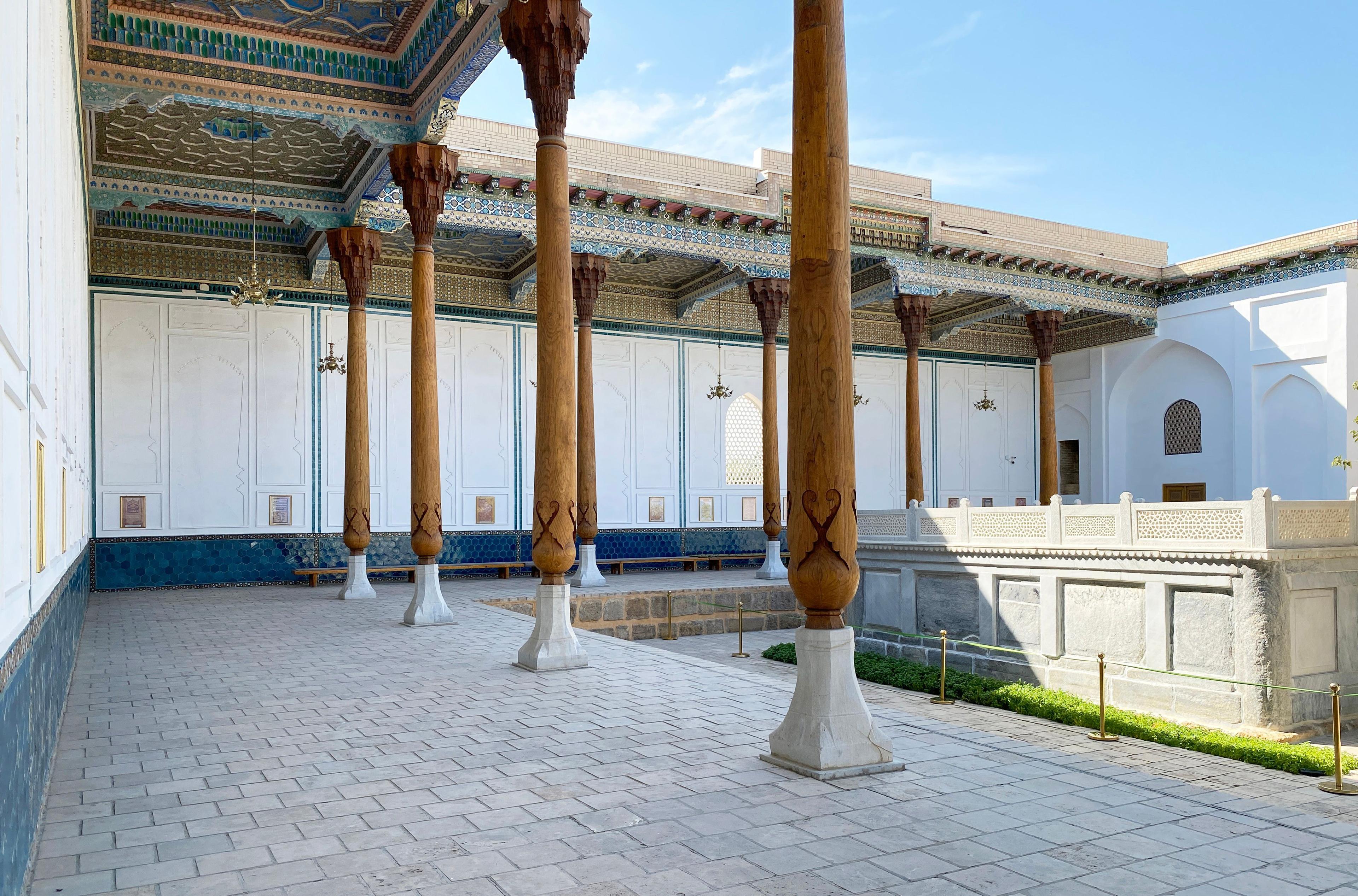
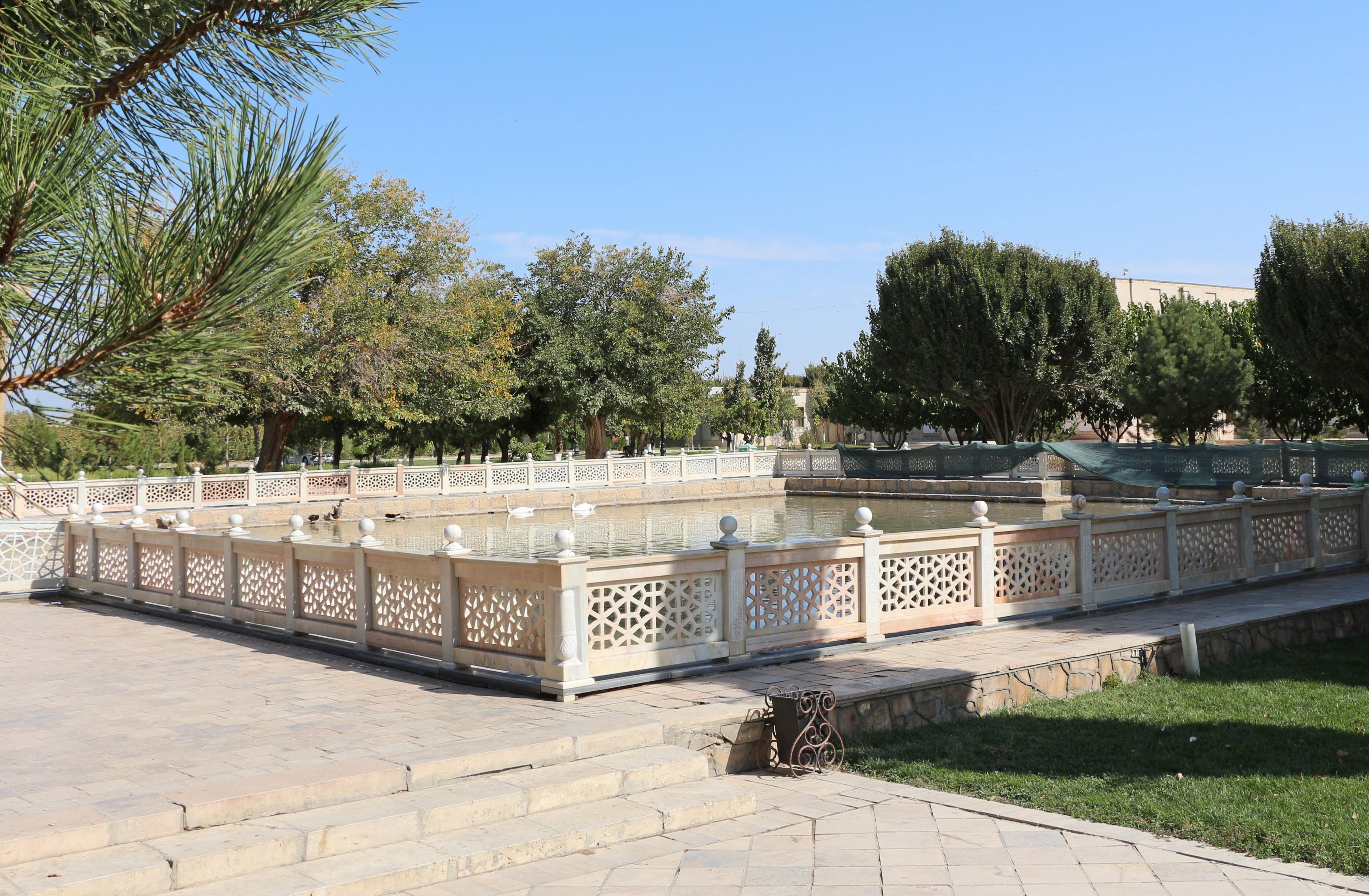
The route ends, as it should, at the Bahauddin Naqshband memorial complex in Kasri Arifon, 12 km east of Bukhara. Naqshband (1318–1389) was born here, studied under Samasi and Amir Kulol, took the silent dhikr as his own and gave the order its name, which refers to the patterning of the heart, or perhaps to his family's trade of embroidery. The complex grew around his grave from the 16th century: the khanaqah of Abdulaziz Khan, the mosques, the Dakhma-i Shahan necropolis of the Bukharan khans, and the gardens laid out after the 1993 restoration. It is the largest and busiest of the seven, with families picnicking under the mulberry trees on Fridays and a tourist village of guest houses opened nearby in recent years.
Arrive in the late afternoon, when the light is low and the day's coaches have left, and sit for a while. Pilgrims circle the grave, read the Fatiha, touch the mulberry trunk said to have grown from the saint's staff (a legend) and fill bottles at the well. An hour is the minimum.
How the day runs, when to go and what it costs
The seven shrines are spread over five districts on village roads with no public transport, so the route needs a car with a driver and, ideally, a guide who can read the inscriptions and tell the stories. The full circuit, Gijduvan, Revgar, Anjirbog, Romitan, Samas, Sukhar and Kasri Arifon, is 150 to 180 km and takes seven to nine hours with time at each shrine; start by 08:30. A two-day version adds Chor-Bakr, the necropolis of the Juybari sheikhs west of the city, and the Gijduvan workshops at leisure.
Entry to all seven is free; donations of 10,000 to 20,000 som per shrine are customary, and pilgrims often bring bread or sweets. A private car with driver for the day costs roughly US$60 to 90 in 2026 depending on the vehicle, and a licensed guide US$40 to 60; our seven-pirs page gives the hours and distances for each stop. Spring and autumn are the comfortable seasons. Fridays and Thursday evenings are busiest, which is either the reason to come or the reason to avoid it, depending on what you want from the day.
The Seven Pirs with TourEast
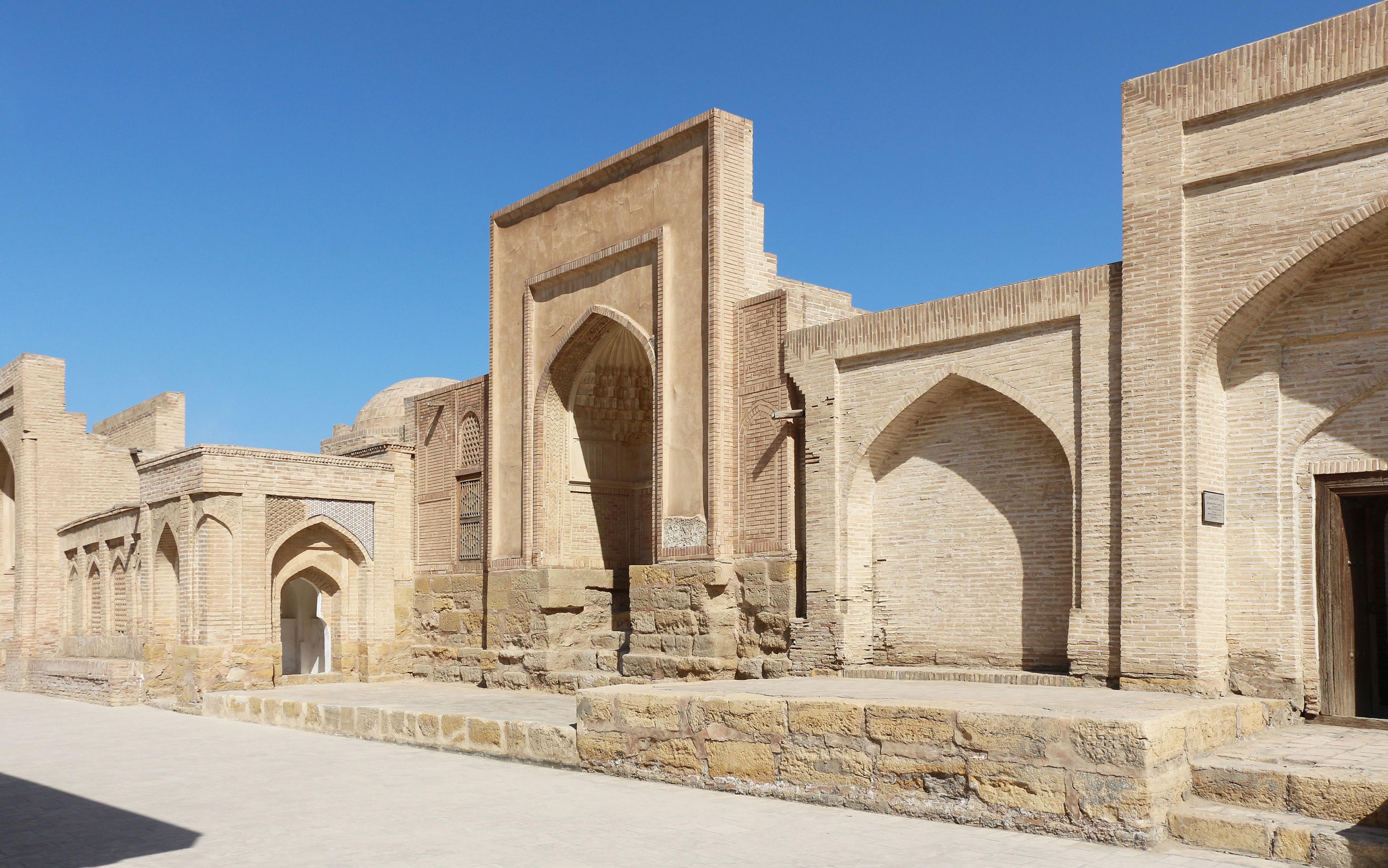
We are a Bukhara and Tashkent team and the Seven Pirs is the day we run most often for pilgrims: a private car, a guide who knows the caretakers, prayer times built into the schedule and lunch in Romitan. It stands alone as a day from Bukhara, forms the Bukhara day of the private ziyarat programmes we build on request for groups from Malaysia, Indonesia and Turkey, and can be added as an extra day to Bukhara After the Buses Leave, our four-day Bukhara in depth, or before or after the small-group Eight Days, One Table route. For a longer pilgrimage that continues to the Imam al-Bukhari complex and Samarkand, we can build a private route through our custom tour page, or add the Imam al-Bukhari complex to Twelve Gates of the Silk Road on request. Tell us your dates and whether you want one day or two.
Frequently asked questions
Photo: Umid1108 / Wikimedia Commons, CC BY-SA 4.0; Bobyrr / Wikimedia Commons, CC BY-SA 4.0; LBM1948 / Wikimedia Commons, CC BY-SA 4.0; Bgag / Wikimedia Commons, CC0