Zahiriddin Muhammad Babur was born in Andijan in 1483, inherited Fergana at eleven, won and lost Samarkand three times and founded the Mughal Empire in India. His memoir is one of the great books of the Turkic world. Where his story happened in Uzbekistan, from Andijan's hilltop park to the Samarkand walls, and how to follow it today.
Facts, prices and schedules checked on November 11, 2026
The first pages of the Baburnama are about melons. Zahiriddin Muhammad Babur, writing in Chagatai Turkic in his forties as Emperor of Hindustan, begins his memoir with the Fergana Valley he left at nineteen: Andijan's grapes and pheasants, the fruit of Margilan, the violets of Osh, the Syr Darya in flood. He never came back. By the time he died in Agra in 1530 he had lost Fergana and Samarkand, built a kingdom in Kabul and won another at Panipat, and the dynasty he founded would rule India for three centuries and build the Taj Mahal.
For travellers from India, Pakistan and Bangladesh, Babur is the reason to cross the Kamchik pass into the Fergana Valley. For everyone else he is the most readable guide to 15th-century Uzbekistan that exists, and his life maps onto places you can stand in: Andijan, the citadel of Akhsikent where his father died, the walls of Samarkand he besieged, the Tashkent tomb of his grandfather. This article follows that map, with the facts as the Baburnama and the chronicles give them and the practical details.
A prince of Fergana, aged eleven
Babur was born on 14 February 1483 in Andijan, the capital of the small Timurid principality of Fergana. His father, Umar Sheikh Mirza, was a great-grandson of Timur; his mother, Qutlugh Nigar Khanum, was a daughter of Yunus Khan of Moghulistan, a descendant of Genghis Khan. He carried both bloodlines, which mattered in a world where legitimacy came from ancestry, and he carried the name Babur, "tiger", which was easier for Turkic tongues than the Arabic Zahiriddin.
In June 1494 Umar Sheikh died when the pigeon-loft on the cliff edge of the Akhsikent citadel collapsed into the ravine below, pigeons and all; Babur reports it with the dry precision that makes his book so modern. He was eleven, and his uncles in Samarkand and Tashkent immediately moved to take Fergana. He held it, with the help of his grandmother Esan Daulat Begum, whom he credits as the best strategist in the family. The ruins of Akhsikent, on the north bank of the Syr Darya 25 km from Namangan, are still an eroded cliff above the river, with a small museum; the pigeon-loft has long gone over the edge.
Samarkand three times: won, lost, won, lost
What Babur wanted was Samarkand, Timur's capital, and his pursuit of it took up his youth. He took the city after a seven-month siege in 1497, at fourteen, and lost it within a hundred days when his own nobles in Andijan rebelled and his army melted away to go home. "For the sake of Andijan," he wrote, "I had let Samarkand slip out of my hands, and then I found I had lost Andijan as well."
In 1500 he took Samarkand again by a night escalade with 240 men, and held it through the winter until Muhammad Shaybani, the Uzbek khan who was dismantling the Timurid world piece by piece, defeated him at Sar-i Pul in 1501 and starved the city into surrender; Babur gave his elder sister Khanzada in marriage to Shaybani as part of the price of leaving alive. For three years he was a wanderer in the hills of Uratepa and Tajikistan with a few hundred followers. In 1504 he rode south over the Hindu Kush and took Kabul, which became his base for the next twenty-two years.
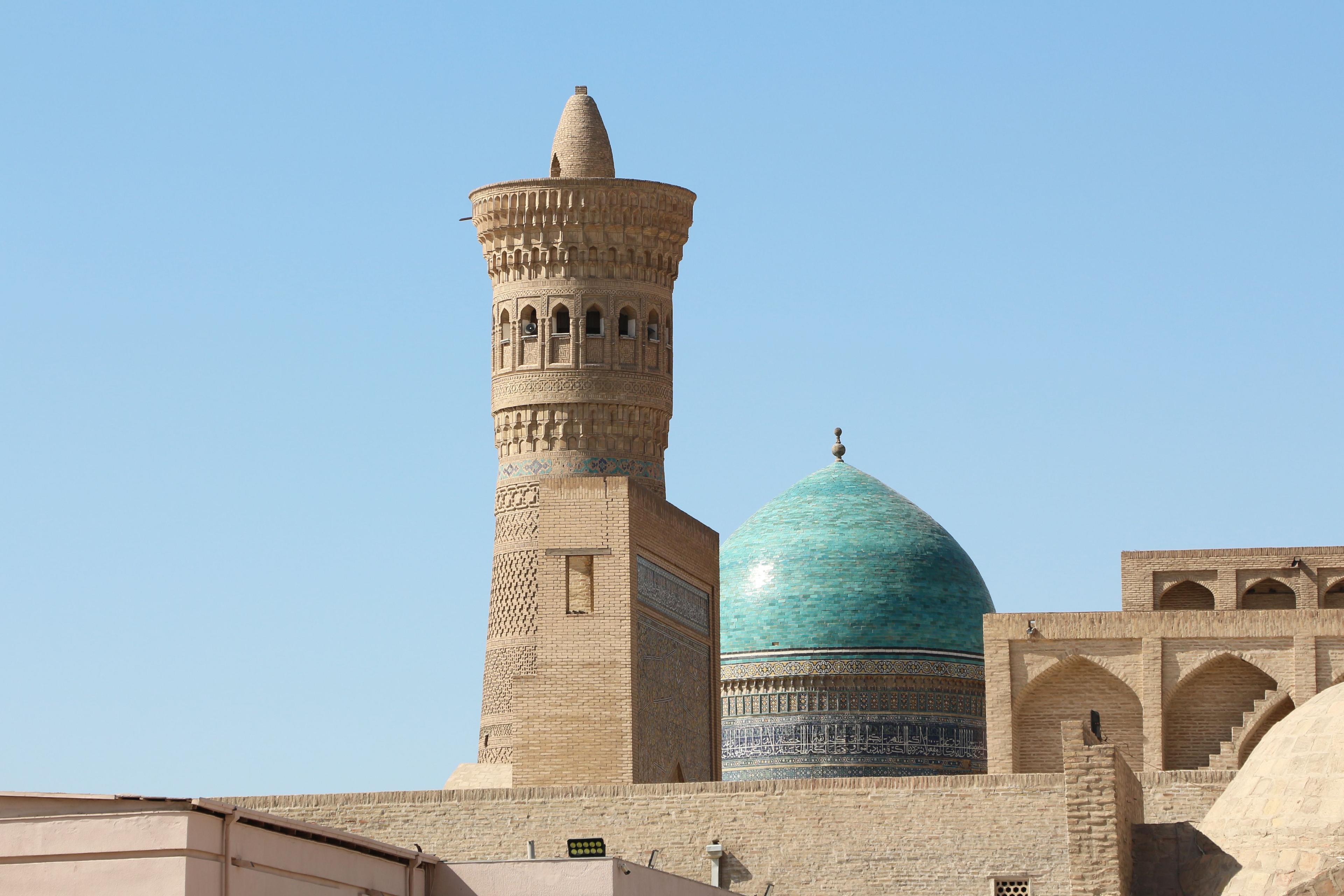
The third attempt came in 1511, after Shaybani's death at the hands of the Persian Shah Ismail. With Persian help Babur entered Samarkand once more, in October, and was received as a Timurid returning home, until the city saw that his allies were Shi'a and turned against him. In May 1512 the Uzbeks under Ubaydullah Khan beat him at Kul-i Malik near Bukhara, and in November at Gijduvan; the Mir-i Arab madrasah in Bukhara was later built by the victor. Babur never saw Samarkand again. The Registan he knew had one madrasah, Ulugbek's; the Gur-e-Amir held his ancestors; the city walls he scaled have gone, but the Afrasiab mound where he camped is still open ground north of the bazaar.
Kabul, Panipat and the empire he did not name
From Kabul Babur raided into the Punjab for a decade, and in 1526, with an army of perhaps 12,000 against Ibrahim Lodi's far larger one, he won the First Battle of Panipat on 21 April using field artillery and the wagon-fort tactics he had learned from the Ottomans. Delhi and Agra followed. He spent his last four years fighting the Rajputs and the Afghans, laying out gardens in a country whose heat and lack of running water he complained about, and writing. He died in Agra on 26 December 1530, aged 47, and was buried there; between 1539 and 1544 his body was moved, as he had asked, to the garden he had made in Kabul, the Bagh-e Babur, where his tomb lies open to the sky.
His dynasty called itself Gurkani, after Timur's title of royal son-in-law. "Mughal", from Mongol, was a name used by outsiders and later by the British. The line ran through his son Humayun and grandson Akbar to Jahangir and Shah Jahan, Babur's great-great-grandson, who built the Taj Mahal at Agra in the 1630s and 1640s. The gardens around it, four-square with water channels, are the gardens of Samarkand and Kabul that Babur described and longed for.
The Baburnama: why it is worth reading before you come
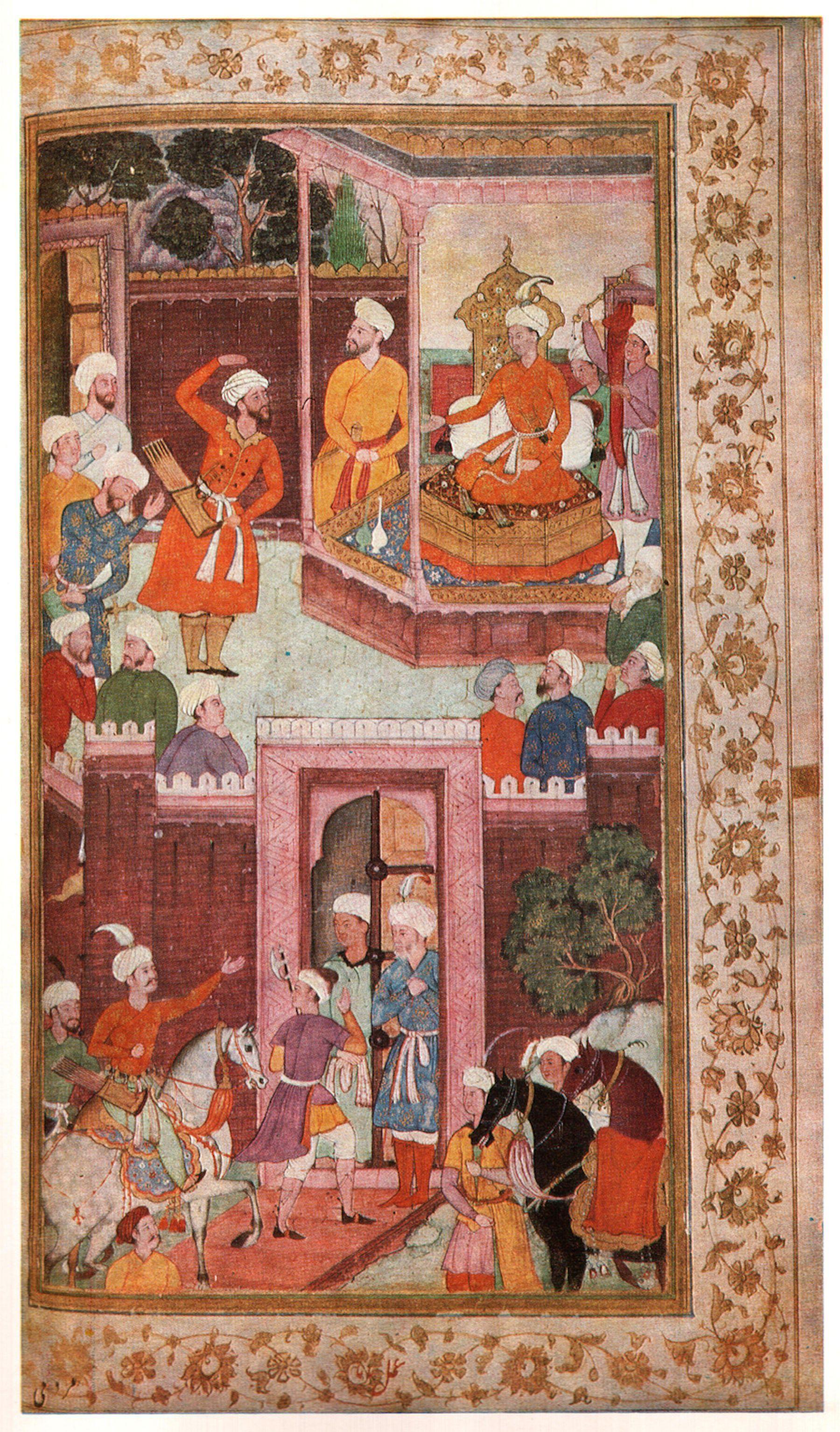
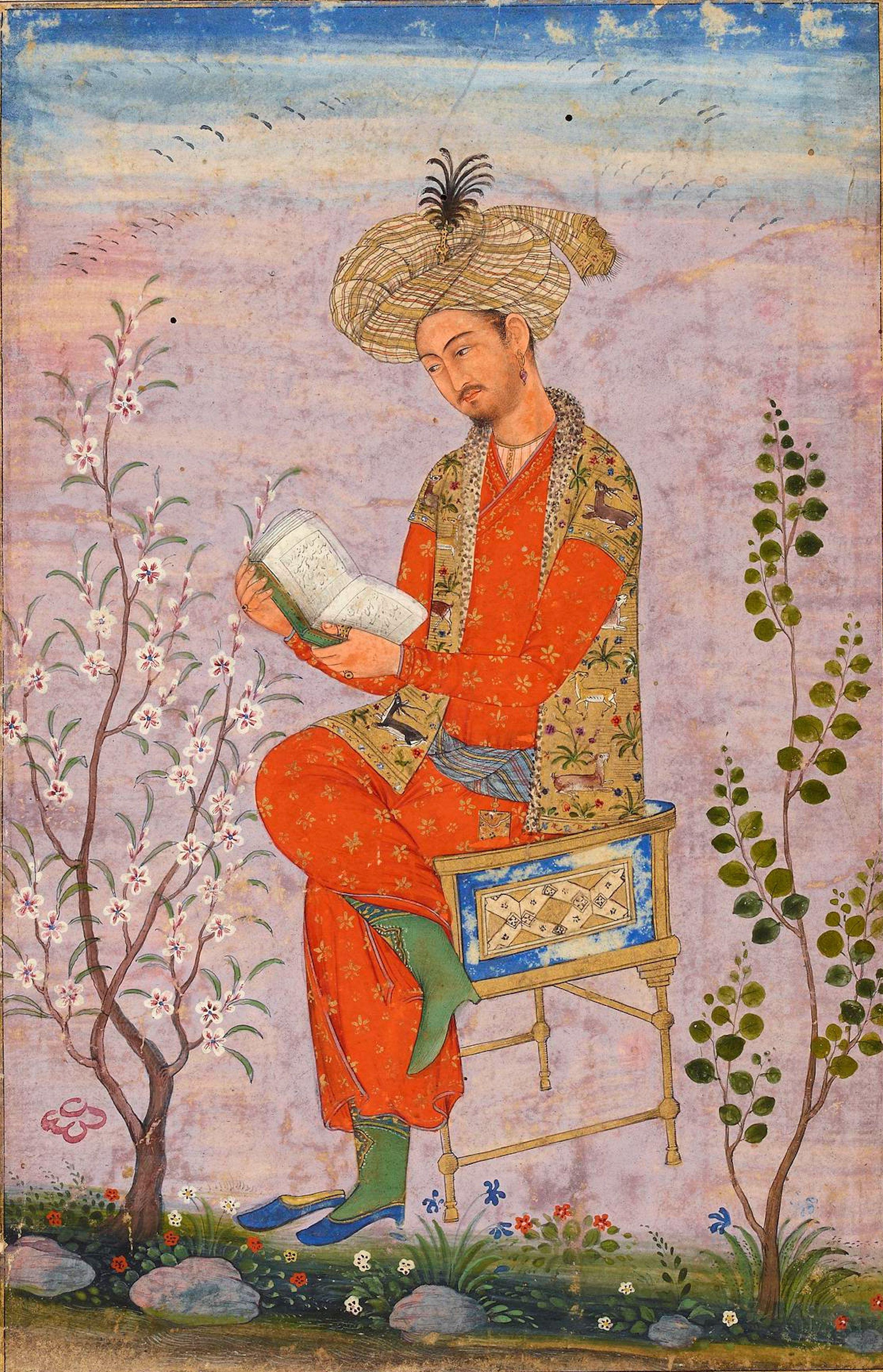
The Baburnama is the first autobiography in Islamic literature written as a candid account rather than a panegyric, and it reads like a diary kept by a sharp, curious man who notices everything: the exact taste of a melon, the behaviour of a rhinoceros, the geography of a pass, his own cowardice at fifteen and his drinking at thirty. He wrote it in Chagatai Turkic, the literary language of Central Asia, in a prose that Uzbek readers can still follow with help. His grandson Akbar had it translated into Persian in 1589 and illustrated by the best painters of the Mughal court; the miniatures of Andijan, Samarkand and the Fergana melons are now scattered through the museums of London, Delhi and Moscow. It has been translated into around thirty languages; the standard English versions are by Annette Beveridge (1922) and Wheeler Thackston (1996).
Babur was also a poet in Turkic and Persian, and a correspondent of Alisher Navoi, the greatest poet of the Timurid age, whose letters he mentions with pride. His daughter Gulbadan Begum wrote the Humayun-nama, one of the very few historical works by a woman in the medieval Islamic world, and it includes her memories of her father.
Andijan: the Babur Park on Bagishamol hill
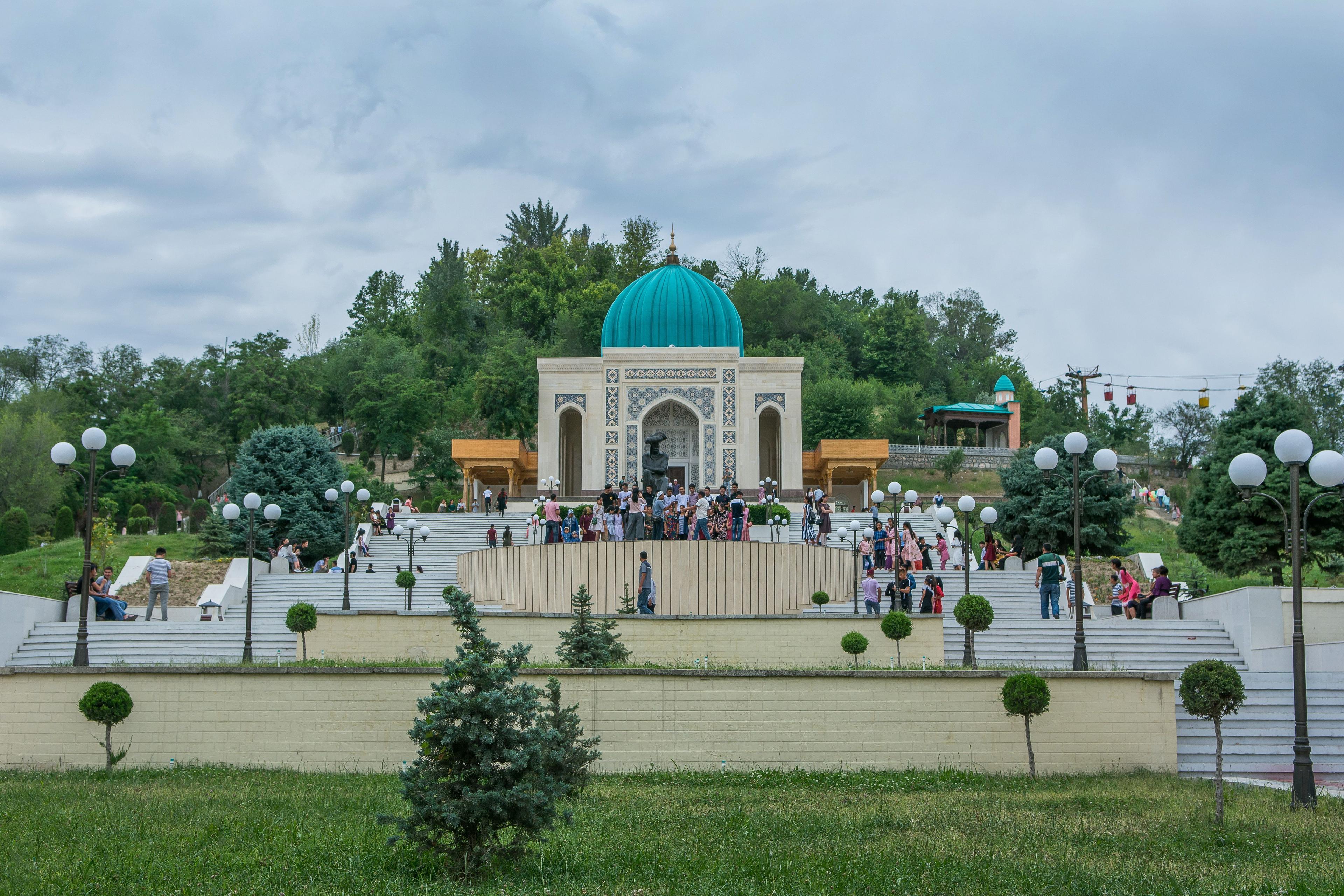
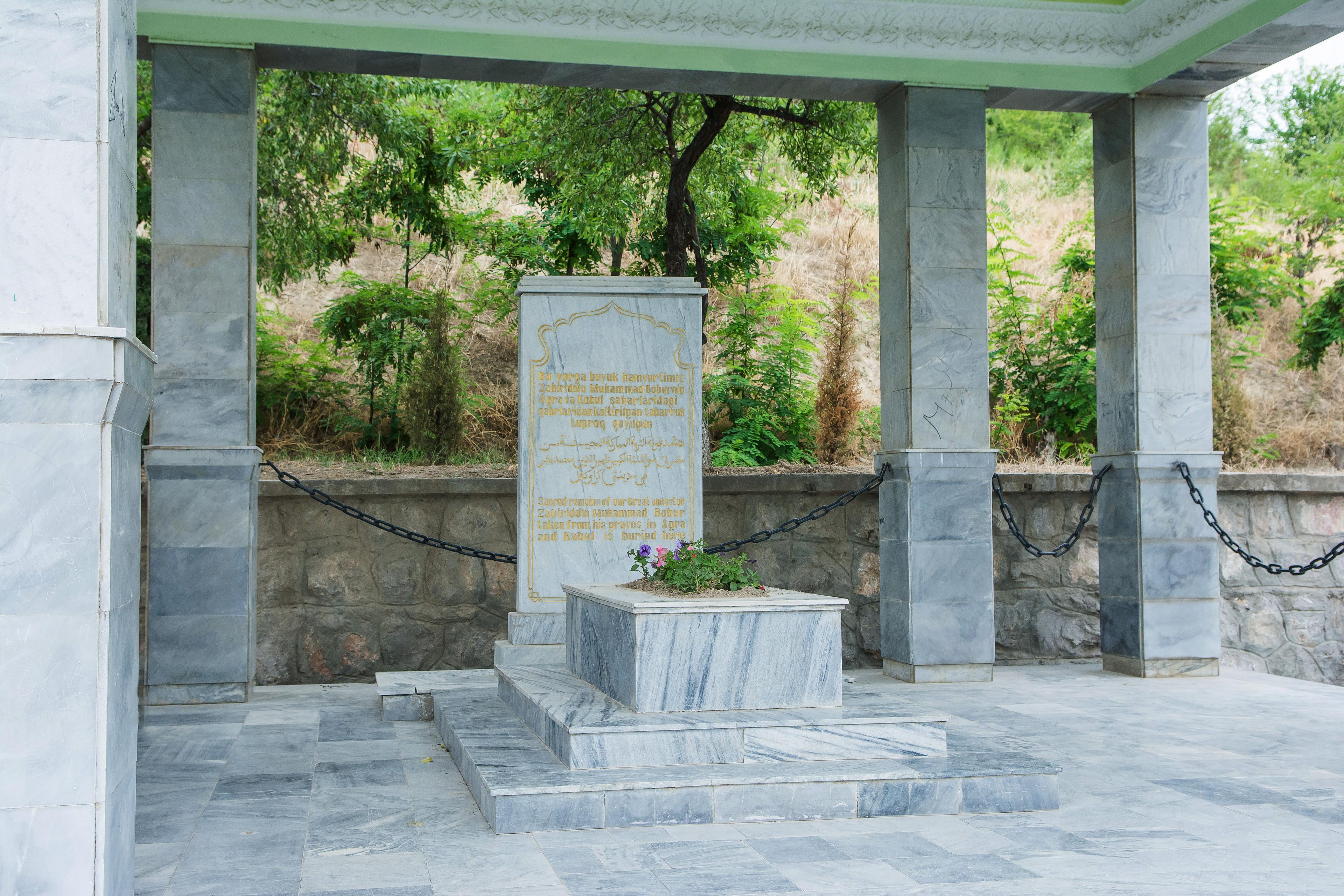
Andijan, at the eastern end of the Fergana Valley 75 km from Fergana city, has made Babur its identity. The main site is the Babur Memorial Park on the Bagishamol hill about 7 km south-east of the centre on the Osh road, opened in 1993. At its heart is a symbolic tomb under a turquoise dome: Babur lies in Kabul, so soil from his grave there and from Agra, where he died, was placed in the cenotaph. Around it are a seated bronze statue, terraced gardens planted in the spirit of the Baburnama with the trees and vines he names, a small mosque and the Babur and Mughal museum, with manuscripts, miniatures, coins and objects gathered from India, Afghanistan and Pakistan by the Babur International Foundation. A cable car climbs the hill, and from the top the view runs across the city to the mountains of the Kyrgyz border.
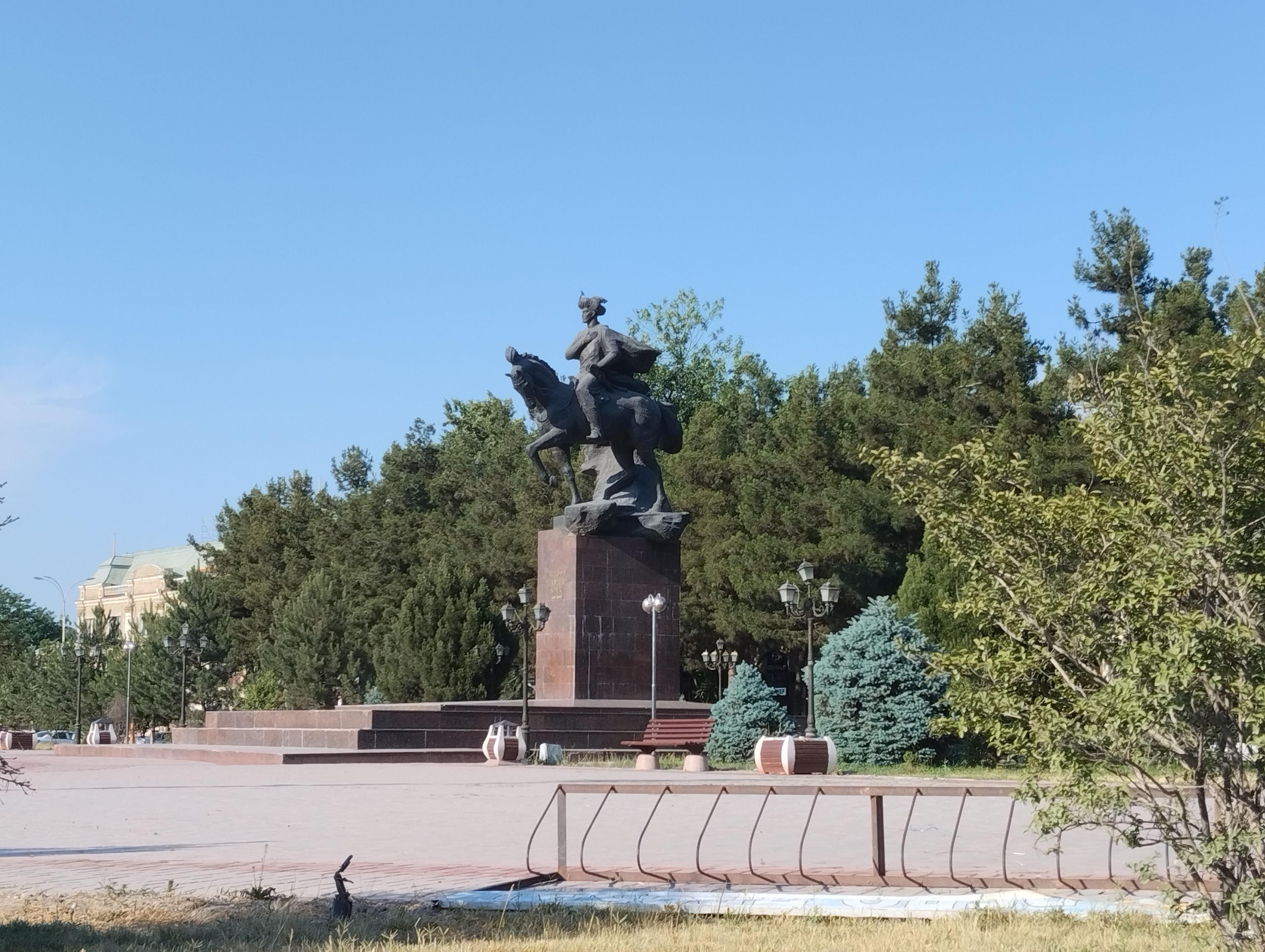
The museum opens roughly 09:00 to 18:00, often closed on Mondays; entry is a small fee, check on site. Allow two hours. In the city centre a red granite statue of Babur stands on the square that carries his name, the regional library is named for him, and the Jami madrasah complex of 1885–92 houses the literature museum with a Babur section. The Devonaboy Mosque, the largest Friday mosque in the valley since its 2018 reconstruction, is five minutes away and worth the detour.
Other places with his footprint
- Tashkent: the mausoleum of Yunus Khan, Babur's maternal grandfather, stands in the Sheikhantaur ensemble in the city centre, a T-shaped khanaqah built by his sons at the end of the 15th century. Babur's uncle Mahmud Khan ruled Tashkent from here, and Babur took refuge in the city more than once. The city also has a Babur Park of the ordinary kind, with boating lakes and rides.
- Akhsikent: the citadel where Umar Sheikh died, 25 km west of Namangan.
- Osh, across the Kyrgyz border 45 km from Andijan: Babur built a cell on the summit of Sulaiman-Too as a young man, and a small white hujra on the rock is still called Babur's house.
- Samarkand and Bukhara: the Afrasiab mound, the Registan, the Gur-e-Amir, and in Bukhara the Mir-i Arab madrasah, built by the khan who beat him.
- Istaravshan (Uratepa) in Tajikistan, where he hid in 1502–03.
How to get to Andijan, when and what it costs
Andijan is 4.5 to 5 hours from Tashkent by train through Margilan, or 5 hours by road over the Kamchik pass; the pass can close briefly in winter storms. From Fergana city it is 1.5 hours by car, and the Dostuk border crossing to Osh is 45 minutes further east, which makes Andijan the natural last Uzbek stop on a two-country itinerary. Within the city Yandex Go taxis cost a few thousand som; a car for the half-day with the park, mosque and bazaar is around US$30 to 40 in 2026.
Spring, when the valley's fruit trees are in blossom, and September to October, when the grapes and melons Babur wrote about are in the bazaars, are the seasons. Indian citizens use the e-visa or, since September 2026, visa-free entry on a valid US, UK or Schengen visa; our visa guide has the conditions. Andijan is also the home of the Shahrikhan knife makers; if you buy a knife, take the certificate for the airport.
Finding Babur with TourEast
We run the Fergana Valley as a loop from Tashkent on Silk, Clay and Steel, our five-day makers' route through Margilan silk, Rishtan ceramics and Chust knives. Andijan is not part of the standard route, but we add Babur Park and the Devonaboy Mosque as an extra day on request, followed by the drive back or the border to Osh. On the twelve-day Twelve Gates of the Silk Road the valley comes before Samarkand, so you see the land Babur was born in before the city he fought for; Andijan can be added there too on request. For visitors from India we build a dedicated Babur itinerary with a guide who knows the Baburnama, including Akhsikent, Tashkent's Yunus Khan mausoleum and, with a Kyrgyz visa or visa-free entry, Babur's cell on Sulaiman-Too in Osh. Tell us how many days you have and whether you want the valley alone or the valley with Samarkand.
Frequently asked questions
Photo gallery
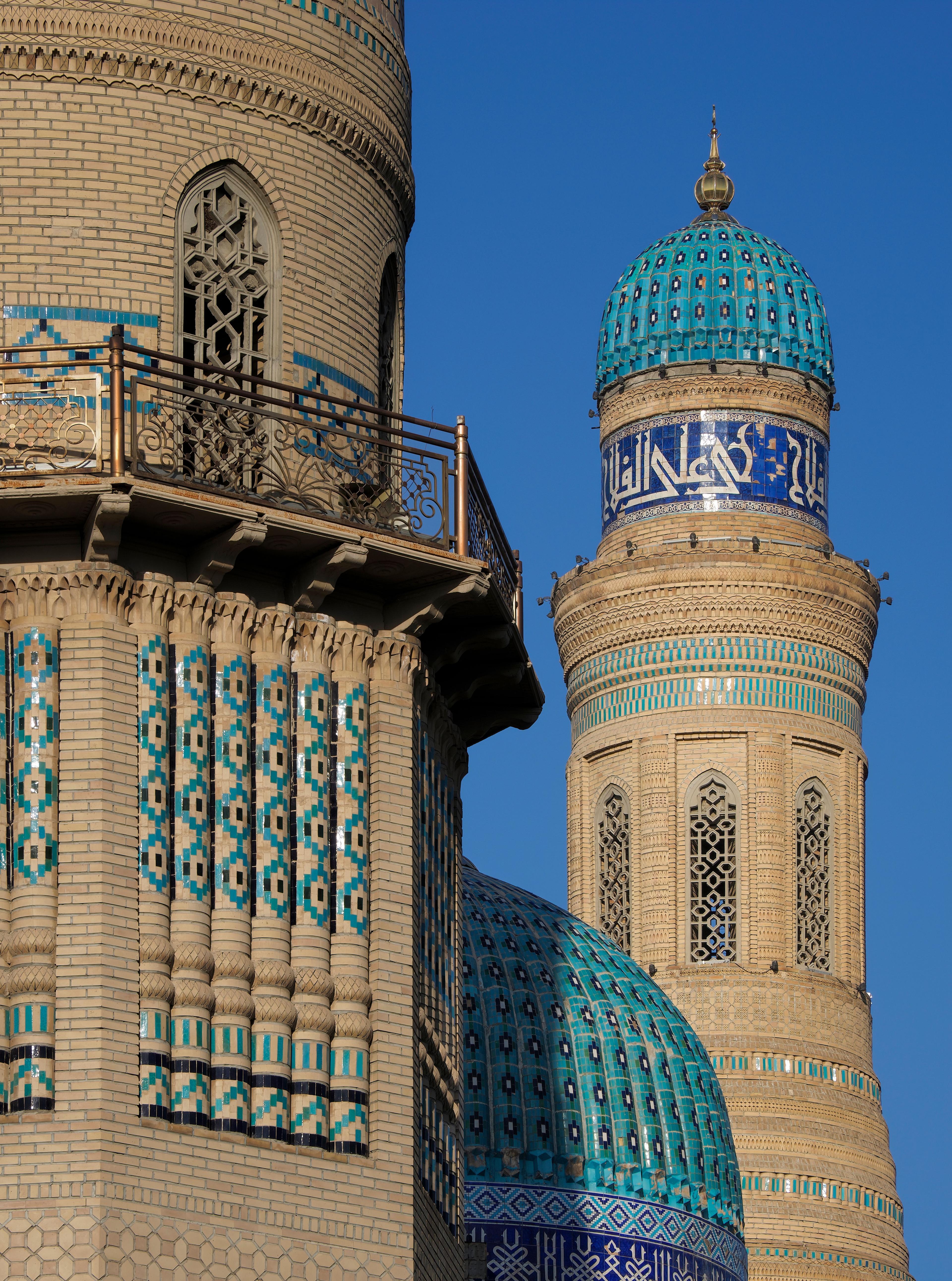
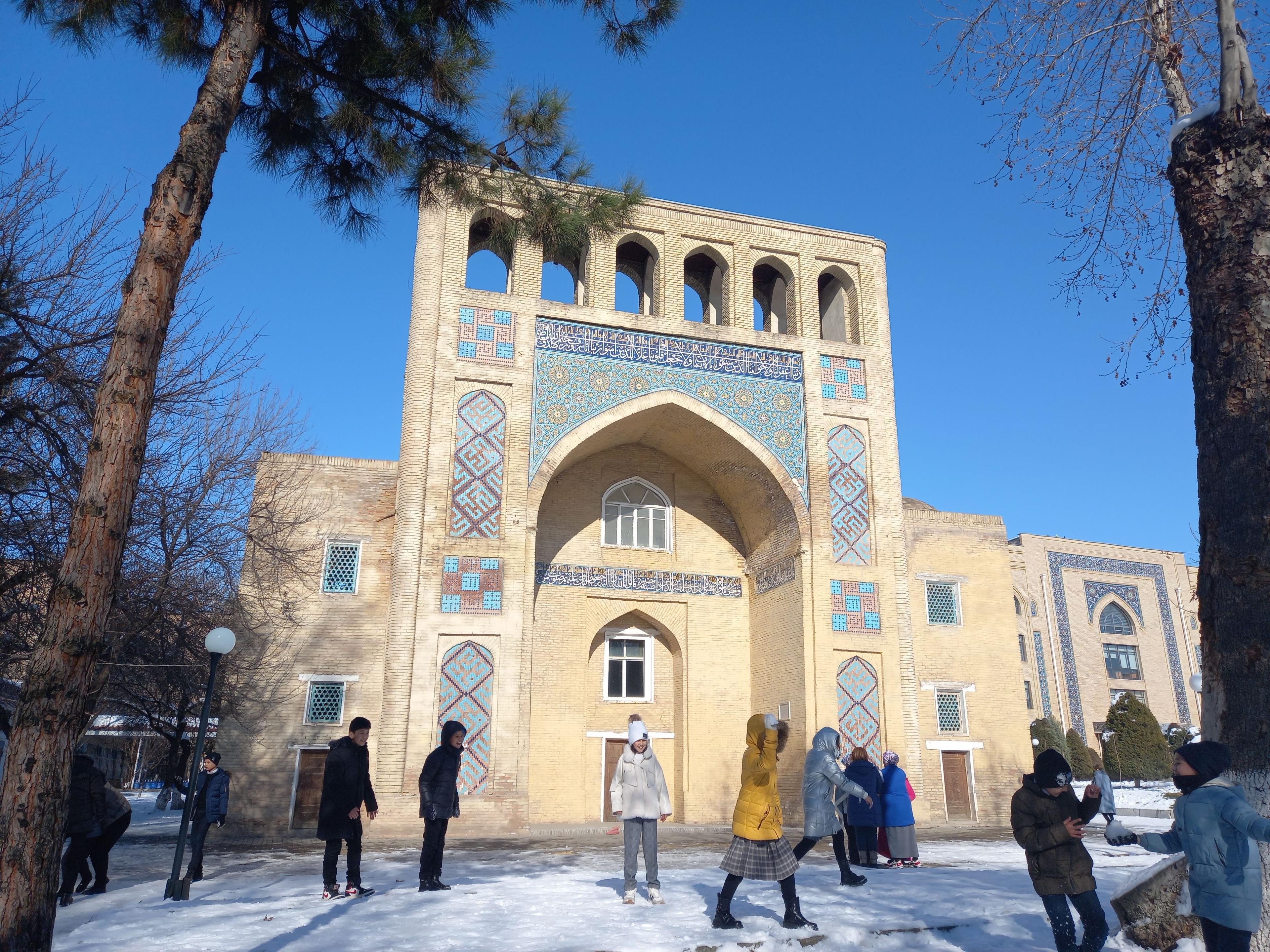
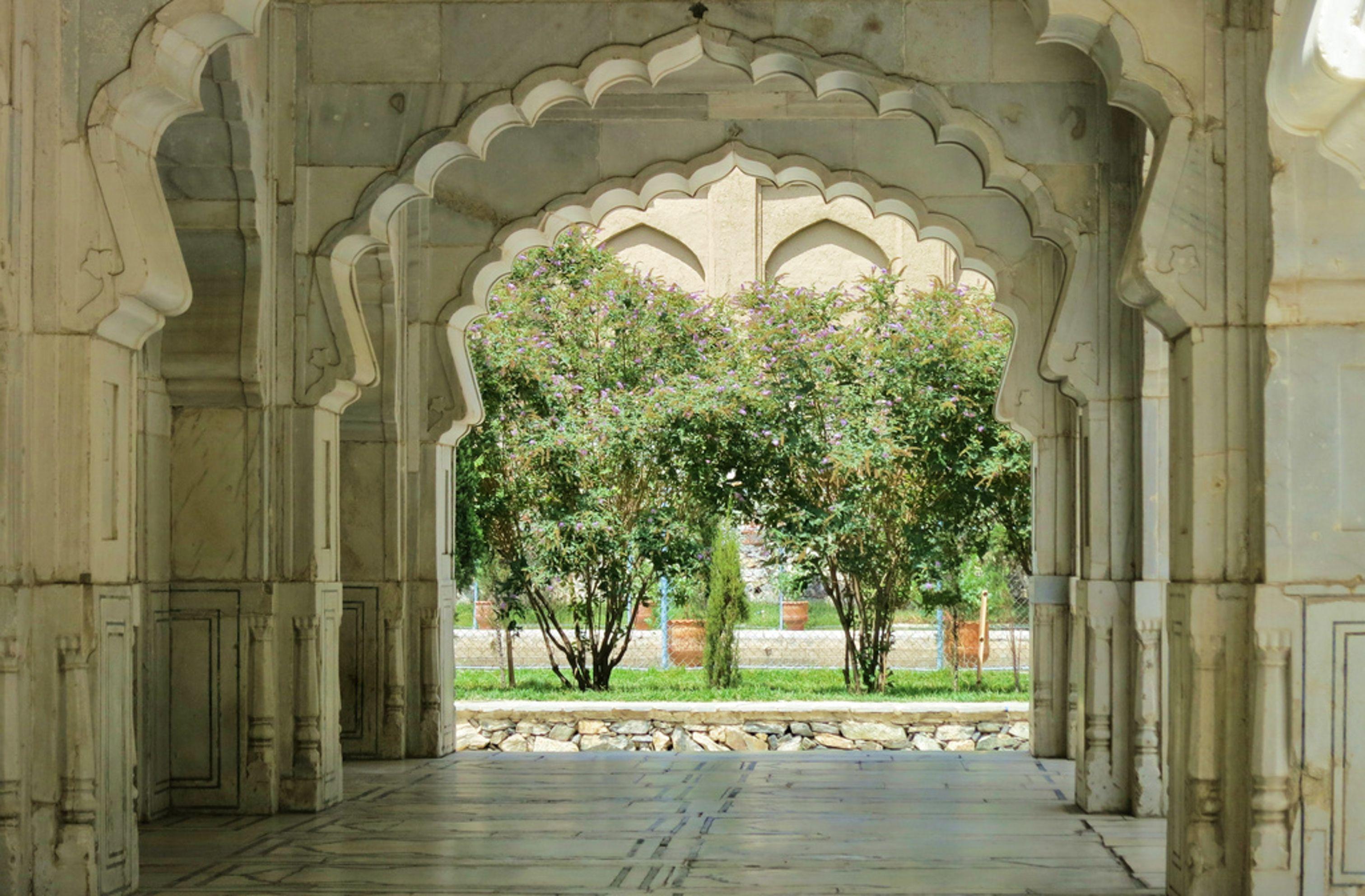
Photo: Arina Pan / Wikimedia Commons, CC BY-SA 4.0; Abdurahmon Egamberdiyev / Wikimedia Commons, CC BY-SA 4.0; Unknown Mughal court artist, c. 1590 / Wikimedia Commons, Public domain; Probably Aqa Riza, c. 1605-1615 / Wikimedia Commons, Public domain; Petar Milošević / Wikimedia Commons, CC BY-SA 4.0; Jamshid Nurkulov / Wikimedia Commons, CC BY-SA 4.0; Ninaras / Wikimedia Commons, CC BY 4.0