
Craft workshop · Founded 1992
Khujum Silk Carpet Factory
Samarkand's hand-knotted silk carpet workshop, where weavers tie up to 25 knots a minute and every colour comes from pomegranate skins, walnut husks and madder grown in the yard. Visits and demonstrations are free.
About
Known to everyone in Samarkand simply as Khujum, after the street where it stands, the Samarkand-Bukhara Silk Carpets workshop was founded in 1992 as a joint Uzbek-Afghan enterprise. It is run by the Badghisi family, hereditary weavers whose roots lie in north-western Afghanistan, and it has become the reference address for hand-knotted silk carpets in Uzbekistan.
From cocoon to carpet
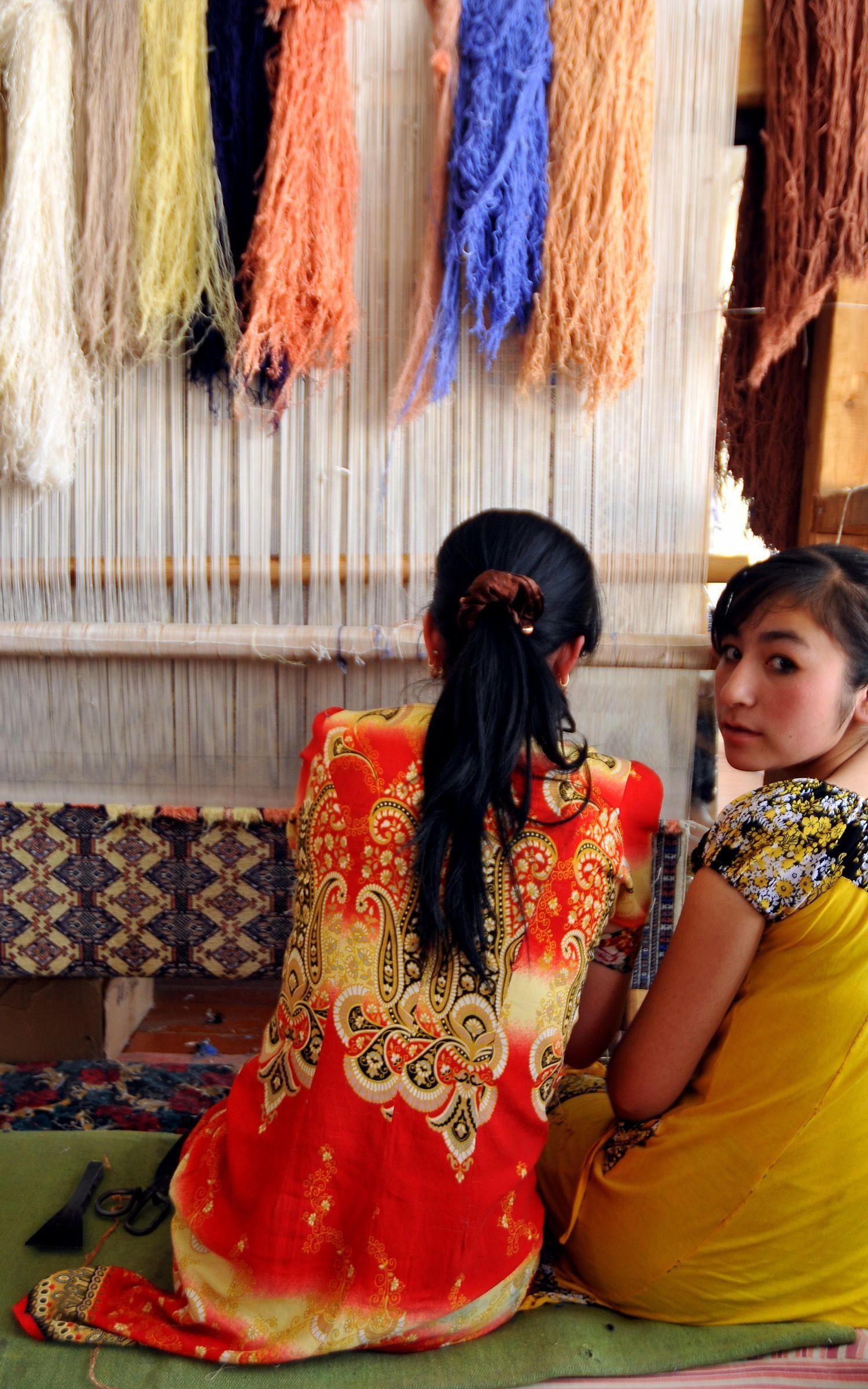
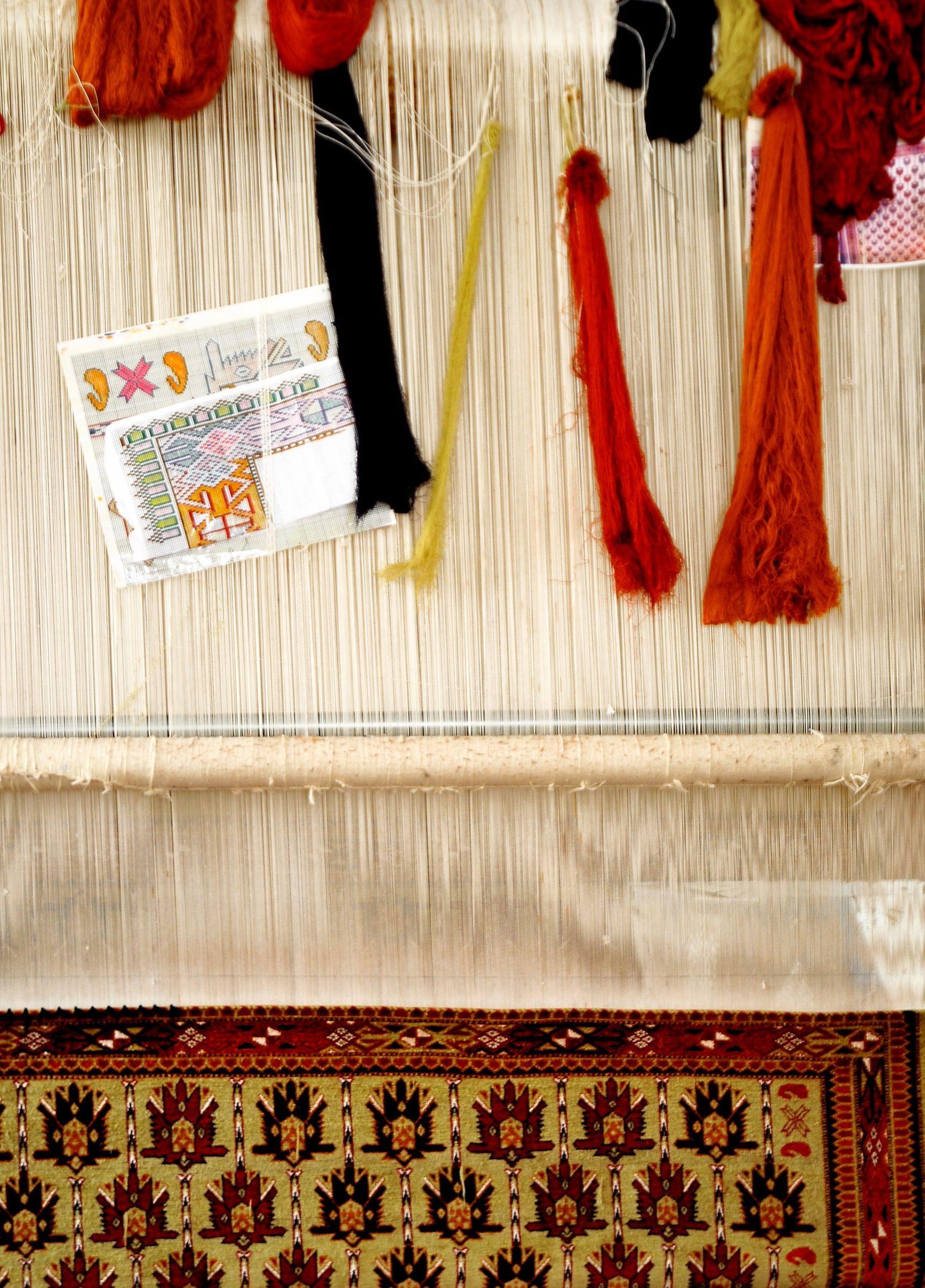
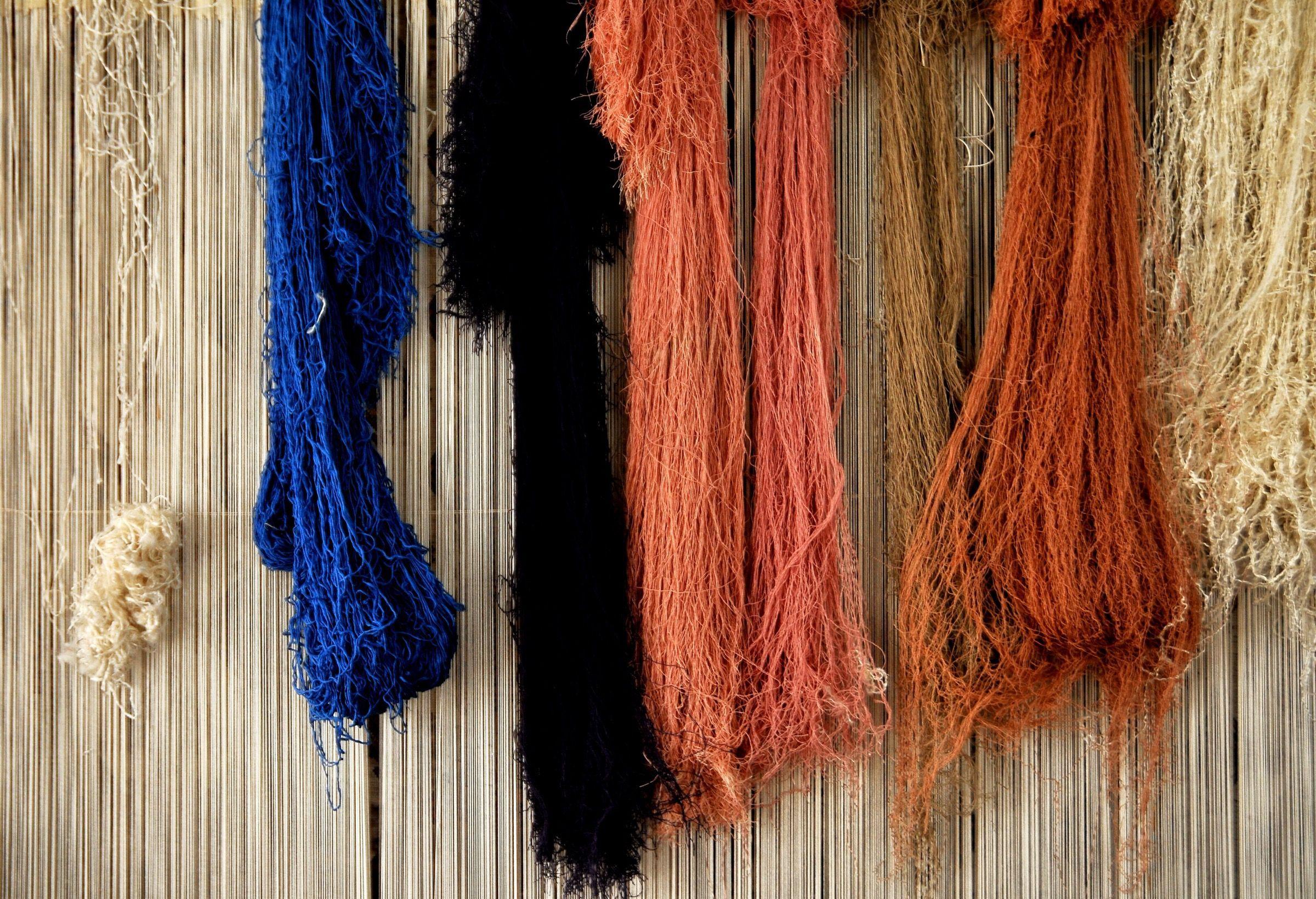
A visit follows the whole process. Raw silk from the Fergana Valley is spun and then dyed in the yard in small batches, because the same shade can never be repeated exactly, so all the thread for a single carpet is coloured at once. The dye plants are the workshop's point of pride: pomegranate rind for yellows, walnut husk for browns, madder for the reds, and indigo, the one imported colour, for blue. Madder and other plants are grown on site.
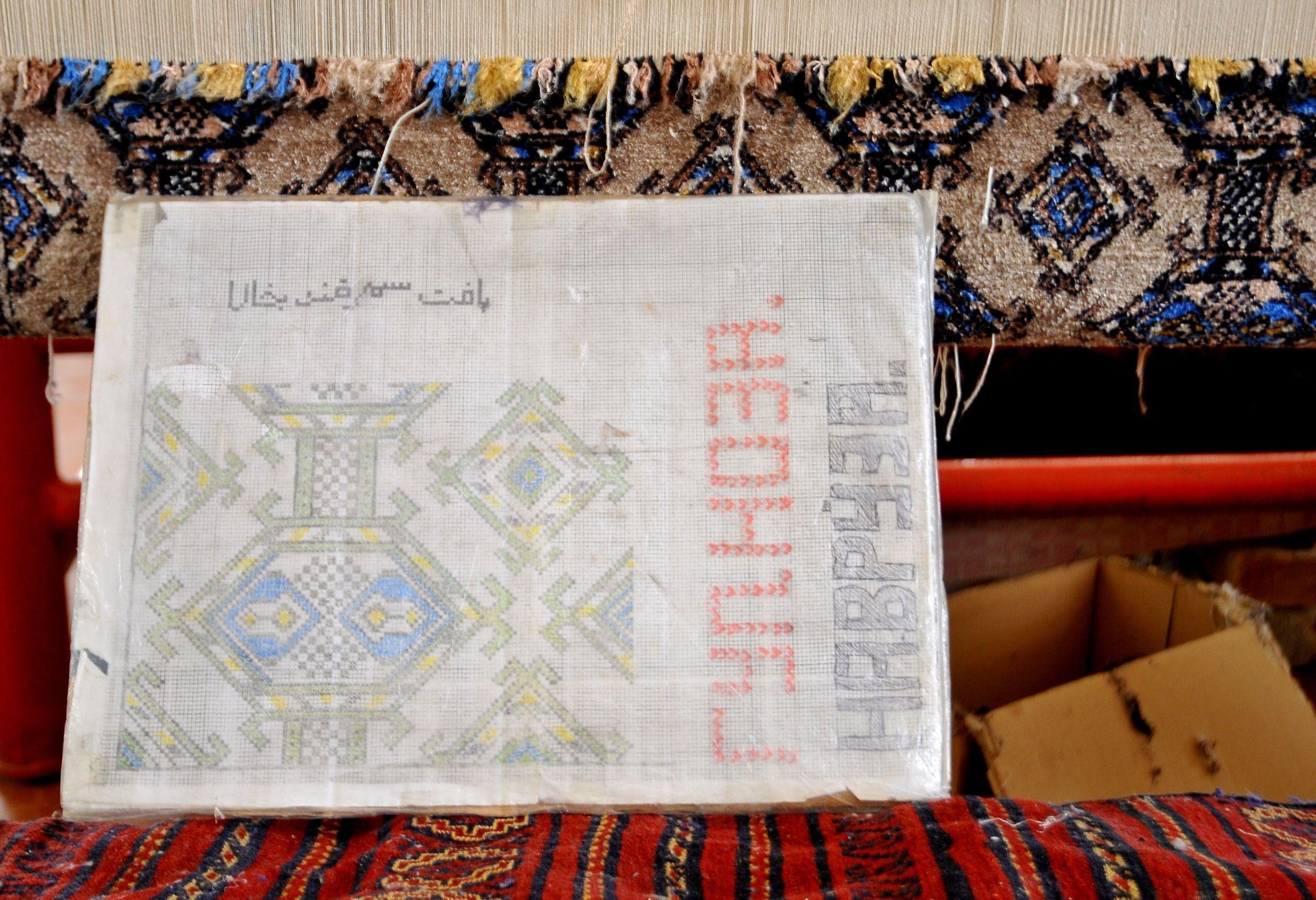
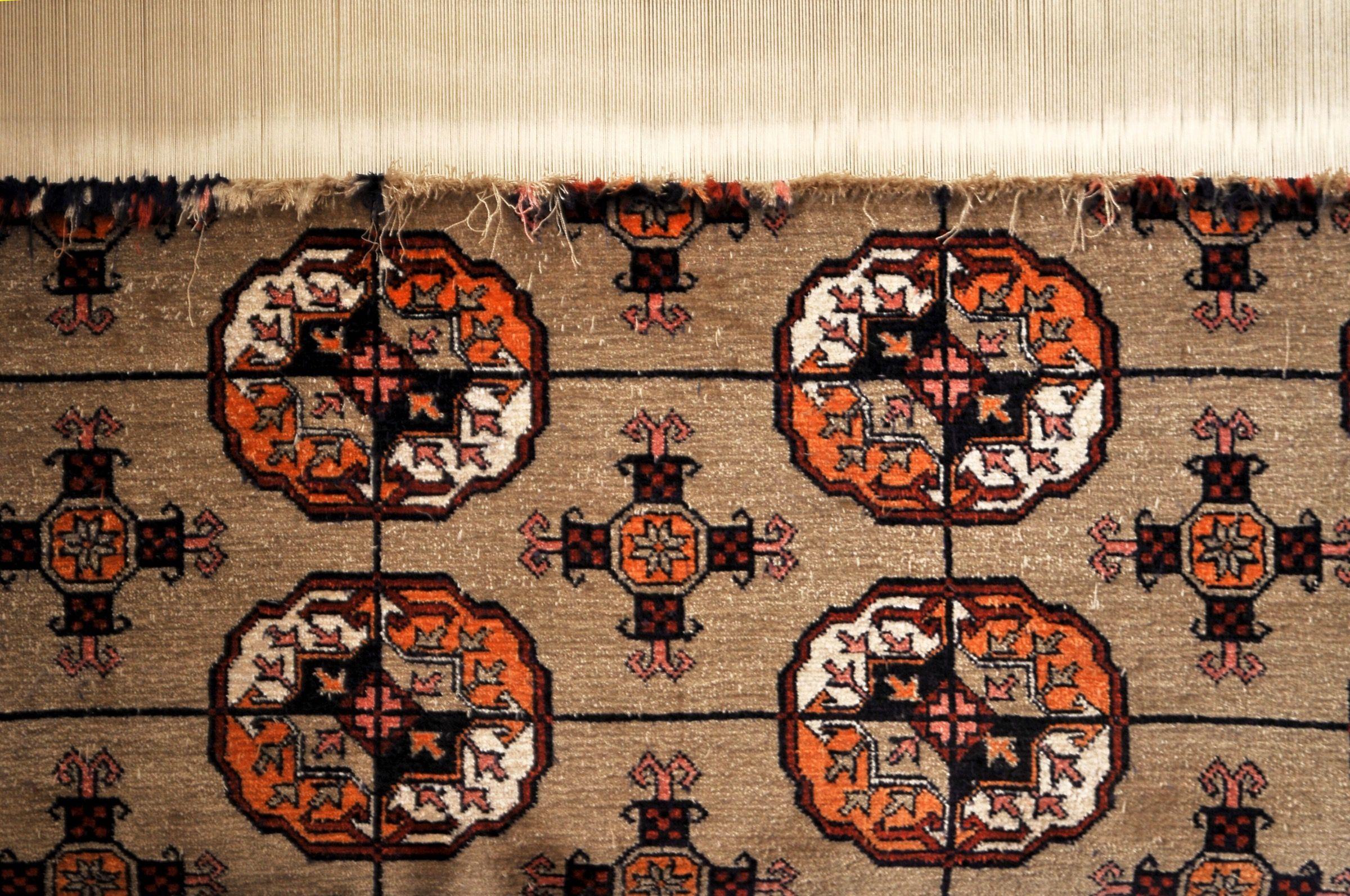
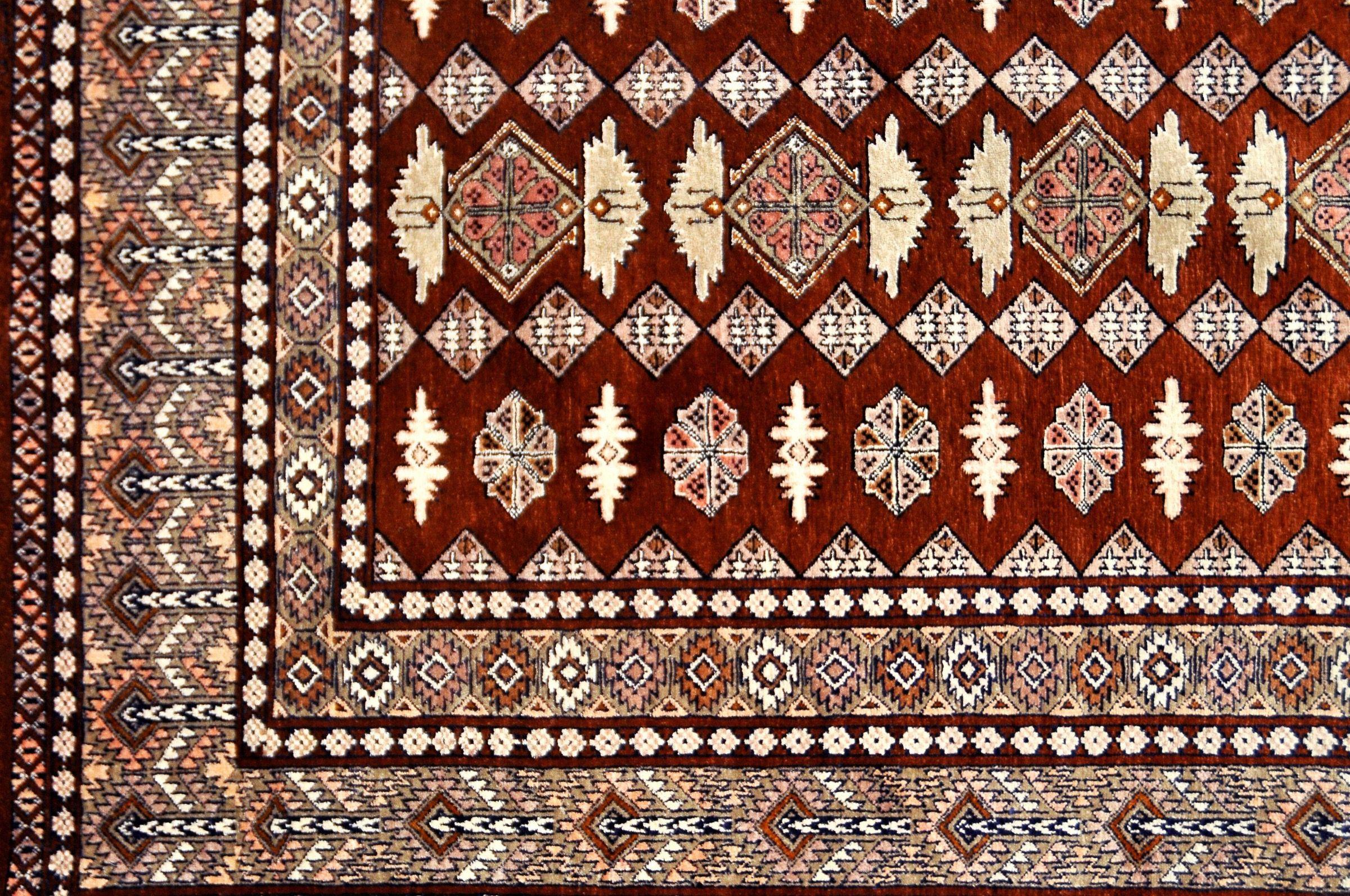
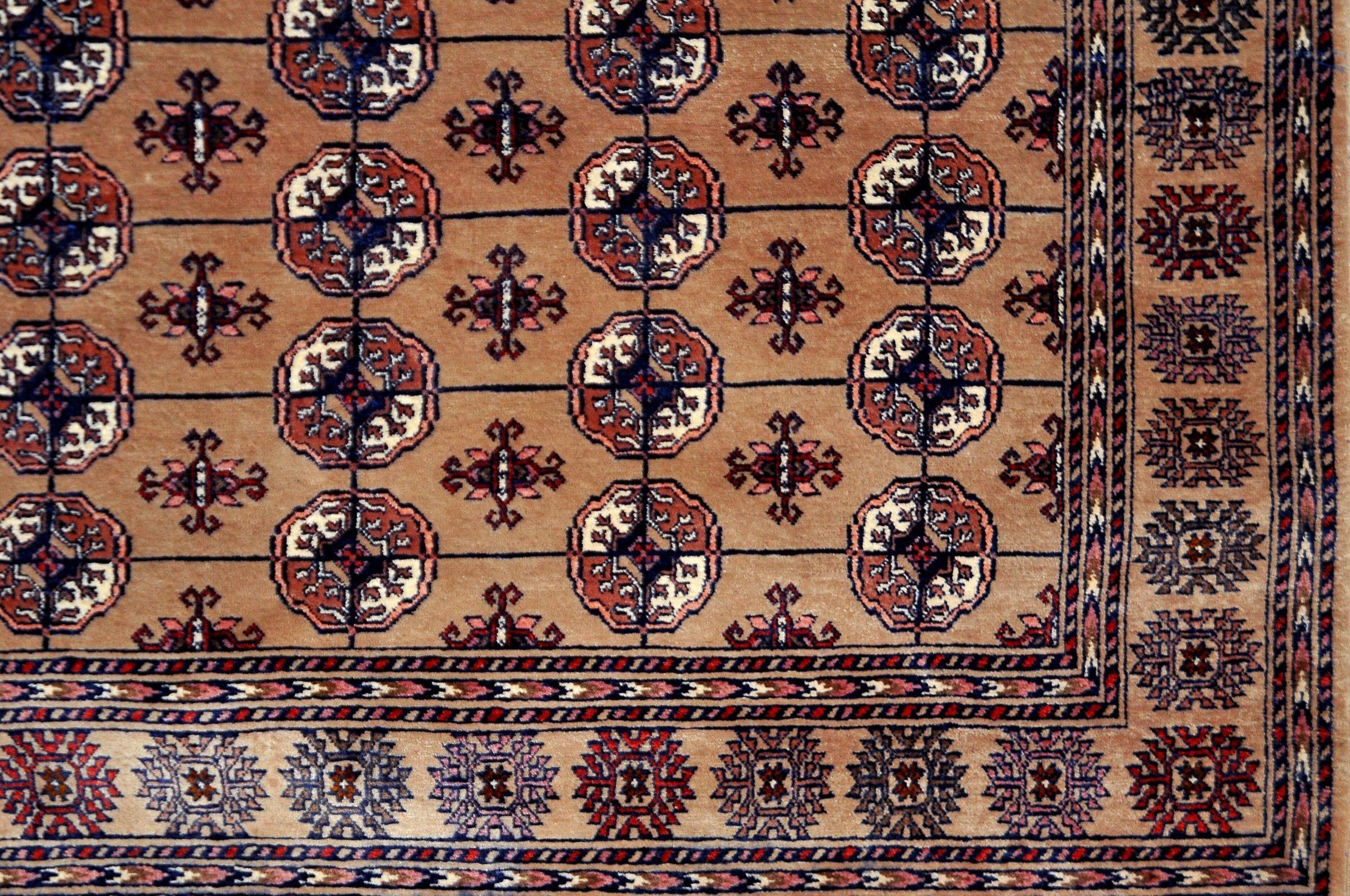
In the weaving hall, rows of women work at vertical looms, tying knots by hand against a paper cartoon of the design. A skilled weaver manages about 25 knots a minute; fine pieces are reported to reach several hundred thousand knots per square metre, and a large carpet can take two weavers a year or more. The designs are mostly floral and curvilinear in the Persian and Timurid manner, with medallions, vines and bird motifs, as opposed to the geometric gul patterns associated with Bukhara and the Turkmen tradition.
Buying
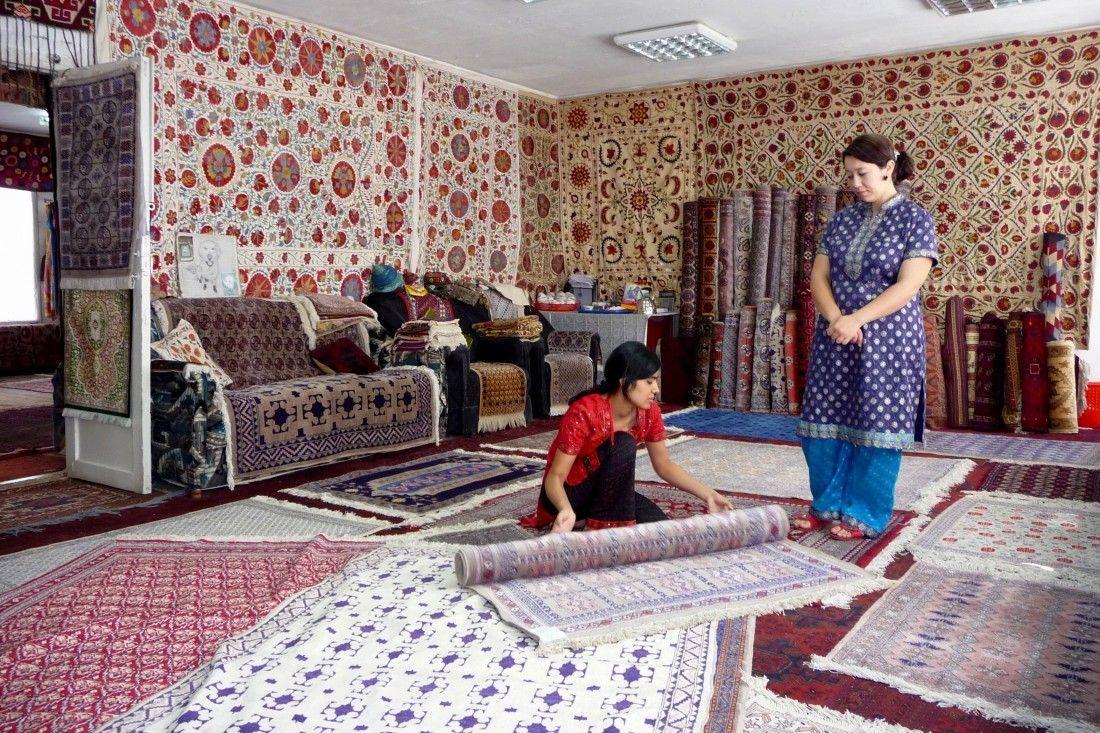
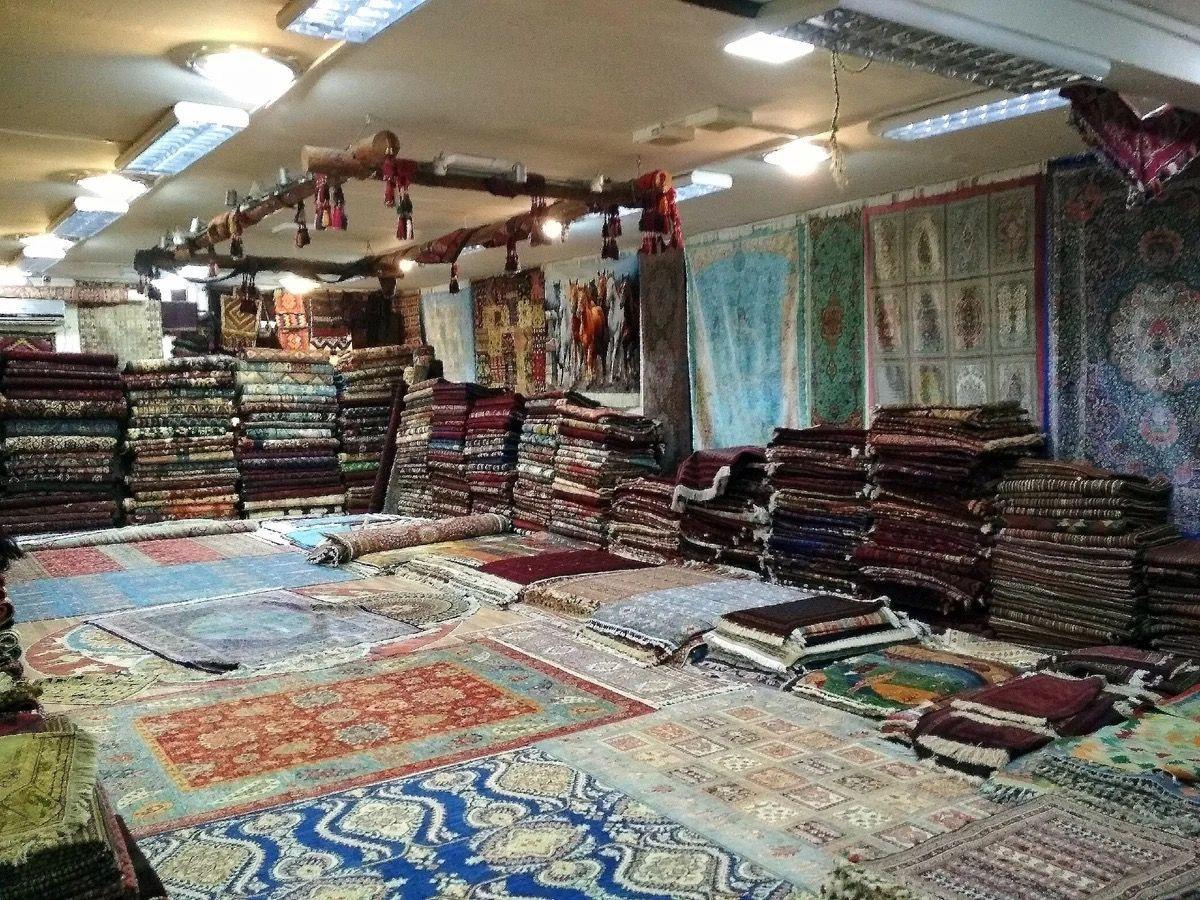
The showroom sells finished carpets in all sizes, with certificates for export. Prices reflect the labour involved and are fixed, though a conversation with the owners is part of the experience. Shipping can be arranged. There is no obligation to buy; the tour and demonstration are free.
How to experience it
Allow an hour. The looms are busiest on weekday mornings, when the full workforce is in; late afternoons and Sundays are quieter. Khujum is a few minutes by car from the Registan and pairs well with the Konigil paper mill for a half-day of crafts, or with the suzani embroidery workshops of Urgut.
What to see
- Weavers tying knots at the vertical looms
- The dye yard with madder, pomegranate and walnut
- Silk spinning and the explanation of knot density
- Floral Samarkand designs compared with geometric Bukhara ones
- The showroom of finished silk carpets
- A free guided demonstration in English
Gallery
Tours that visit Khujum Silk Carpet Factory
 New
Six Days, Seven Plovs
From
$995
 Premium
Twelve Gates of the Silk Road
From
$1,750
 Best Seller
Four Crowns: Tashkent, Samarkand, Bukhara, Khiva
From
$1,270
More sights in Samarkand
All of Samarkand

See Khujum Silk Carpet Factory with a local guide
We build private and small-group trips around the places you want to see — with guides who grew up here.