
Mosque · Mosque 15th–early 16th century; mausoleum 15th century; mosque restored 2023–2025
Langar-ota Mosque and Shrine, Kashkadarya
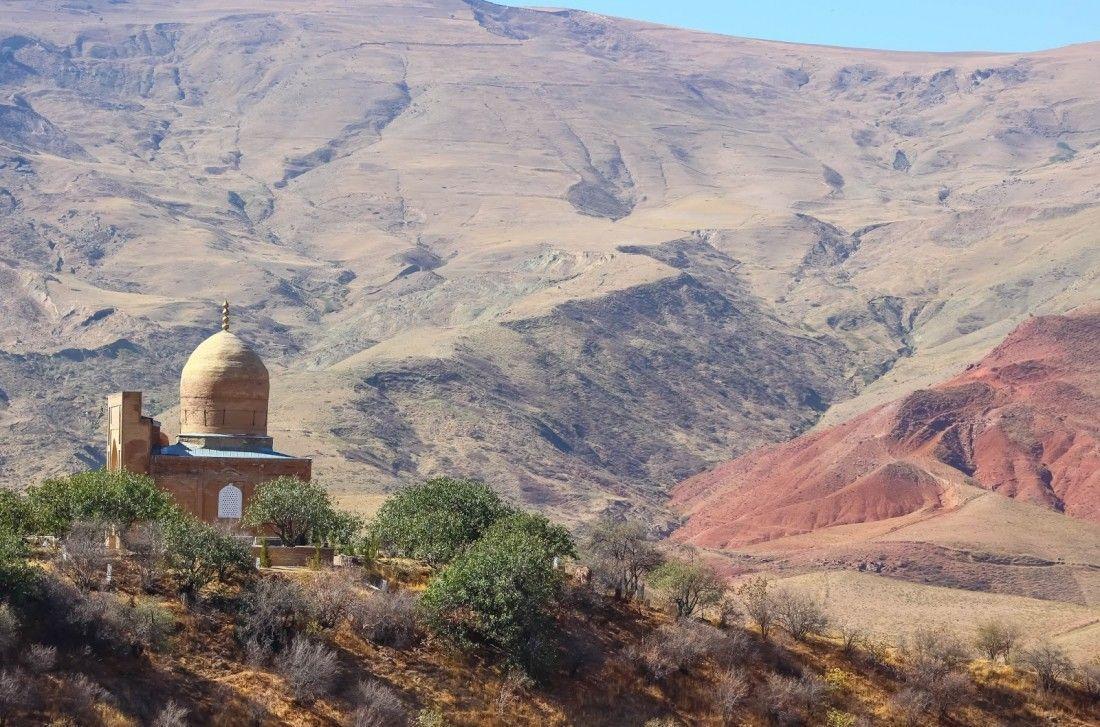
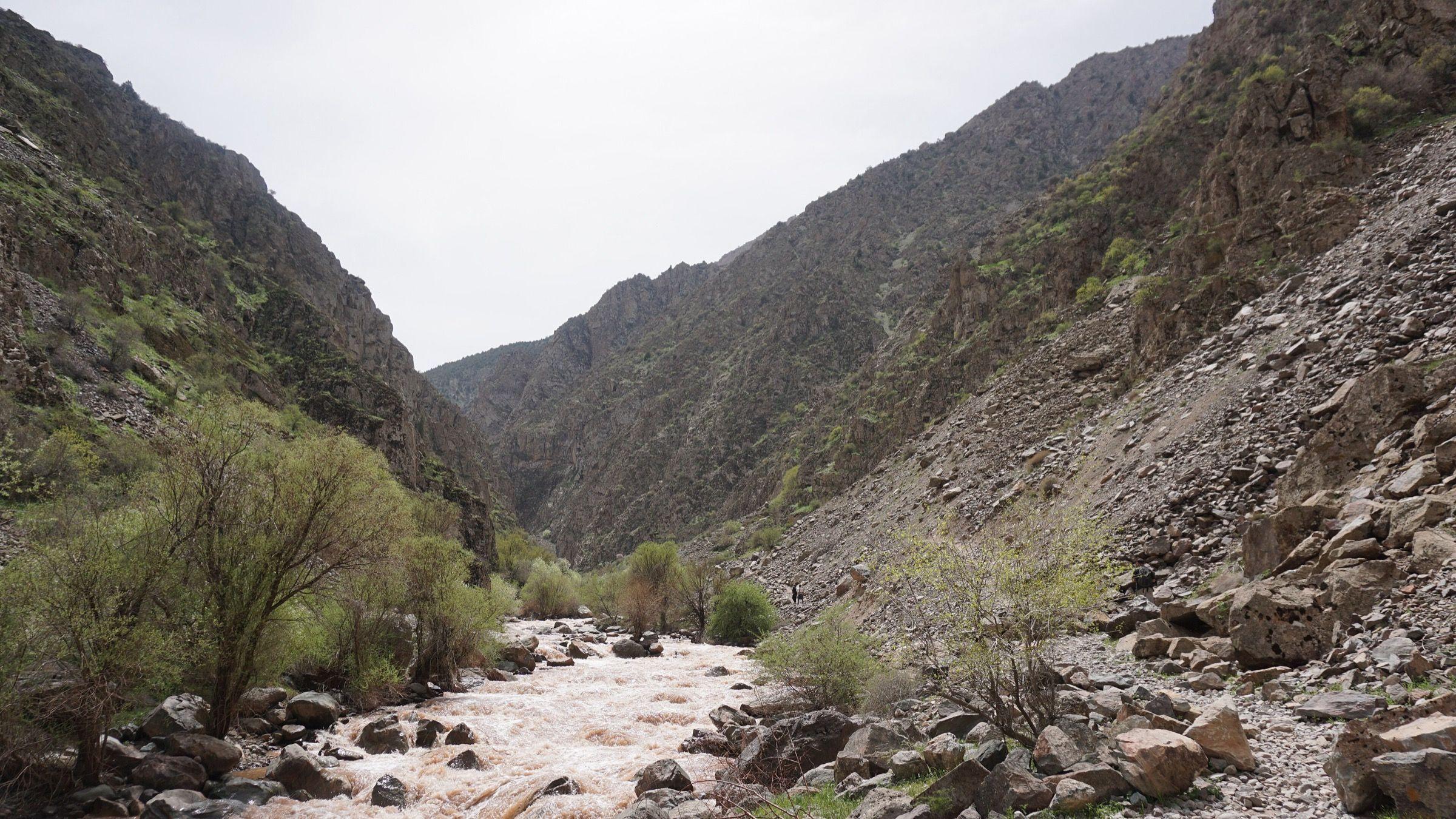
A Sufi shrine village in a gorge of the upper Kashkadarya: the 19-column mosque that once kept the Katta Langar Quran, one of the oldest in the world, and the domed mausoleum of the Ishqiya sheikhs on the hill above.
About
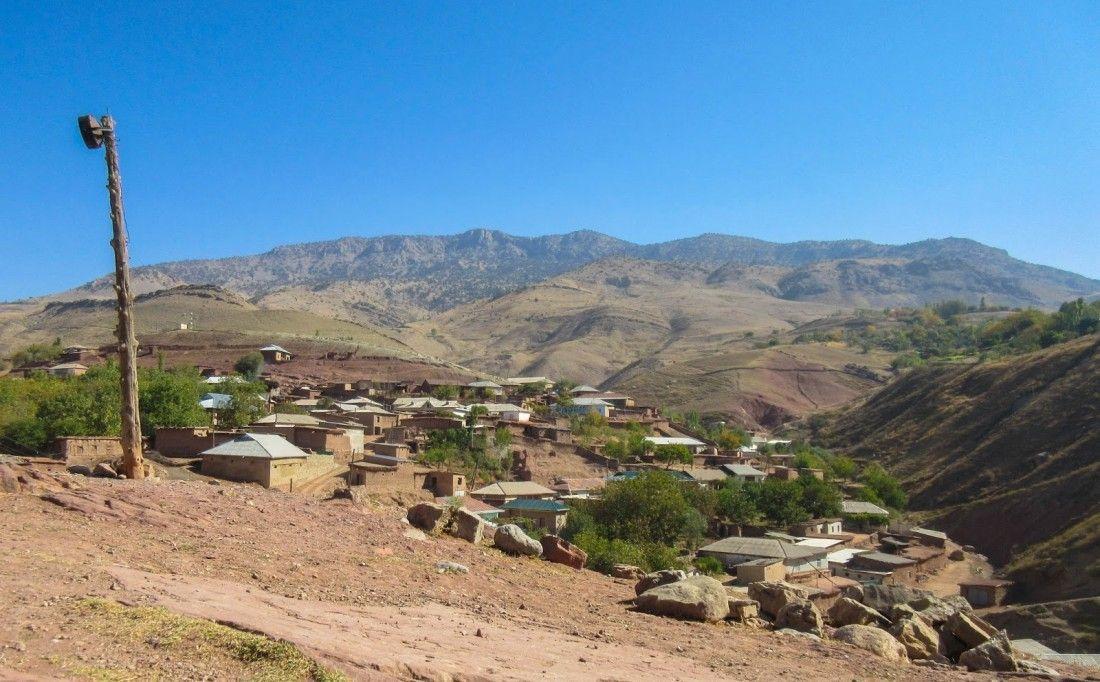
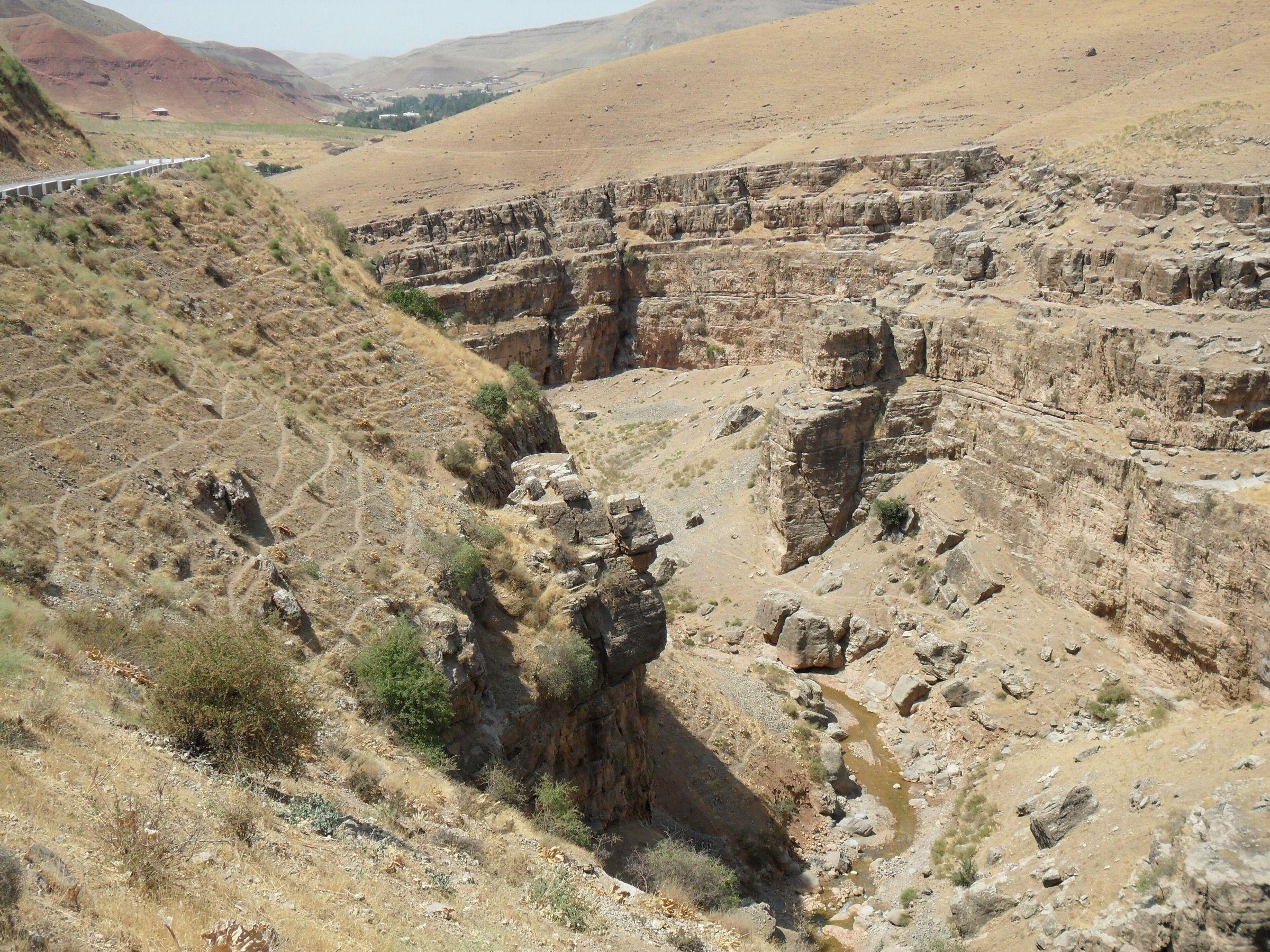
Katta Langar lies about 70 km south-east of Shakhrisabz, where the Kashkadarya river cuts a gorge through the foothills of the Hissar range. The village of adobe houses climbs the slopes; above it, on two hills facing each other, stand the mosque and the mausoleum that gave the place its name. “Langar” in this region means a Sufi hospice and pilgrimage site, and this was the seat of the Ishqiya brotherhood, which moved here from Samarkand in the late fifteenth century.
The sheikhs and their mausoleum
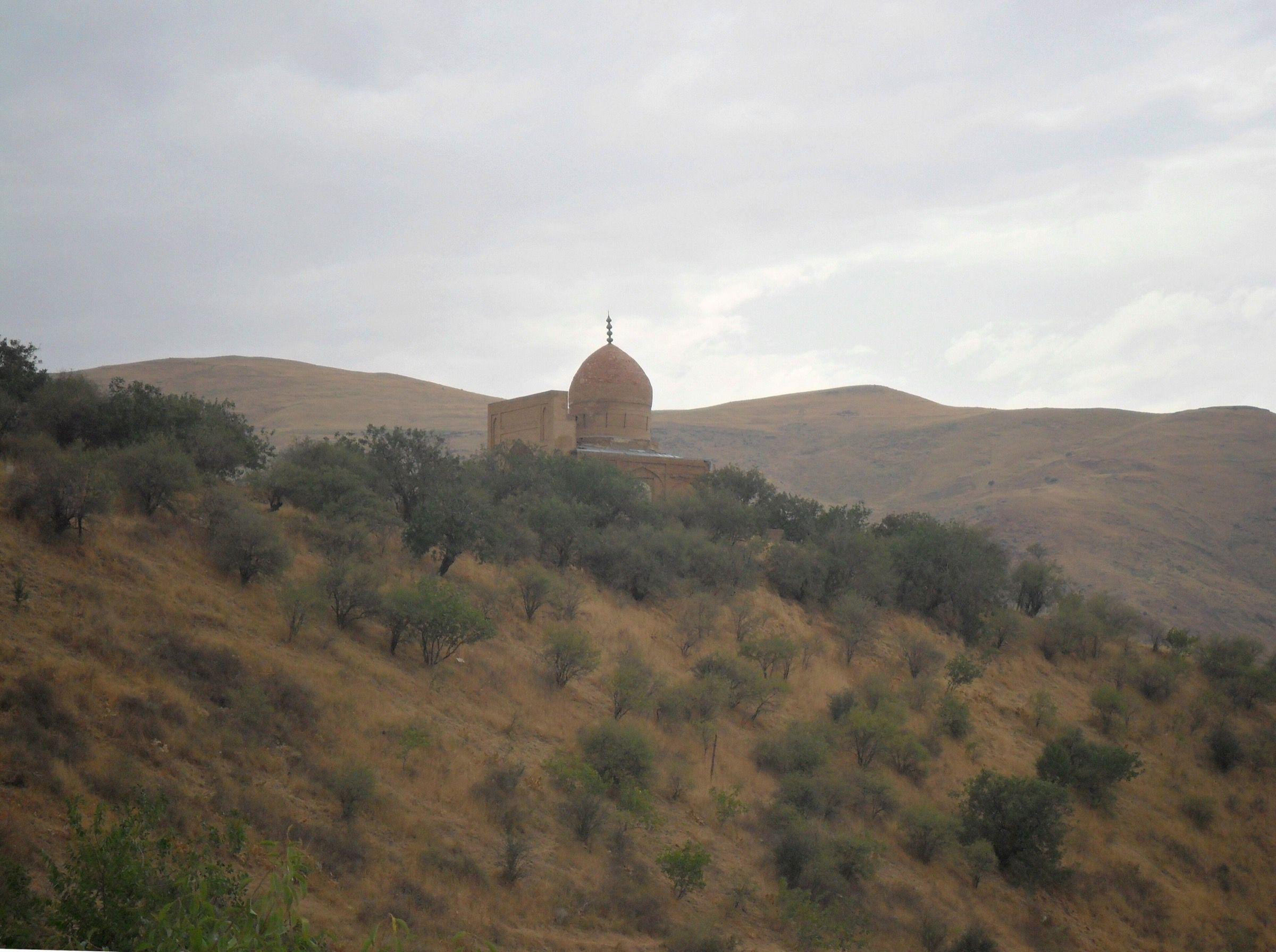
The brick mausoleum on the upper hill, with a ribbed golden-coloured dome, is dated to the fifteenth century and compared in form with the Yasawi shrine in Turkestan. It holds five graves; the historian Abdusobir Rayimkulov identifies the three with carved tombstones as Sheikh Abulhasan Ishqi, founder of the order's presence here, his son Muhammad Sodiq and his grandson Abulhasan Okhund. Local tradition tells it differently and more colourfully: a daughter of Amir Timur and a Yemeni hermit-sheikh are said to lie here too, and the village is said to have been founded where the camel of a disciple sent out by his master finally knelt. Treat those as the legends they are. Around the mausoleum is a cemetery of several hundred followers, and a khilkhona, or retreat cell, stands a hundred metres away.
The mosque and the Quran
The mosque on the lower hill is a flat-roofed hall whose ceiling rests on nineteen carved wooden columns; the village story says it was built in a single day, and that when timber ran out the last column was made of cotton. Its real claim is the manuscript it housed for centuries: the Katta Langar Quran, written in Hijazi script on parchment and dated by scholars to the eighth century, among the oldest surviving Qurans anywhere. Most of its leaves are now in Tashkent and St Petersburg, with a few folios kept locally; copies and photographs are shown on site. The mosque was restored between 2023 and 2025 with support from the United States Ambassadors Fund for Cultural Preservation and reopened in June 2025.
The village
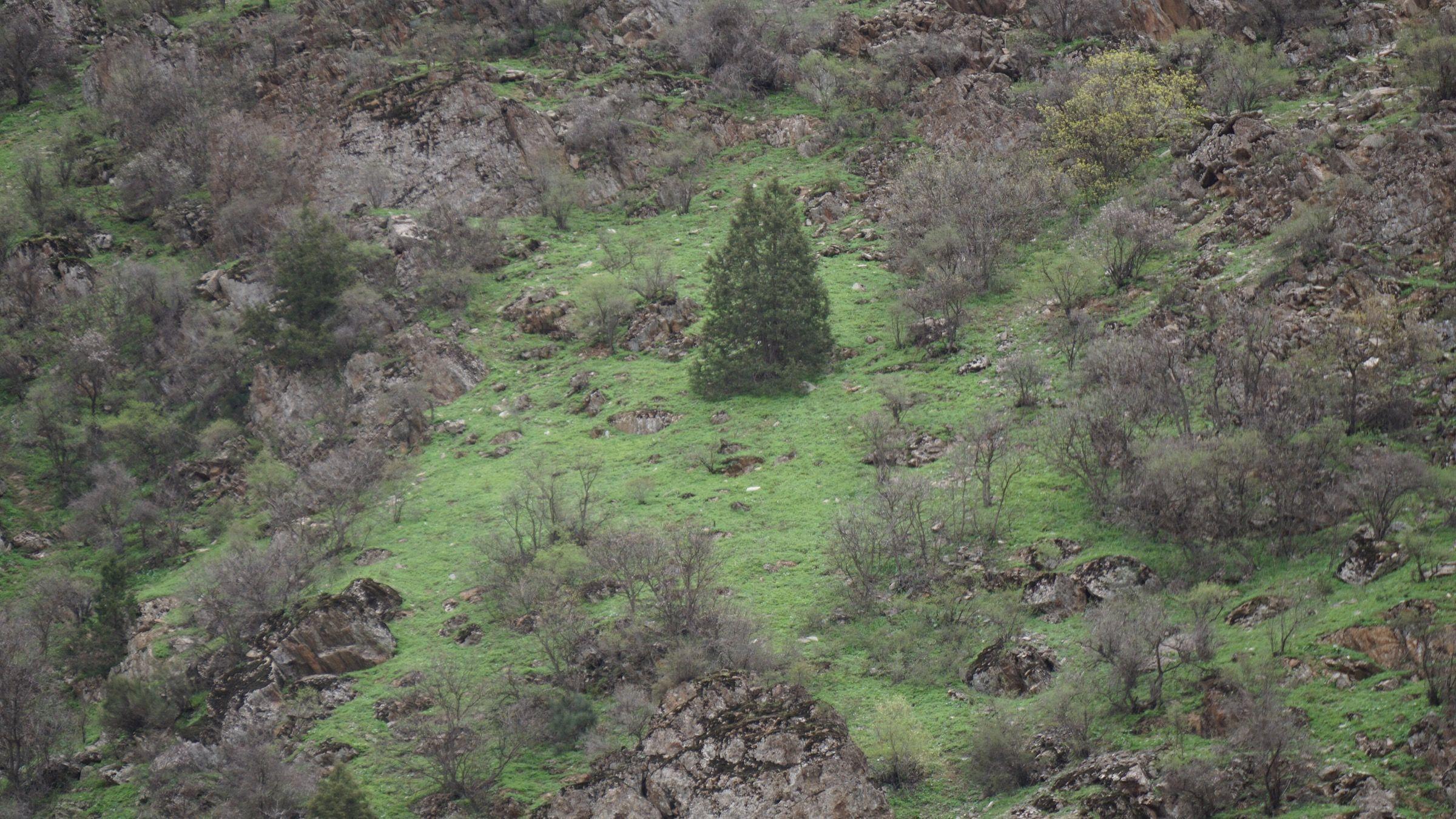
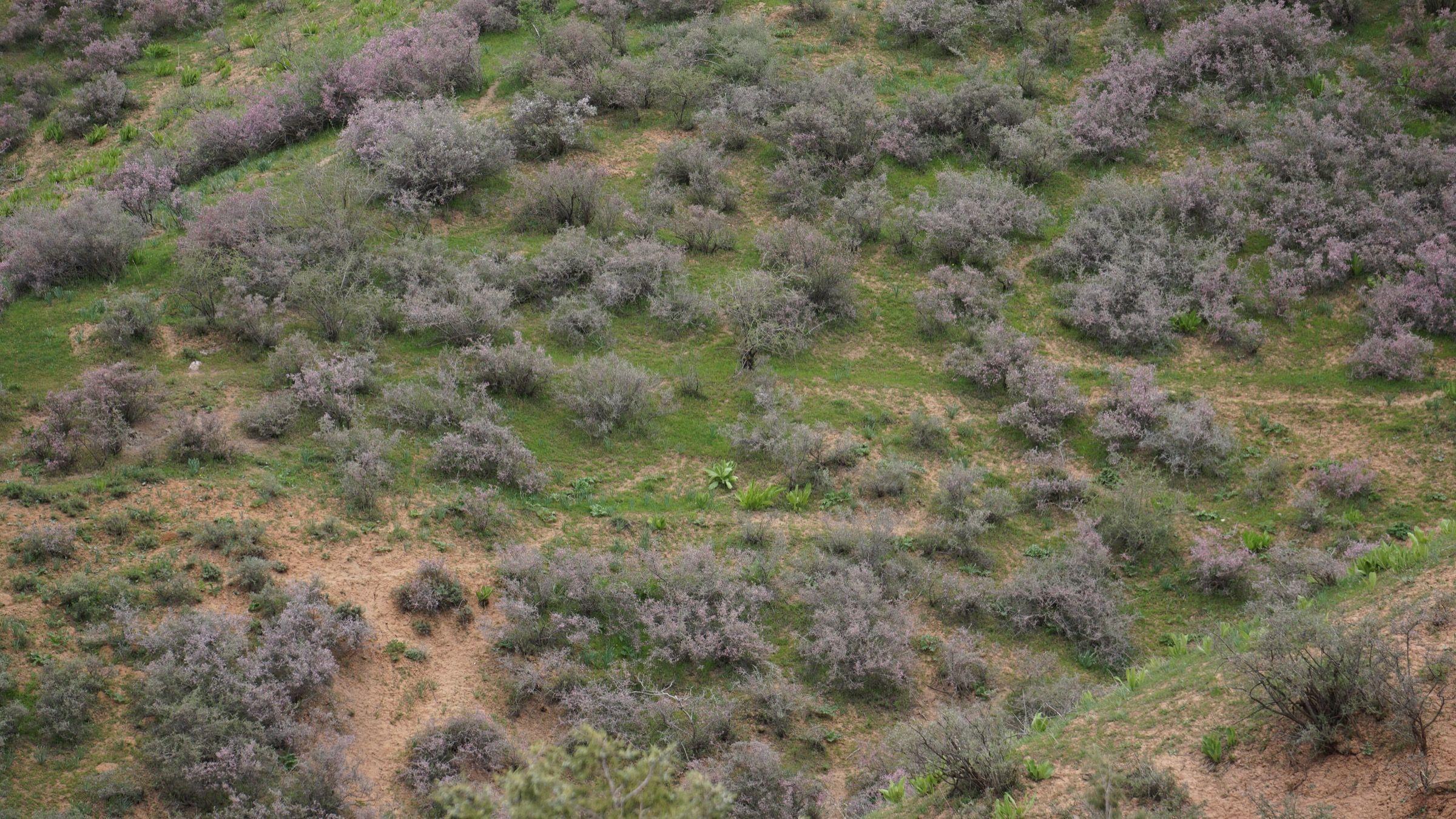
Langar is also worth the journey for itself: terraced adobe houses, walnut and mulberry trees along the river, flocks on the hills and a reputation, often repeated, for long-lived residents. Pilgrims walk three times around the mausoleum and tie their wishes to it; visitors are welcome if they dress modestly, remove shoes where asked and keep the cemetery quiet.
Getting there
The drive from Shakhrisabz takes about two hours via Kamashi, the last part on a mountain road; from Karshi it is similar. Langar pairs naturally with the Maidanak observatory or Gelon for a two-day Kashkadarya loop out of Samarkand, and the spring months, when the gorge is green, are the time to go.
What to see
- The 19-column mosque on its hill above the gorge
- The story and facsimiles of the Katta Langar Quran
- The ribbed-domed mausoleum of the Ishqiya sheikhs
- The cemetery of followers and the retreat cell
- Adobe village streets and walnut groves along the Kashkadarya
- Views down the gorge from the mausoleum terrace
Gallery
Tours that visit Langar-ota Mosque and Shrine, Kashkadarya
 New
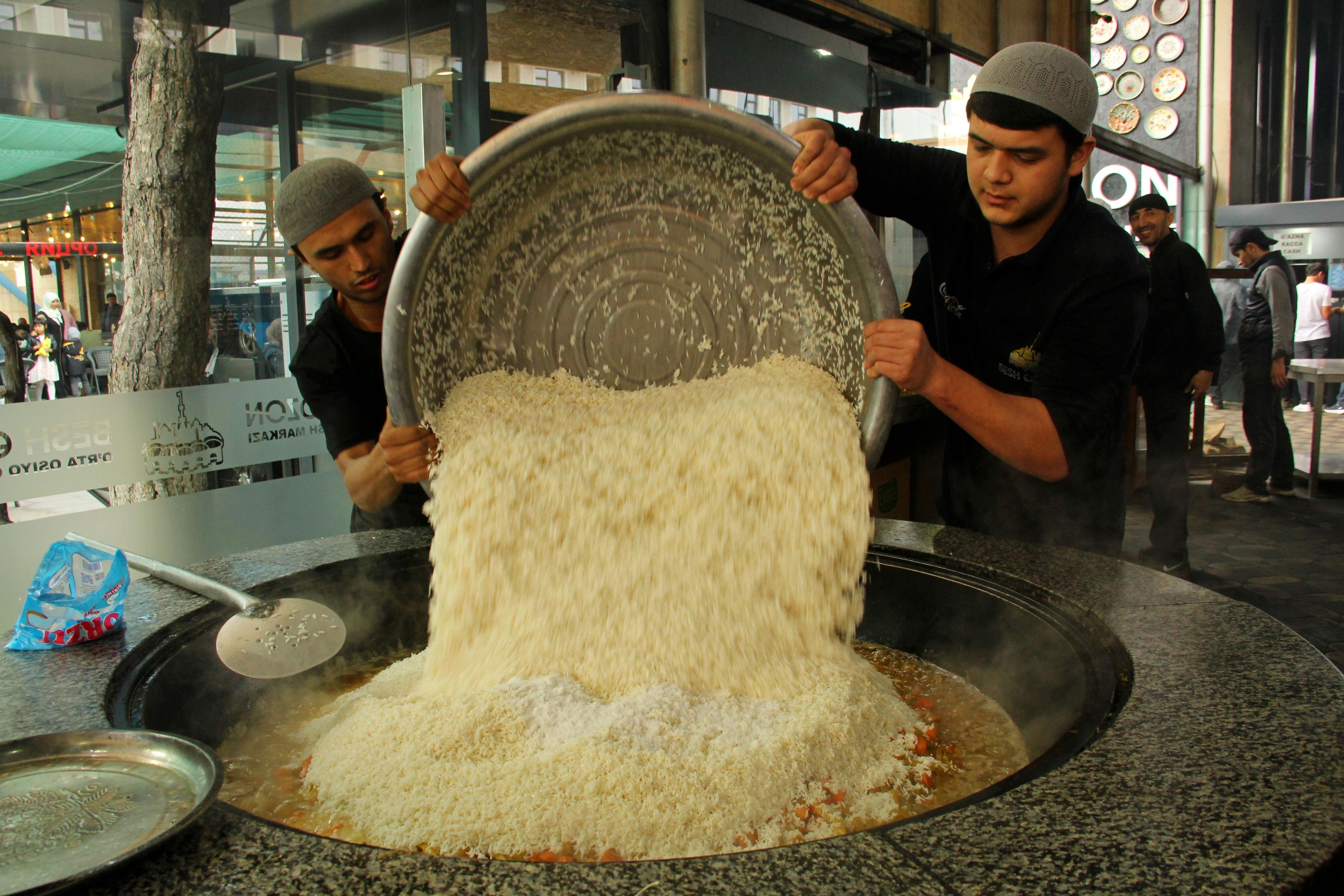
Six Days, Seven Plovs
From
$995
 Premium
Twelve Gates of the Silk Road
From
$1,750
 Best Seller
Four Crowns: Tashkent, Samarkand, Bukhara, Khiva
From
$1,270
More sights in Samarkand
All of Samarkand

See Langar-ota Mosque and Shrine, Kashkadarya with a local guide
We build private and small-group trips around the places you want to see — with guides who grew up here.