
Mausoleum · Chillakhona 12th century; mausoleum 16th century, rebuilt late 19th; mosque rebuilt 2011
Kukcha: Sheikh Zayniddin Mosque and Mausoleum
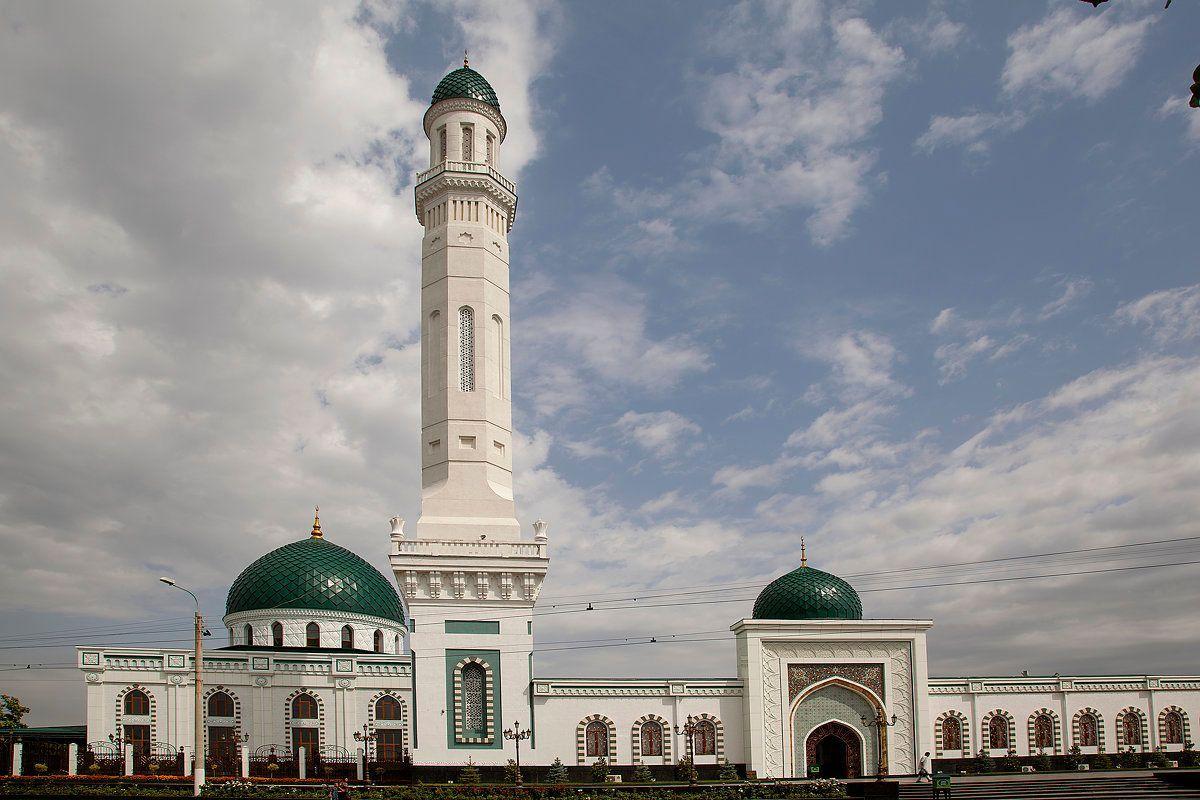
In the old western quarter of Kukcha, a 12th-century underground meditation cell, the mausoleum of the Sufi Sheikh Zayniddin and a white-and-green mosque rebuilt in 2011 for 6,000 worshippers: the most important shrine of old Tashkent.
About
Kukcha was one of the four historic quarters (dahas) of Tashkent and the name of its western gate. Its heart is the cemetery and shrine of Sheikh Zayniddin-bobo, a Sufi of the Suhrawardi order who, tradition says, was sent from Baghdad by his father, the order's founder Abu Najib Suhrawardi, to teach in Tashkent in the 12th century and lived to the age of 95. For the people of Kukcha he became the quarter's patron, and his grave has drawn pilgrims ever since.
The chillakhona
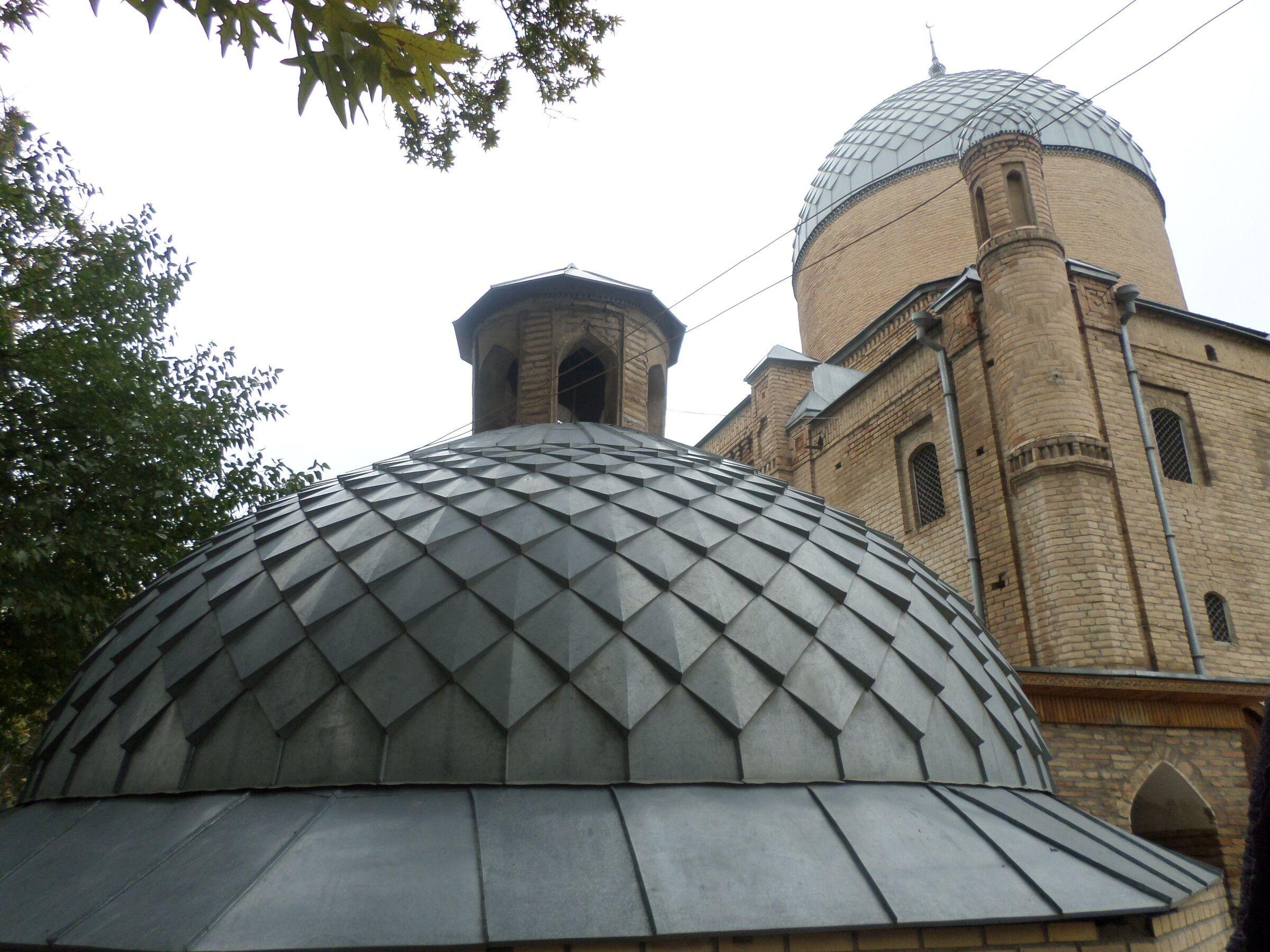
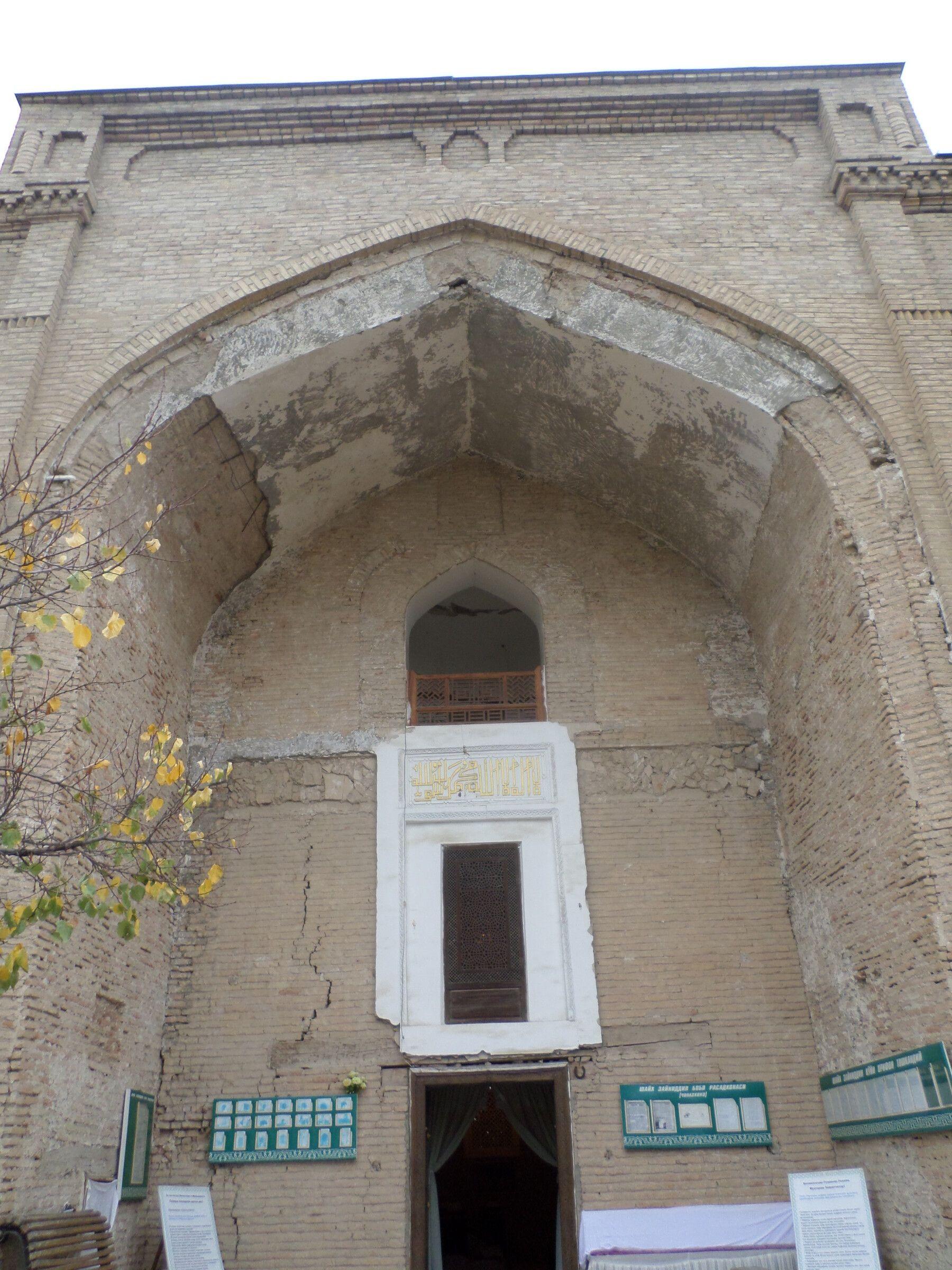
The oldest structure is the chillakhona, a small domed brick cell sunk into the ground beside the mausoleum, where the sheikh is said to have withdrawn for forty-day retreats (chilla). Its brickwork is dated to the 12th century, which makes it the oldest building still in use in Tashkent. A narrow stair leads down into a chamber lit by an opening in the dome; local lore says the light falling through it at the summer solstice was used to fix the farming calendar, and one scholarly account suggests the cell was built over an earlier observatory. Ask the caretaker to open it.
The mausoleum
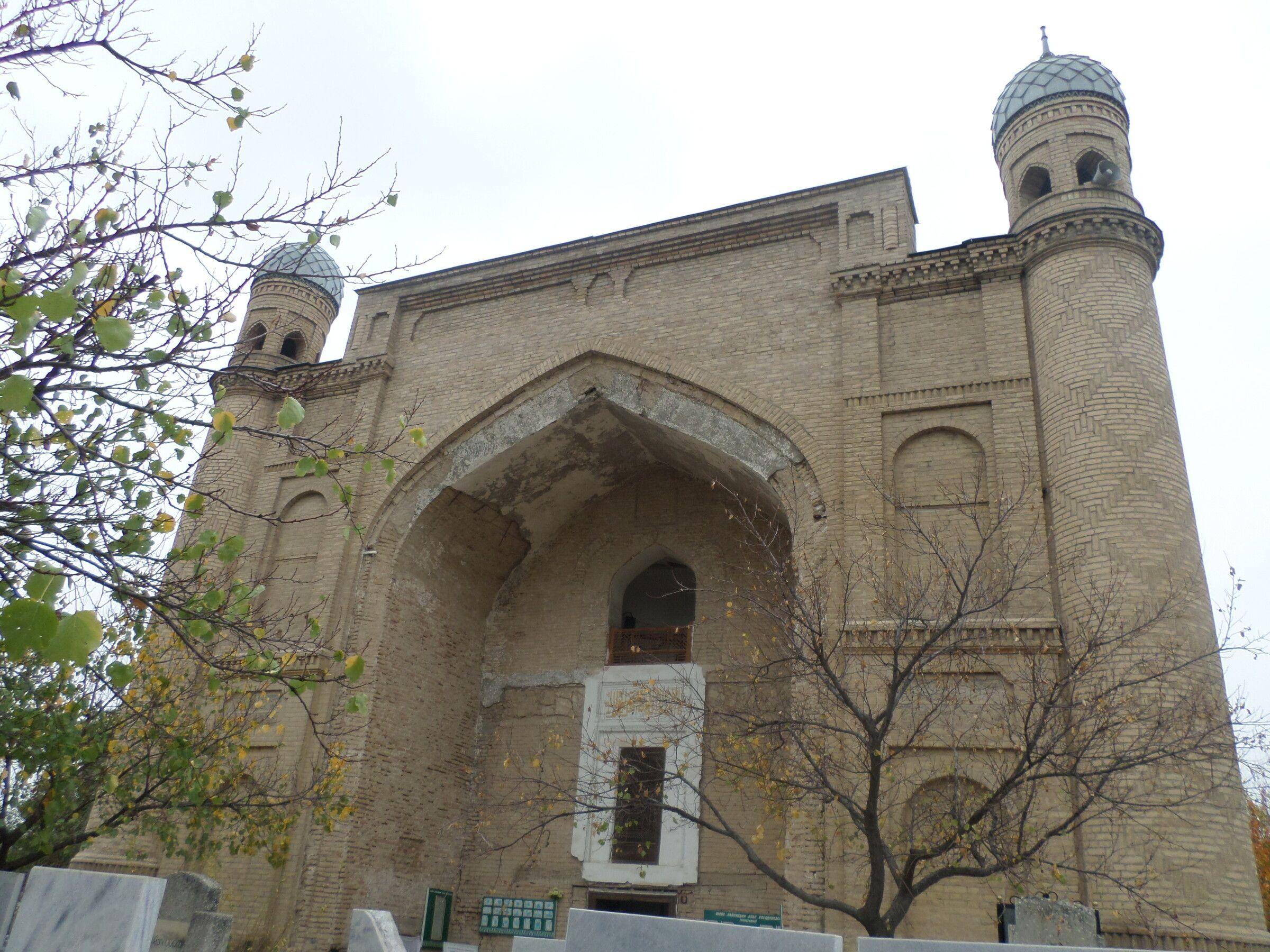
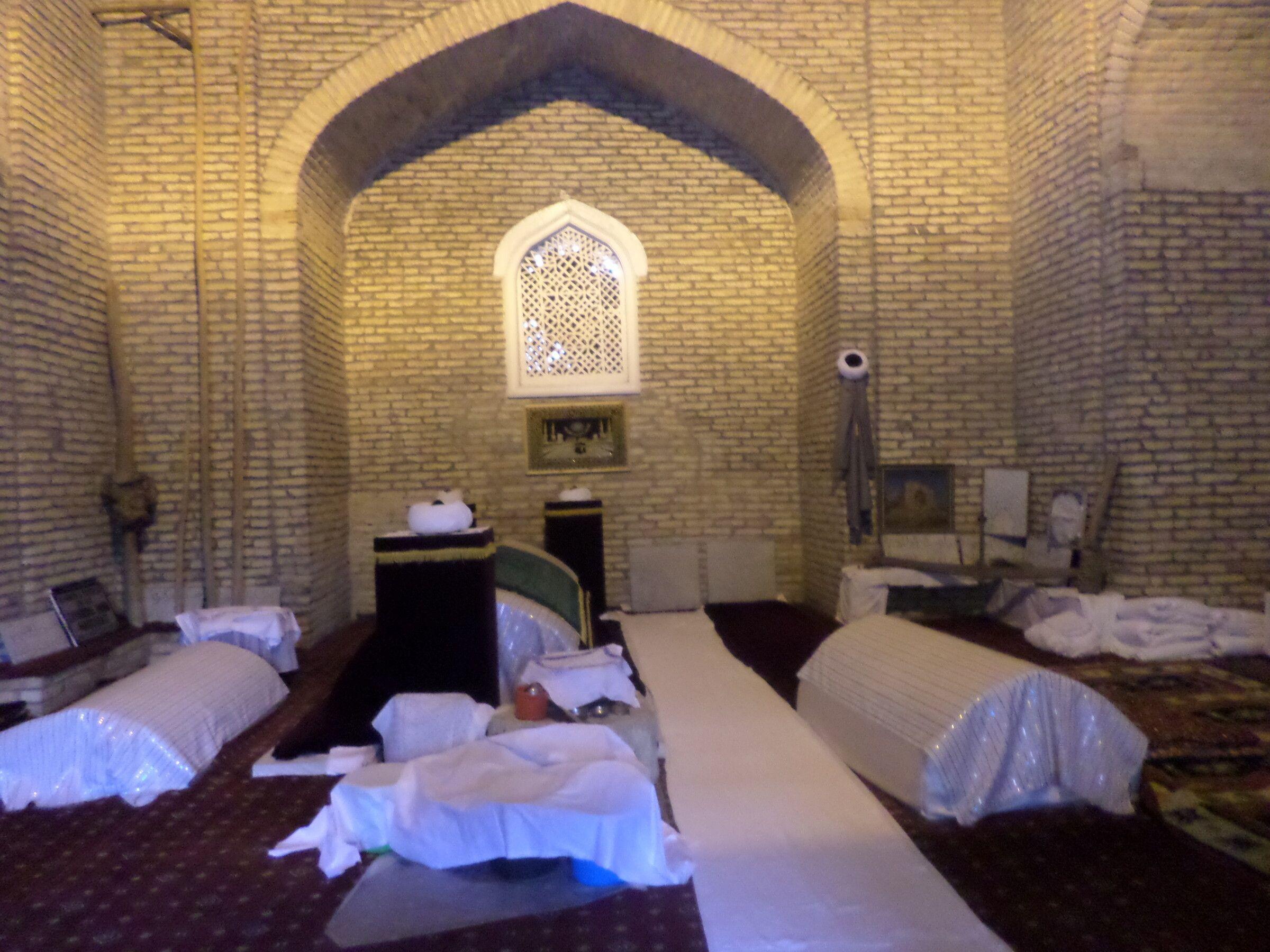
Popular accounts credit Amir Timur with ordering a tomb for the sheikh in the late 14th century, as they do for most saints of the region. Architectural historians are more cautious: the present brick mausoleum, roughly 18 by 16 metres and nearly 21 metres high, belongs to the 16th-century Shaybanid building programme in Tashkent and was substantially rebuilt at the end of the 19th century. It is a plain, dignified building, a square chamber under a dome on a high drum, with a portal that catches the morning sun.
The new mosque
Beside the cemetery stands the Kukcha Friday mosque, rebuilt in 2011 in a modern Uzbek style: white walls, green domes, a tall minaret and a columned aivan. It is reported to hold around 6,000 worshippers, one of the largest in the capital, and fills on Fridays and holidays.
Visiting and etiquette
This is a living pilgrimage site in a residential quarter, not a museum. Dress modestly, women should cover their hair in the mausoleum and mosque, remove shoes where carpets begin and do not photograph people praying. Non-Muslim visitors are welcome outside prayer times. Forty-five minutes is enough; the shrine fits well into a half-day of old Tashkent with Chorsu Bazaar and Suzuk-ota, both a short taxi ride east.
What to see
- The 12th-century underground chillakhona, Tashkent's oldest building in use
- Mausoleum of Sheikh Zayniddin-bobo, patron saint of the Kukcha quarter
- The white-and-green Kukcha mosque rebuilt in 2011, one of the city's largest
- Old cemetery of the Kukcha daha with historic gravestones
- A working shrine away from the tourist circuit
- Easy to combine with Chorsu Bazaar and Suzuk-ota
Gallery
Tours that visit Kukcha: Sheikh Zayniddin Mosque and Mausoleum
 New
Six Days, Seven Plovs
From
$995
 Premium
Twelve Gates of the Silk Road
From
$1,750
 Best Seller
Four Crowns: Tashkent, Samarkand, Bukhara, Khiva
From
$1,270
More sights in Tashkent
All of Tashkent


See Kukcha: Sheikh Zayniddin Mosque and Mausoleum with a local guide
We build private and small-group trips around the places you want to see — with guides who grew up here.