
Madrasa · c. 1570
Kukeldash Madrasah
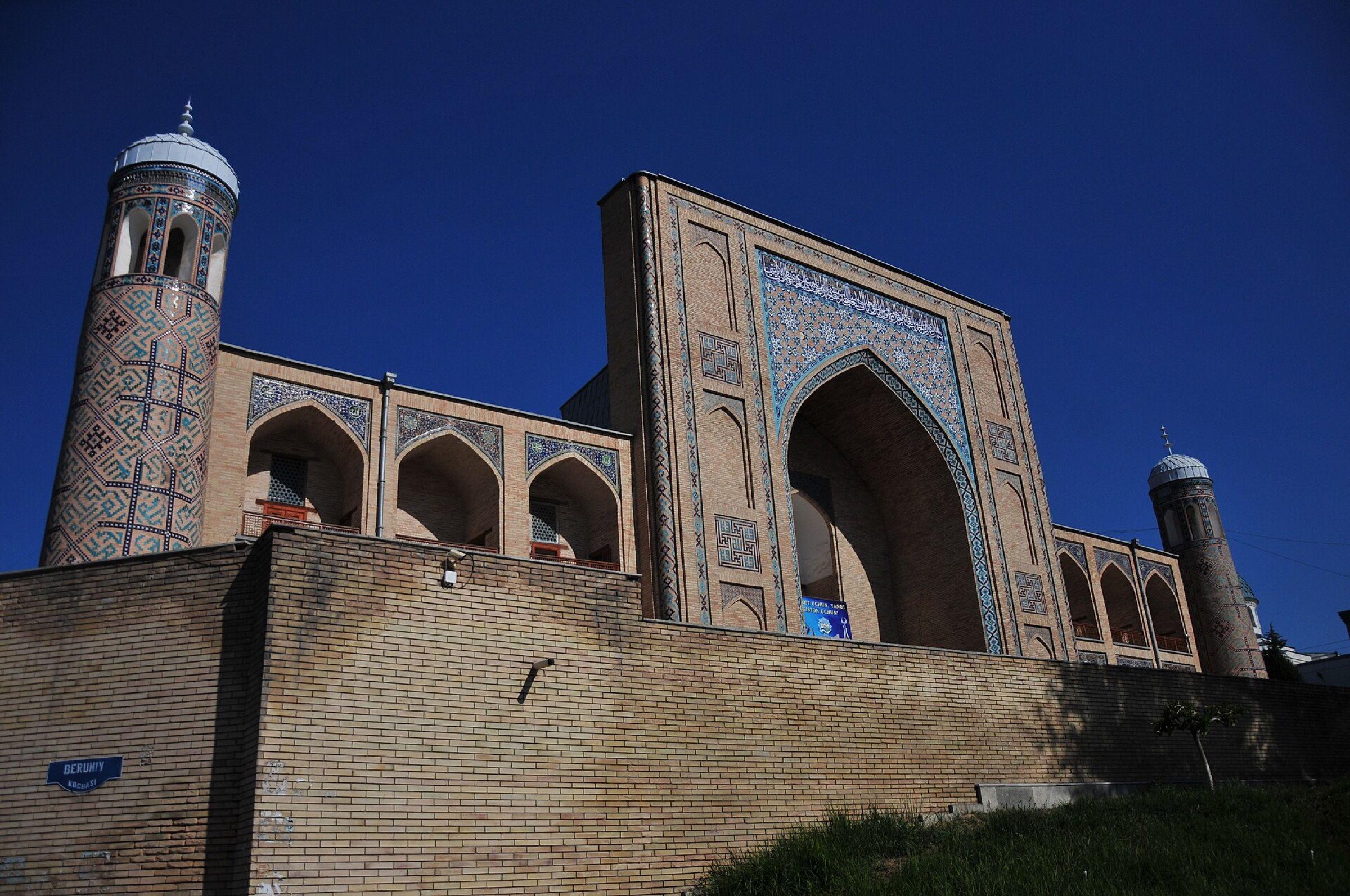
One of the few medieval buildings left in central Tashkent: a 16th-century madrasah with a 20-metre portal on a rise above Chorsu Bazaar, built under the Shaybanids and still a working religious school.
About
Standing on a low rise above the Chorsu crossroads, the Kukeldash Madrasah is the most striking survivor of medieval Tashkent. It was built around 1570, under the Shaybanid dynasty; most sources credit the Shaybanid ruler Dervish Sultan, while local tradition names a vizier with the title kukeldash, "foster brother" of the khan, which is where the building's name comes from. Its yellow-brick portal rises about 20 metres between two corner towers, and from the bazaar below it still dominates the skyline of the old town.
The madrasah has had a hard life. In the 18th century it served as a caravanserai and then as a fortress. In 1830–1831 part of the upper storey was taken down and its bricks reused for another madrasah nearby. An earthquake in 1868 damaged it badly, and it was rebuilt in 1902–1903 and restored again in the 1950s. It was one of the few religious buildings in the centre to come through the 1966 earthquake. In the Soviet period it housed a museum, first of atheism and later of folk music, before returning to religious use in the 1990s.
A grim legend
Guides in Tashkent like to tell a darker story about the portal. In the 19th century, the legend goes, women accused of adultery were sewn into sacks and thrown from the top of it on bazaar days. There is no reliable record to confirm it, and it is best taken as one of the cautionary tales the old town told about itself.
Visiting
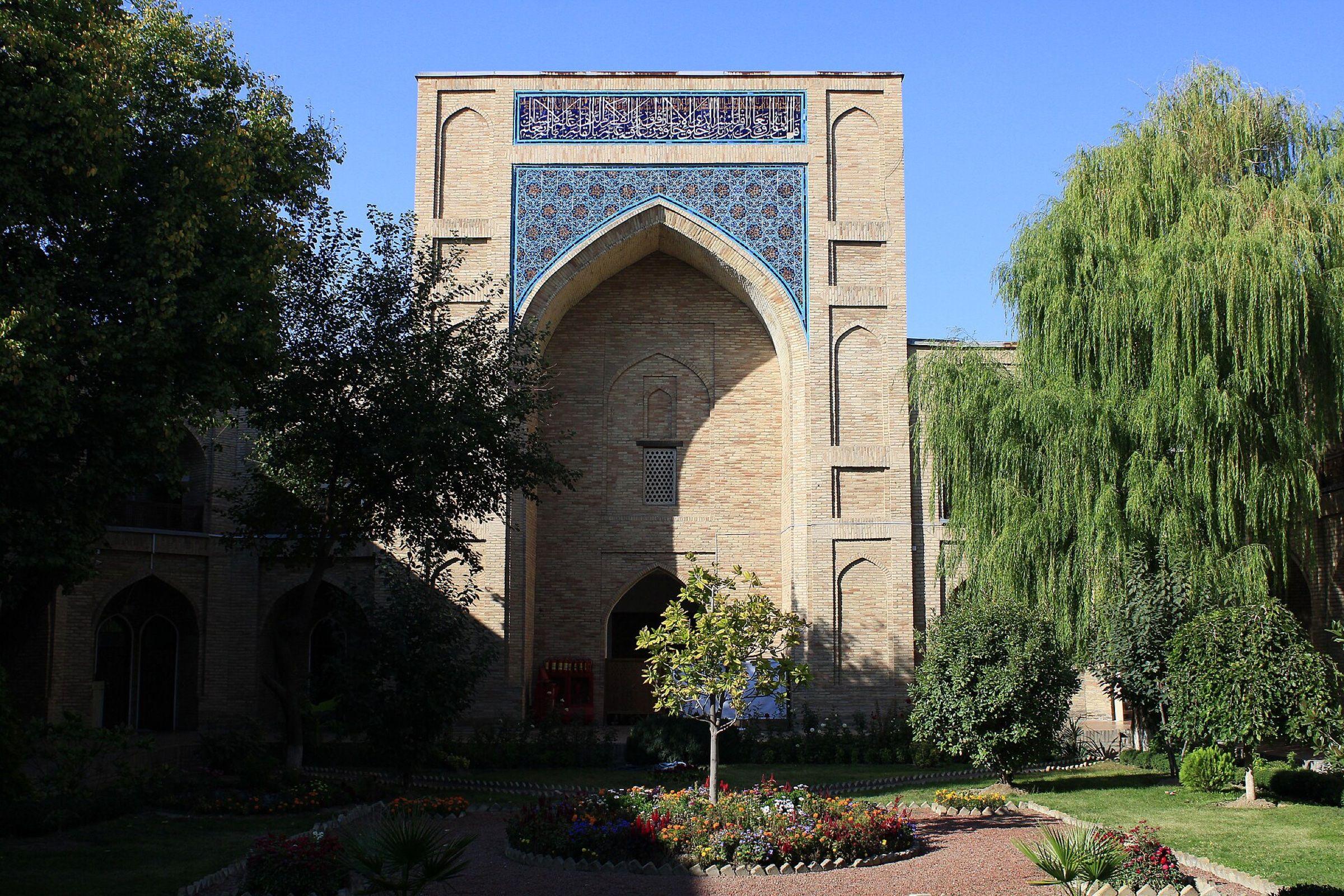
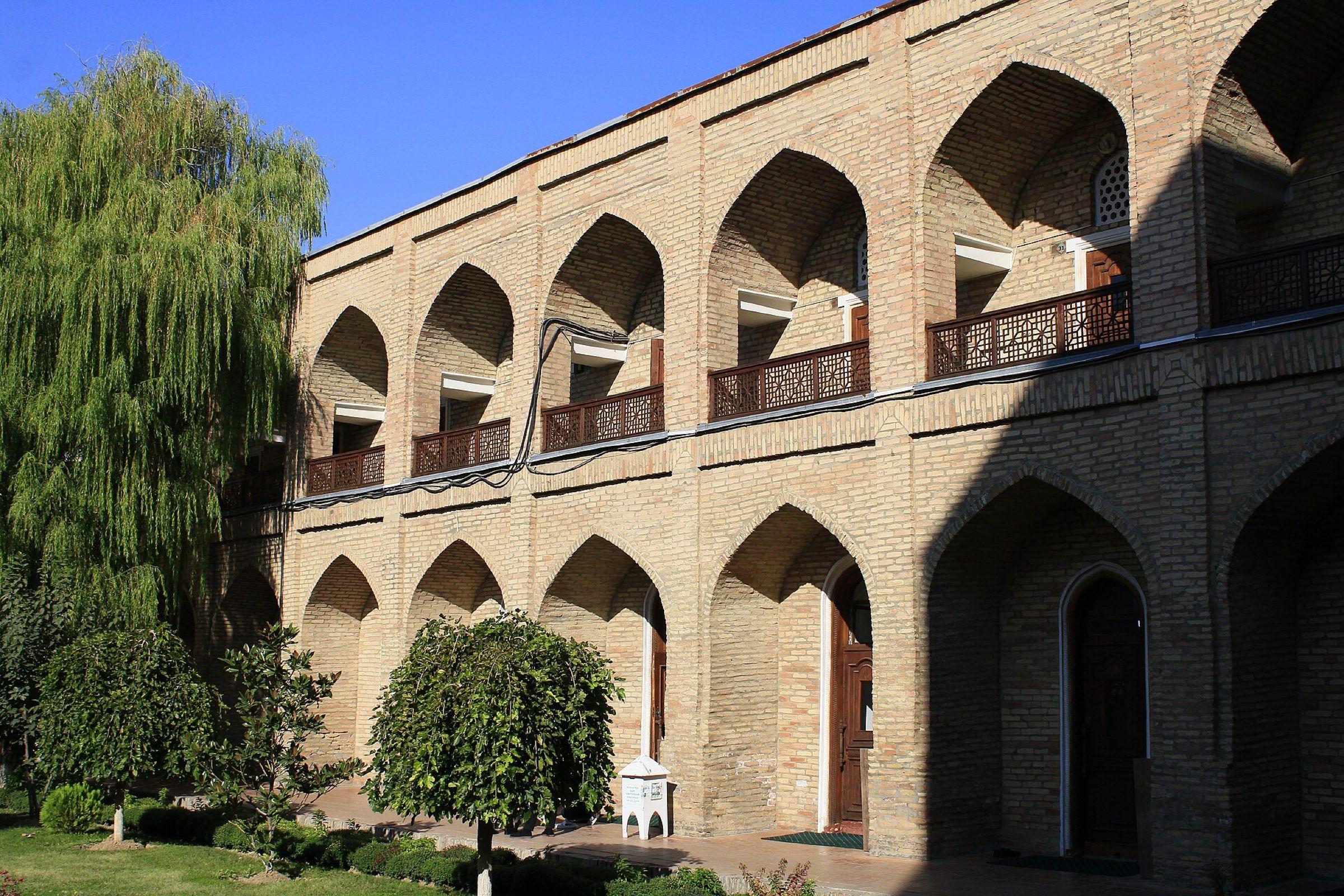
The building is a working madrasah, and its courtyard of two-storey student cells is not always open to visitors. The portal and outer walls are the main sight: look at the remaining tilework in the tympanum and the brick patterns of the towers, and climb the steps for a view over the domes of Chorsu. Dress modestly and be discreet if students are present. It takes 15 to 20 minutes and fits naturally between the bazaar and the walk north to the Khast-Imam complex.
What to see
- The 20-metre portal with its corner towers
- Remnants of 16th-century tilework and brick patterns
- View over the domes of Chorsu Bazaar from the madrasah steps
- The courtyard of student cells, when open
- The old-town setting at the Chorsu crossroads
Gallery
Tours that visit Kukeldash Madrasah
 PremiumTashkent · Fergana Valley · Samarkand · Nurata · Bukhara · Khiva
Twelve Gates of the Silk Road
From
$1,750
 NewTashkent · Samarkand · Gijduvan · Bukhara
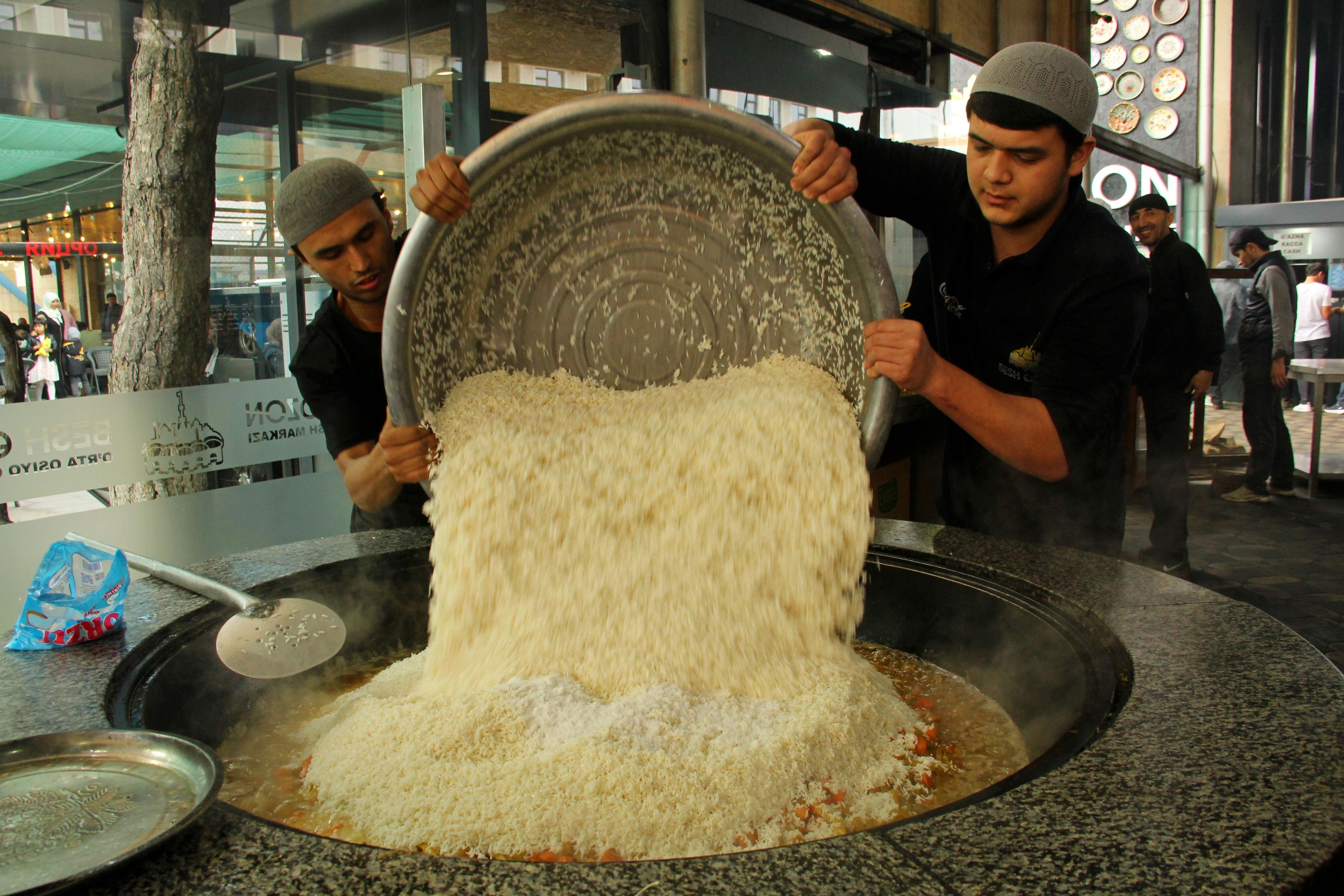
Six Days, Seven Plovs
From
$995
 Best SellerTashkent · Samarkand · Bukhara · Khiva
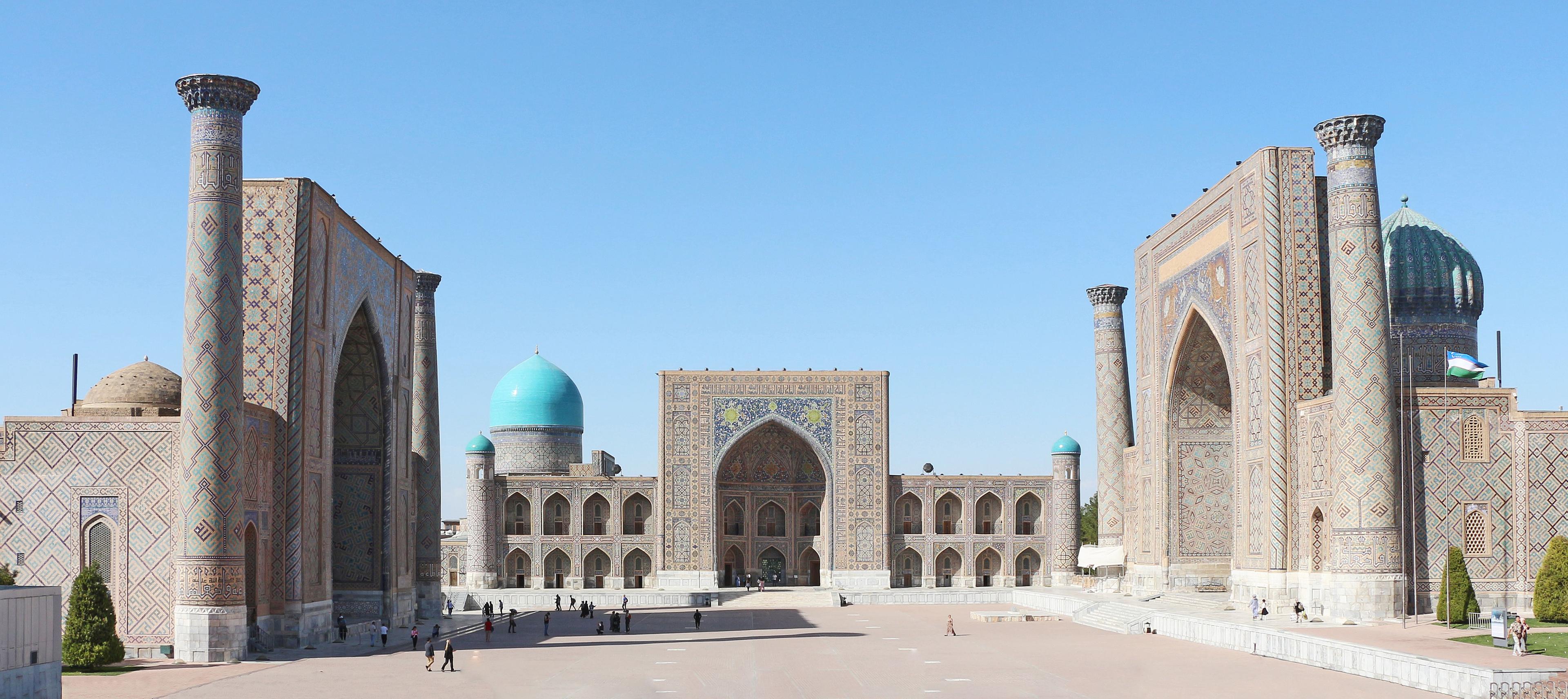
Four Crowns: Tashkent, Samarkand, Bukhara, Khiva
From
$1,270
More sights in Tashkent
All of Tashkent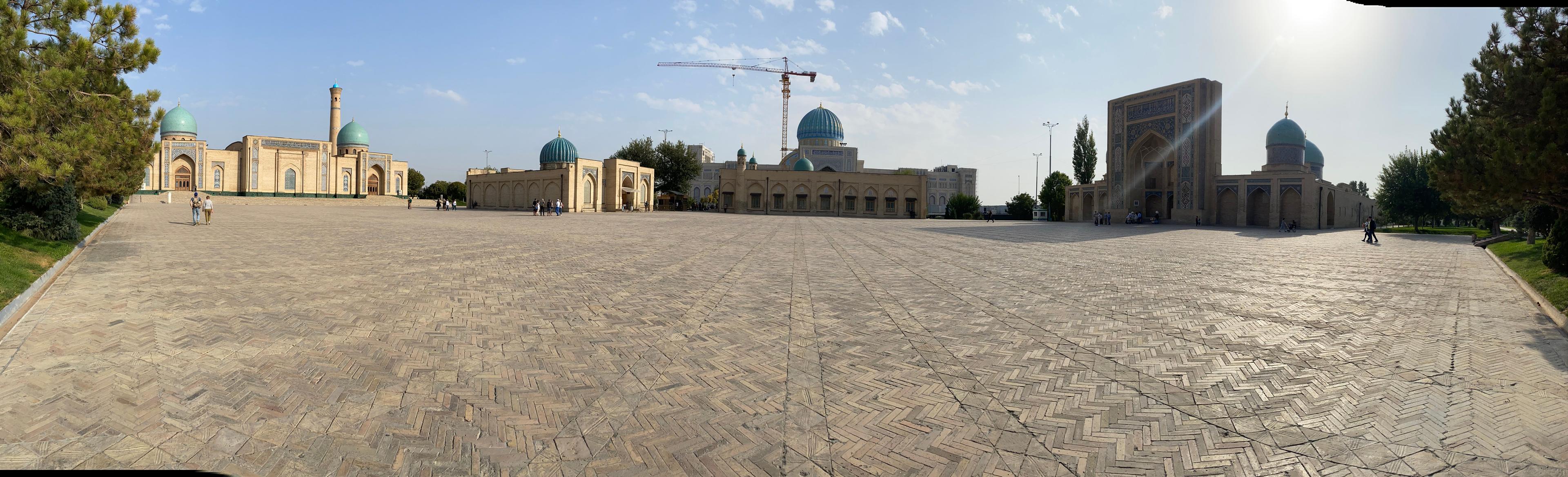


See Kukeldash Madrasah with a local guide
We build private and small-group trips around the places you want to see — with guides who grew up here.