
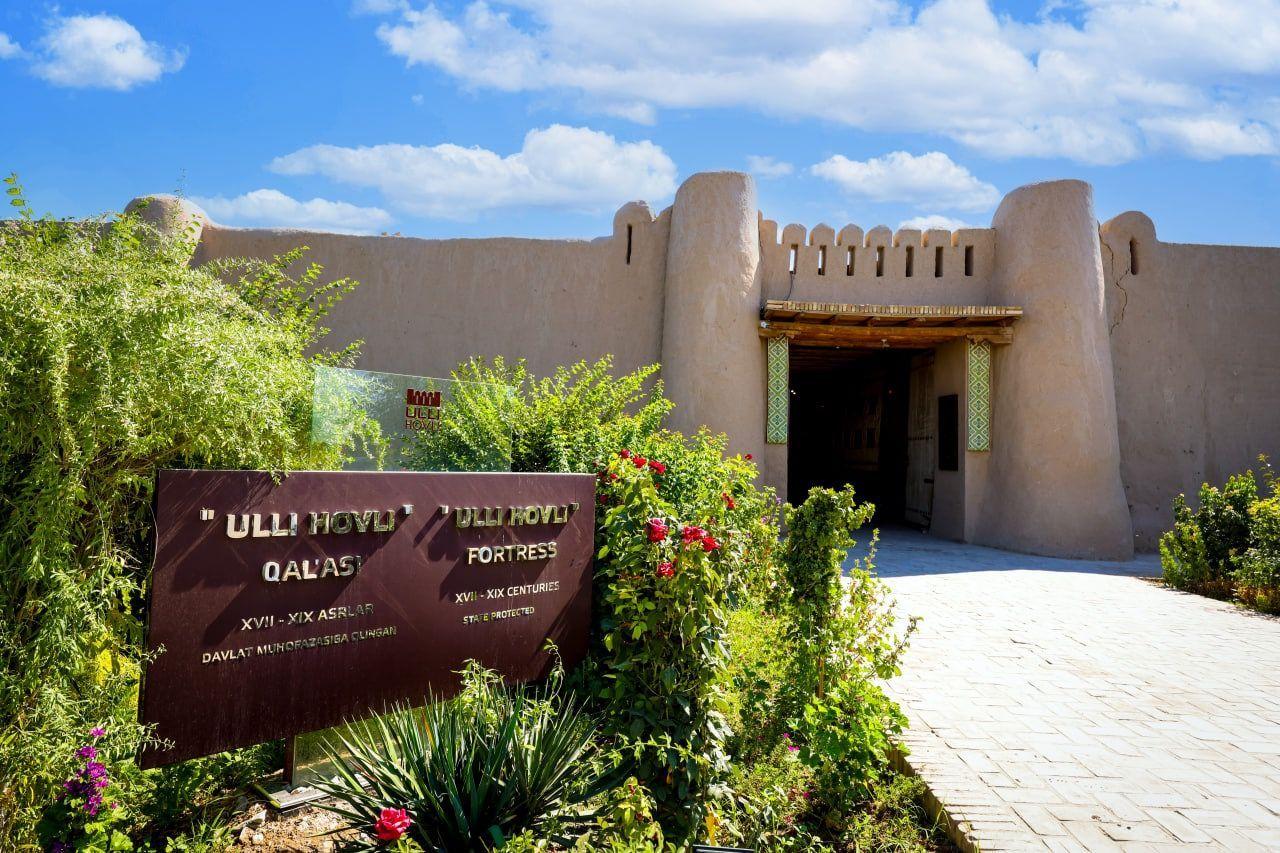
Fortress · 17th–19th centuries; restored 2013–2015, expanded as a show venue in the 2020s
Ulli Hovli Fortress and Ethno Complex
A mud-walled Turkmen garrison fort between Khiva and Urgench, built by the khans to guard the caravan road, now an open-air ethnographic complex with daily Uzbek and Turkmen music, horsemen, camels, craft workshops and lunch in yurts.
About
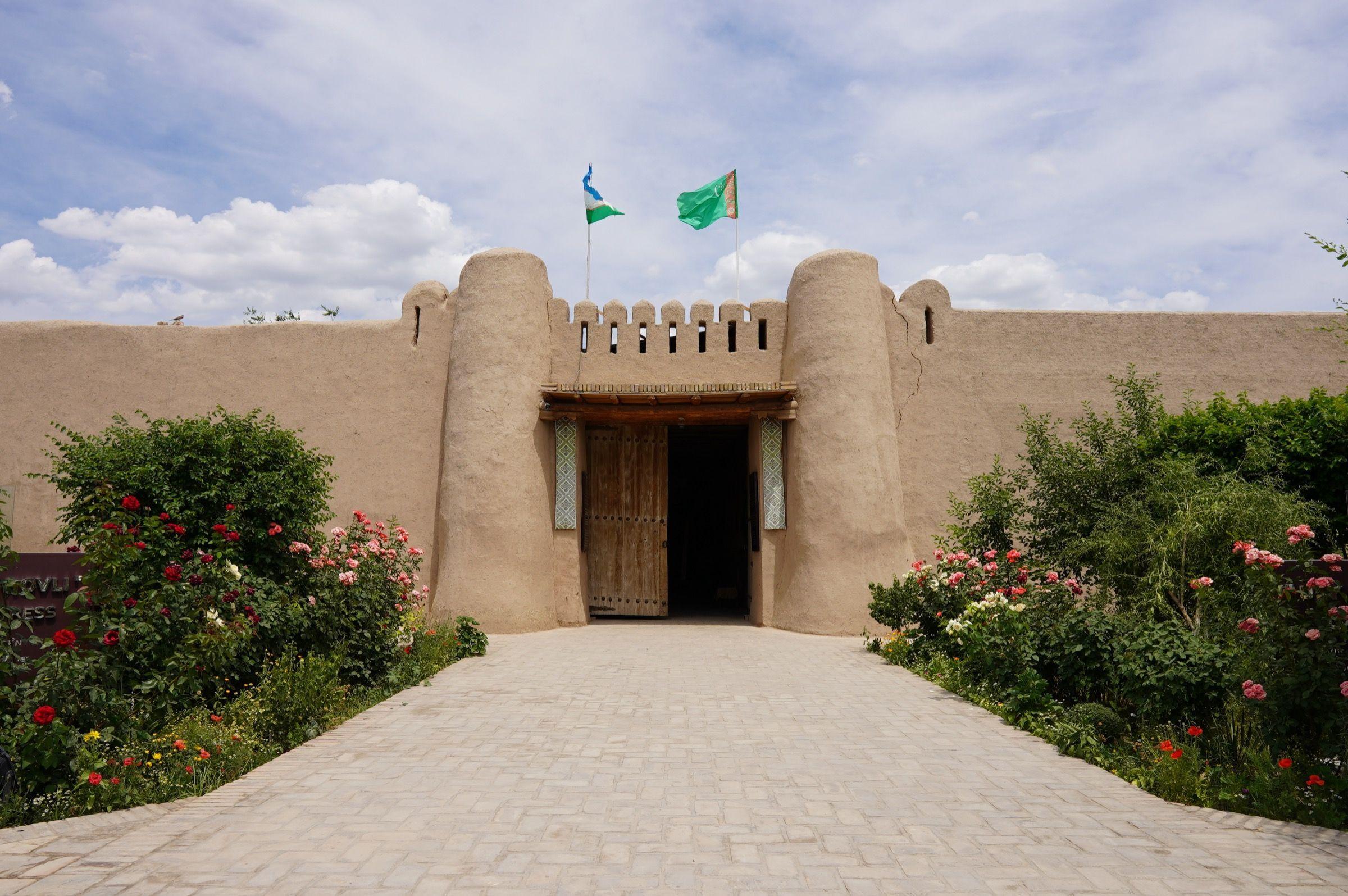
Halfway along the road from Urgench airport to Khiva, in the Turkmen mahalla of the Urgench district, a long wall of smooth clay with round corner towers and a crenellated gate marks Ulli Hovli, the “big courtyard”. It was built in the seventeenth century by the khans of Khiva as a fortified camp for the Turkmen horsemen they employed to guard trade caravans between the two cities and to police the desert edge; the Turkmen families who settled here still live in the surrounding villages. The sign at the gate gives its dates as the seventeenth to nineteenth centuries and its status as a state-protected monument.
From ruin to stage
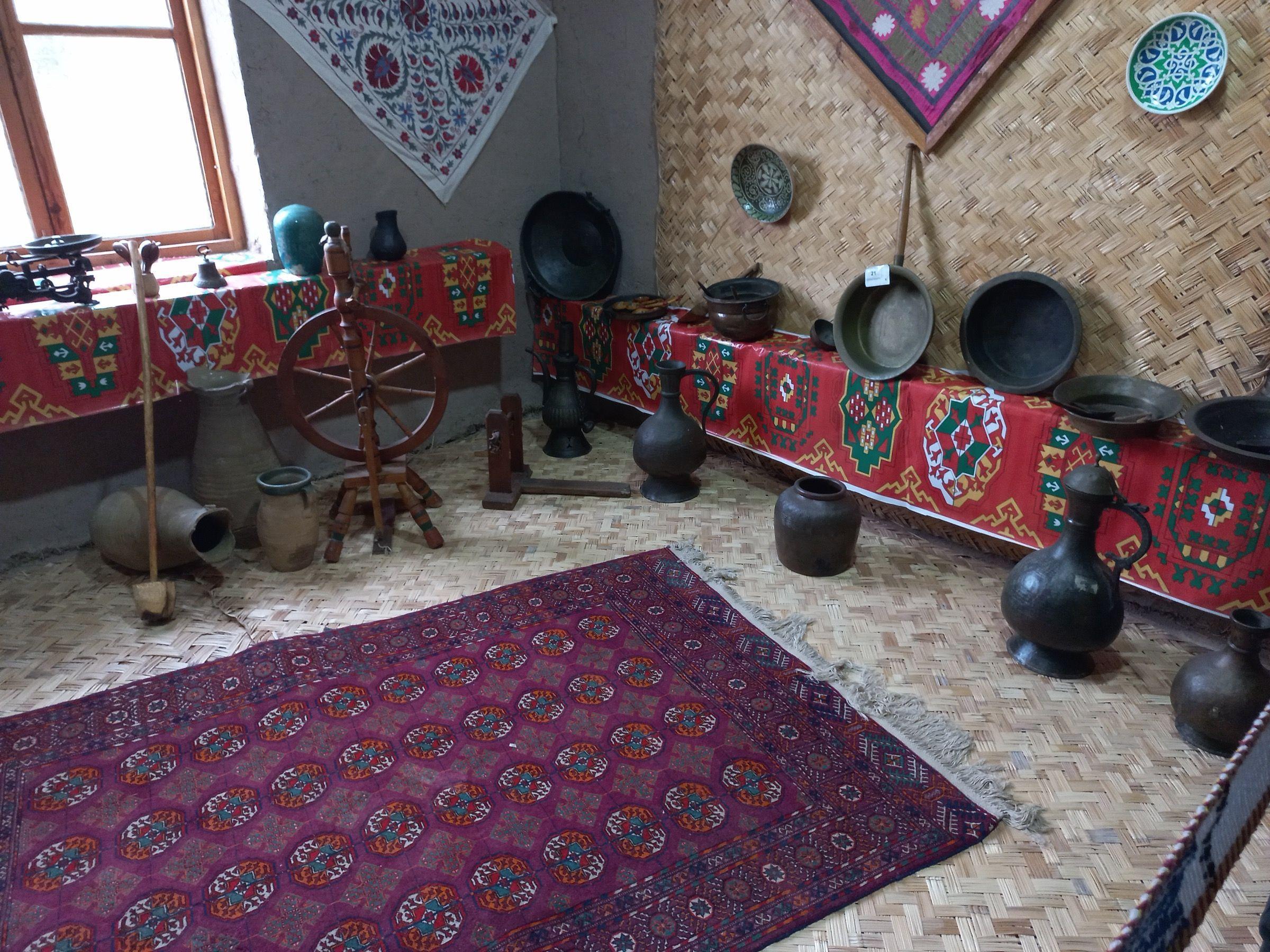
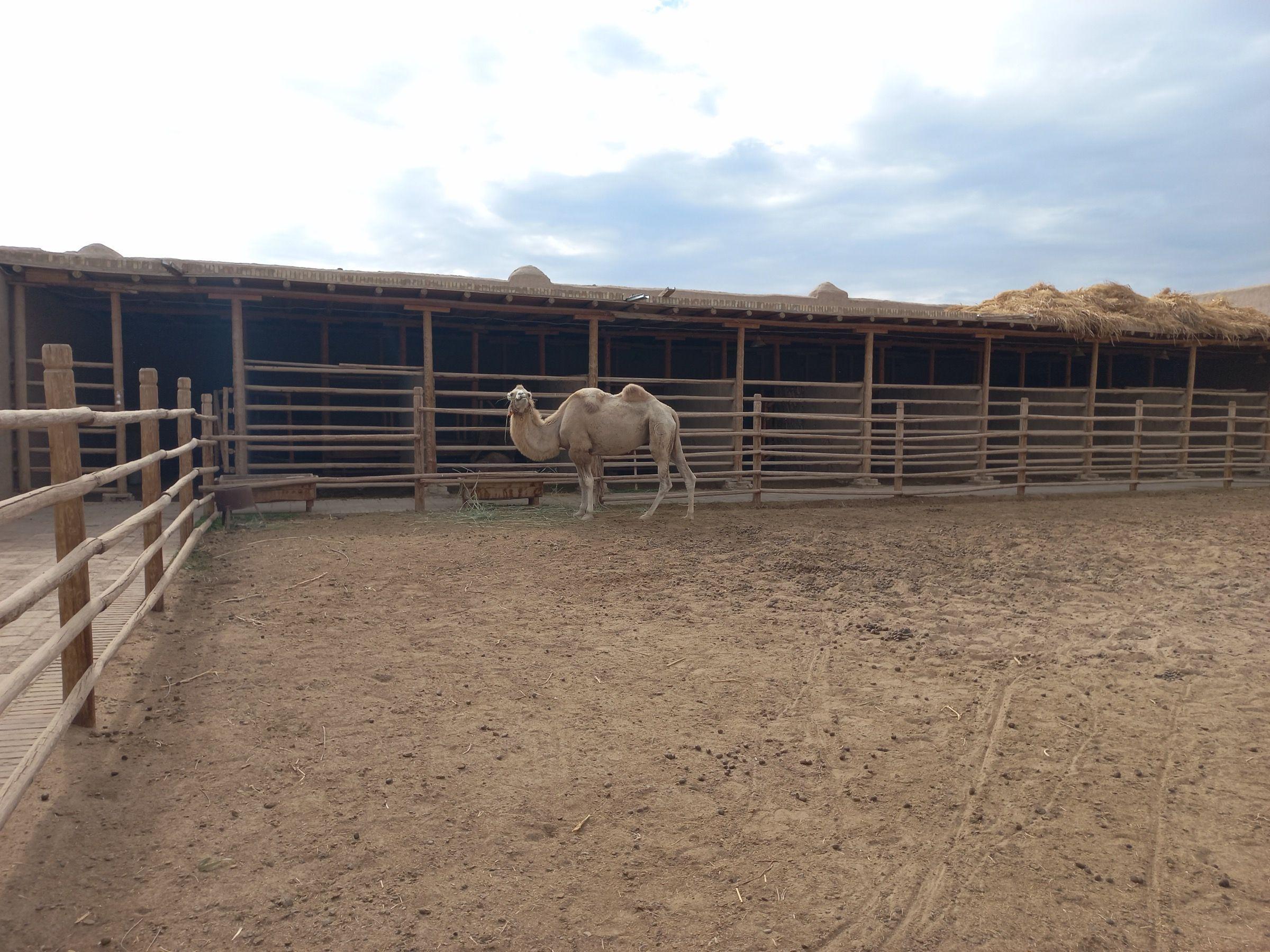
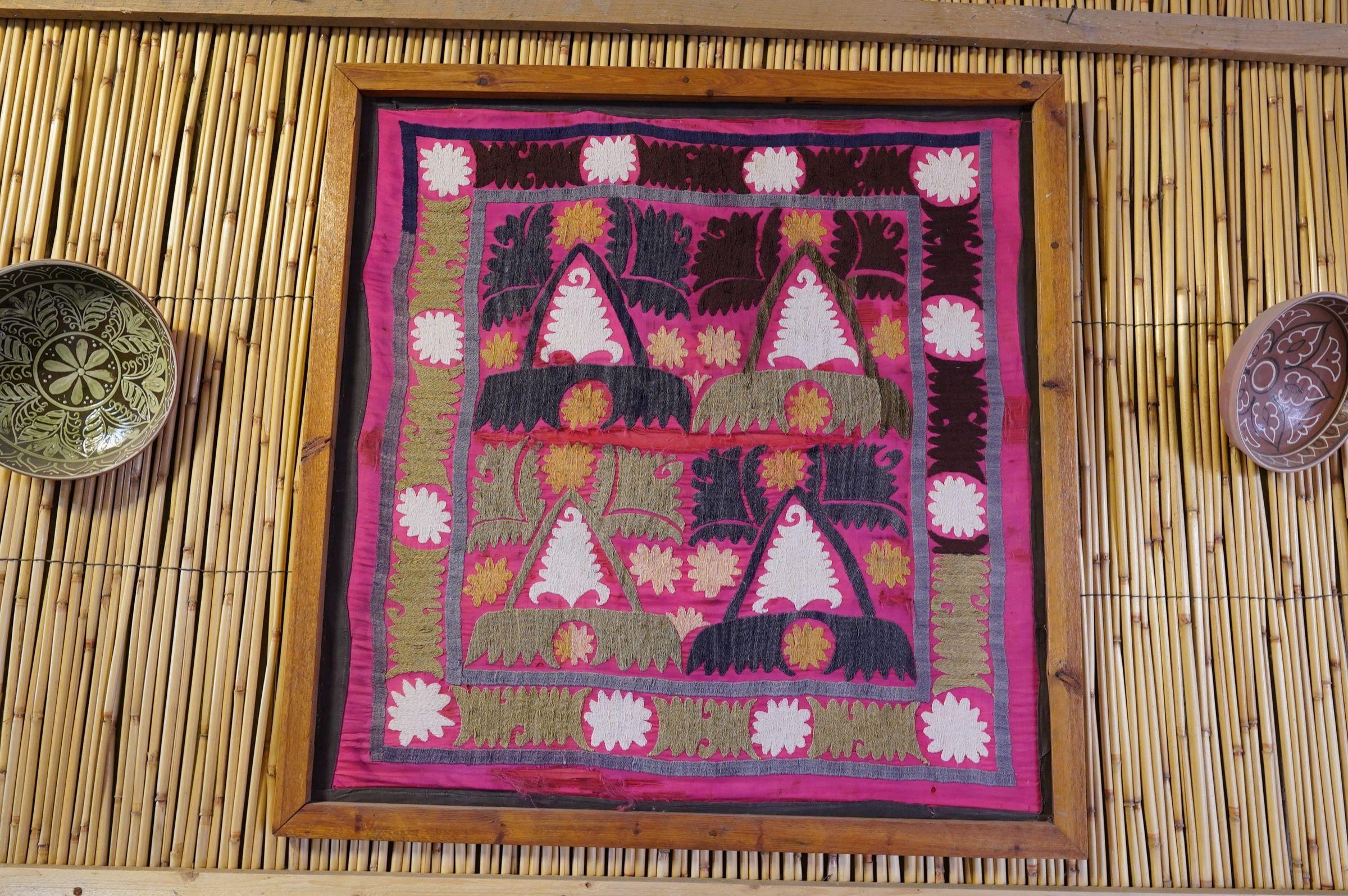
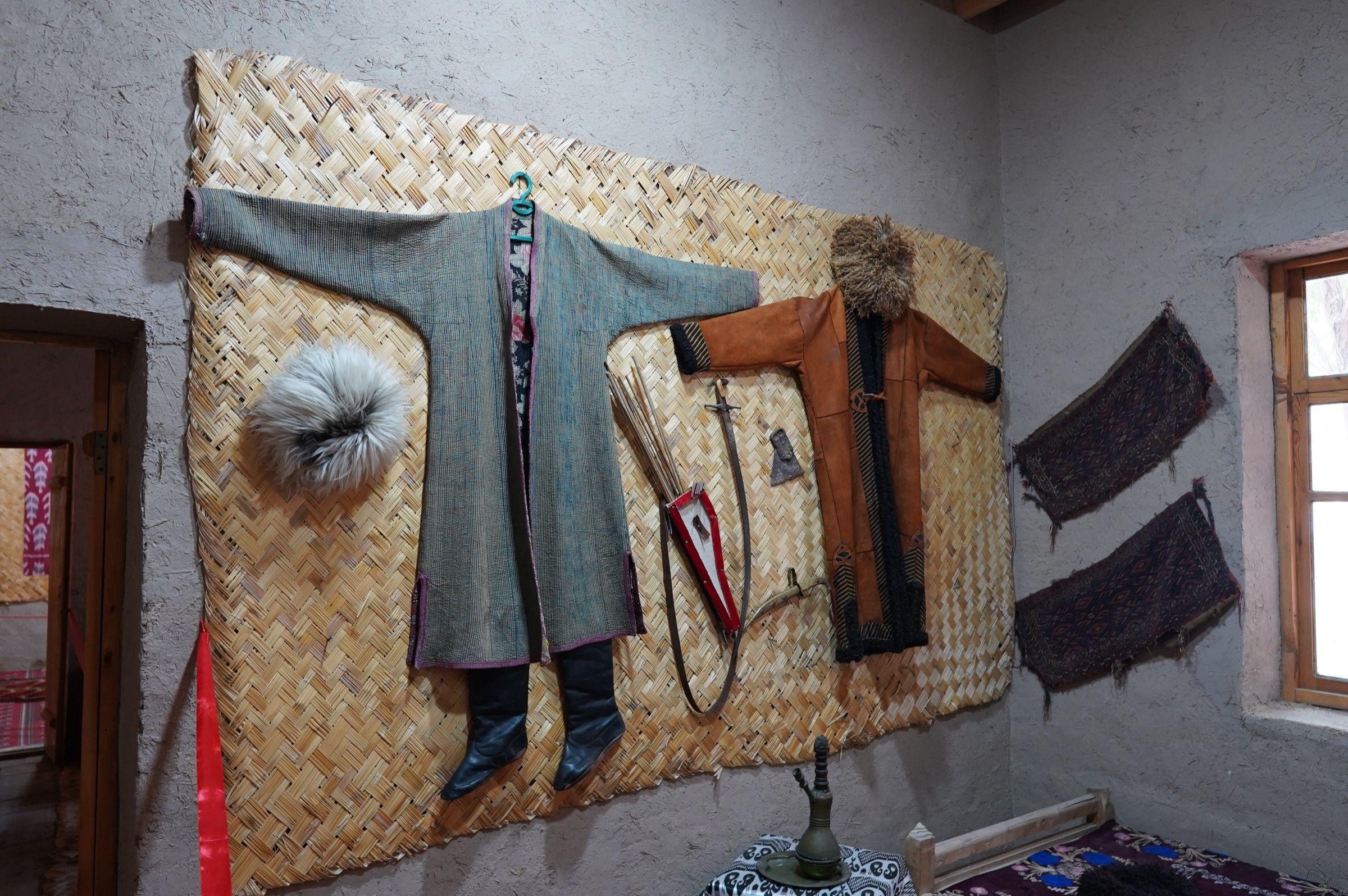
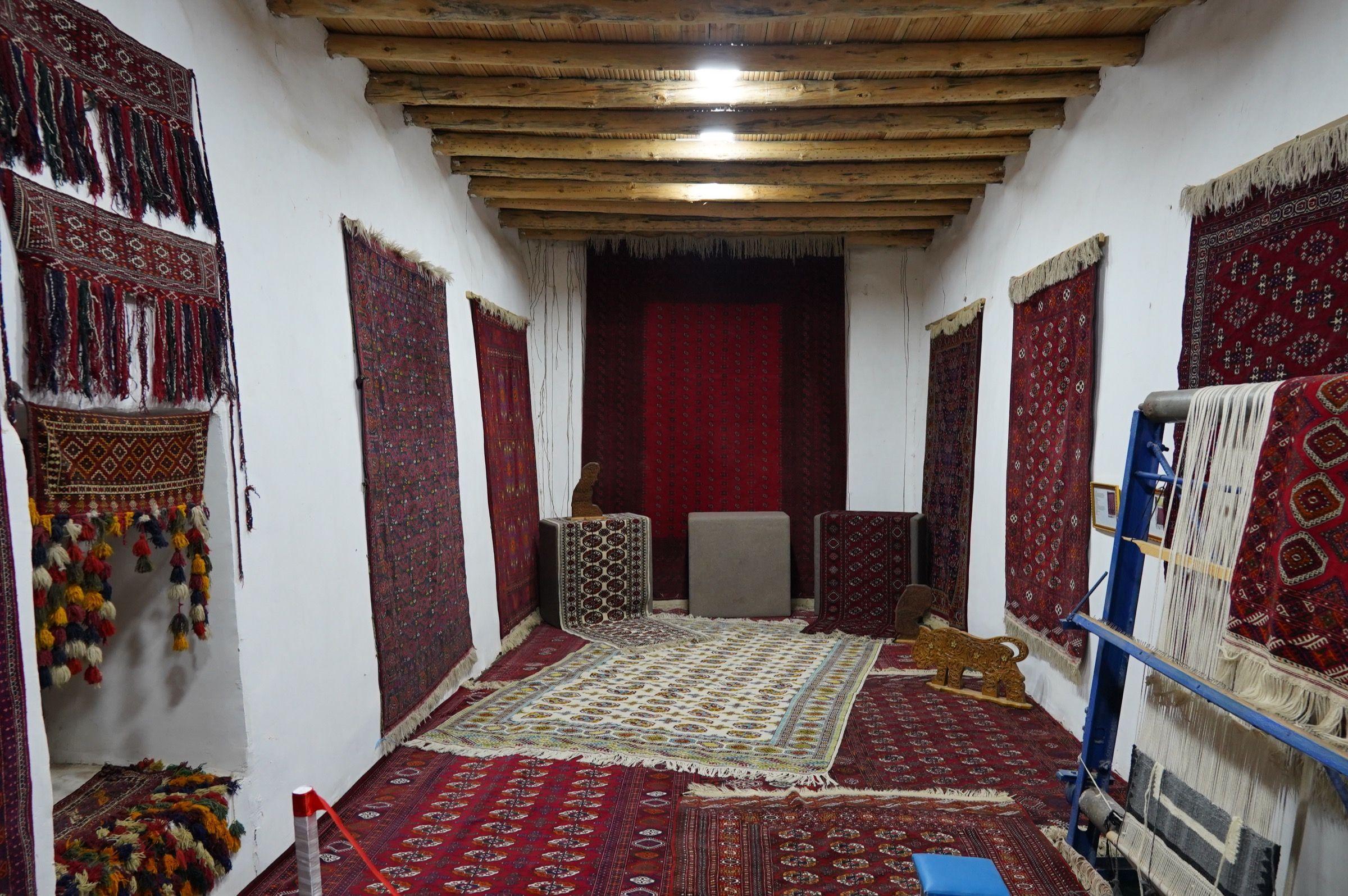
By the twentieth century the fort was a crumbling enclosure. Under a regional tourism programme of 2013–2015 it was rebuilt in traditional pakhsa, rammed earth, with the gatehouse, walls and interior courts restored, and in recent years it has been developed into an ethno complex that the national tourism portal presented afresh in 2025. Inside are a gallery and craft workshops, stables and a camel yard, yurts for meals, and an arena where, almost every day in season, a troupe performs Khorezm and Turkmen songs and dances, including the whirling lazgi, and riders in Turkmen dress show off their horses. Visitors can ride, try the crafts, pose with the “warriors” and eat Khorezm dishes such as shivit oshi, the green dill noodles, and tukhum barak.
The Turkmen of Khorezm
The fort is also a door into a story most visitors to Khiva never hear. The Yomut and other Turkmen tribes of the lower Amu Darya were by turns the khans' cavalry, their tax base and their rebels; the khanate's nineteenth-century chronicles are full of campaigns against them, and the Russian conquest of 1873 ended with a punitive expedition into their villages. Their descendants in the Urgench district keep Turkmen as a home language and their own carpets, hats and wedding music, which is what the performers at Ulli Hovli draw on.
What the fort looks like
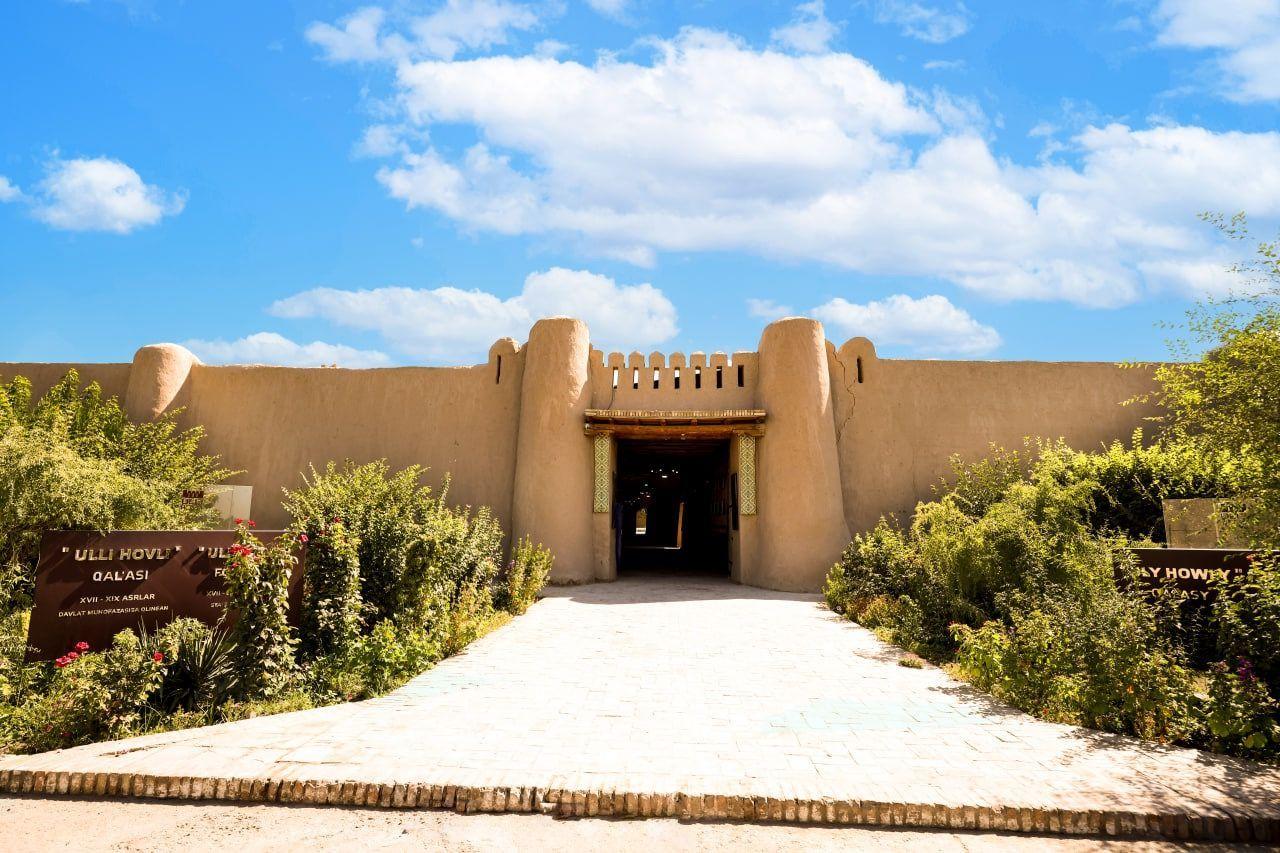
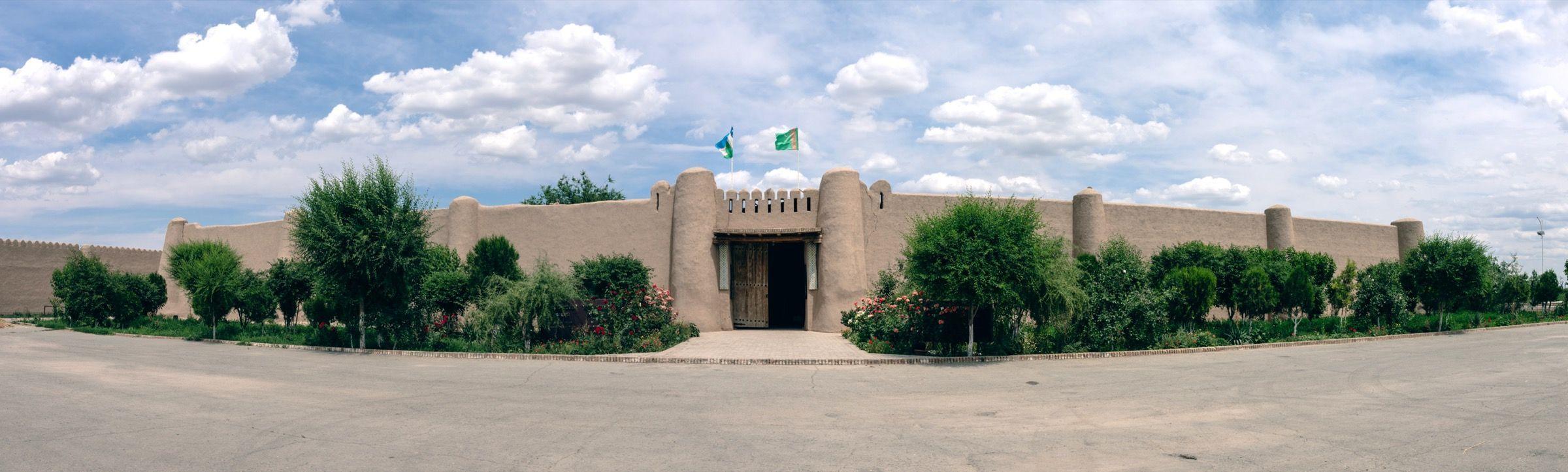
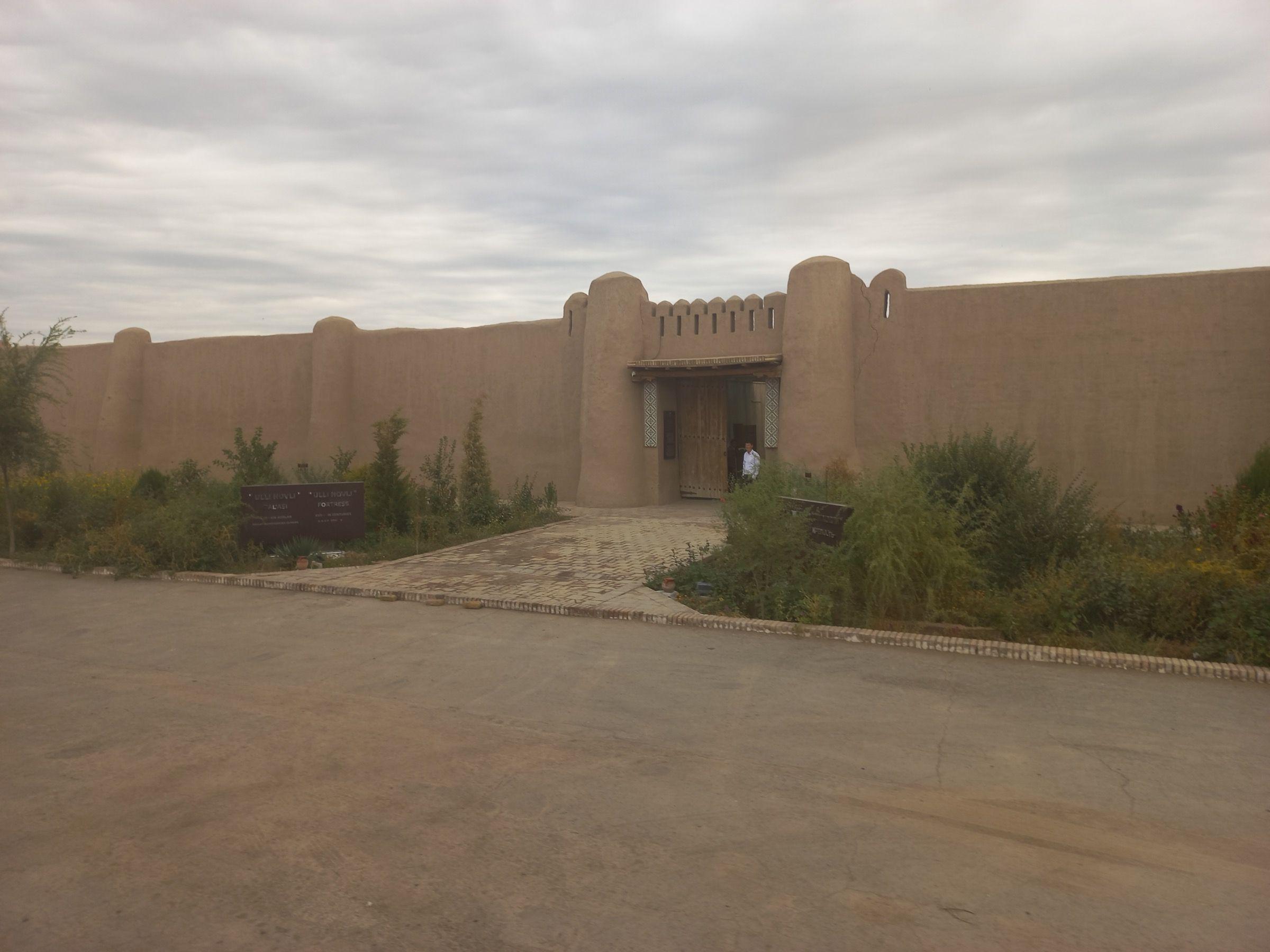
The plan is a near-rectangle of high pakhsa walls with round towers at the corners and flanking the single gate, whose timber lintel and tiled panels were reinstated during restoration. Inside, low ranges of rooms line the walls around an open court where the horsemen perform; a raised platform serves as a stage, and the yurts stand in a corner garden. The structure is honest about being rebuilt, and the smooth, unweathered clay is the best clue to what every Khorezm fort looked like when new.
How to take it
Ulli Hovli is a staged experience and does not pretend otherwise; what makes it worthwhile is the setting, the quality of the music and the fact that the performers are local. It works best in the late afternoon, when the clay walls glow, as a counterpoint to a day among the monuments of Ichan-Kala, or as an evening with dinner for groups and incentive travel. Families with children like it for the animals and the open space. Programme times vary by season and by group bookings, so we confirm the show before each visit.
What to see
- The restored clay walls, towers and crenellated gate
- Daily shows of Khorezm and Turkmen music, lazgi dance and horsemanship
- Camel and horse riding inside the fort
- Craft workshops and gallery
- Lunch or dinner of Khorezm dishes in yurts
- The Turkmen villages of the surrounding mahalla
Gallery
Tours that visit Ulli Hovli Fortress and Ethno Complex
 Premium
Twelve Gates of the Silk Road
From
$1,750
 Best Seller
Four Crowns: Tashkent, Samarkand, Bukhara, Khiva
From
$1,270
 Premium
Silk Road in Silk: Private Uzbekistan
From
$1,815
More sights in Khiva
All of Khiva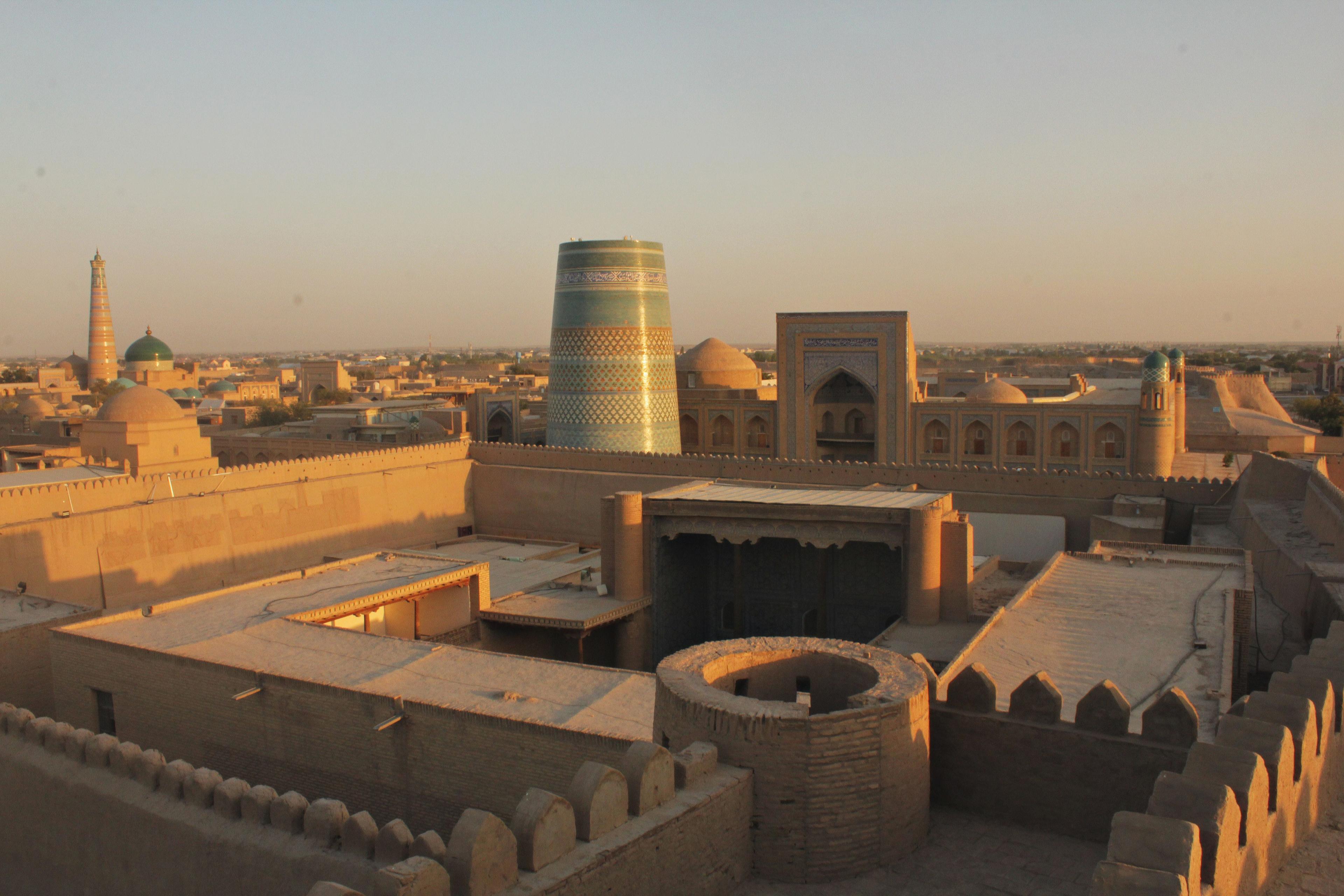

See Ulli Hovli Fortress and Ethno Complex with a local guide
We build private and small-group trips around the places you want to see — with guides who grew up here.