
Old quarter · from the 16th–17th century
Jewish Quarter and Synagogue
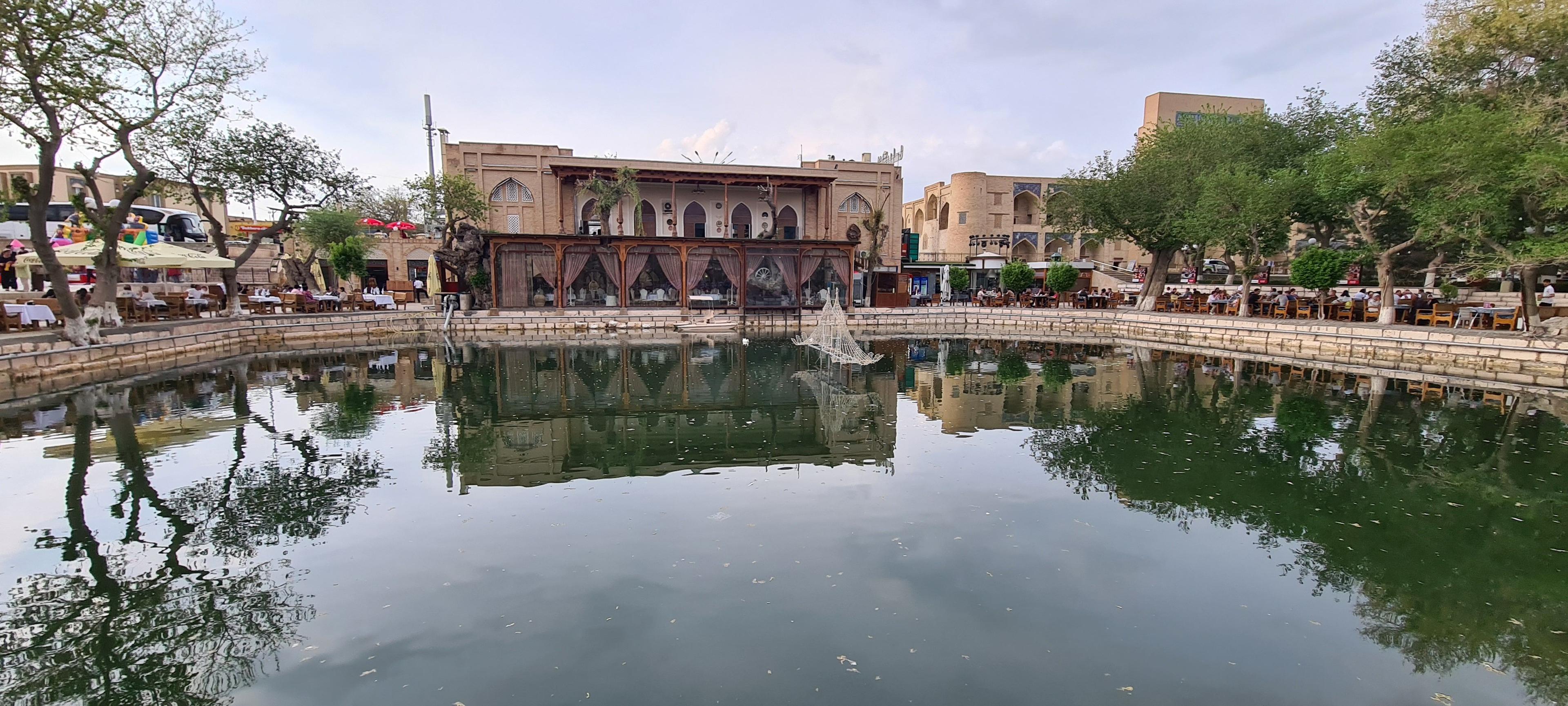
A few lanes south of Lyabi-Hauz lies the old quarter of the Bukharan Jews, one of the oldest Jewish communities of the East. Its synagogue still holds services, and its courtyards and cemetery tell a story of many centuries in the city.
About
Jews have lived in Bukhara for many centuries; some community traditions trace their origins to the exile in ancient Persia. Over time they became a distinct people, the Bukharan Jews, speaking their own dialect of Persian-Tajik known as Bukhori, and known across Central Asia as merchants, dyers, weavers, jewellers and musicians.
The quarter
The historic Jewish quarter lies in the lanes south and south-west of Lyabi-Hauz, an area of low mud-brick houses with carved wooden doors and inward-looking courtyards. A local legend links its founding to the building of Lyabi-Hauz around 1620: a Jewish widow is said to have given up her land for the pool in exchange for a plot on which to build a synagogue. Under the emirs the community lived with restrictions, including rules on dress and on where they could live and trade, yet it kept its schools, rituals and music. Many Bukharan Jews in the Shashmaqam musical tradition were renowned performers.
From the late Soviet period and especially after 1991 most of the community emigrated, chiefly to Israel and the United States, where large Bukharan Jewish communities now live. A small community remains in Bukhara and keeps the synagogue open.
The synagogue and the cemetery
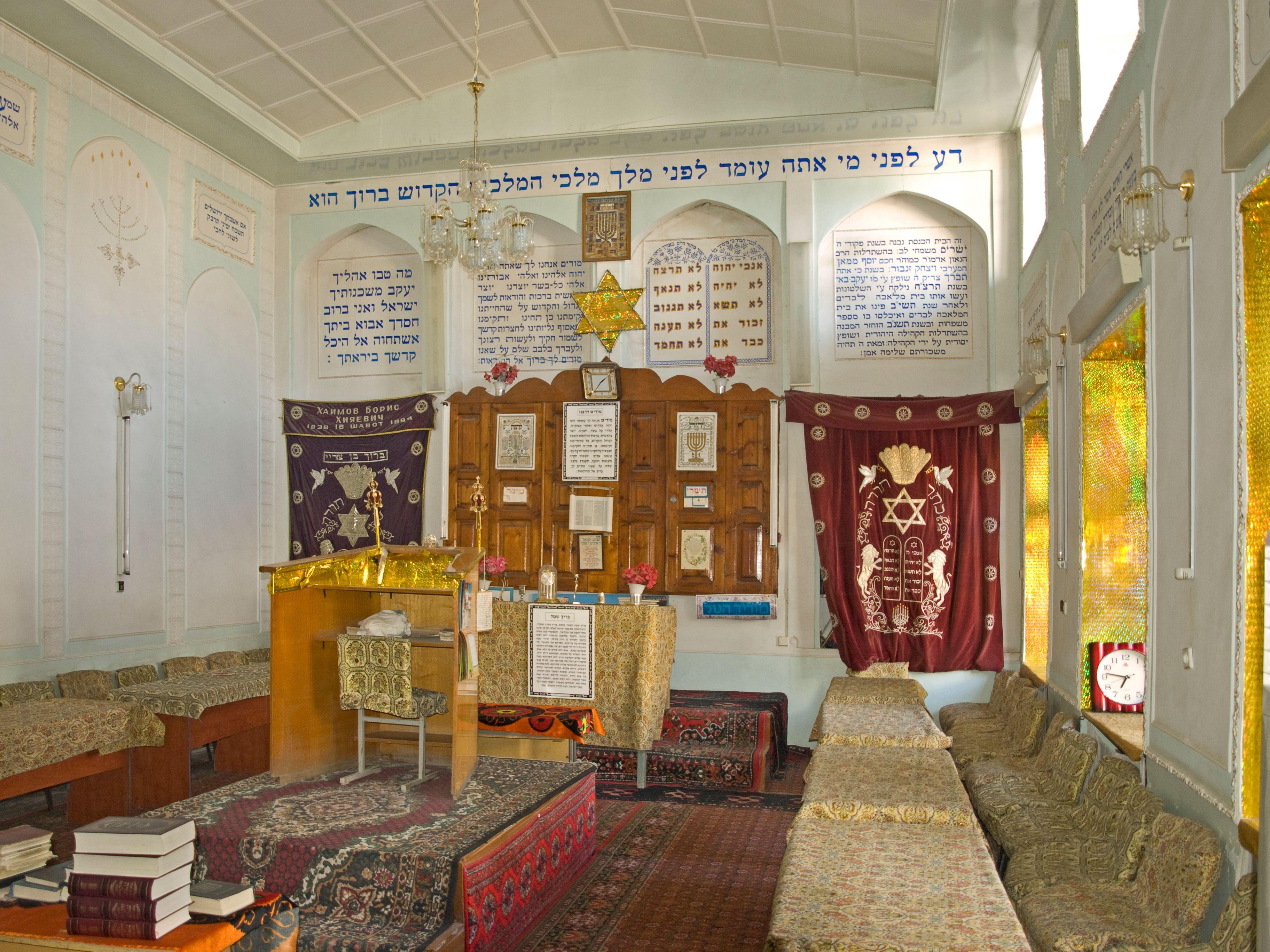
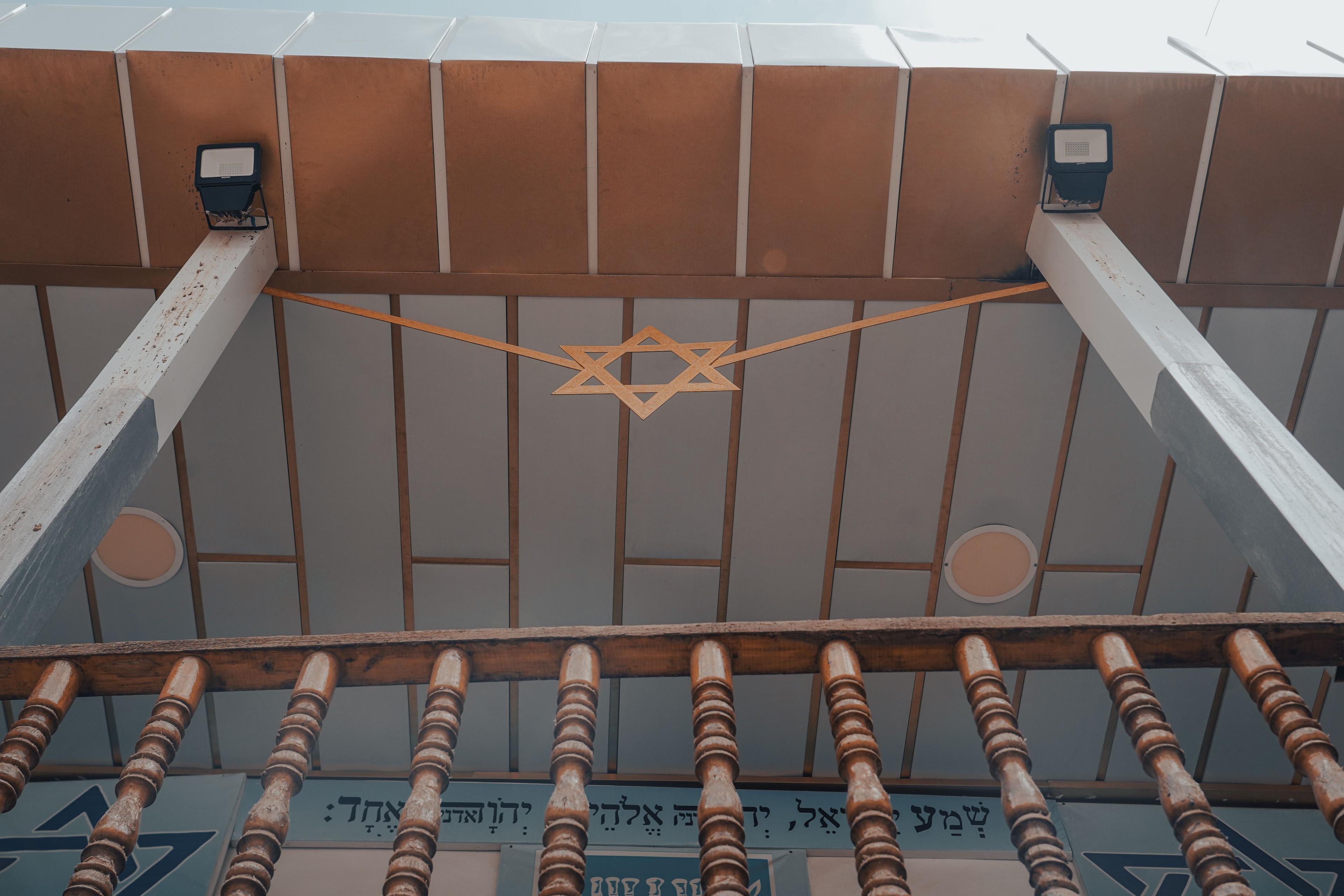
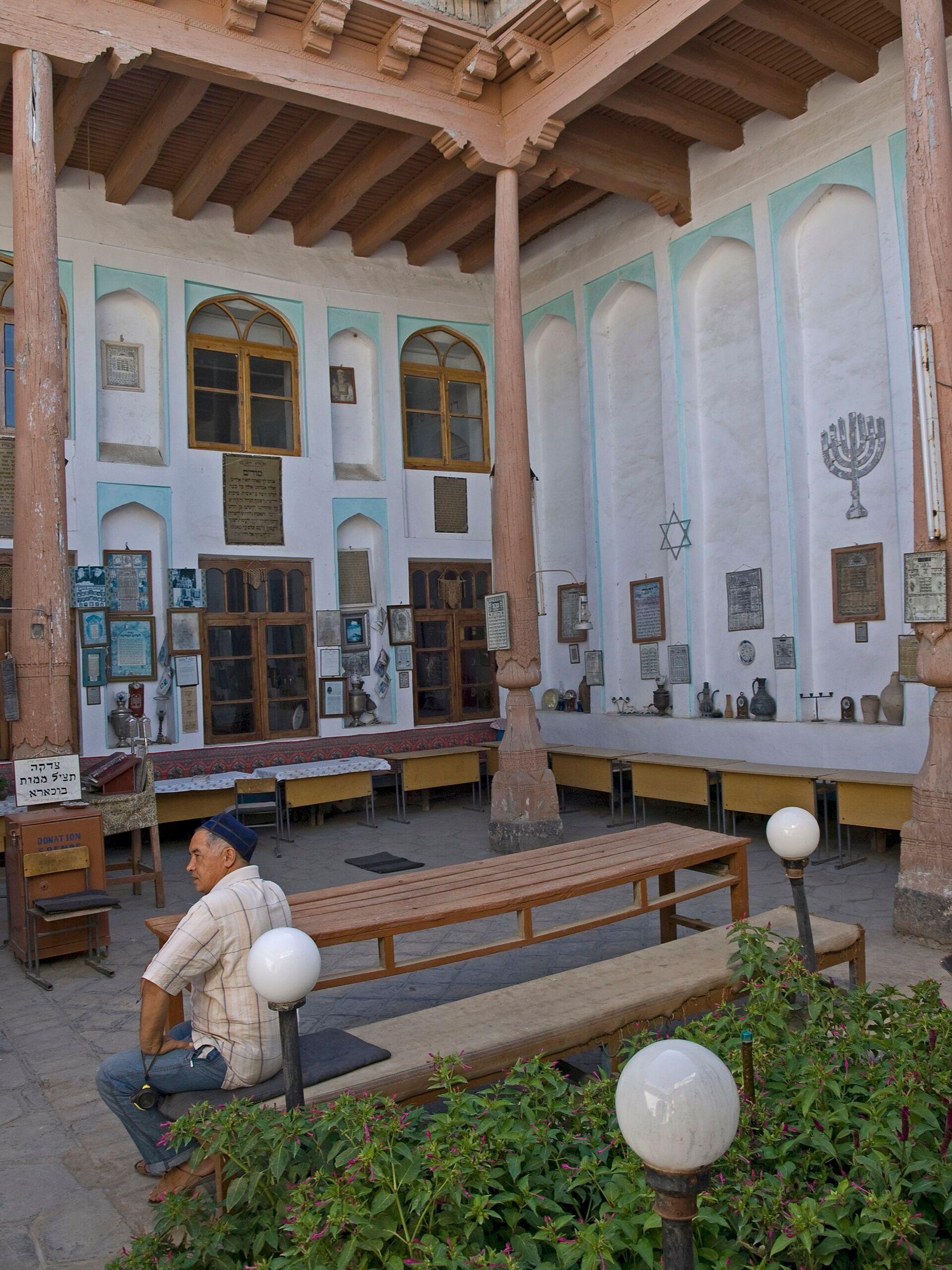
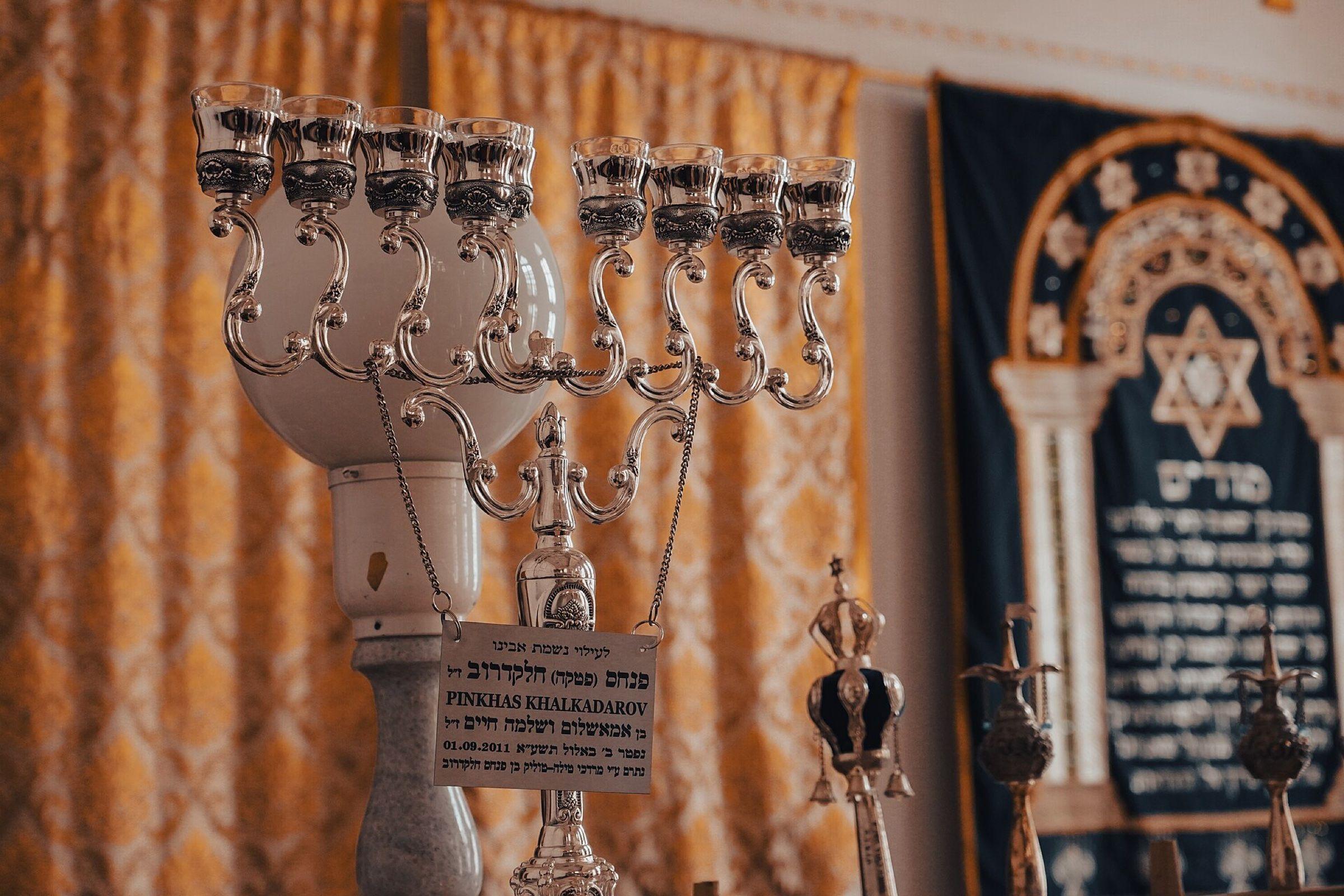
The quarter's synagogue is a modest building around a courtyard, with a prayer hall of carpets, wooden benches and a Torah ark; services are still held. Guides can usually arrange a visit, and a member of the community may show you round and talk about the history of the quarter. On the edge of the old town, the Jewish cemetery has rows of engraved headstones, many with photographic portraits, and is cared for by the community and by families abroad.
Visiting respectfully
This is a living place of worship and a residential neighbourhood. Dress modestly, and men should cover their heads in the prayer hall (a kippah is usually offered). Do not visit on the Sabbath, from Friday evening to Saturday evening, unless invited. A donation towards upkeep is appropriate. Please do not photograph residents or their homes without asking.
What to see
- Lanes of mud-brick houses and carved wooden doors
- The prayer hall and Torah ark of the working synagogue
- Stories of the Bukharan Jewish community from a local guide
- The engraved headstones of the Jewish cemetery
- The legend linking the quarter to Lyabi-Hauz
Gallery

Tours that visit Jewish Quarter and Synagogue
More sights in Bukhara
All of Bukhara

See Jewish Quarter and Synagogue with a local guide
We build private and small-group trips around the places you want to see — with guides who grew up here.