
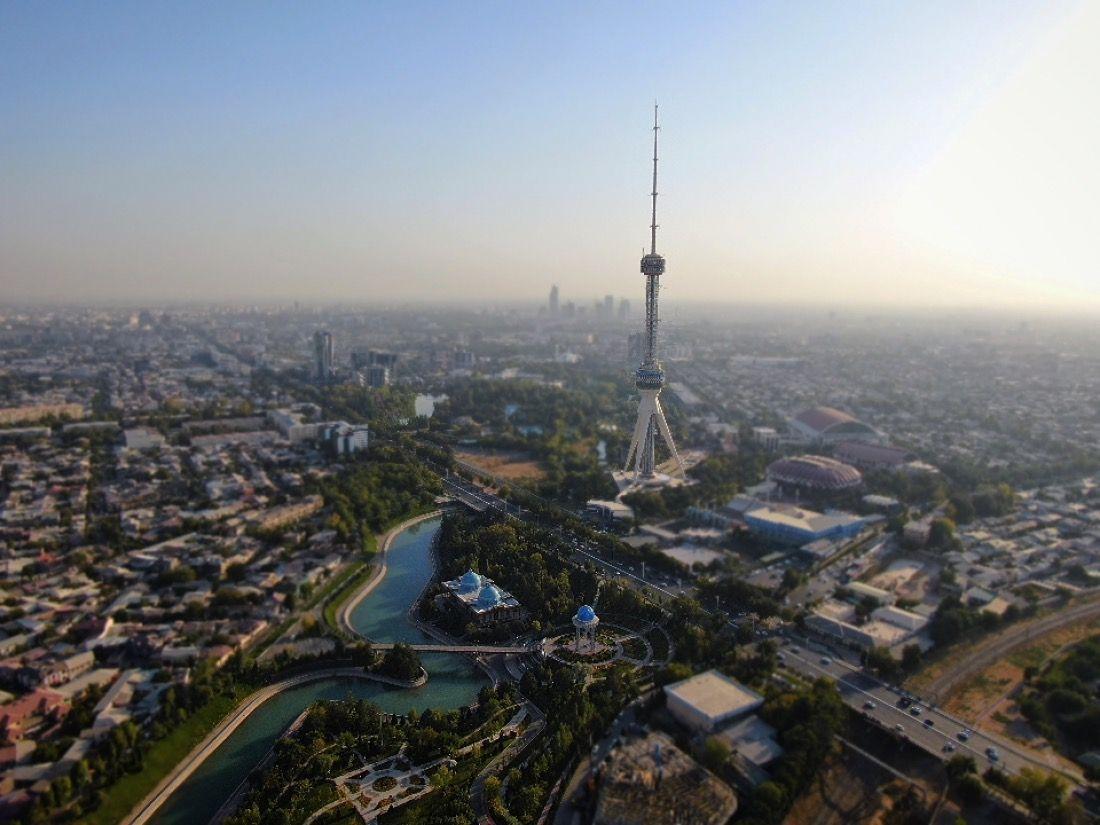
Monument · TV Tower 1978–85; Japanese Garden 2001; Museum of Victims of Repression 2002
TV Tower, Japanese Garden and Museum of Victims of Repression
One stop in northern Tashkent for three very different things: a 375-metre Soviet TV tower with a viewing deck at 97 m, a Japanese stroll garden with a tea house and carp, and a quiet museum on the Stalinist repressions beside the Bozsu canal.
About
The Yunusabad district north of the centre has no madrasahs, but it holds a cluster of sights that fill an easy half day and show a side of Tashkent the Silk Road itineraries skip. The three sites lie within ten minutes' walk of each other along Amir Temur Avenue, across the Bozsu canal from the Minor Mosque.
Tashkent TV Tower
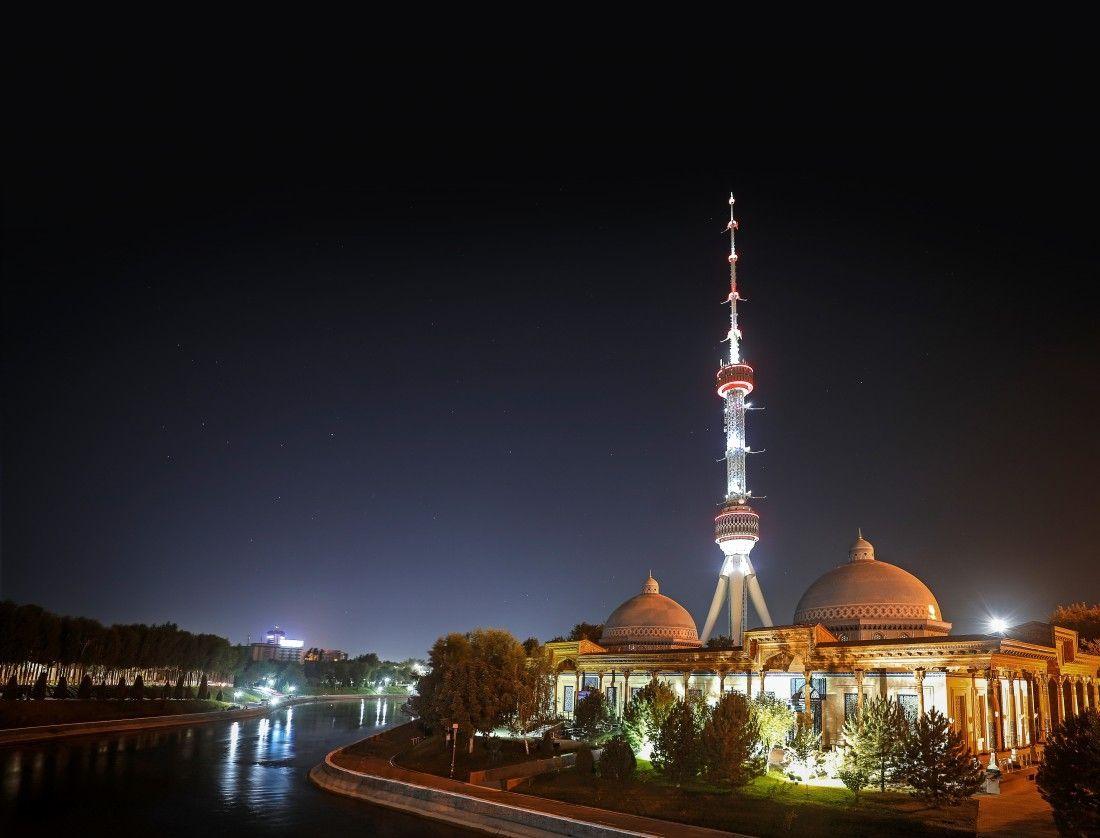
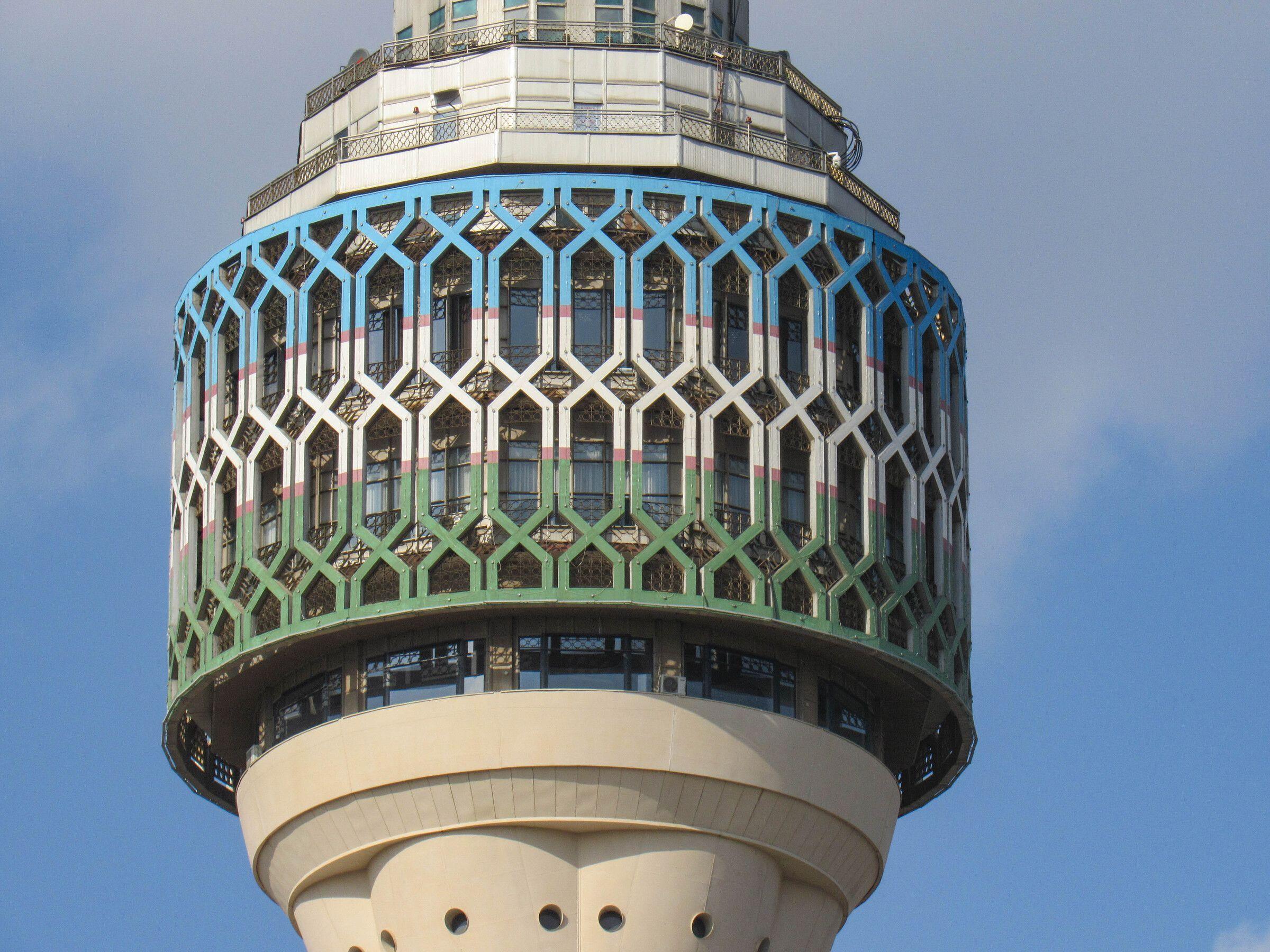
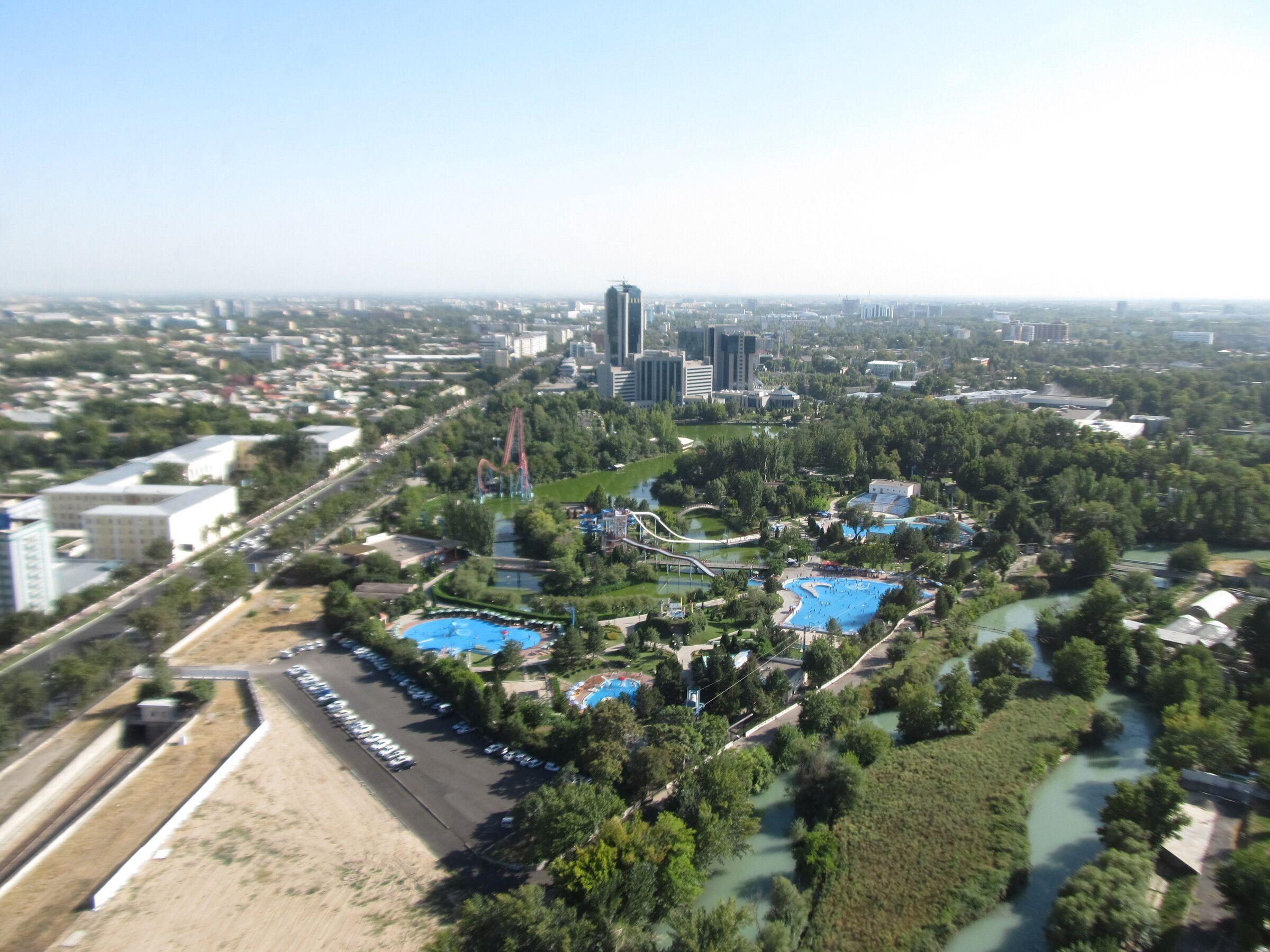
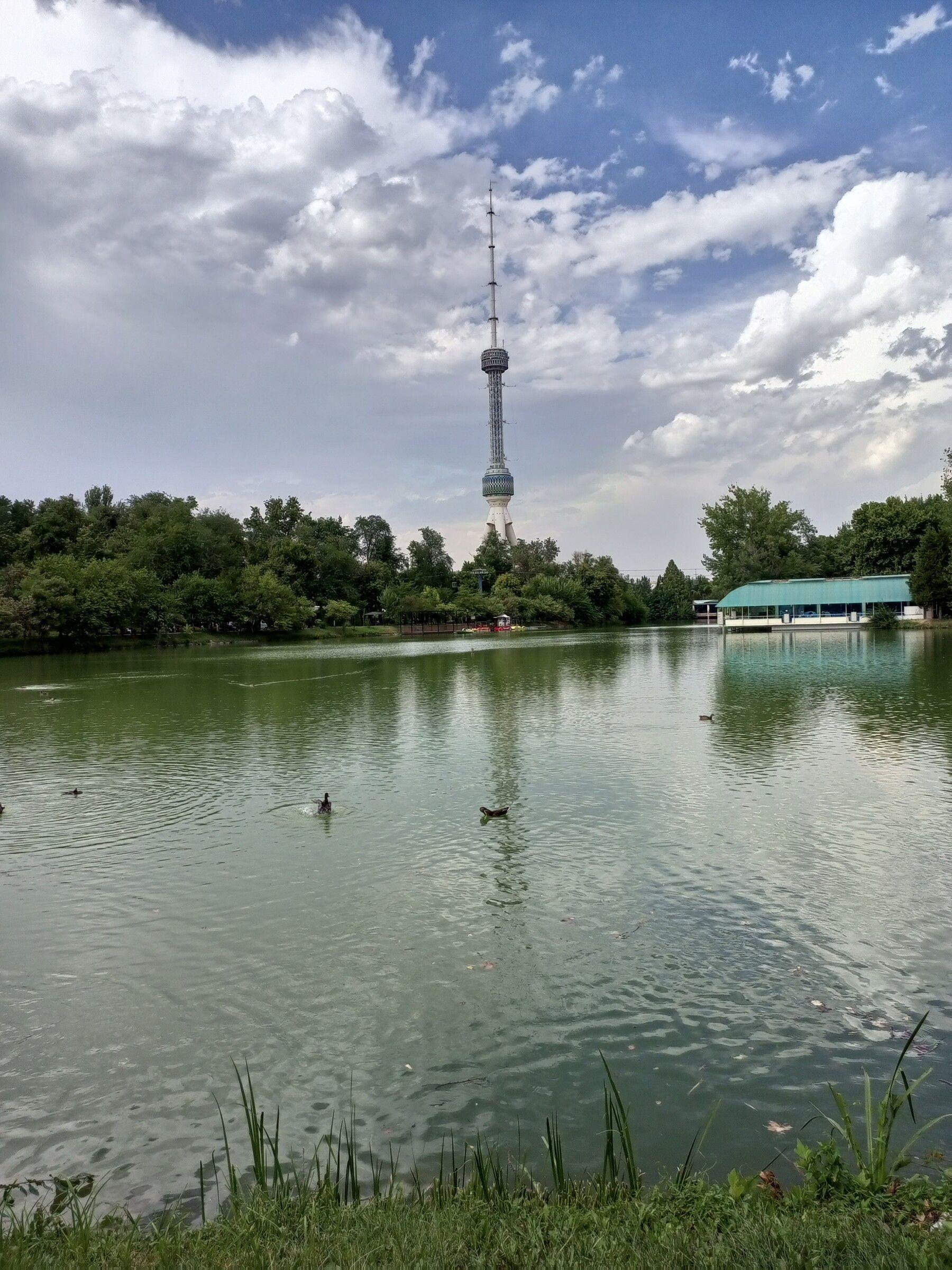
The lattice-steel tower was built between 1978 and 1984 and went into service on 15 January 1985. At 375 metres it was the fourth-tallest tower in the world when it opened and is still the tallest structure in Central Asia; the three-legged base and the tapered shaft give it a distinct 1980s profile that appears on half the city's postcards. Lifts take visitors to the observation deck at 97 metres, from which the whole flat city spreads out to the Chimgan mountains on a clear day; the revolving restaurant a floor above serves a decent lunch. Bring your passport for security, and expect a bag check.
The Japanese Garden
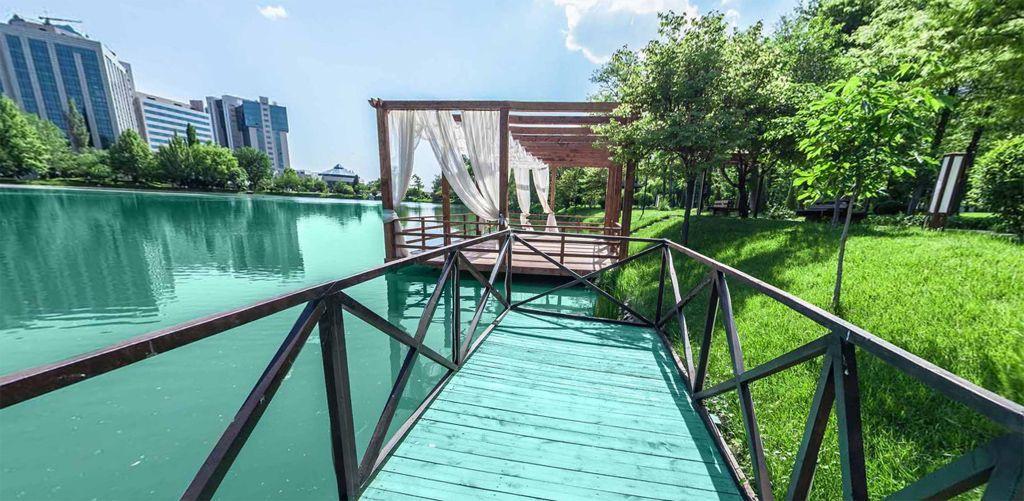
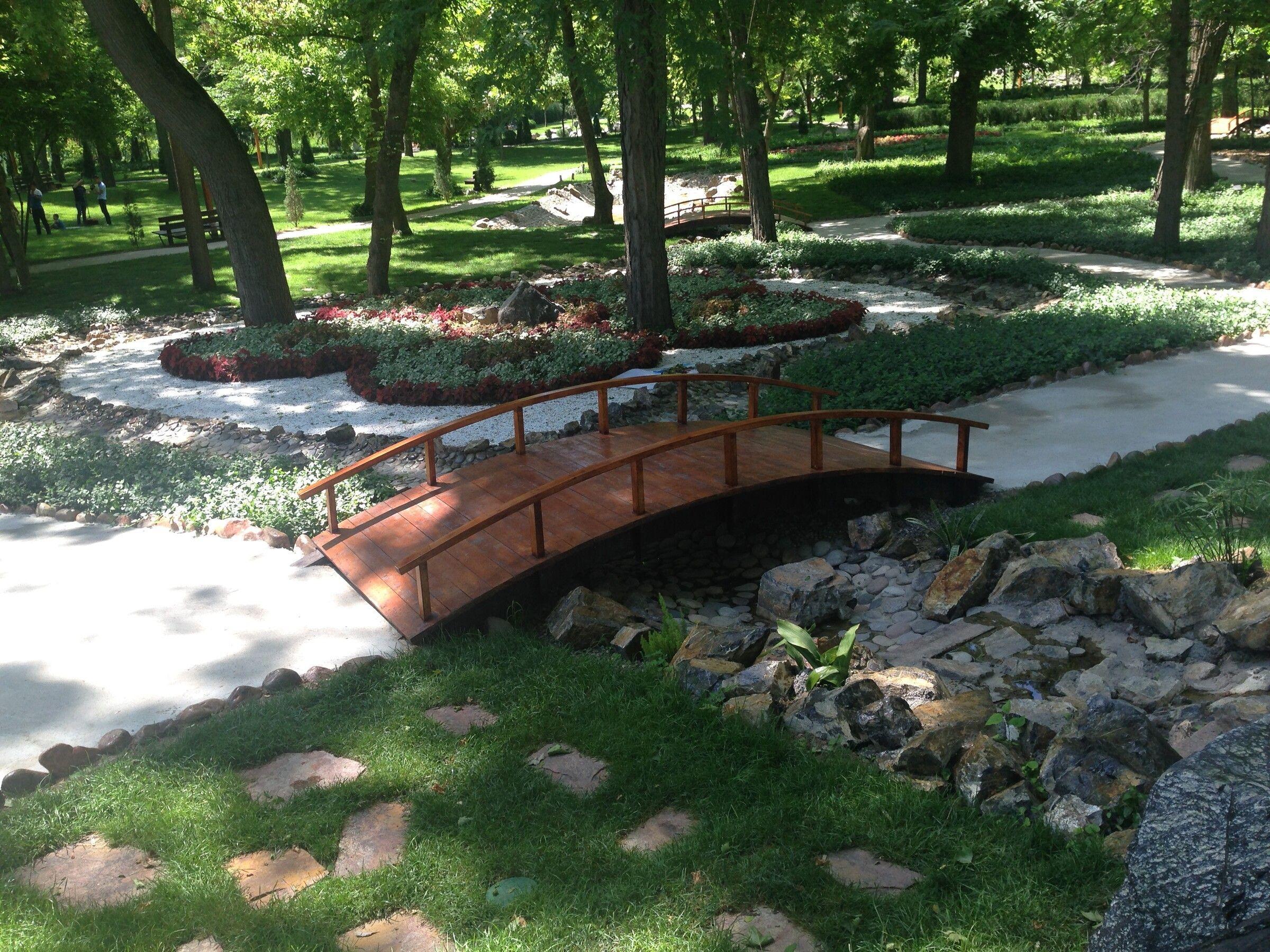
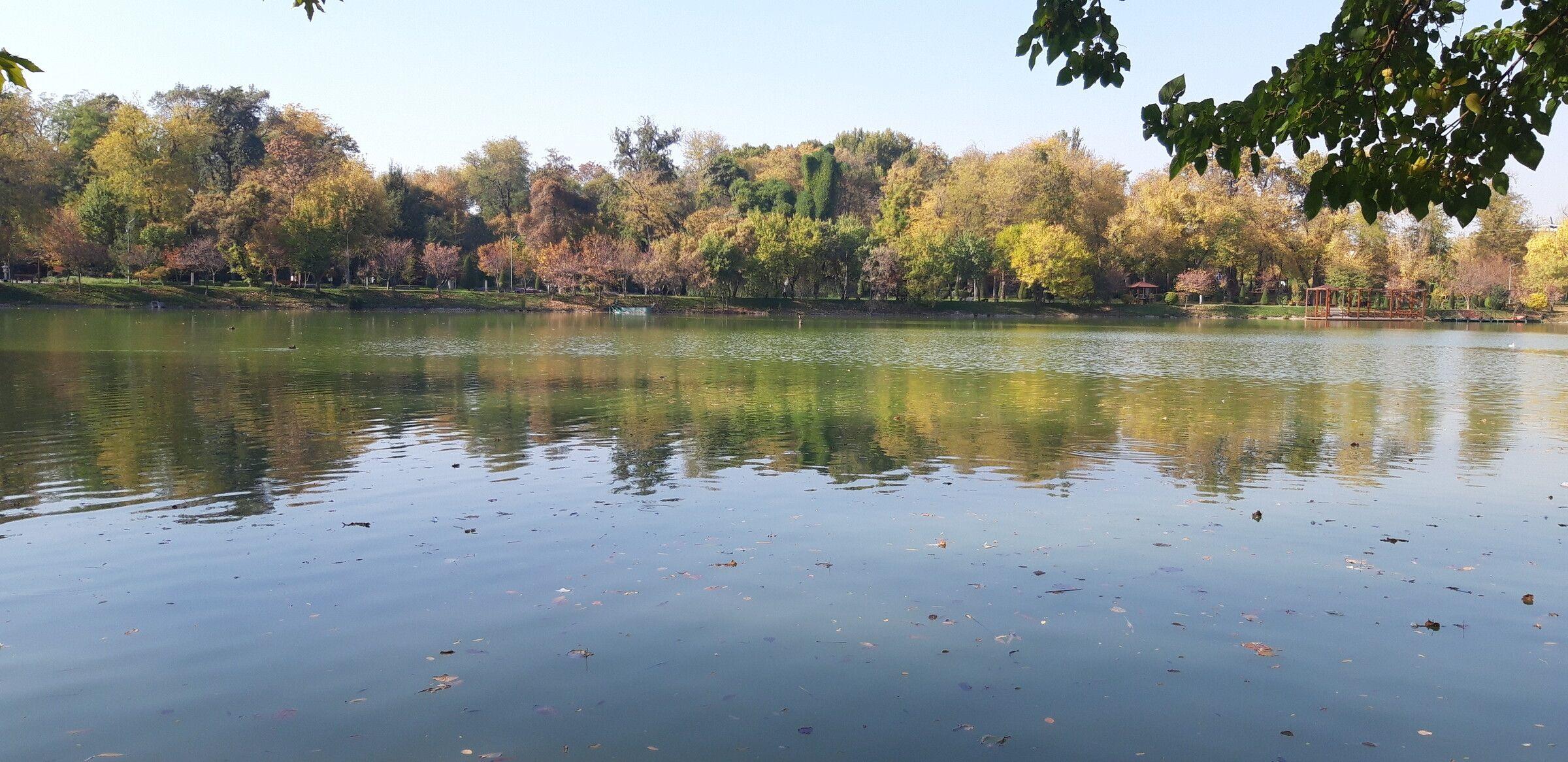
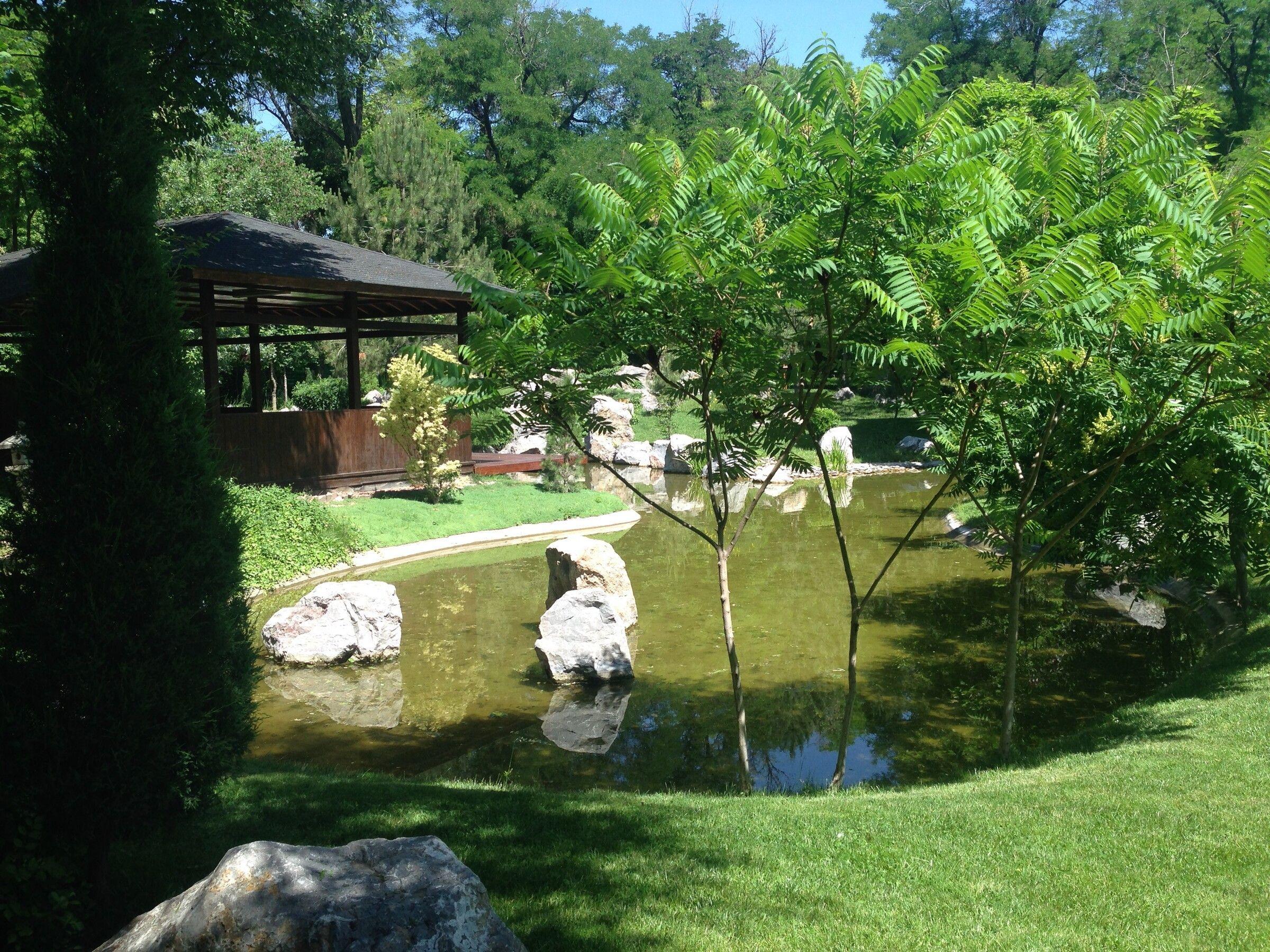
Opened in 2001 beside the Uzexpocentre with support from Japan, the garden covers a few hectares of lawns, pines, maples and ponds crossed by wooden bridges, with a tea house, a pier pavilion, carp, swans and peacocks. It is a stroll garden in the Japanese manner rather than a botanical collection, popular for wedding photographs on weekends and a quiet retreat on weekday mornings. Cherry blossom in early April and the maples in late October are the moments to aim for.
Museum of Victims of Repression
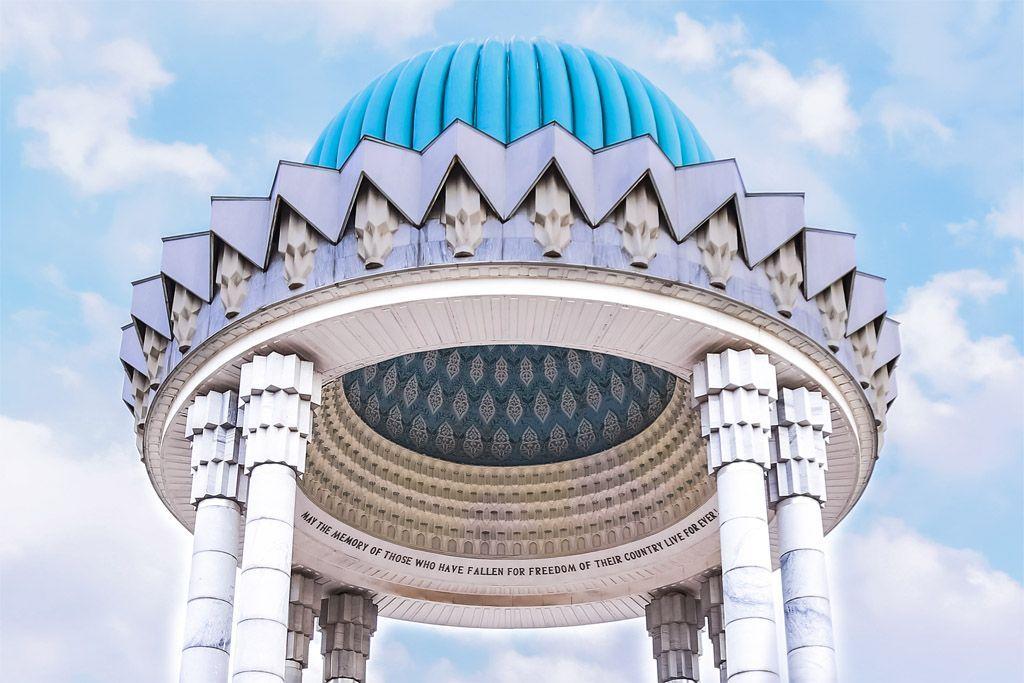
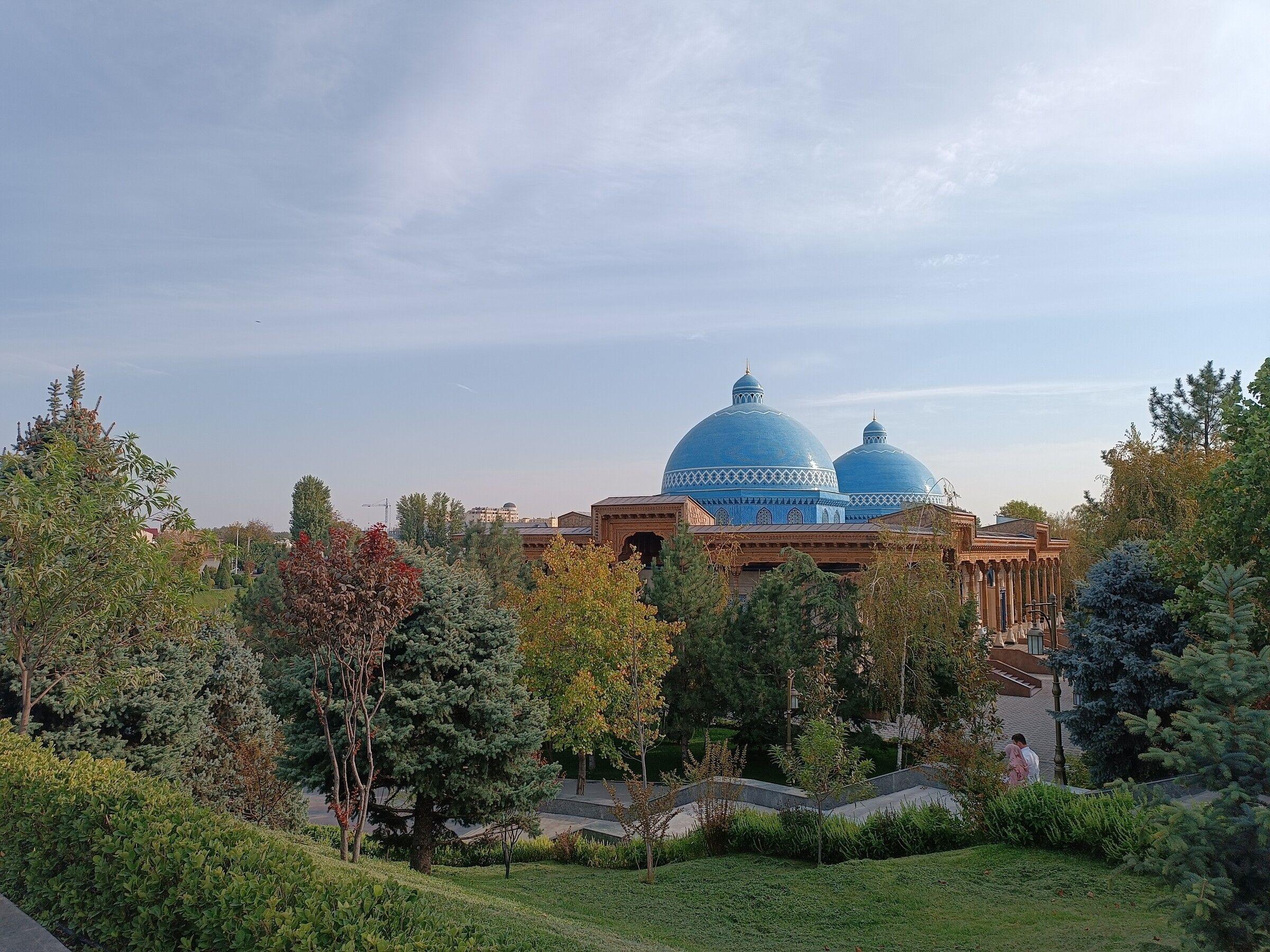
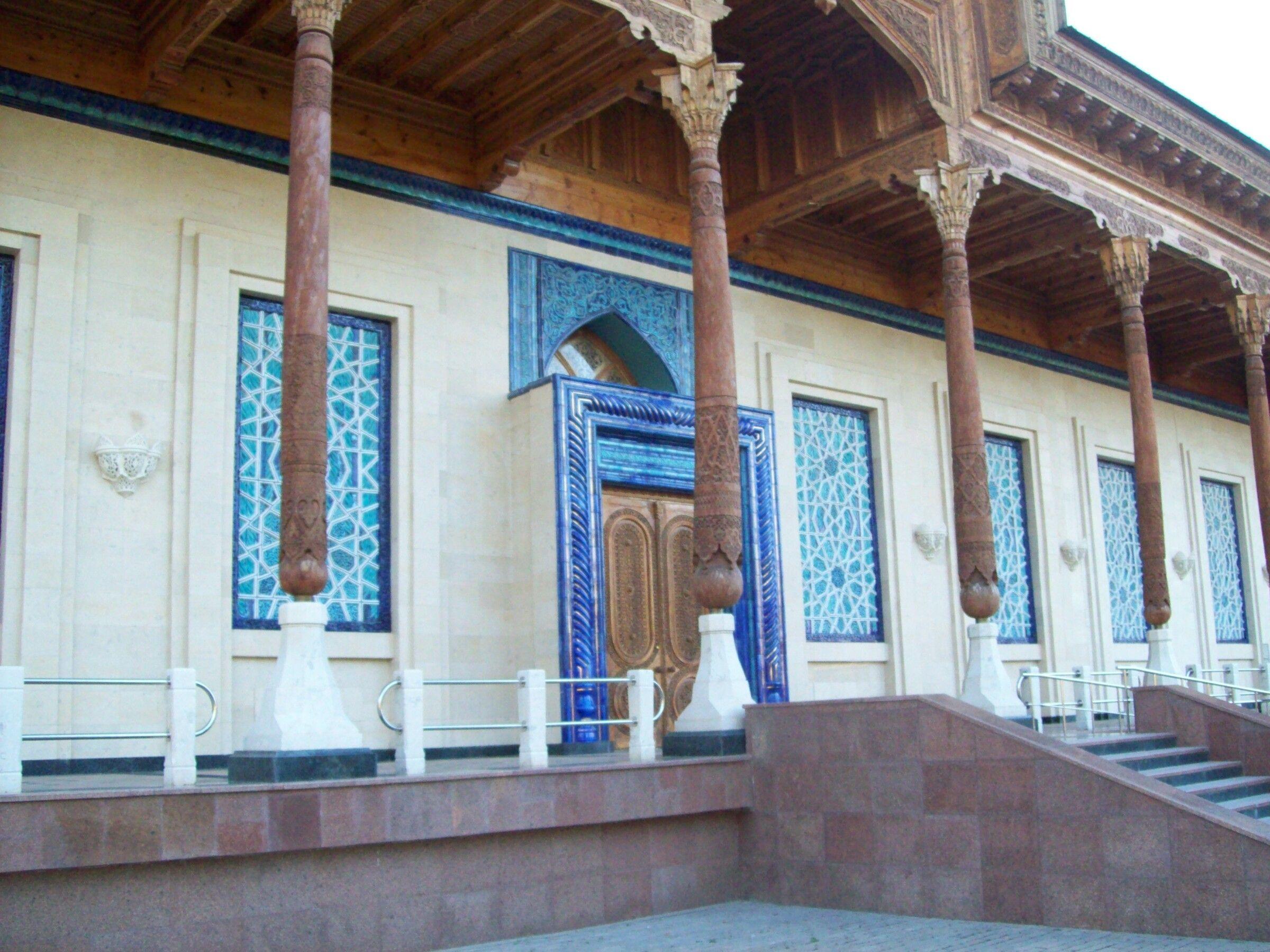
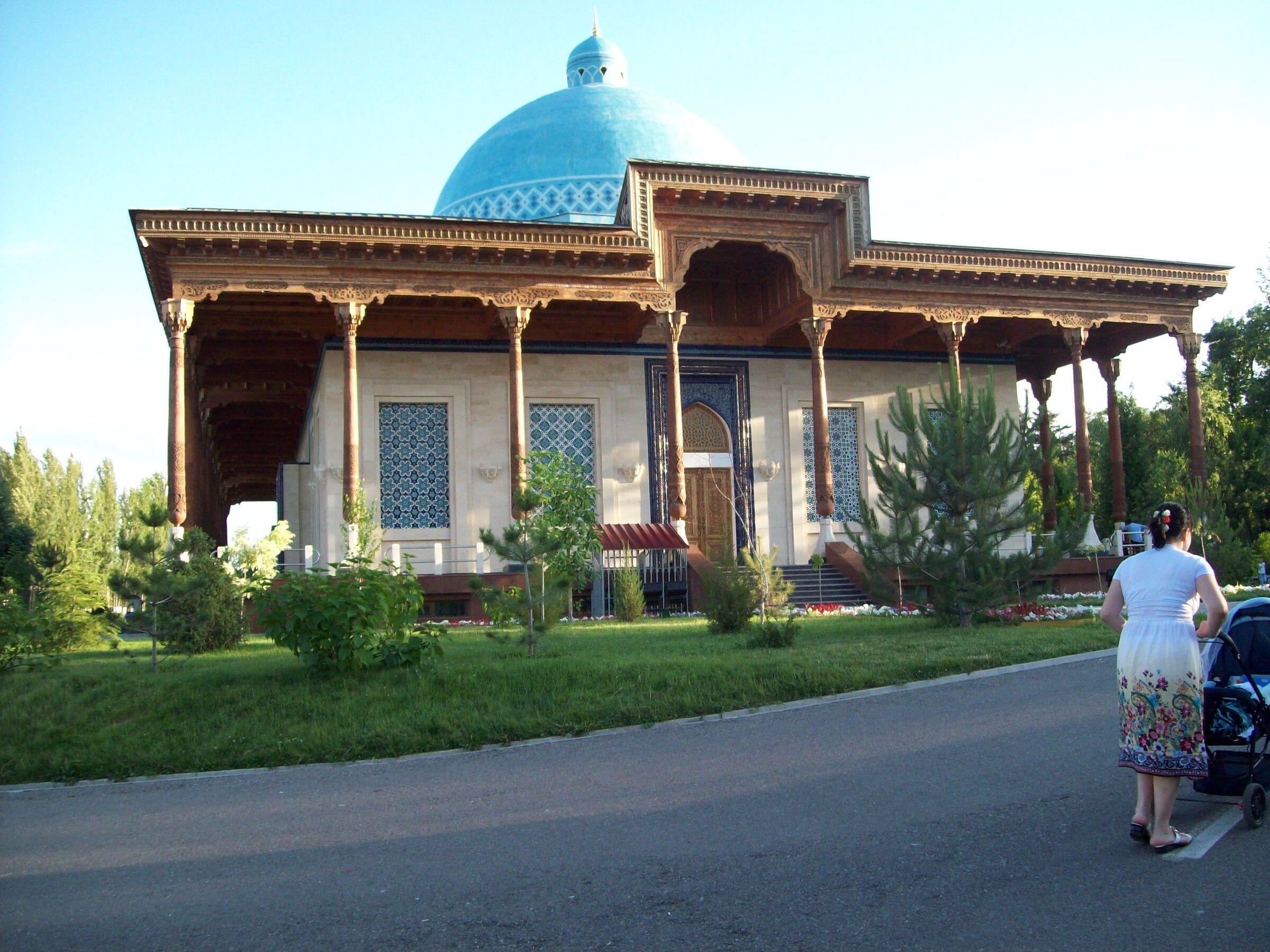
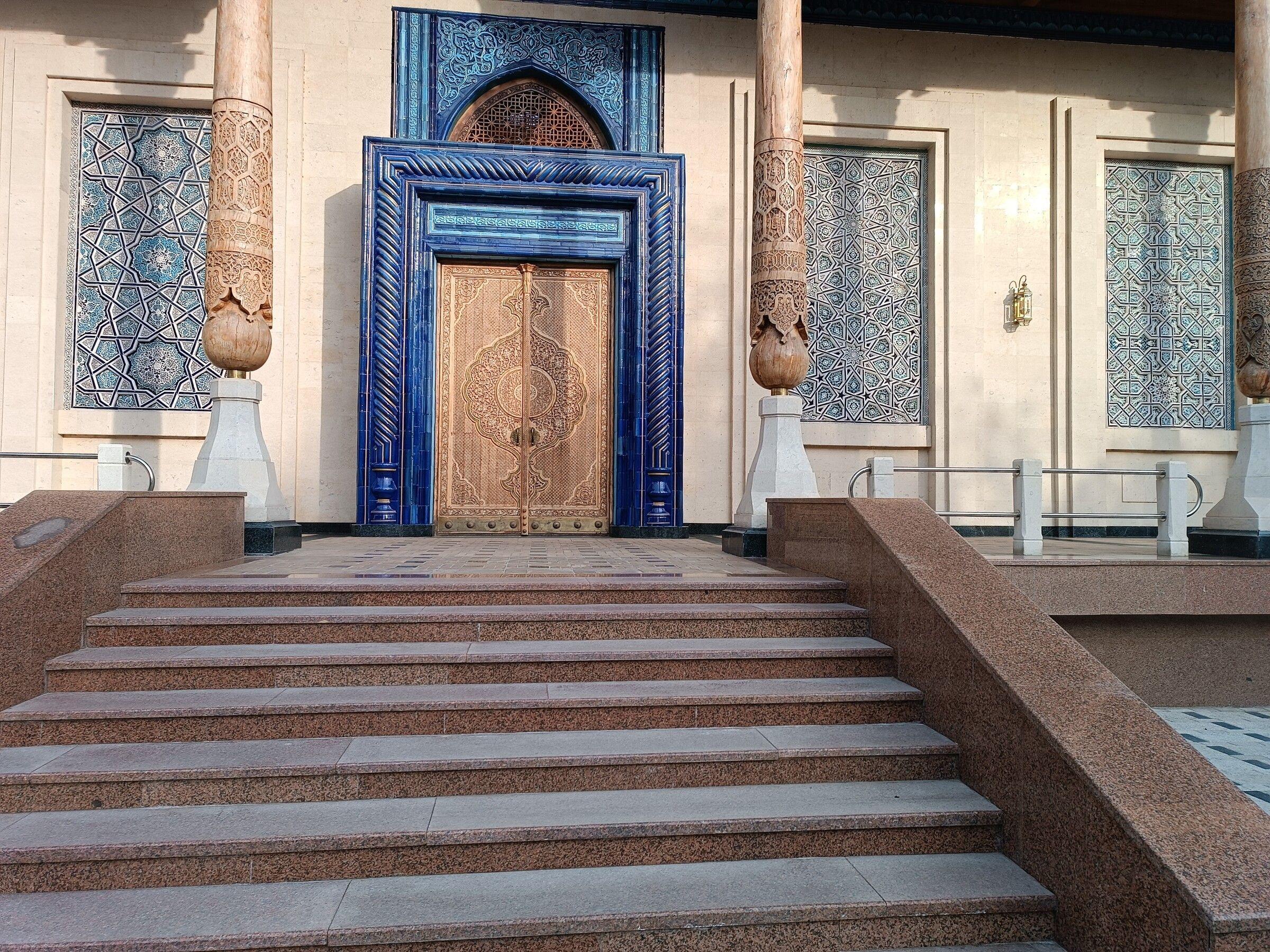
Across the avenue, on the Shahidlar Khotirasi (Martyrs' Memory) square by the canal, a domed rotunda and a low museum building commemorate the victims of tsarist and Soviet repression in Uzbekistan. Opened in 2002, the museum's ten sections run from the conquest of Turkestan through the Jadid reformers, the purges of 1937–38 that killed most of the republic's intellectual elite, the deportations and the cotton-affair prosecutions of the 1980s. Labels are in Uzbek with some English; it is sober, well laid out and takes about forty minutes. The riverside park around it, where the executions of 1937 are believed to have taken place, is a pleasant place to end.
Visiting
Start with the tower (tickets at the base; photography of the tower itself is unrestricted), walk through the Japanese Garden, then cross to the museum. Taxis are easy here, and the Bodomzor metro station is close to the garden. The cluster combines well with the Minor Mosque and Tashkent City Park to the south.
What to see
- Observation deck at 97 m on the 375-metre TV Tower
- Revolving restaurant with views to the Chimgan mountains
- Japanese stroll garden with tea house, bridges, carp and peacocks
- Cherry blossom in April and maples in October
- Museum of Victims of Repression and the Martyrs' Memory rotunda
- Bozsu canal park walk to the Minor Mosque
Gallery
Tours that visit TV Tower, Japanese Garden and Museum of Victims of Repression
 New
Six Days, Seven Plovs
From
$995
 Premium
Twelve Gates of the Silk Road
From
$1,750
 Best Seller
Four Crowns: Tashkent, Samarkand, Bukhara, Khiva
From
$1,270
More sights in Tashkent
All of Tashkent


See TV Tower, Japanese Garden and Museum of Victims of Repression with a local guide
We build private and small-group trips around the places you want to see — with guides who grew up here.