
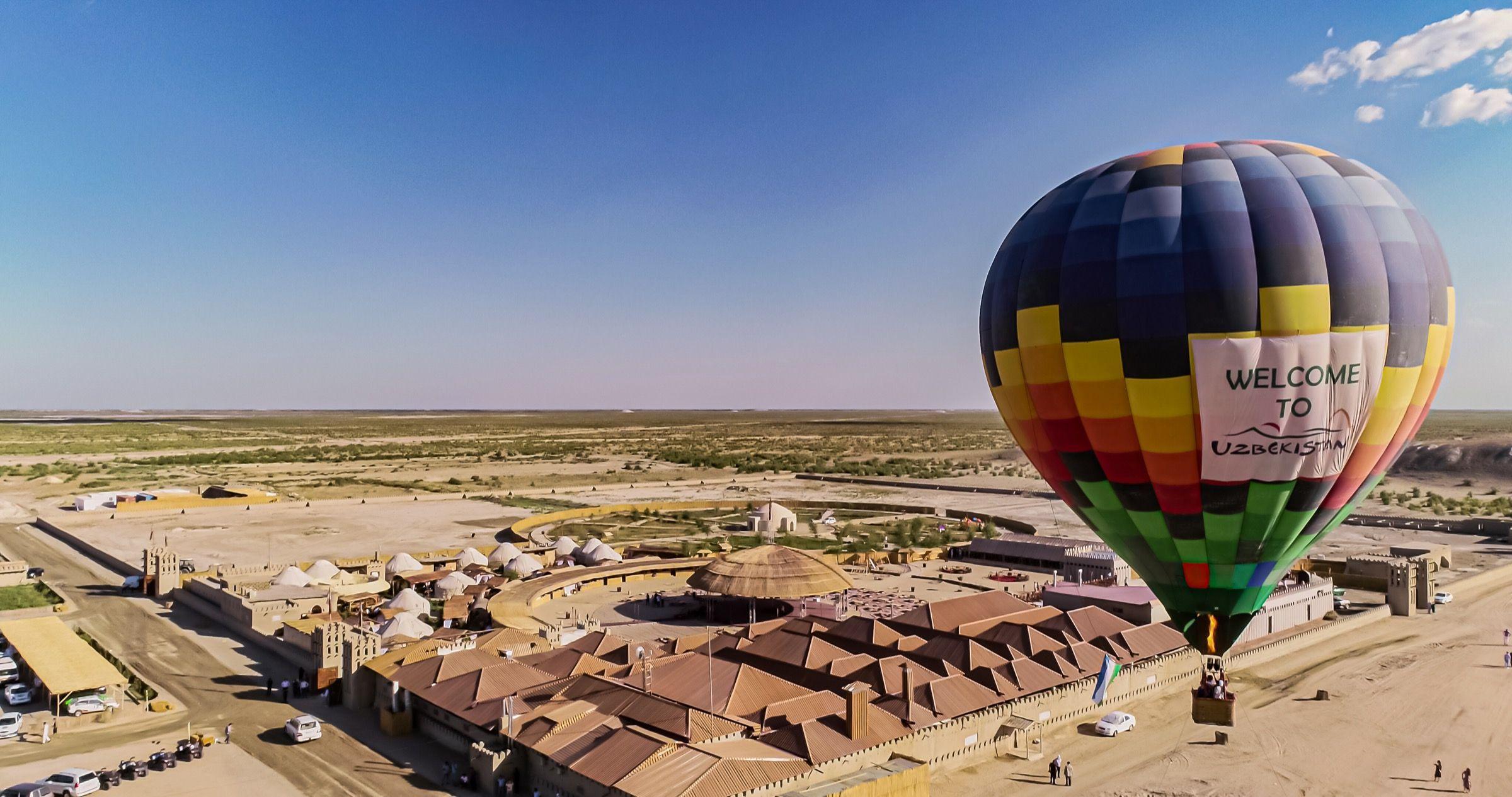
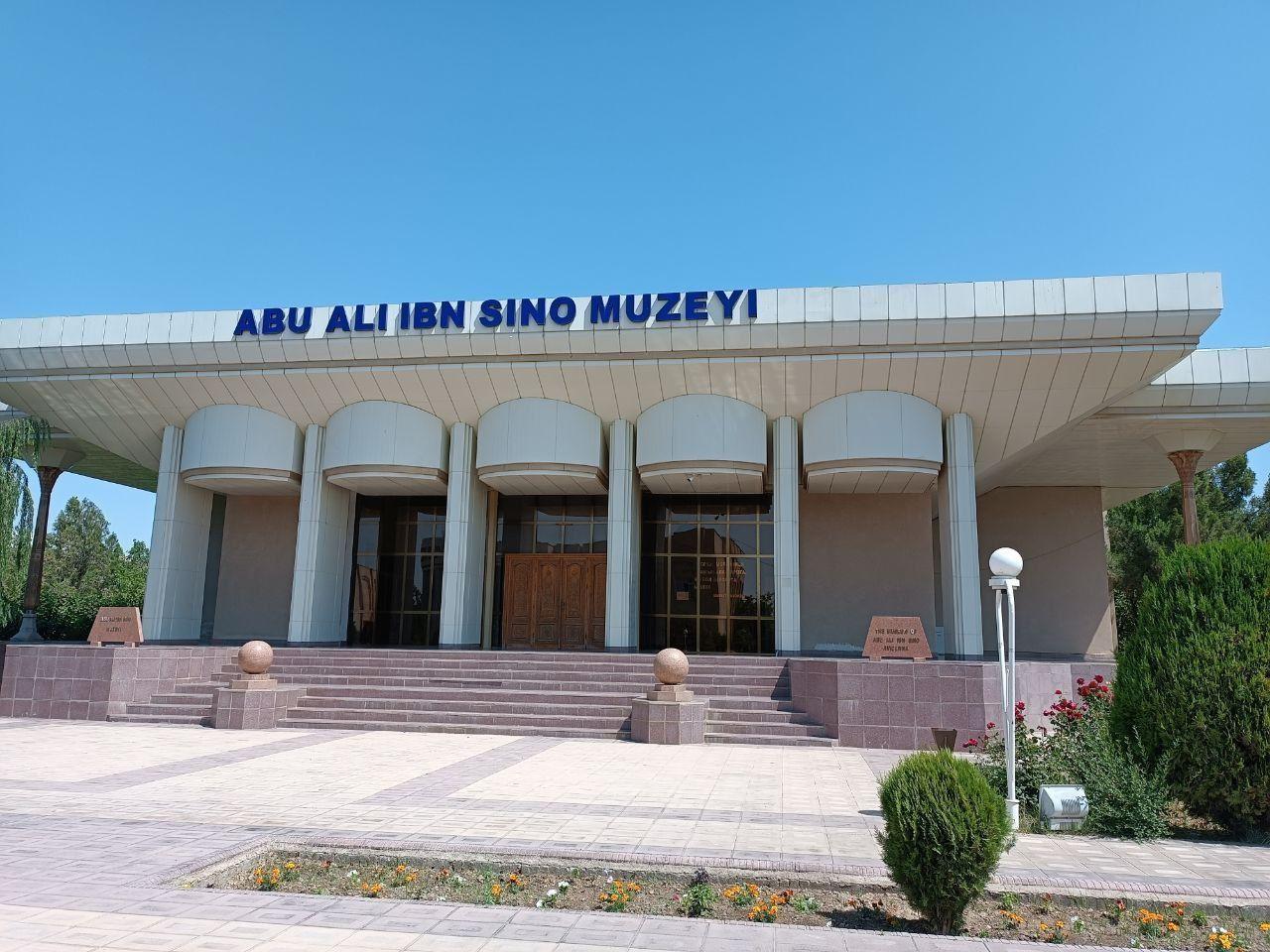
Sight · Ibn Sina museum opened 1980, renovated 2006; Bukhara Desert Oasis & Spa opened 2020
Afshona and the Romitan desert oasis
North of Bukhara, the village where Avicenna was born in 980 and its museum pair with a desert resort of yurts, camels and a spa on the Kyzylkum edge: a day, or a night, that most itineraries leave out.
About
The Romitan district begins where Bukhara's northern suburbs end and runs out into the Kyzylkum. In one direction lies a village of world significance that almost nobody visits; in the other, a resort built for exactly the sort of evening travellers imagine when they think of the Silk Road.
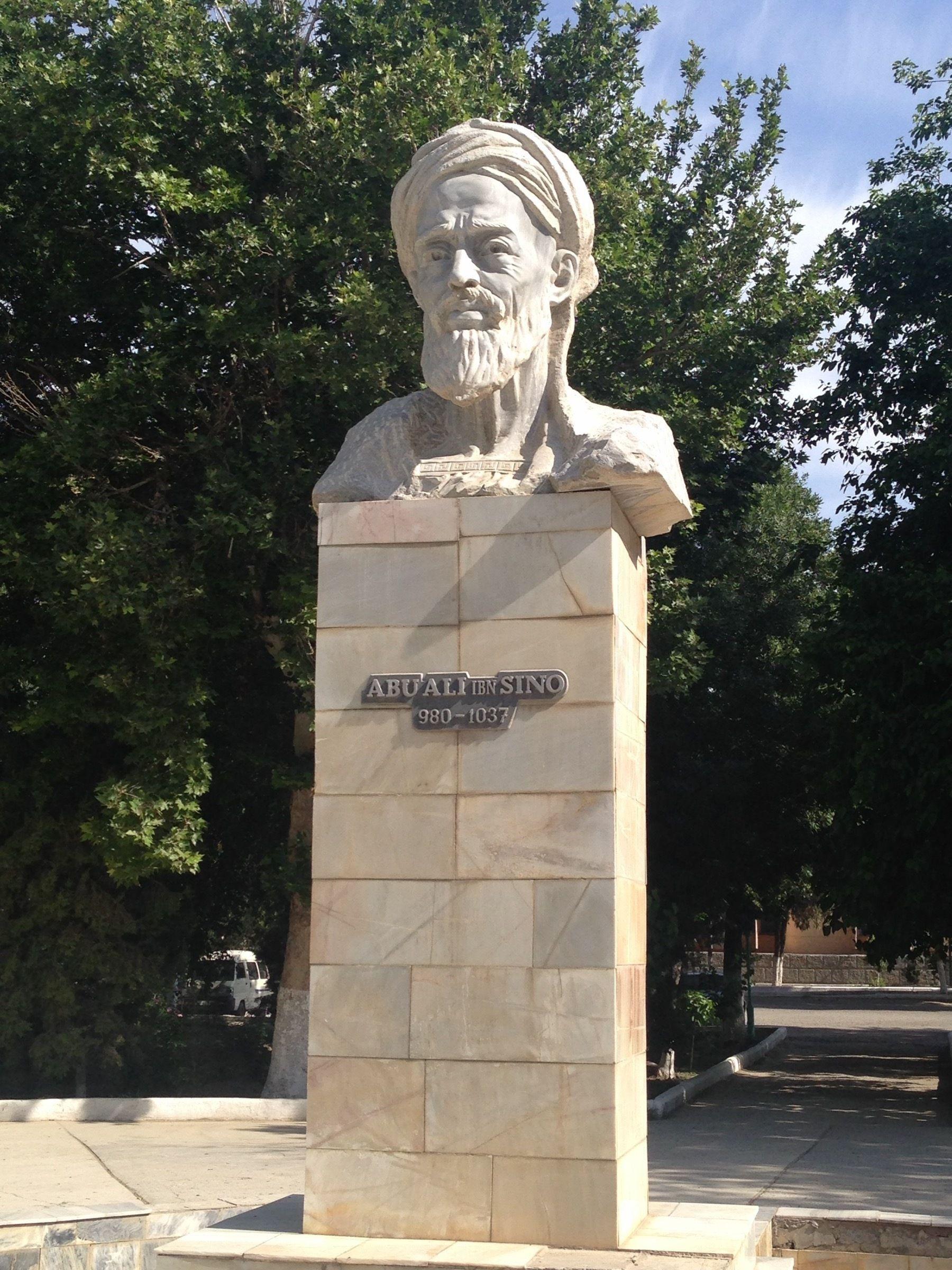
Afshona: the birthplace of Ibn Sina
Abu Ali ibn Sina, known in the West as Avicenna, was born in 980 in Afshona, a village of the Bukhara oasis, the son of a Samanid official. He grew up in Bukhara, had access to the Samanid library by the age of eighteen, and went on to write the Canon of Medicine, the textbook that shaped medical teaching in Europe and the Islamic world for six centuries. Afshona, now in the Peshku district about 35 km north of Bukhara, marks the connection with a memorial museum opened in 1980 for the thousandth anniversary of his birth and rebuilt in 2006. Its halls, with several hundred exhibits, follow his life, the Samanid age and the medical instruments and manuscripts of the period, and there is a small botanical plot of the herbs named in the Canon. It is a modest regional museum, but for doctors, pharmacists and anyone with an interest in the history of science the visit carries real weight.
Bukhara Desert Oasis & Spa
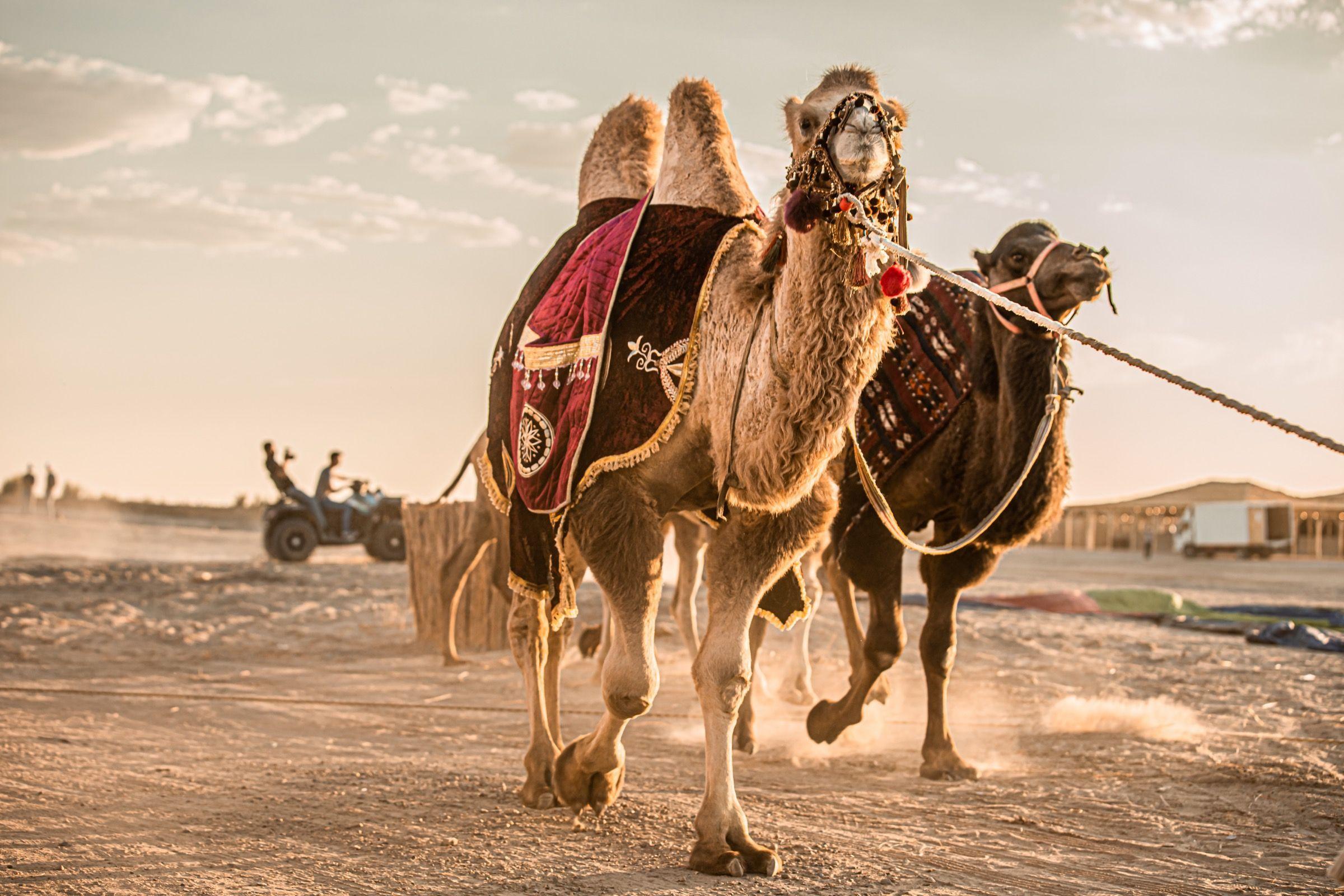
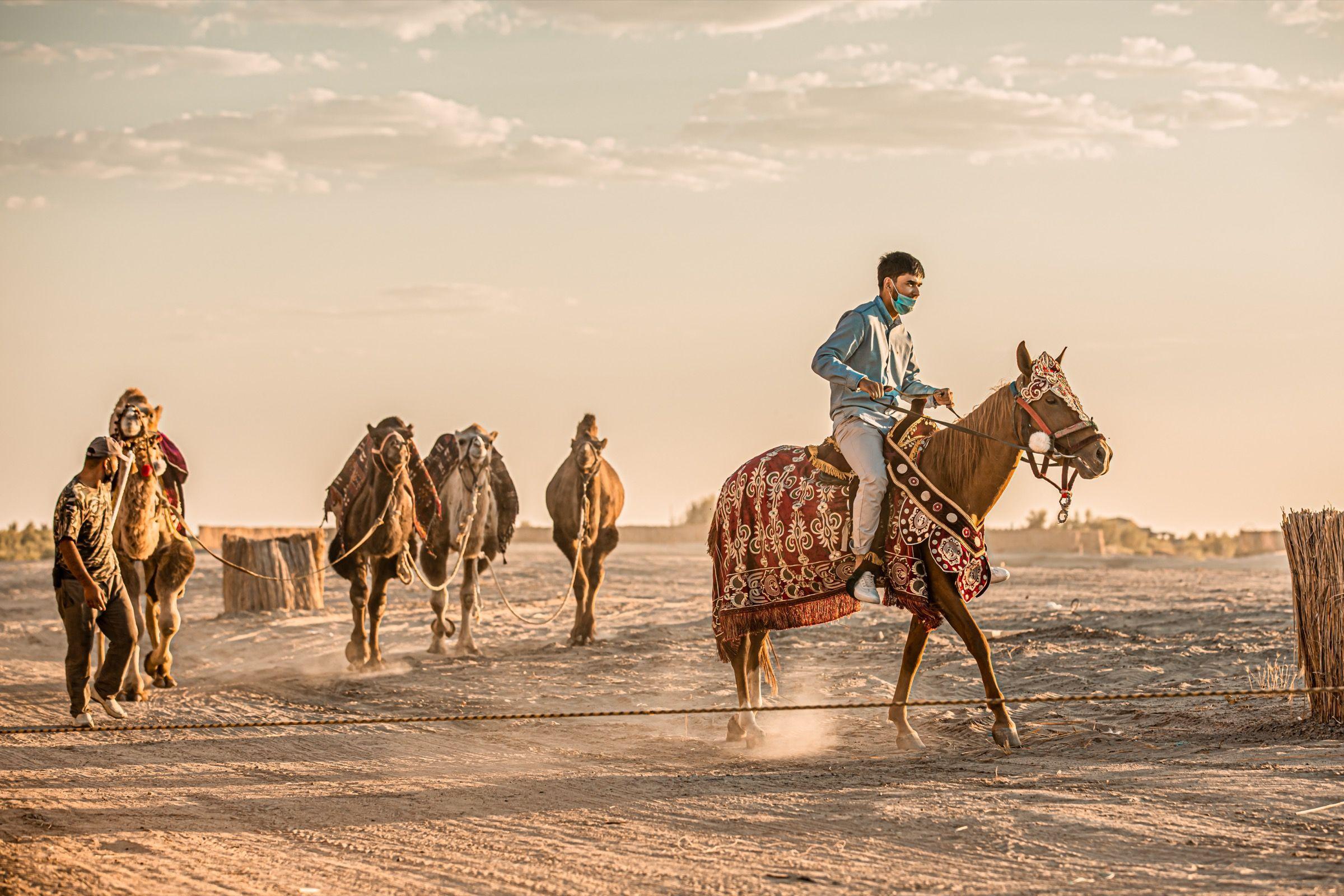
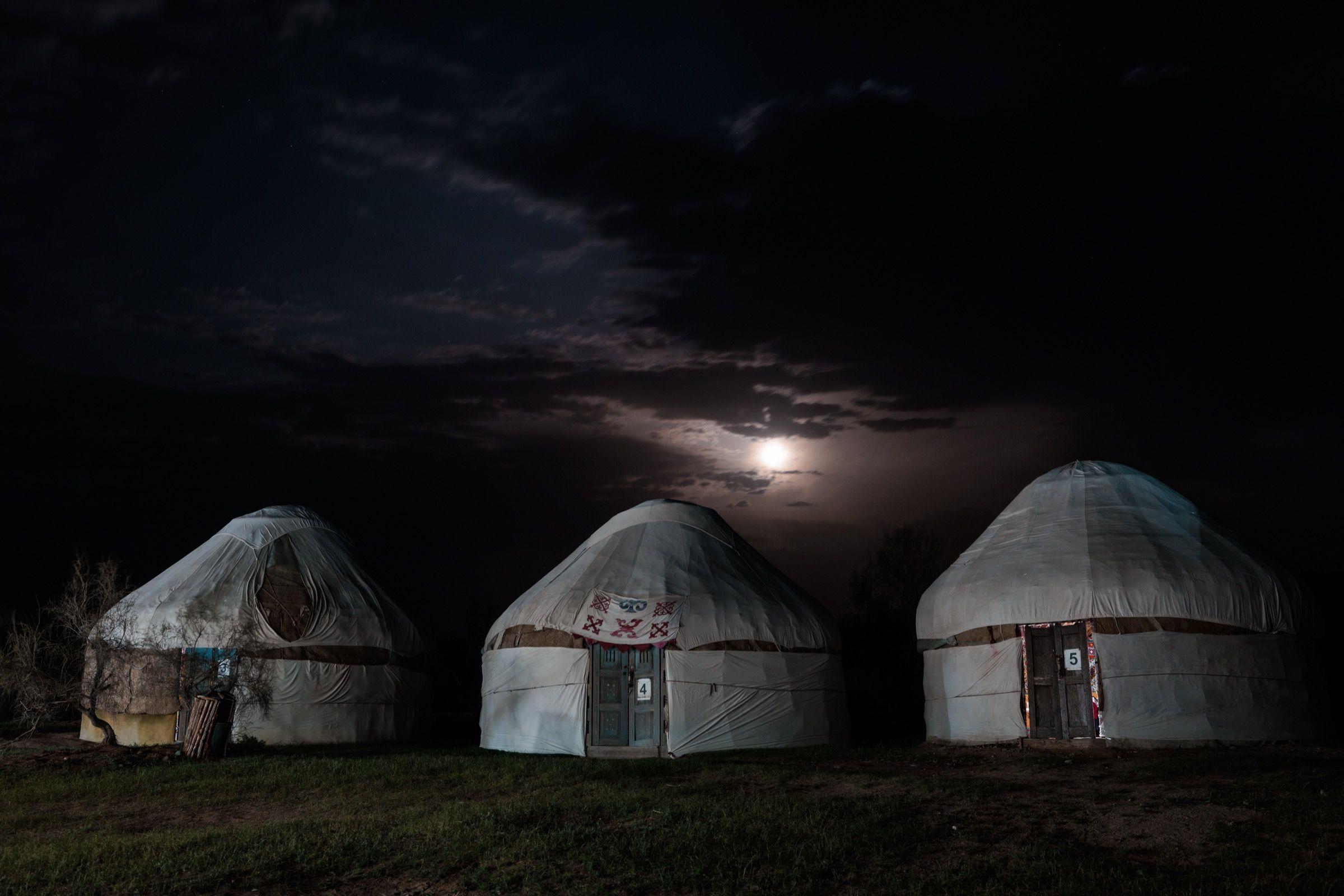
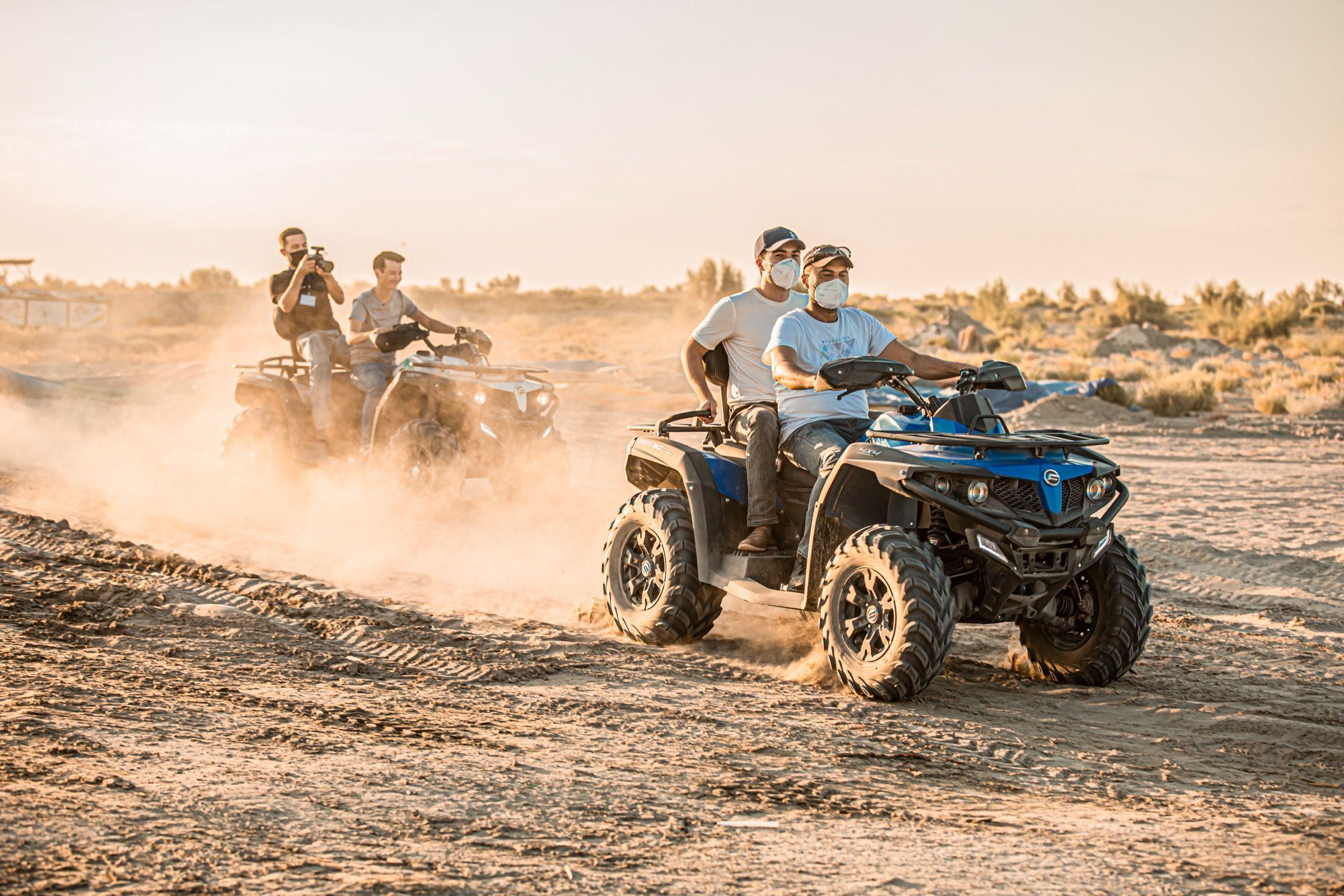
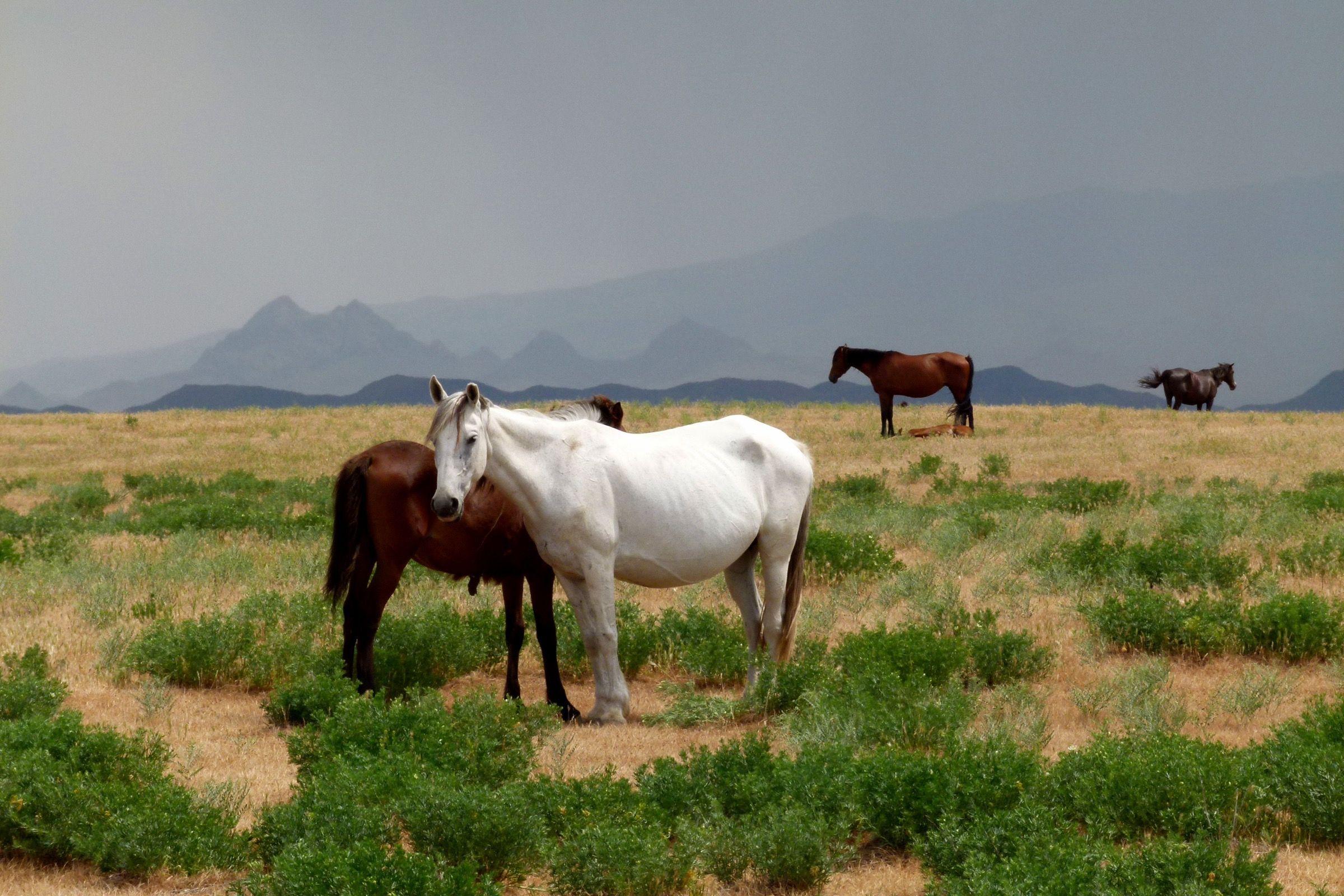
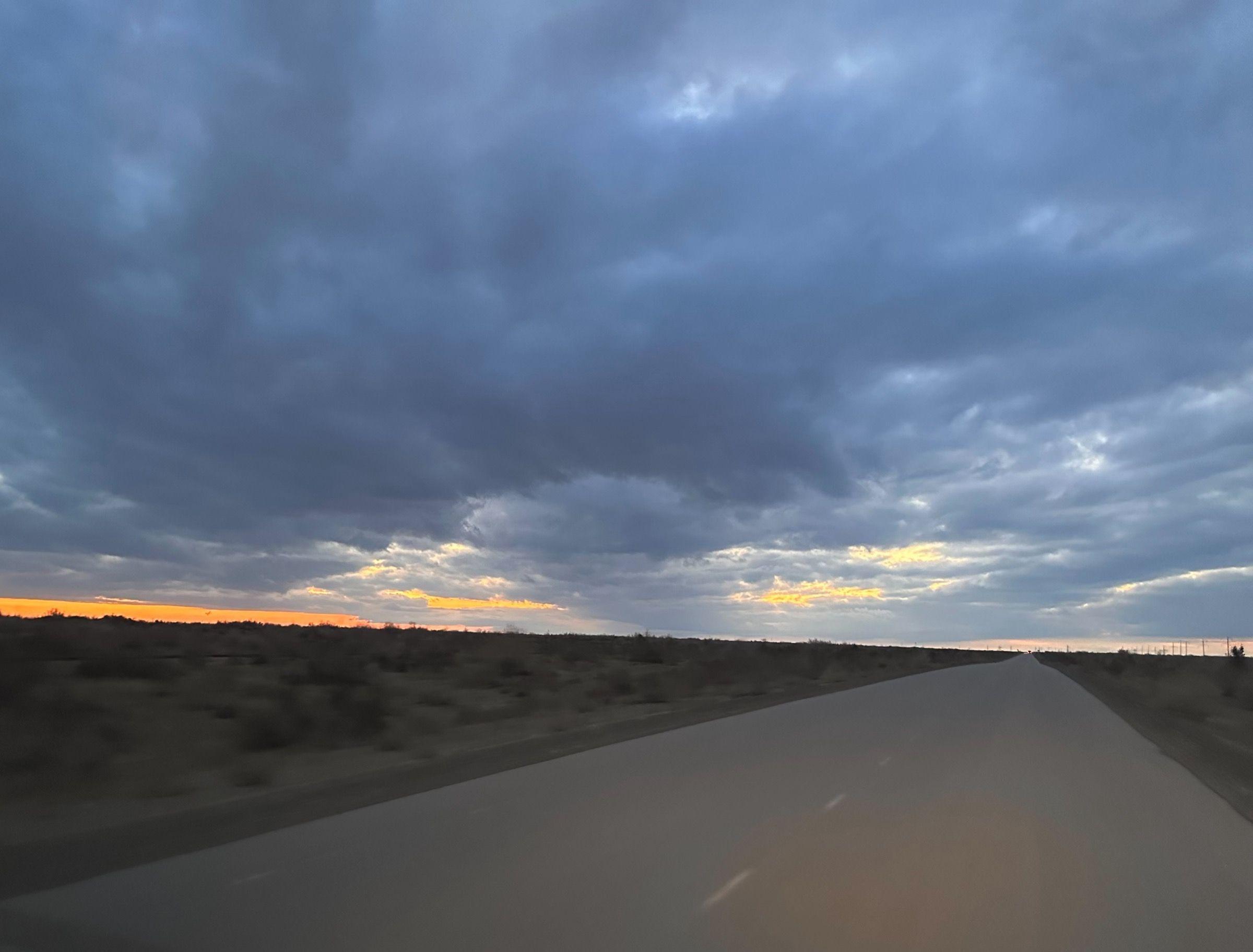
About 37 km from Bukhara, on the road west through Romitan and Varakhsha, a walled compound of yurts and low adobe buildings sits on the edge of the sands. Opened in 2020 as an eco-resort, it offers nights in traditional yurts with proper beds and bathrooms, a spa and hammam, a restaurant with Bukharan dishes, and the desert itself: camel and horse rides along the dunes, quad bikes, hot-air balloon flights when the weather allows, folk music by the fire and a sky with no light pollution. It takes up to 500 guests, which makes it a practical base for groups and corporate events as well as families.
Around Romitan
The district also holds the shrine of Ali Ramitani on the Seven Pirs route, Lake Karakir with its birdlife, an agrotourism centre with cooking classes, and the Sogdian palace mound of Varakhsha, all within half an hour of the resort.
How to experience it
The classic combination is a late-afternoon drive from Bukhara via Afshona, a camel ride at sunset, dinner and a night in a yurt, then Varakhsha in the morning light before returning to the city. As a day trip, allow four to five hours. Spring and autumn are the seasons; in July the resort is for evenings only, and in winter the yurts are heated but the dunes are cold.
What to see
- The Ibn Sina memorial museum in Avicenna's native village
- Manuscripts, instruments and the herb garden of the Canon of Medicine
- A night in a yurt on the edge of the Kyzylkum
- Camel and horse rides at sunset
- Hot-air balloon flights over the desert, weather permitting
- Spa, hammam and Bukharan dinner by the fire
- Varakhsha and Lake Karakir nearby
Gallery
Tours that visit Afshona and the Romitan desert oasis
 New
Six Days, Seven Plovs
From
$995
 Premium
Twelve Gates of the Silk Road
From
$1,750
 Best Seller
Four Crowns: Tashkent, Samarkand, Bukhara, Khiva
From
$1,270
More sights in Bukhara
All of Bukhara

See Afshona and the Romitan desert oasis with a local guide
We build private and small-group trips around the places you want to see — with guides who grew up here.