
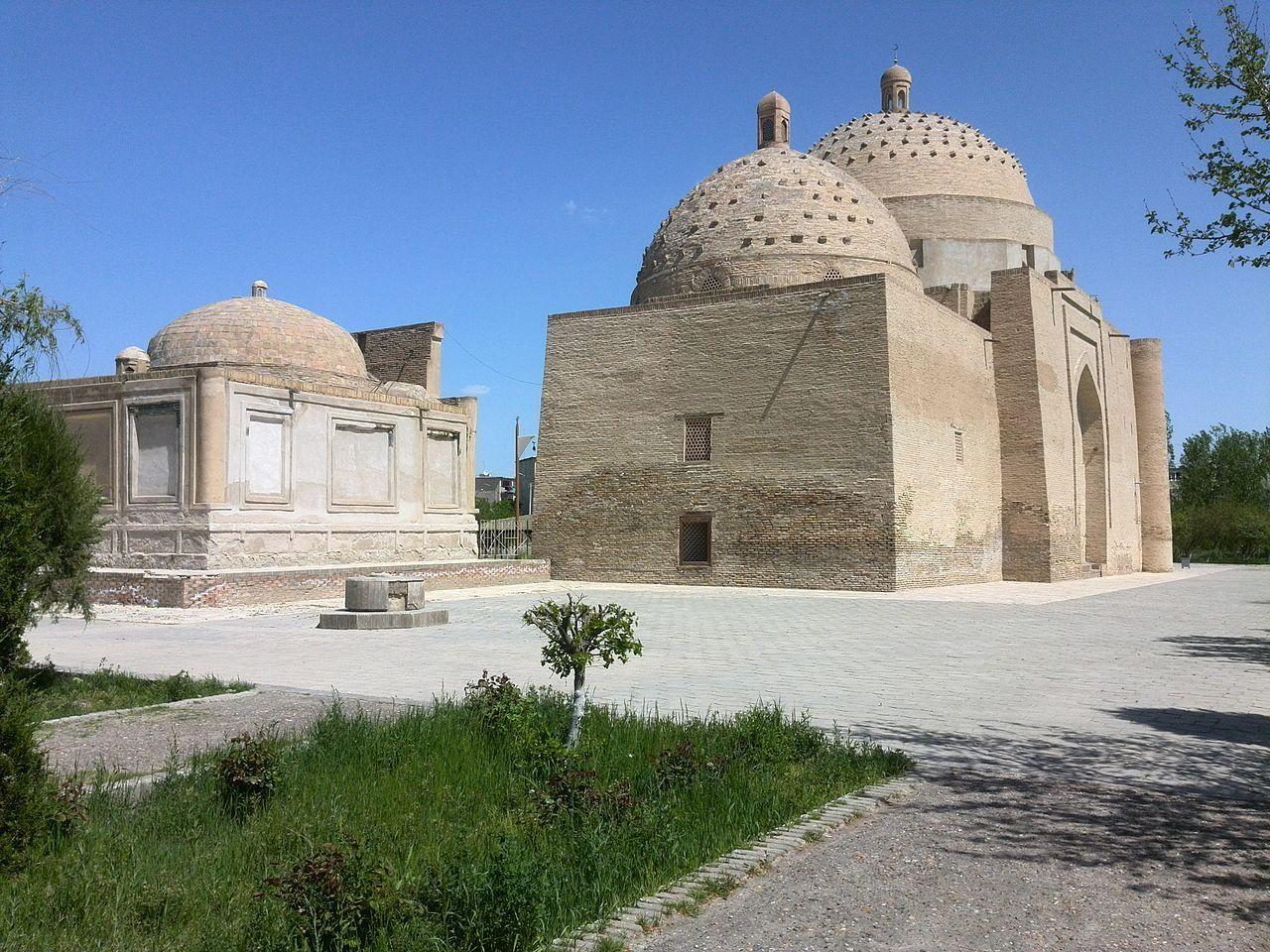
Mosque · Balyand Mosque early 16th century (iwan 19th century); Bakharzi mausoleum late 14th century; Bayan-Quli Khan mausoleum c. 1358
Balyand Mosque and the Fathabad Mausoleums
Two quiet corners of Bukhara the tour buses miss: a neighbourhood mosque with one of the finest gilded interiors in the city, and the Fathabad tombs of the Sufi sheikh who converted a Mongol khan and the Chagatai ruler buried at his feet.
About
Both places lie on the southern and eastern fringes of the old town, a short taxi ride apart, and both reward visitors who want to see Bukhara at the scale of a neighbourhood rather than a monument.
Balyand Mosque
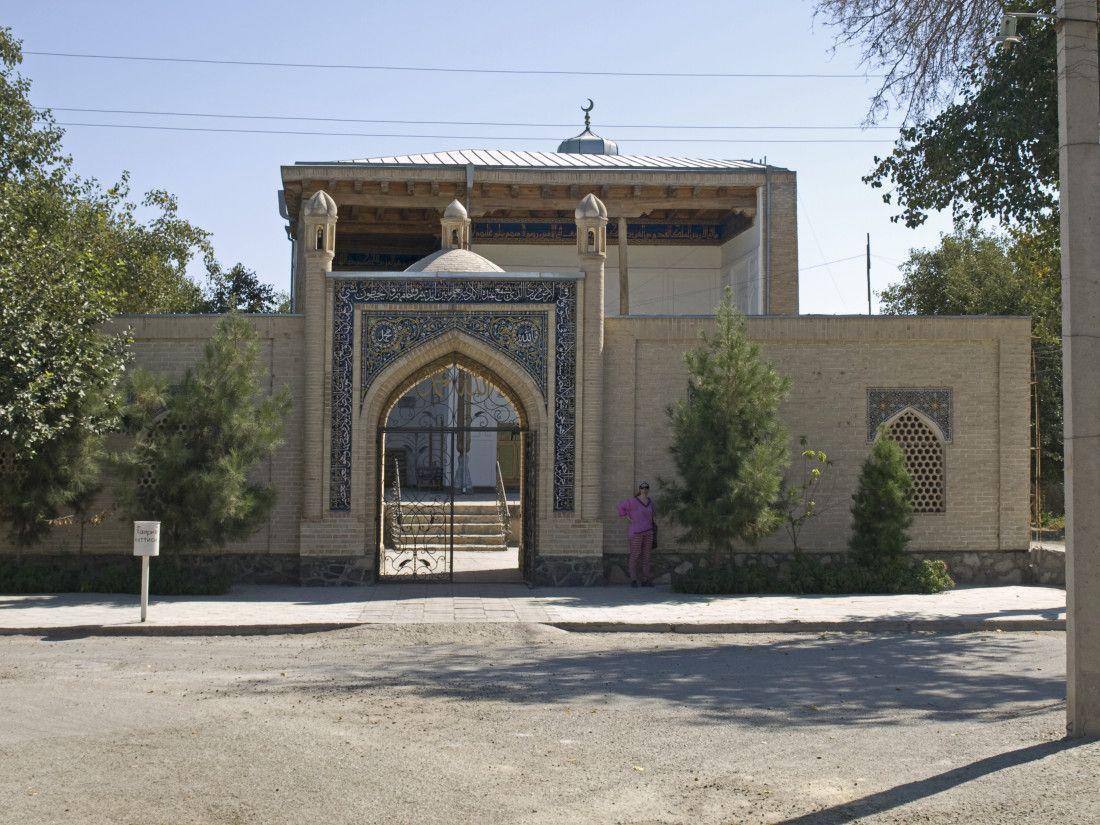
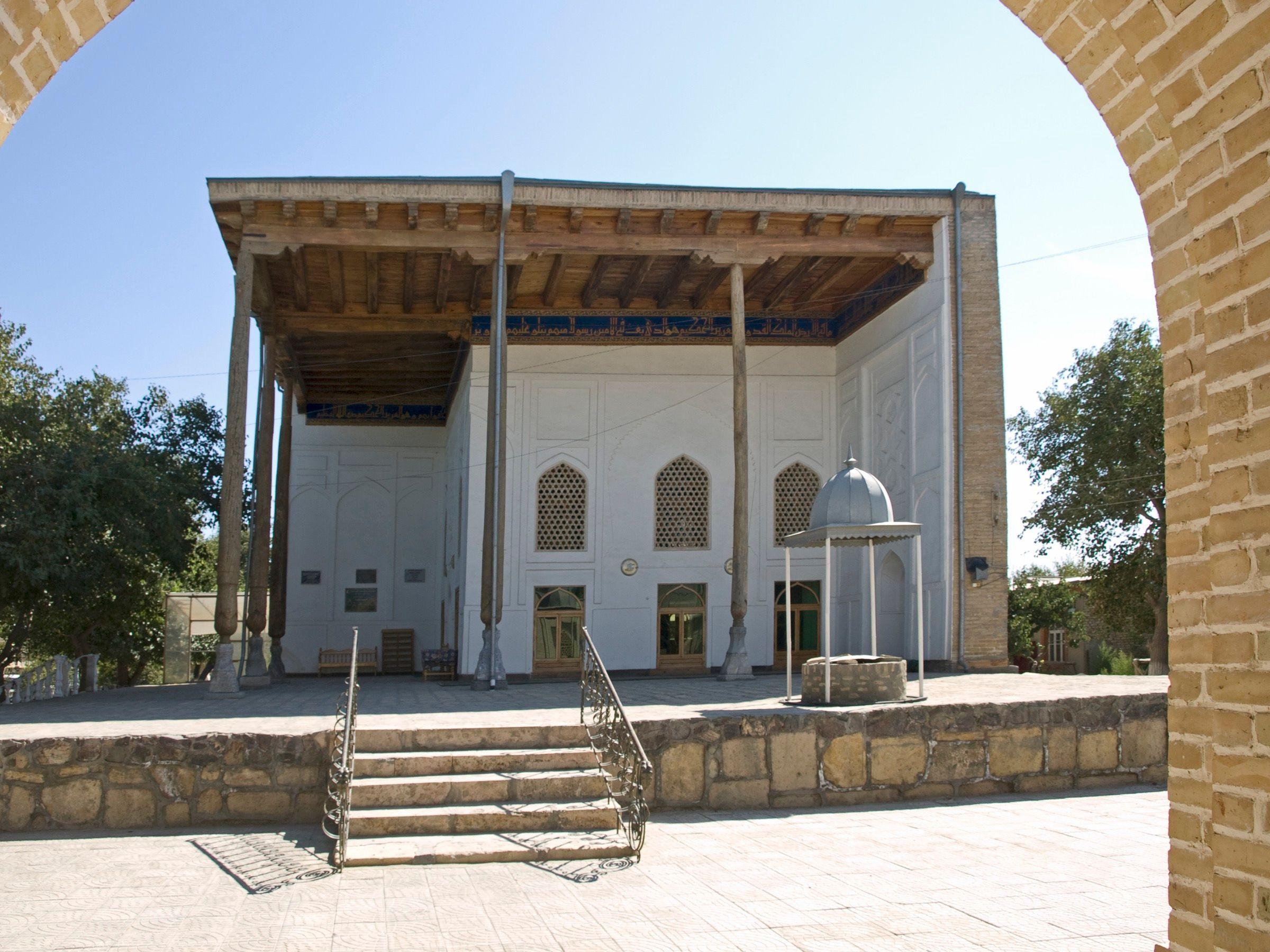
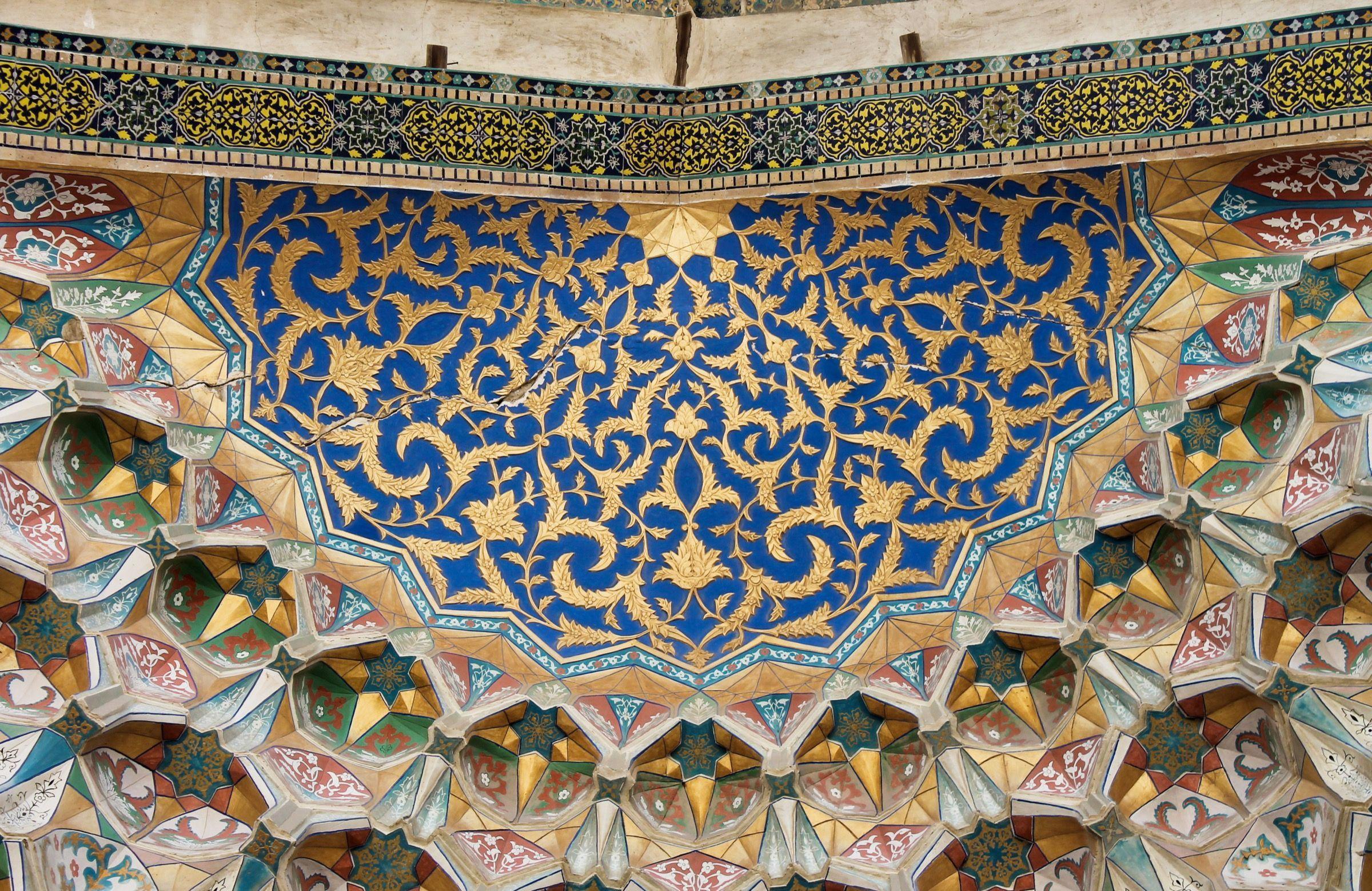
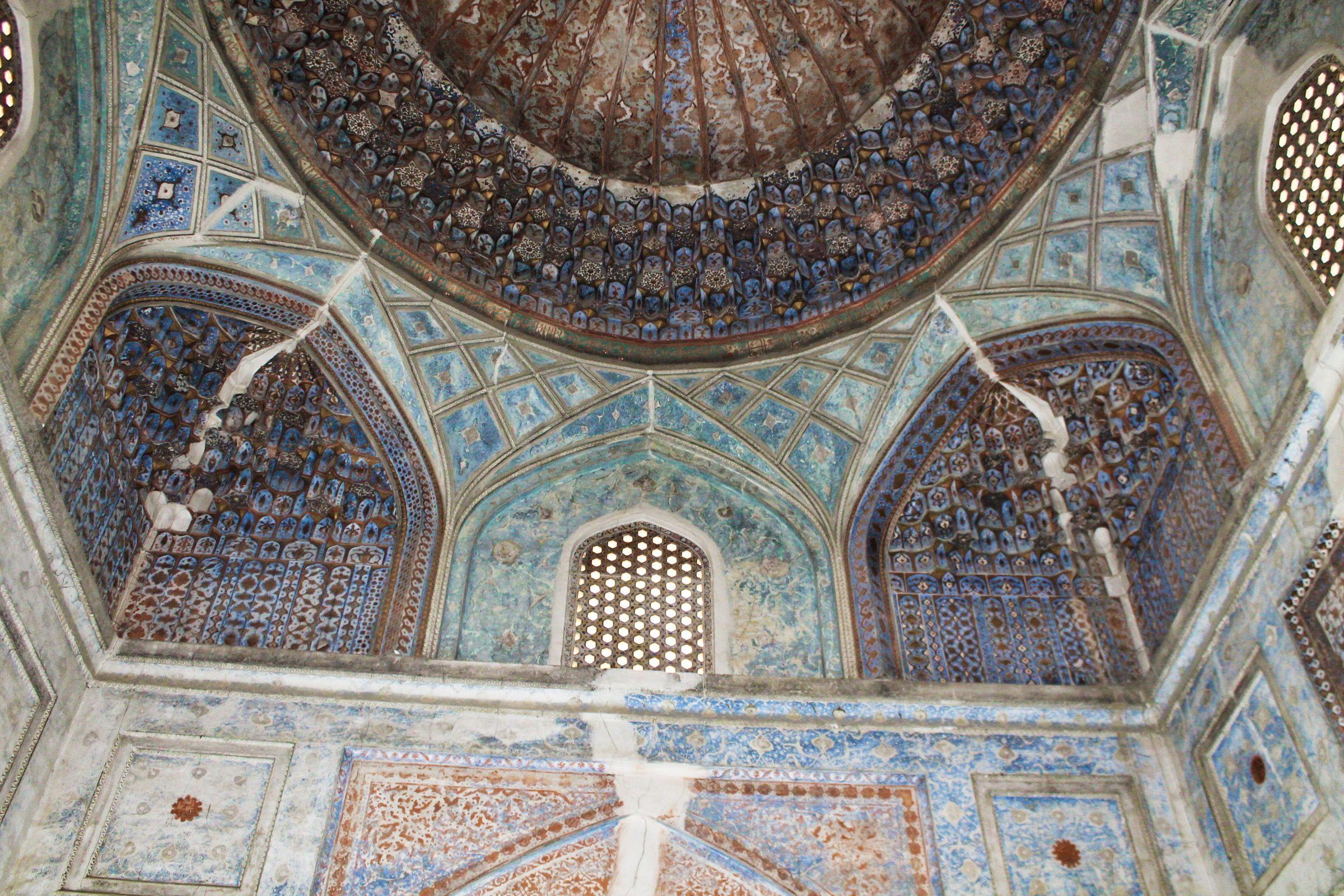
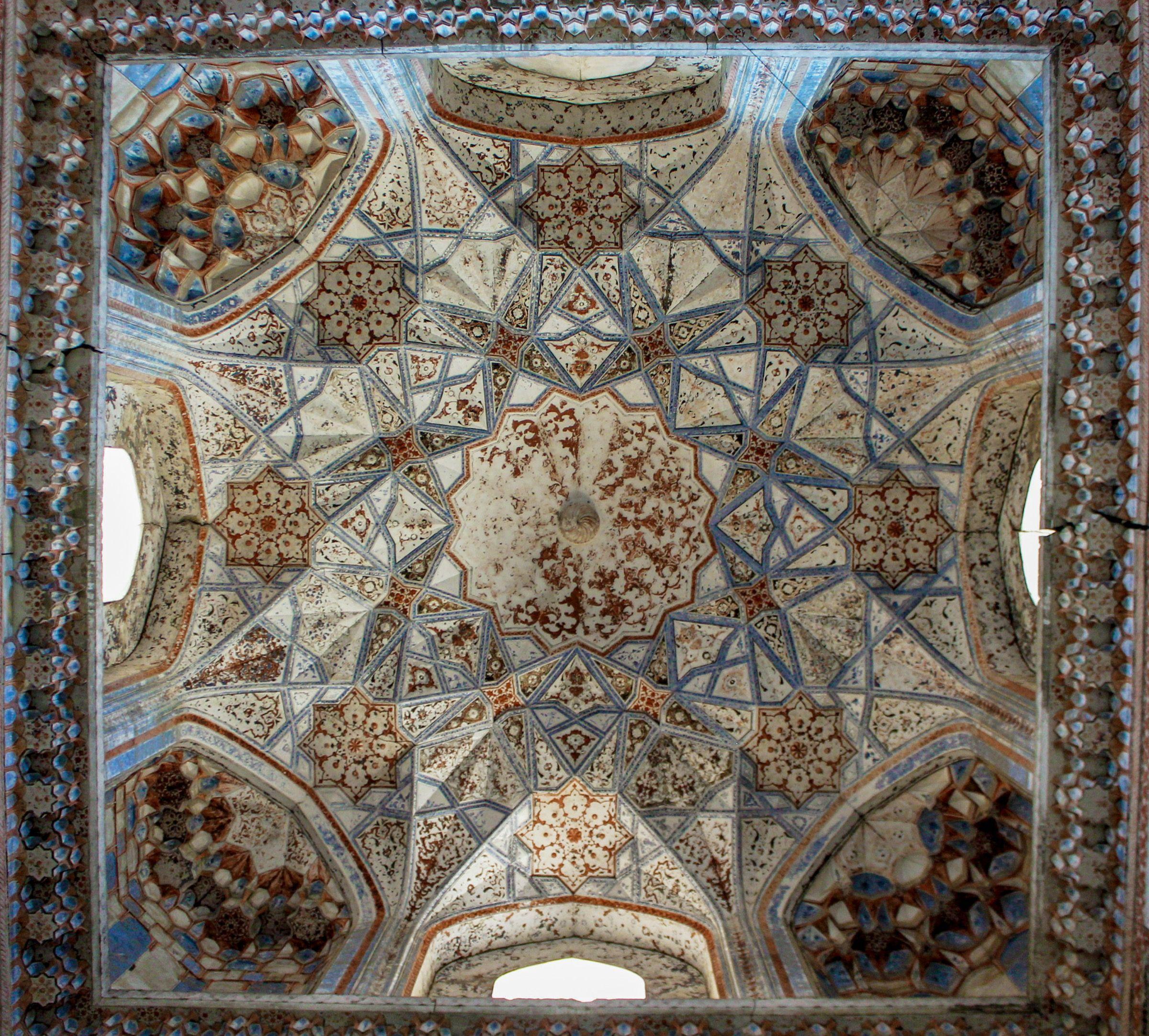
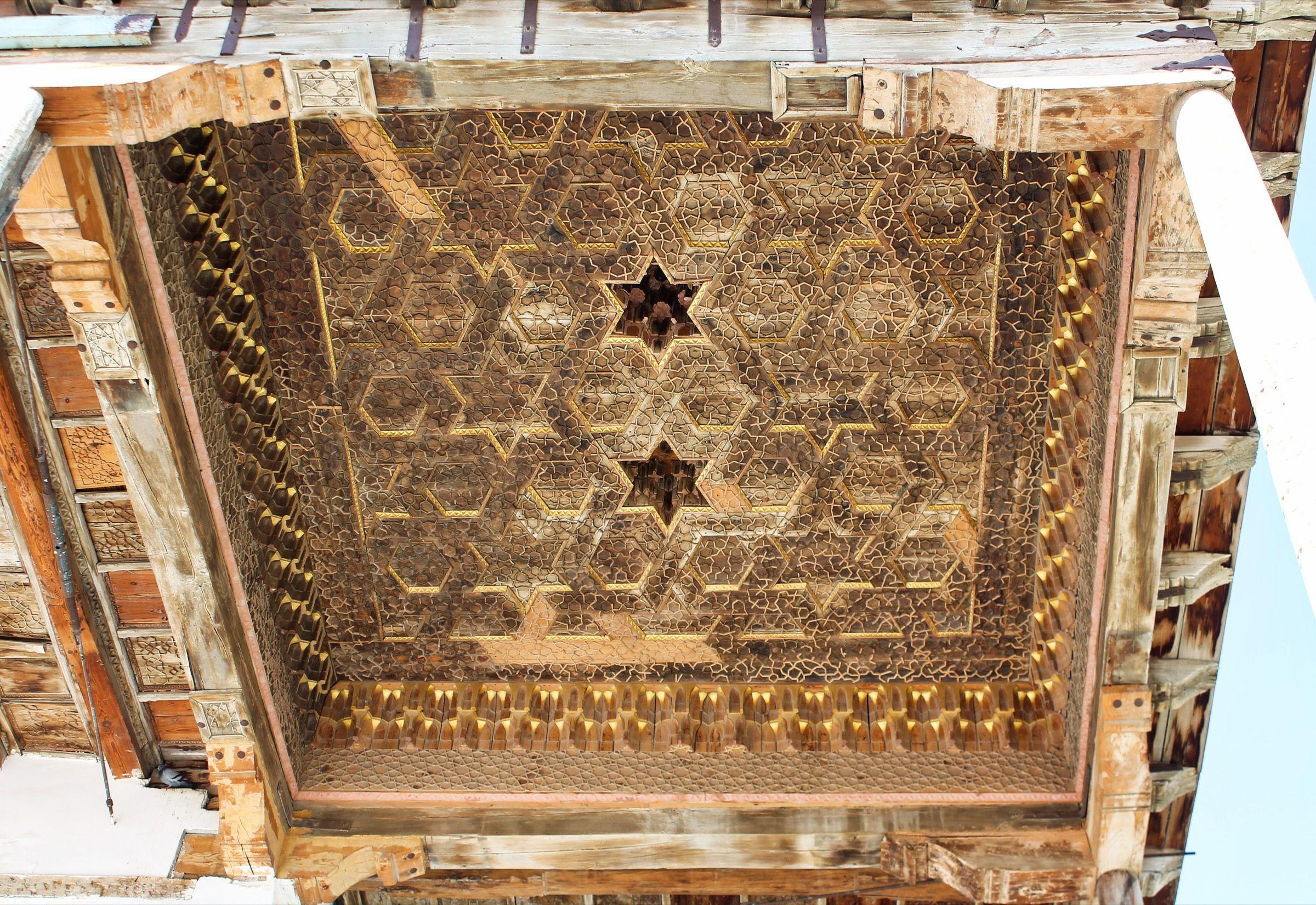
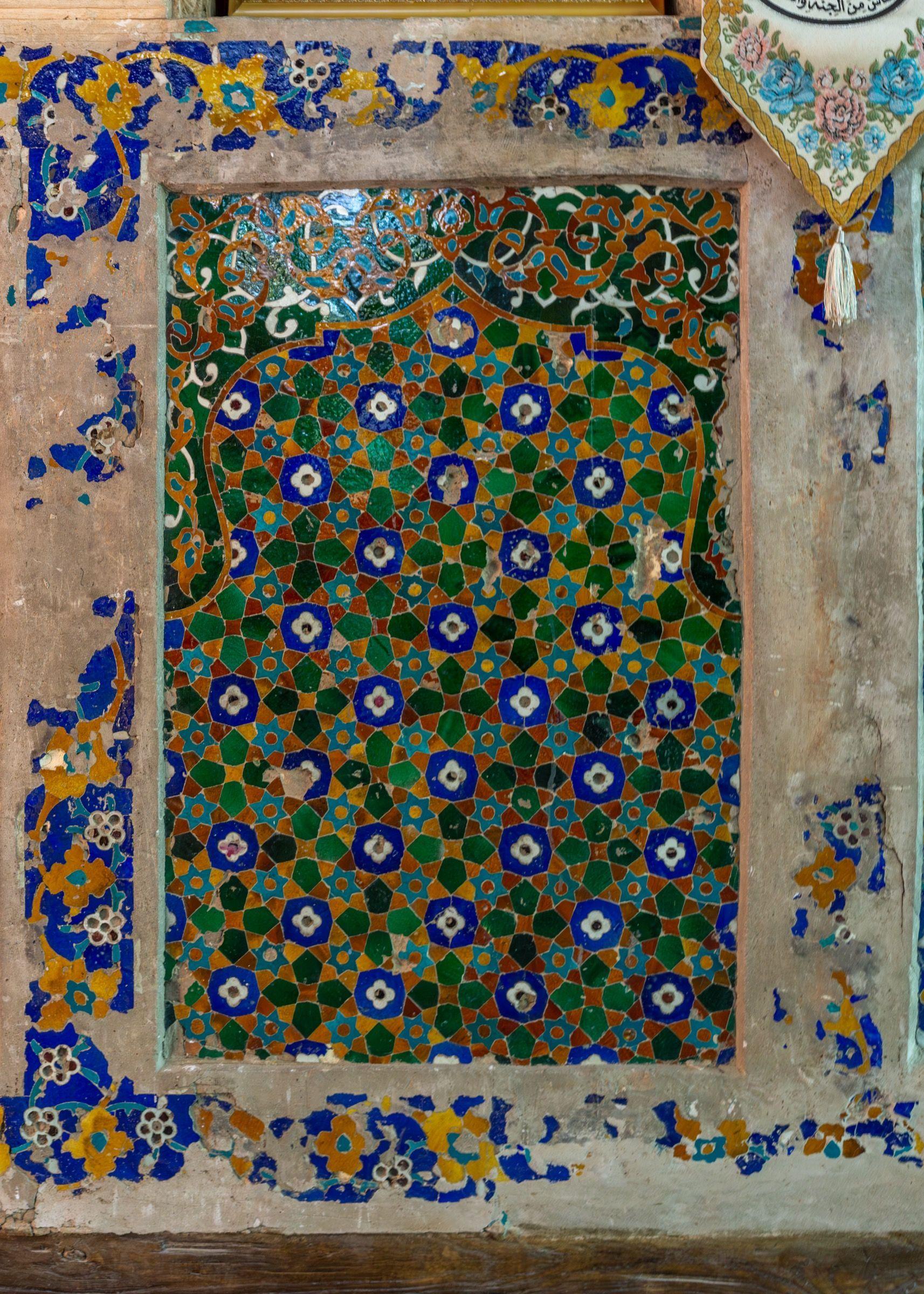
Balyand means the high one, and the mosque stands on a raised platform in a residential quarter south of Lyabi-Hauz. It was built in the early 16th century under the Shaybanid dynasty as a guzar mosque, the prayer house of one mahalla, and from outside it is almost anonymous: plain brick walls, a wooden iwan on slender columns, a small courtyard. The surprise is inside. The winter prayer hall is lined with glazed tile mosaic and painted plaster in blues and golds, a frieze of hexagonal panels with gilded inscriptions runs beneath the ceiling, and the ceiling itself is a flat wooden construction of painted beams and small cupolas, among the best surviving examples of Bukhara's interior painting. The mihrab is set in tile mosaic. The iwan and its carved columns were renewed in the 19th century. The mosque is still used for prayer, so visit between services and ask before entering with a camera.
Fathabad: Sayf al-Din Bakharzi and Bayan-Quli Khan
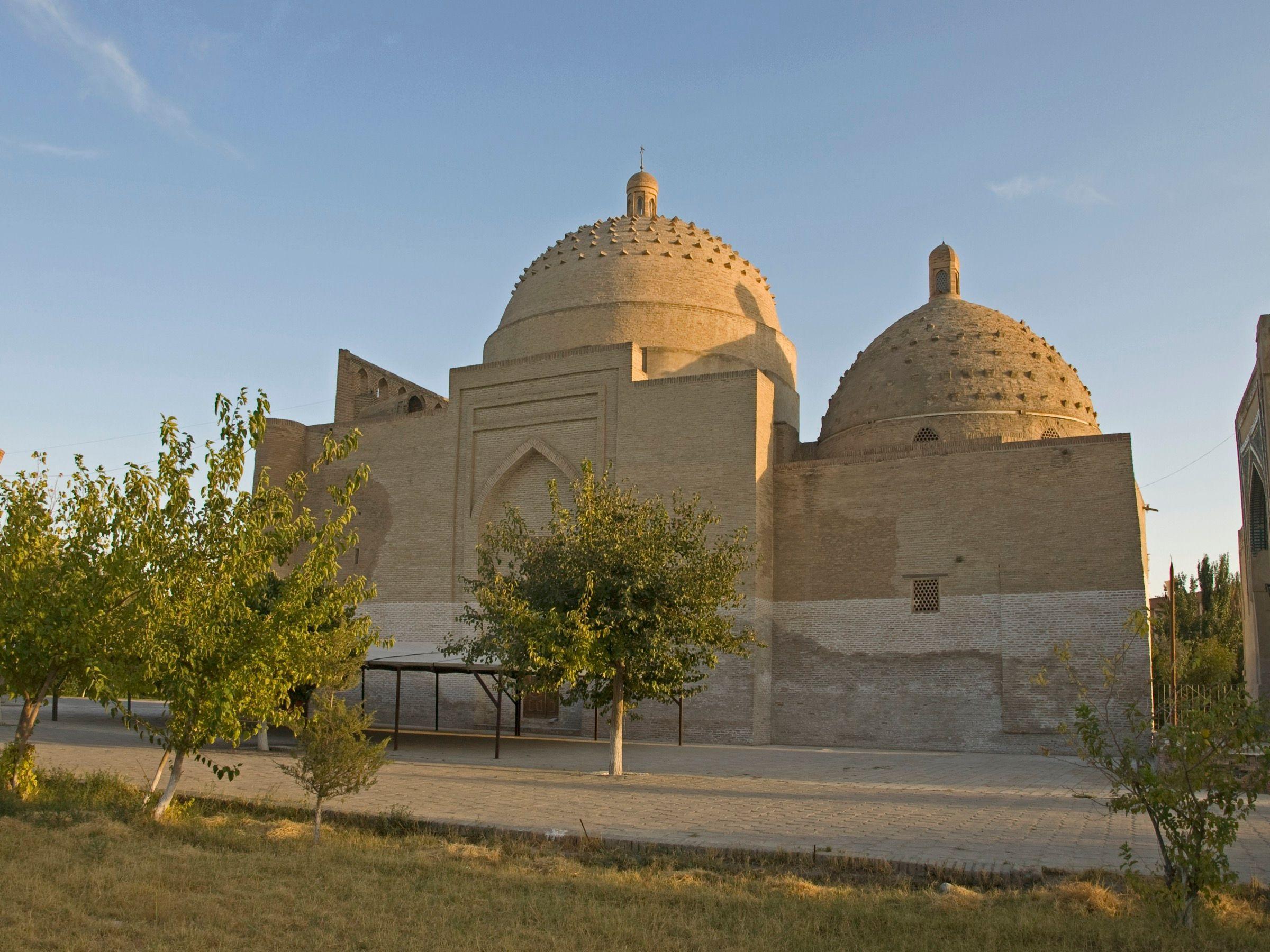
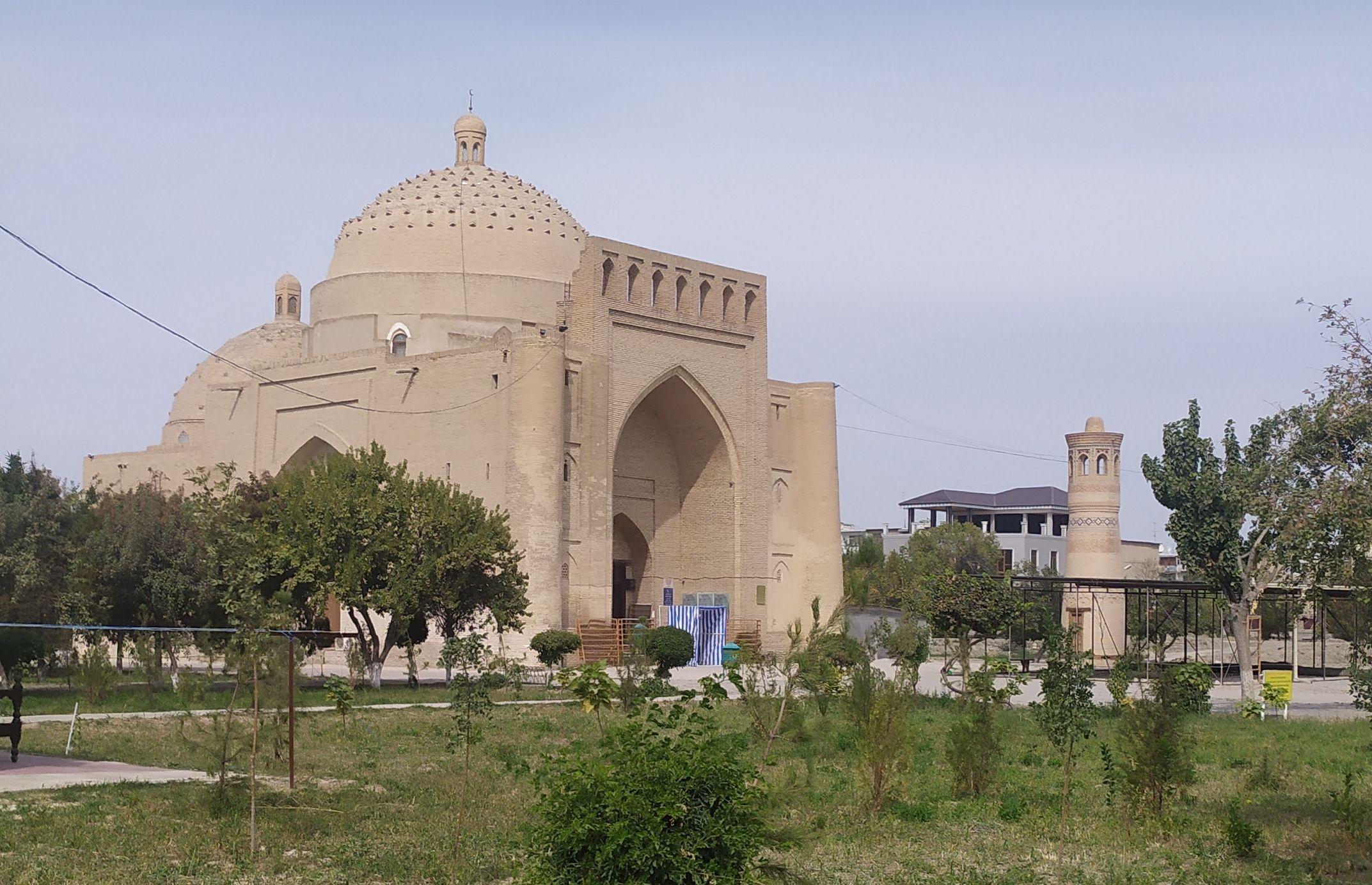
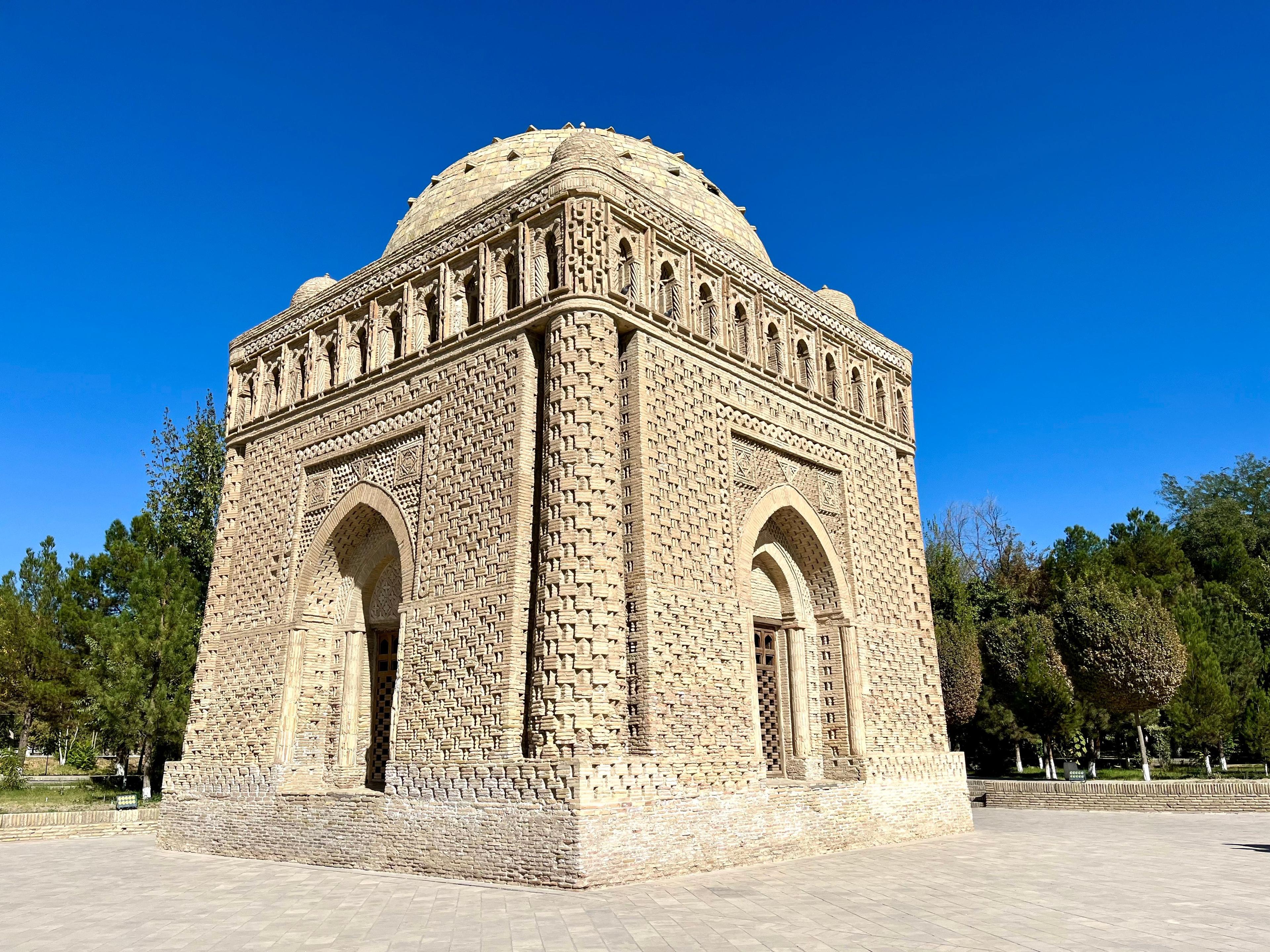
On the eastern edge of the city, in the former suburb of Fathabad, two domed buildings stand side by side on a lawn. The larger is the mausoleum of Sayf al-Din Bakharzi (c. 1190–1261), a disciple of the Khorezmian mystic Najm al-Din Kubra who settled in Bukhara after the Mongol conquest and earned the title Sheikh al-Alam. According to the chroniclers it was his influence that led Berke, khan of the Golden Horde, to embrace Islam. His khanaka became a major Sufi centre, and the present mausoleum, a tall two-chambered brick building with a double dome and an unadorned portal, dates from the late 14th century. Inside is a carved wooden cenotaph.
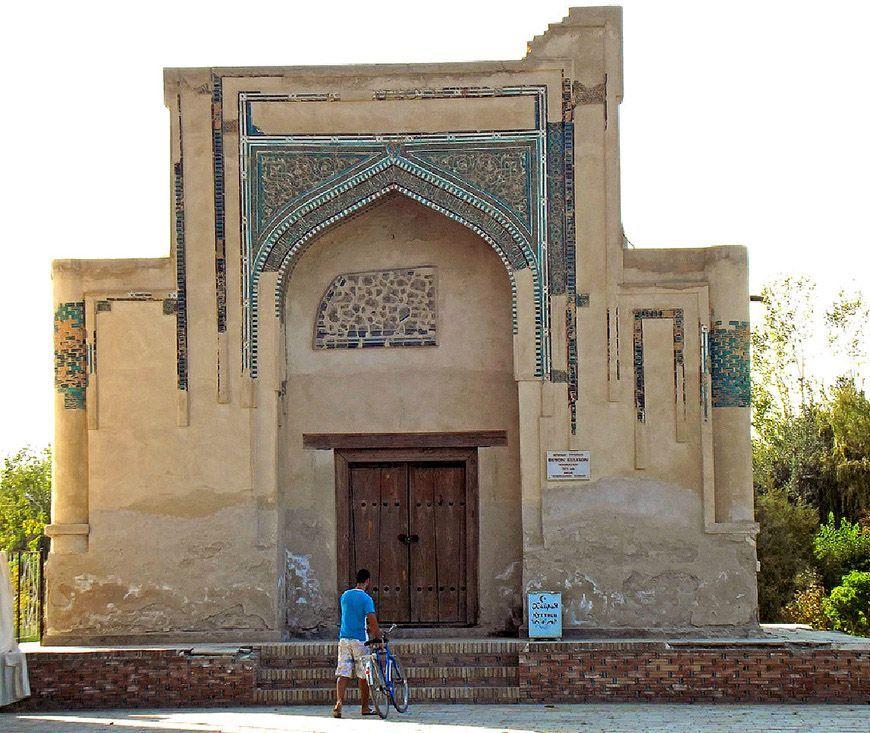
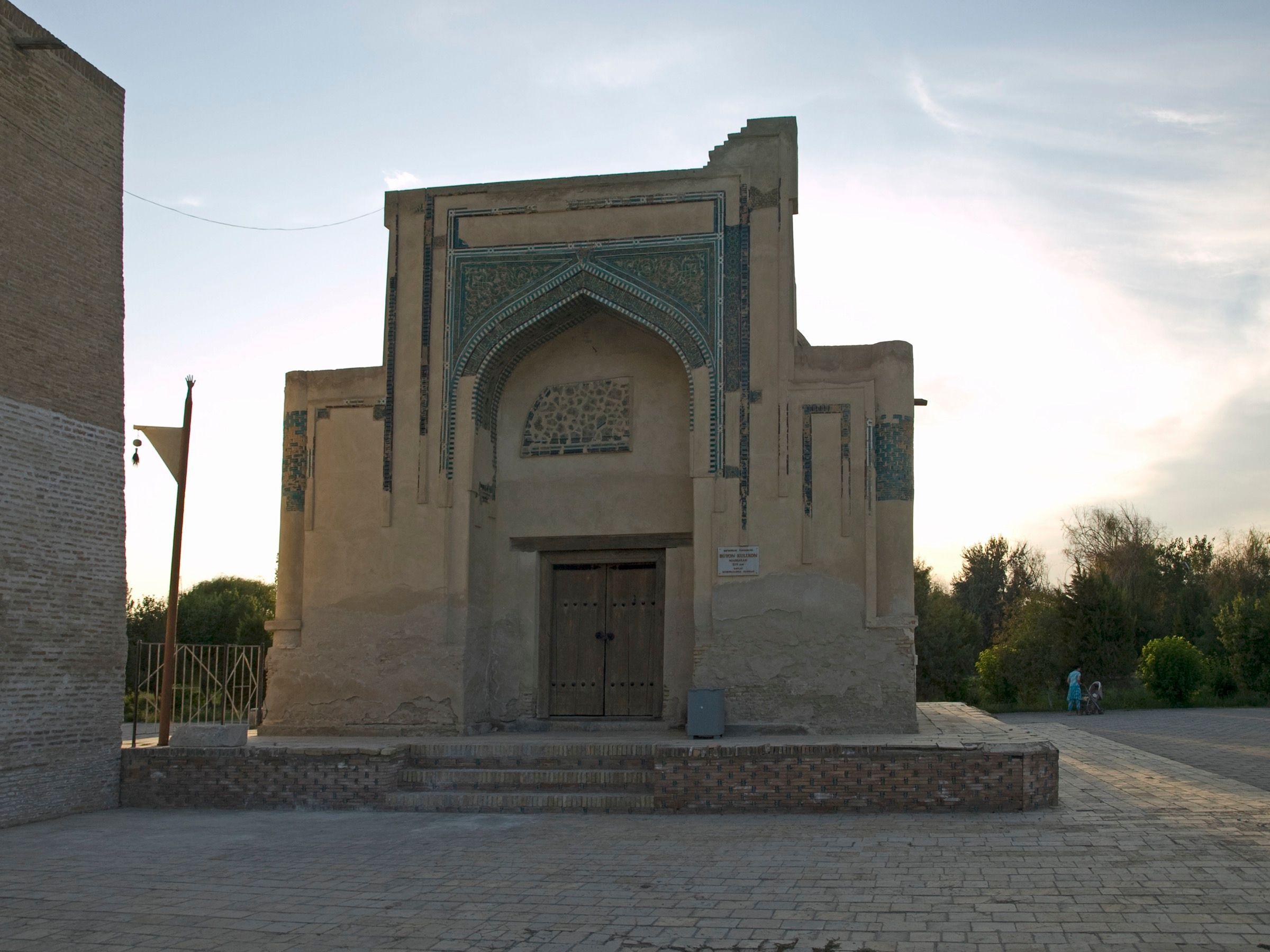
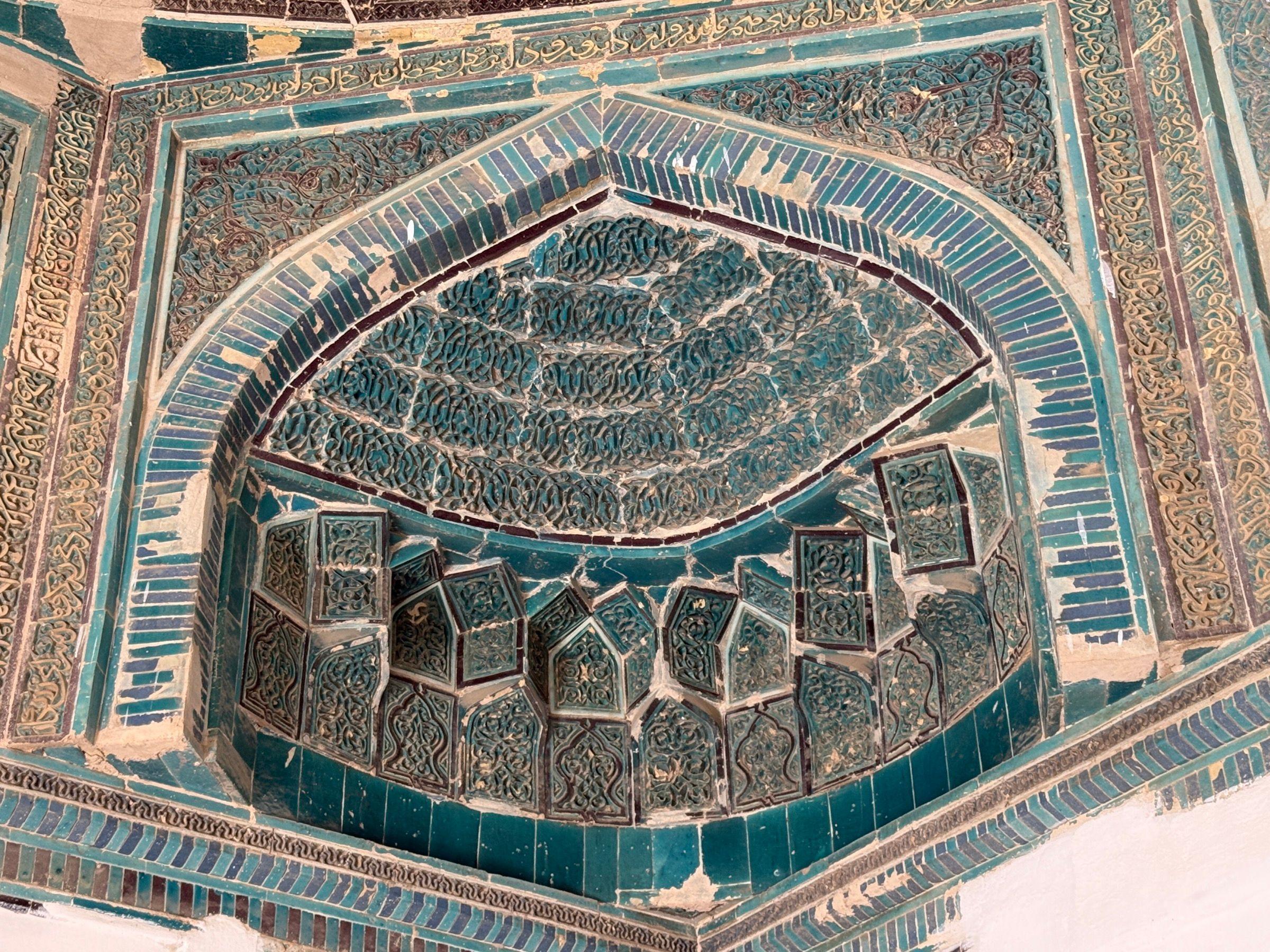
Next to it stands the smaller tomb of Bayan-Quli Khan, a Chagatai ruler and devotee of the sheikh who was killed in 1358 and asked to be buried at his master's side. Its two rooms, a burial chamber and a memorial hall, were once entirely sheathed in carved and glazed terracotta in turquoise, blue and white, with a three-tiered majolica tombstone over the grave. Much of the revetment was stripped in the 19th century; 71 fragments are in the Museum of Arts and Crafts in Hamburg and others in the Victoria and Albert Museum in London. What remains on the portal and in the interior is still among the finest 14th-century tilework in Central Asia.
How to experience it
Take Balyand in the morning with the southern mahallas and the Khoja Zayniddin mosque, then drive ten minutes east to Fathabad, where the grounds are open and usually empty. Fathabad is also a stop on the Seven Pirs pilgrimage circuit. Modest dress applies at both.
What to see
- The gilded and tiled winter hall of Balyand Mosque
- The painted wooden ceiling with hexagonal gold-inscribed frieze
- The tile-mosaic mihrab
- The double-domed mausoleum of Sheikh Sayf al-Din Bakharzi
- Carved glazed terracotta on the tomb of Bayan-Quli Khan
- The story of Berke Khan's conversion to Islam
Gallery
Tours that visit Balyand Mosque and the Fathabad Mausoleums
 New
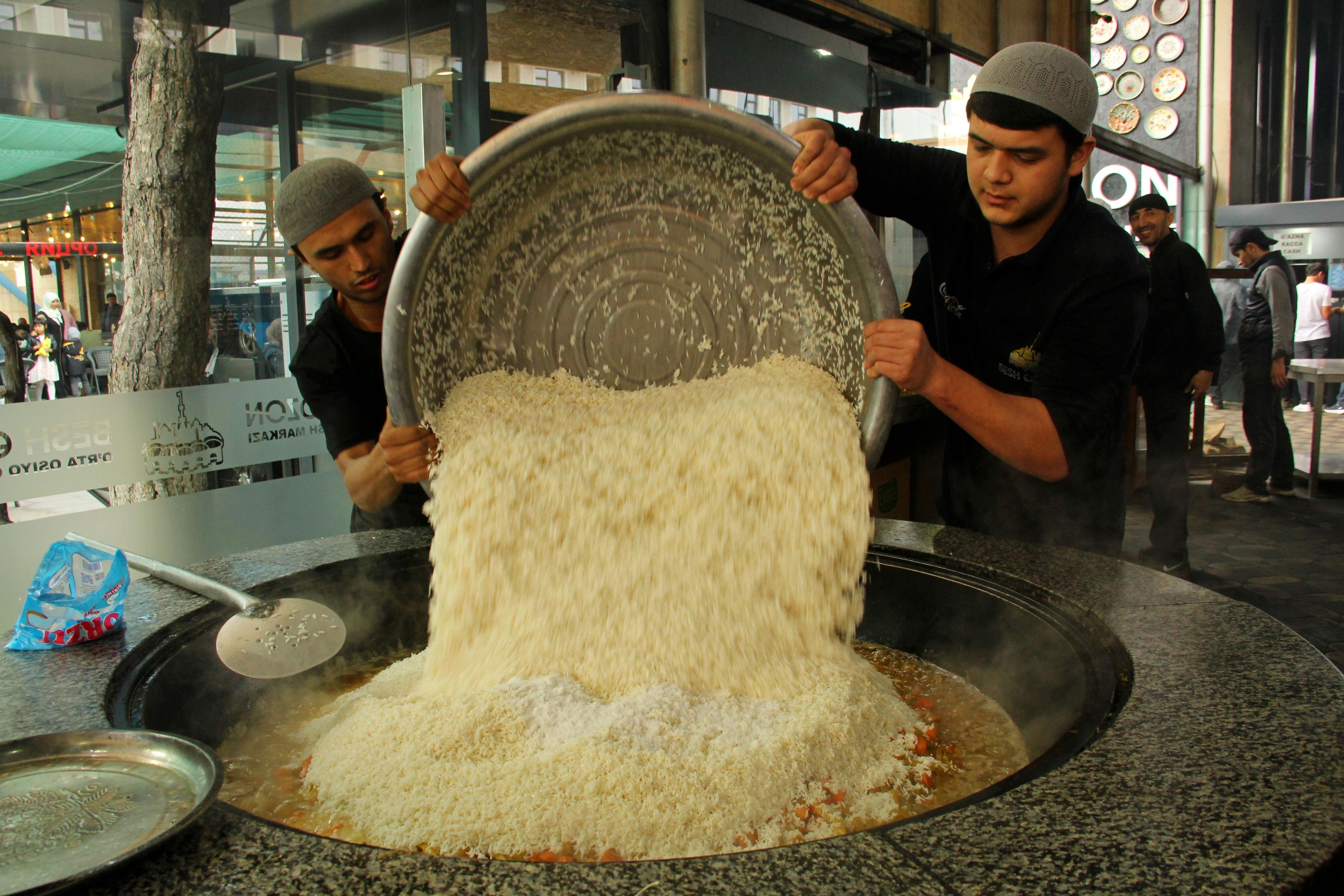
Six Days, Seven Plovs
From
$995
 Premium
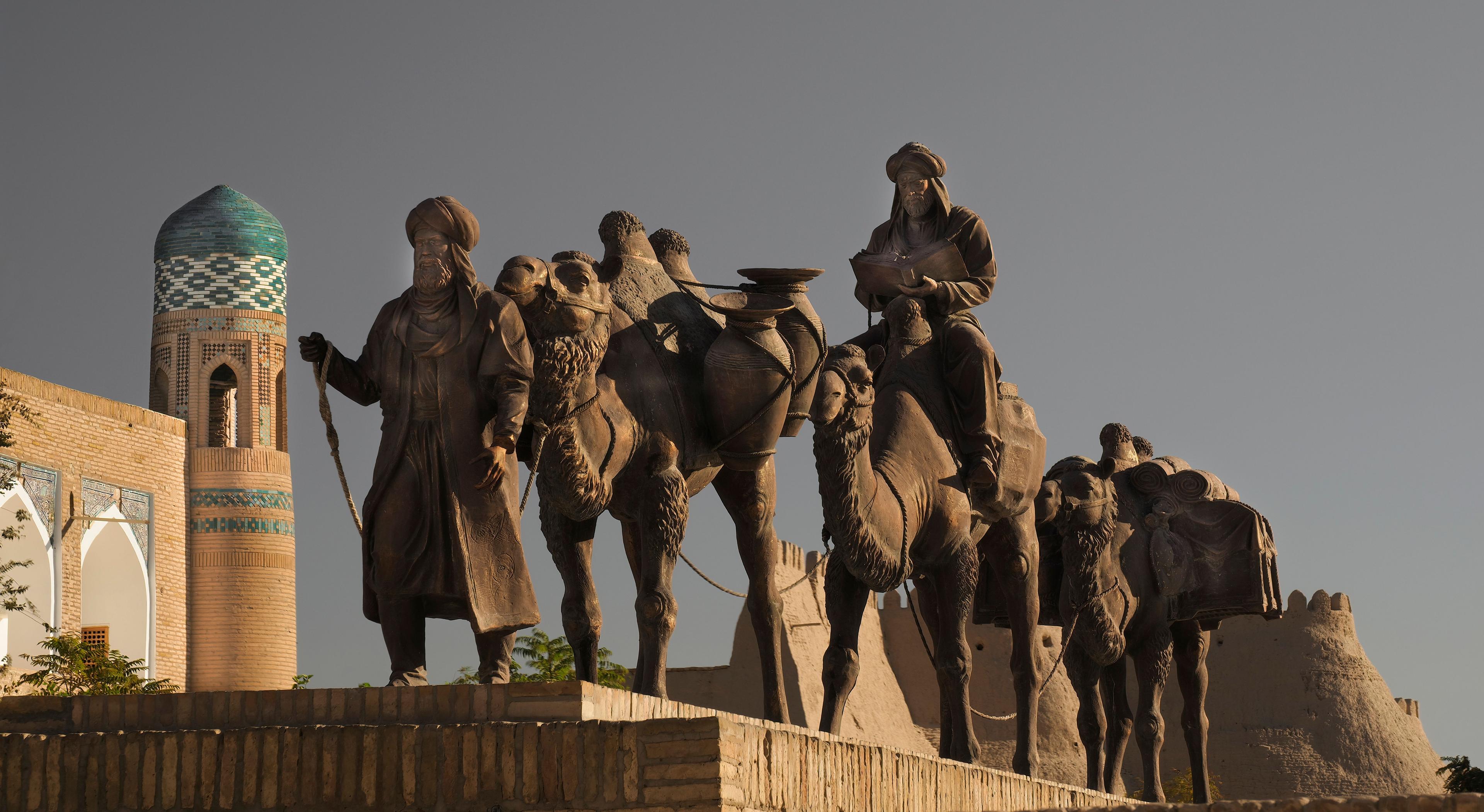
Twelve Gates of the Silk Road
From
$1,750
 Best Seller
Four Crowns: Tashkent, Samarkand, Bukhara, Khiva
From
$1,270
More sights in Bukhara
All of Bukhara

See Balyand Mosque and the Fathabad Mausoleums with a local guide
We build private and small-group trips around the places you want to see — with guides who grew up here.