

Mosque · 9th–10th century; facade 12th century
Magoki-Attori Mosque
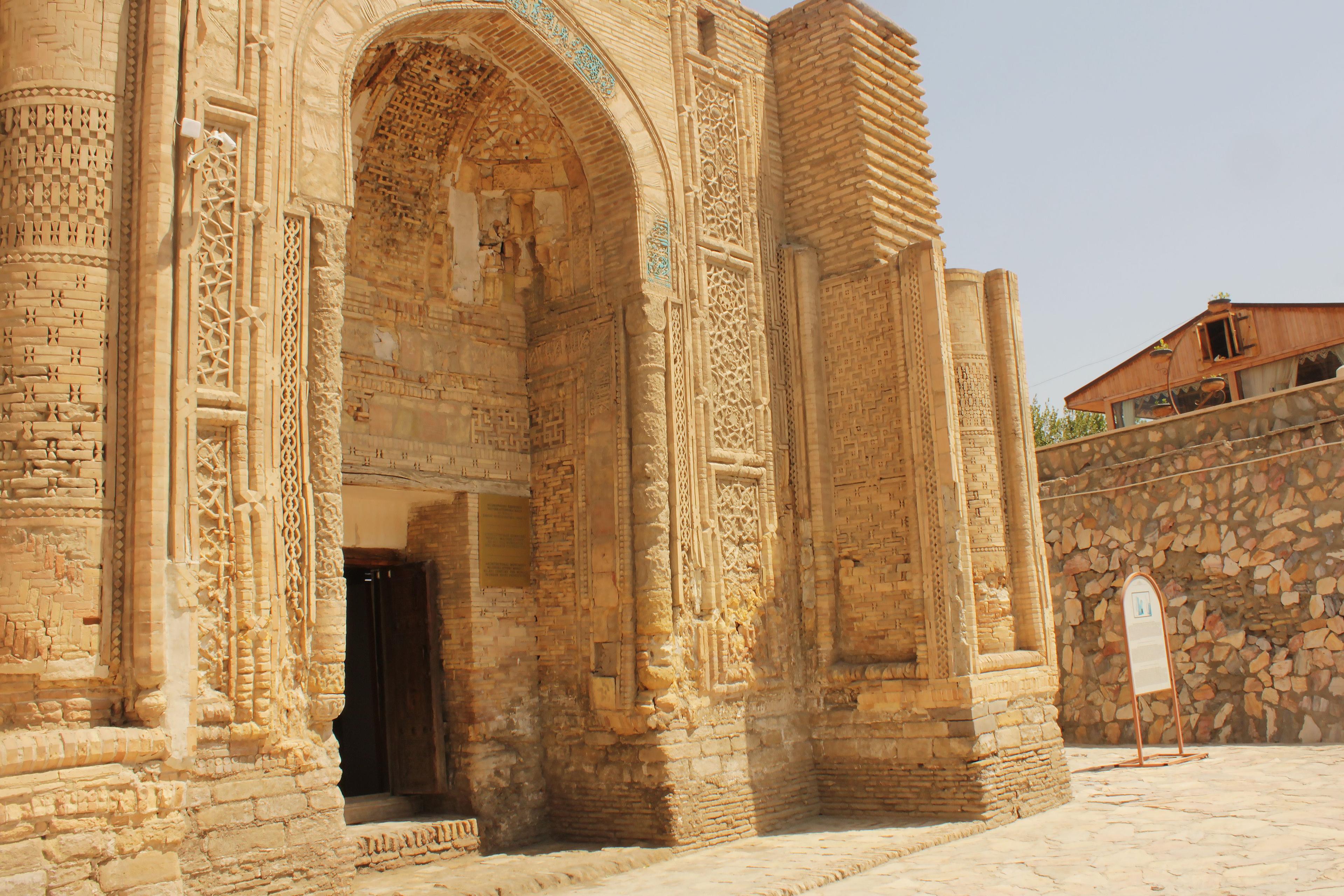
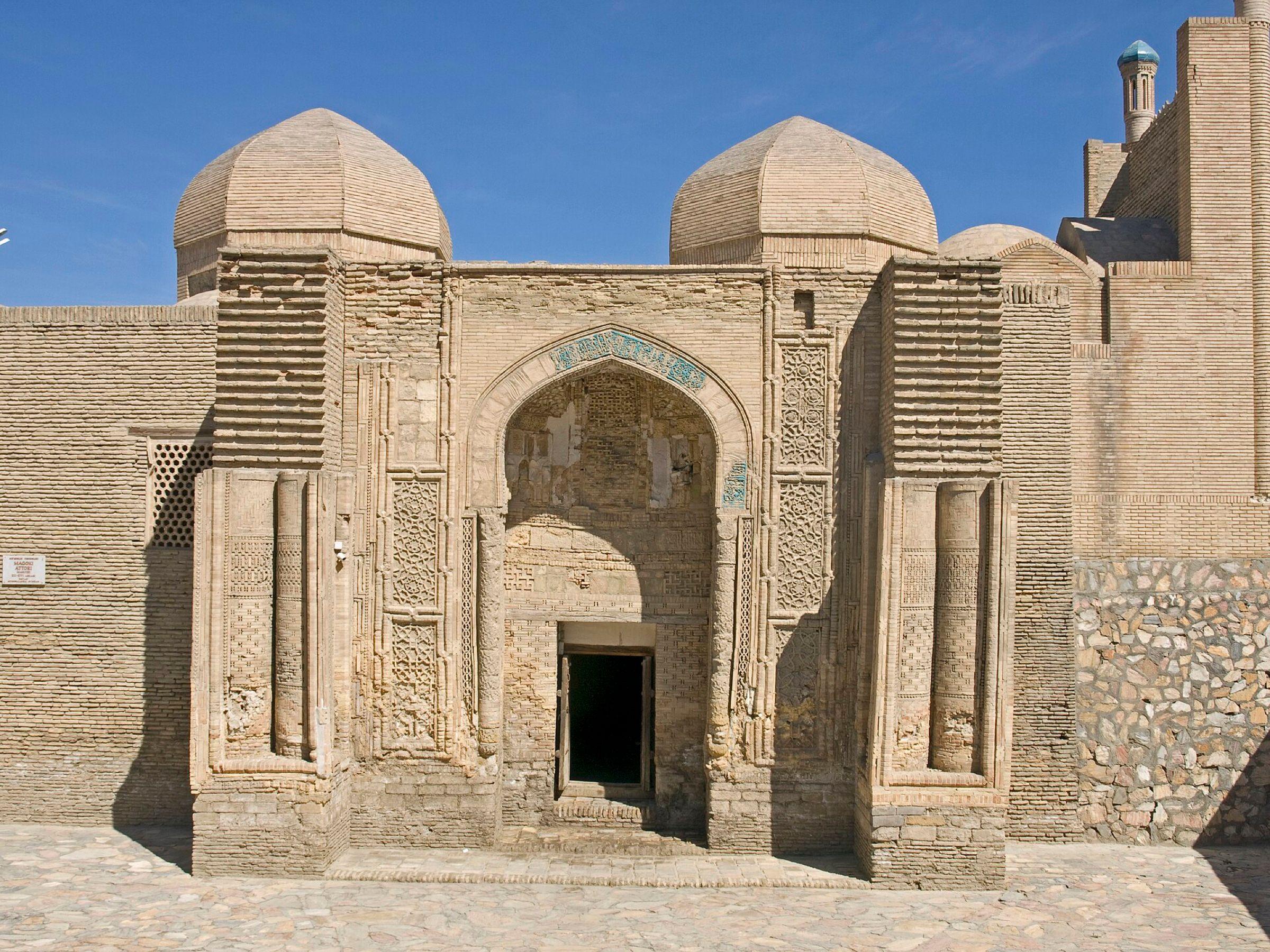
Sunk several metres below today's street, Bukhara's oldest surviving mosque shows how high the city has risen over a thousand years. Its carved 12th-century brick facade is among the finest in Central Asia; inside is a carpet museum.
About
Walk a few minutes from Lyabi-Hauz towards the trading domes and you will see a mosque whose doorway lies well below your feet. Magoki-Attori means roughly "the mosque in the pit of the herbalists": before the Arab conquest this was a market for spices, potions and idols, beside a temple that the 10th-century historian Narshakhi calls the Temple of the Moon. Even in his day the mosque built on the site was half hidden by rising ground, which is how it got its name.
Layers of a city
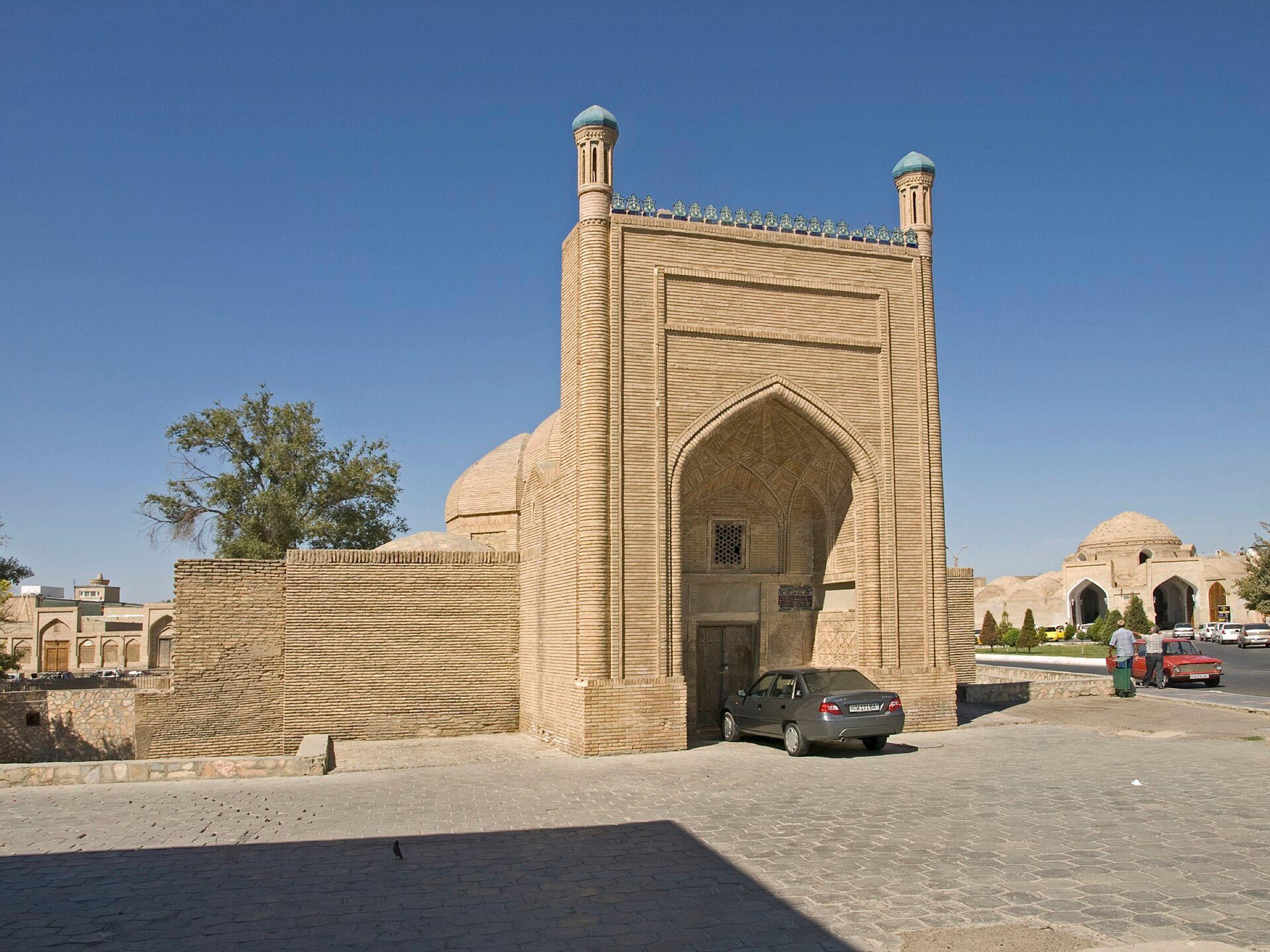
Excavations in the 1930s showed that a pre-Islamic temple stood here, followed by mosques of the 9th and 10th centuries that burned and were rebuilt. Most of what you see dates from the 12th century under the Karakhanids, when the mosque received its southern facade, with a later eastern portal added in the Timurid period. The street level of Bukhara has since risen by around four to five metres, and the building now sits in a hollow, reached by steps.
The facade
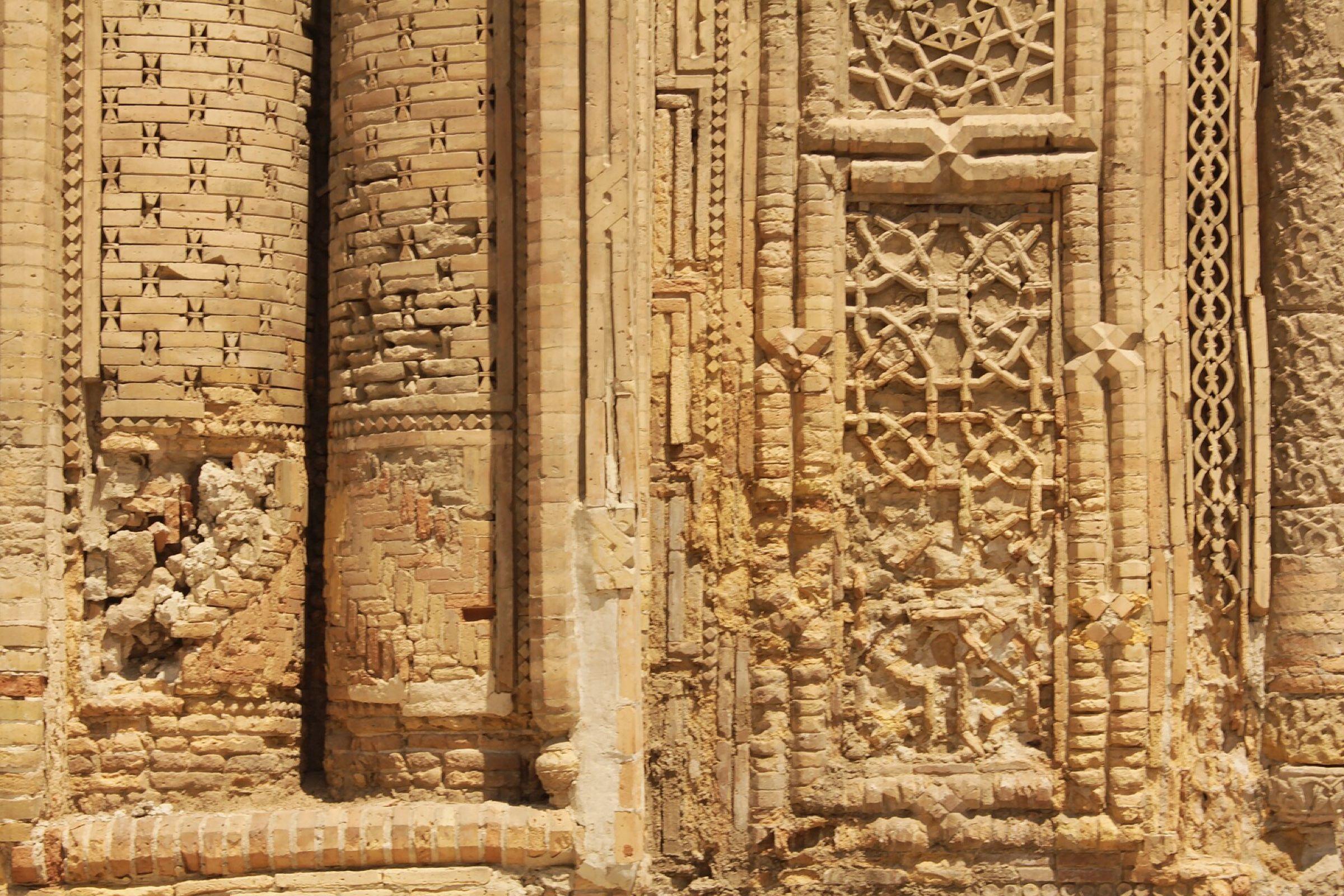
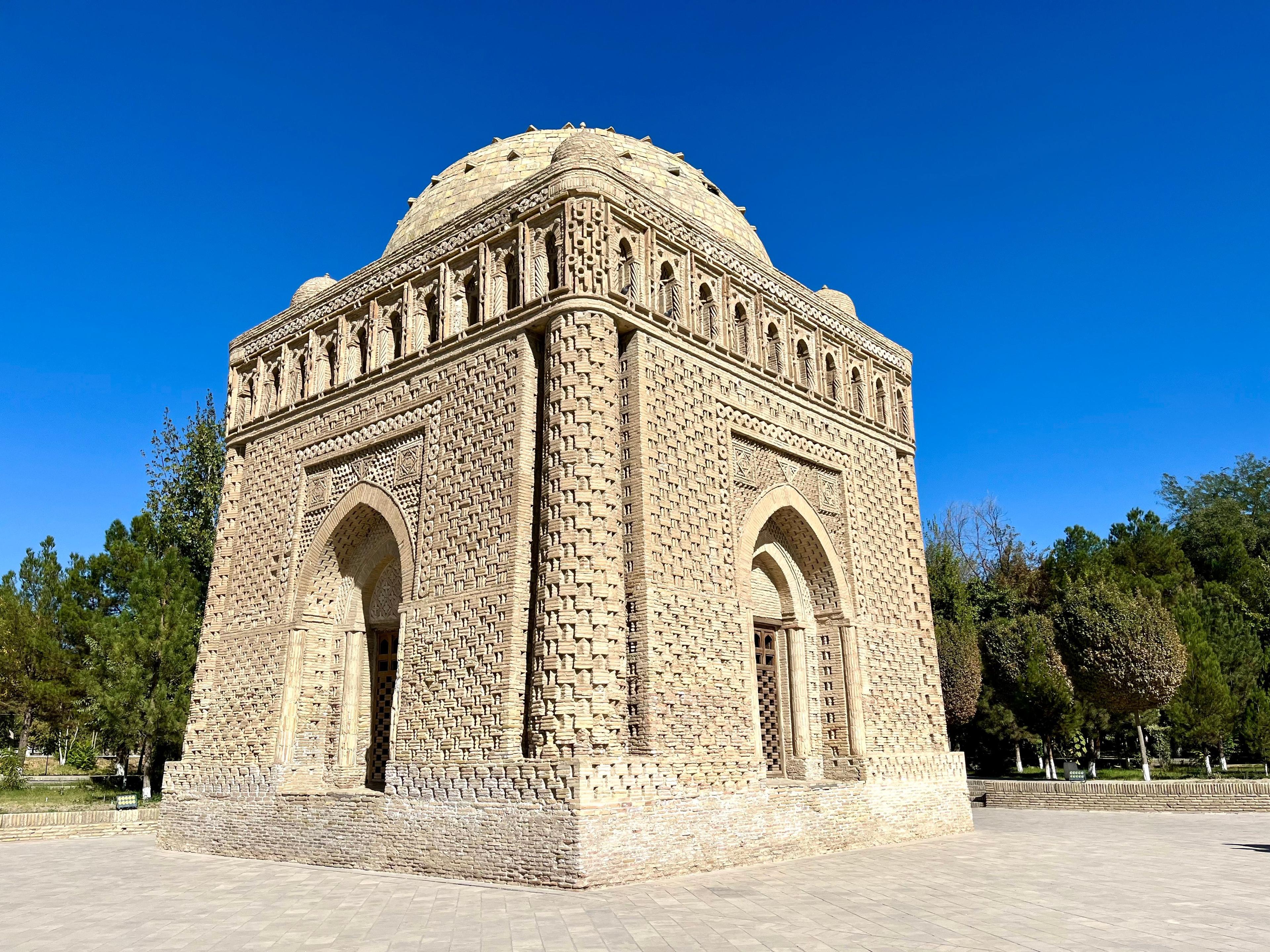
The southern portal is a masterpiece of carved and patterned brick: geometric lattices, rosettes and bands of script, with fragments of turquoise glaze that are among the earliest in Bukhara. Compare it with the Samanid Mausoleum and the Kalyan Minaret and you can follow two centuries of the city's brick craft.
A shared prayer hall
A story often told in Bukhara holds that before the first synagogue was built, the city's Jews prayed in this mosque, either alongside the Muslim congregation or after it. The tale cannot be checked, but it fits the long history of the quarter, which lies just to the south.
How to experience it
The interior houses a small museum of Bukhara carpets and rugs. Stand at the edge of the hollow first to take in the facade, then go down. Morning sun falls on the southern portal and brings out its relief.
What to see
- The 12th-century carved brick facade on the south side
- Early fragments of turquoise glaze
- The hollow that shows how far the ground has risen
- The later eastern portal
- The carpet museum inside
Gallery
More sights in Bukhara
All of Bukhara

See Magoki-Attori Mosque with a local guide
We build private and small-group trips around the places you want to see — with guides who grew up here.