
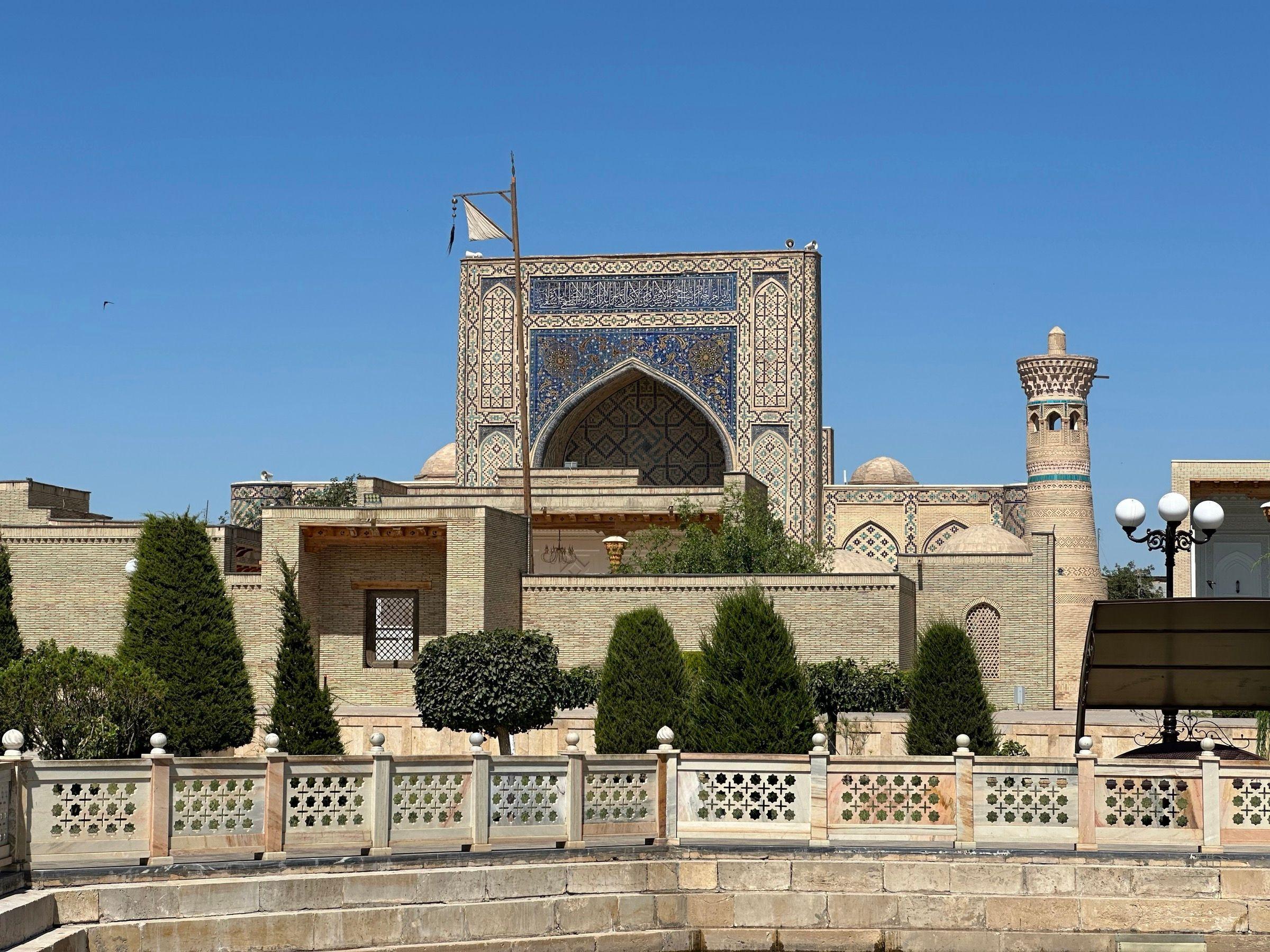
Architectural ensemble · Saints of the 12th–14th centuries; shrines rebuilt mainly 1990s–2000s
Seven Pirs of Bukhara: Gijduvani, Revgari, Anjir Fagnavi, Romitani, Samosi
The pilgrimage circuit of the seven Sufi masters of the Khwajagan chain, from Abdul Khaliq Gijduvani to Bahauddin Naqshband. This page covers the five village shrines north of Bukhara; Naqshband and Amir Kulol have their own pages.
About
Around Bukhara, in a ring of villages between Gijduvan and Kagan, lie the graves of seven Sufi masters who passed the teaching from one to the next across two centuries: the Khwajagan, the Masters, whose line culminated in Bahauddin Naqshband. Visiting the seven in order is the classic ziyarat of Bukhara, a full day that starts in the north and ends at Naqshband's shrine in the afternoon. The first five are described here; the sixth, Sayyid Amir Kulol, and the seventh, Bahauddin Naqshband, have their own pages on this site.
1. Abdul Khaliq Gijduvani (1103 – late 12th century), Gijduvan
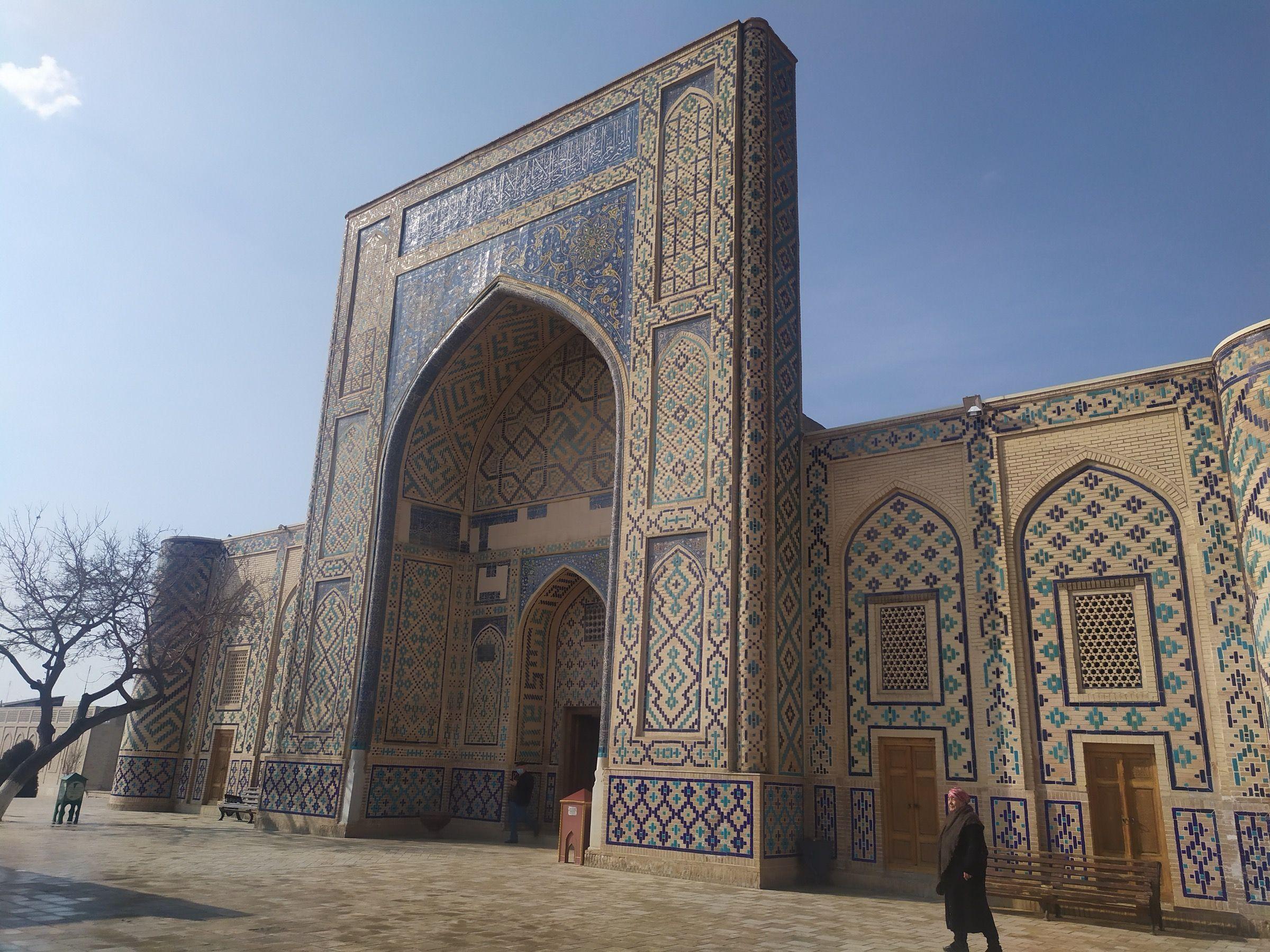
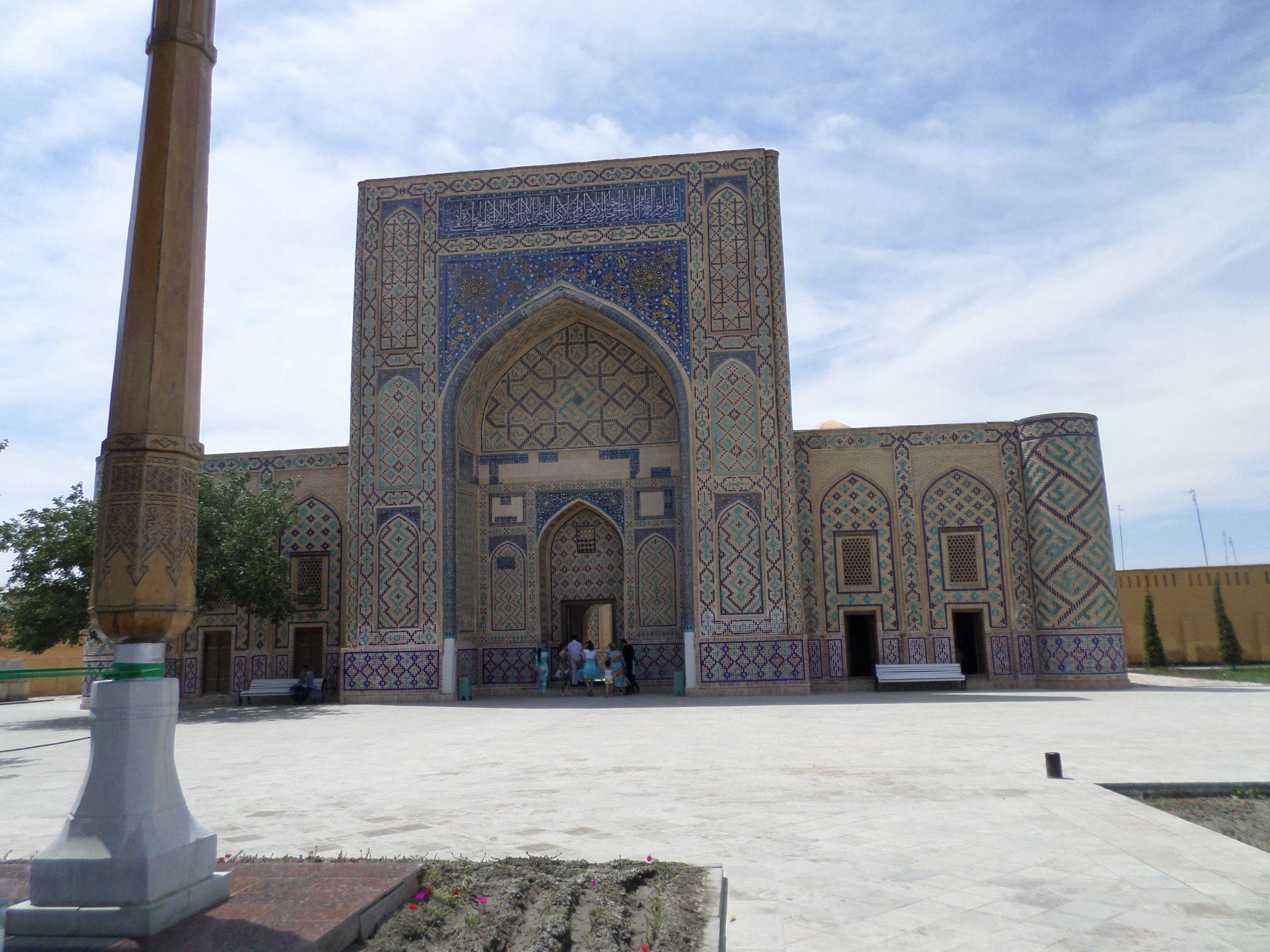
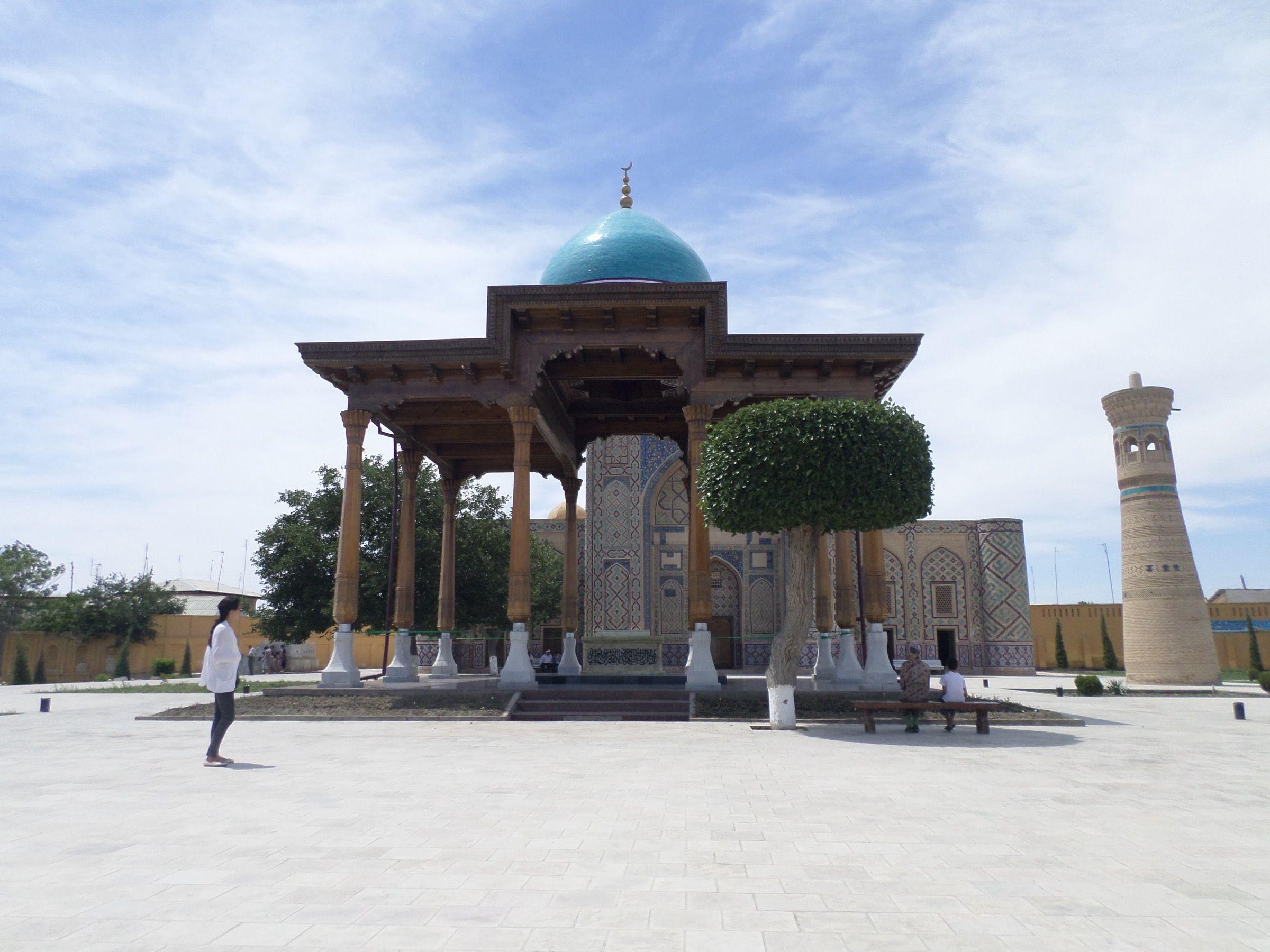
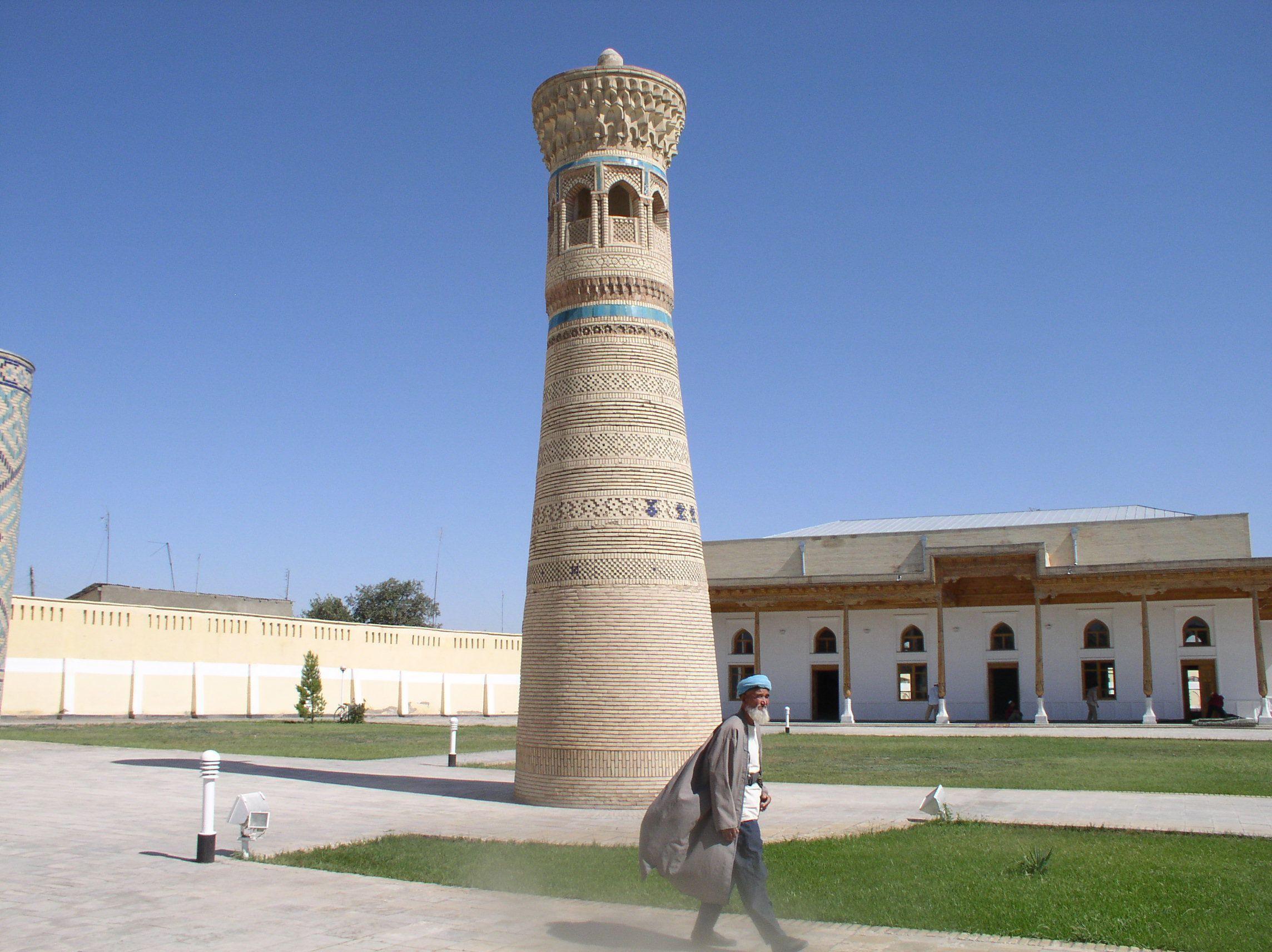
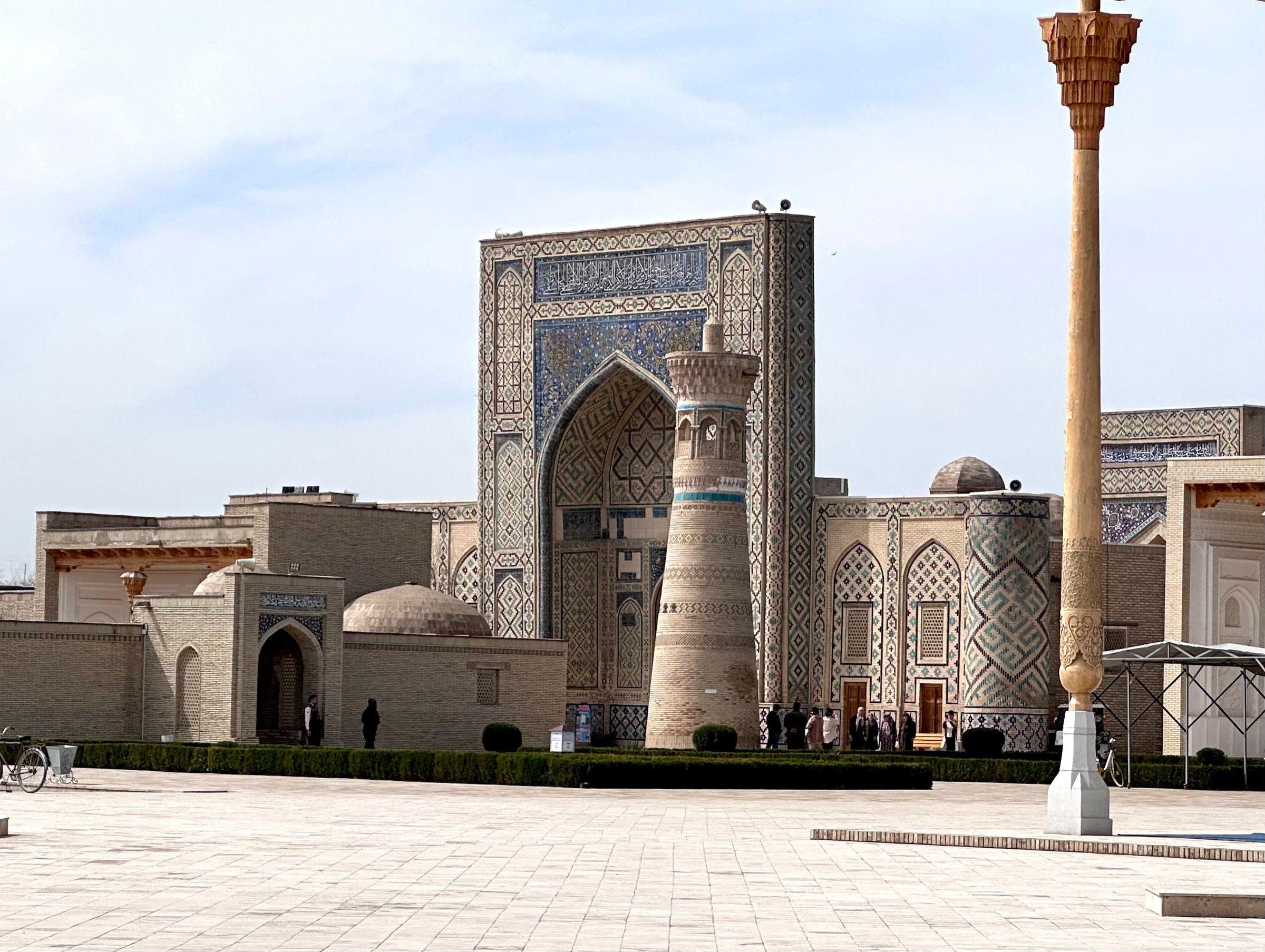
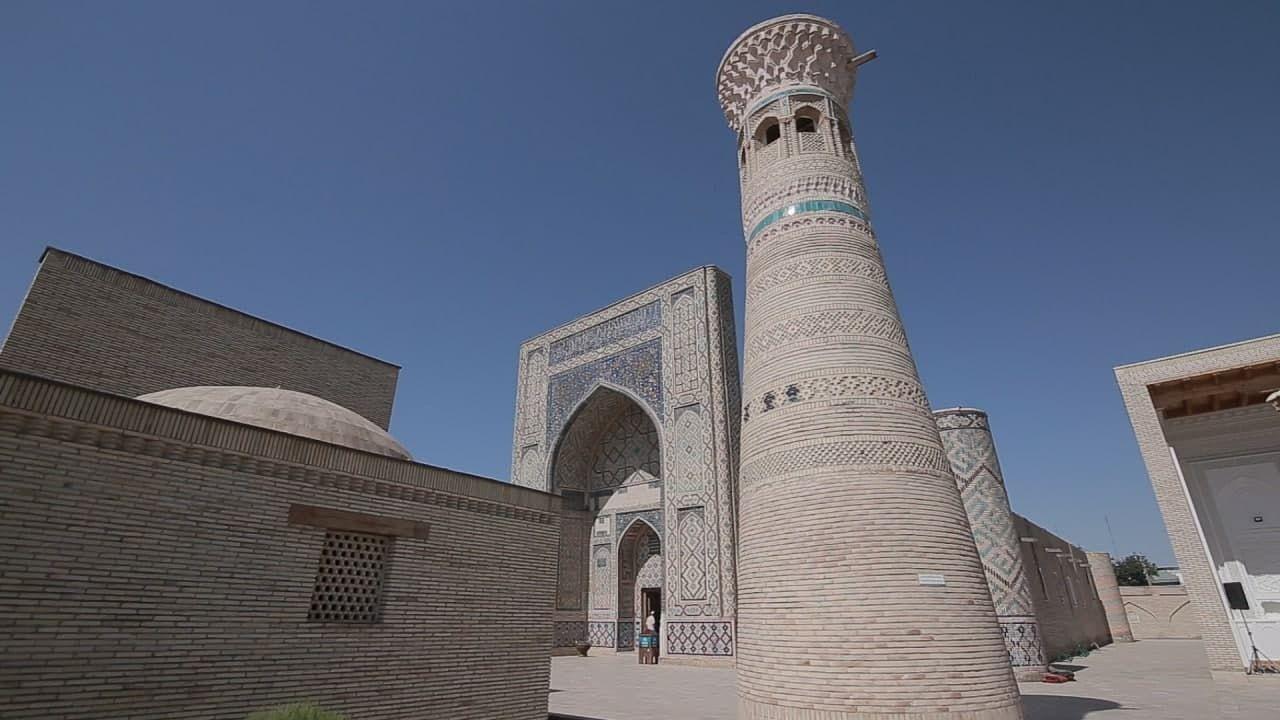
Born in Gijduvan, 45 km north-east of Bukhara, and taught by Yusuf Hamadani, Gijduvani is the founder of the Khwajagan path. He formulated the principles that still define the Naqshbandi way, among them awareness in every breath, watching one's steps, journeying within, solitude in the crowd, and the silent dhikr, remembrance of God without sound. His grave stands beside a small madrasah built by Ulugbek in 1433, one of three the astronomer-prince endowed; the complex was rebuilt in 2003 with a mosque, minaret and gardens. Gijduvan is also the ceramics capital of the oasis, so the stop is usually paired with a potters' workshop.
2. Arif Revgari (13th century), Shafirkan district
Gijduvani's successor, born in the village of Revgar, is buried in the Shafirkan district north of Vobkent. Sources give his dates variously, most placing his death in the mid-13th century, in the years of the Mongol conquest. The shrine, with a mausoleum, mosque and pond, was rebuilt after independence.
3. Mahmud Anjir Fagnavi (c. 1227 – early 14th century), Anjirbog
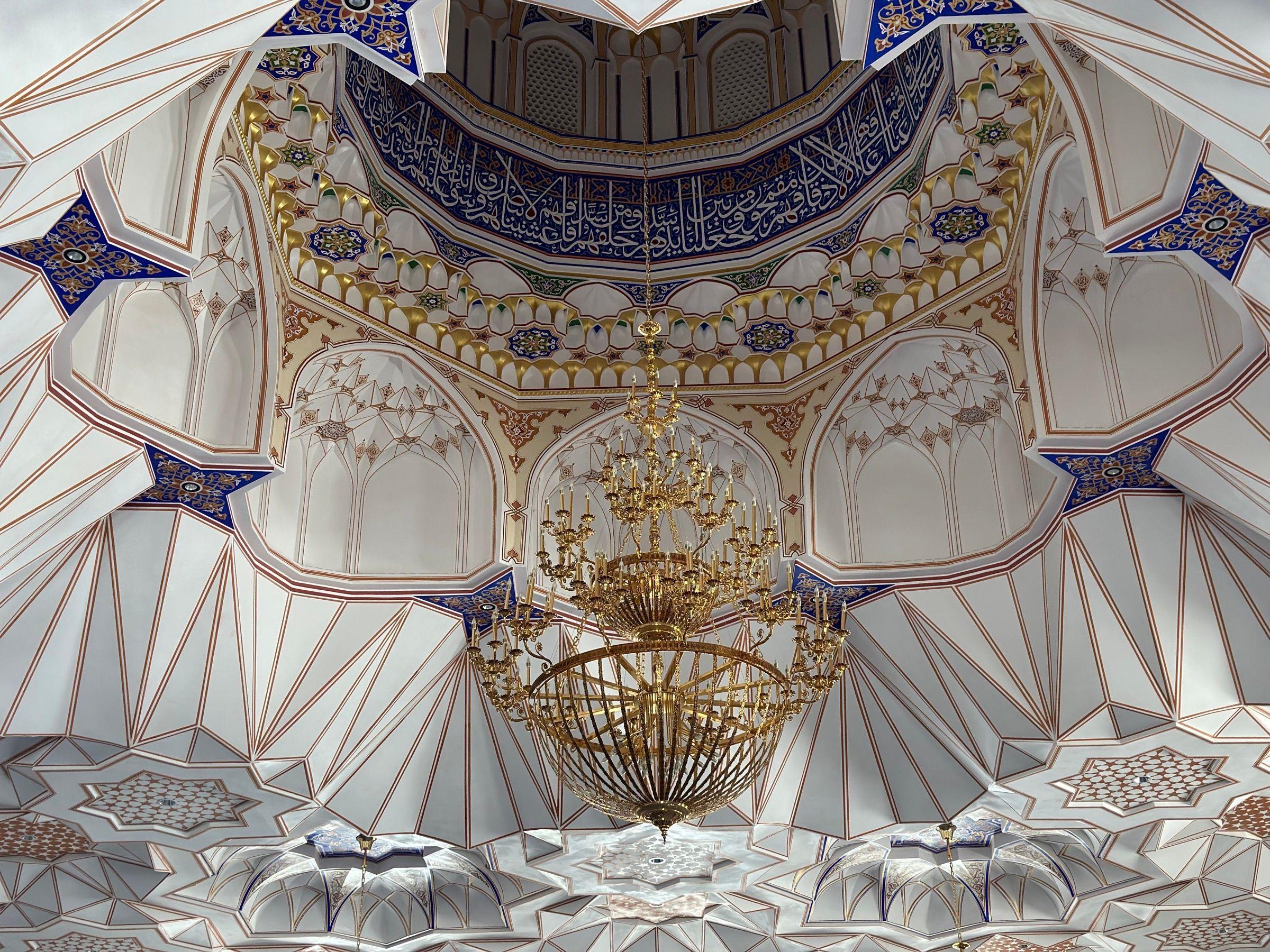
A carpenter by trade, Fagnavi led the brotherhood after Revgari and is credited with permitting the vocal dhikr alongside the silent one. He is buried in his native village, now called Anjirbog, the fig garden, in the Vobkent district; a legend tells of the fig tree from which he produced fresh fruit for the khan in midwinter. The complex has a burnt-brick mausoleum, a white-walled mosque with iwans on three sides, a well and a hauz among fig gardens.
4. Ali Ramitani, Khoja Azizon (d. 1321), Romitan
A weaver who never left his modest house, Ali Ramitani was called Azizon, the venerable, for his wisdom. He died in Khorezm, and his remains are said to have been brought back to the Romitan district, where his shrine stands on a rise with a domed brick mausoleum, a mosque and a large pond. His short treatise, the Risala-i Azizan, is still read.
5. Muhammad Baba Samosi (d. 1354), Samas
The fifth master, buried in the village of Samas in the Romitan district, is remembered for two things: he was the teacher of Amir Kulol, and he foretold the birth of Naqshband, adopting the infant as his spiritual son. His shrine, with a mausoleum and mosque, is a short drive from Romitan town.
The circuit
Follow the chain: Gijduvan, Revgar, Anjirbog, Romitan, Samas, then Sukhar for Amir Kulol and finally Kasri Arifon for Naqshband. The Chor-Bakr necropolis west of the city, though not one of the seven, is often added. The whole route is 150–180 km of easy roads and takes seven to nine hours with time at each shrine. All seven are working shrines: dress modestly, women cover their hair at the mausoleums, speak quietly, and ask before photographing pilgrims. Spring and autumn are ideal; Fridays and the evenings before them are the busiest.
What to see
- Gijduvani's grave beside the Ulugbek madrasah of 1433
- The silent dhikr and the eleven principles of the Naqshbandi path
- Anjirbog: Fagnavi's shrine among fig gardens
- Ali Ramitani's mausoleum on its rise outside Romitan
- Baba Samosi's shrine where Naqshband was adopted as a spiritual son
- The full-day circuit ending at Bahauddin Naqshband
- Gijduvan ceramics on the way
Gallery
Tours that visit Seven Pirs of Bukhara: Gijduvani, Revgari, Anjir Fagnavi, Romitani, Samosi
 New
Six Days, Seven Plovs
From
$995
 Premium
Twelve Gates of the Silk Road
From
$1,750
 Best Seller
Four Crowns: Tashkent, Samarkand, Bukhara, Khiva
From
$1,270
More sights in Bukhara
All of Bukhara

See Seven Pirs of Bukhara: Gijduvani, Revgari, Anjir Fagnavi, Romitani, Samosi with a local guide
We build private and small-group trips around the places you want to see — with guides who grew up here.