Uzbekistan is a desert country with surprising water: a 3,000 km² lake made by accident in 1969, a warm salt lake four hours from Tashkent, jade-green pools in the Pskem mountains, four alpine lakes above 2,700 m and what remains of the Aral. Which lake suits which trip, how to reach each one and when to go.
Facts, prices and schedules checked on November 11, 2026
Uzbekistan is four-fifths desert and steppe, and its two great rivers, the Amu Darya and the Syr Darya, are spent on cotton long before they reach the sea they once filled. Yet the country has real lakes, and some of them are among the best days out it offers: a sea-sized body of water in the Kyzylkum that was never meant to exist, a warm salt lake where families from Tashkent float and smear themselves with mud, a pair of jade pools under the Pskem ridge, and alpine tarns that stay frozen until July.
The lakes a traveller can actually reach are Aydarkul, Tuzkan, Charvak, Urungach, Arashan and Shabyrkul, Tudakul, Sudochye and the remains of the Aral. For each we give the distance from the nearest city, what you do there and the season that really works; the Aral, Muynak and the yurt camps have their own guides on this site.
Which lake for which trip
- For a night in a yurt and a swim on the way between Samarkand and Bukhara: Aydarkul.
- For a day or a weekend from Tashkent with children: Charvak, or Tuzkan if you want warm salt water and fewer people.
- For a hike with a view: the Urungach lakes in the Ugam-Chatkal National Park.
- For serious walking at altitude: the Arashan lakes, July to September only.
- For birds: Sudochye in Karakalpakstan and the Aydar-Arnasay shores in spring and autumn.
- For a beach near Bukhara in summer: Tudakul.
- For the story of the century: the Aral shore above Muynak.
None of these is a lake in the Swiss sense. Expect reeds, salt, big skies and long drives.
Aydarkul: the accidental sea of the Kyzylkum
Lake Aydarkul did not exist before 1969. That winter the Syr Darya ran so high that engineers at the Chardara dam in Kazakhstan opened the spillway into the Arnasay depression, releasing the better part of a year's flow into the sands. The water never left. Fed since then by drainage and occasional releases, the Aydar-Arnasay system is now the largest lake in Uzbekistan: around 3,000 km² for Aydarkul alone and roughly 4,000 km² for the whole chain, some 140 km long, lying between the Nuratau mountains and the Kyzylkum in the Jizzakh and Navoi regions.
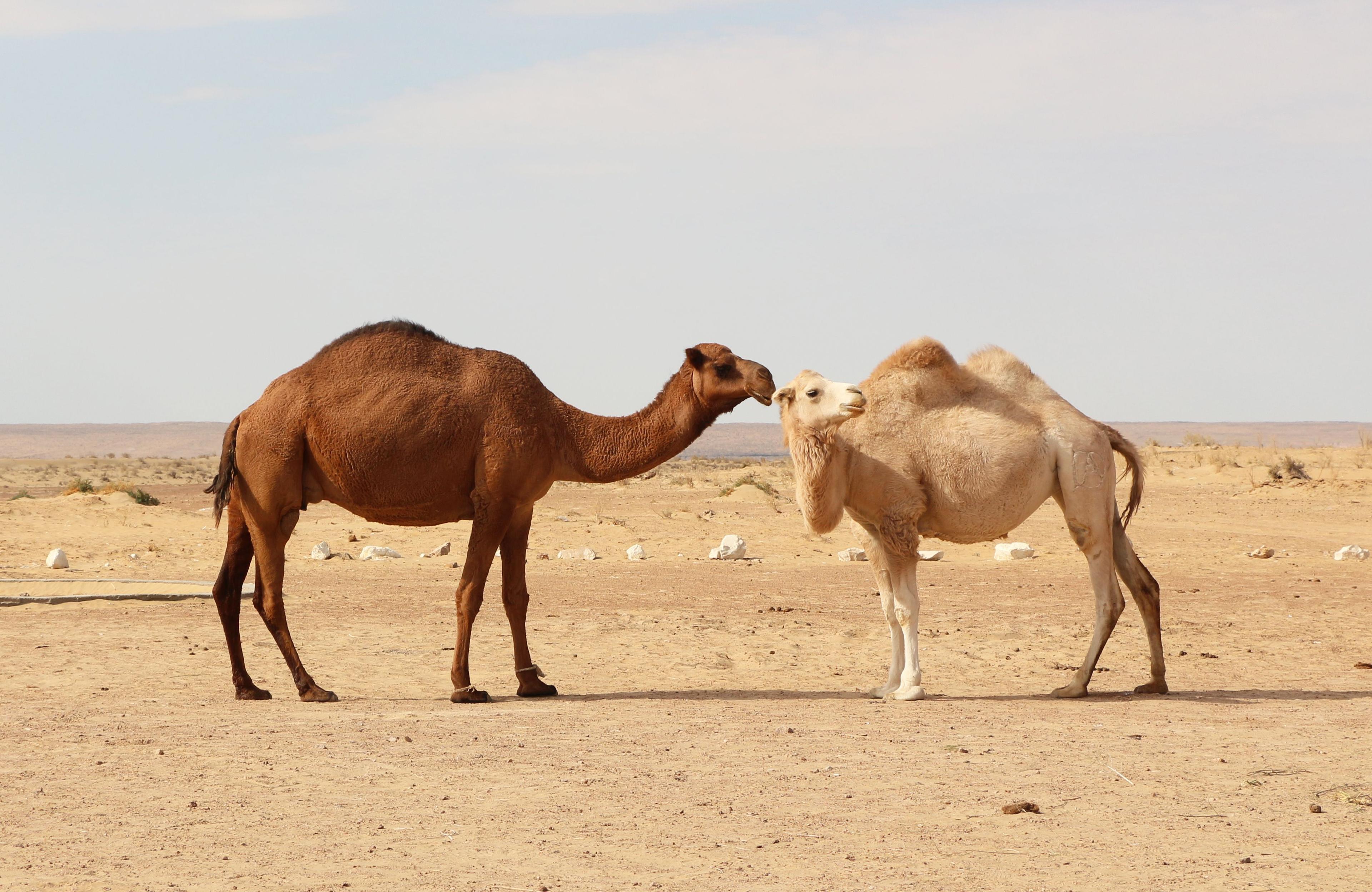
The water is slightly brackish, warm from June to September and clean enough to swim in from a sandy north shore where the yurt camps stand. Fishermen net carp, pike-perch and catfish; pelicans and herons work the reed beds of the northern shore, an Important Bird Area. Most visitors arrive from Nurata, 50 km away, on the Samarkand-to-Bukhara route, stay a night in the Kyzylkum yurt camps, ride a camel to the water and watch the sun go down over it. The petroglyph gorge of Sarmishsay is a worthwhile stop on the Navoi side. The season is April to June and September to October, with midsummer hot but swimmable.
Tuzkan: warm water, mud and a day from Tashkent
Tuzkan is the second lake of the Arnasay chain and the second largest in the country, in the Farish district of Jizzakh region about 260 km from Tashkent, four to four and a half hours by car. It began as a small natural salt lake and was swollen by the same 1969 overflow. Two things make it different from Aydarkul: the water is noticeably warmer, held in a shallow basin ringed by the Pistalitau hills, and the shore has grey silt rich in salts and magnesium that visitors use as a mud bath.
The set-up is simple. Reed-roofed platforms on the beach rent by the day, motorboats run out to a small uninhabited island that everyone calls Robinson's, a fish farm and a poultry farm nearby fry the day's catch and roast chicken to order, and after dark there is nothing between you and the Milky Way. The lakes of the system yield around 1,000 tonnes of fish a year, so the fried carp is the dish. Flamingos pass through in late autumn. The service is simple rather than polished. Go from late May to early October; bring shade, water shoes for the salt crust and cash.
Charvak: the capital's weekend lake
Charvak is a reservoir, built in 1964–70 where the Chatkal, Pskem and Koksu rivers meet, 80 km north-east of Tashkent in the Bostanlyk district. The turquoise water sits at 900 m under the Chimgan and Pskem ridges, the ring road around it is one of the best drives in the country, and the shore has everything from Soviet pioneer camps to new resorts, pedal boats and paragliders. Swimming is possible from June to September, though the water is mountain cold until July. Our Chimgan and Charvak page and day-trip guide cover transport, beaches and prices; here it is enough to say that Charvak is the easy option, two hours from the city with a proper road, and that weekends in July are crowded.
Urungach: the jade lakes of the Pskem
The Urungach lakes are the photograph that sells the Tashkent mountains: two small pools of improbable green, the colour of jade, held behind ancient rockfalls in a side valley of the Pskem river inside the Ugam-Chatkal National Park. They lie about 150–160 km from Tashkent, three hours by car, the last 25 km on gravel, then a walk of three to four kilometres up the valley with a couple of steep sections. The lower lake sits at roughly 1,230 m and the upper one about 1.5 km further and 200 m higher; the colour comes from suspended limestone and the cold, around 5 °C in the lower lake in spring.
Timing matters more here than anywhere else in this article. The lower lake is fed by snowmelt and shrinks or dries completely by July; the upper lake holds water all year. The best weeks are mid-May to late June, when both lakes are full and the slopes are green. Urungach lies in the border zone along the Pskem, so foreign visitors should go with a tour operator who arranges the paperwork in advance; a small ecological fee is collected at the park entrance. It is a long day from Tashkent, better done with a night in Burchmulla or on the Charvak shore.
Arashan and Shabyrkul: the high lakes
For walkers who want altitude, the Arashan lakes are the objective. Four main tarns, and two smaller ones higher up, lie between about 2,770 and 3,350 m on the Angren plateau where the Tashkent and Namangan regions meet the Kyrgyz border, in a landscape of boulder fields, scree and snow patches. They are ice-free for only two to three months, from mid-July to September. The usual approach is from the Akhangaran side: by car to the village of Ertash, then 4x4 for about 50 km of rough track, then on foot. It is better as a two-day trip with a tent, and it needs a guide and the border-zone paperwork.
Shabyrkul, in the upper Pskem, is the highest lake in the country at 2,754 m, dammed by a rockslide and surrounded by the Talas Alatau peaks. It is a trekking destination rather than an excursion. Both appear in our hiking guide; the point here is that Uzbekistan has true alpine lakes, and that they reward the few who plan for them.
Tudakul, Sudochye and the Aral: desert water
Three lakes belong to the desert west.
Tudakul, in the Kyzyltepa district of Navoi region about an hour from Bukhara, is a natural salt lake enlarged into a reservoir on the Amu-Bukhara canal. It has a sandy shore, a family resort with a beach and water slides, and reed beds where pelicans, swans and the occasional gazelle appear. For Bukhara in July and August it is the only place to swim, and a half-day there between the madrasahs makes a hot itinerary bearable.
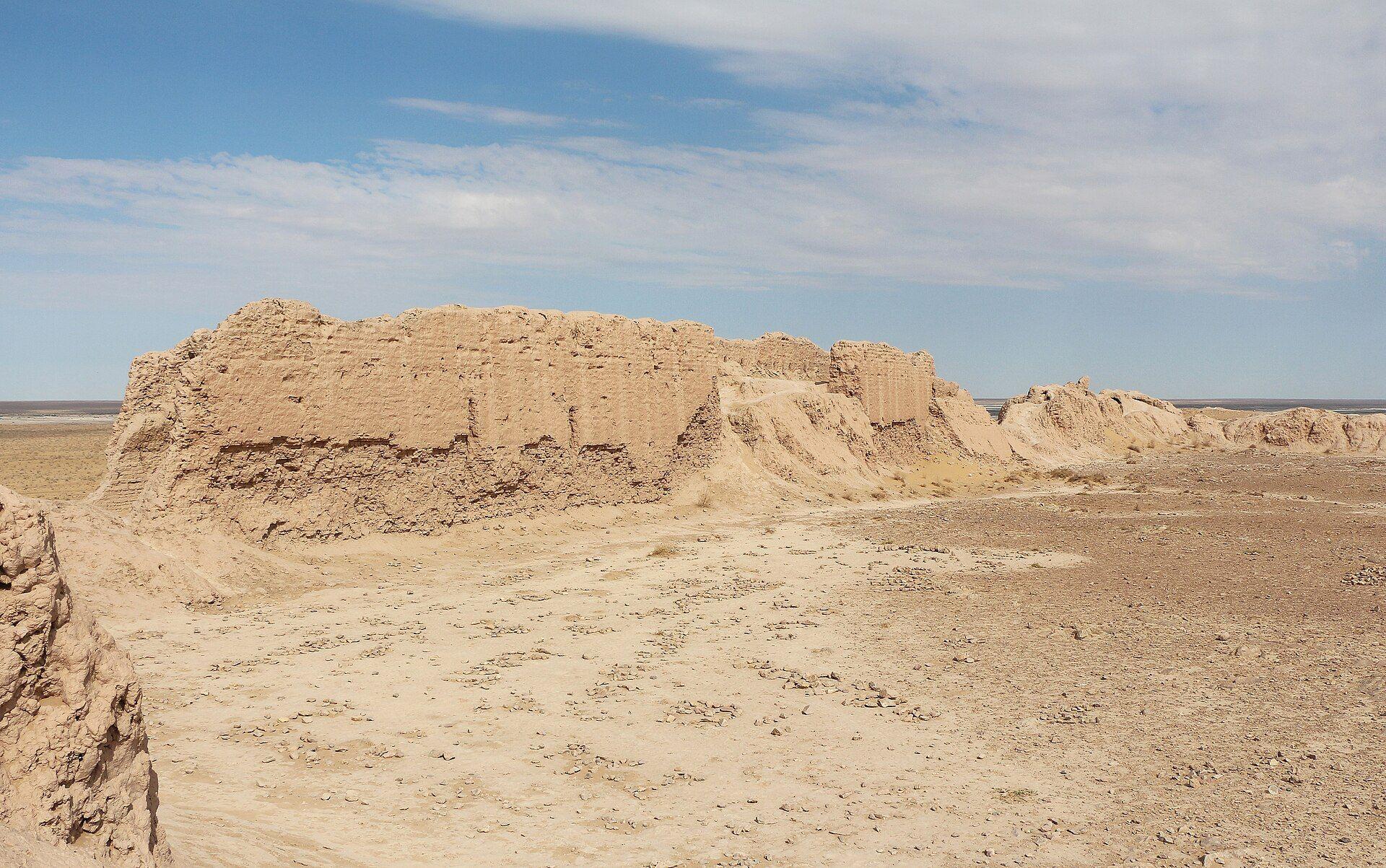
Sudochye, in the Amu Darya delta under the cliffs of the Ustyurt plateau, is what remains of a bay cut off when the Aral retreated. Reed beds and open water make it the best bird site in Karakalpakstan: pelicans, swans and, in spring and autumn, thousands of greater flamingos, with around 7,000 recorded nesting in 2014. It has been an Important Bird Area since 2008. Reaching it means three to five hours of 4x4 tracks from Muynak or Kungrad, and the ruins of the fishing settlement of Urga stand on its shore.
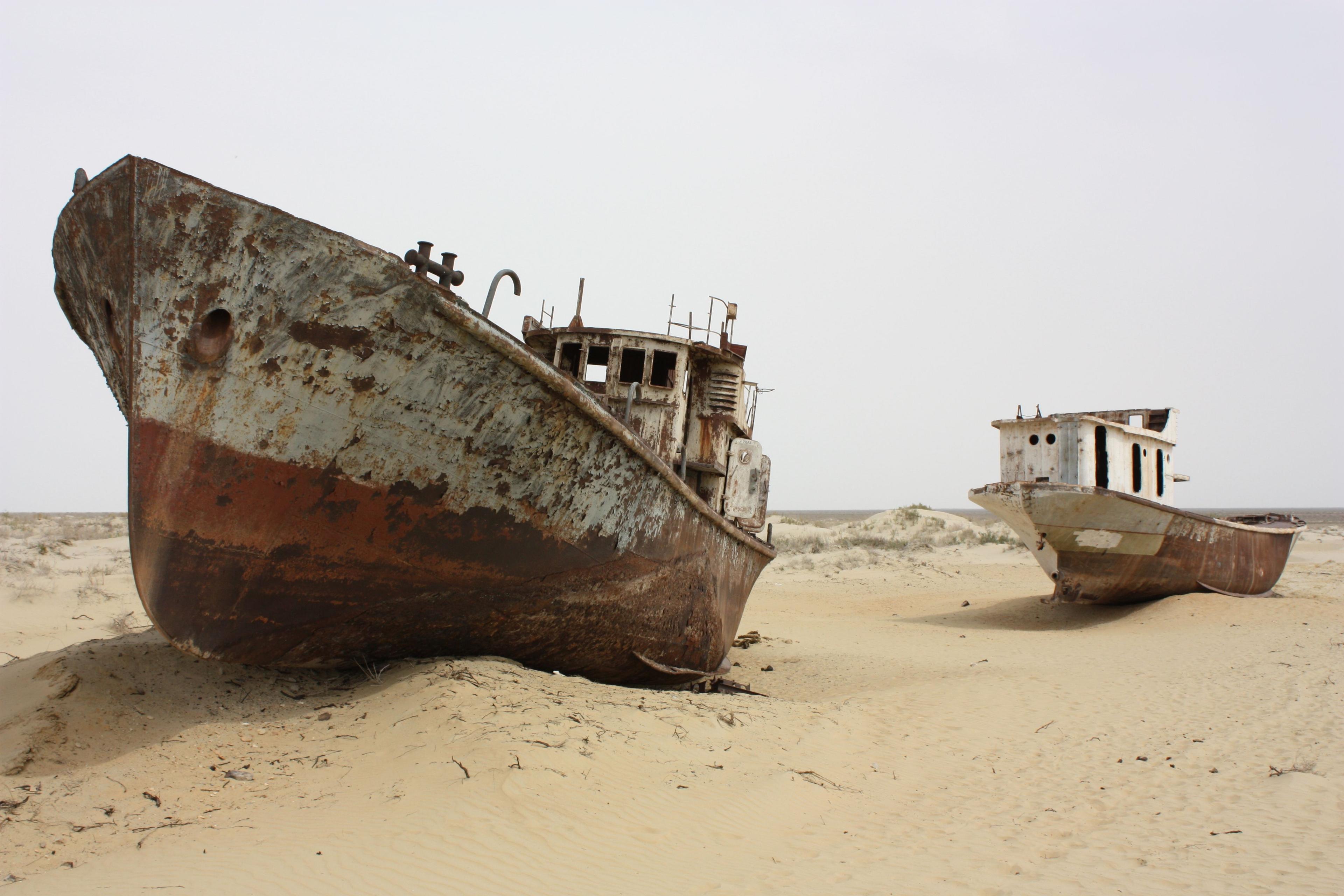
The Aral itself still exists as a long western basin, more than 100 km from the former port of Muynak. Travellers drive out across the dry seabed to the Aral Sea shore, sleep in a yurt camp on the Ustyurt edge and return past the ship cemetery. Our Aral Sea guide covers the two-day trip in full.
How to get there, when to go and what it costs
Access, as of 2026:
- Aydarkul: 50 km from Nurata, about four hours from Samarkand or Bukhara by car; no public transport to the camps. Yurt camp with dinner and breakfast is typically quoted at around US$40–50 per person; swimming and camel rides are included or cheap.
- Tuzkan: 260 km from Tashkent, 4–4.5 hours; private car only. Shelters, boats and meals are paid in cash in som and are inexpensive.
- Charvak: 80 km from Tashkent, 1.5–2 hours; shared taxis from the Yunusabad side of the city or a Yandex Go ride. Day trip from around US$50–80 for a private car.
- Urungach: 150–160 km, three hours plus a walk; border-zone paperwork through an operator, allow a week; park fee of a few thousand som.
- Arashan: two days, 4x4 and a guide; July to September.
- Tudakul: 60–70 km from Bukhara, about an hour; resort entry fee at the gate.
- Sudochye and the Aral: from Nukus, two days with a 4x4 and driver, usually US$300–450 per person depending on group size.
Seasons in one line: mountain lakes June to September, desert lakes April to June and September to October, with the shoulder months best for birds. There are no lifeguards anywhere; sun protection matters more than a swimming costume.
Lakes on a TourEast route
We build Aydarkul into most of our longer itineraries because the yurt night between Samarkand and Bukhara is the night people remember. The Long Caravan, our 12-day small-group tour across Uzbekistan, includes the Nurata mountains and a night at the lake; Plov, Camels and Castles, our family tour, does the same with a camel ride and a short drive to the lake. Edge of the Map takes you to the far end of the story, the Aral shore, reached across the Ustyurt plateau. Charvak, Tuzkan and Urungach are day or overnight additions from Tashkent that we arrange privately, with the border paperwork handled in advance. Tell us which kind of water you want and we will put it on the map.
Frequently asked questions
Photo gallery
Photo: Givte / Wikimedia Commons, CC BY-SA 4.0; Marat Nadjibaev / Wikimedia Commons, CC BY-SA 4.0; Arina Pan / Wikimedia Commons, CC BY-SA 4.0; Raf24~commonswiki / Wikimedia Commons, CC BY 4.0; Basiyra / Wikimedia Commons, CC0