
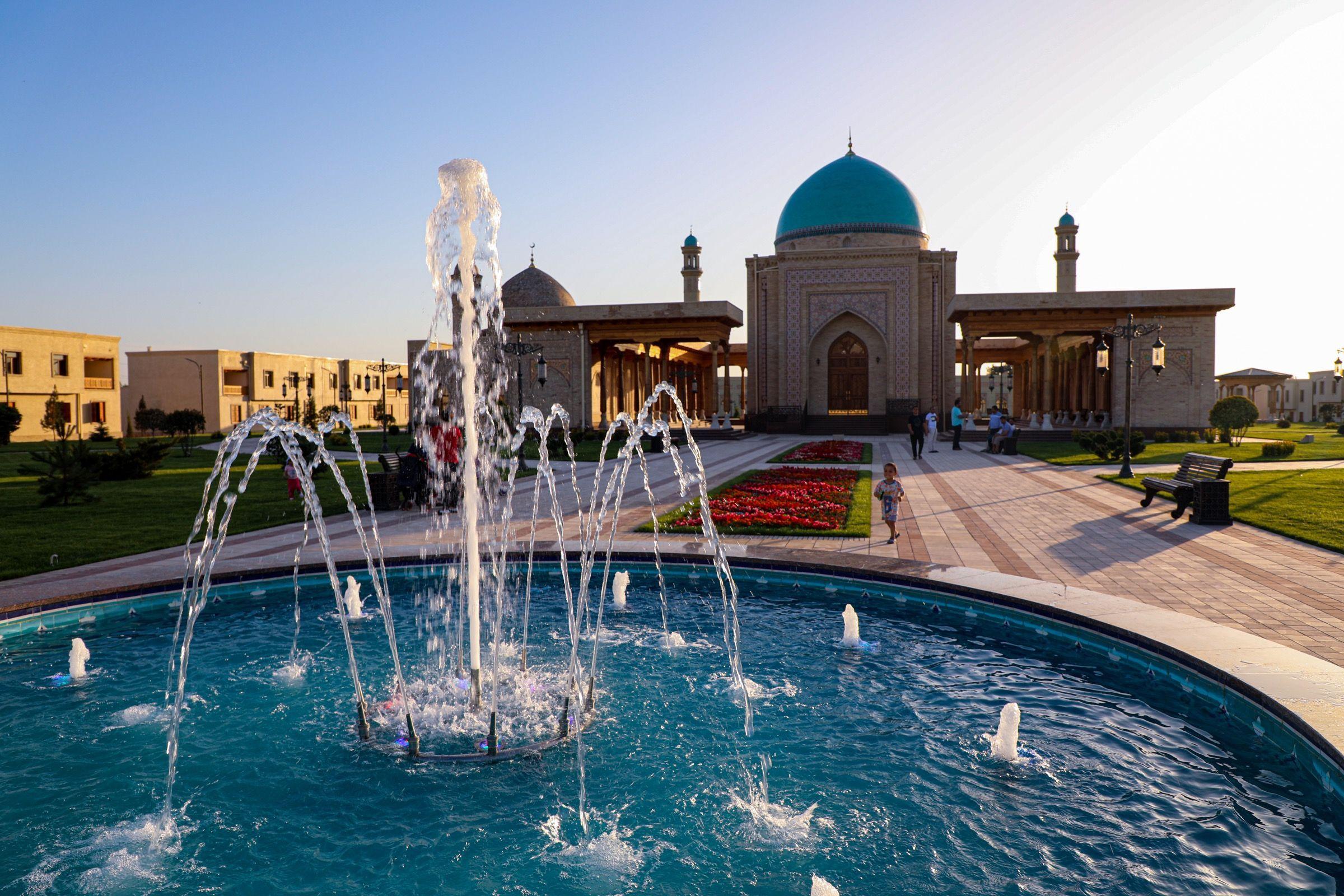
Architectural ensemble · Mausoleum and mosque founded 1363–64 under Timur; rebuilt 2017–19
Suzuk-ota Complex and Craft Quarter
A Timurid-era shrine to the patron saint of Tashkent's craftsmen, rebuilt in 2019 with a courtyard of 34 workshops where woodcarvers, potters and embroiderers work in front of you, five minutes from Chorsu.
About
Suzuk-ota is the shrine Tashkent's artisans have claimed as their own for seven centuries. Sheikh Mustafakul-khoja, known as Suzuk-ota (1140–1217), was a grandson of Ahmad Yasawi, the great Sufi of Turkestan, and is remembered as a master woodcarver who taught his trade to the quarter that grew up around him. The mahalla became a community of craftsmen and the name stuck. Its guild loyalty survived even the Soviet decades, when the mosque was closed in 1936 and turned into a metal works; prayers returned in 1996.
Timur's mosque and mausoleum
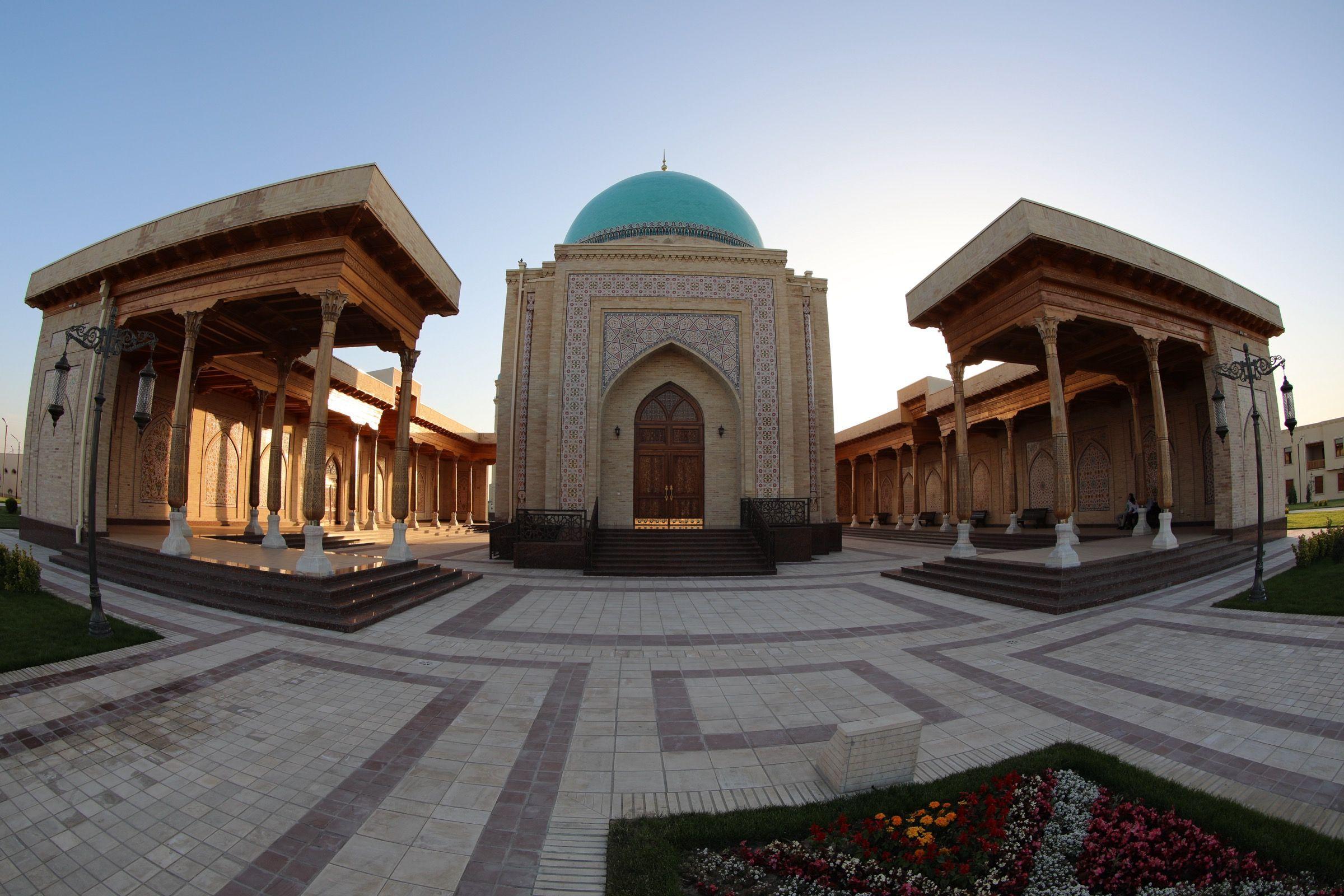
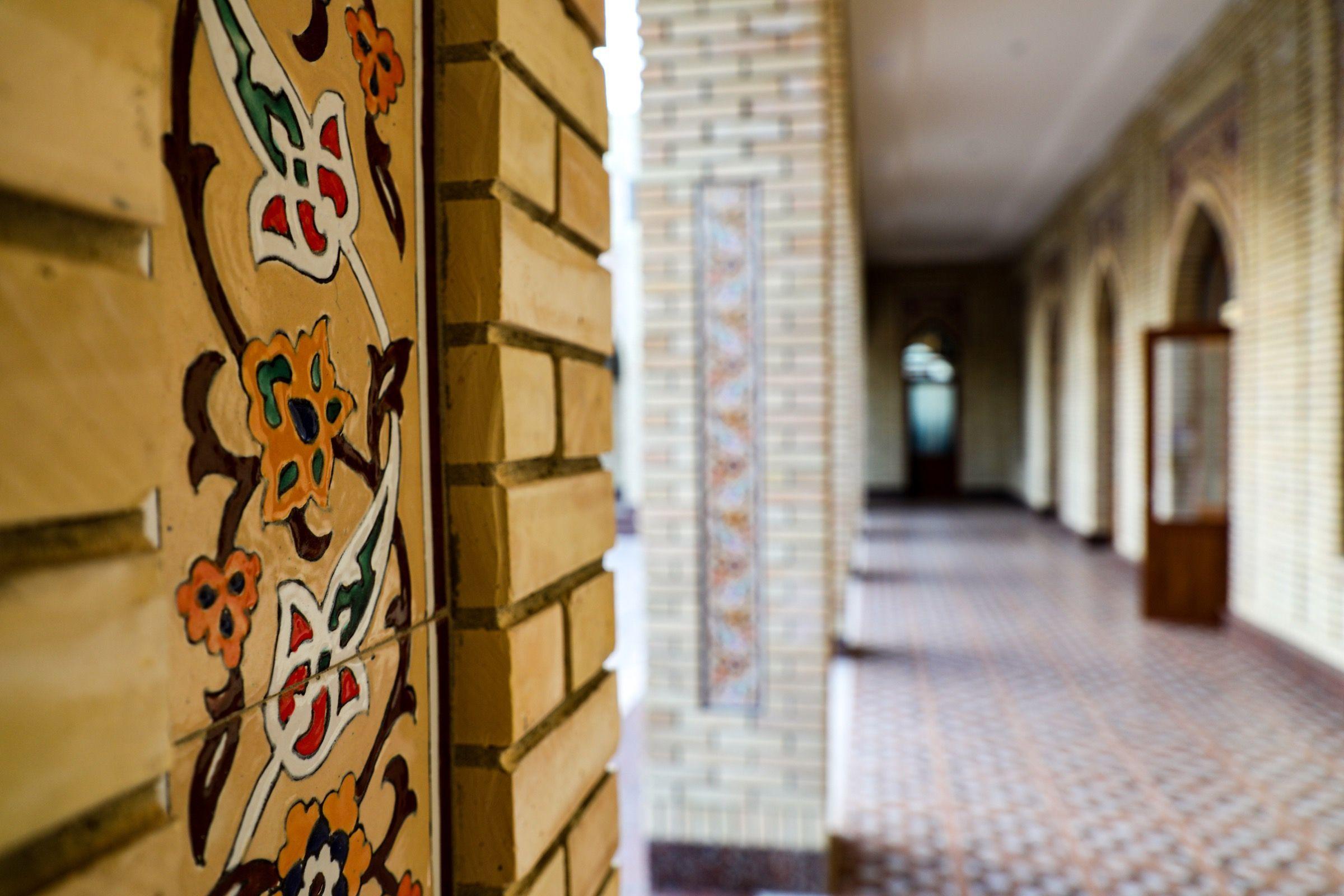
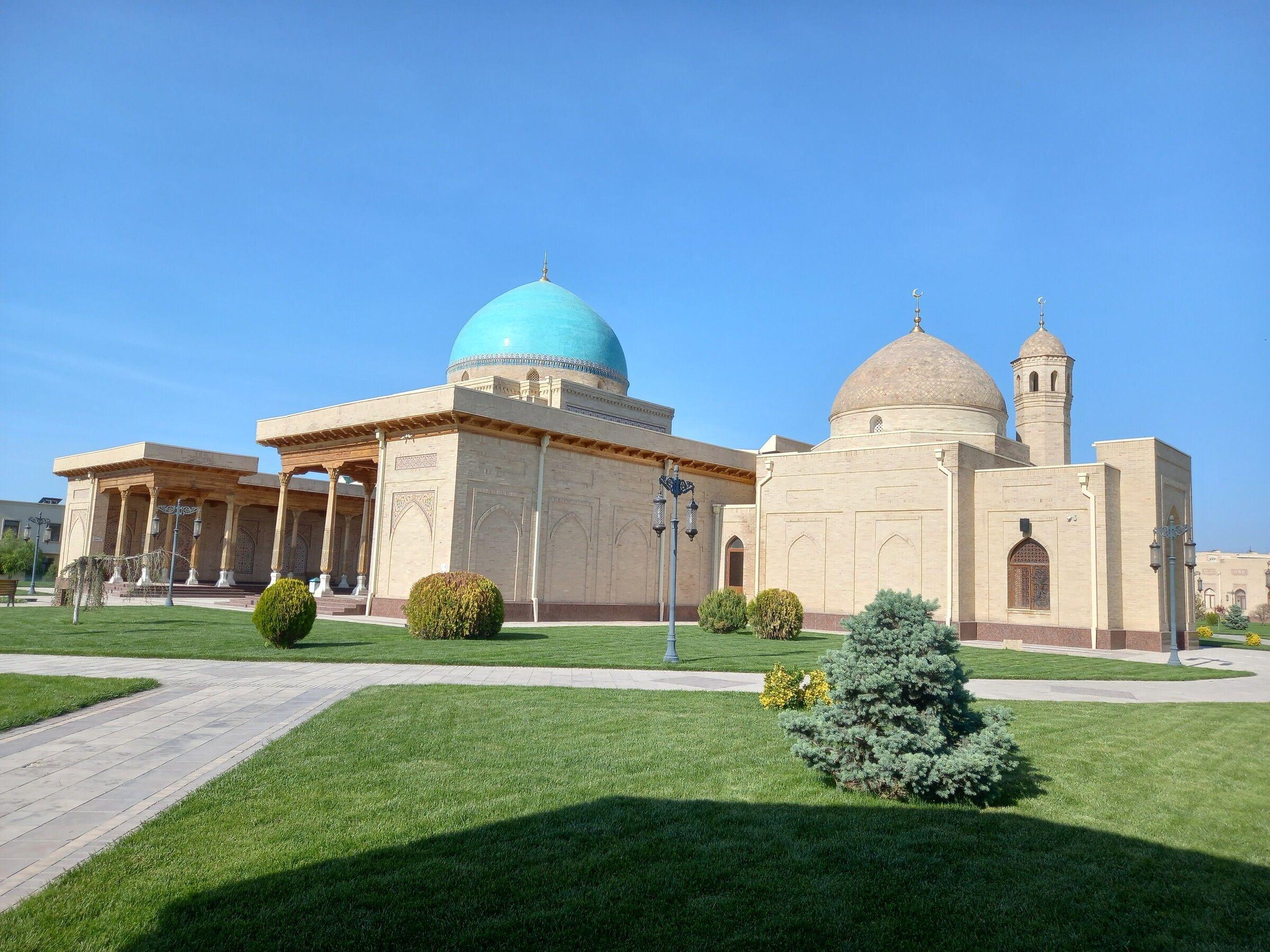
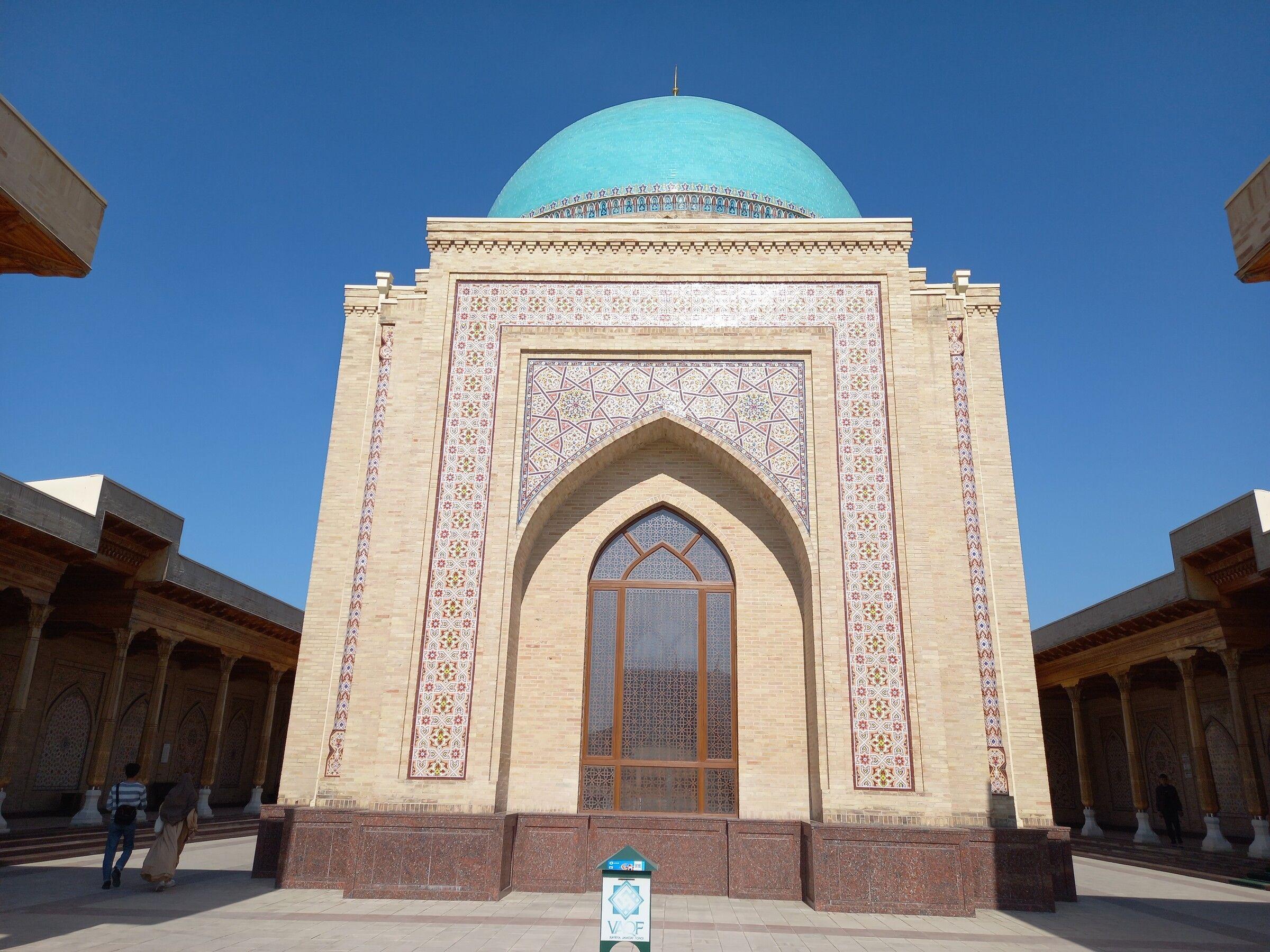
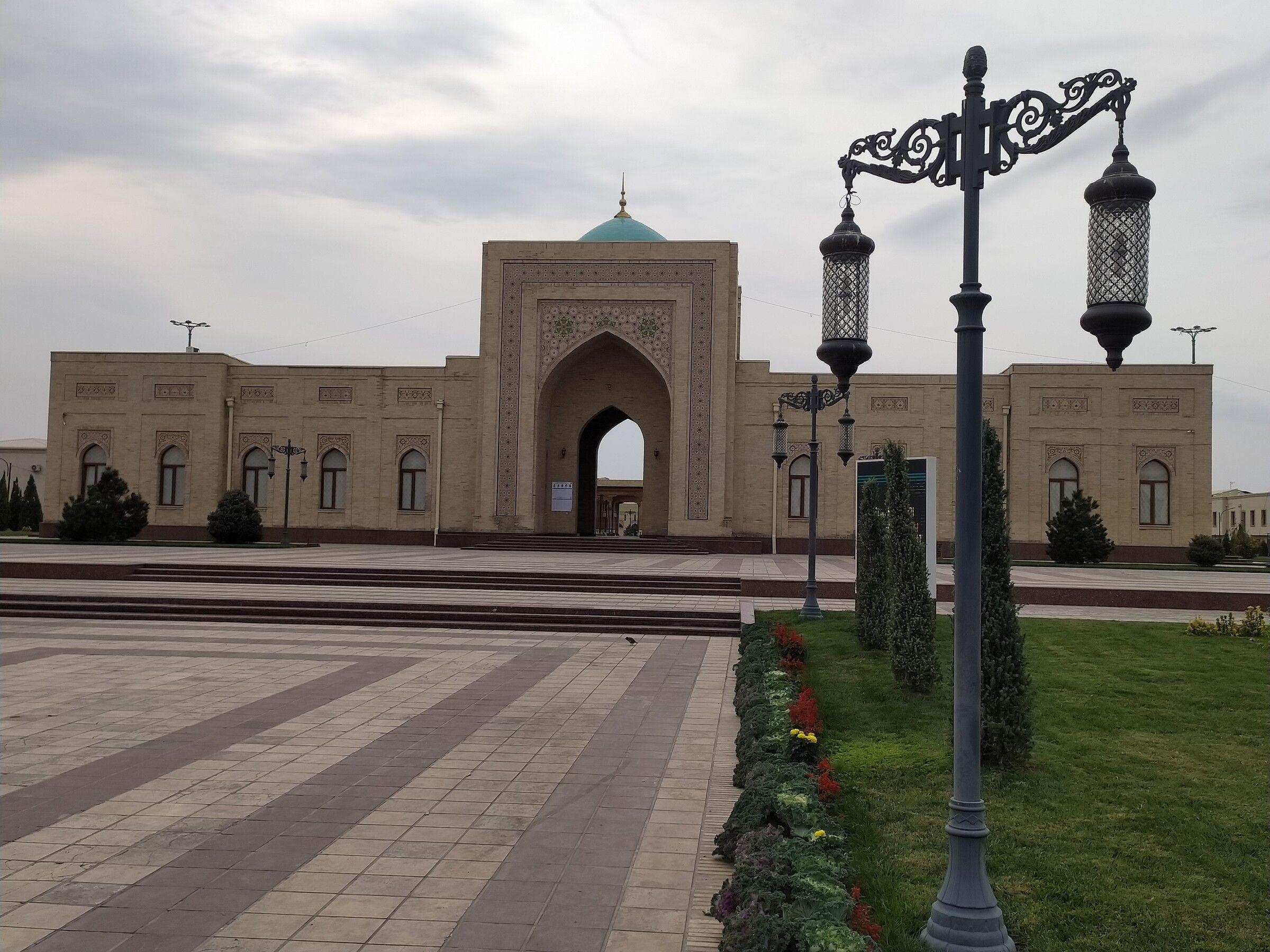
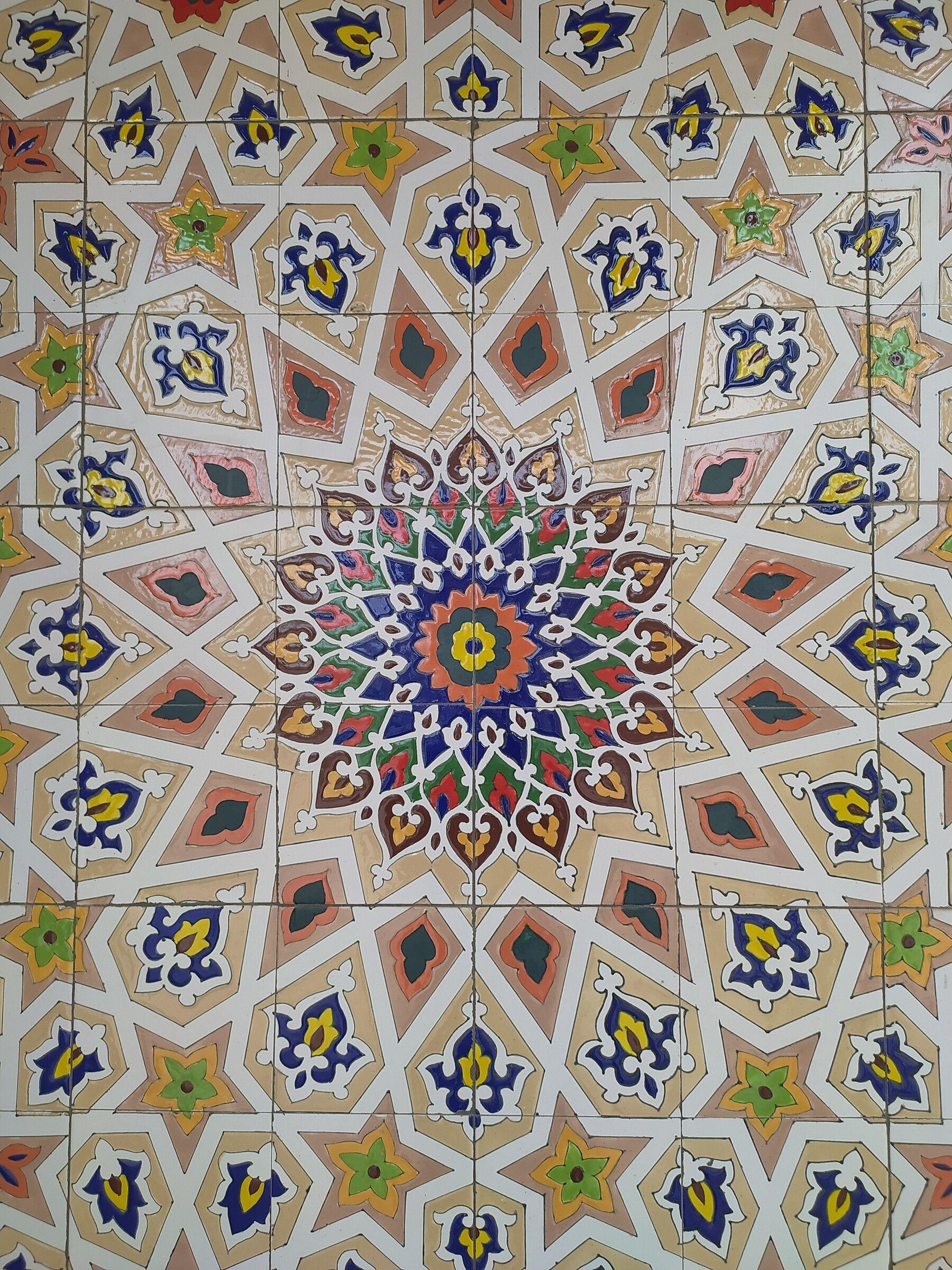
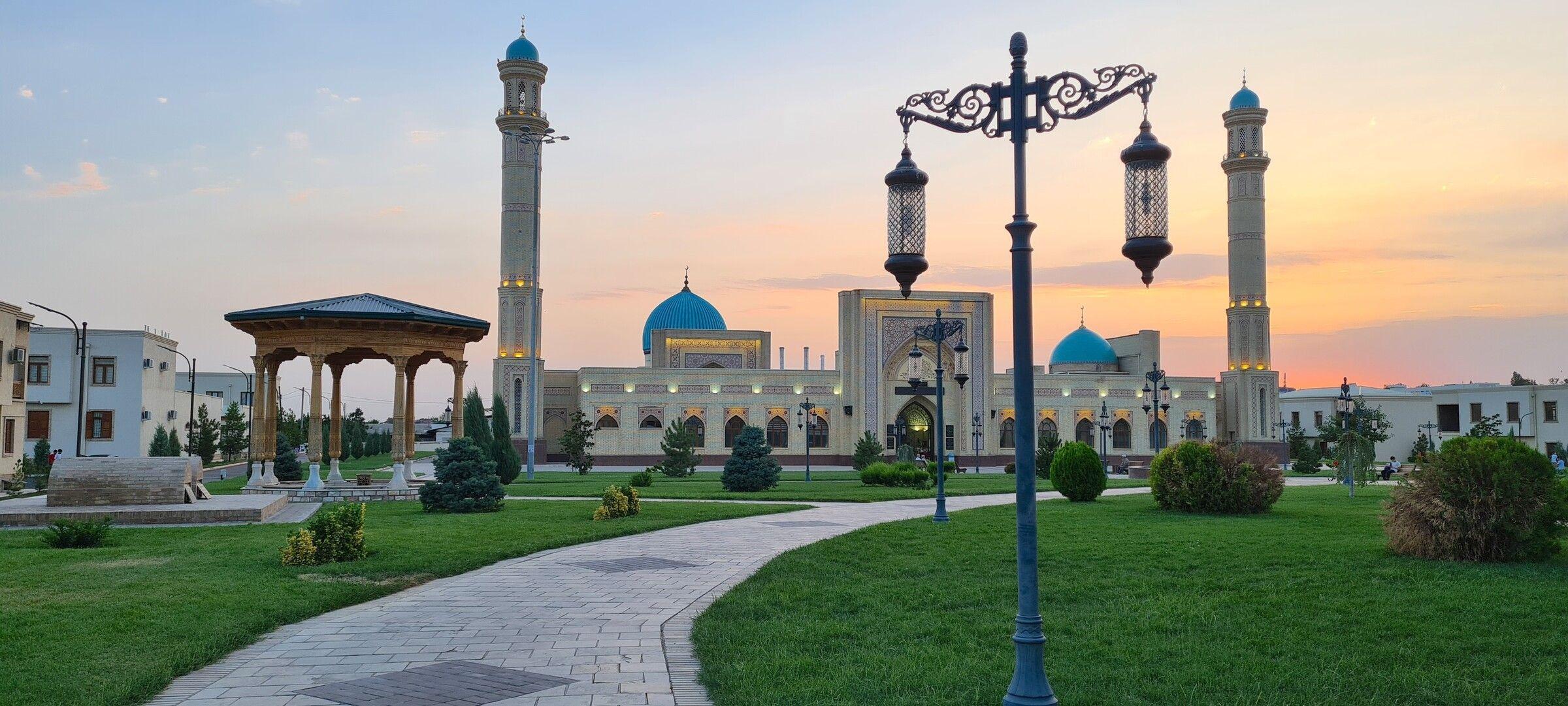
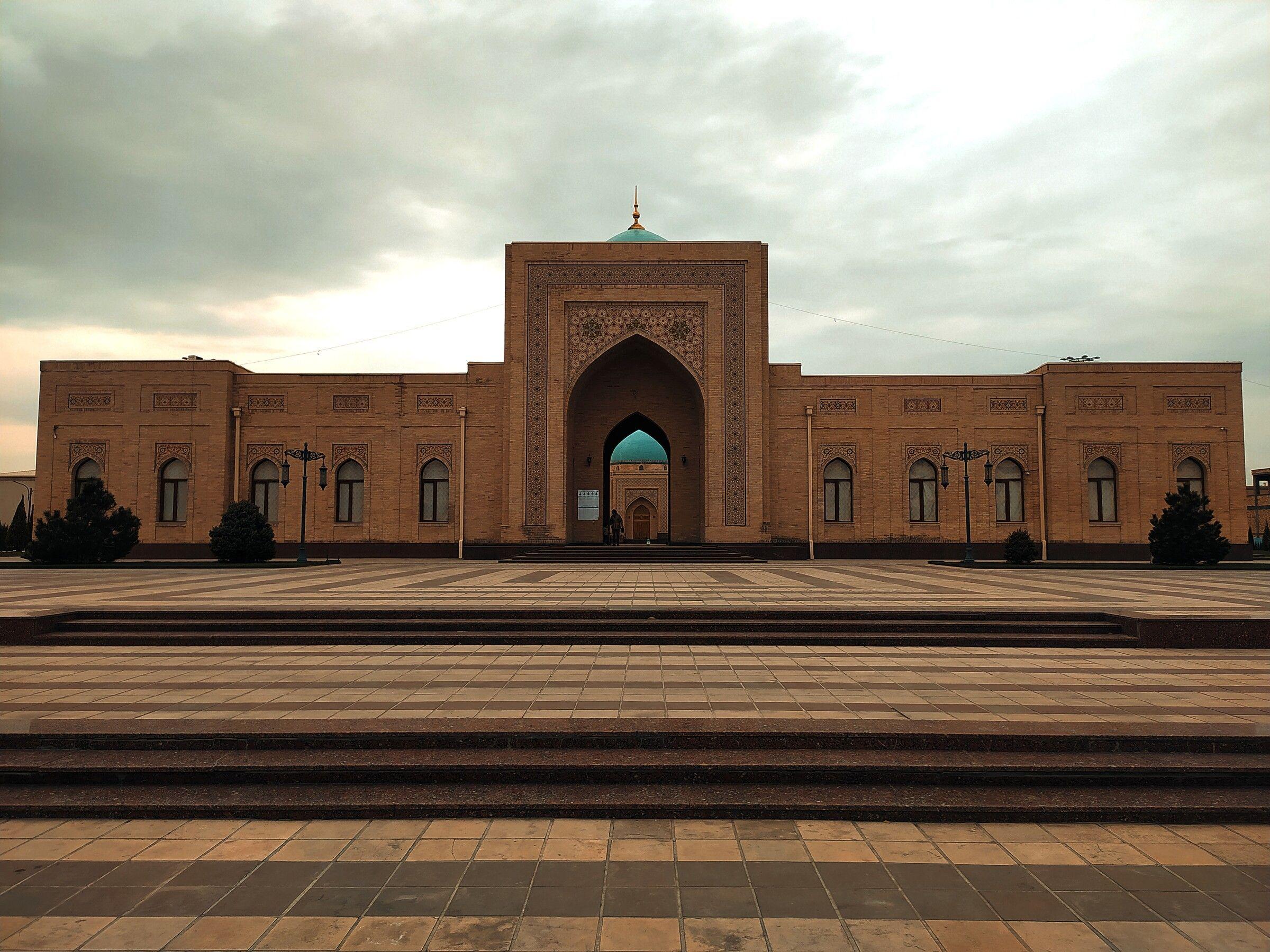
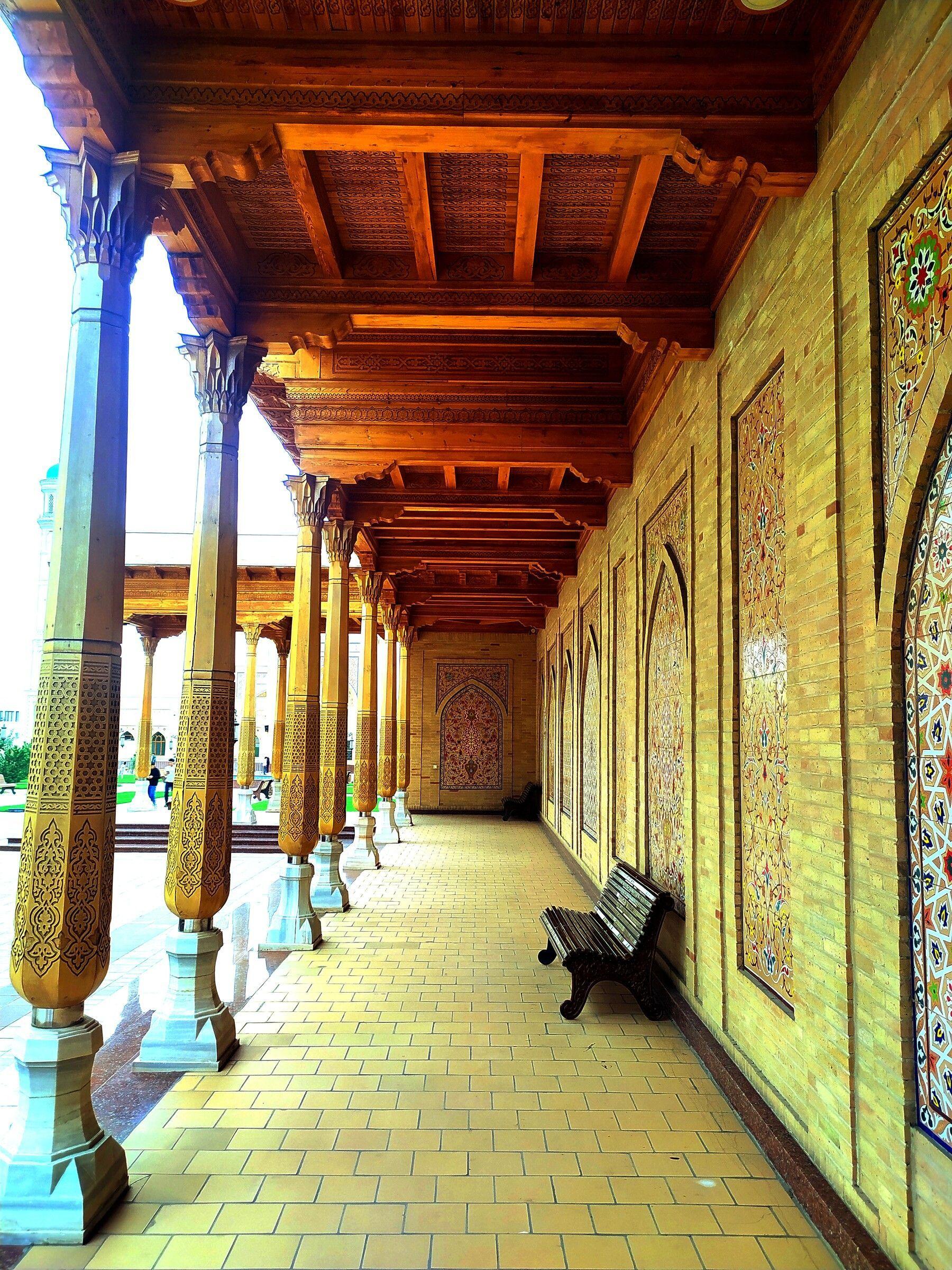
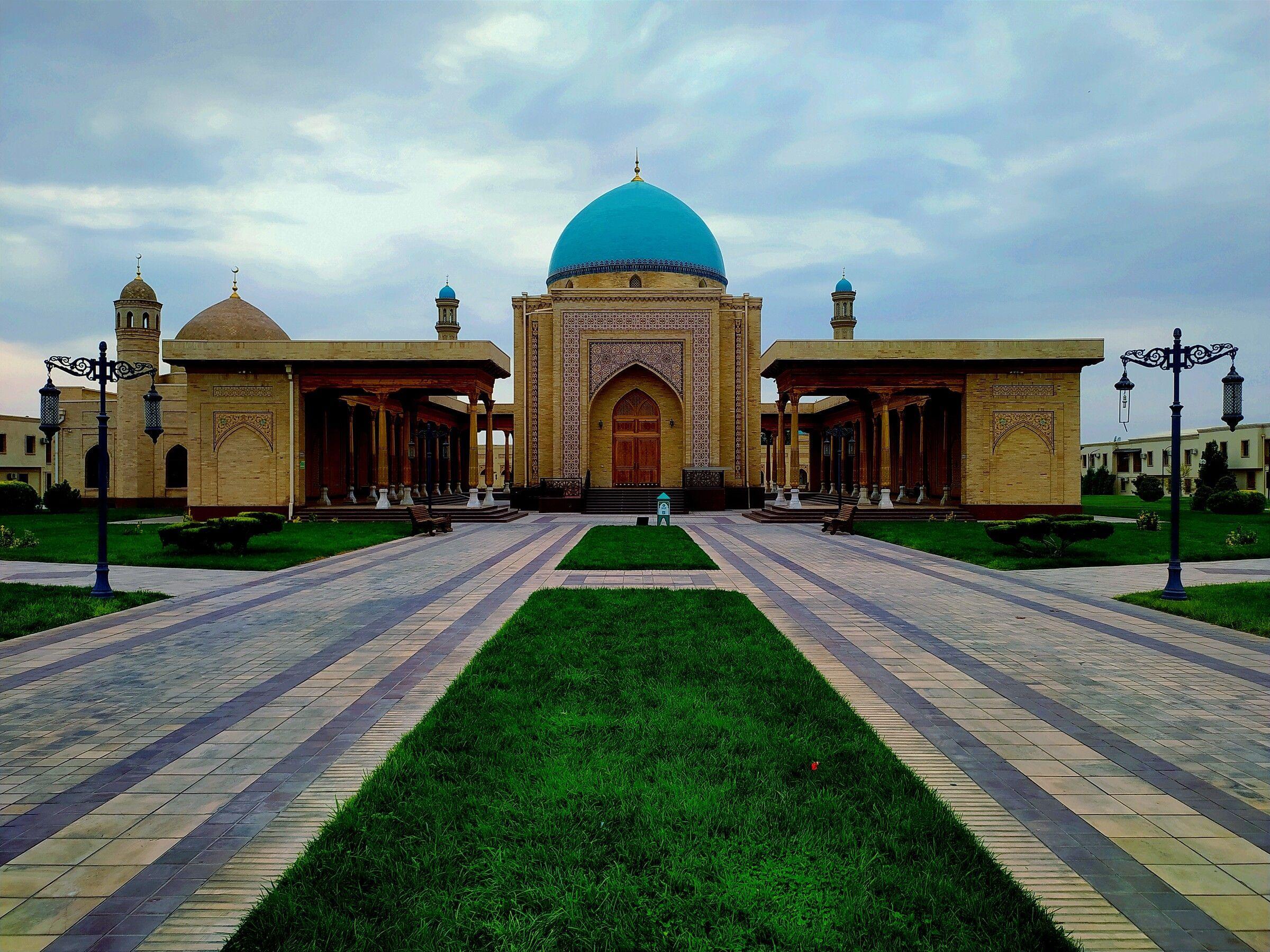
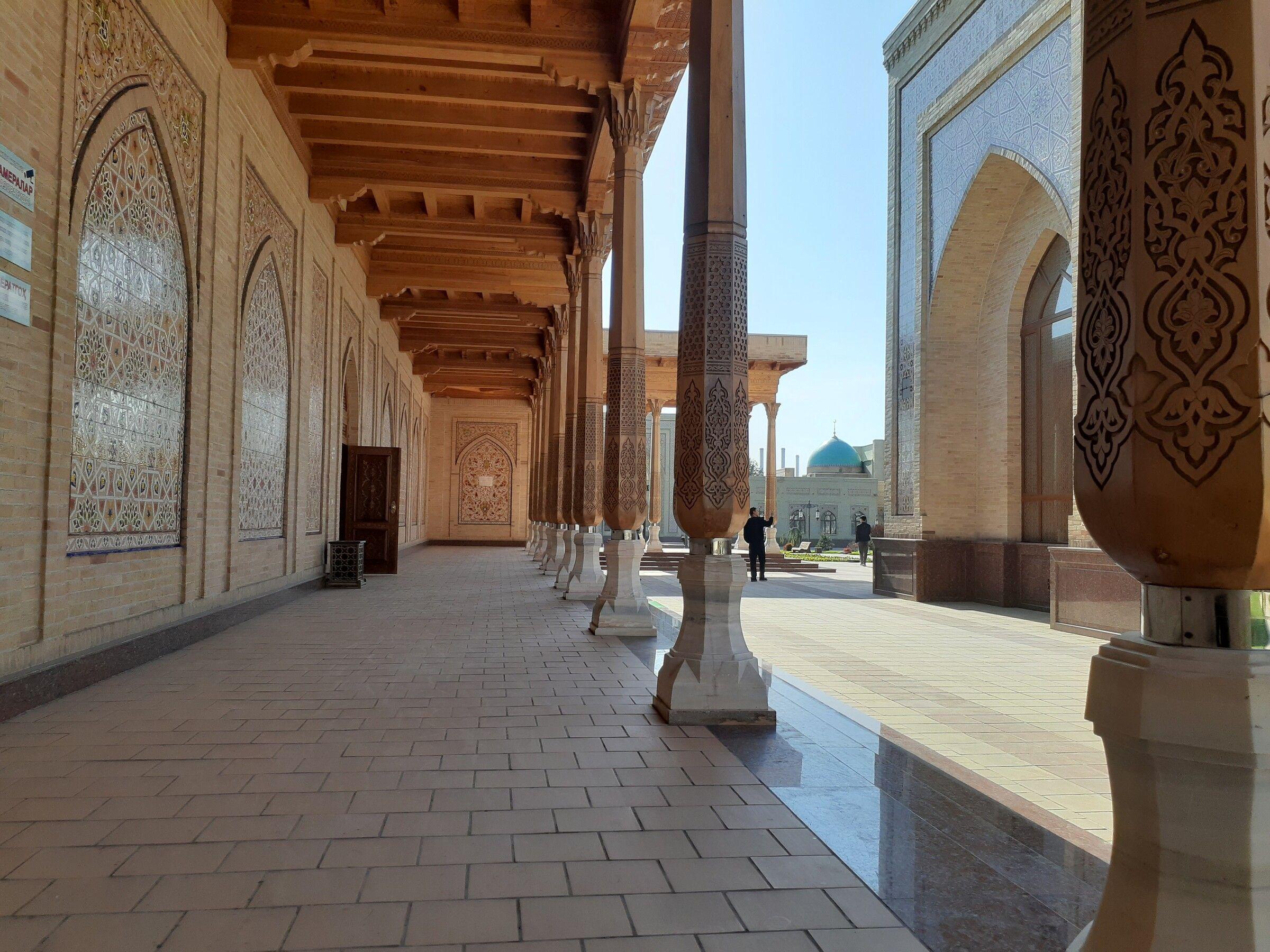
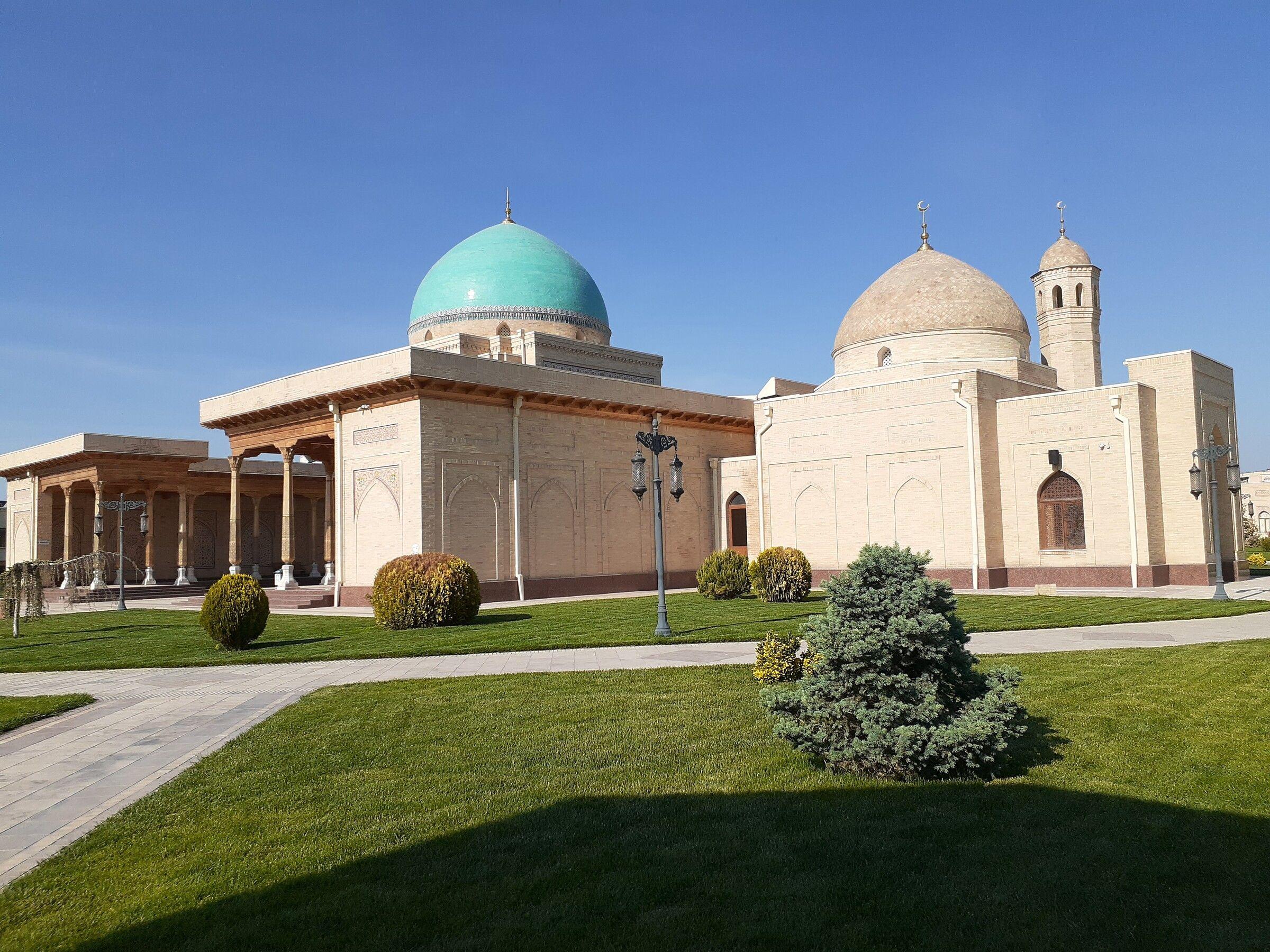
According to the local account, Amir Timur ordered a mosque and mausoleum built over the saint's grave in 1363–64 after recovering from an illness; a later variant gives 1392. The present mausoleum, a square chamber beneath a turquoise dome with a tiled portal, and the columned summer mosque beside it were almost entirely rebuilt during the 2017–2019 reconstruction ordered after President Mirziyoyev's visit in 2017. The result is a clean, well-proportioned ensemble in traditional style, with carved wooden columns, painted ceilings and gardens, rather than a weathered ruin; come for the atmosphere and the crafts rather than ancient brick.
The craft quarter
What makes Suzuk-ota unusual is the street of 34 two-storey houses built in 2019 around the complex for working masters. Downstairs are workshops and showrooms, upstairs the families live. On a typical morning you can watch wood carving and lacquer painting, ceramics, chasing of copper and brass, suzani embroidery, skullcap making, knife making and miniature painting, and buy directly from the person who made the piece.
Prices are fair and bargaining is gentle; this is a residential quarter, not a bazaar. A small museum and library at the entrance explain the saint's life and the history of the mahalla.
Visiting
The complex is a working mosque and a place of pilgrimage. Dress modestly, remove shoes inside the mausoleum and avoid photographing people at prayer. The craft houses keep roughly shop hours and are quietest on weekday mornings; Friday midday is prayer time. Suzuk-ota lies just west of Chorsu Bazaar, so the natural route is bazaar, Kukeldash Madrasah, then a ten-minute walk here, with lunch back at the bazaar's plov and samsa rows.
What to see
- Turquoise-domed mausoleum of Suzuk-ota, patron of Tashkent craftsmen
- 34 live-in workshops: woodcarving, ceramics, copper, suzani, skullcaps
- Carved wooden columns and painted ceilings of the summer mosque
- Buying directly from the maker at residential-quarter prices
- Museum on the saint and the artisan mahalla
- Ten minutes on foot from Chorsu Bazaar
Gallery
Tours that visit Suzuk-ota Complex and Craft Quarter
 New
Six Days, Seven Plovs
From
$995
 Premium
Twelve Gates of the Silk Road
From
$1,750
 Best Seller
Four Crowns: Tashkent, Samarkand, Bukhara, Khiva
From
$1,270
More sights in Tashkent
All of Tashkent


See Suzuk-ota Complex and Craft Quarter with a local guide
We build private and small-group trips around the places you want to see — with guides who grew up here.