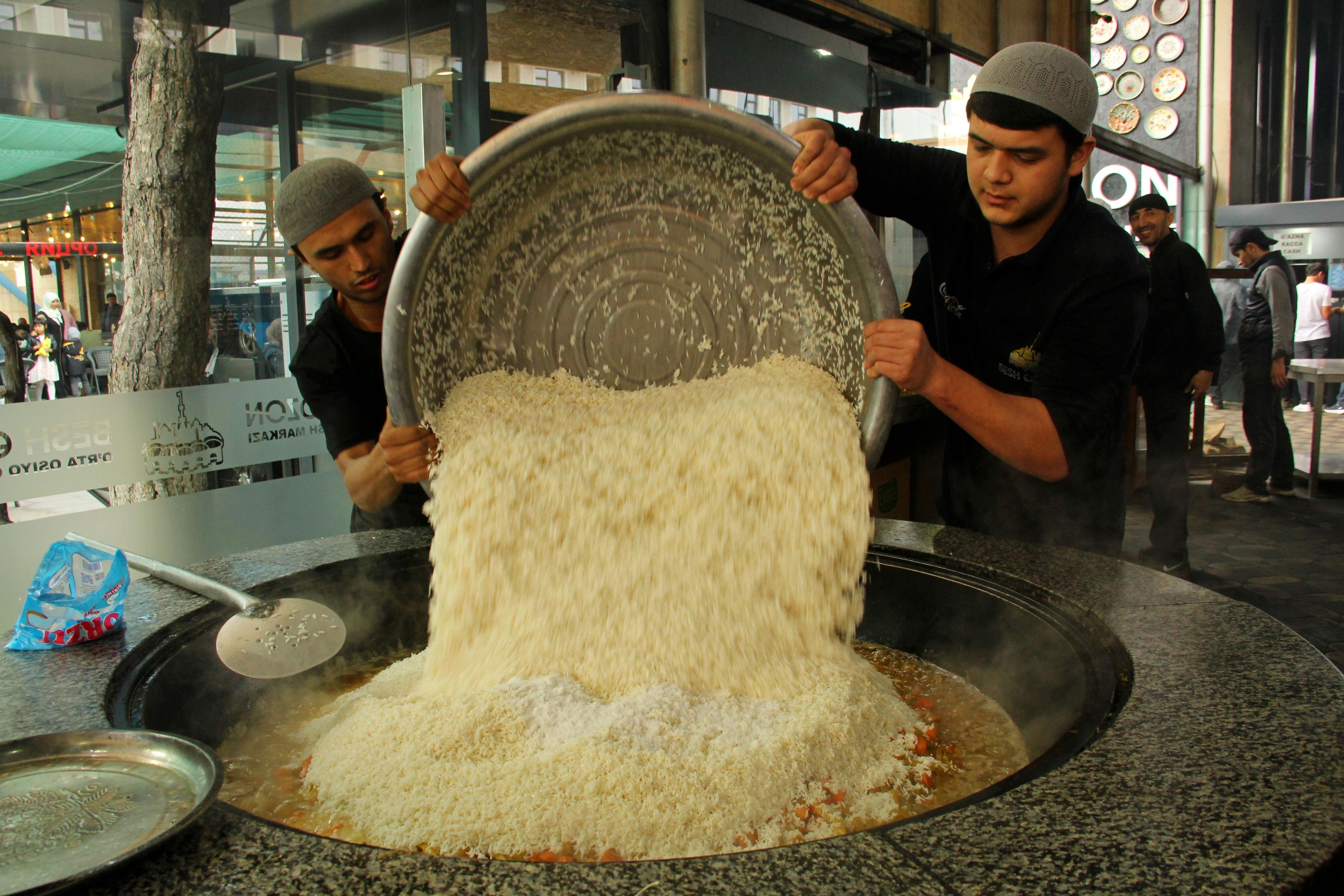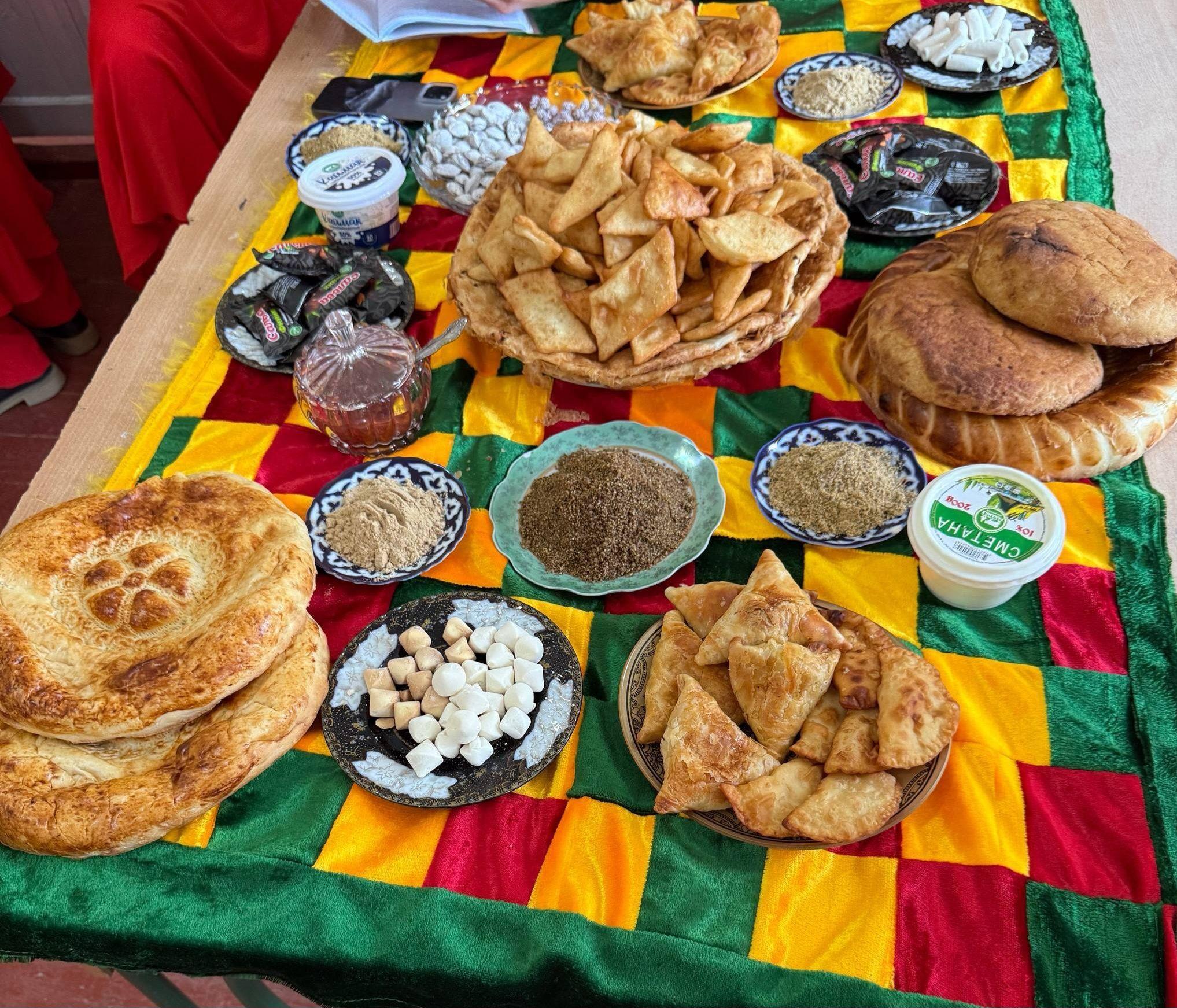
Karakalpakstan is the one region of Uzbekistan where the table was set by herders and fishermen rather than farmers. Sorghum dumplings, beshbarmak served flat on a platter, fish soup from the Amu Darya delta, pumpkin where others use potato and a calendar divided by milk, melon, pumpkin and fish. What to order in Nukus and Muynak and what it costs.
Facts, prices and schedules checked on November 11, 2026
Cross the Amu Darya from Khorezm into Karakalpakstan and the plov stops being the point. The Karakalpaks were herders and fishermen on the edge of the Aral Sea for most of their history, and their kitchen is built on boiled dough, mutton and beef, sour dairy, sorghum, pumpkin and fish. It has more in common with the tables of western Kazakhstan than with Samarkand. Their own saying divides the year into four seasons of food, three months each: milk, melon, pumpkin and fish.
This is the least-visited cuisine in Uzbekistan and one of the most rewarding, partly because it is almost impossible to eat badly in Nukus, the Karakalpak capital, and partly because the dishes carry the region's history on the plate: the sorghum that fed the delta villages, the fish that disappeared with the sea and came back from the lakes, the dairy of the yurt camps.
Beshbarmak the Karakalpak way
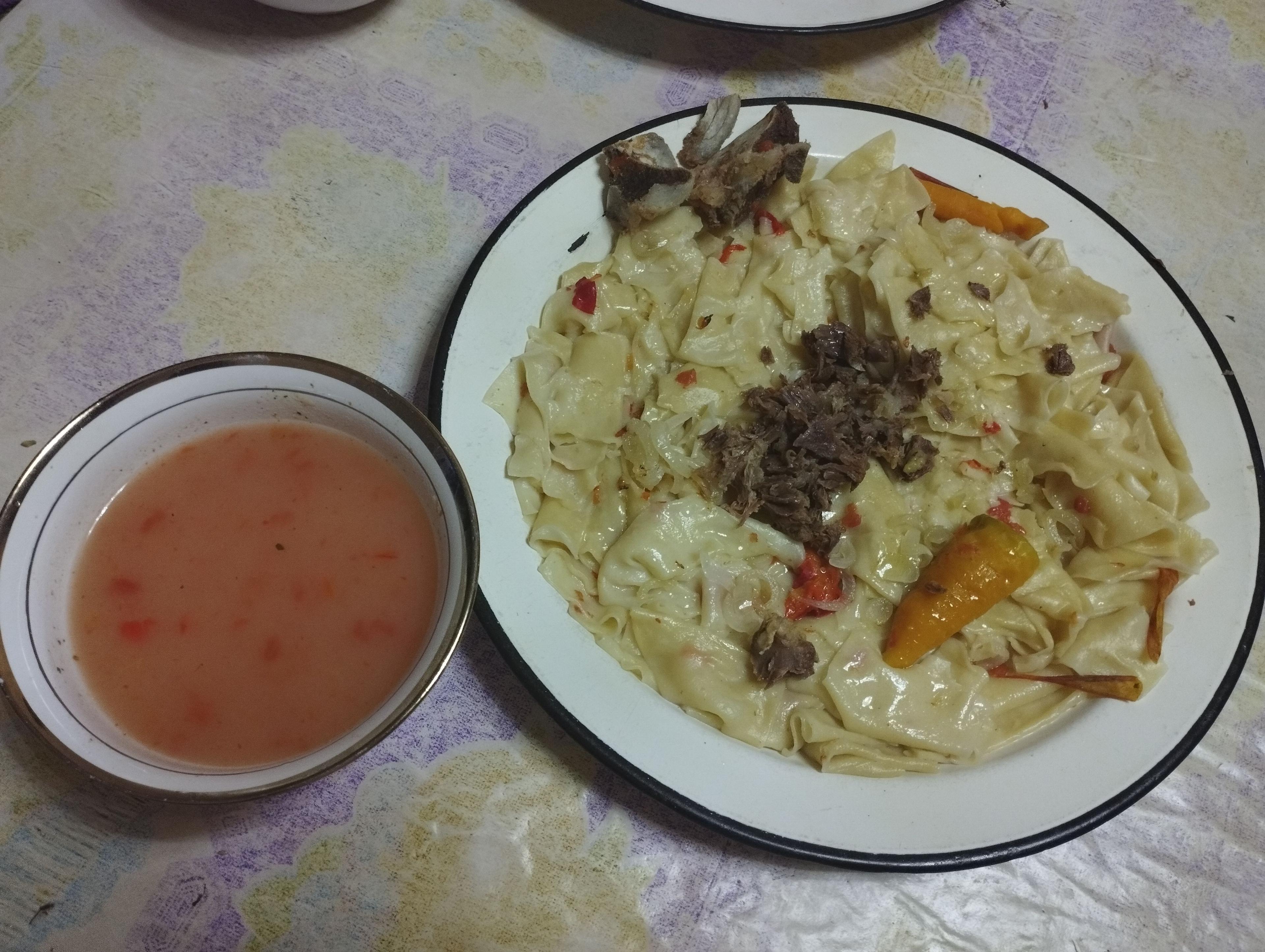
Beshbarmak, five fingers, is the national dish of Kazakhs and Kyrgyz, and the Karakalpak version is a close cousin: boiled meat laid over flat sheets or squares of boiled dough, with onions softened in the broth poured on top, and the broth itself served separately in bowls. The Karakalpak name for the dough element is gurtik, and in Nukus you will see the dish called both beshbarmak and gurtik on the same menu, which confuses visitors. Gurtik is the dough; beshbarmak is the assembled platter.
What distinguishes the local version is the meat. Nukus restaurants offer beshbarmak with beef, lamb, chicken and, increasingly, turkey, and a platter for a table of four or six is the normal order, not an individual plate. Kazy, the cured horse-meat sausage, is often sliced over the top on festive platters. It is eaten with the hands or a spoon, the meat torn and folded into the dough, and the bowl of broth is drunk at the end.
In Nukus, Beshbarmak House, open around the clock as of autumn 2026, serves portions sized for one to six people and an assorted platter with kazy; Karakalpagym, open 09:00 to 22:00, does large group platters with beef or turkey. Prices are posted by the kilogram or by the platter rather than by the plate; ask before ordering for a table.
Juweri gurtik: the sorghum dumplings that got a legal name
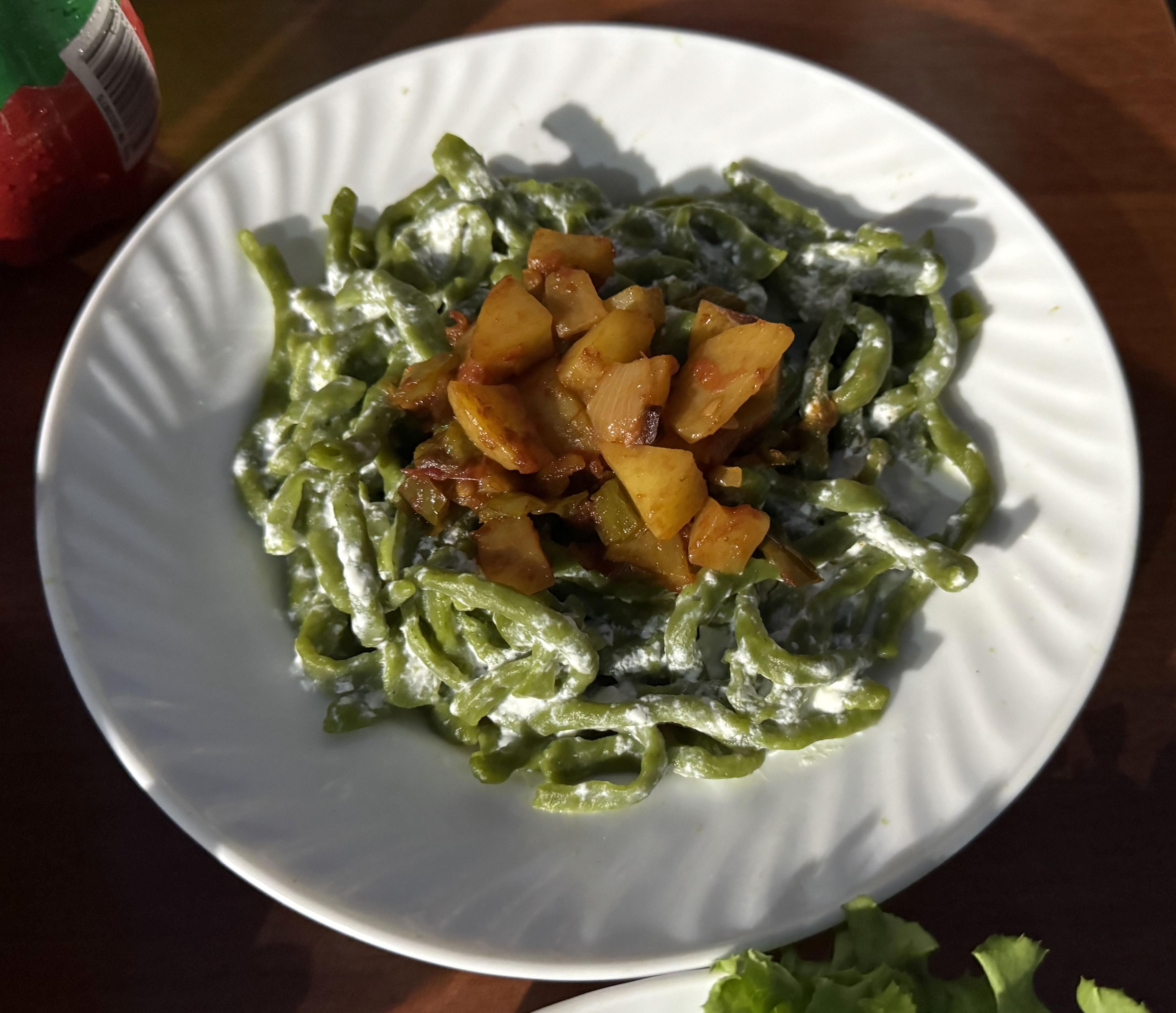
Juweri (also written jugari, zhugeri or zhueri) is sorghum, the drought-tolerant grain that grew in the Amu Darya delta when wheat would not. Juweri gurtik is beshbarmak's older, darker relative: small dumplings or torn pieces of sorghum-flour dough cooked in a broth of beef or chicken with carrot, potato and onion. The dough is brownish, slightly sweet and earthy, and the dish is heavier and more rustic than wheat beshbarmak. Many families still regard it as the true Karakalpak dish and the wheat version as a Kazakh import.
On 15 May 2026 the Ministry of Justice registered Karakalpak jughara gurtik as a geographical indication, following the registration of Chimbay zagara-non, the sorghum flatbread of the Chimbay district that is often enriched with grated pumpkin or carrot, and of baliq qarma, the fish soup described below. The practical effect is modest, but it signals that the region now treats its food as part of its brand, alongside the Savitsky Museum and the desert fortresses.
ATIYAJ and Fish House in Nukus both list juweri gurtik with lamb, beef or turkey; Fish House also makes a fish gurtik. A bowl is a full meal.
Fish: baliq qarma, kakpash and the Muynak fish plov
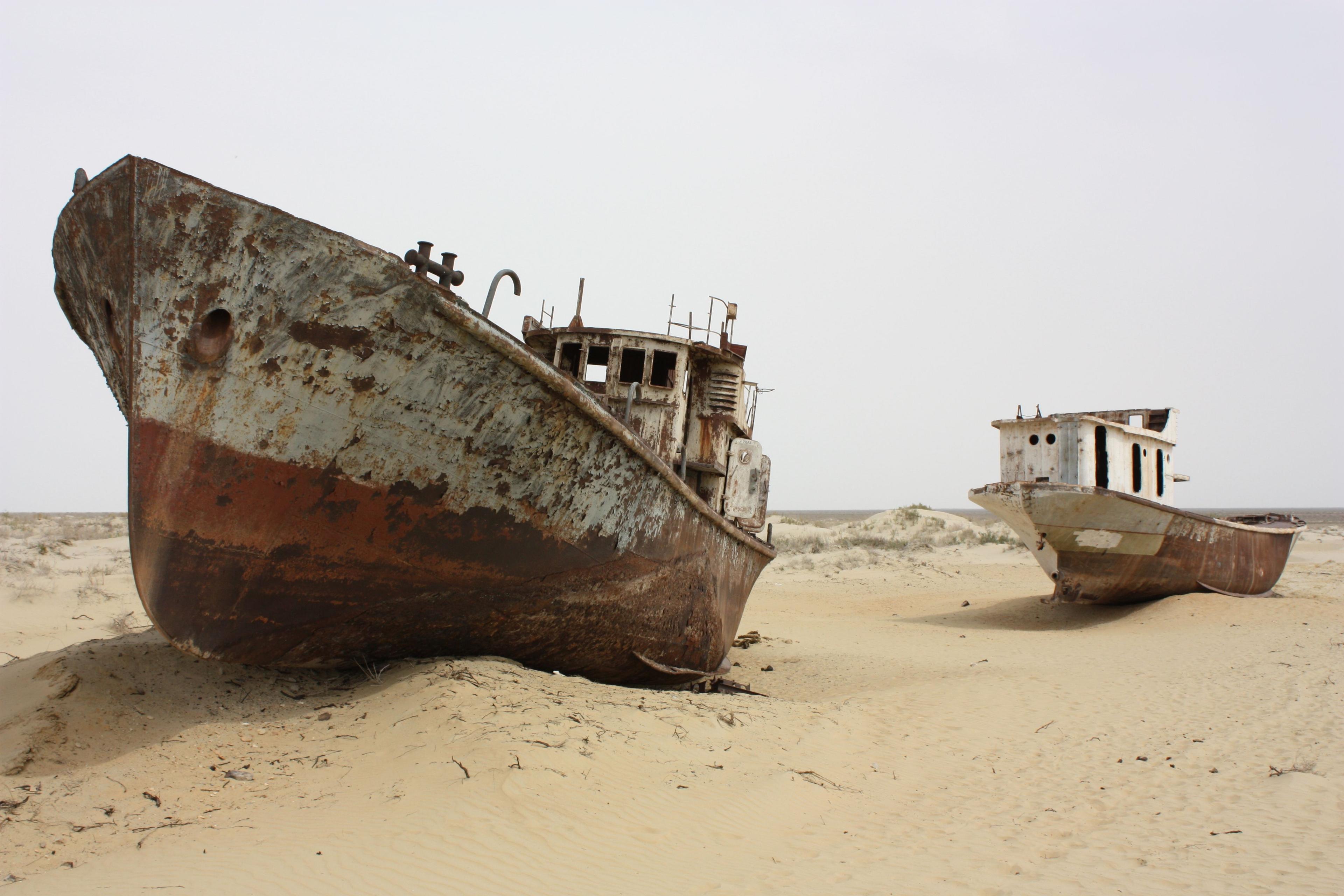
Until the 1960s the Aral Sea supplied a sixth of the Soviet Union's fish catch, and Muynak was a port with a cannery. The sea is now 80 km or more from the town, but fish never left the Karakalpak table; it comes today from the Amu Darya, from the delta lakes such as Sudochye, and from fish farms. Fish has, as one regional guide puts it, always held a place of honour here.
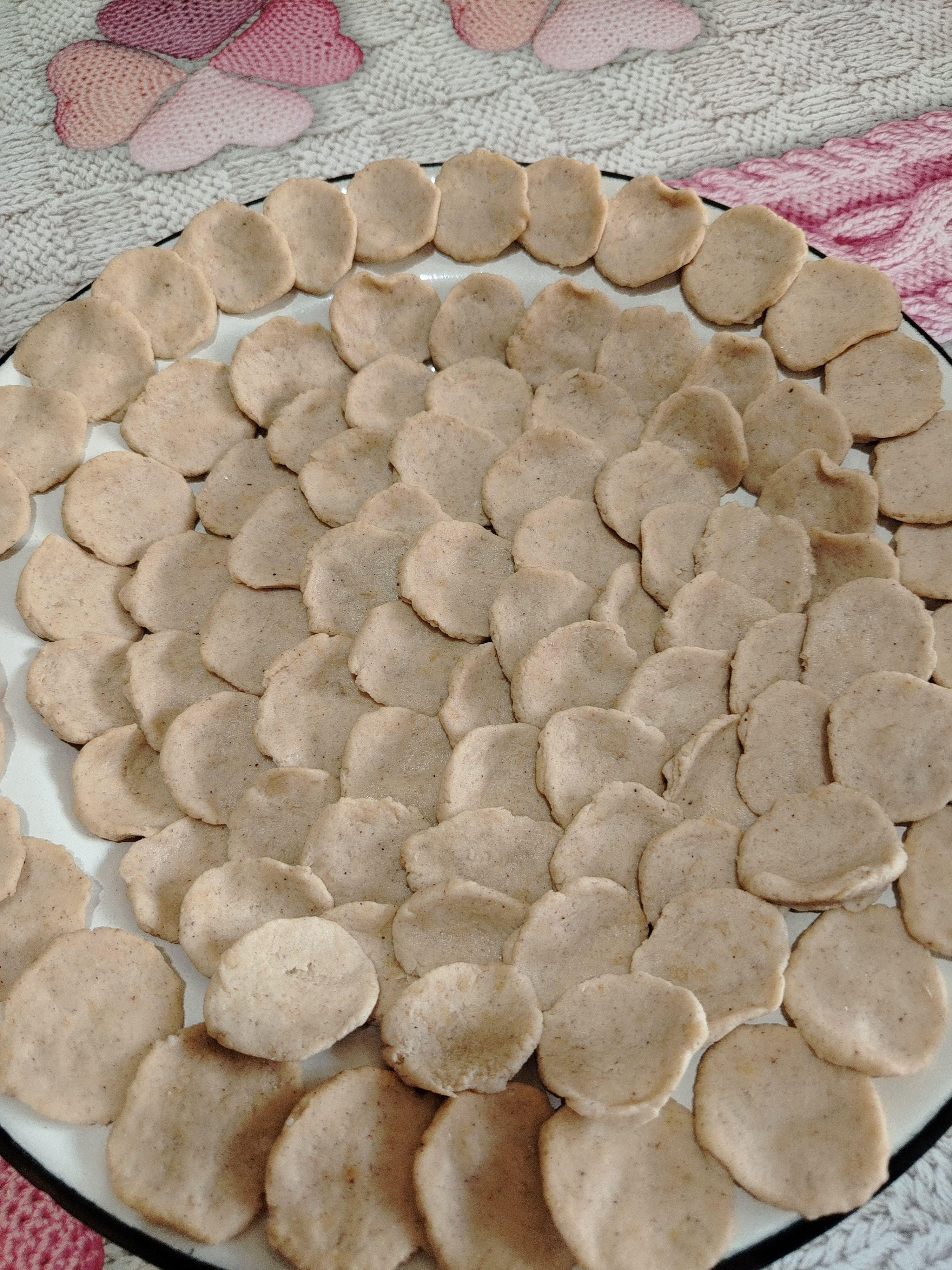
The signature preparation is baliq qarma: fish simmered into a broth, into which small dried squares of dough, a centimetre or two across, are dropped and cooked. The fat skimmed from the surface is poured over finely chopped raw onion and the whole is combined, which gives the soup its character. It was registered as a geographical indication in October 2025. Kakpash is dried, salted fish, eaten as a snack with tea or beer and sold at the Nukus bazaar. Fish cutlets, smoked fish and fried carp are everyday food in Muynak.
The dish worth travelling for is the Muynak fish plov, rice cooked in fish stock with pieces of carp or white amur instead of lamb. It is a local speciality that, as a Saveur writer observed, is barely known even in Nukus two hundred kilometres away. The best place to eat it is Muynak itself, at a home kitchen or a cafe near the ship cemetery, ideally arranged in advance because the town is small. Since 2018 Karakalpakstan has also run a festival called 99 Aral Fish Dishes, held in different years in Muynak, Nukus and the Takhtakupyr district, usually in late September or June; check the current date before planning around it.
Pumpkin, melon and the year of four seasons
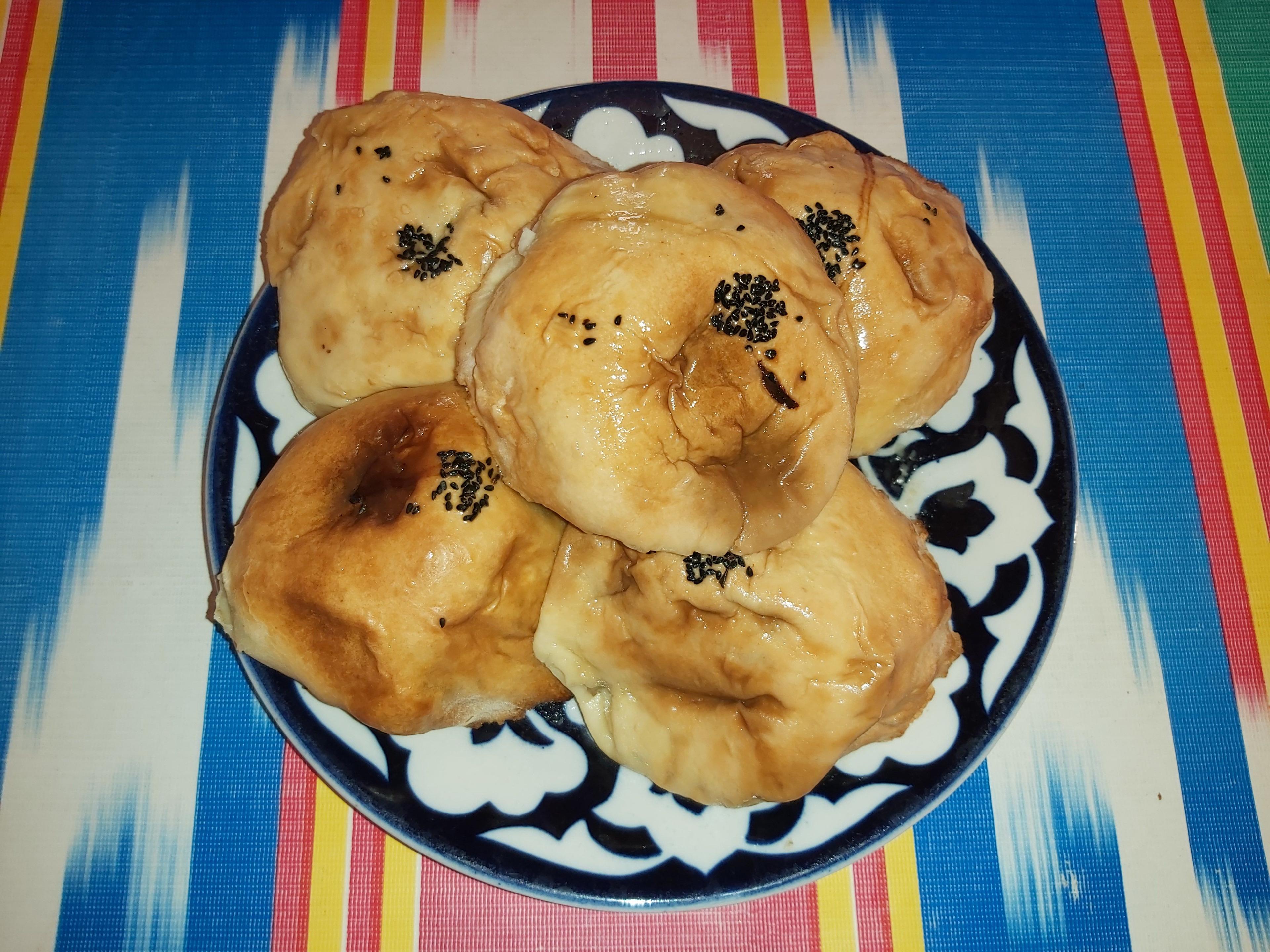
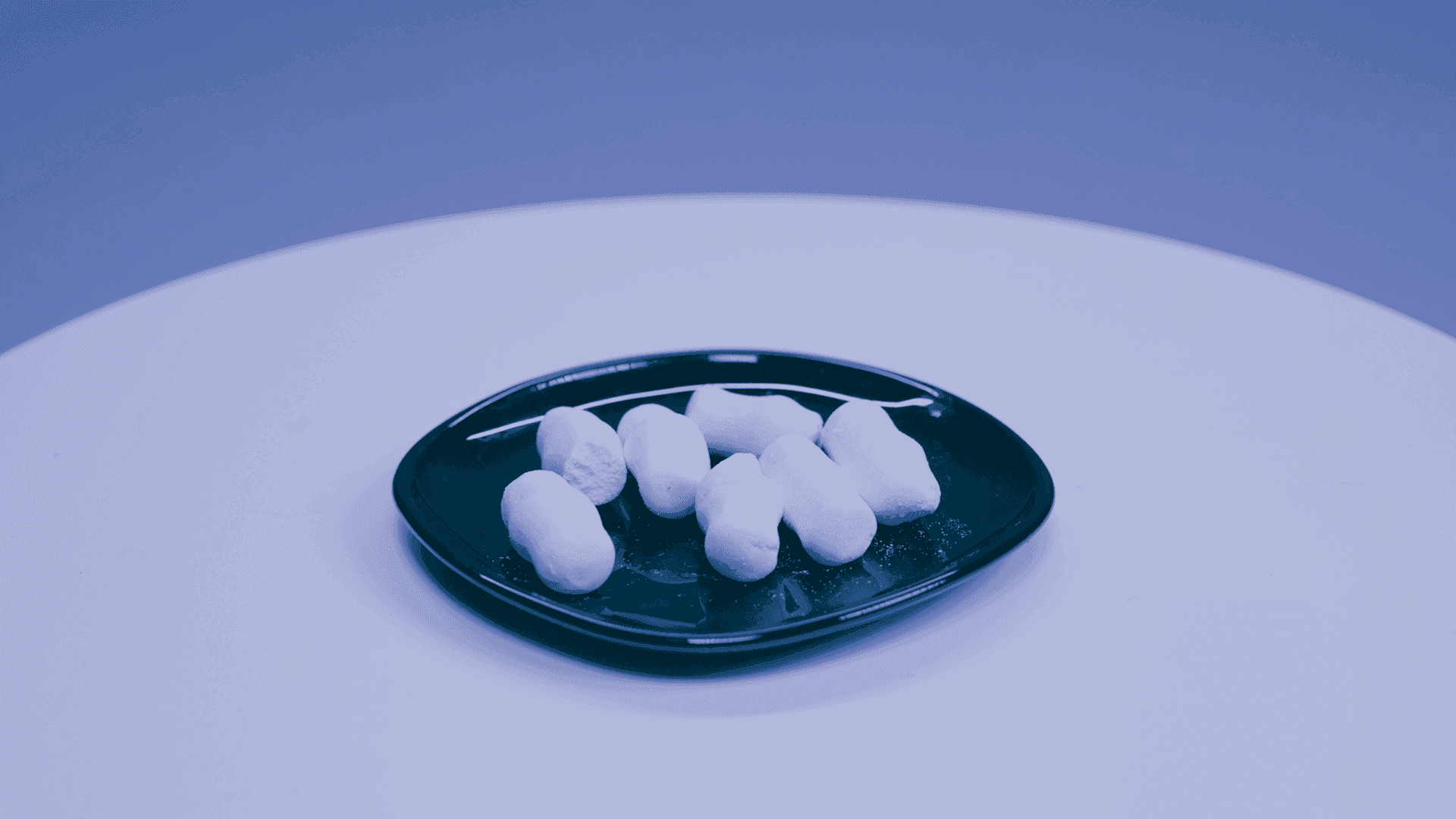
The Karakalpak saying that the year has four food seasons is more than a proverb; it is a menu. Spring is the season of milk, when the herds calve and the table fills with qatiq, suzma, butter and the salty dried cheese balls called qurt that nomads carried for months. Summer belongs to melon: Karakalpak and Khorezm melons are among the finest in Central Asia, eaten with bread for breakfast, and the pulp is also boiled down into a dark caramel called qaun aqsaulaq that keeps through the winter. Autumn is pumpkin, which Karakalpaks use the way Russians use potato, in dumplings, in bread, in a pumpkin-and-sorghum gurtik and in the pumpkin-filled pastries called maek burek. Winter is fish, when the delta lakes are at their most productive and the fish keeps in the cold.
The rest of the everyday table includes talqan, roasted ground grain mixed with butter or milk as a quick meal; baursak, the small fried dough puffs served with tea across the Turkic world; turama, meat and dough chopped together; and a sorghum porridge the portal describes as qata-bylamyq. Horse meat, in the form of kazy, is festive rather than daily. Tea is black and often taken with milk, as in Khorezm and Kazakhstan, rather than the green tea of the rest of Uzbekistan.
Where to eat in Nukus and Muynak
Nukus has a short list of places where the Karakalpak kitchen is cooked properly, and as of September 2026 the local press recommended five:
- Beshbarmak House: beshbarmak with chicken, beef, lamb or turkey, platters for one to six, kazy; open 24 hours.
- Karakalpagym: group platters of beshbarmak with beef or turkey; 09:00 to 22:00.
- ATIYAJ: beshbarmak and juweri gurtik with lamb, beef or turkey, plus salads and pastries; live music later in the evening; 12:00 to midnight.
- NEO: beshbarmak with beef, turkey or bai-style, and a European menu for the undecided; 10:00 to midnight.
- Fish House: beshbarmak, assorted gurtik, fish gurtik, fish cutlets and qarma; white amur and carp are the house fish; 08:00 to 22:00.
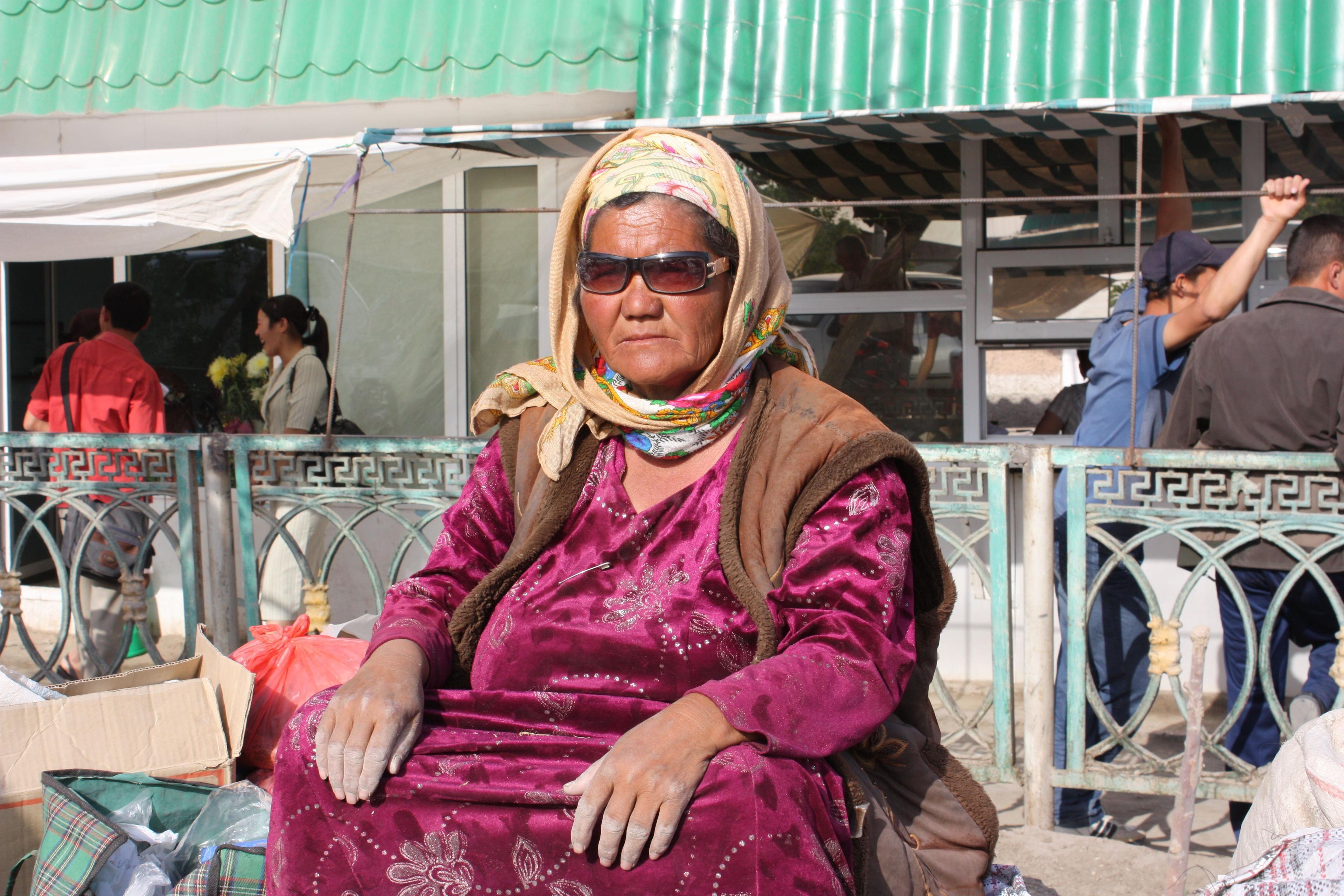
The Nukus central bazaar is the place for kakpash, qurt, Chimbay zagara bread, melons in season and the dairy of the four-season calendar. In Muynak, meals are mostly in guesthouses and small cafes; fish plov and fish cutlets should be ordered a few hours ahead. None of these places publish stable prices online, and we do not want to invent them; as a guide, a generous Karakalpak dinner for four in Nukus in 2026 cost roughly what a single dinner costs in a tourist restaurant in Samarkand. Cards are accepted in the larger Nukus restaurants; carry cash elsewhere.
How to get there, when to come and what it costs
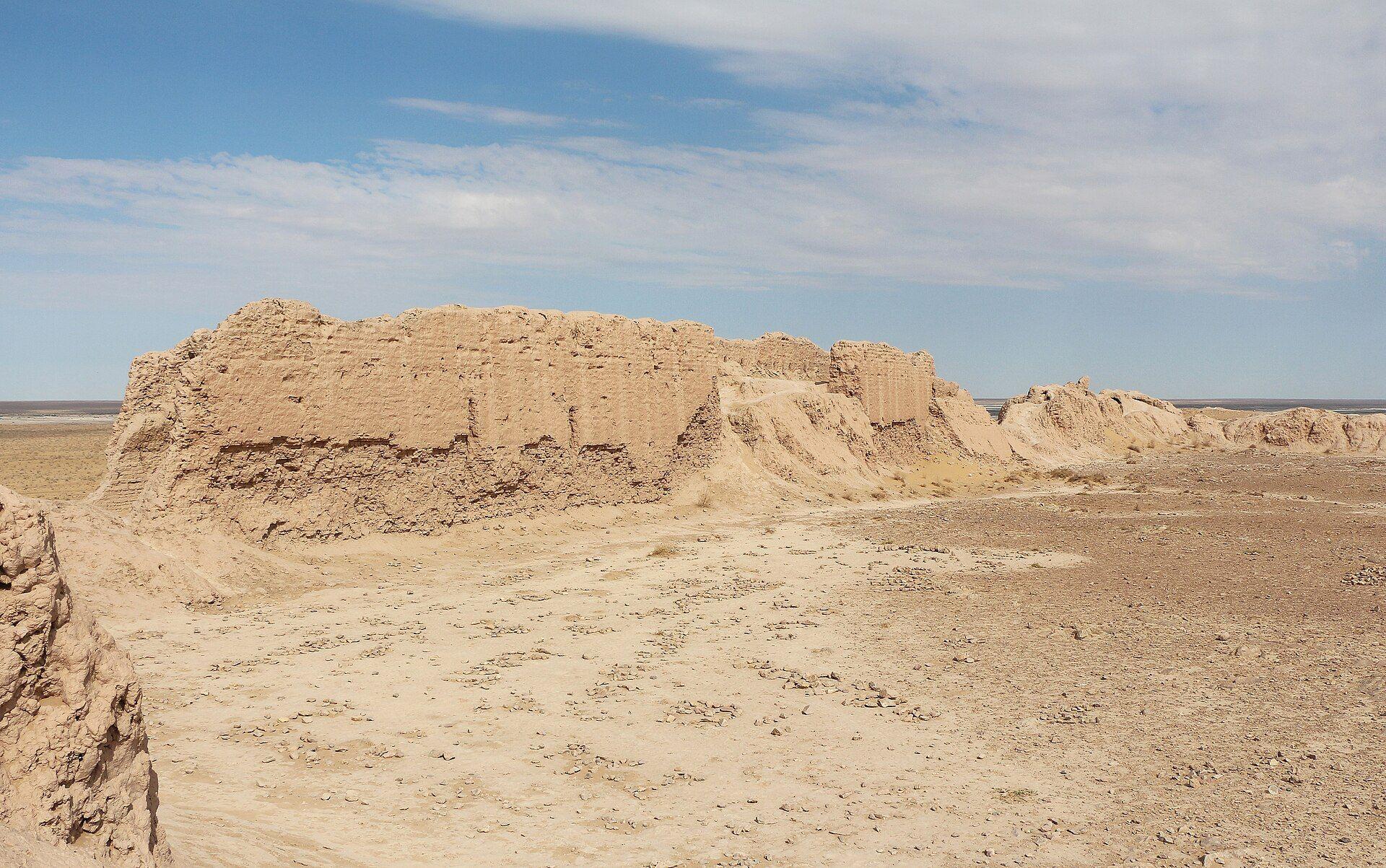
Nukus has daily flights from Tashkent of about 2 hours 15 minutes and a railway station on the line to Khiva and Bukhara; the overnight train from Tashkent takes about 16 hours. From Khiva the drive is 190 km, around three hours, crossing the Amu Darya and passing the desert fortresses of Ayaz-Kala and Toprak-Kala if you take the northern road. Muynak is 200 km north of Nukus, about three hours by car, and the Aral Sea shore another three to four hours beyond that by four-wheel drive.
For food, September and October are the best months: the melons are at their peak, pumpkin season begins, the fish festival usually falls in this window and the daytime heat has broken. March and April bring the dairy season and the green, wet delta. July and August are very hot, and midwinter is cold and windy but is the real season for fish.
Costs as of November 2026: Tashkent to Nukus flights are typically US$50 to 90 one way; a car with driver for the Muynak day trip, US$80 to 120; a yurt night at the Aral shore with dinner and breakfast, US$40 to 60 a person. Our Karakalpakstan itinerary guide has the full budget.
Eating Karakalpakstan with TourEast
We take the Karakalpak kitchen seriously because very few operators do. On Edge of the Map: Desert Forts and the Vanished Aral, the seven-day route from Khiva through the fortresses to Nukus, Muynak and the sea, the yurt camps at Ayaz-Kala and on the Aral shore are full board and lunch in Muynak is included, and on request we book a beshbarmak dinner in Nukus or ask for fish plov in Muynak. Our twelve-day small group, The Long Caravan: 12 Days Across Uzbekistan, adds Nukus and the Savitsky Museum to the classic cities, and a Karakalpak dinner in Nukus can be arranged at extra cost. If you want the fish festival, a home-cooked juweri gurtik with a Chimbay family or a trip timed to the melon season, tell us the month and we will build the days around it.
Frequently asked questions
Photo gallery
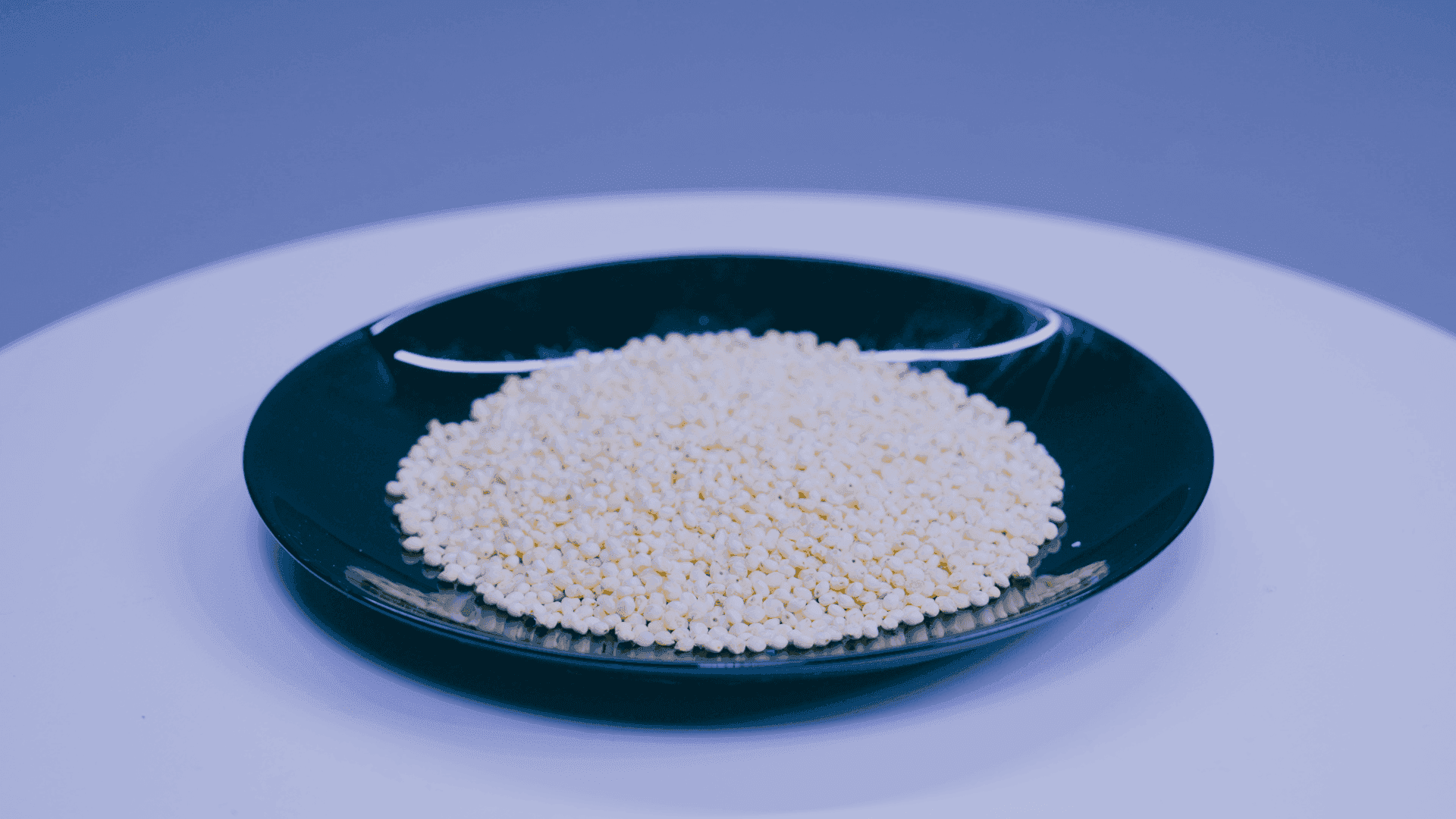
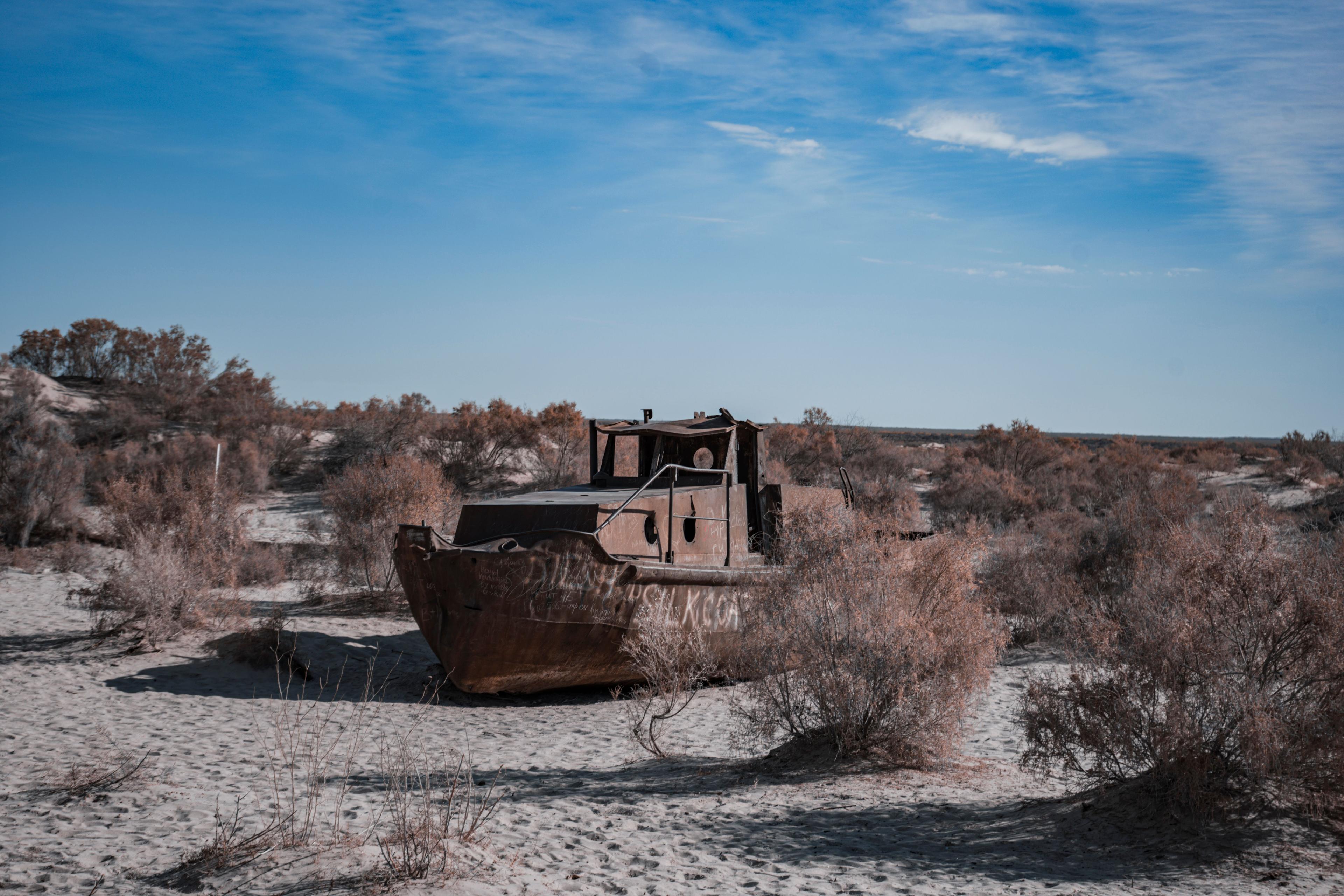
Photo: Janabaevazizbek / Wikimedia Commons, CC BY-SA 4.0; Rabiga Shabatova / Wikimedia Commons, CC0; Arian Zwegers / Wikimedia Commons, CC BY 2.0; AIDEPCUL / Wikimedia Commons, CC BY 4.0; Koshkinhome / Wikimedia Commons, CC BY-SA 4.0