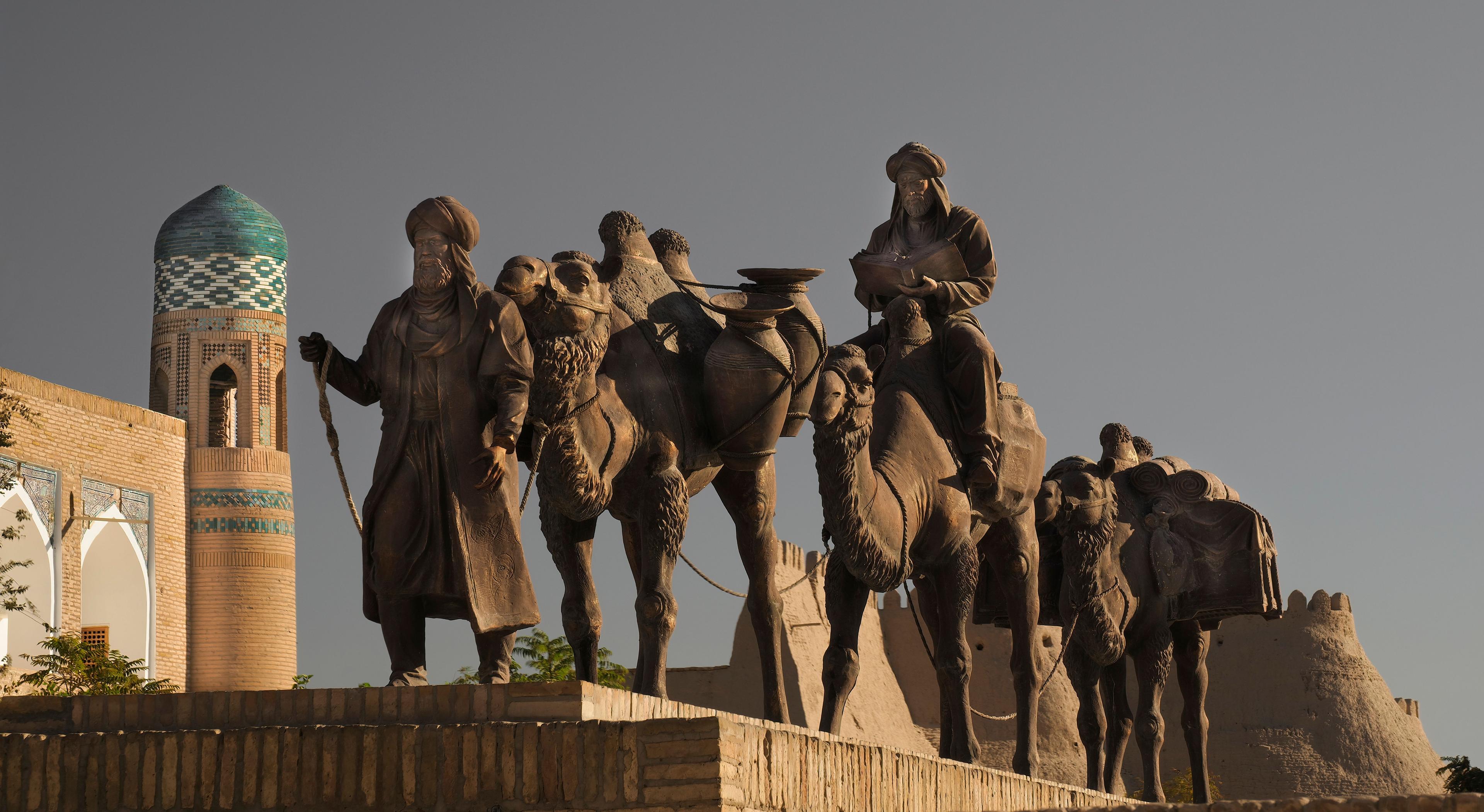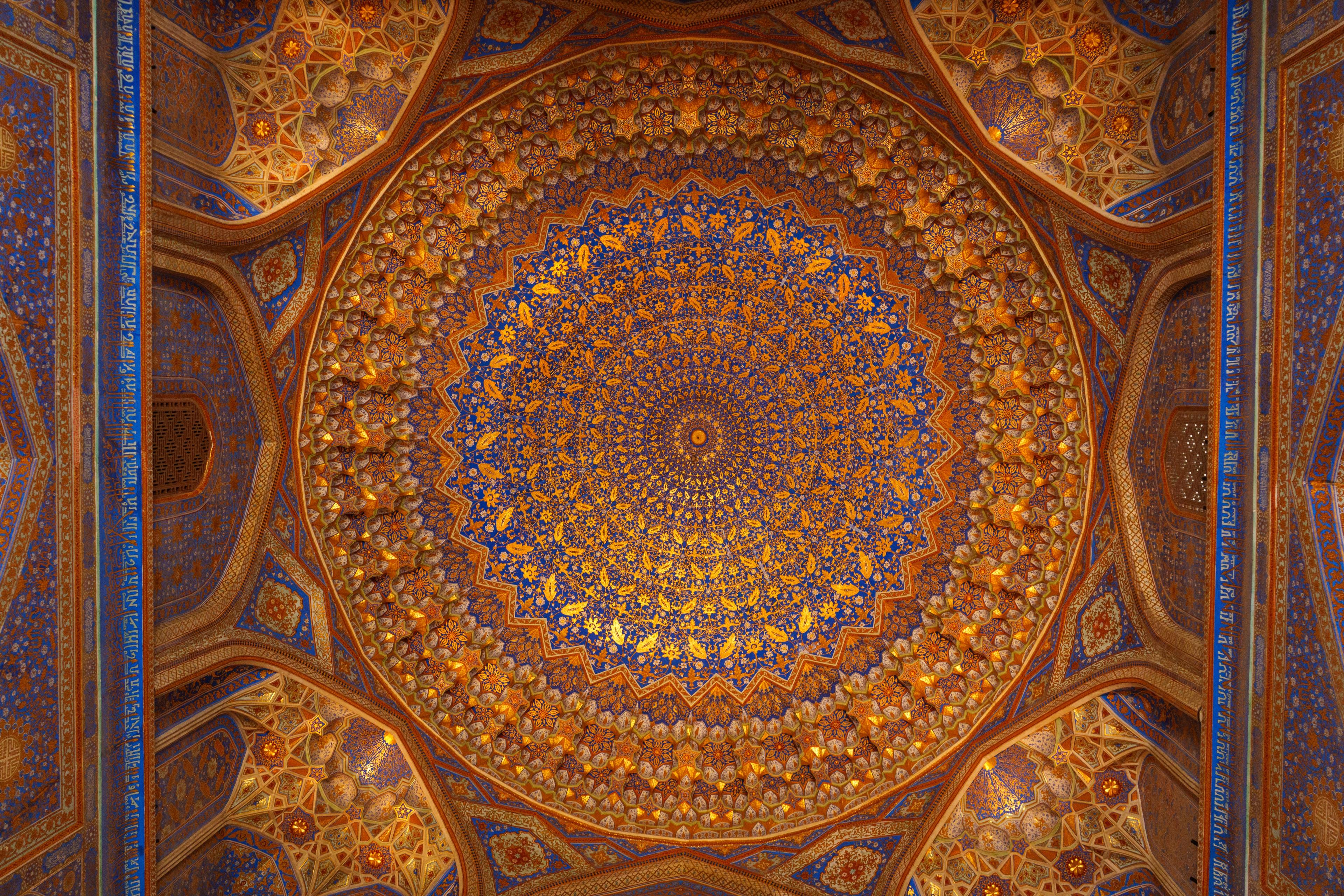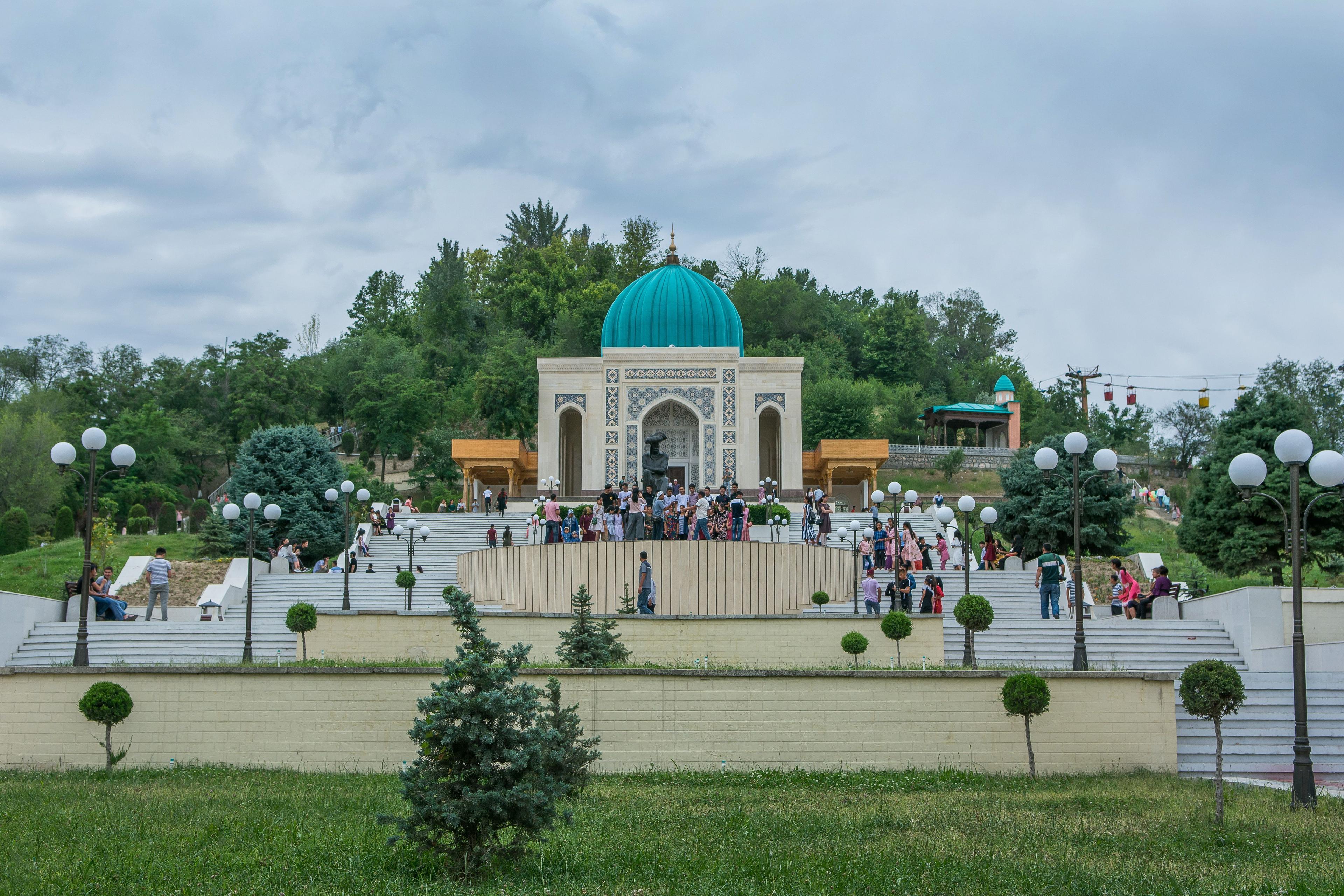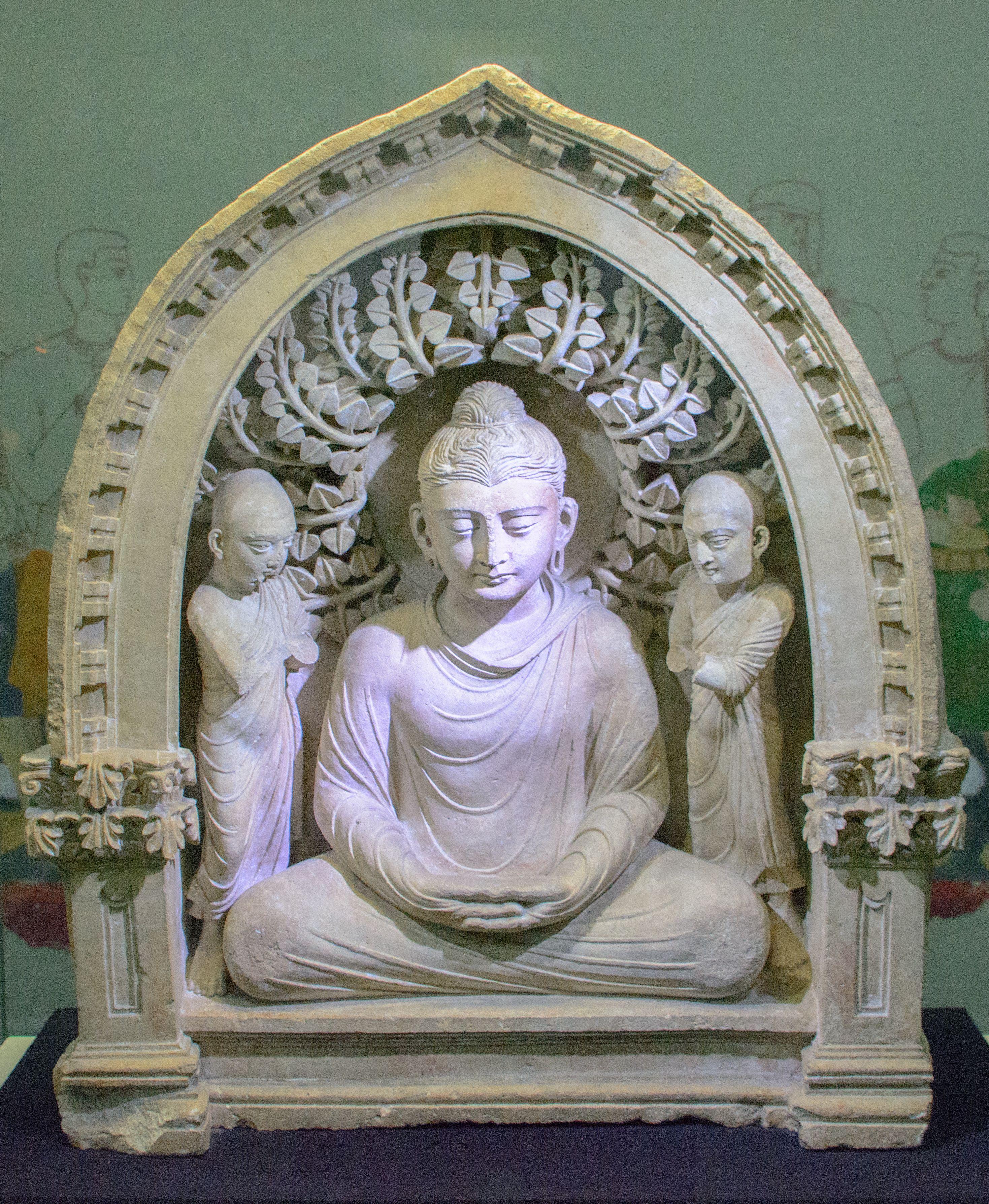
In 1404 a Castilian knight named Ruy González de Clavijo rode through the Iron Gates, slept in Shakhrisabz and was received by Timur in a Samarkand garden. His diary is the best eyewitness account of the Timurid capital. The route he took, what he saw, what still stands, and how to follow him today from Termez to Bukhara.
Facts, prices and schedules checked on November 11, 2026
On 8 September 1404 three Castilians in travel-stained clothes were led through a Samarkand orchard to a man sitting cross-legged on cushions before a fountain, dressed in silk, with a hat crowned by rubies and pearls. He was nearly seventy and his eyes were failing. The man was Timur, lord of everything from Delhi to Damascus, and the leader of the three, Ruy González de Clavijo, chamberlain to King Henry III of Castile, had taken sixteen months to reach him. Timur asked after "my son the king of Spain" and had the envoy of the Chinese emperor moved to a lower seat. Clavijo wrote it all down.
His diary, published in Spanish in 1582 as the Embajada a Tamorlán, is the only detailed account of Timur's capital by a European who stood in it, and for a traveller it has a second use: it is a route. Clavijo entered what is now Uzbekistan at Termez, crossed the Iron Gates into Kashkadarya, stayed in Shakhrisabz, rode over the Takhtakaracha pass into Samarkand and left for Bukhara. We follow him here, with his dates, what he saw and what still stands.
Why a Castilian knight went looking for Timur
The reason was the Ottomans. In July 1402 Timur crushed Sultan Bayezid at Ankara, which delighted every Christian court that feared the Turks. Henry III of Castile had two observers at the battle; they came home with a Timurid envoy, and the king sent an embassy in return to propose an alliance. Clavijo led it, with a Dominican friar and a royal guard who died on the road in Persia.
They sailed from Cádiz on 22 May 1403, wintered in Constantinople, left on 20 March 1404 and reached Trebizond on 11 April. From there they rode east through Tabriz, Tehran, Nishapur, Mashhad and Balkh, chasing a court that was always a week ahead of them. The alliance never came to anything. The book did.
Termez and the Iron Gates: entering Timur's homeland
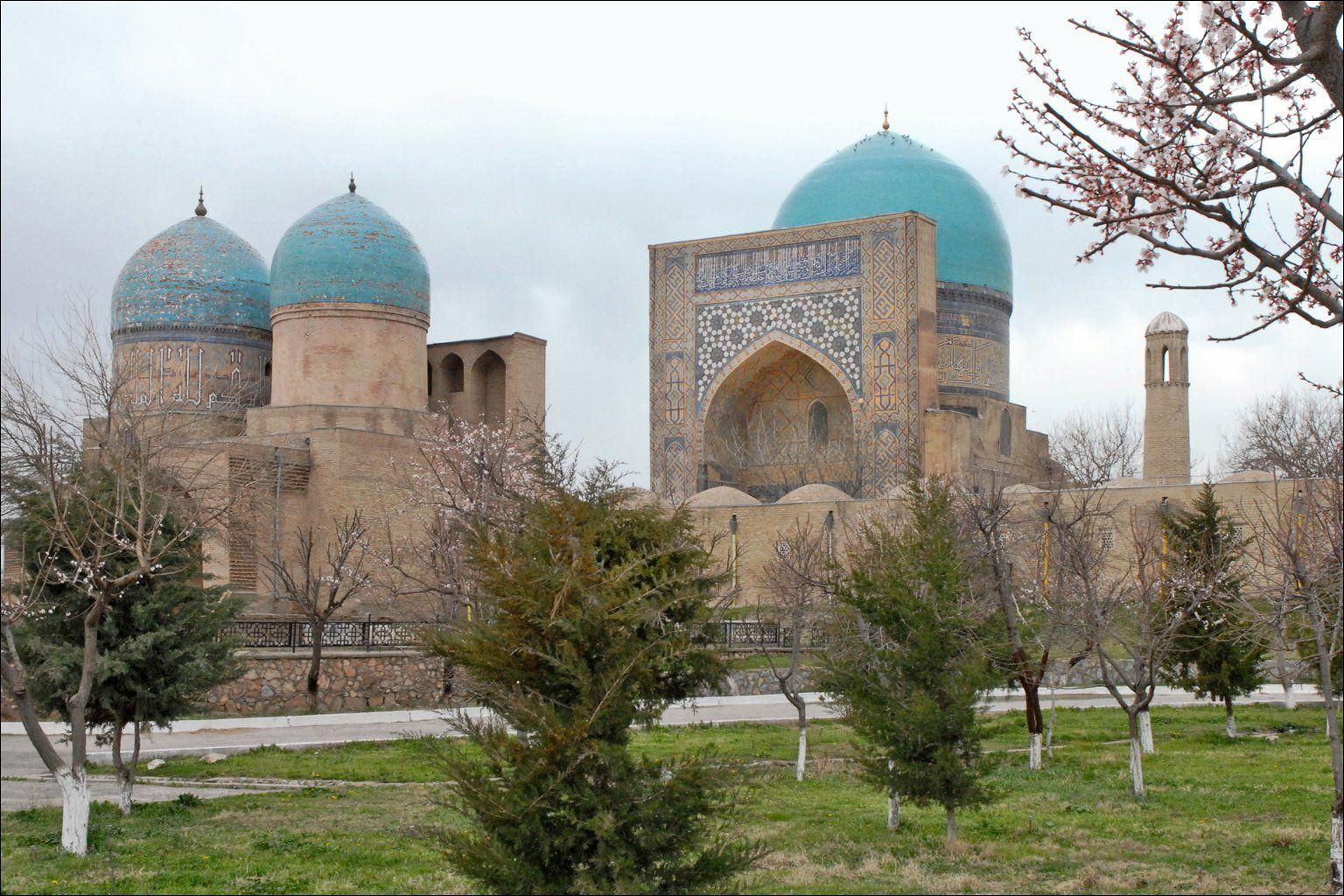
Clavijo crossed the Amu Darya on Thursday 21 August 1404 and reached Termez that evening, "a great city" on the north bank. Today the Sultan Saodat and al-Hakim at-Termizi complexes stand at the edge of that medieval town, and both were already places of pilgrimage when he rode past.
From Termez the road climbed north into the mountains to the Iron Gates, the Buzgala defile near modern Derbent in Surkhandarya, a cleft so narrow that Clavijo thought it had been cut by human hands. He noted that Timur controlled the pass, took customs from the caravans to India and had a customs house of burnt brick there; the defile was the gate to Samarkand, and anyone coming from the south went through it. The modern road from Termez to Shakhrisabz follows the same line, and the gorge is still a dramatic hour of driving; nearby Uzundara guarded the same route 1,700 years earlier.
Shakhrisabz, 28 August: the palace that took twenty years
On Thursday 28 August Clavijo arrived at Kesh, the town the Timurids were renaming Shahr-i Sabz, the Green City. He understood immediately why it mattered: Timur had been born here, his father was buried here, and the main mosque held his father's tomb and a second chapel being built for Timur himself, whose doorway, Clavijo noticed, Timur had ordered raised because it was too low.
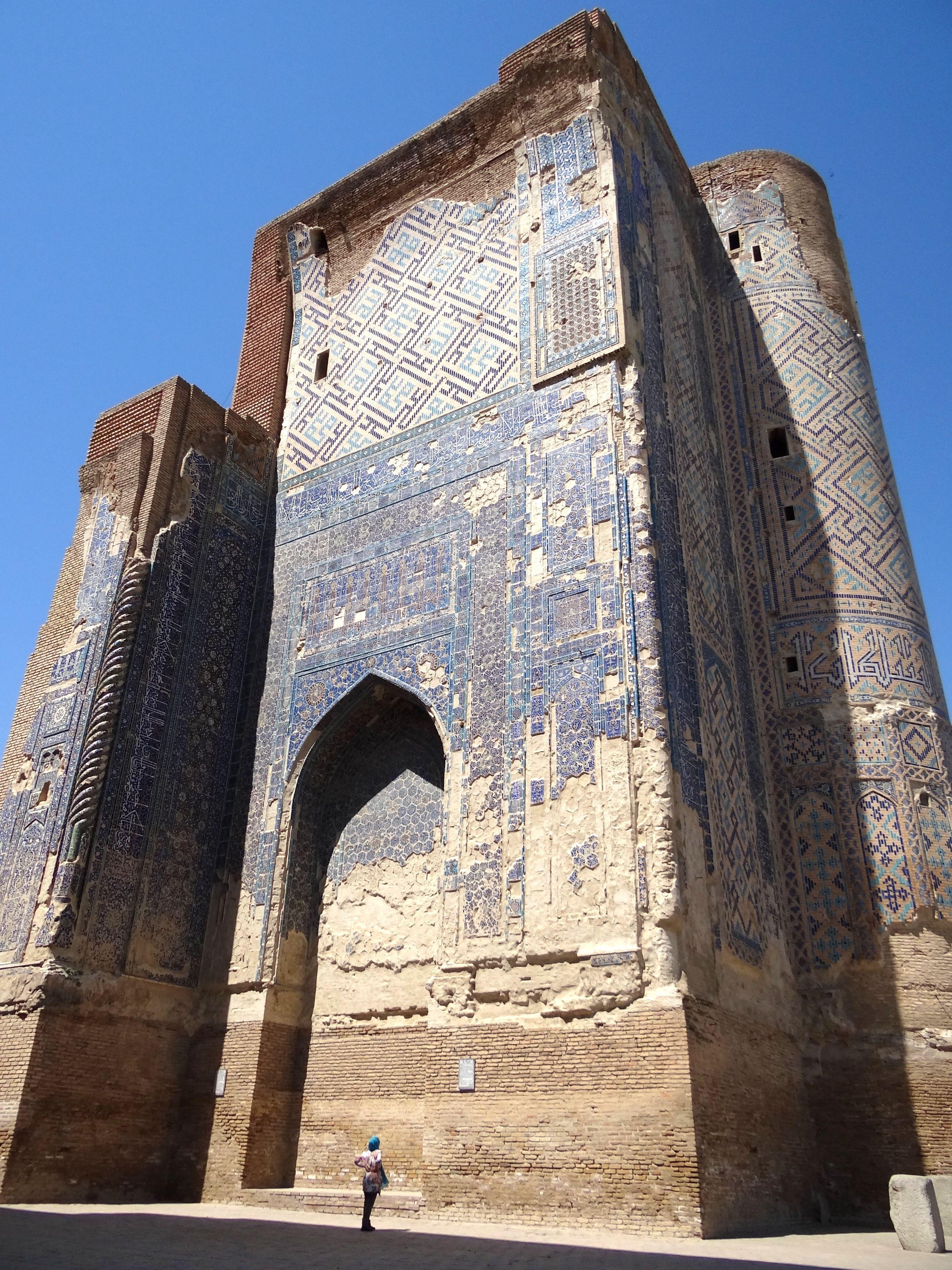
The next day he was shown the palace, Ak-Saray, and was told that construction had been going on for about twenty years. He describes blue-tiled archways, a courtyard some 300 paces wide, and reception halls of gilt and blue tile so fine that, he wrote, craftsmen from Paris would admire them. What survives is the portal: two broken pylons 38 metres high, still faced with the tilework he admired, the largest fragment of Timurid architecture anywhere. In the Dorus-Saodat ensemble, the crypt prepared for Timur is open to visitors, empty, because he was buried in Samarkand instead. Shakhrisabz is 90 km from Samarkand and makes a full day; our Shakhrisabz day-trip guide covers the practicalities.

Over the Takhtakaracha pass to the gardens
From Shakhrisabz the embassy rode north over the Takhtakaracha pass, 1,670 metres over the Zarafshan range, and dropped into the Samarkand oasis. Clavijo's first impression was of gardens: the suburbs, he wrote, were more populous than the walled city, and orchards and vineyards stretched a league and a half or two leagues around it, with water channels everywhere and melons dried for winter. The road over the pass takes 90 minutes today, and in spring the almond slopes on the Kashkadarya side are the reason to take it.
Timur kept the embassy waiting in one of his suburban gardens, as he kept everyone, while he hunted. Clavijo names several: Dilkusha, Bagh-i Naw, Bagh-i Chinar, each a walled square with a palace at the centre, running water, pavilions of silk and trees chosen for shade and fruit. None survives above ground, but the Timurid garden plan is the ancestor of the Mughal gardens of Kabul and Agra, and the Eternal City resort has tried, with mixed results, to rebuild the atmosphere.
8 September: the audience
The reception took place in a garden with a palace, which Clavijo describes in the order he saw it: the gate, the guards, six elephants with wooden castles on their backs, the fountain throwing water into a basin where red apples floated, and before it, on a dais of cushions, Timur. The envoys knelt; Timur bade them rise and asked after his "son" the king of Spain, "the greatest king of the Franks", and when the envoy of the Ming emperor, who had come to demand seven years of unpaid tribute, was placed above the Castilians, Timur had him moved below them. Clavijo records the slight with satisfaction. He also records Timur's eyesight, so weak that he could barely see the men before him. The old man had five months to live.
The weeks that followed were feasts in the Horde, Timur's tented camp outside the city: wine in gold and silver jugs, the Great Khanum presiding, meat carried in on leather because of its weight and carved by men kneeling. Clavijo, a sober Castilian, was alarmed by how much the Tatars drank. His pages on the feasts are the most quoted in the book because nothing else like them exists; the Persian court historians thought such things beneath notice.

The mosque with the gate that was too low
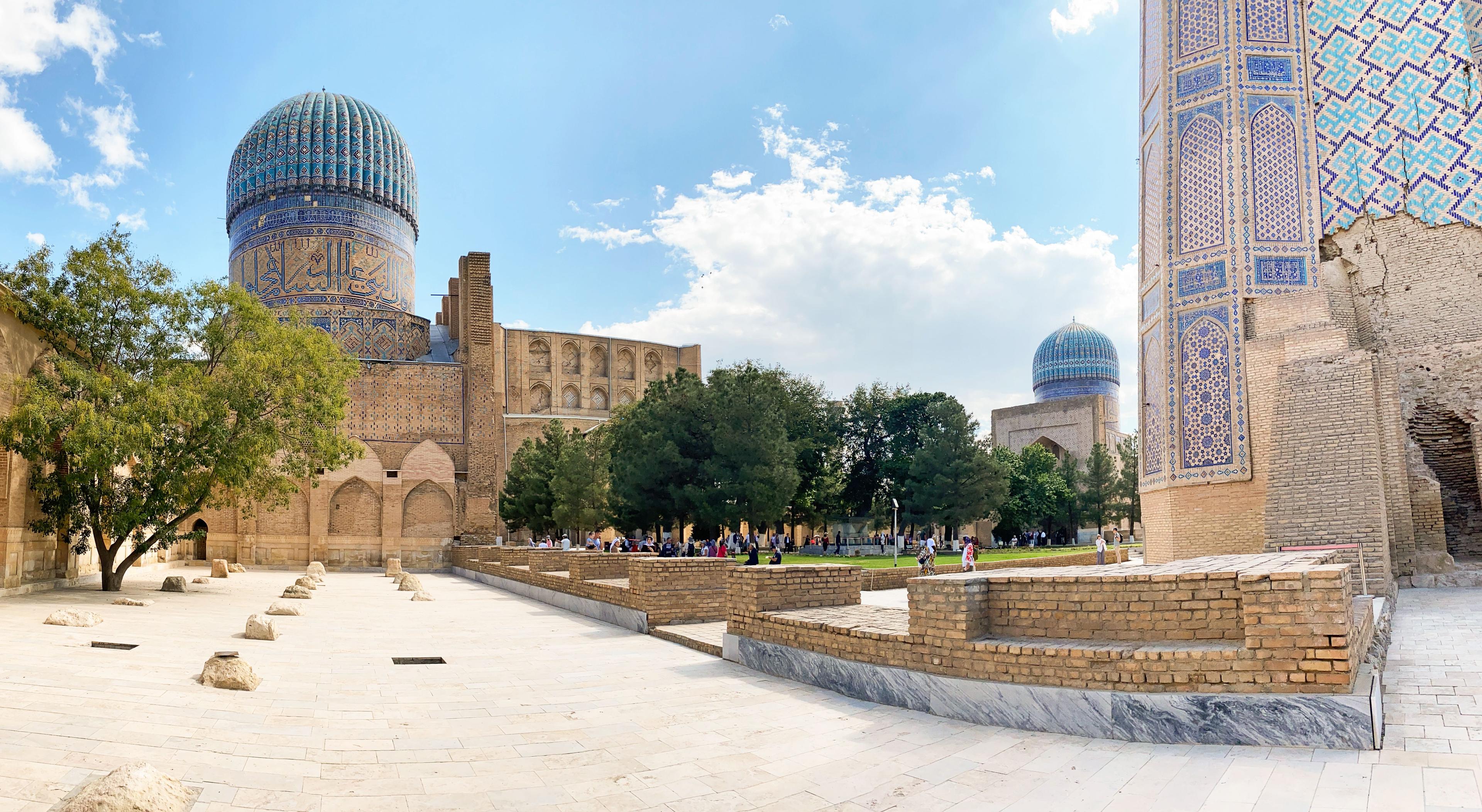
Two of Clavijo's observations can be checked against standing stone. The first is the Bibi-Khanym Mosque, which Timur was building in memory of his wife's mother and which Clavijo called the noblest of all they visited in the city. Timur, returning from campaign, found the entrance gateway too low, had it pulled down, and personally supervised the rebuilding, throwing cooked meat and coins down to the workers in the foundations; the work stopped only when the winter snows came. Clavijo saw it unfinished. The portal that stands today, 35 metres high, replaced the gate Timur rejected; much of the rest is 20th-century reconstruction.
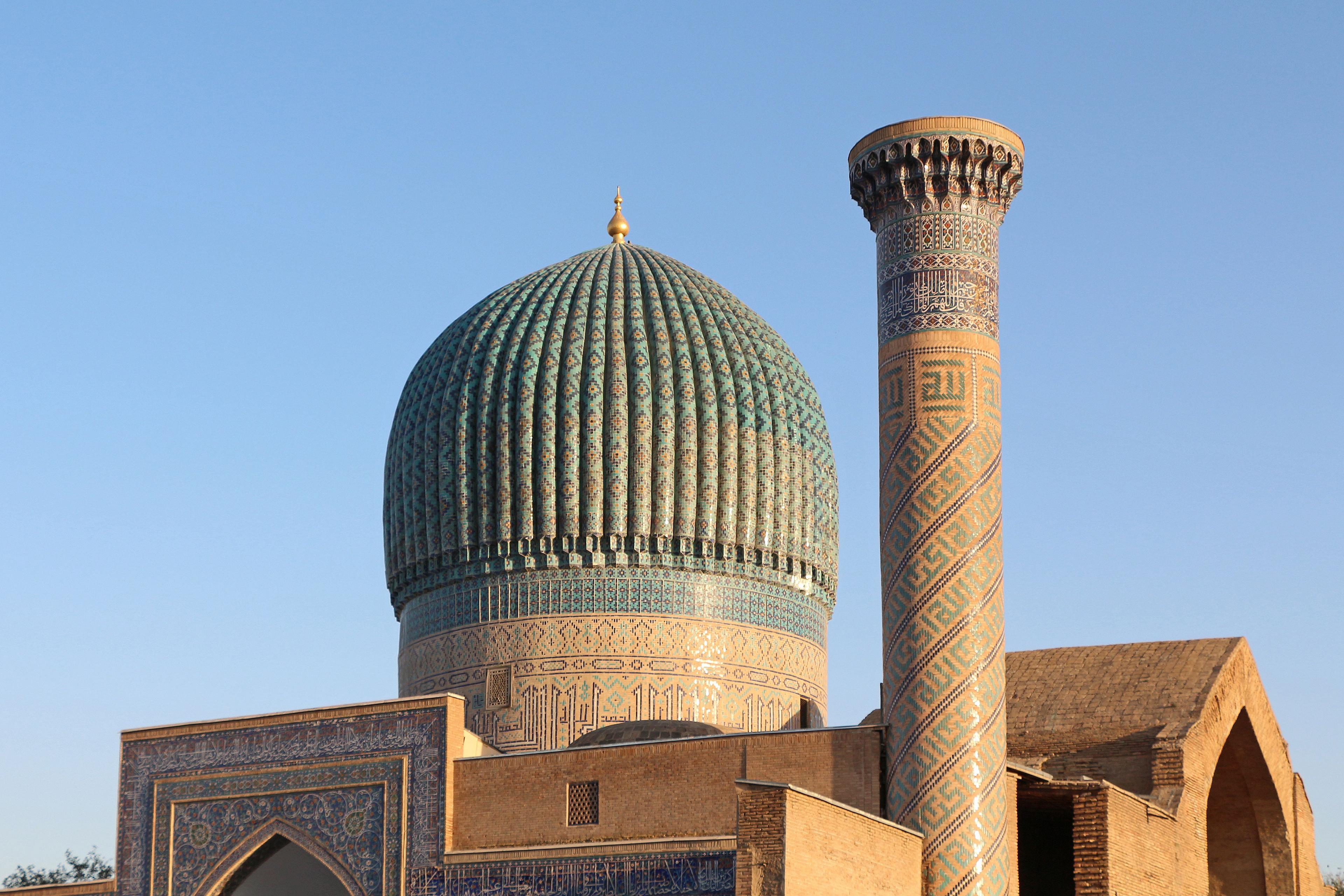
The second is the new bazaar street. Timur ordered a covered street of shops driven straight through the city, and Clavijo watched it done in twenty days, houses demolished without compensation; when the religious notables protested, Timur told them the land of the city was his. The line of that street still runs from the Registan towards Bibi-Khanym, now the pedestrian avenue tourists walk. He also describes the Gur-e-Amir, then the new tomb of Timur's grandson, whose chapel Timur had rebuilt in ten days because he disliked it; on 30 October the embassy attended its feast. Four months later it would receive Timur himself.
What Samarkand looked like in 1404
Clavijo guessed the population at 150,000, Turks, Arabs, Greek and Armenian Christians, so many that people lived in caves and tents outside the walls. He listed the craftsmen Timur had deported to build the city, weavers from Damascus, glassmakers and masons from Turkey, a thousand armourers in the citadel, and catalogued the trade: furs and linen from Russia, silk, musk, rubies and rhubarb from Cathay, nutmeg, cloves and cinnamon from India. Much of this the Persian chronicles confirm; some is what a tired envoy was told. The Afrasiab Museum and the Amir Timur Museum in Tashkent, where the embassy has its own case, fill in the rest.
21 November: sent away without an answer
In November Timur fell ill. He could no longer walk or ride and was carried in a litter from garden to garden, and the court, preparing for the campaign against China, wanted the foreigners gone. On Friday 21 November 1404 the ambassadors were told to leave, without the letter to King Henry they had come for. Six days later Timur set out for China; he died at Otrar, on the Syr Darya, in February 1405.
Clavijo rode west to Bukhara, then back across Persia and Armenia, and presented himself at the Castilian court on 24 March 1406, almost three years after leaving Cádiz. He died in Madrid in 1412. A street in Samarkand carries his name today.
Following Clavijo today: route, time and cost
The embassy's Uzbek leg, Termez to Samarkand to Bukhara, is one of the best weeks you can spend in the country, and it runs against the usual tourist flow:
- Day 1–2: fly Tashkent to Termez (about 1 hour); the Buddhist sites, the museum and the shrines Clavijo passed.
- Day 3: north through the Iron Gates and Boysun to Shakhrisabz, 5 to 6 hours with stops; Ak-Saray in afternoon light.
- Day 4: Dorus-Saodat and the crypt, then the Takhtakaracha pass to Samarkand.
- Day 5–6: Bibi-Khanym, the bazaar street, Gur-e-Amir and the Registan, which Clavijo never saw because Ulugbek had not yet built it.
- Day 7: train or road to Bukhara, where the embassy began its return.
A private car with driver for the mountain stages costs around US$80 to 120 a day in 2026; the Tashkent–Termez flight and the Samarkand–Bukhara train are both under US$40. April–May and September–October are the seasons; the pass can close with snow in January. For the text itself, Guy Le Strange's 1928 translation, Embassy to Tamerlane, is the standard English version and Markham's 1859 one is free online.
Travelling the Clavijo route with TourEast
Termez, the Iron Gates and Shakhrisabz are where our guides most enjoy working, and this road is one we know well. Silk Road in Silk, our private luxury route, does not go to Termez or Shakhrisabz as standard, but we can rebuild it in exactly his sequence, Termez to Shakhrisabz to Samarkand to Bukhara, with a historian guide who reads the relevant pages at each stop. Four Crowns, the classic eight-day route, covers Samarkand's Timurid monuments in two days and Bukhara in two more, and 48 Hours in Samarkand is the short version for travellers flying in from Madrid, Barcelona or Rome via Istanbul. We work in Spanish and Italian, and for groups we can add Termez and the pass as a three-day extension.
Frequently asked questions
Photo: Bgag / Wikimedia Commons, CC0; Arian Zwegers / Wikimedia Commons, CC BY 2.0; Carpodacus / Wikimedia Commons, CC BY-SA 4.0; Jean-Pierre Dalbéra from Paris, France / Wikimedia Commons, CC BY 2.0