A grounded guide to remote work from Tashkent in 2026: the visa situation (no nomad visa, 30 days visa-free for many, registration rules), real internet speeds and the SIM and fibre picture, coworking spaces and laptop-friendly cafes, monthly budgets of about US$900 to US$2,000, neighbourhoods, cash versus card, and weekend Silk Road trips.
Facts, prices and schedules checked on November 4, 2026
Tashkent is not yet on the digital nomad circuit, and that is part of its appeal. It is a large, safe, inexpensive capital with a good fibre network in the newer districts, a growing set of coworking spaces, a metro that costs pennies, excellent food, and the Silk Road cities a two-hour train ride away. It is also a city where a remote worker has to solve a few things that are automatic elsewhere: the lack of a nomad visa, the registration rule, local payment apps and a cafe culture that tolerates laptops rather than celebrates them.
This is a practical guide to being a digital nomad in Tashkent in 2026: the visa situation as it really is, internet speeds you can expect at home, in a coworking space and on a SIM, where to work, what a month costs, which neighbourhoods suit a longer stay, how money works, and how to use the city as a base for weekend trips to Samarkand, Bukhara and the mountains. It reflects the situation in November 2026; rules and prices change, and we say where to check.
Is there a digital nomad visa for Uzbekistan?
No. As of November 2026 Uzbekistan has no dedicated remote-work or nomad visa, and no announced plan for one. Remote workers use the ordinary tourist rules:
- Visa-free entry for up to 30 days per visit for citizens of more than 90 countries, including all of the EU, the United Kingdom, Switzerland, Norway, Canada, Australia, Japan, South Korea, Singapore, Malaysia, Indonesia, Turkey, the Gulf states and, since 1 January 2026, the United States.
- An e-visa, issued online in a few days, for most other nationalities, usually for 30 days, single or multiple entry.
- Visa-free entry without time limit for citizens of most CIS countries, who make up a good share of the remote workers actually living in Tashkent.
The 30-day limit is the practical constraint. Visa-free stays cannot be extended; when the 30 days end, you leave. Many nomads do a border run to Kazakhstan (Shymkent is two hours by road from Tashkent, Almaty an overnight train) or Kyrgyzstan and come back for a fresh 30 days. Re-entry is normally granted, but there is no published guarantee, and frequent back-to-back stays may draw questions at the border. If you want to stay for months, the honest options are a multiple-entry e-visa with runs, a business visa through a local company, or a residence permit, all of which take planning. Our Uzbekistan visa article has the current lists.
Registration. Every foreigner must be registered at their place of stay within three days of arrival. Hotels and licensed guesthouses do it automatically. If you rent a flat, you or your landlord must register you through the E-mehmon system, and you pay the nightly tourist levy. Many landlords are unfamiliar with the process; the simplest route is to rent through a platform or agent that handles it, or to spend the first nights in a hotel. Fines for non-registration are real. Our registration article explains it step by step.
Tax. Spend more than 183 days in a calendar year in Uzbekistan and you become tax resident. For a nomad on 30-day stays this is unlikely to arise, but take advice if you plan a long stay.
Internet speeds in Tashkent: what to expect
Internet is the thing nomads worry about, and the picture is better than old reviews suggest, though uneven.
Fibre at home. New residential complexes in Mirzo Ulugbek, Yunusabad, Mirobod and the Tashkent City area have fibre-to-the-flat from Uztelecom and private providers, with plans advertised at 100 to 200 Mbps and real-world speeds of 50 to 150 Mbps. Older Soviet-era blocks may have ADSL or shared connections at 10 to 30 Mbps. Ask for a speed test before you sign a lease; it is a normal request.
Coworking. The main spaces run on dedicated fibre and deliver 50 to 100 Mbps consistently, with backup lines. Video calls are fine.
Cafes. Wi-Fi is widespread but inconsistent: 10 to 40 Mbps in the good coffee shops, worse at peak hours. Treat cafe Wi-Fi as a bonus and rely on your phone.
Mobile. 4G from Beeline, Ucell, Uzmobile and Mobiuz covers the whole city, with typical speeds of 20 to 60 Mbps and 5G patches in central districts on Ucell and Uzmobile. Unlimited and large-data plans cost US$5 to US$15 a month. A phone used with a local SIM for more than a month must be registered with UzIMEI (a small fee); travel eSIMs avoid this but cost more per gigabyte. Our SIM card and eSIM article covers the options. Tethering from a local SIM is the standard backup for every nomad here.
Reliability. Power cuts are rare in Tashkent but do happen in winter cold snaps and summer heat peaks; a coworking space with a generator or a laptop with a good battery covers it. International latency to Europe is 60 to 100 ms, to the US east coast 150 to 200 ms. VPNs work; some international services are slow in the evening peak.
Coworking spaces in Tashkent
Tashkent's coworking scene has grown quickly since 2020 and is concentrated in the centre and in the new business districts. The best-known names in 2026:
- Ground Zero: several branches across the city, open long hours, with hot desks charged by the hour (from about 65,000 som an hour in October 2026), day passes and monthly desks. The default choice for a first week.
- C-Space: a large campus-style space with a restaurant, meeting rooms and parking, popular with start-ups and IT companies.
- Spaces in the IT Park complex and in Tashkent City's office towers, oriented toward resident companies but with desks for individuals.
- A dozen smaller independents in Mirobod, Yunusabad and around Amir Timur Square, often above or beside a coffee shop.
Typical 2026 prices: day passes US$8 to US$15, monthly hot desks US$80 to US$150, dedicated desks US$120 to US$200, private offices from US$300. Most require a passport to register and accept Uzbek cards or cash; some take Visa and Mastercard. Day passes are the way to test the room, the chairs and the speed before committing.
Laptop-friendly cafes. The speciality coffee shops that have multiplied around Amir Timur Square, along Sayilgoh (Broadway), in Mirobod and in Tashkent City Park are comfortable for a couple of hours with a laptop, and nobody minds. The etiquette is to order something every hour or so and to avoid taking a four-seat table at lunchtime. Chaikhanas, the traditional teahouses, are not for laptops.

Cost of living in Tashkent in 2026
Tashkent is cheap by European standards and getting less cheap by the year; rents rose about 10 per cent in the twelve months to mid-2026.
Rent. The citywide average for a one-bedroom flat was about US$400 a month in June 2026. In practice:
- US$300 to US$450: a decent one-bedroom in Chilanzar, Yakkasaray, Sergeli or the outer parts of Yunusabad, usually in a renovated Soviet block.
- US$500 to US$800: a modern one-bedroom in Mirzo Ulugbek, Mirobod or central Yunusabad, in a newer complex with fibre and a lift.
- US$900 to US$1,500: a new-build in the Tashkent City area or a two-bedroom with a view.
Short lets through Airbnb and local platforms run US$30 to US$60 a night for a good one-bedroom, with monthly discounts; a hotel room in a mid-range hotel is similar. Landlords expect a month's deposit and payment in cash or by local transfer; dollars are accepted by many.
Everything else, monthly:
- Utilities and internet: US$30 to US$60
- Food, cooking at home and eating out: US$200 to US$400. A plov lunch is US$2 to US$4; a dinner for two in a good restaurant US$25 to US$50; a speciality coffee US$2 to US$3.
- Transport: metro rides cost around 3,000 som (about US$0.25); Yandex Go taxis US$1 to US$3 across the centre. US$30 to US$60.
- Coworking: US$80 to US$150
- Gym: US$30 to US$80
- Phone: US$5 to US$15
Total: a lean month at about US$900, a comfortable one at US$1,300 to US$1,600, and US$2,000 or more with a new-build flat, a private office and regular travel. Our Uzbekistan travel cost article has prices for the tourist side of things.
Where to live: neighbourhoods for a longer stay
Tashkent is spread out and the metro is the backbone, so choose a district near a station.
- Mirobod (Mirabad): central, leafy, with the best cafe density, the Mirabad bazaar, embassies and many mid-range flats. The first choice for most nomads. Oybek and Mingo'rik metro.
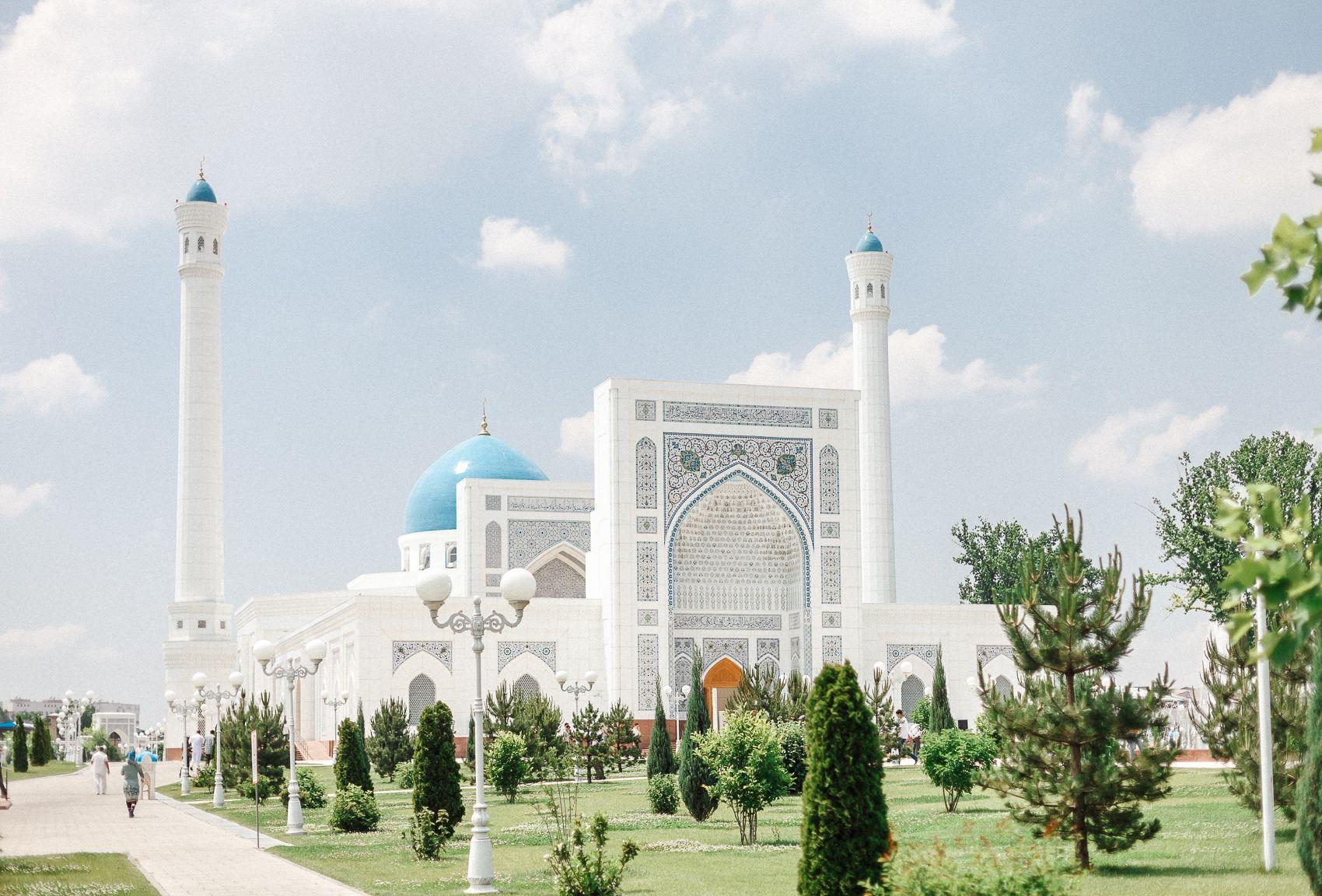
- Yunusabad: north of the centre, home to the TV tower, big parks, the Minor Mosque and a mix of Soviet blocks and new complexes; good value and well connected. Bodomzor and Yunusobod metro.
- Mirzo Ulugbek: east, near the botanical garden and the university quarter; quiet, residential, with new-build complexes and good fibre. Buyuk Ipak Yuli metro.
- Chilanzar: south-west, the great Soviet residential district, cheapest central rents, excellent metro links, lively local life and fewer expats. Several Chilanzar-line stations.
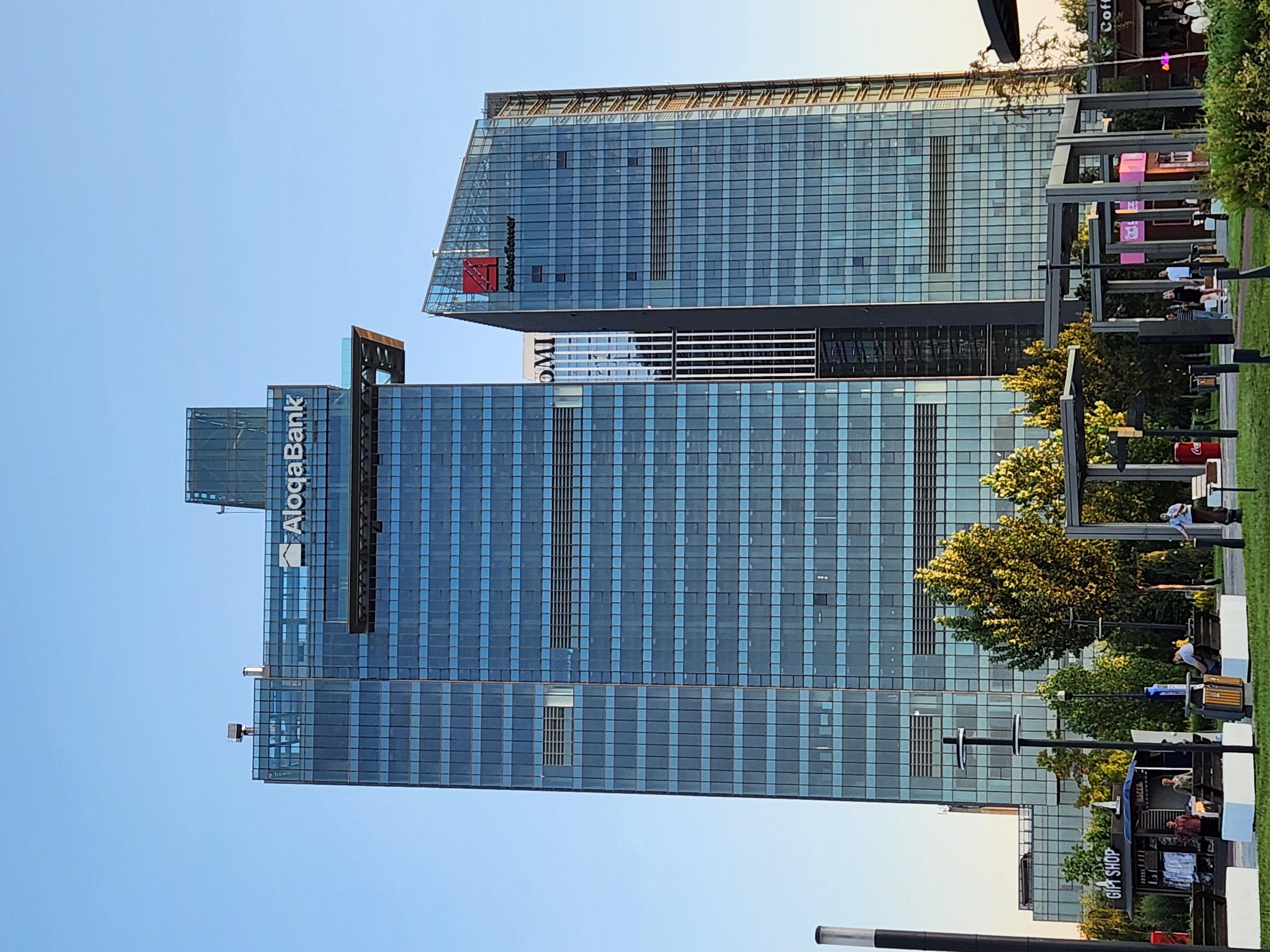
- Tashkent City and the Yakkasaray edge: the new business district with towers, the Tashkent City Park and international hotels; the most expensive flats, the most coworking, and the least character.
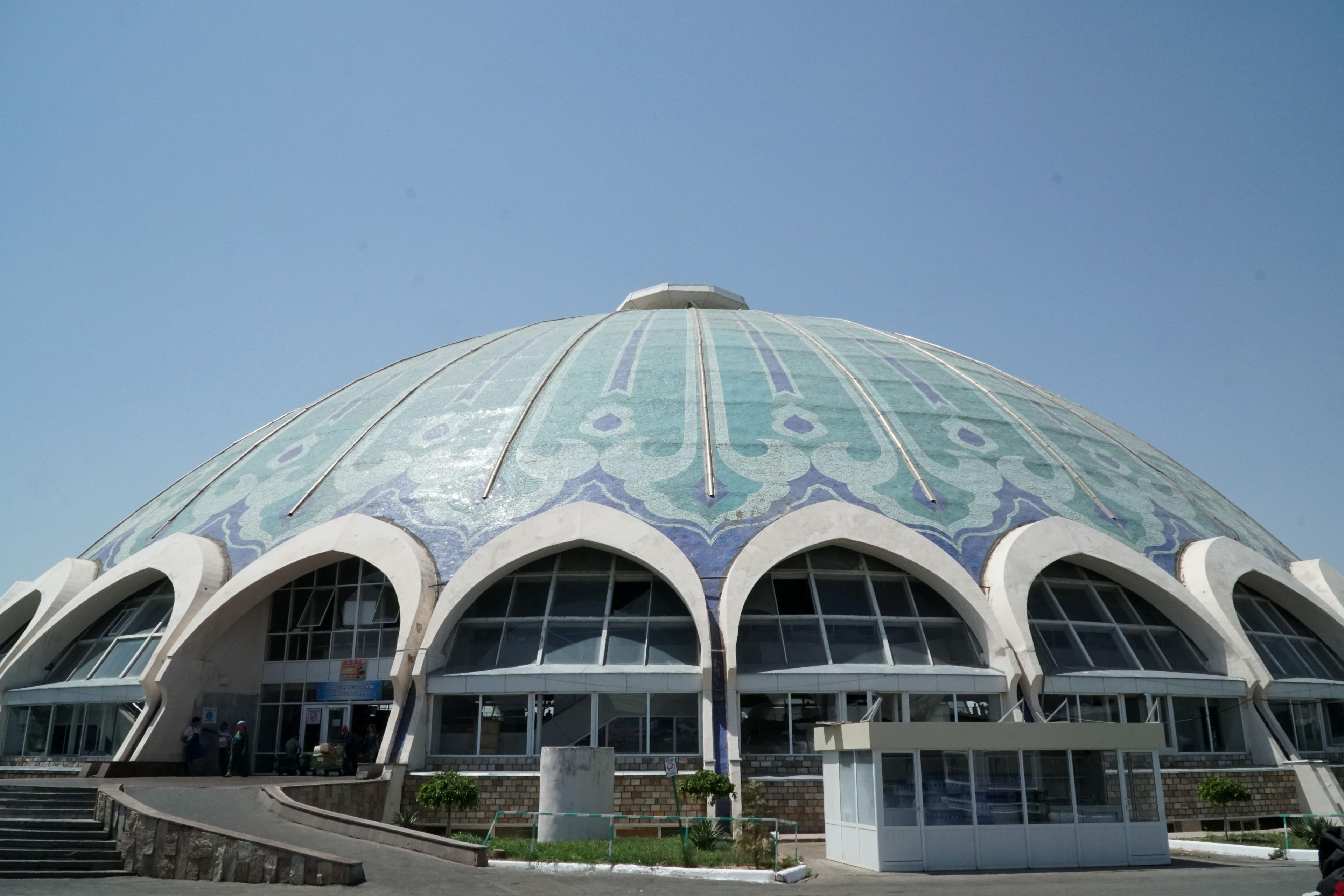
- The old city around Chorsu and Hazrati Imam: atmospheric, cheap, and poorly suited to laptop life; visit, do not live.
Avoid flats far from the metro in Sergeli or beyond the ring road unless you have a car. Tashkent summers reach 40 degrees from late June to August, so a flat with air conditioning is not optional; winters are cold and grey, and central heating in old blocks is often weak.
Money: cash, cards and local apps
Money is simpler than it was. Visa and Mastercard are accepted in supermarkets, chain restaurants, coworking spaces, hotels and most central cafes, and ATMs dispensing som (and sometimes dollars) are everywhere in the centre. Where cards fail is the bazaar, small shops, taxis paid in person and many landlords.
The local system runs on Uzcard and Humo cards and on payment apps (Payme, Click, Uzum) that need a local card. A foreigner can open an account and get a local card at several banks with a passport and registration, which makes life noticeably easier for a stay of more than a few weeks: Yandex Go, utilities, metro and the apps all work. For a 30-day stay, cash plus an international card is enough. Change dollars and euros at bank exchange offices, not on the street; the rate is official and the same everywhere. Our money article explains the som and tipping.
Daily life: safety, language, time zone, seasons
Safety. Tashkent is one of the safest large cities in Asia for everyday life: low street crime, a visible police presence, safe late-night walking in the centre. Our is Uzbekistan safe and solo female travel articles go into detail. The usual caution with taxis (use the app) and with crossing roads applies.
Language. Uzbek is the state language; Russian is spoken by most people in Tashkent and is the practical lingua franca in shops and offices; English is common among the under-30s, in cafes and in the IT sector, and rare elsewhere. A few phrases in Uzbek and Russian are worth the effort; our phrase guide helps.
Time zone. Tashkent is UTC+5 all year. That is four hours ahead of London in winter and three in summer, two to three hours ahead of Central Europe, and ten hours ahead of New York in winter. A European working day runs from early afternoon to late evening Tashkent time, which suits night owls; US clients mean late nights.
Seasons. The pleasant months are March to mid-June and September to early November. July and August are very hot; December to February cold, with occasional snow and poor air quality on still days. The ski resorts of Amirsoy and Chimgan are 90 minutes away for winter weekends.
Community. A small nomad and expat community gathers through Telegram groups, coworking events and a couple of weekly meetups; the IT Park runs public events. It is friendly and small enough that you will know the faces within a month.
Weekend trips: Tashkent as a Silk Road base
This is where Tashkent beats most nomad bases. From the capital:
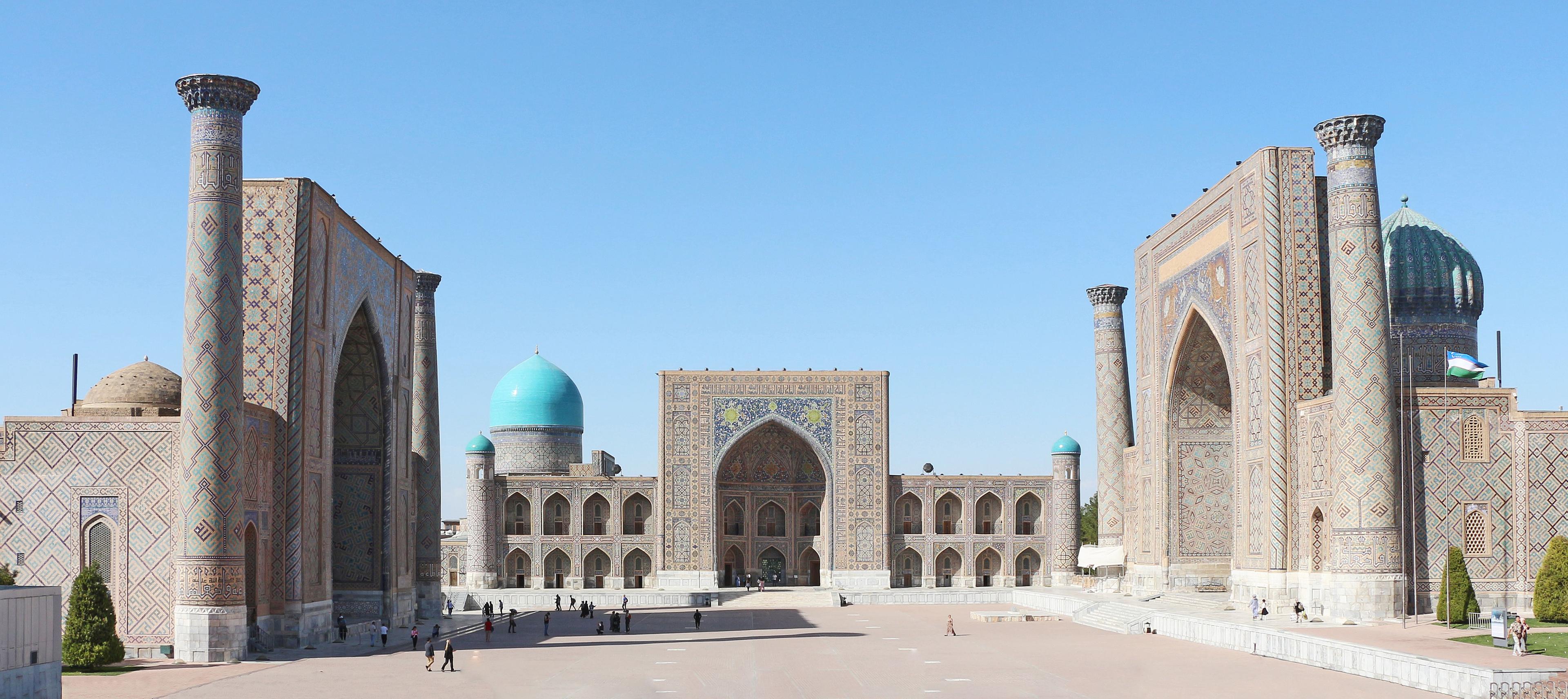
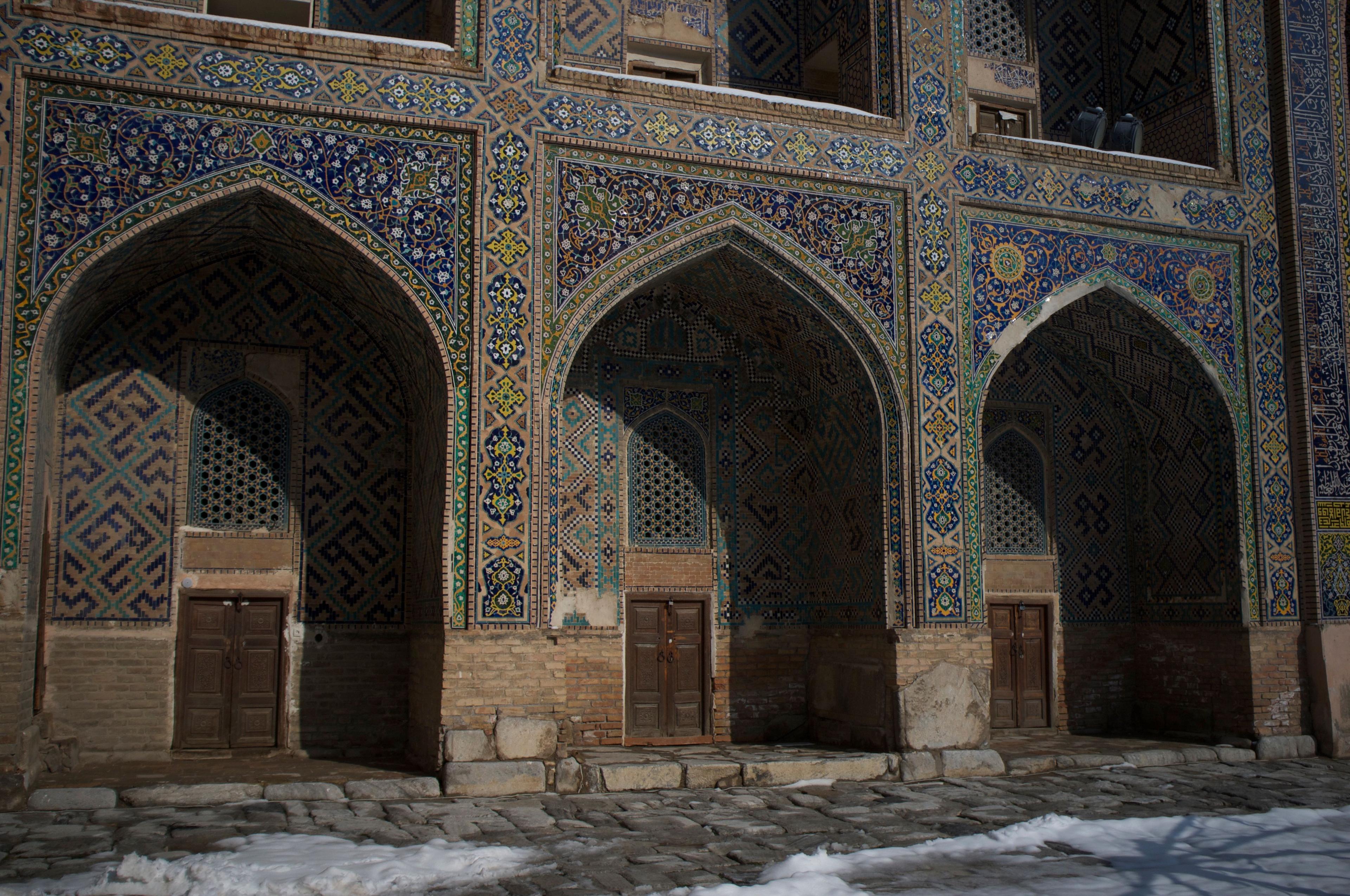
- Samarkand: the Afrosiyob high-speed train takes about two hours and ten minutes, with several departures a day; economy class is around US$26 in 2026. Leave Friday evening, see the Registan and Shah-i-Zinda, return Sunday night. Our Samarkand weekend tour and Samarkand two-day itinerary are built for exactly this.
- Bukhara: under four hours by Afrosiyob or an overnight sleeper; a long weekend.
- Khiva: a flight to Urgench or the day train; three days.
- Chimgan and Charvak: 90 minutes by road for hiking, the lake and skiing; a day trip.
- The Fergana Valley: four hours by train through the Kamchik Pass for silk, ceramics and samsa; a weekend.
- Shymkent and Turkestan in Kazakhstan: two and five hours by road, a visa-run that is also a trip.
Book train tickets a week or two ahead for Friday and Sunday departures; the Afrosiyob fills. Our train ticket article explains the official site and the apps.
Working from Tashkent with TourEast
We are a tour operator, not a relocation agency, but we help remote workers who use Tashkent as a base in two ways: with private weekend and short tours to Samarkand, Bukhara, Khiva, the mountains and the Fergana Valley that fit around a working week, and with practical advice on the registration rule, SIM cards and transport for a longer stay. Tell us your dates and your deadlines and we will plan the trips around them.