Too few nights in Bukhara, a July heatwave, late train bookings, cash shortages, a rushed Khiva: the twelve most common first-trip errors in Uzbekistan, ranked, with a practical fix for each as of November 2026.
Facts, prices and schedules checked on November 4, 2026
Uzbekistan is an easy country to enjoy and a surprisingly easy one to plan badly. The sights are close together on the map but far apart in time, the climate swings between 40 degrees and frost, and the practical details, from cash to registration, are different from what most travellers expect. Most of what goes wrong on a first trip comes from the same dozen mistakes.
This list is ranked roughly by how much each one costs a traveller in time, money or enjoyment. Every mistake comes with a fix and, where there is one, a pointer to our detailed guide. Prices and rules are as of November 2026; check official sources for anything you are about to pay for or sign.
Mistakes 1 and 2: too few nights, and too many cities
Mistake 1 is giving Bukhara and Samarkand one night each. The Registan, Gur-e-Amir, Shah-i-Zinda and the Siab Bazaar fill two days in Samarkand. Bukhara's old town rewards two full days, which in practice means three nights, because the best light is in the early morning and after dinner, when day-trippers have gone.
The fix: plan two nights in Samarkand, two or three in Bukhara and one or two in Khiva. If you only have five days, do Tashkent, Samarkand and Bukhara and leave Khiva for another trip; our 5-day and 7-day itineraries show how.
Mistake 2 is the opposite error: trying to add Khiva, the Fergana Valley, the Aral Sea and a yurt camp to a week. Distances in Uzbekistan are modest on paper, but Tashkent to Khiva is a day's journey by train or a flight, and the Aral Sea is a long road beyond that. Every extra city costs half a day in transfers.
The fix: choose a spine (Tashkent, Samarkand, Bukhara, optionally Khiva) and add a detour only if you have at least ten days. Our guide to choosing between Samarkand, Bukhara and Khiva helps you decide what to drop.
Mistake 3: coming in the wrong season, or ignoring the weather
Uzbekistan has a continental climate. In July and August afternoons above 40°C are common in Bukhara and Khiva, and sightseeing in shadeless courtyards at noon becomes miserable. In January, average daytime highs are about 7°C in Tashkent, Samarkand and Bukhara and about 3°C in Khiva, with nights below freezing.
The fix: spring (April to May) and autumn (September to October) are the sweet spot. If you must travel in summer, start at 7:00, rest from 12:00 to 16:00 and return for sunset. In winter, pack layers and enjoy empty monuments. Spring and autumn nights can fall below 10°C even after warm afternoons, so layers matter more than a heavy coat. See our guides to weather by month and the best time to visit.
Mistake 4: booking trains at the last minute
The Afrosiyob high-speed train and the Sharq trains are the best way to move between Tashkent, Samarkand and Bukhara, and in spring, autumn and around public holidays the good departures sell out. Sales open up to 60 days before departure (some trains later), and tourists who wait until they arrive often find only early-morning or late-evening seats.
The fix: set a reminder for the day sales open, buy on the official railway site or app, and leave a spare half-day in the plan so one sold-out train does not wreck the route. Our guide to booking Uzbekistan train tickets walks through the process, and the Afrosiyob guide explains the timetable.
Mistake 5: arriving without enough cash
Card payments have spread quickly, and Visa and Mastercard work in most hotels, modern restaurants, supermarkets and many shops in the big cities. But bazaars, small cafés, taxis outside the apps, toilets and tips are cash, and many smaller towns and guesthouses expect som. In November 2026 one US dollar buys roughly 12,000 som, so notes carry many zeros and a 200,000 note is worth about 17 dollars.
The fix: withdraw som from bank ATMs as you go (a few large withdrawals reduce fees), bring a reserve of clean, recent US dollars or euros, change money only at banks and official counters, and keep small notes of 5,000 and 10,000 som for the day. Tipping norms are covered in our tipping guide, and our money guide explains cards, ATMs and exchange.
Mistake 6: ignoring visa and registration rules
Many travellers assume they need a visa when they do not, or that registration is somebody else's problem. Citizens of more than 90 countries, including the EU, UK, USA, Canada, Australia, Japan, China, Malaysia and Indonesia, can visit visa-free for up to 30 days; most others can apply for an e-visa on the official portal only. Every foreign visitor must also be registered at their place of stay within three days of arrival. Hotels do this automatically; hosts of private flats must do it themselves.
The fix: check your nationality on the official e-visa portal before you book, rules change, and keep the registration slips from each stay until you leave. If you stay in a homestay or flat, ask the host how they register you. Our guides to the Uzbekistan visa and to registration of foreigners go through the details.
Mistake 7: rushing Khiva, and treating it as a stop on the way
Khiva is a small walled city, and day-trippers see it through a haze of tour buses. The Ichan-Kala ticket (about 250,000 som for foreigners in 2026, valid for 48 hours) rewards a slow second day. At dusk and dawn the walled city is almost empty, and the light on the Kalta Minor minaret is worth staying for.
The fix: if you go, sleep inside or beside Ichan-Kala for at least one night. If time is short, skip Khiva and give the days to Bukhara. Our one-day Khiva itinerary and the Ichan-Kala guide show how to use the hours well.
Mistakes 8 and 9: dressing for the wrong place, and eating on autopilot
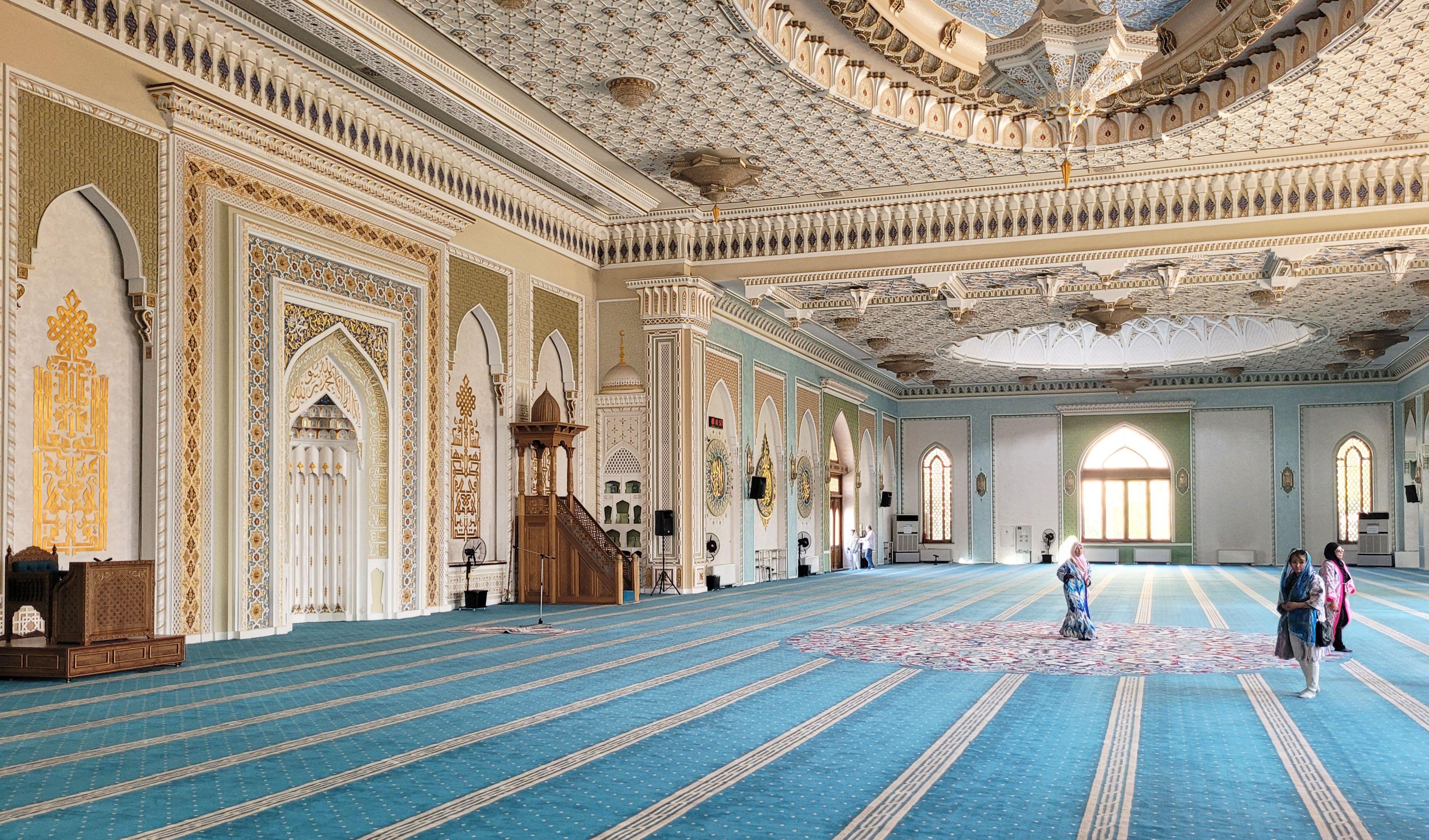
Uzbekistan is relaxed about dress in cities, but mosques, mausoleums and village visits call for covered shoulders and knees, and a scarf that women can use to cover their hair. Loose cotton and linen work best in summer; a pair of shoes that you can slip on and off at doors saves time. Our packing list covers each season.
Food mistakes are mostly about timing and caution. Plov is a lunchtime dish and often sells out by early afternoon, so eating it at 16:00 usually means disappointment. Drink bottled or filtered water, and eat at busy places where food is cooked to order and served hot. Introduce rich dishes such as plov, lagman and tail fat gradually. Our health and tap water guide has the details, and the Uzbek food guide explains what to order.
The fix: dress for the mosque even if you do not plan to enter one, eat plov at lunchtime, and carry water and a small first-aid kit.
Mistake 10: haggling with taxis instead of using the apps
Unlicensed taxis in Samarkand, Bukhara and Tashkent may quote tourist prices, and negotiating through a language barrier wastes time. Yandex Go works in almost every city on the tourist route; you see the price before you book and the driver's route is tracked. Many travellers still stand on the pavement bargaining.
The fix: install Yandex Go (or MyTaxi) before you arrive, add a local SIM or eSIM, and keep some cash for rides outside the app. Our guides to getting around Uzbekistan's cities and to SIM cards and eSIMs explain how.
Mistakes 11 and 12: buying old objects carelessly, and visiting without context
Mistake 11 is buying a carpet, a suzani or an antique without checking what you can take out. New handicrafts are usually fine, but older pieces may require an export permit, and customs can detain items without paperwork. Buy from reputable shops, ask for a receipt and a certificate where relevant, and read our guides to crafts and souvenirs and to customs rules before you pay.
Mistake 12 is walking through the great monuments without any explanation. The Registan, Shah-i-Zinda and the Kalyan complex are beautiful on their own but more rewarding when you know who built them and why. A good guide or a thoughtful guidebook turns tiles into stories; our guides to the Registan, Shah-i-Zinda and Amir Timur are a good start.
The fix: read before you go, or hire a local guide for the three or four sights that matter most, and leave the rest of the day to wander.
The pattern behind the twelve mistakes
Look at the list again and a pattern emerges: almost every mistake comes from planning Uzbekistan as if it were a compact European city break. Distances are short but transfers are slow, summer and winter are extreme, cash is still king in many places, and the best experiences, a quiet courtyard at dawn, a plov lunch among locals, a long evening on the Registan, need slack in the schedule. Build a margin into every day and the country repays you.
If you want to avoid all twelve at once, a small-group or private itinerary does it for you: trains are booked, hotels are registered, cash and weather are handled, and your guide is local. We build first-visit routes of five to ten days, and our trip builder at /trip-builder lets you sketch one in a few minutes. Send us a WhatsApp message with your dates and we will tell you honestly what fits.