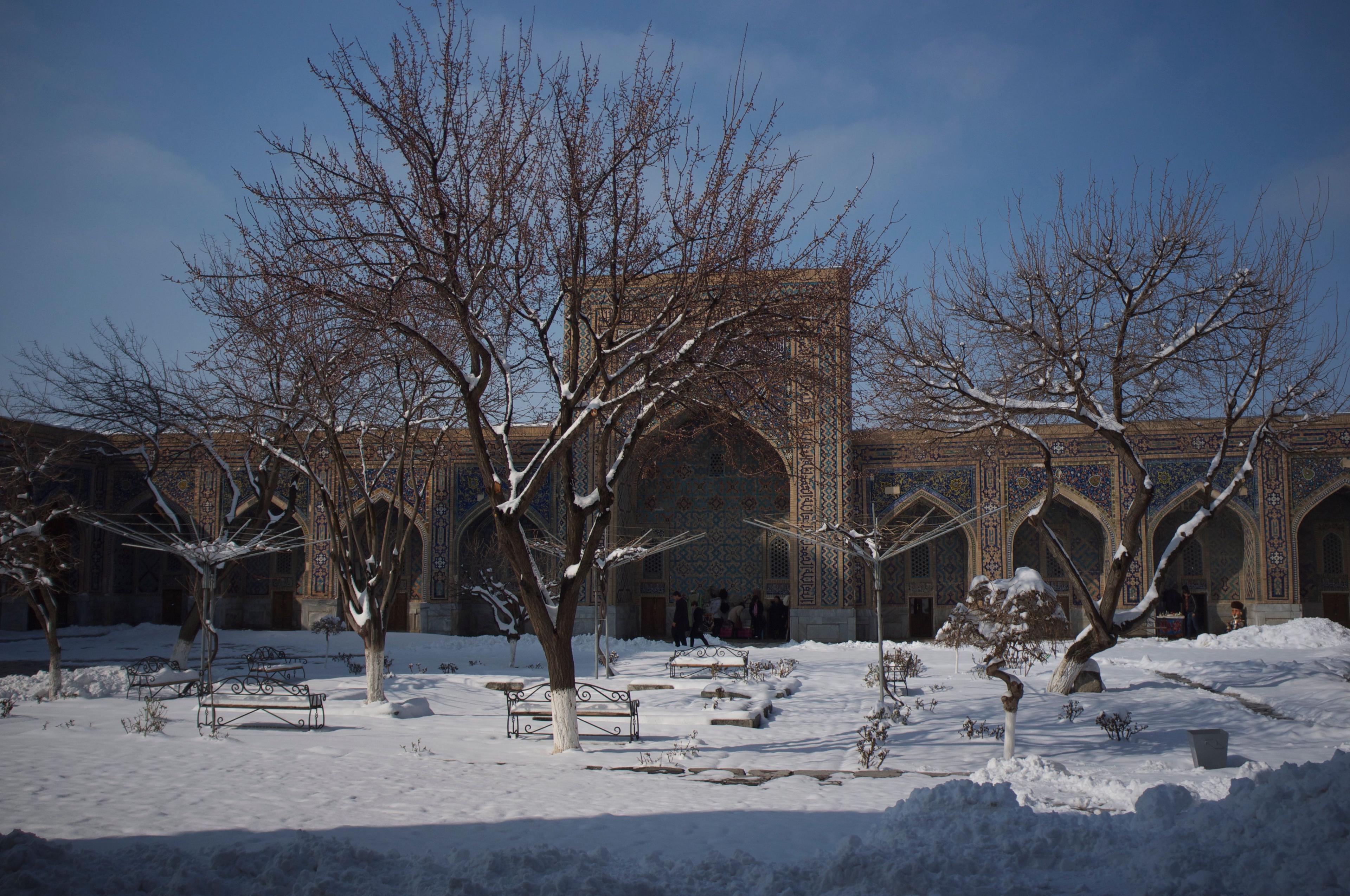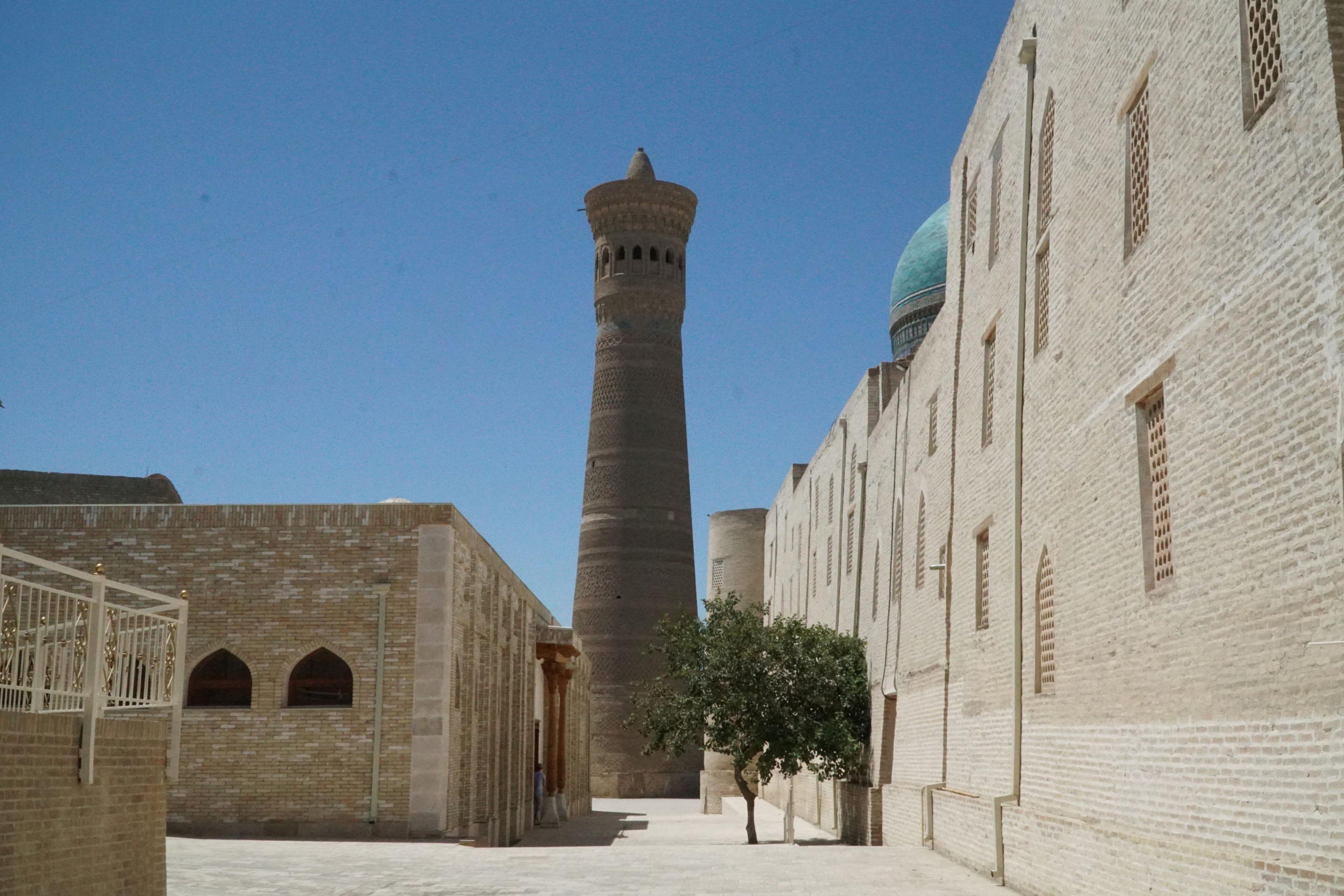
Uzbekistan in summer is hot, often above 40°C in Bukhara and Khiva. Our honest local guide to June, July and August: heat by city, how to sightsee with early starts and evenings, the mountains, fruit season, prices, and whether summer is worth it.
Facts, prices and schedules checked on November 4, 2026
Uzbekistan in summer is hot. There is no point pretending otherwise: from June to August afternoon temperatures in Bukhara and Khiva sit in the mid to high 30s and regularly pass 40°C, the sky stays cloudless for weeks and the brick of the old towns stores the heat into the evening. Plenty of travellers still come, and many of them have a wonderful time.
The secret is to travel the way Uzbeks live in summer: out early, indoors or in the shade through the middle of the day, and back on the streets in the long, warm evenings. This guide explains how hot it really gets city by city, how to plan your days around the heat, where to escape to the mountains, what is in season at the bazaars, and whether a summer trip to Uzbekistan is worth it for you.
How hot is Uzbekistan in summer?
Long-term average daytime highs and night-time lows (°C, 1991 to 2020 normals; Khiva uses the Urgench weather station):
- June: Tashkent 34 / 18, Samarkand 32 / 18, Bukhara 36 / 20, Khiva 34 / 19
- July: Tashkent 36 / 20, Samarkand 35 / 20, Bukhara 37 / 22, Khiva 36 / 21
- August: Tashkent 35 / 18, Samarkand 33 / 18, Bukhara 36 / 19, Khiva 34 / 18
Averages hide the peaks. During heatwaves, which come most summers, afternoons above 40°C are common in Bukhara and Khiva, and the far south around Termez is hotter still. July is the hottest month almost everywhere.
Three things make the heat easier than the numbers suggest:
- The air is dry. Humidity is low, so shade and a breeze make a real difference, and you do not get the sticky exhaustion of a tropical summer.
- Nights cool down. Even in July nights fall to around 20°C, and early mornings are pleasant.
- It almost never rains. In Bukhara and Khiva rain between June and September is rare, so you can plan every day with confidence.
On the other hand, the sun is fierce, there is little shade in the open squares, and stone and brick reflect heat back at you. Treat the midday sun with respect.
Summer weather by city: where is it hottest?
Not every stop on the classic route feels the same in summer.
- Tashkent: hot by day but green, with wide tree-lined avenues, parks, fountains and air-conditioned museums. The Tashkent Metro is a cool way to get around. The mountains are within two hours.
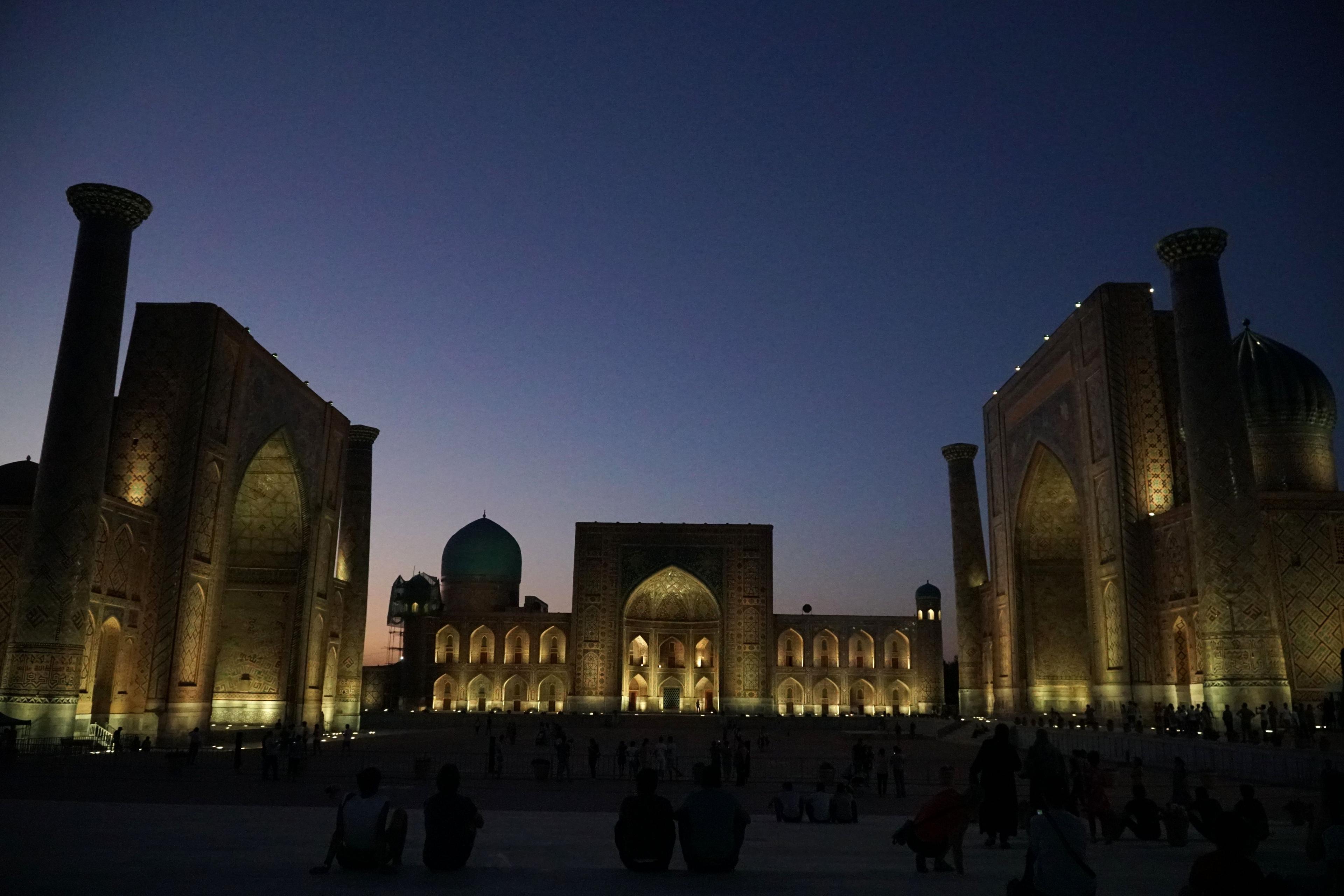
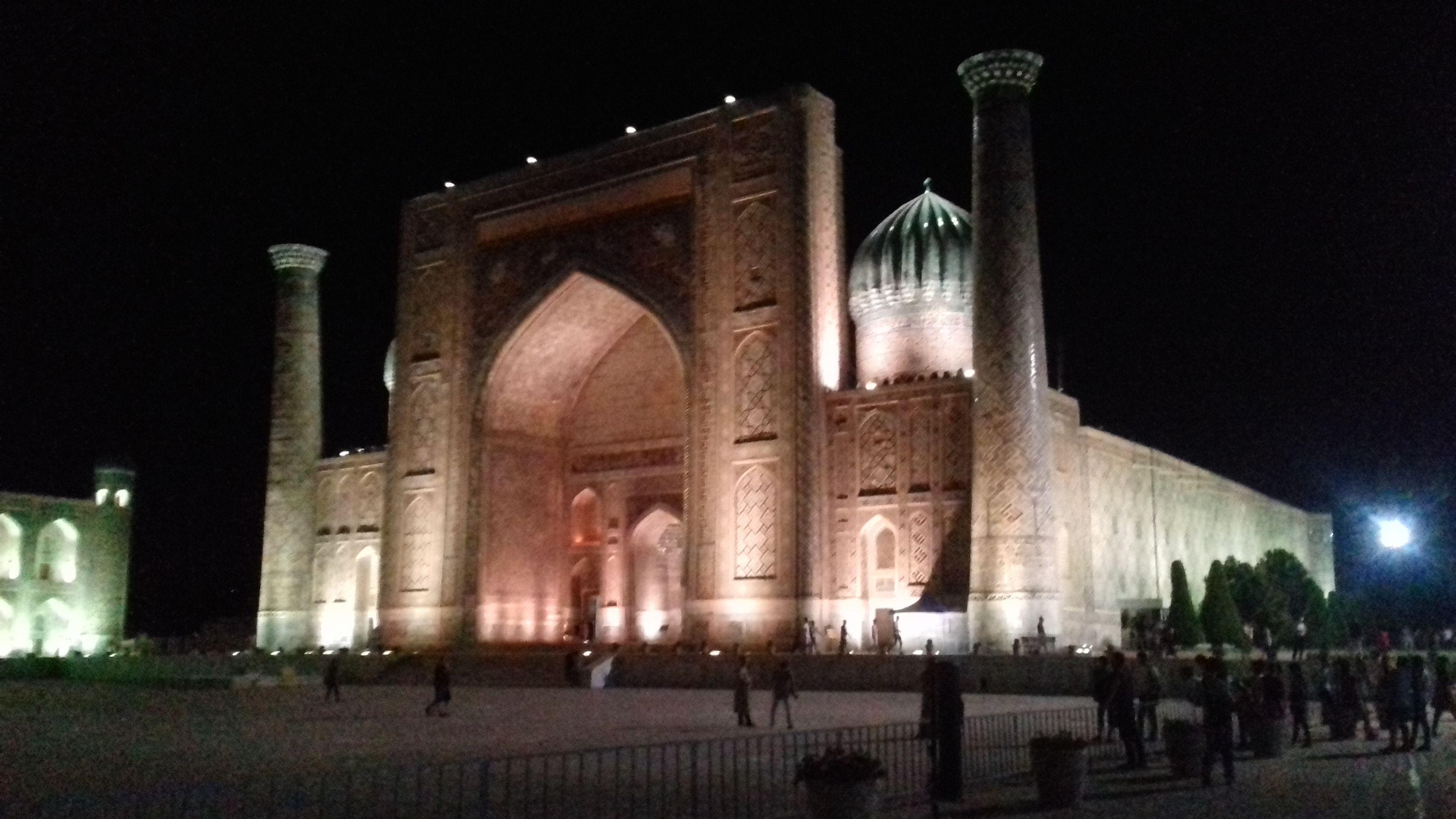
- Samarkand: slightly milder than the desert cities, at about 900 metres altitude in the Zeravshan valley. Afternoons are still hot, but evenings are lovely and the illuminated Registan is busy with local families after dark.
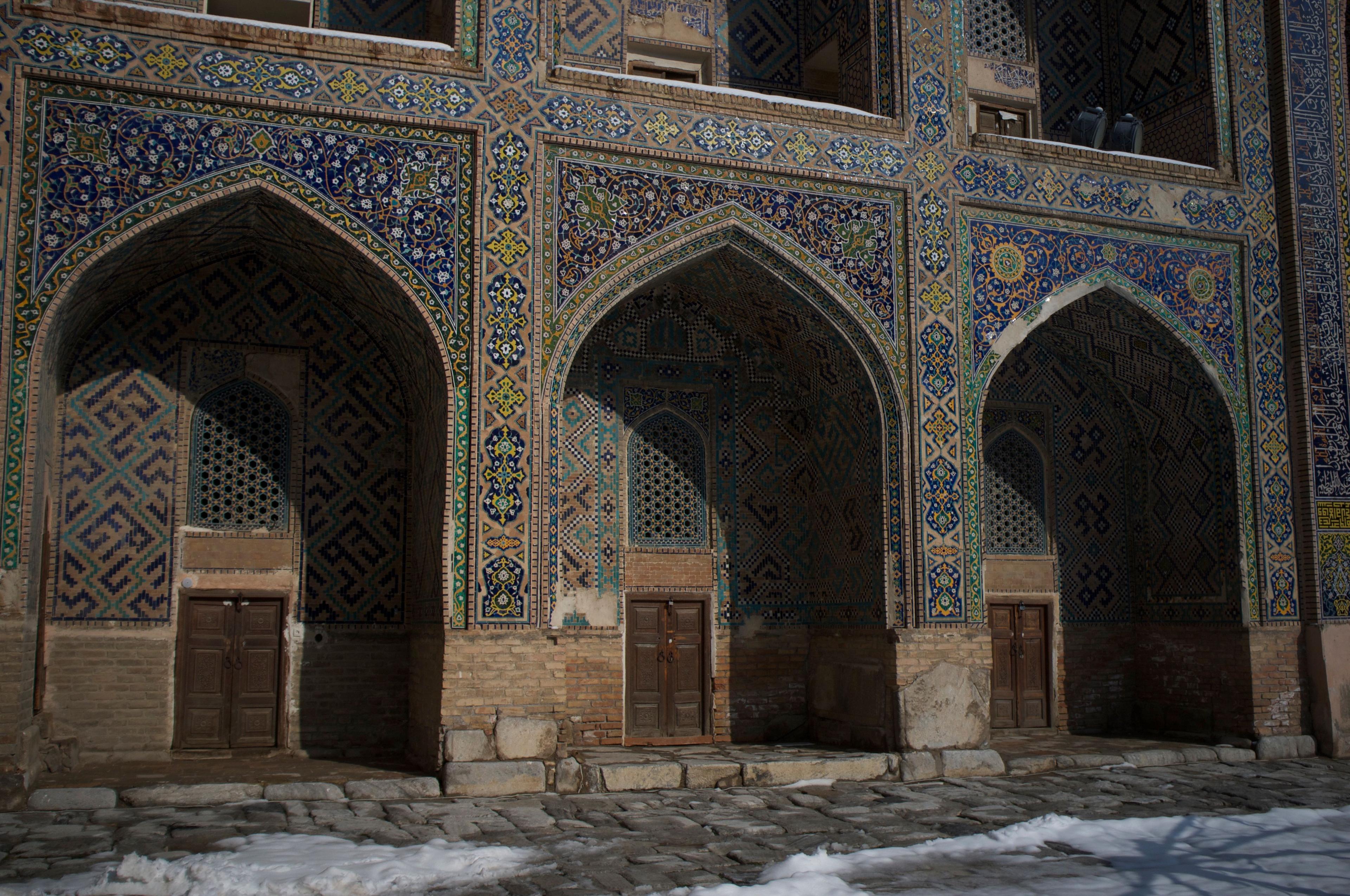
- Bukhara: one of the hottest stops, on the edge of the Kyzylkum desert. Plan sightseeing for early morning and evening. The shady pool of Lyabi-Hauz and the vaulted trading domes are the coolest places in the old town.
- Khiva: as hot as Bukhara by day, with little shade inside the walls of Ichan-Kala. Two nights here let you see the town at dawn and after sunset without rushing in the heat.
- Fergana Valley: hot in the valley floor, but greener, with orchards, shady courtyards and the silk and ceramic workshops of Margilan and Rishtan, which you visit indoors.
- Karakalpakstan and the Aral Sea: very hot and exposed. If you plan the Muynak ship cemetery and the Aral Sea in summer, travel in a well-equipped vehicle and accept long, hot drives.
If the heat worries you, put Khiva first or skip it in July, keep Bukhara short, and spend more time in Tashkent, Samarkand and the mountains.
How to sightsee in the heat: early starts, siesta and evenings
The best summer days in Uzbekistan follow a simple rhythm.
- 06:00 to 07:00: get up early. The sun rises at around 5:00 in Samarkand in June, and the light on the domes is beautiful. Walk the old streets, the outside of the monuments and the bazaars while the air is cool.
- 08:00 to 11:30: visit the main sights as they open. Most monuments open at 8:00 or 9:00 in summer. You will share them with fewer people than at midday.
- 12:00 to 16:30: siesta. Have a long lunch in a shaded chaikhana, rest at your hotel, or visit a museum or a craft workshop indoors. This is what locals do.
- 17:00 to 21:00: the second day begins. The light softens, the madrasahs glow, bazaars and squares fill up, and families come out. Sunset in Bukhara and Khiva is around 20:00 to 20:30 in June.
- After dark: in Samarkand the Registan is lit up in the evening, often with a sound and light show; Bukhara's Lyabi-Hauz and the lit walls of Ichan-Kala in Khiva are magical on warm nights.
With this pattern you lose very little: you simply move your day earlier and later. Plan transfers by Afrosiyob train or in an air-conditioned car for the middle of the day, so the hottest hours are spent travelling rather than walking.
Staying safe in the heat
A few habits make all the difference:
- Drink before you are thirsty. Two to three litres of water a day is normal, more if you are walking a lot. Bottled water is sold everywhere; our guide to health and tap water explains what is safe to drink.
- Add salt. Electrolyte sachets or a salty snack help on long days. Green tea, served everywhere, is surprisingly refreshing.
- Cover up. A wide-brimmed hat, sunglasses, high-factor sunscreen and loose clothes that cover your shoulders and legs protect you better than shorts and a vest.
- Use shade and air-conditioning. Trains, cars, most hotels and many restaurants are air-conditioned. When you book a guesthouse in a traditional house, check that the rooms have working air-conditioning.
- Know the warning signs. Headache, dizziness, nausea and cramps are signs of heat exhaustion. Stop, move to the shade, drink and cool down. Confusion or a very high temperature need urgent medical help.
If you travel with older relatives or young children, plan shorter days and more time in the mountains. Our guide to Uzbekistan with kids has more ideas.
Escape to the mountains: Chimgan, Charvak and Amirsoy
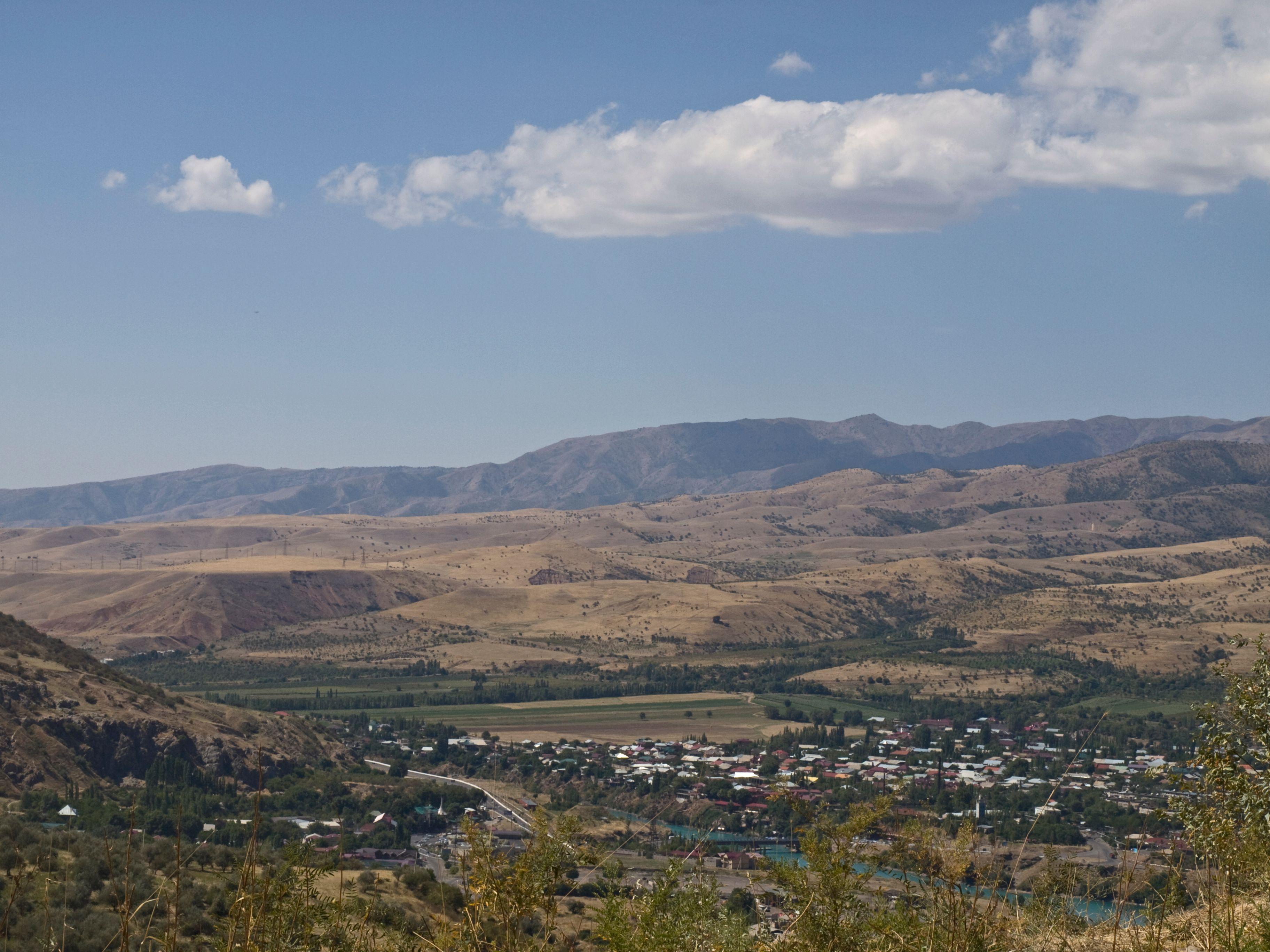
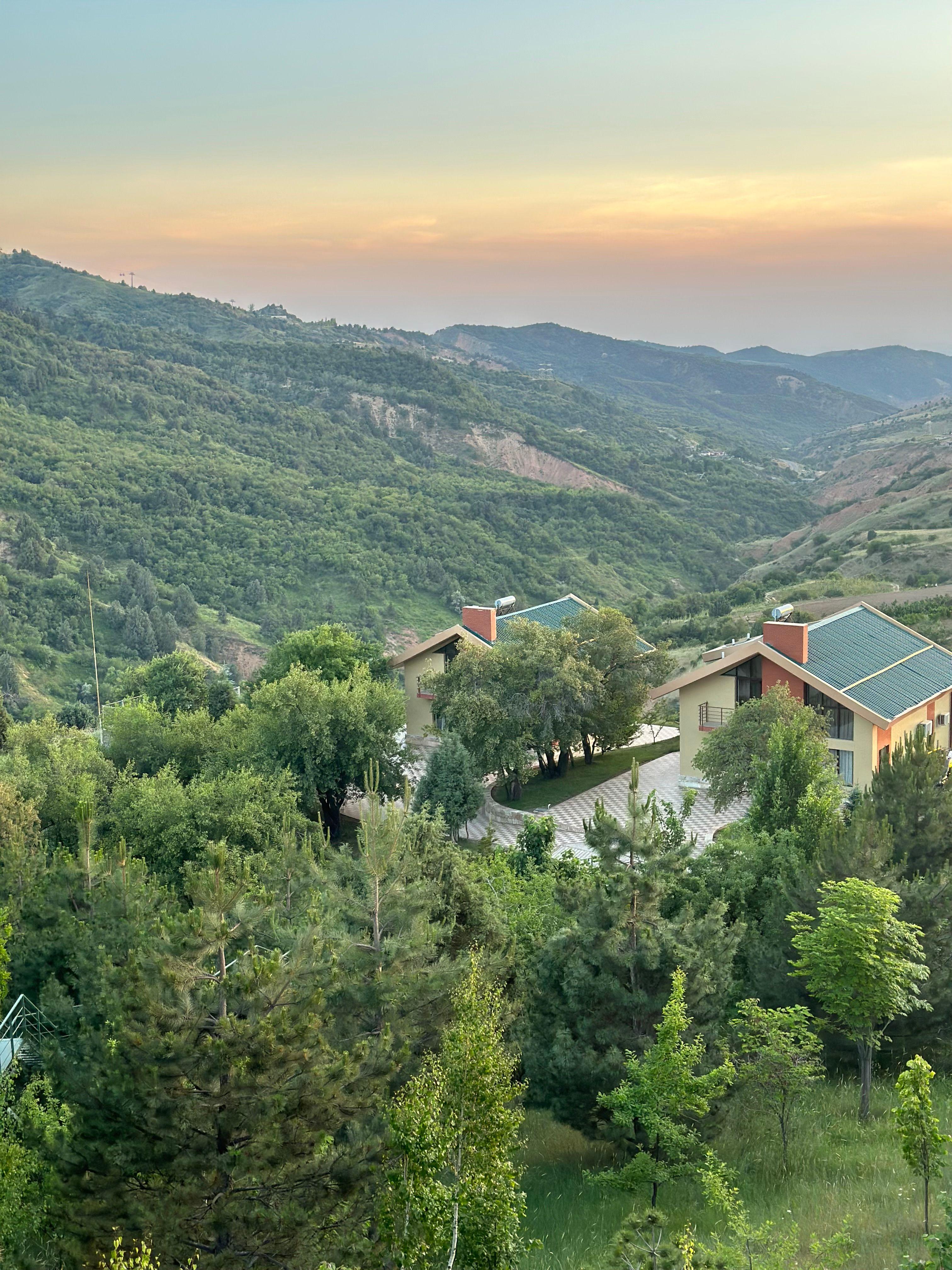
When Tashkent swelters, Tashkent heads for the hills. The western Tian Shan begins less than two hours from the capital, and it is noticeably cooler up there.
- The Charvak reservoir: a turquoise lake below the mountains, with beaches and resorts. Swimming is possible from roughly June to early September.
- Chimgan: green meadows below the 3,309-metre peak of Big Chimgan, walking trails, horse rides and fresh air.
- Amirsoy: the modern mountain resort, whose cable cars also run in summer for views, walks and lunch on the ridge.
- Gulkam canyon and the Ugam-Chatkal National Park: for more adventurous walks along rivers and to waterfalls.
A day in the mountains is the perfect break in the middle of a summer trip, or a gentle start after a long flight. Avoid summer weekends if you can, when half of Tashkent has the same idea. Our guide to a Chimgan and Charvak day trip from Tashkent covers routes, costs and timing in detail.
Fruit season: the real reason to come in summer
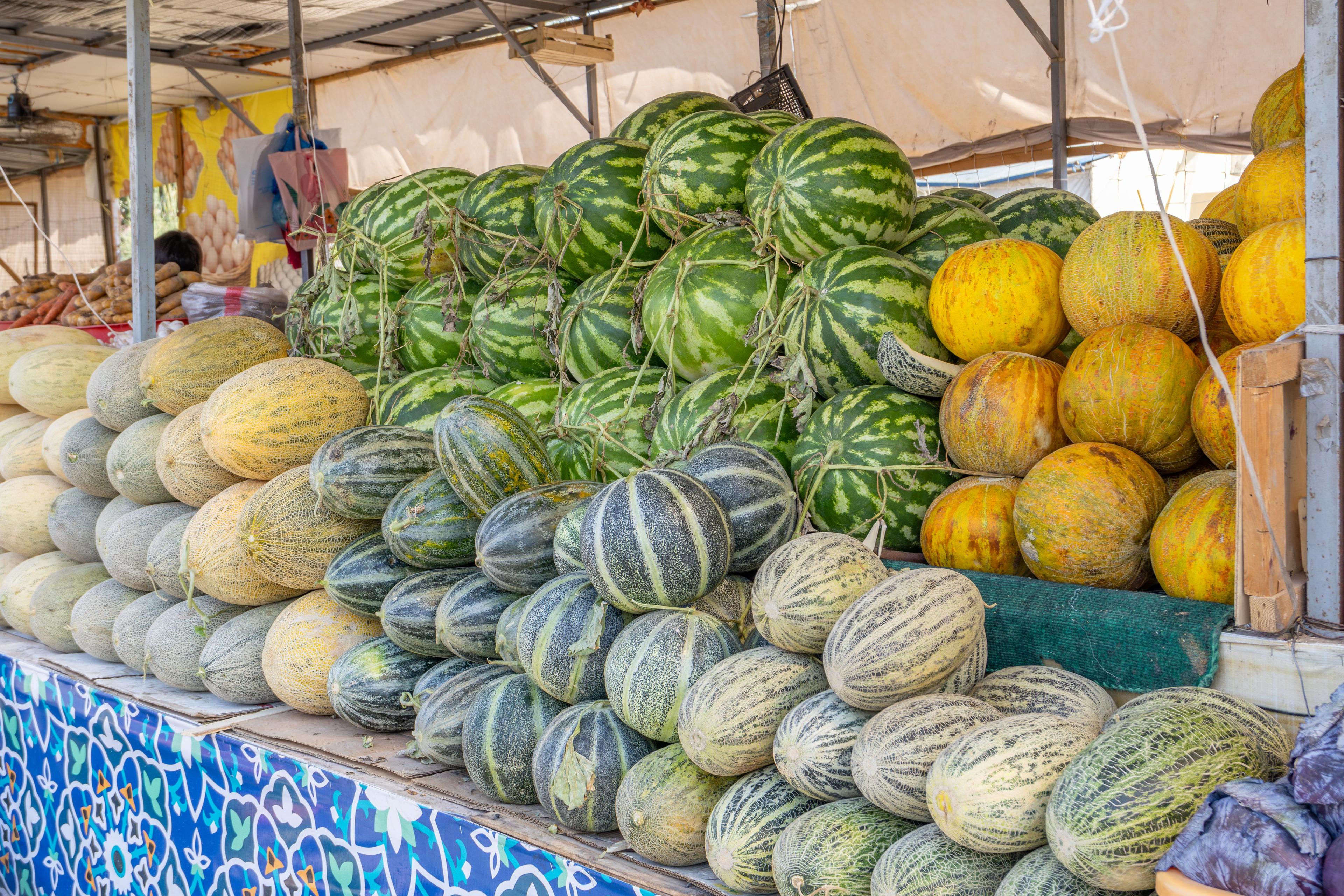
Summer in Uzbekistan is the season of fruit, and the bazaars are at their most spectacular. Locals will tell you that the fruit here, grown in strong sun with mountain water, tastes sweeter than anywhere else, and after a week you may agree.
- Late May and June: cherries, strawberries, mulberries and the first apricots. Apricots are everywhere in June, and in the Fergana Valley you will see them spread out to dry on roofs and in fields.
- July: peaches, nectarines, plums, figs, early grapes and the first melons and watermelons.
- August: the peak of the melon season, with piles of melons by the roadside and in every bazaar, and grapes of dozens of varieties.
Two summer festivals celebrate the harvest. The Melon Festival (Qovun Sayli) in Khiva brings growers from all over Khorezm with tastings, music and pavilions; in 2026 it was held on 7 to 9 August. A grape festival, Uzum Sayli, took place near Tashkent on 21 and 22 August 2026. Dates are announced each year, so check our festivals calendar.
To taste it all, spend a morning at Chorsu Bazaar in Tashkent or Siab Bazaar in Samarkand. Ask the seller to cut a melon for you to try; it is the custom.
Crowds, prices and what else is different in summer
Summer is the low season for international tour groups, especially in July and the first half of August. That brings real advantages:
- Quieter monuments, especially early in the morning and late in the day
- Better availability in old-town boutique hotels, and sometimes lower rates
- Easier train bookings on weekdays
But it is the high season for domestic travel, as Uzbek schools are on holiday. The mountain resorts around Charvak and Amirsoy are busy at weekends, and trains to Samarkand and Bukhara can fill up on Fridays and Sundays. Independence Day on 1 September, the biggest national holiday, brings concerts and fireworks and busy transport around the end of August.
The other big difference is daylight. Days are long, around 15 hours in late June, so even with a siesta you have plenty of time. Sunset photographs are taken after 20:00, and dinners in summer are late and outdoors.

A heat-friendly summer itinerary
A summer route should put the coolest places in the middle and keep the desert stops short. A sample eight-day plan:
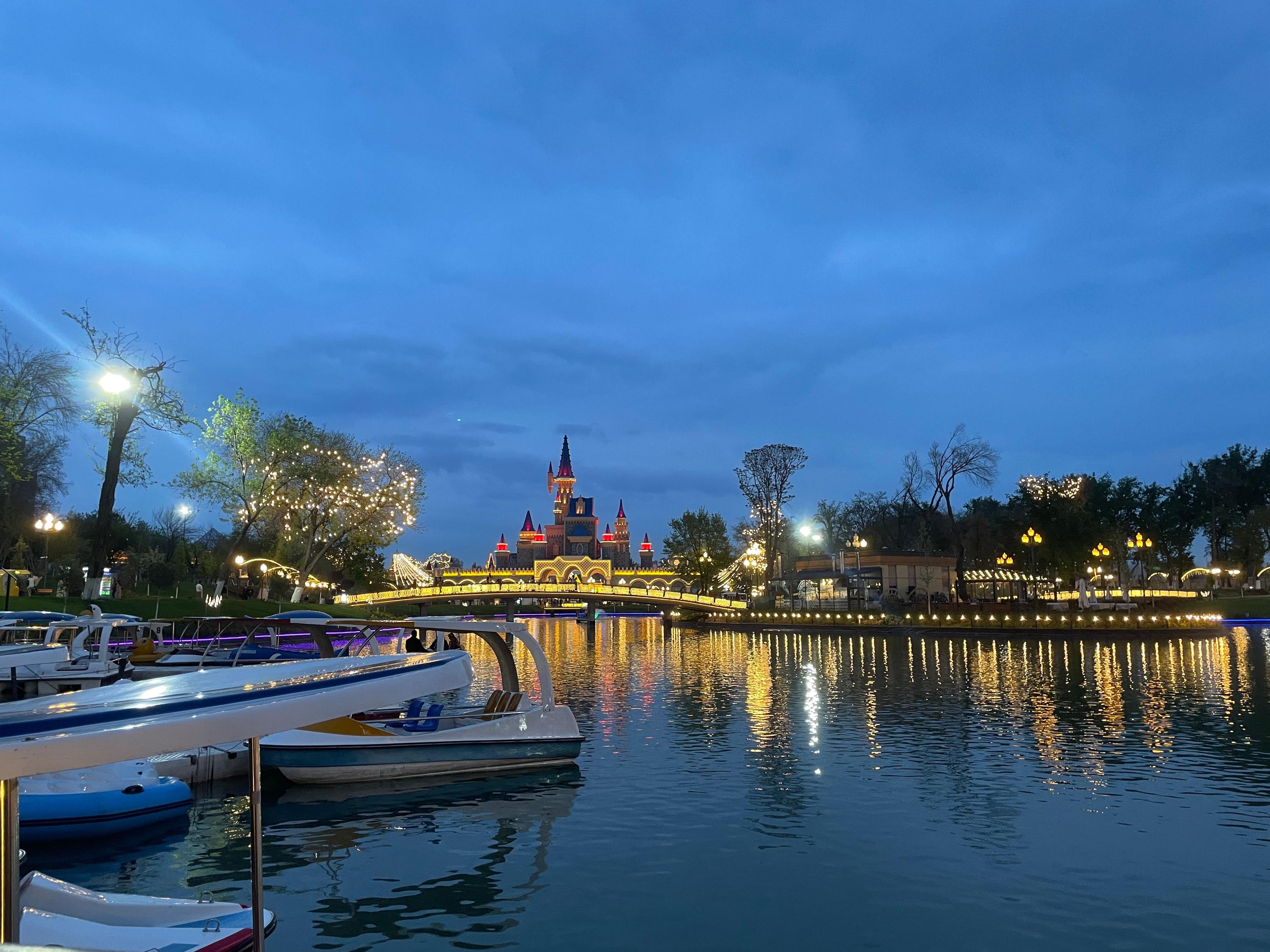
- Day 1: arrive in Tashkent, rest, then an evening walk through the parks and squares and a ride on the Tashkent Metro.
- Day 2: day trip to Chimgan and the Charvak reservoir, with a swim or a cable-car ride.
- Days 3 to 4: Samarkand by Afrosiyob train in the middle of the day. Registan and Shah-i-Zinda early, Gur-e-Amir and a paper-mill or workshop visit in the afternoon, the Registan lights at night.
- Days 5 to 6: Bukhara. Old town at dawn, the Ark Fortress and Po-i-Kalyan before 11:00, siesta, then the trading domes and dinner at Lyabi-Hauz.
- Days 7 to 8: Khiva, reached by train or a short flight to Urgench, with sunset and sunrise inside Ichan-Kala, then fly back to Tashkent.
If you are travelling in the hottest weeks of July, drop Khiva and add a second mountain day or the Fergana Valley instead. Our 7-day itinerary shows the classic version of this route.
Is it worth visiting Uzbekistan in summer?
It depends on you.
Summer works well if:
- Summer holidays are your only chance to travel, for example with school-age children or as a teacher
- You are comfortable in dry heat and happy to adjust your day around it
- You love fruit, evening life and long light
- You want quieter monuments and some flexibility with hotels
- You plan to add the mountains, or combine Uzbekistan with cooler Kyrgyzstan
Choose another season if:
- You struggle with temperatures above 35°C, or have health conditions made worse by heat
- Your trip is focused on long walks in Bukhara and Khiva in the middle of the day
- You want to spend nights in a yurt camp in the desert or visit the Aral Sea at a comfortable temperature
For many travellers, early June and late August to early September are a good compromise: still summer prices and fruit, but a little less intense than July. If you are flexible, see our guide to the best time to visit Uzbekistan, and compare it with spring and autumn.

What to wear in Uzbekistan in summer
Dress for the sun and for the old towns at the same time. Loose, light clothing that covers your shoulders and knees is cooler than you might think, and it is also appropriate for mosques and mausoleums.
- Linen or cotton shirts and blouses with sleeves, and light trousers, long skirts or loose dresses
- A wide-brimmed hat and good sunglasses
- High-factor sunscreen and lip balm
- A light scarf, useful for sun, dust and covering your hair in active mosques
- Comfortable, breathable walking shoes or sandals with good grip
- A refillable water bottle
- A light sweater for air-conditioned trains and cool evenings in the mountains
Shorts and sleeveless tops are fine in modern Tashkent, but in the old towns and at religious sites modest dress is expected. Our packing list covers the full dress code.
Summer in Uzbekistan with TourEast
We plan summer trips around the heat: early starts, a proper lunch break, air-conditioned transport in the middle of the day and evenings in the old towns, with a day in the mountains where it fits. Tell us your dates and we will suggest a route and a pace that work for July as well as for May.