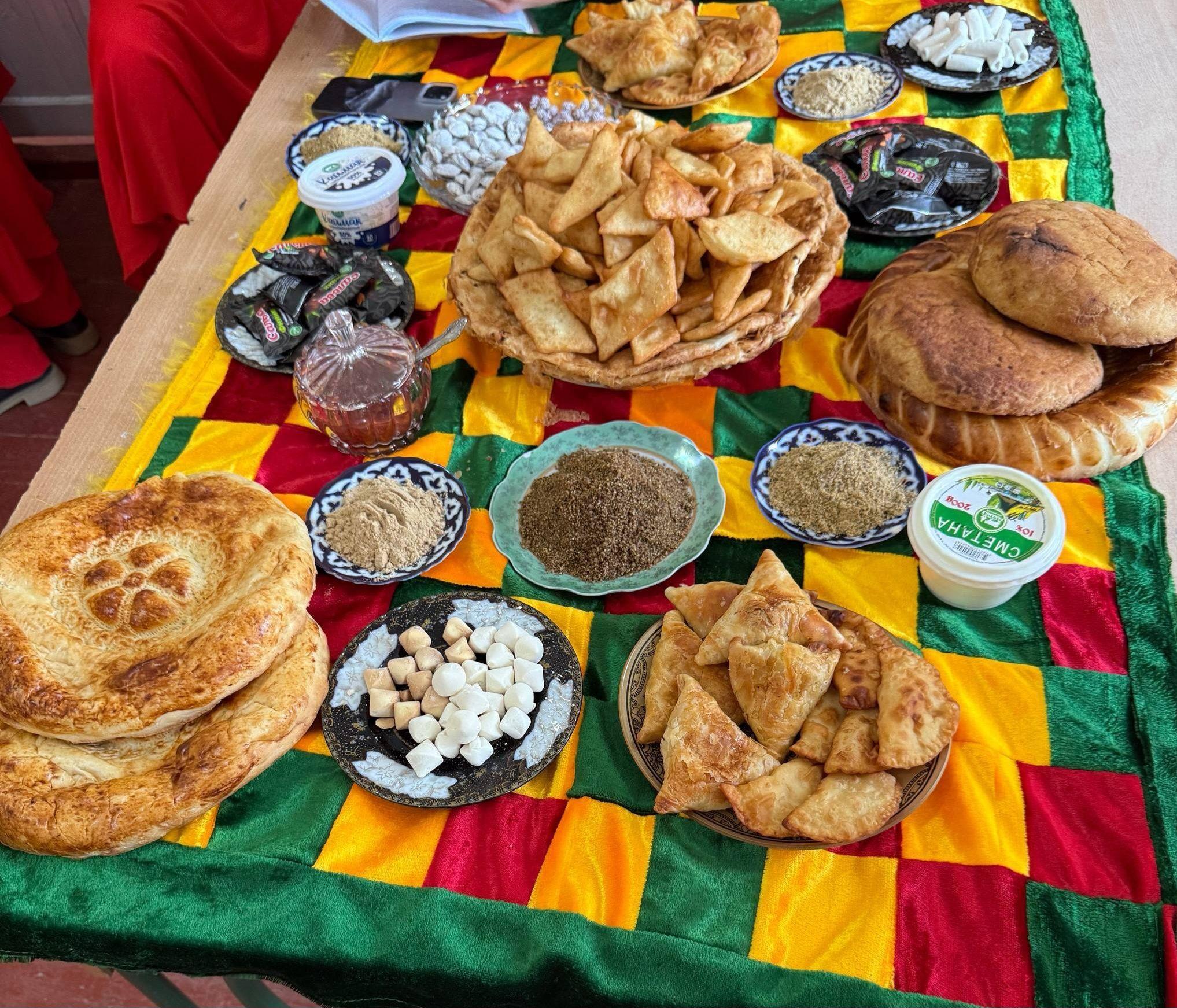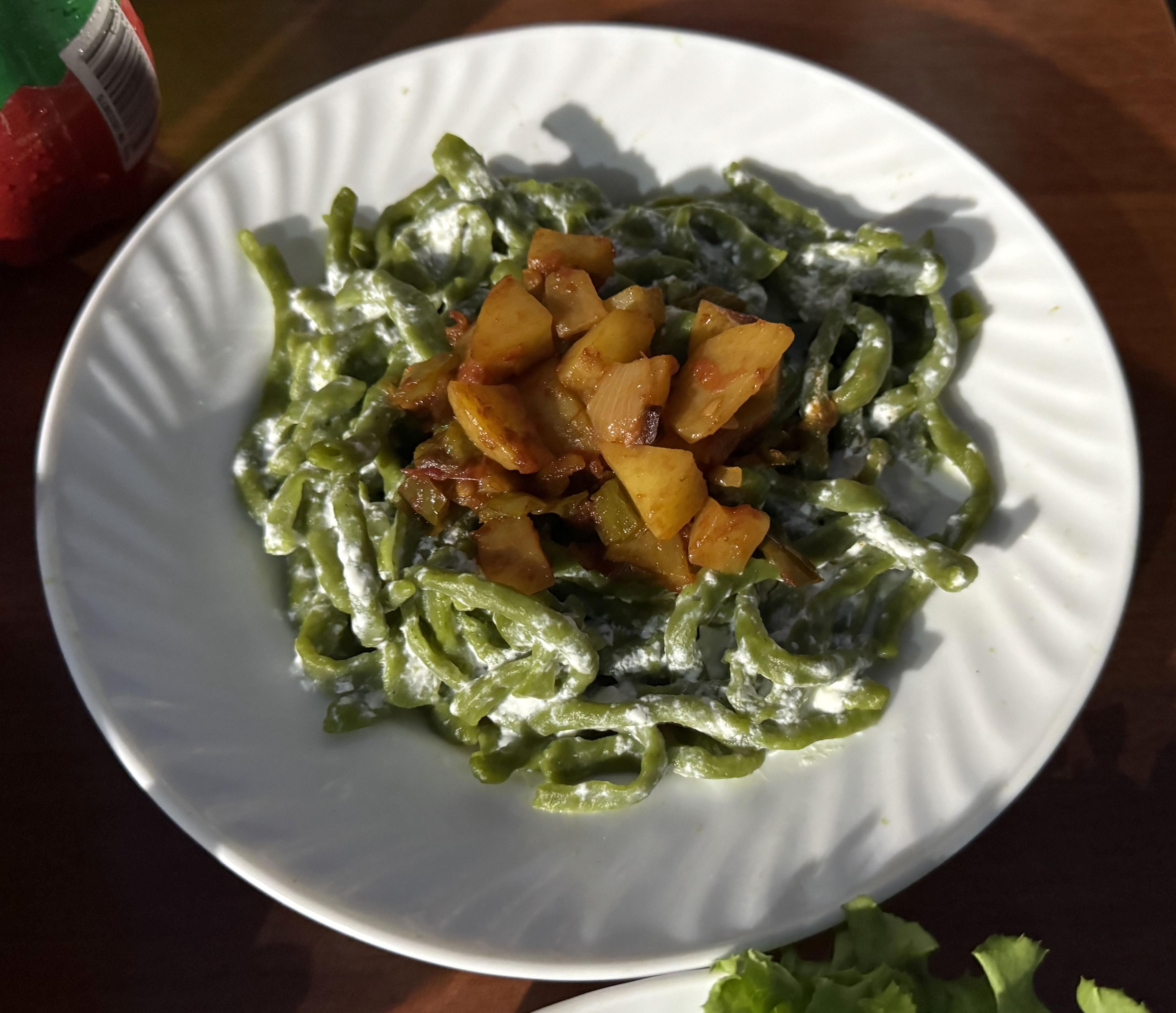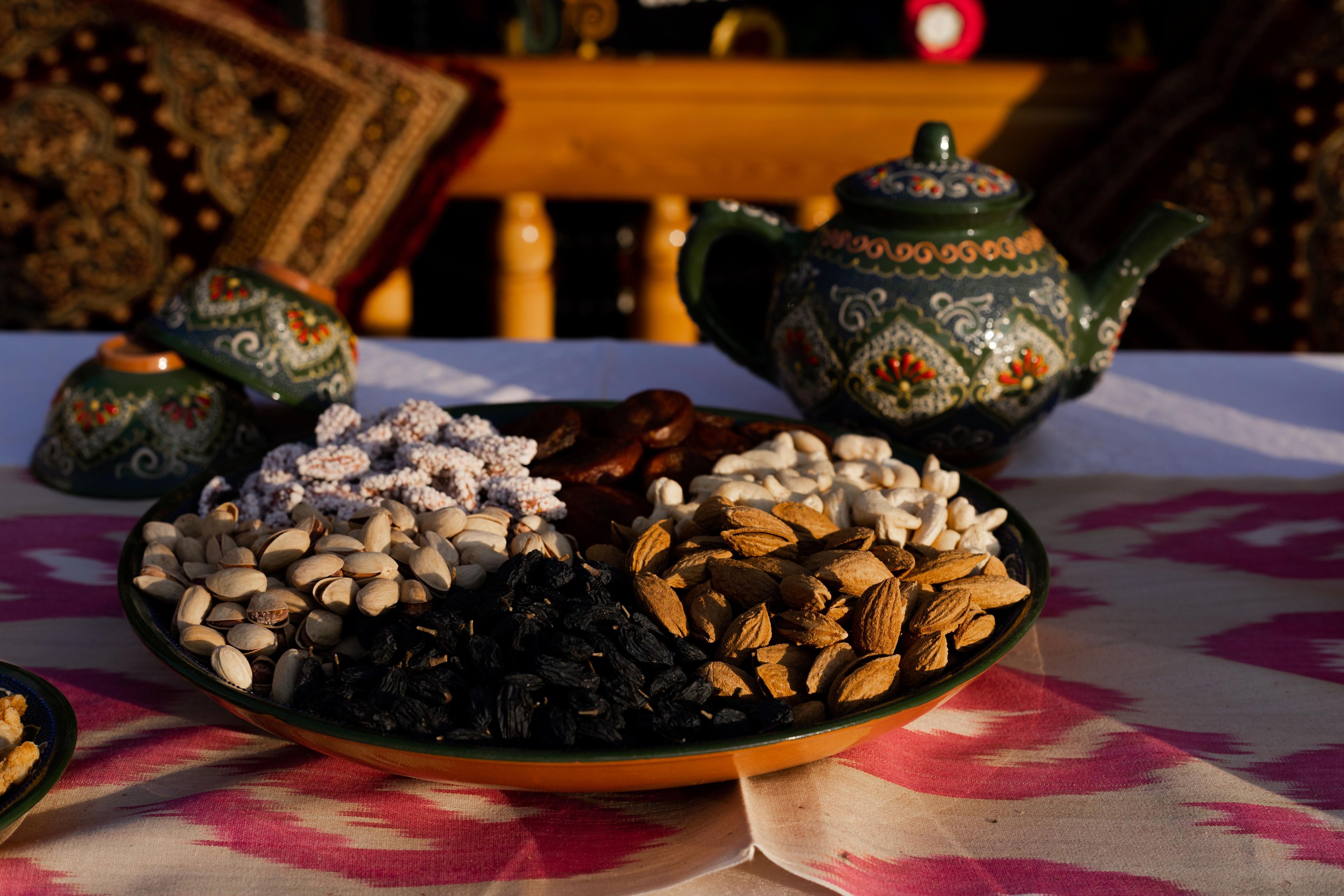
The Uzbek breakfast is bread first, then everything that goes with it: thick kaymak cream, honey, a pot of tea, dried fruit, the sweets left over from last night's guests and, in the west and in winter, a bowl of salted milk tea. What nonushta looks like in a family house, how it changes from Tashkent to Khiva, where a visitor can eat one and how hotel breakfasts compare.
Facts, prices and schedules checked on November 11, 2026
The Uzbek word for breakfast gives the game away. Nonushta is literally the breaking of bread, non-ushta, and the bread is not a side to the meal but the meal itself; everything else on the table exists to be eaten with it. A warm loaf from the tandir, a bowl of thick kaymak, a saucer of honey, a pot of tea and a dish of dried apricots and raisins is a complete and, by the standards of most of the world, luxurious breakfast, and it is what a guest in an Uzbek house is given before anyone discusses the day.
Uzbekistan's tourism authorities have lately begun calling the national breakfast a gastronomic brand, in the way the world talks about an English or a Turkish breakfast, and for once the marketing is justified. Here is what is actually on the morning dastarkhan, how it varies between Tashkent, the Fergana Valley, Bukhara and Khorezm, what shirchoy is and why you will be offered it in Khiva, what the sweets are called, and where a traveller can eat a proper nonushta rather than the omelette-and-cornflakes compromise of a hotel buffet.
Bread and kaymak: the foundation
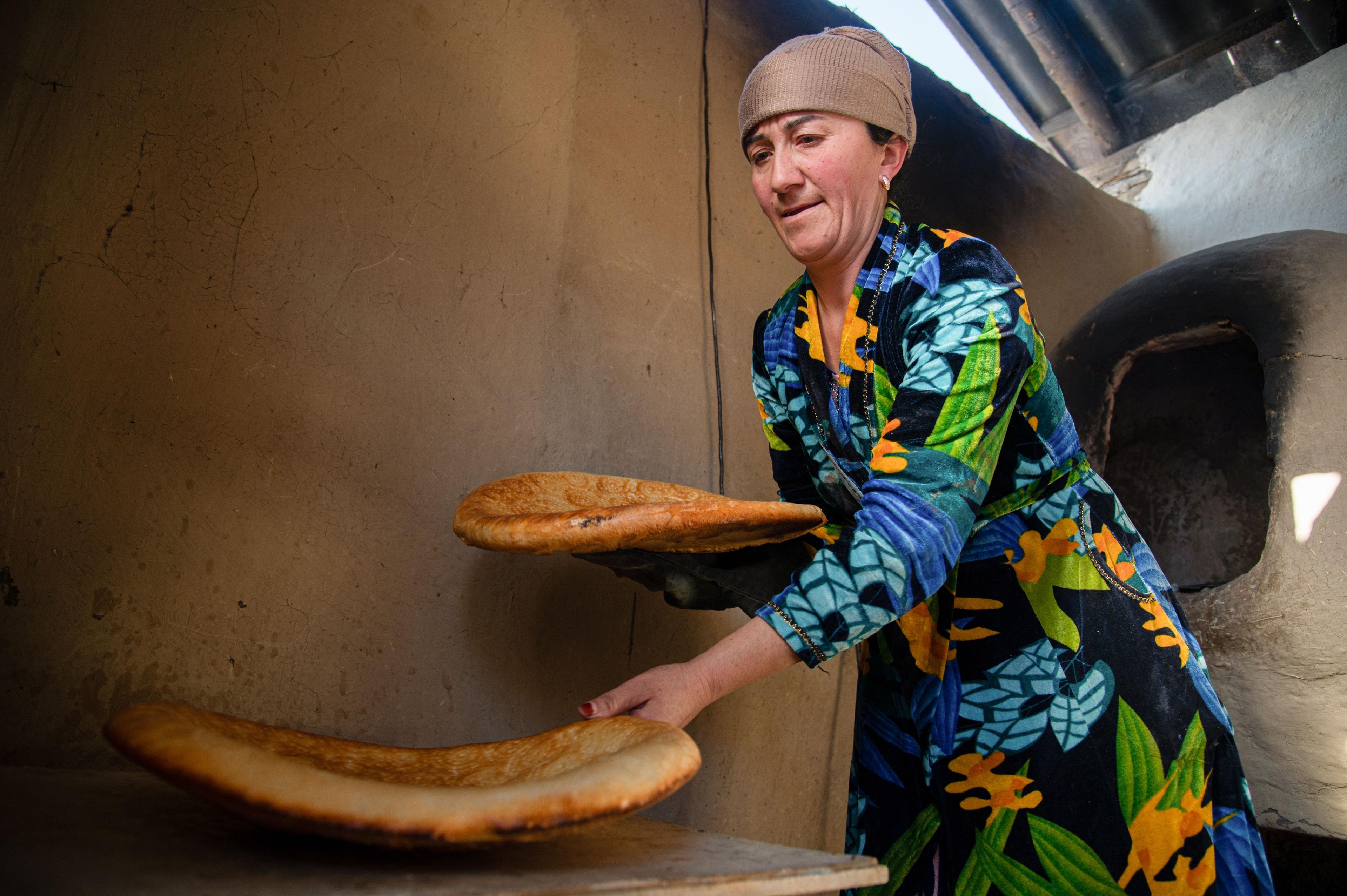
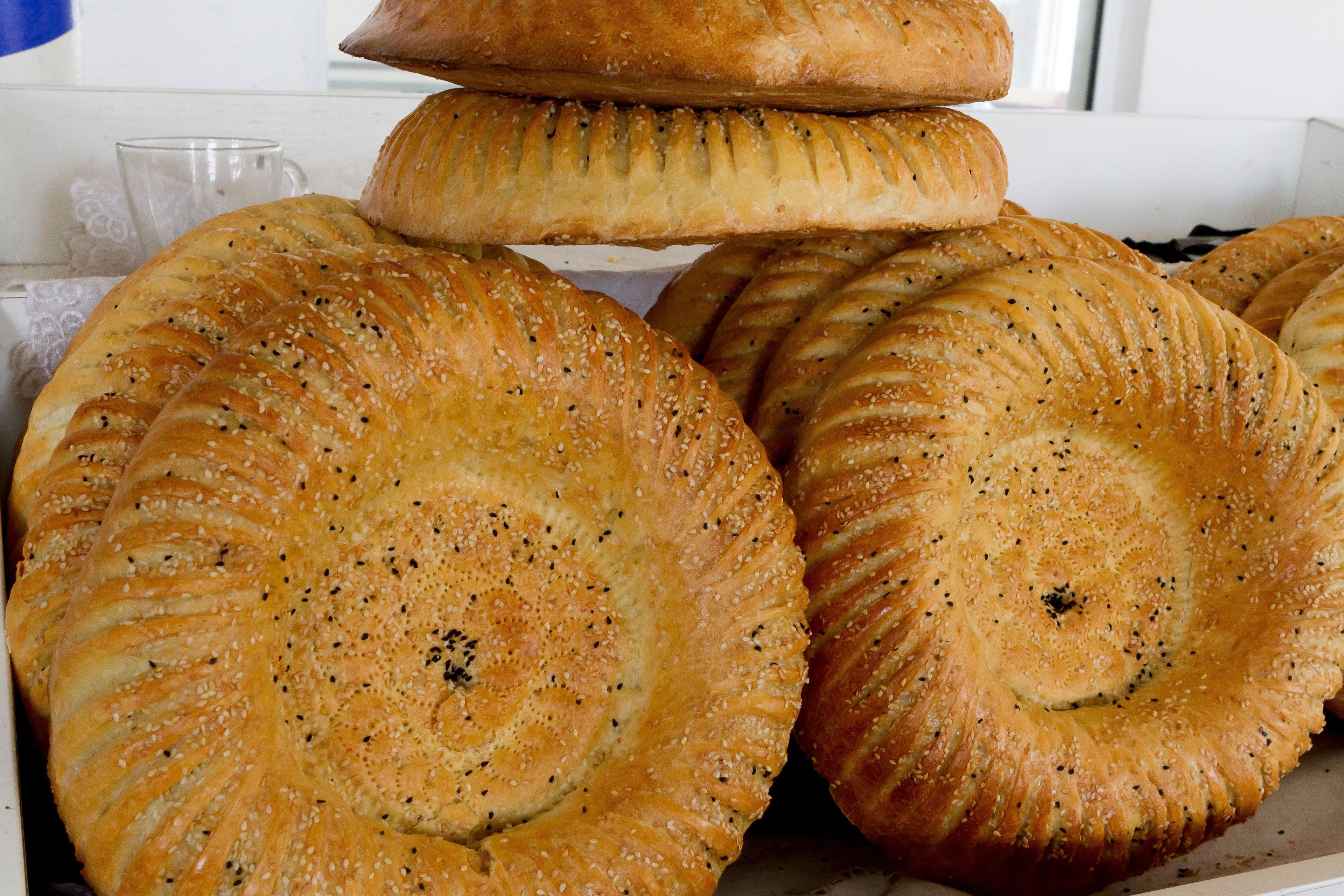
Every nonushta begins with non, the round tandir bread, bought that morning from the mahalla baker or baked at home. In the city it is the Tashkent patir, soft and stamped in the centre; in Samarkand the dense glossy loaf that keeps for days; in Bukhara a flatter, crisper bread thick with sesame. It is torn by hand, never cut, and the top of the loaf is set face up on the cloth.
Kaymak is what the bread is for. It is the cream that rises on raw milk heated very slowly and left to stand, skimmed off in a thick, slightly sour layer; the best is made from the morning milking and sold by the ladle in the dairy rows of bazaars like Chorsu and Siab before nine. You spread it on warm bread and drizzle honey across it, or simply dip. Alongside the kaymak there is usually qatiq, the thick fermented milk, or suzma, the strained version that is closer to labneh, and in a prosperous house a plate of butter and soft white cheese.
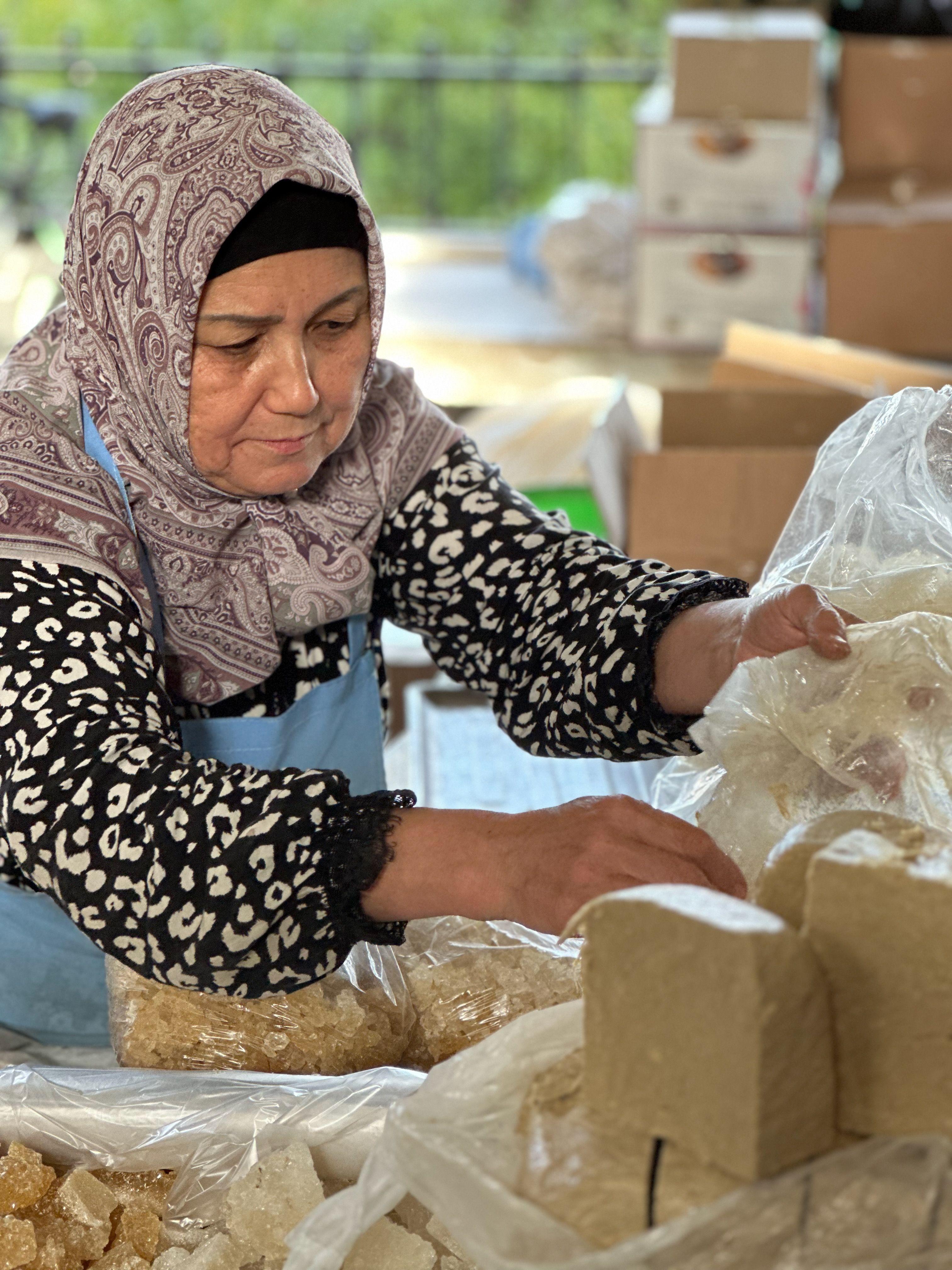
The sweet element is honey, often from the mountain villages of the Nuratau or Chimgan, and navat, the amber crystallised sugar that is dropped into tea or crunched with bread. In summer the whole thing is lighter: grapes, peaches and melon slices with bread and tea, and nothing else.
Tea, and shirchoy in the west
Tea arrives with the bread, before it rather than after. In Tashkent that usually means black tea; everywhere else it means green, poured in the ritual half-cups that our guide to Uzbek tea etiquette explains in detail. Tea at breakfast is taken with honey, navat or jam rather than milk, and there will always be a second and a third pot.
The exception is shirchoy, the milk tea of Khorezm, Karakalpakstan and the Surkhandarya mountains, which is also made in Tashkent families on cold winter mornings. Strong black tea is brewed, hot milk is added in roughly equal measure, and the bowl is finished with salt and a knob of butter, sometimes with ground black pepper or crushed walnuts. The result is closer to the Tibetan or Kyrgyz tradition than to anything with sugar in it, and it is drunk from a piala with bread crumbled into it. Travellers either love shirchoy immediately or never order it again; in Khiva, where it is a winter breakfast, it is worth trying once with a piece of patir.
The sweets on the morning cloth
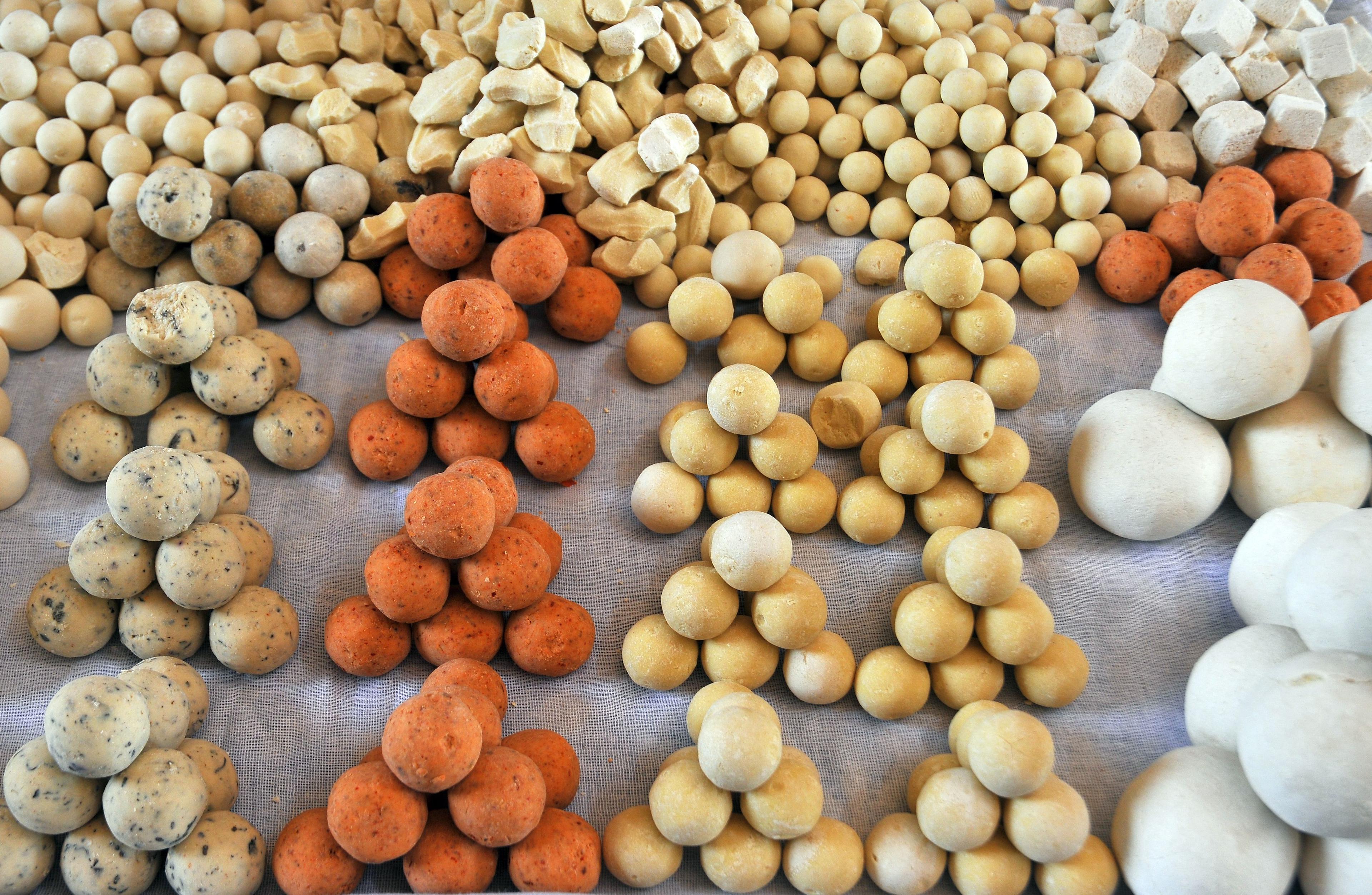
What surprises foreign guests is the number of sweets on the breakfast table. Most are not made for breakfast at all; they are the standing contents of the dastarkhan, set out for any guest at any hour, and they are simply still there in the morning. The regulars:
- Parvarda: small pillows of pulled sugar dusted with flour, the oldest Uzbek sweet, made for Navruz and weddings and eaten with tea.
- Halva: the dense, crumbly Uzbek kind, made from flour, sugar and fat rather than sesame, in Samarkand and Kokand styles.
- Pashmak: spun sugar floss, the Central Asian ancestor of candyfloss, sold in bazaars in tangled skeins.
- Hashtak: dried apricots split and stuffed with a walnut half, a Bukhara and Samarkand speciality.
- Nishalda: a white foam of beaten egg white, sugar and a soapwort root infusion, flavoured with vanilla, eaten with a spoon. It is the sweet of spring and especially of Ramadan, when it appears at every iftar and breakfast.
- Urama and tulumba: fried pastries, the first a crisp rolled ribbon, the second a ridged choux finger soaked in syrup.
Around these sit the dried fruits that no Uzbek table is without: kishmish raisins in black and white, dried apricots, figs, almonds, walnuts and the salted apricot kernels that visitors mistake for almonds. A bowl of dried fruit and nuts is placed on the cloth before anything else, and it is polite to take a piece before the bread arrives.
What else appears: samsa, eggs and the regional table
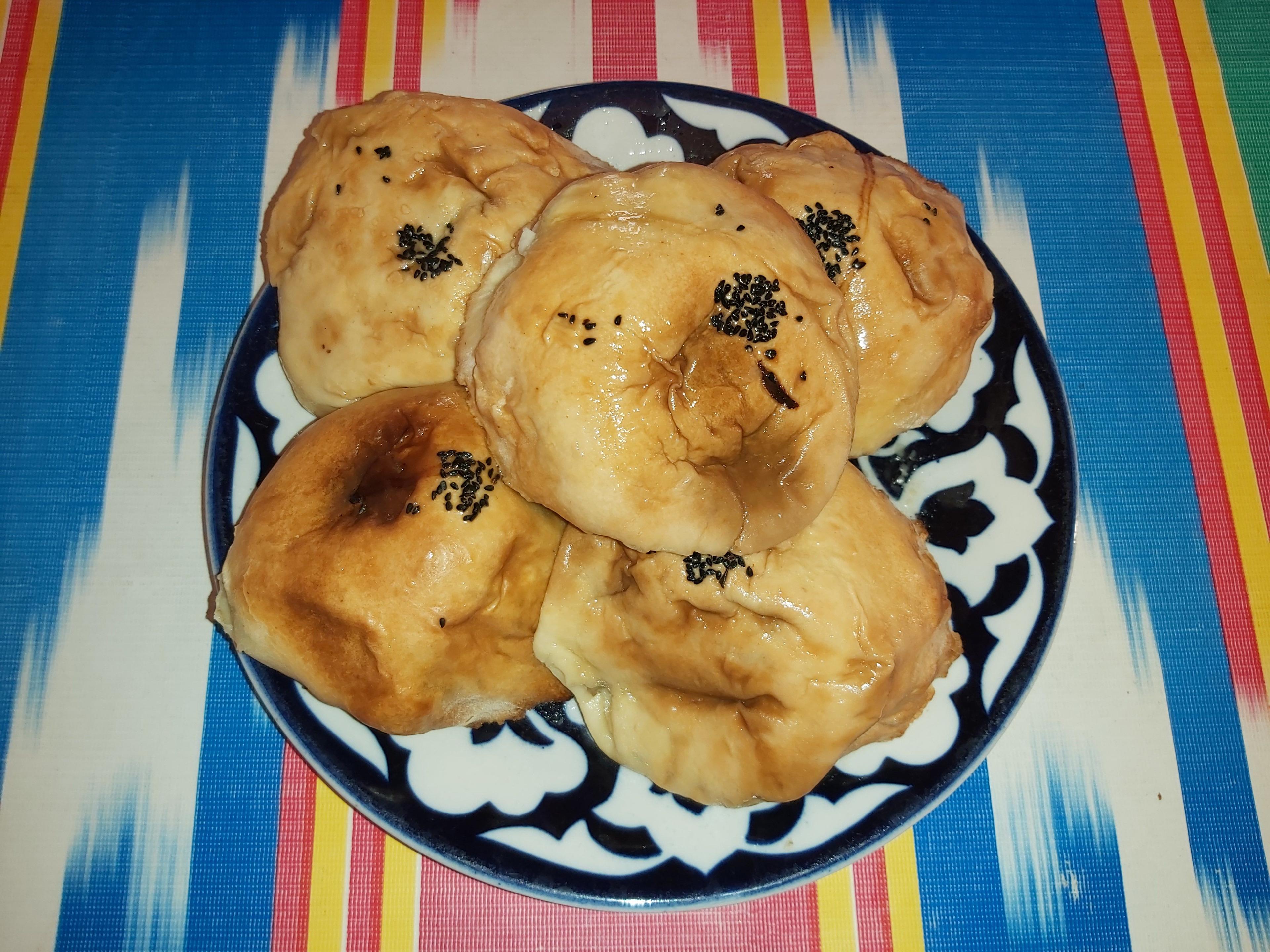
On an ordinary weekday a family breakfast stops at bread, kaymak and tea. On a weekend, or for guests, it grows. Fresh samsa from the mahalla tandir is a common addition in Tashkent and the Fergana Valley, and the mornings at Chorsu Bazaar are the time to eat them. Fried eggs with tomato appear everywhere, a Russian and Soviet legacy. In Bukhara the breakfast table may include a bowl of shurpa left from the night before, and the city's sesame bread with the local sweet called halvaytar. In the Fergana Valley it is apricot season that defines the morning in June, and in Khorezm the winter morning means shirchoy with patir and a dish of suzma.
For the visitor, the most interesting development of the past few years is that families in Bukhara, Samarkand and the mountain villages have started serving nonushta to guests as an experience: a courtyard table under a vine, the bread coming out of the yard tandir, the kaymak from the neighbour's cow, the hostess explaining what each sweet is for. It takes about two hours, and it is the single best introduction to Uzbek food that we know.
Hotel breakfasts versus the real thing
Hotel breakfasts in Uzbekistan have improved a great deal since 2019, and the better boutique houses in Bukhara and Samarkand now put a real nonushta on the buffet: tandir bread, kaymak, honey, dried fruit, halva and a pot of green tea, next to the eggs and the toast. The large international hotels in Tashkent still default to a Western buffet with a token plate of non. Ask the staff; most will bring kaymak and honey if they have it.
Guesthouses are the better bet. A Bukhara courtyard guesthouse breakfast, included in the room rate, is usually bread, kaymak, jam, eggs, fruit and tea on a tapchan in the yard, and a good host will add samsa or shirchoy on request. In Khiva, breakfast in a guesthouse inside Ichan-Kala is typically served on the roof. In the villages of Nuratau and Zaamin, breakfast is kazan-patyr or home bread with butter, kaymak and honey, and the milk is still warm from the morning.
If you want to eat breakfast out, the dairy rows of the main bazaars are open from around six and sell kaymak, qatiq and fresh bread for next to nothing; sit at the chaikhana next door and ask for tea. In Tashkent, a few cafes serve a plated Uzbek breakfast until midday, and bread-baking classes in the city finish with the loaves eaten hot with kaymak and dried fruit.
How to arrange it, when and what it costs
A family nonushta is easy to arrange through a guide or guesthouse in Bukhara, Samarkand, Khiva or the mountain villages, and in our experience costs US$10 to 20 a person as of November 2026, depending on the city and how many sweets the hostess decides you need. Bazaar breakfasts cost a dollar or two: a loaf of non, a ladle of kaymak and a pot of tea rarely total more than 30,000 som. Shirchoy is rarely on restaurant menus outside Khorezm, so ask a guesthouse the night before.
Season matters more than for any other meal. Late May to July is apricot and cherry time; August and September bring grapes and melons, and the summer breakfast of fruit and bread is at its best; October has the new walnuts and honey; and winter is when shirchoy and the richer sweets make sense. During Ramadan, which in 2027 falls in February and March, family breakfasts are eaten before dawn and the sweets table shifts to the evening; nishalda is everywhere.
One piece of etiquette: when bread is put in front of you, take a piece before anything else, and do not put a loaf face down. Both matter to your hosts more than any other courtesy at the table.
Breakfast with TourEast
Our six-day food route, Six Days, Seven Plovs, spends a Samarkand morning at the Siab Bazaar shopping with a cook for the day's plov, and an afternoon with a tandir baker; a home-hosted nonushta is not in the programme, but we can add one on request. On our eight-day small group, Eight Days, One Table: Small-Group Silk Road, breakfast is at the hotels, and on Bukhara After the Buses Leave we can add a dawn visit to a mahalla baker so that you see the bread go into the tandir before you eat it. Tell us if you want shirchoy, a village breakfast in Nuratau or a Ramadan-season morning, and we will plan it.
Frequently asked questions
Photo gallery
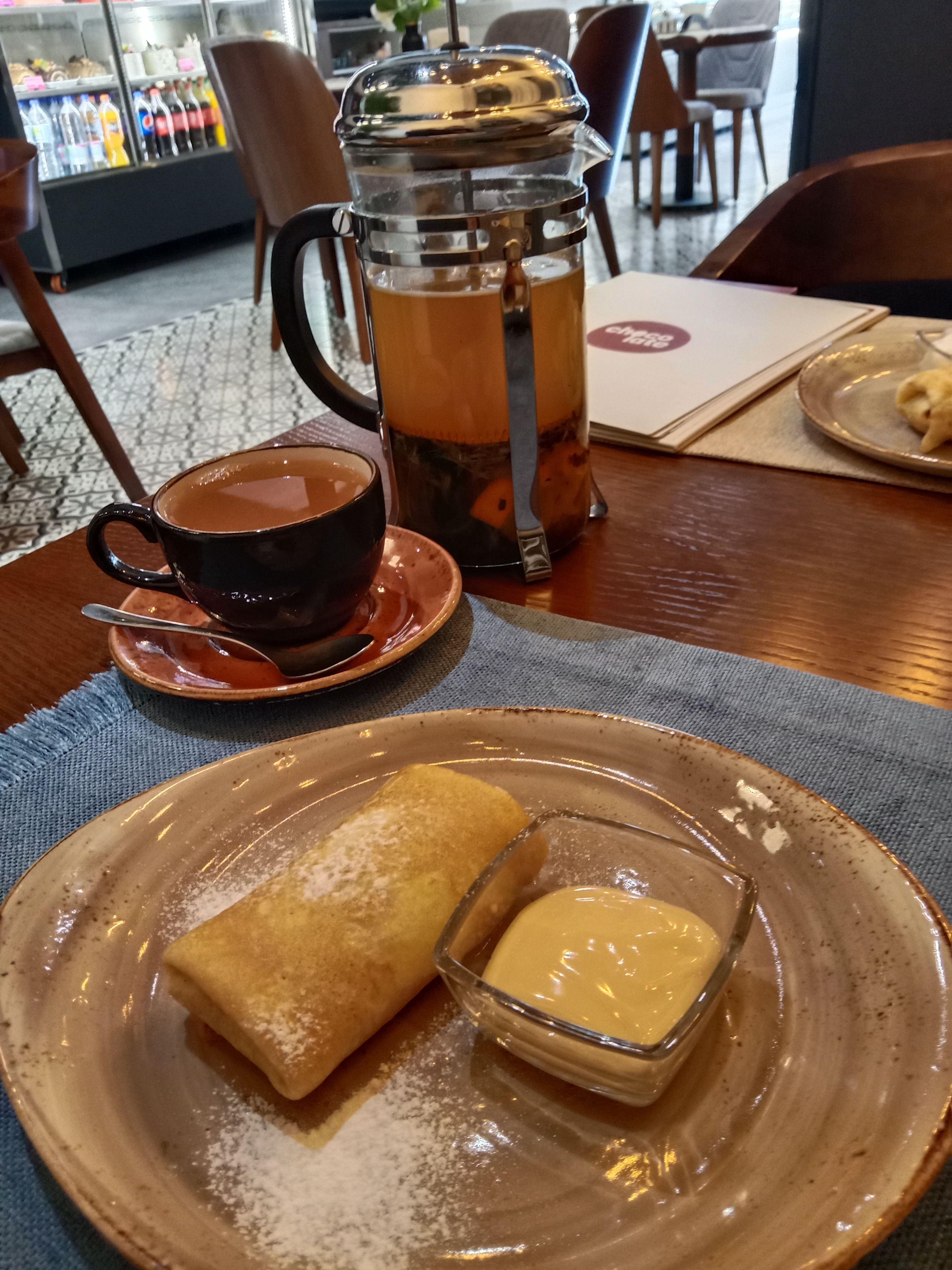
Photo: Sinchalak Musulmon / Wikimedia Commons, CC BY-SA 4.0; Benjamin Goetzinger / Wikimedia Commons, CC BY-SA 4.0; LBM1948 / Wikimedia Commons, CC BY-SA 4.0; Прикли / Wikimedia Commons, CC BY 4.0; Ташова Ширин / Wikimedia Commons, CC BY-SA 4.0