Luxury travel in Uzbekistan is about access and people, not marble lobbies: private guides, Afrosiyob VIP class, boutique stays, courtyard dinners, master artisans and even helicopters. Plus an honest note on the limits.
Facts, prices and schedules checked on November 4, 2026
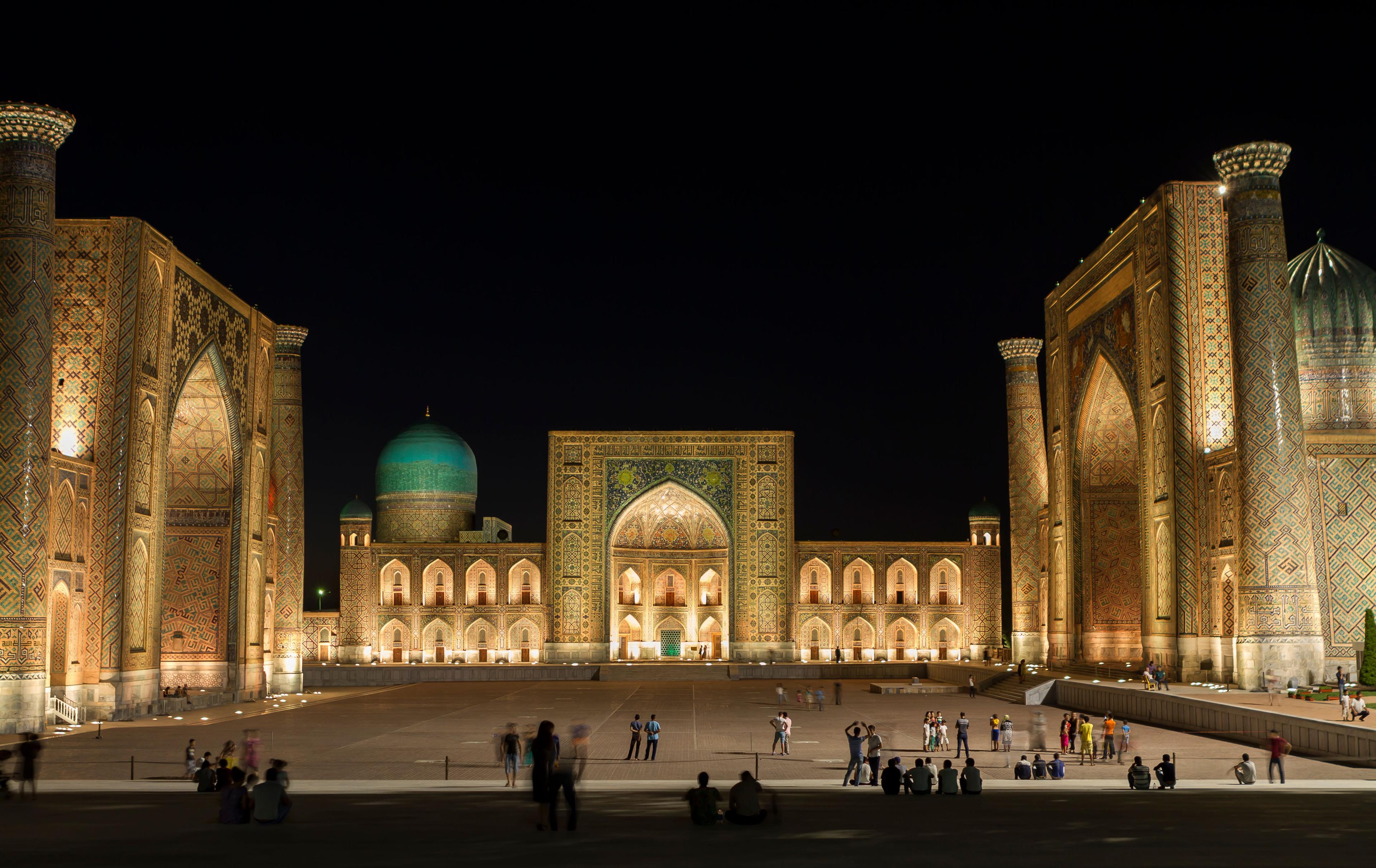
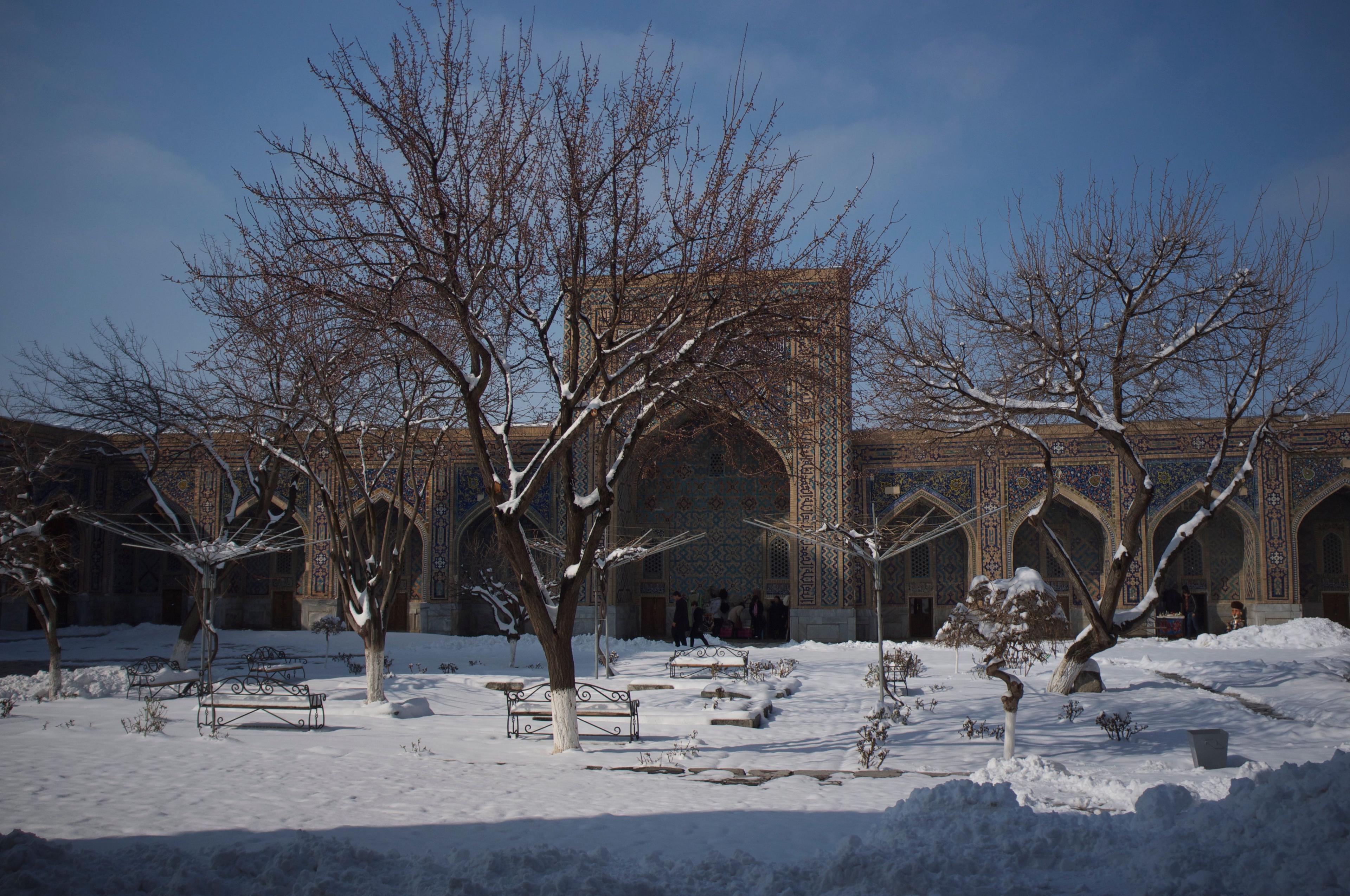
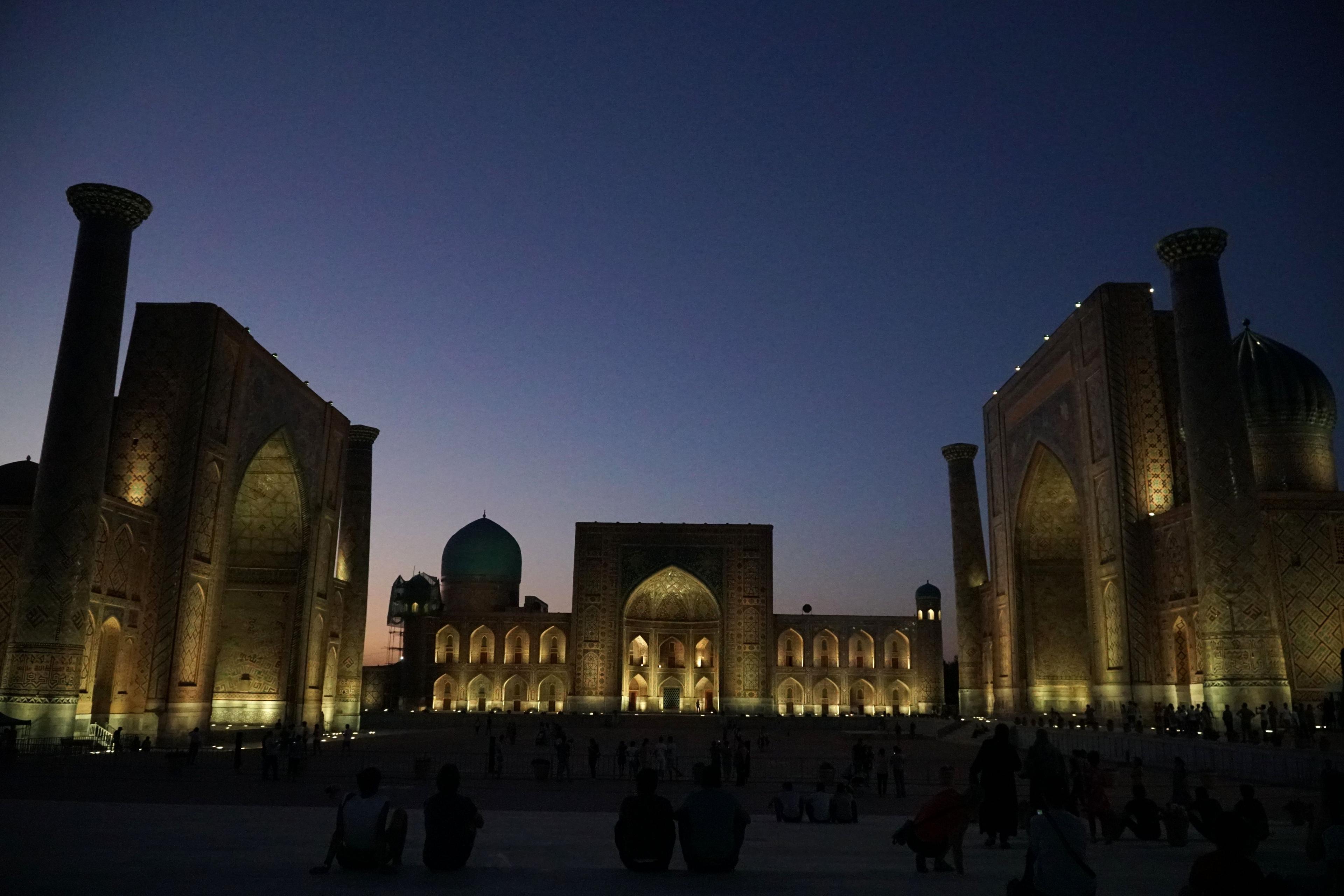
Luxury travel in Uzbekistan is not about gold taps. The country has a handful of international five-star hotels, but what makes a high-end trip here special is access and time: a guide who is an art historian rather than a script reader, the Registan before the crowds, a master embroiderer opening her workshop for you, dinner in a 17th-century courtyard with musicians playing only for your table.
This guide explains what a luxury trip to Uzbekistan really looks like in 2026: private guides and drivers, business and VIP class on the Afrosiyob train, helicopter excursions and private flights, boutique stays, private dinners and meetings with master artisans. It ends with an honest section on the limits, because high expectations deserve straight answers.
What does luxury travel in Uzbekistan look like?
A useful way to think about it: in Paris or Dubai, luxury is mostly the hotel. In Uzbekistan, it is mostly the people and the planning.
A well-run luxury trip here typically includes:
- A private guide, ideally the same senior guide throughout, plus specialist guides for particular interests;
- A private car or minivan with an experienced driver for every transfer and excursion;
- The best seats on the high-speed trains, and flights or a helicopter where they save real time;
- Rooms chosen for location, character and quiet rather than star rating alone;
- Meals planned in advance: courtyard dinners, family kitchens, a plov master at work, wine tastings;
- Private time with artisans, musicians and scholars;
- A pace that leaves afternoons free and adds a second night where a city deserves it.
What you are really paying for is that nothing goes wrong: trains booked as soon as sales open, someone waiting at every station, a guide who knows when the Registan is quietest and which workshop is worth the detour.
Private guides and drivers
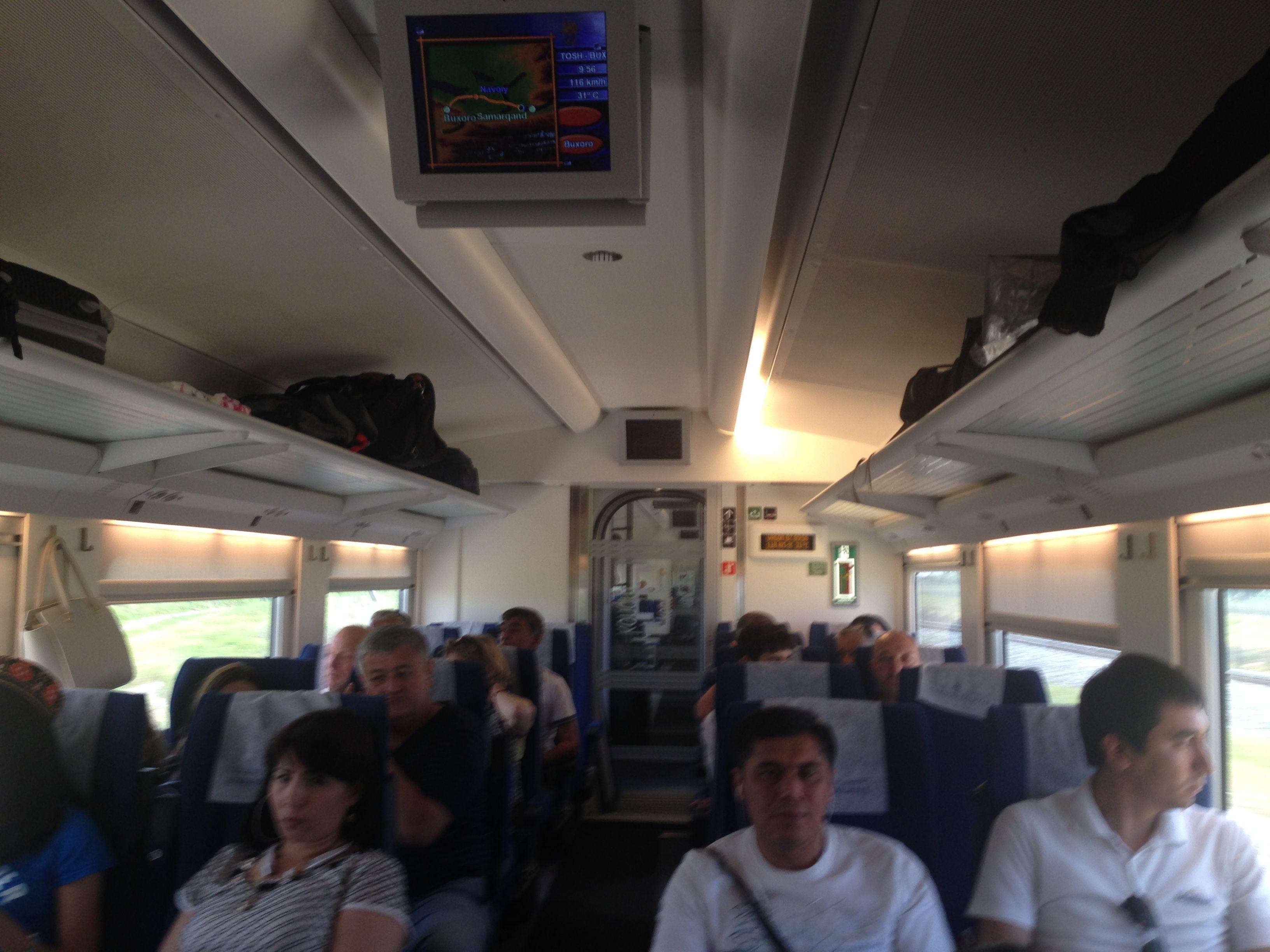
The guide makes or breaks a trip to Uzbekistan. The monuments are beautiful on their own, but the stories behind them, of Timur and Ulugbek, of Sufi orders, merchants and emirs, need someone who knows them well and tells them well.
For a high-end journey, look for:
- A licensed senior guide with years of experience, fluent in your language. English, French, German, Italian, Spanish and Russian are widely available; Japanese and Chinese guides are fewer and book up early.
- Specialists for particular interests: an architectural historian for Samarkand, an archaeologist for the desert fortresses of Khorezm, a textile expert for suzani and ikat.
- A driver who is part of the team, with a clean, modern, air-conditioned car or minivan, and water and wet wipes on board.
Typical 2026 rates for a licensed private city guide are in the region of US$50 to 100 a day, more for rarer languages, specialists and peak season. A car and driver are priced by the day or route depending on distance and vehicle. On a luxury trip these costs are usually a small share of the total, and the best guides are booked months ahead for April, May, September and October.
Afrosiyob business and VIP class
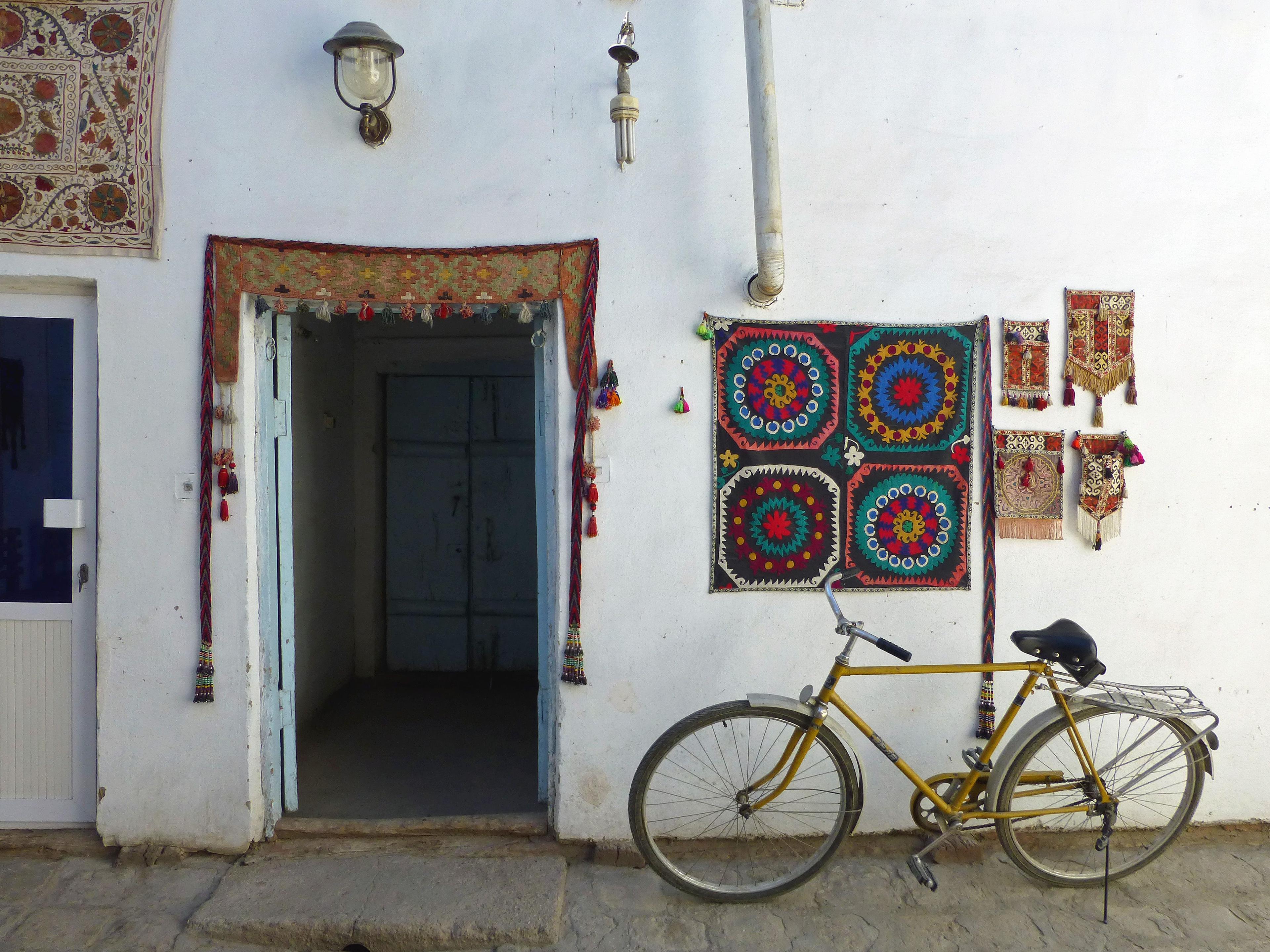
The Afrosiyob high-speed train links Tashkent, Samarkand and Bukhara, and since May 2026 a new high-speed service also runs to Khiva. For most journeys it is faster door to door than flying.
The Spanish-built Talgo trains have three classes:
- Economy: 2+2 fabric seats, perfectly comfortable.
- Business: wider seats in a 2+1 layout and a quieter car.
- VIP: leather seats in a 2+1 layout in a small saloon of around 11 seats.
One-way fares from 1 February 2026, set by Uzbekistan Railways:
- Tashkent to Samarkand: business 455,000 som (about US$38), VIP 709,000 som (about US$60)
- Tashkent to Bukhara: business 760,000 som (about US$64), VIP 1,138,000 som (about US$96)
The new Jaloliddin Manguberdi trains to Khiva have economy and VIP cars, with seat-back screens. VIP seats on all trains are few and sell out first in peak season, so they need booking as soon as sales open, up to 60 days ahead. Honestly, for the two-hour Samarkand run business class is the sweet spot; VIP is worth it on the longer journeys or if you want the most privacy. Our Afrosiyob train guide covers timetables and booking.
Helicopter excursions and private flights
Helicopter sightseeing is a recent and genuine option in Uzbekistan, though still small in scale.
- From Tashkent, tour operators sell day flights in partnership with Uzbekistan Airways' helicopter arm, using Airbus H125 (four passengers) and H130 (five passengers) helicopters. Routes go to the mountains: the Amirsoy ski resort, Lake Charvak, the Arashan lakes and the Pulatkhan Plateau, a high plateau that otherwise takes two days to reach on foot. Published prices start at roughly US$520 to 650 per person for these excursions, flights run in daylight only, and most are offered from spring to autumn.
- In Samarkand, short sightseeing flights began on 13 May 2026, taking off from the Silk Road Samarkand complex and flying over the city's edge and the Zarafshan nature park. Each flight lasts about 15 minutes, carries up to five passengers and was launched at 1.6 million som (about US$135) per person.
- Helicopter transfers between cities, for example Tashkent to Samarkand or Bukhara, are offered on request, priced from well over US$1,000 per flight.
For scheduled flights, Uzbekistan Airways sells business class on many domestic routes, useful for Tashkent to Urgench (for Khiva) or Nukus. Private jets and charters use Tashkent-East, the city's separate airport for business aviation, so arriving by private jet is possible with the usual permits arranged by a handling agent.
Schedules, prices and availability for helicopters change from season to season, so treat these as indicative and confirm before you plan around them.
Boutique stays: what to expect in each city
The good news: Uzbekistan's best places to sleep are often its most characterful, and they are in the right places.
- Tashkent has most of the international luxury brands, with modern rooms, spas and pools. Fine for the first and last night.
- Samarkand has the widest choice at the top end, including the resort-style hotels of the Silk Road Samarkand complex on the eastern edge of the city, with spa and wellness programmes, and smaller upscale hotels near the Registan.
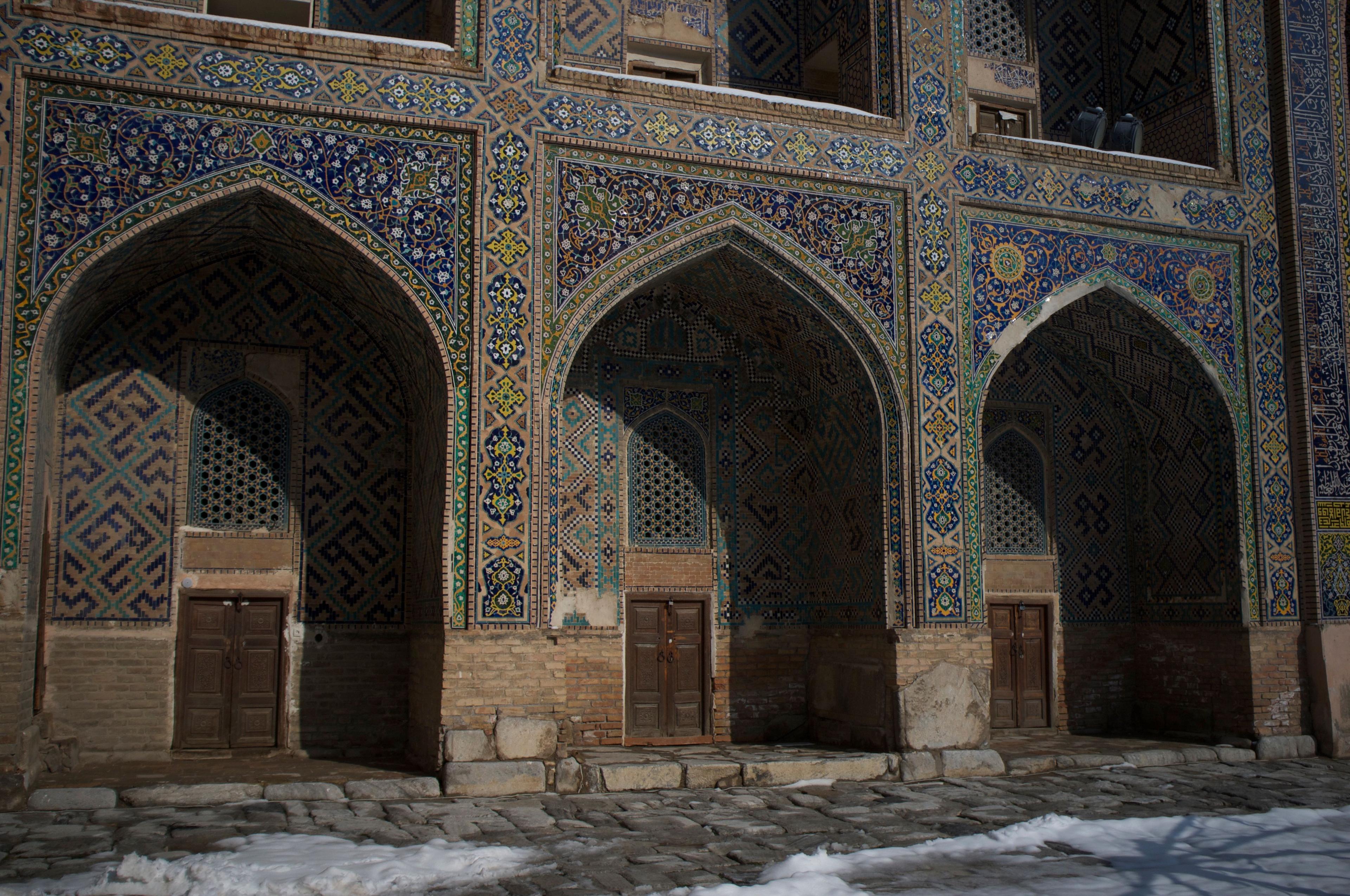
- Bukhara is the city of restored merchants' houses: carved wooden columns, painted ceilings, courtyards with a pool or a vine. The best of them, in the lanes around Lyabi-Hauz, are among the most atmospheric stays in Central Asia.
- Khiva is the most modest. Staying inside Ichan-Kala is magical, but rooms are smaller and simpler than elsewhere. Some newer hotels just outside the walls offer more space and lifts.
When choosing, ask about the view, the size of the room (heritage rooms can be small), soundproofing from the street, a lift, the quality of the air conditioning and heating, and whether the bed is a double or two twins. Our guide to where to stay in Samarkand, Bukhara and Khiva describes each area. Typical 2026 rates for upscale boutique and four-star hotels are roughly US$100 to 200 a night, and international luxury brands roughly US$150 to 350 or more.

Private dinners, music and wine
Food is where Uzbekistan's hospitality shines brightest, and where a well-planned trip feels most personal.
- Courtyard dinners: a table for two or for your party in the courtyard of a Bukhara madrasah or merchant's house, with candles and musicians.
- A family table: dinner in a private home, with the mother of the house cooking and the family joining you. Often the evening guests remember most.
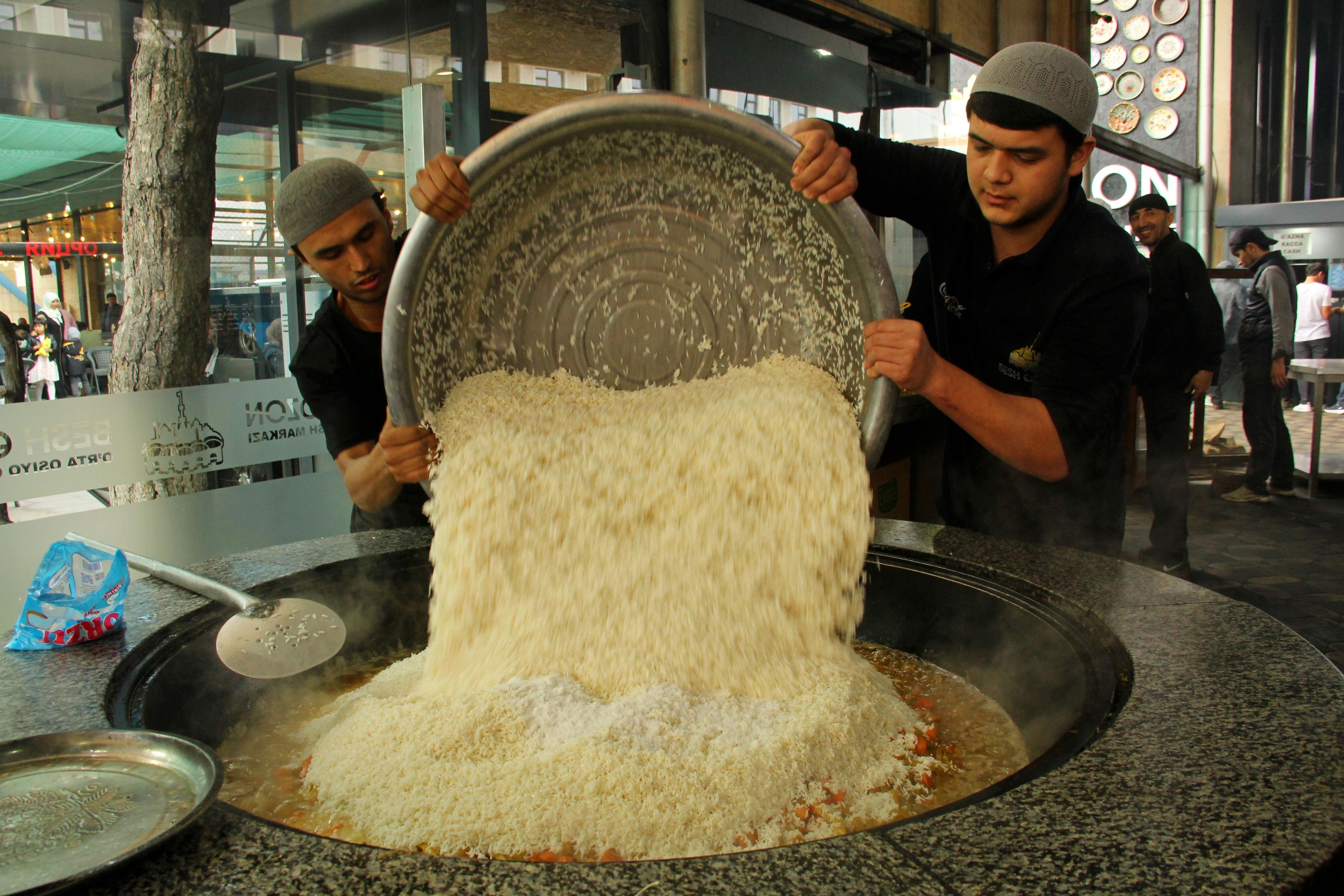
- Plov with a master: watch an oshpaz, a plov master, cook in a huge kazan over a fire, then eat it fresh. Lunchtime is plov time.
- Shashmaqom: a private recital of Bukhara's classical court music, recognised by UNESCO as intangible heritage of humanity, in a historic setting.
- Wine: the historic Khovrenko winery in Samarkand offers tastings in the 19th-century house of Dmitry Filatov, who started modern winemaking here in 1868. Private tastings of the winery's older wines can be arranged.
- Tea and sweets on a Bukhara rooftop facing the Kalyan Minaret at sunset.
Our Uzbek food guide explains the dishes, from plov and samsa to the Khorezm specialities of Khiva.
Meeting master artisans
Uzbekistan's crafts are alive, practised by families who have passed skills down for generations. A private visit, with time to ask questions and watch the work, is very different from a quick stop at a souvenir stall.
- Samarkand: the Meros paper mill at Konigil, where silk paper is made from mulberry bark using a water-driven mill; carpet and silk workshops.
- Bukhara: suzani embroidery, gold embroidery, miniature painting, forged knives and scissors, and the puppet and textile workshops of the trading domes and Lyabi-Hauz.
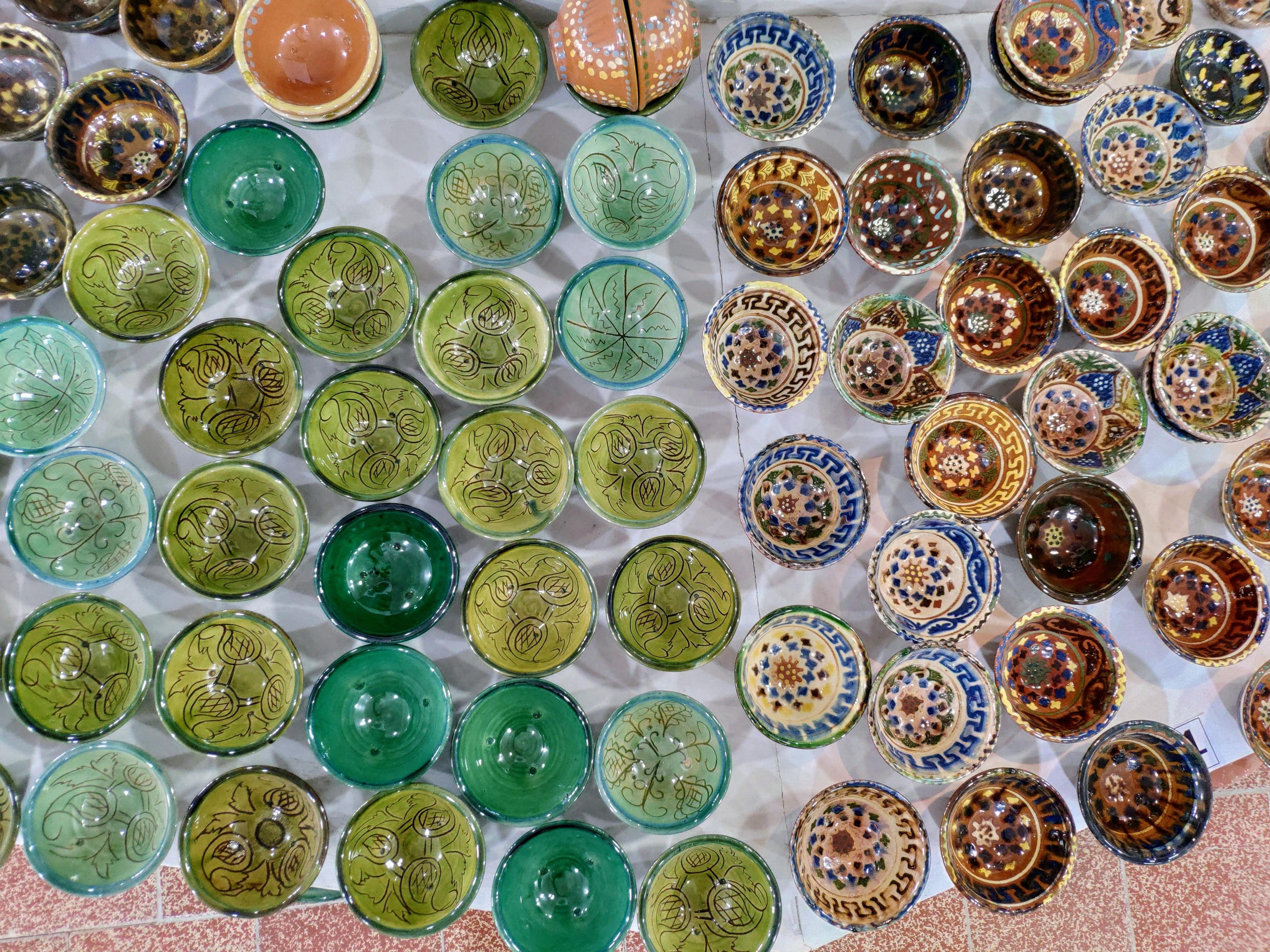
- Gijduvan, near Bukhara: family pottery workshops famous for brown, ochre and green glazes, where you can try the wheel and stay for lunch.
- The Fergana Valley: the Yodgorlik silk factory in Margilan for ikat weaving, and the blue ceramics of Rishtan.
If you want to buy a serious piece, such as a large suzani, a carpet or an old textile, ask your guide to come with you. Keep the receipt, and know that genuinely old items may need an export certificate; reputable dealers can arrange this. Our guide to Uzbek crafts and souvenirs has more detail, and our Crafts of the Fergana Valley tour is built around these encounters.
Wellness and slow days
Luxury also means rest. A few ways to build it in:
- A traditional hammam in Bukhara, with a hot stone platform, scrub and massage, or a hotel spa if you prefer privacy.
- A wellness stay at the Silk Road Samarkand complex, which includes hotels focused on spa and health programmes.
- Two nights in the mountains at Chimgan and Charvak, an hour or two from Tashkent, for cooler air, walks and, in winter, skiing at Amirsoy.
- Free afternoons. In spring and autumn, a three-hour lunch in a shaded courtyard is as much part of the experience as any monument.
Above all, add nights. Two nights in Khiva, three in Bukhara and three in Samarkand transform the pace of a trip.
An honest note on the limits of luxury in Uzbekistan
We would rather you arrive with the right expectations:
- Few true five-star hotels. Outside Tashkent and Samarkand, the best rooms are boutique and heritage properties, lovely but not palatial. Khiva in particular is simple.
- Service is warm but not always polished. English is improving fast in tourism, but in smaller hotels and restaurants it can be limited.
- Fine dining is thin. Tashkent has excellent restaurants; elsewhere, the best meals are traditional rather than haute cuisine, and wine lists are short.
- Special access is not guaranteed. Early or late private visits to monuments, or events inside them, need permission from site managements and are decided case by case.
- Infrastructure still has gaps: long drives in the desert, some rough roads in Karakalpakstan, timetable changes on trains and flights, and popular VIP seats that sell out.
- Peak season fills up. The best rooms and guides for April, May, September and October are booked months in advance.
None of this spoils the trip. It simply means the value of a high-end journey here lies in the planning, the people and the experiences, not in thread counts.

A sample luxury itinerary and what it costs
A ten-day private journey at this level might look like this:
- Days 1 to 2, Tashkent: arrival with a personal meet-and-greet in the arrivals hall, then a private tour of the metro, the Khast Imam library and the applied arts museum, and dinner at one of the capital's best restaurants.
- Days 3 to 4, Khiva: a business-class flight to Urgench, two nights by Ichan-Kala, a private sunset on the walls and a day among the desert fortresses with an archaeologist.
- Days 5 to 7, Bukhara: the high-speed train across the desert, a restored merchant's house, a Shashmaqom recital, a courtyard dinner, a hammam and a morning with the potters of Gijduvan.
- Days 8 to 10, Samarkand: VIP class on the Afrosiyob, Shah-i-Zinda at opening time, a private wine tasting, the Konigil paper mill and, if you wish, a helicopter flight before the train back to Tashkent.
As of November 2026, a premium trip with top boutique and international hotels, a private guide and driver throughout, business-class trains and private experiences typically costs from about US$250 per person per day, and often US$400 or more. A 10-day private journey for two at this level usually comes to several thousand dollars per person before international flights.
The main variables are the season, the room categories, the number of specialist guides and private events, and extras such as helicopter excursions. Our guide to travel costs in Uzbekistan breaks down every item at every level.
Luxury travel with TourEast
Our Luxury Private Silk Road journey is a starting point for a private trip at the highest level, and every detail, from the train class to a private dinner or an artisan visit, can be adjusted. Tell us your dates and interests, and we will design a custom itinerary around them.