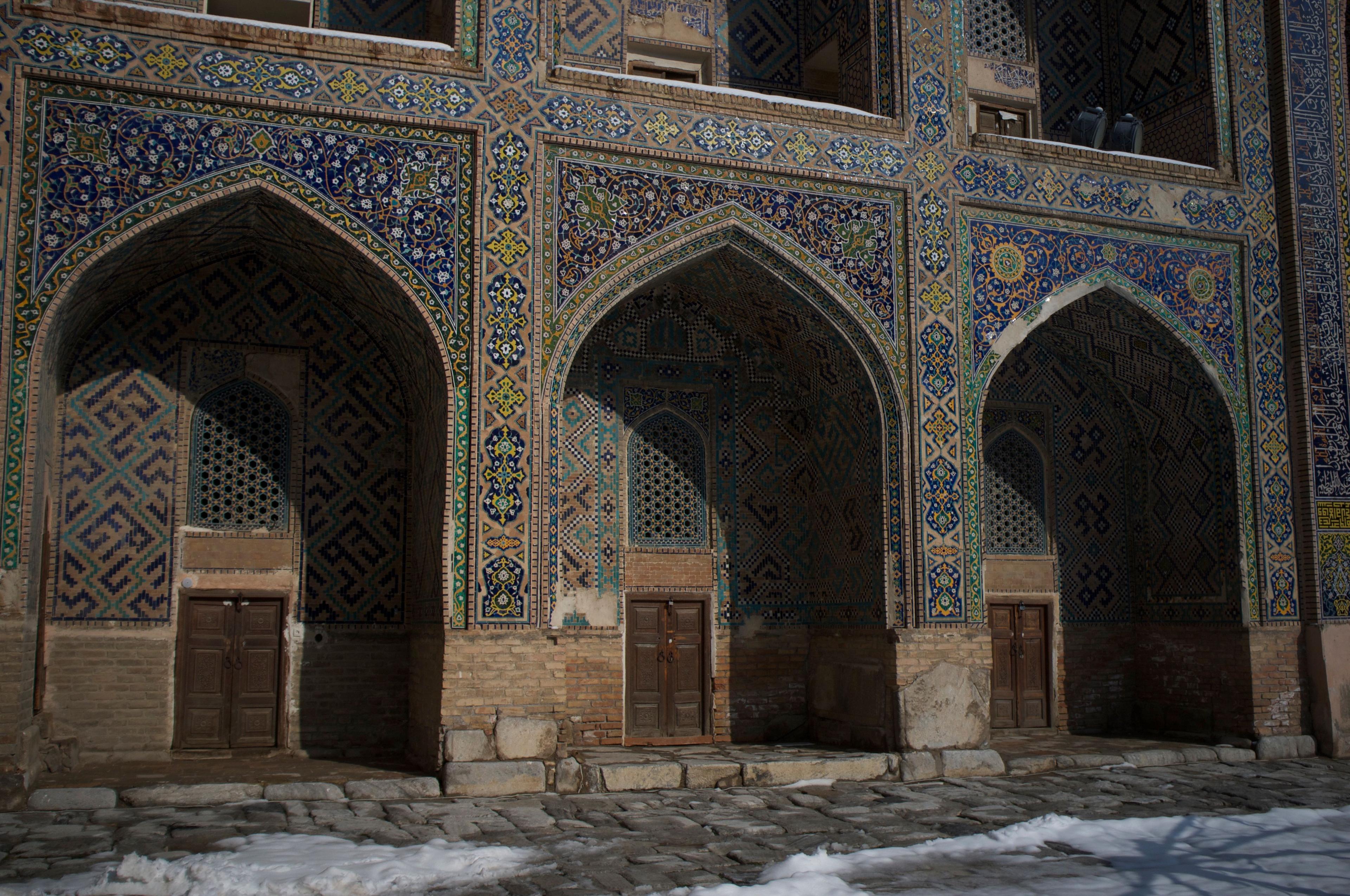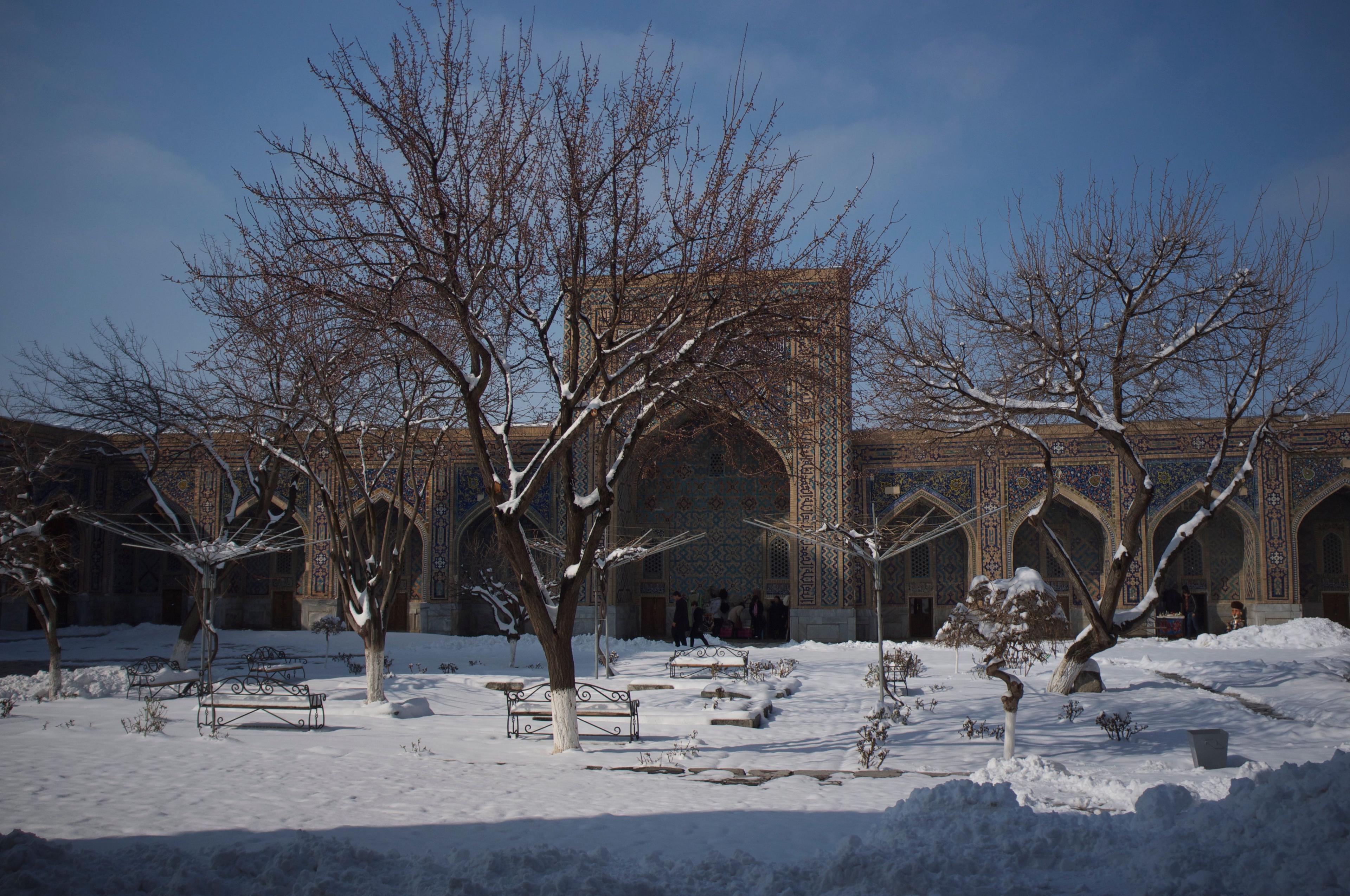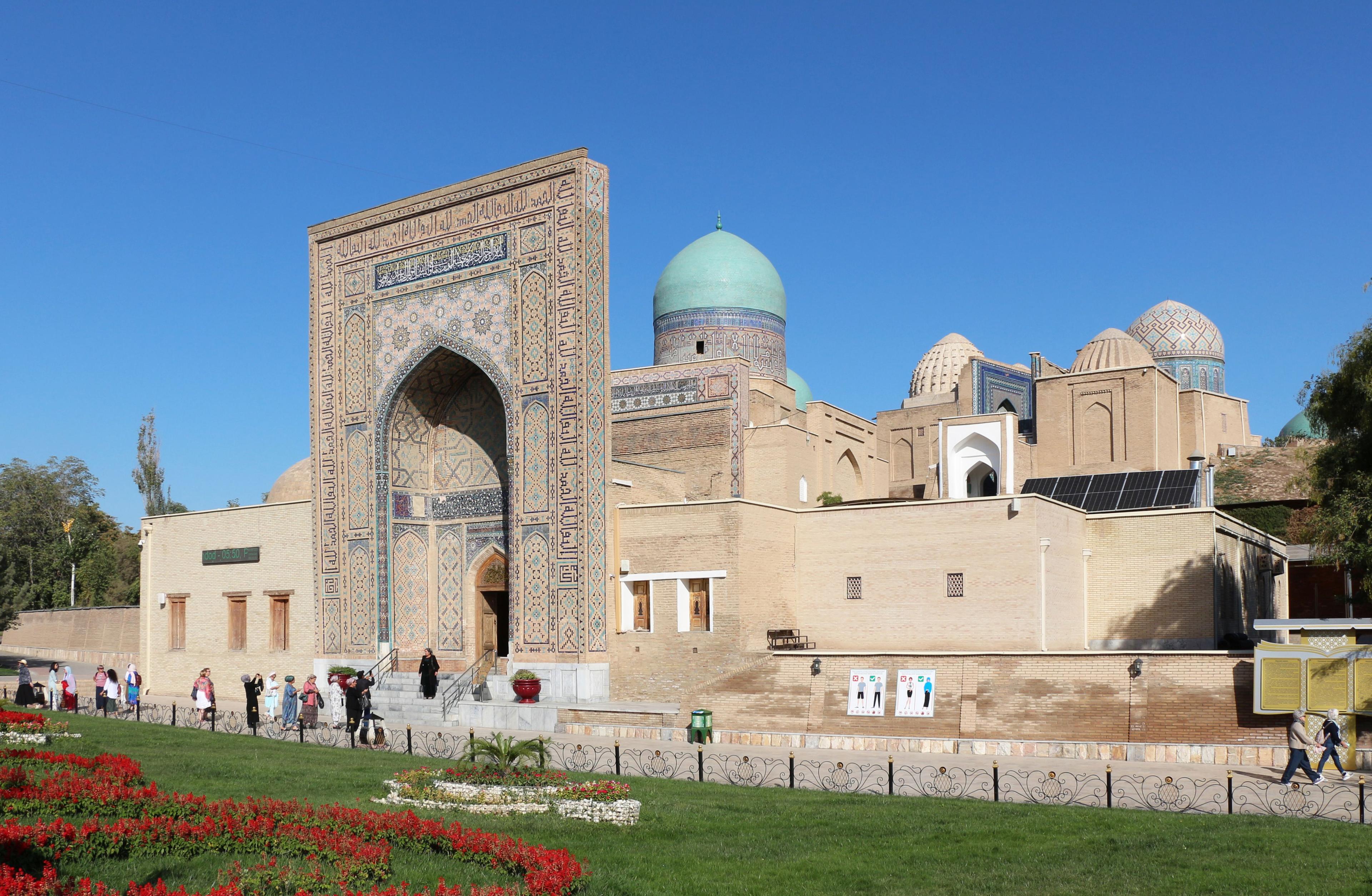
Uzbekistan in autumn brings clear, mild days, golden light and bazaars full of grapes, melons and pomegranates. Our local guide to September, October and November: weather by city, the harvest and cotton season, festivals, crowds and what to pack.
Facts, prices and schedules checked on November 4, 2026
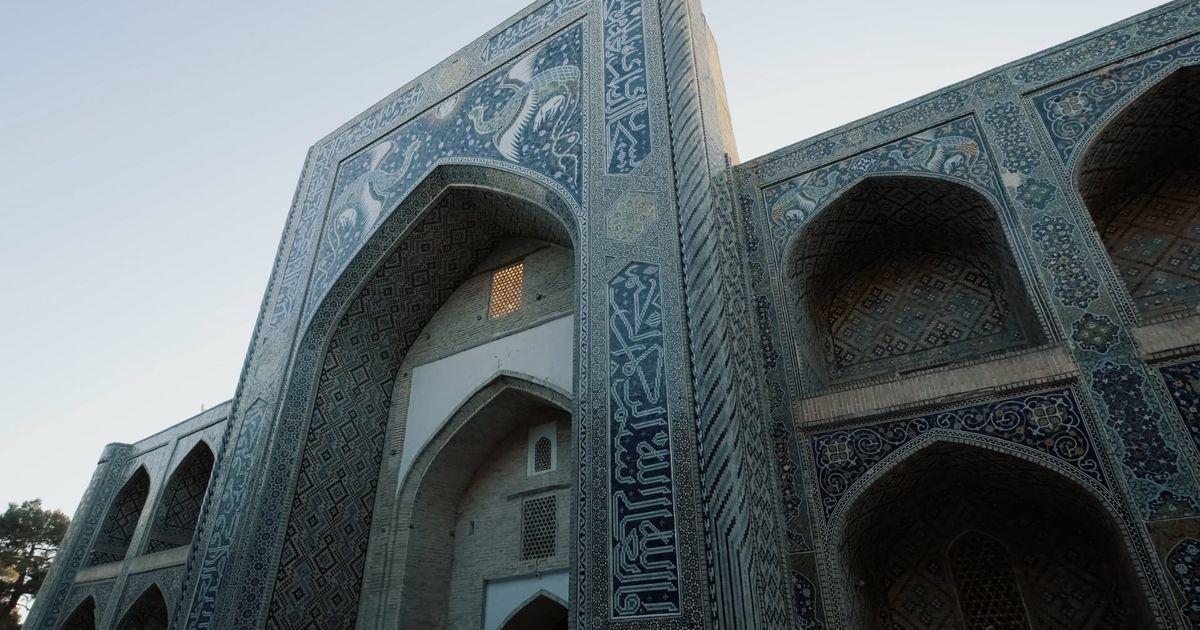
Uzbekistan in autumn is the season most locals would choose for you. The summer heat breaks in September, October brings clear, mild days and golden light on the domes of Samarkand and Bukhara, and the bazaars overflow with the harvest: grapes, melons, pomegranates, quinces and persimmons. It is the peak season for international visitors, and for good reason.
This guide covers September, October and November one by one: the weather by city, the harvest and what to eat, the cotton season, the autumn festivals, crowds and prices, and what to pack. If you are still deciding when to travel, it should also help you choose between autumn and spring.
Why autumn is peak season in Uzbekistan
September and October are, together with April and May, the best time to visit Uzbekistan, and many travellers and guides would put autumn first. The reasons:
- The weather is settled. Rain is rare until November, and day after day is sunny and dry.
- The temperatures are kind. After the heat of summer, highs fall from around 30°C in early September to the low 20s in October.
- The light is beautiful. The lower sun turns the brick and tiles gold in the late afternoon, which is why photographers love October.
- The harvest is in. This is the richest time of year for food, from the new season's grapes to plov made with fresh yellow carrots.
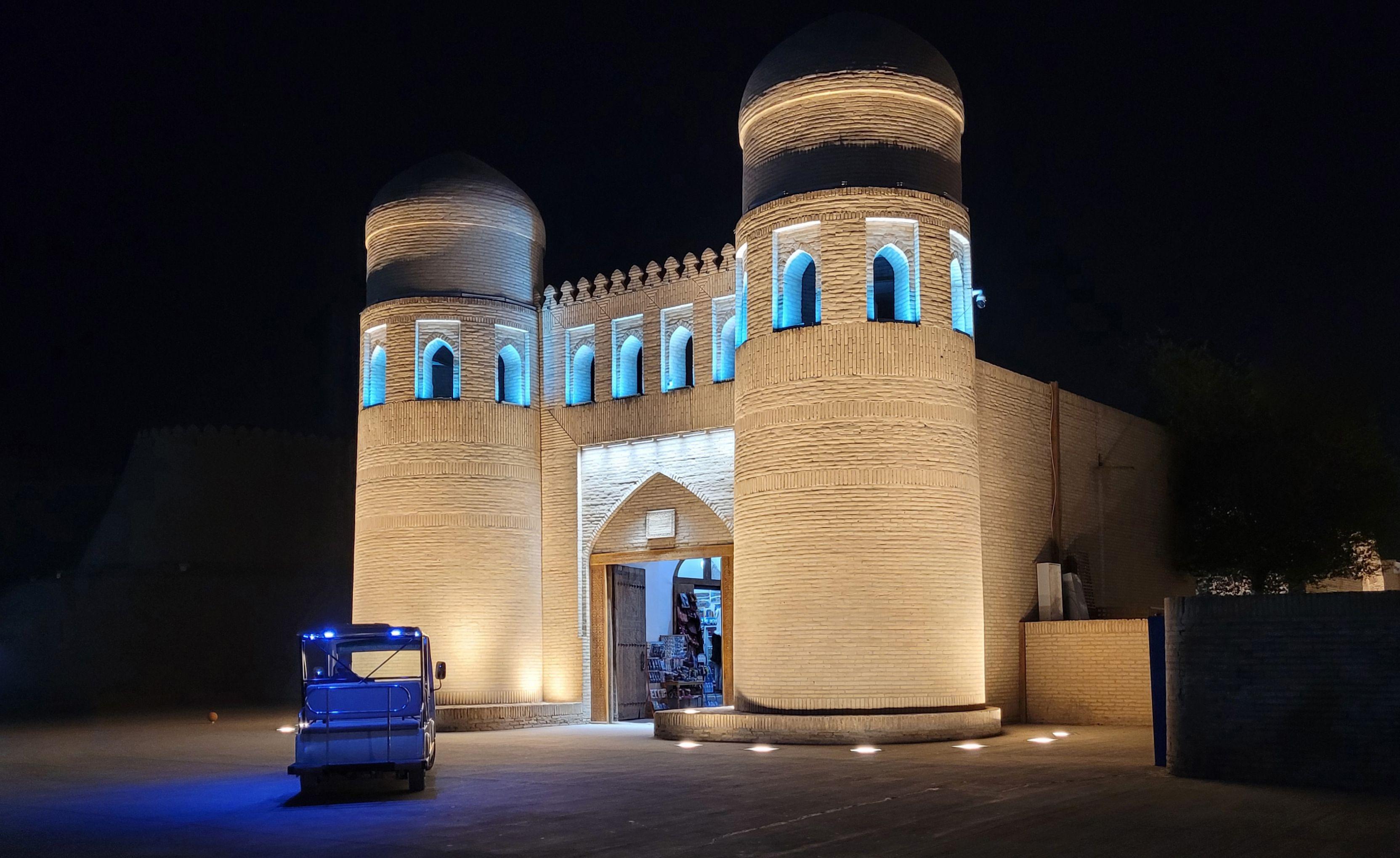
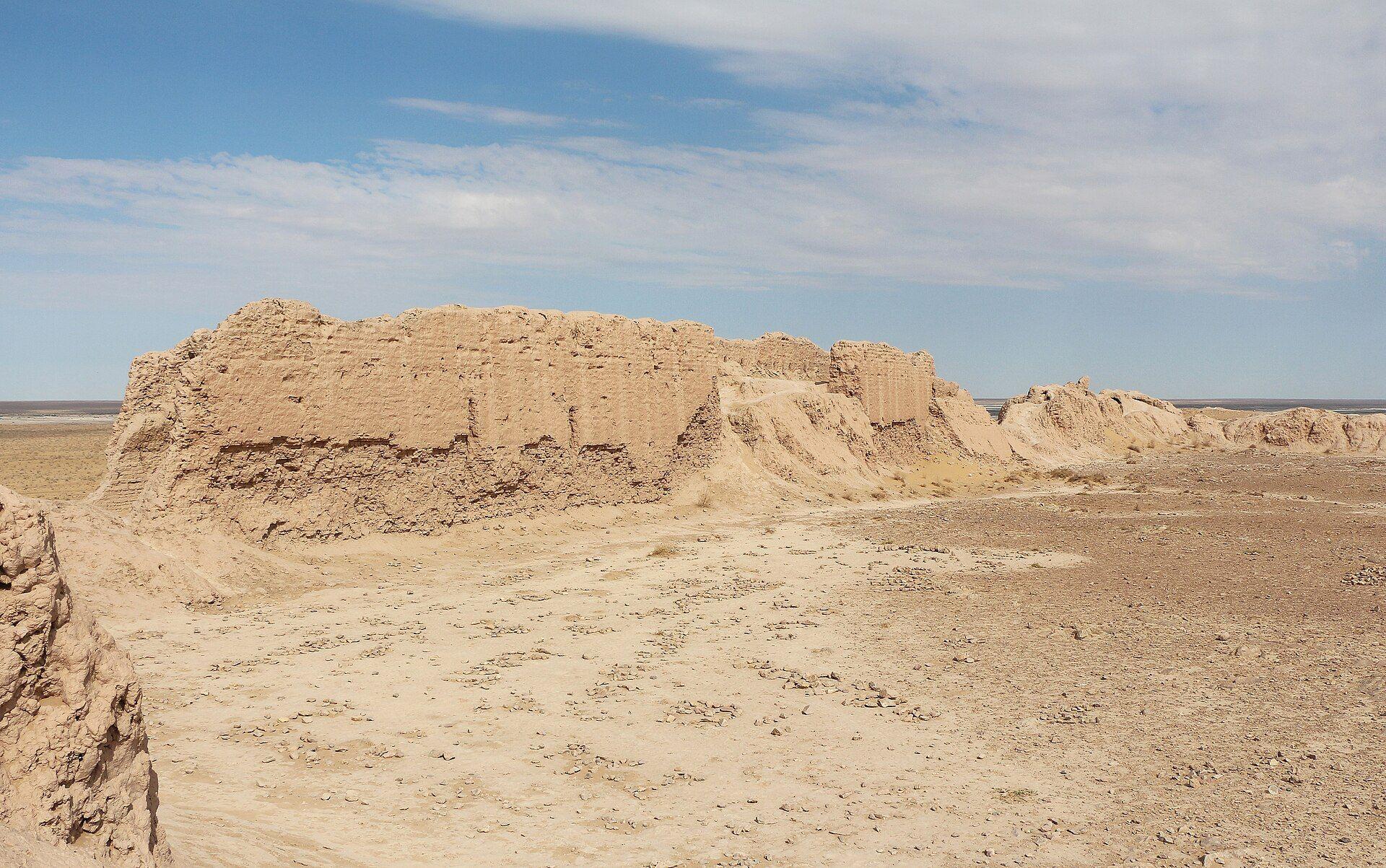
- The desert is comfortable. Khiva, the Khorezm fortresses, the Aral Sea and the yurt camps of the Kyzylkum are at their best before the nights turn cold.
The only real drawback is that everyone else knows it too. Hotels in the old towns of Samarkand, Bukhara and Khiva fill early in September and October, and the Afrosiyob trains are busy. Planning two to three months ahead is wise.
Uzbekistan weather in September, October and November by city
Long-term average daytime highs and night-time lows (°C, 1991 to 2020 normals; Khiva uses the Urgench weather station):
- September: Tashkent 30 / 13, Samarkand 29 / 14, Bukhara 30 / 14, Khiva 28 / 12
- October: Tashkent 22 / 8, Samarkand 22 / 8, Bukhara 23 / 7, Khiva 20 / 5
- November: Tashkent 14 / 4, Samarkand 14 / 3, Bukhara 15 / 2, Khiva 11 / 0
Uzbekistan in September still feels like summer in the first half of the month, with afternoons around 30°C in the desert cities, but mornings and evenings are much fresher and there is almost no rain. By the end of the month the weather is ideal for walking.
Uzbekistan in October is close to perfect. Days are in the low 20s and sunny, nights are cool, and in the desert the difference between afternoon and night can be 15°C or more. Khiva can drop to around 5°C at night by the end of the month, so bring a warm layer.
Uzbekistan in November is the shoulder month. The first half can still be bright and pleasant; later the days shorten, clouds and the first rains return to Tashkent and Samarkand, and nights approach freezing, especially in Khiva. Crowds and prices fall noticeably. If you want quiet monuments and do not mind cool weather, early November is a good time to travel.
For other months, see our guide to the weather in Uzbekistan by month.
The harvest: grapes, melons, pomegranates and more
Autumn is when Uzbekistan eats best. The bazaars are piled high with produce, and much of it comes straight from the orchards and fields of the surrounding oases.
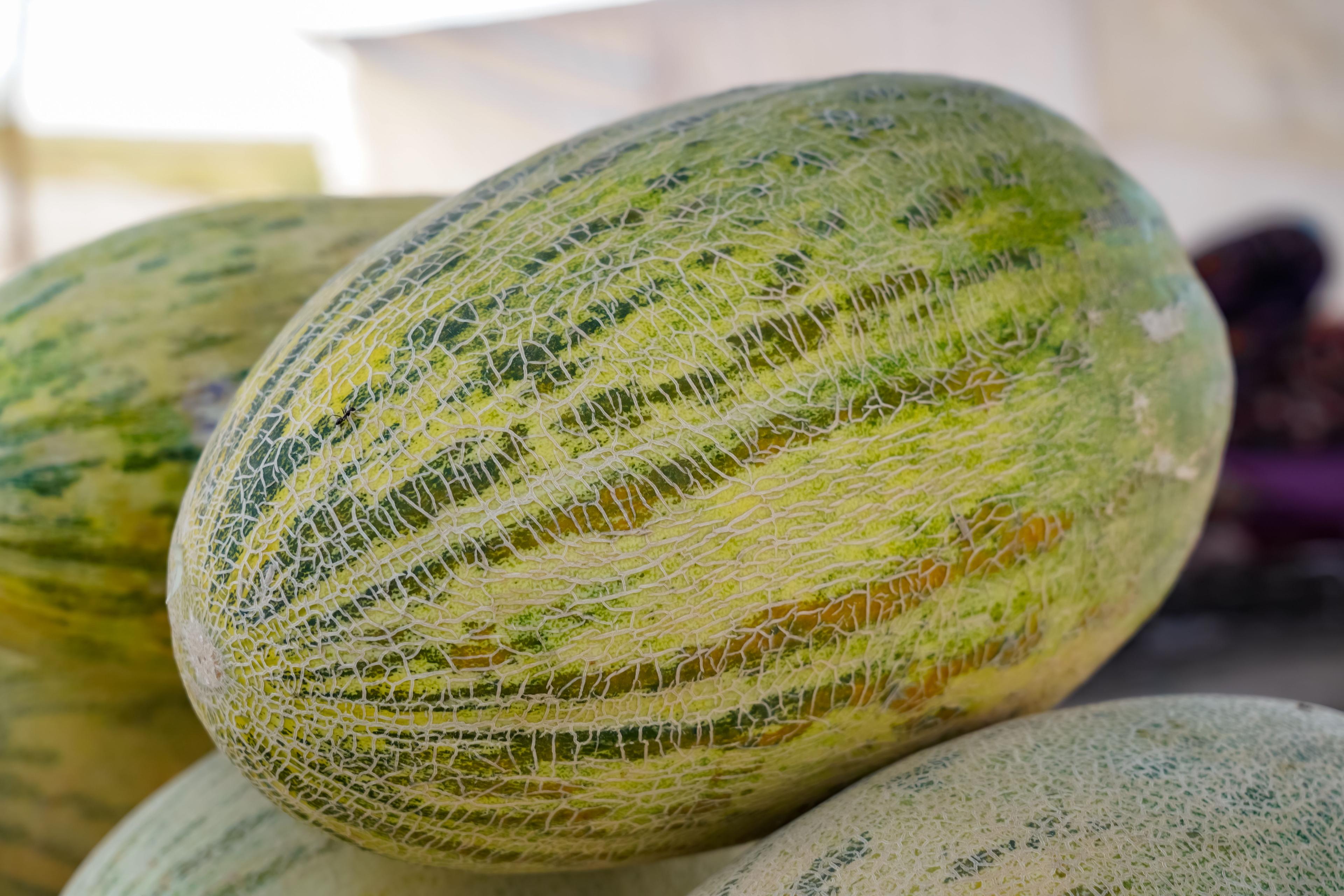
- Grapes: from late summer through October, in dozens of varieties, from small seedless kishmish to large black and pink table grapes. Much of the crop is dried, and Uzbek raisins are excellent.
- Melons: the season peaks in August and September, but late-ripening varieties are harvested into autumn and some are stored to be eaten in winter. Khorezm, the region around Khiva, is famous for its melons.
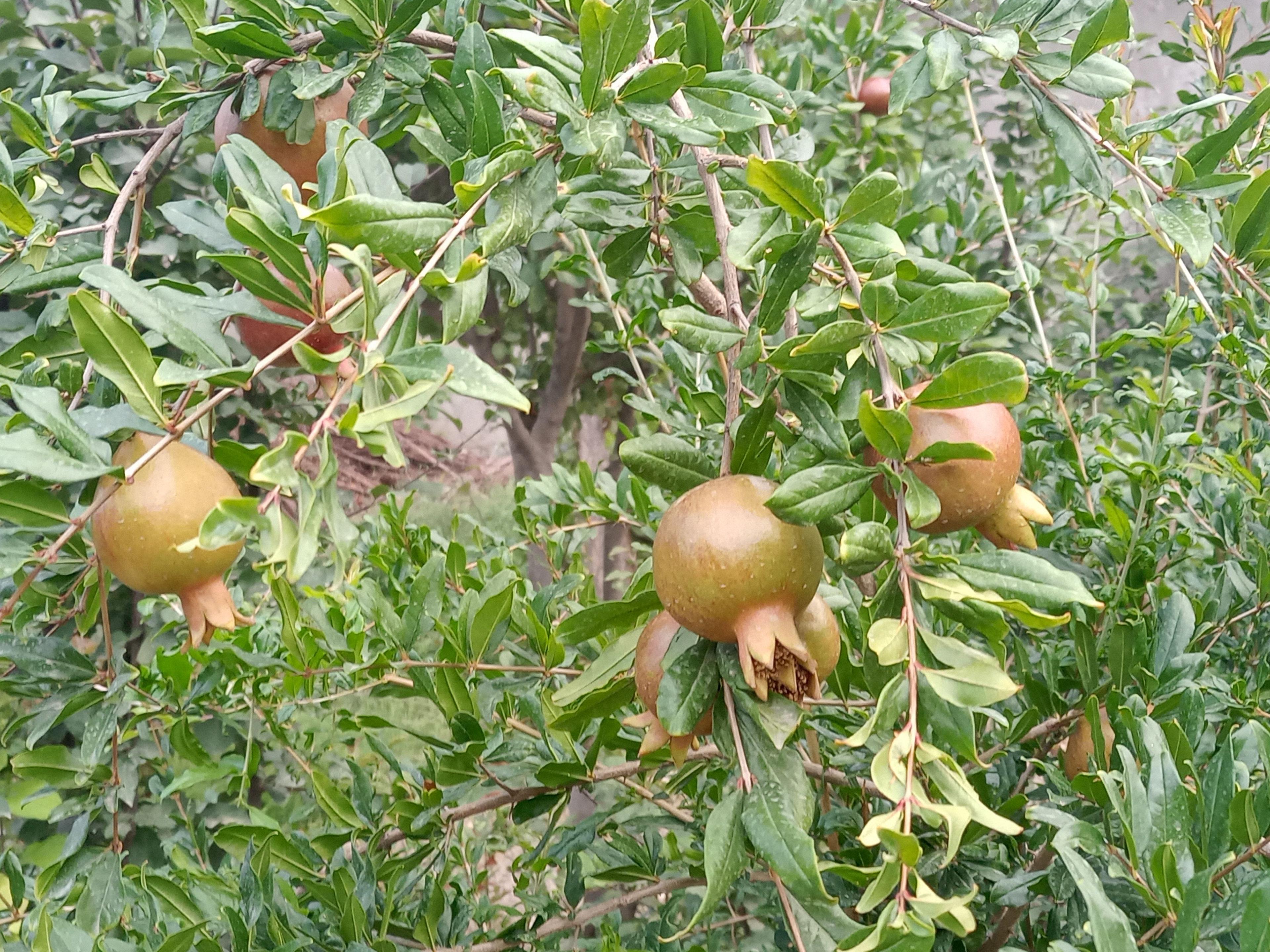
- Pomegranates: in season from October, sold in heaps and pressed into fresh juice on the street.
- Persimmons and quinces: from October into the winter, with orange persimmons glowing on bare trees in courtyards.
- Apples, pears, figs and walnuts: in September and October, especially in the Fergana Valley and the mountain villages.
- Carrots and pumpkins: the new season's yellow and orange carrots go into plov, and pumpkin fills the autumn samsa.
The best way to see it all is a morning at a bazaar: Chorsu in Tashkent, Siab in Samarkand, or the markets of Margilan and Kokand in the Fergana Valley. Sellers will often invite you to try before you buy. Our Uzbek food guide explains what to order once you sit down to eat.
The cotton season
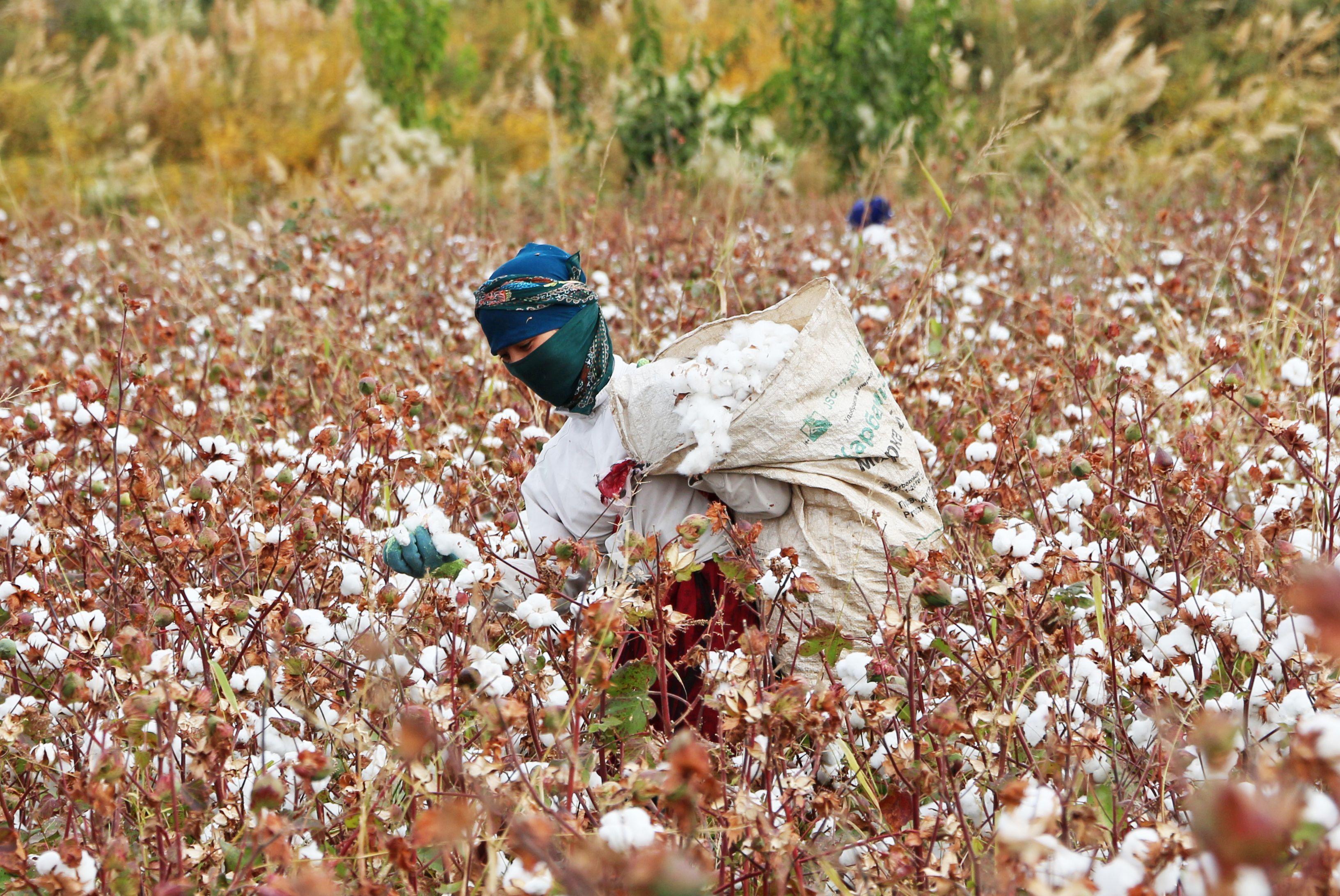
From September into November, much of rural Uzbekistan is white with cotton. Driving between Samarkand and Bukhara, or from Bukhara towards Khiva, you pass field after field of open bolls, and in the villages you see trailers piled with raw cotton heading for the gins. Uzbekistan is one of the world's major cotton producers, and the crop has shaped its landscape, economy and history for well over a century.
For many years the harvest had a dark side: the state mobilised students, teachers, doctors and other public-sector workers to pick cotton, and international campaigners called for a boycott of Uzbek cotton. That has changed. The International Labour Organization's monitoring of the 2021 harvest concluded that systemic forced labour and child labour had ended, and in March 2022 the Cotton Campaign, a coalition of human rights groups, ended its global boycott. Rights groups continue to report pressure on farmers in the industry, but the mass mobilisation of the past is over. More and more cotton is now picked by machine.
For travellers, the cotton season is simply part of the autumn landscape. Pickers in the fields are usually happy to wave back; if you stop to take photographs, ask first. Cotton is part of everyday design too: the blue-and-white cotton-boll pattern on the classic Uzbek teapot and tea bowls, known as paxta, is on almost every chaikhana table, and a set makes a good souvenir.
Autumn festivals and holidays
Autumn starts with the biggest national holiday and continues with a run of craft and cultural events.
- 1 September: Independence Day. Concerts and fireworks in every city and a large official show in Tashkent. In 2026, for the 35th anniversary, the main celebration took place on 28 August. Expect busy trains and road closures in central Tashkent around the holiday.
- September: the Atlas Bayrami textile festival in Margilan celebrates the ikat silks of the Fergana Valley with a crafts fair, weaving demonstrations and fashion shows. In 2026 it was held on 17 to 19 September.
- Late September: the Echo of the Desert festival in Karakalpakstan (25 to 26 September in 2026) brings folk music and nomadic traditions to the edge of the desert.
- 1 October: Teachers' Day, a public holiday.
- October: in 2026 Khiva hosted an international carpet exhibition on 17 and 18 October.
- Autumn 2027: the second Bukhara Biennial, a large contemporary art and craft event, is planned for autumn 2027 after its first edition in 2025.
Autumn is also the peak of the wedding season. If you hear the long karnay trumpets from a restaurant or see a convoy of decorated cars, it is almost certainly a wedding, and visitors are sometimes invited to watch the dancing. Dates of most festivals are announced each year, so check our festivals calendar before you book.
Autumn colours in the mountains and the cities
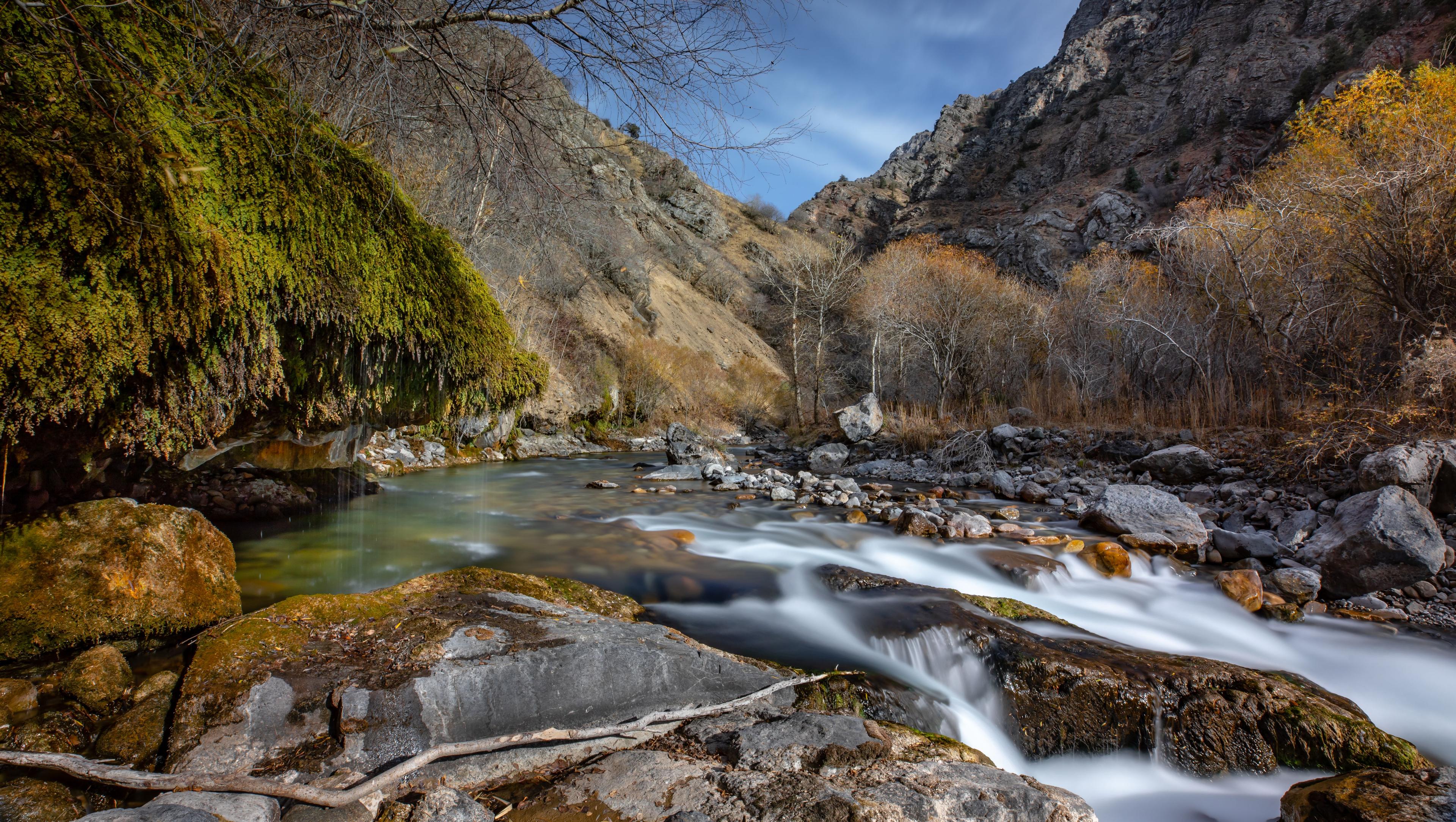
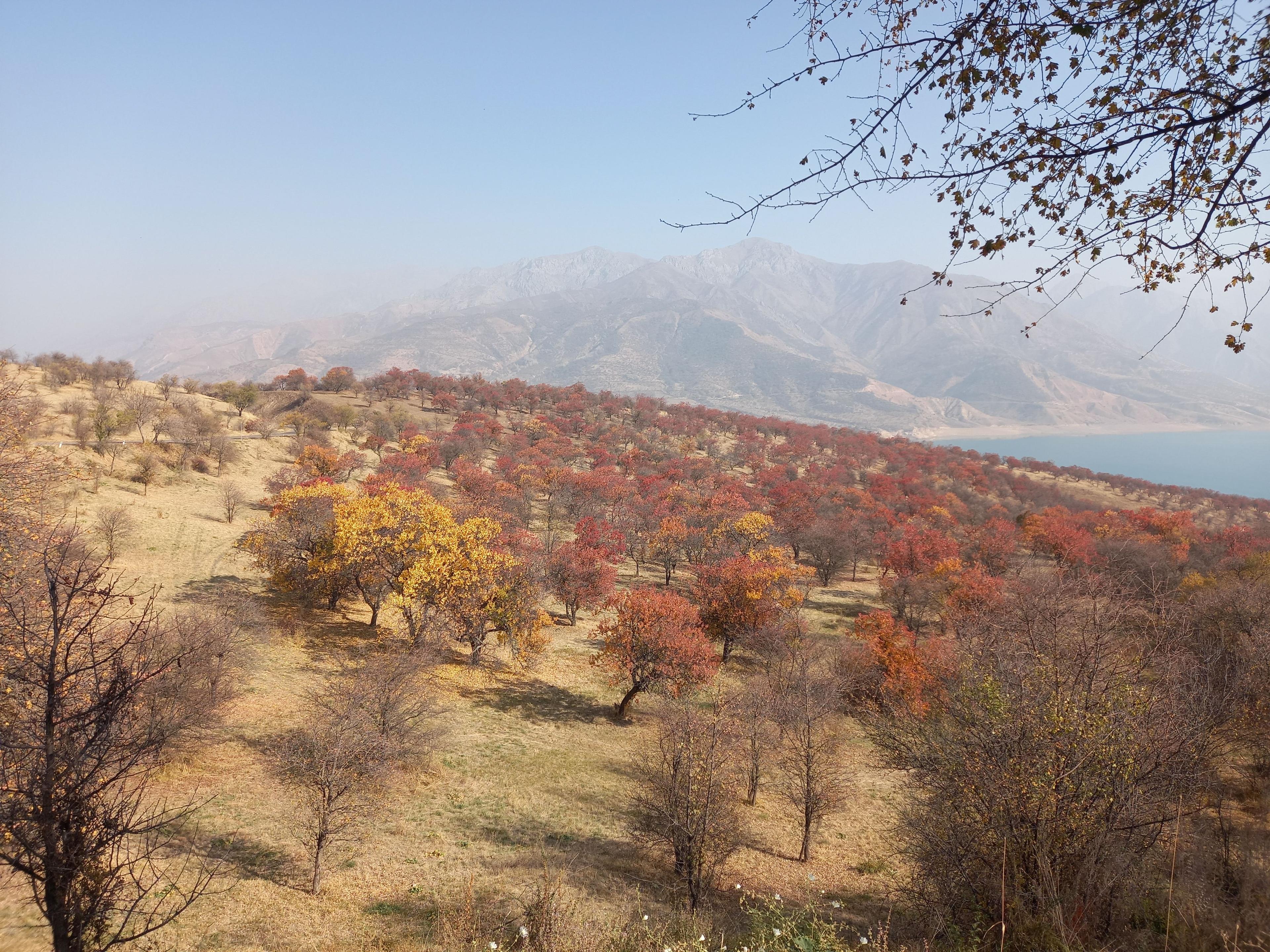
Uzbekistan is not known for autumn foliage, but it has its moments. In October the mountains around Chimgan and the Charvak reservoir turn gold and red, with poplars, walnut trees and wild fruit trees changing colour against the bare slopes. It is probably the best month for walking there: the weather is stable, the air clear and the summer crowds have gone. Our guide to a Chimgan and Charvak day trip has the details.
In the cities, the great plane trees of Tashkent and Samarkand, many of them over a century old, turn yellow in late October and November, and the vineyards in the oases go russet after the harvest. A walk in the gardens around the Amir Timur square in Tashkent or in the old quarters of Samarkand on a sunny November afternoon is a quiet pleasure.
Crowds, prices and how far ahead to book
September and October are the busiest months of the year for international visitors.
- Hotels: the best old-town boutique hotels in Samarkand, Bukhara and Khiva are often fully booked weeks or months ahead. As a guide, typical prices in 2026 for a double room in a well-reviewed boutique hotel in the old towns were around US$60 to 130 a night with breakfast, and family guesthouses about US$25 to 60. Rates are at their highest in autumn. Since 1 September 2026 foreign guests also pay a small tourist levy per night.
- Trains: Afrosiyob tickets go on sale up to 60 days before departure and popular departures sell out, especially around Independence Day and at weekends.
- Monuments: the Registan, Shah-i-Zinda and Ichan-Kala are busiest from mid-morning to mid-afternoon, when tour groups arrive. Come at opening time or in the last two hours of the day.
November is different. Crowds thin out, rates fall and booking becomes easy, at the price of shorter, cooler days. For a full breakdown, see our guide to the cost of travel in Uzbekistan.
A 10-day autumn route
Autumn is the ideal season for the full classic route including the desert, which is too hot in summer and cold in winter. A sample plan:
- Days 1 to 2: Tashkent, with Chorsu Bazaar at the height of the harvest and, in October, a day in the golden Chimgan mountains.
- Days 3 to 4: Samarkand by Afrosiyob train: the Registan, Shah-i-Zinda, Gur-e-Amir and Siab Bazaar.
- Day 5: a yurt camp by Aydarkul lake in the Kyzylkum desert, with camel rides and a night under the stars.
- Days 6 to 7: Bukhara: Po-i-Kalyan, the Ark Fortress, the trading domes and Lyabi-Hauz.
- Days 8 to 10: Khiva and Ichan-Kala, with a day trip to the desert fortresses of Ayaz-Kala and Toprak-Kala, then fly back to Tashkent from Urgench.
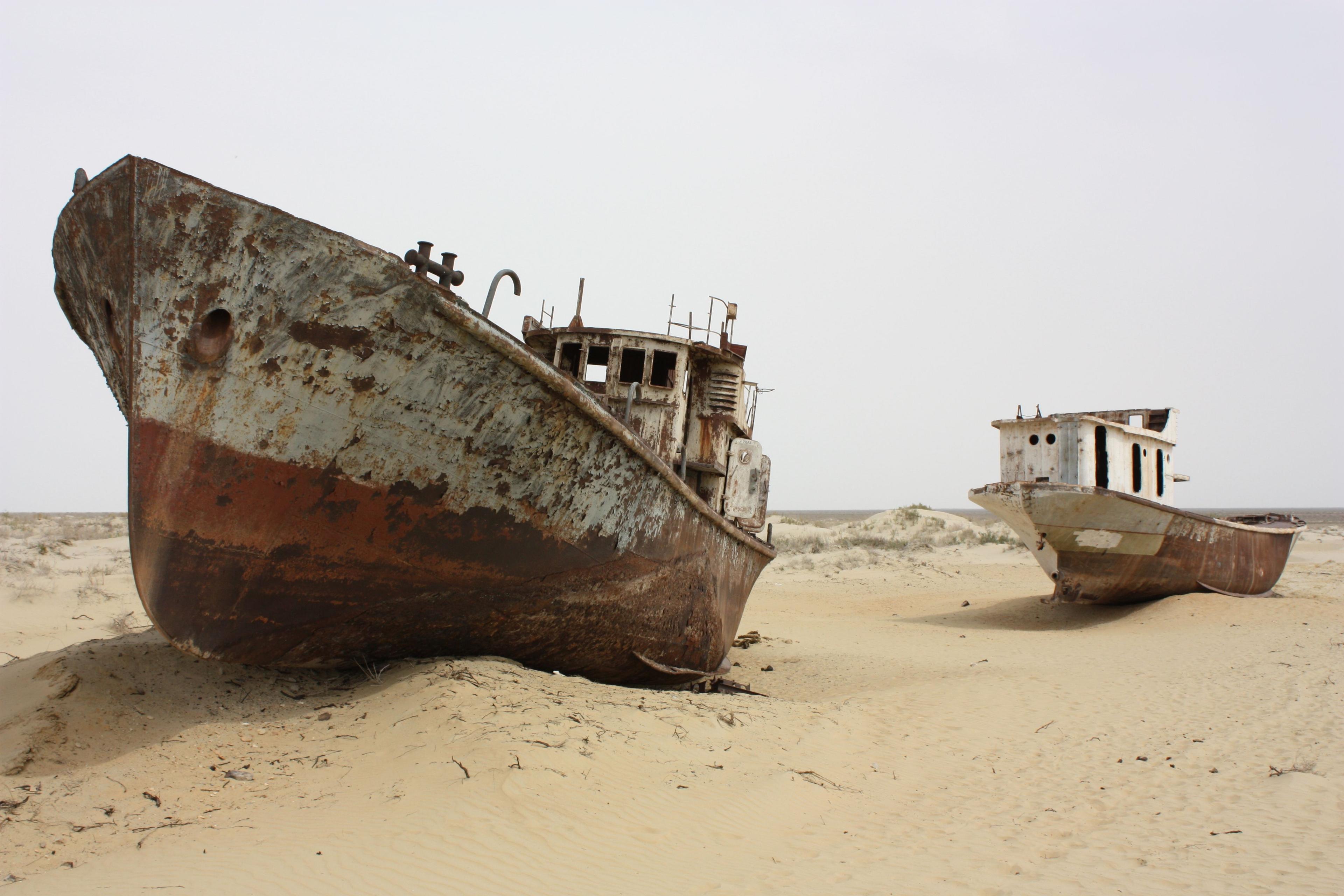
With more time, add the Fergana Valley for silk and ceramics, or Nukus and the Aral Sea. Desert yurt camps and remote trips are best before November, when nights turn cold and some camps close for the winter.
What to pack for Uzbekistan in autumn
Pack for warm days and cool nights, with more warmth as the season goes on.
- September: summer clothes that cover shoulders and knees, a sun hat, sunscreen, and one light sweater for evenings
- October: T-shirts and long sleeves, a fleece or warm sweater, a light jacket, and a warmer layer for desert nights and Khiva
- November: a warm jacket, sweater, long trousers, closed shoes, a scarf and a compact umbrella
In every month bring comfortable walking shoes, a scarf for mosque visits and a small daypack. If you plan a night in a yurt camp in October, add a hat and warm sleepwear: the desert gets cold after sunset. Our packing list and what-to-wear guide covers dress codes in more detail.
Autumn or spring: which is better?
Both are excellent, and the right answer depends on what you want.
- Choose autumn for settled, dry weather, harvest food and fruit, golden light, comfortable desert trips and yurt camps.
- Choose spring for blossom, wild tulips, green landscapes, Navruz and the spring festivals, at the price of some rain in March and April.
Prices and crowds are similar in the peak weeks of both seasons. If you can travel in the first half of November or in early March, you will find quieter monuments and lower rates, with a little more risk with the weather. Our guide to the best time to visit Uzbekistan compares every season.
Autumn in Uzbekistan with TourEast
Autumn is when our small-group departures are busiest, so it pays to book early. If you prefer a private trip, we can plan it around the harvest, a festival or a few days in the desert; tell us your dates and we will suggest the right route for the season.