An 11-day Uzbekistan itinerary: Fergana Valley craft towns, Samarkand, a desert yurt night near Nuratau, Bukhara and Khiva, with a Khorezm fortress option, train and flight planning, and costs as of 2026.
Facts, prices and schedules checked on November 4, 2026
Eleven days in Uzbekistan is the length at which the trip stops being a tour of three famous cities and becomes a journey through the country. You still see Samarkand, Bukhara and Khiva, but you also have room for a night in the desert, for the pottery and silk towns of the Fergana Valley, and for the pace of a proper holiday rather than a sprint.
This 11-day Uzbekistan itinerary runs from Tashkent east to the Fergana Valley, back west to Samarkand, across the Kyzylkum desert to Bukhara and on to Khiva, with a flight home from Urgench. It gives day-by-day timings, shows where a Khorezm desert-fortress day can replace a stop, and explains the train and flight choices as of November 2026. If you have fewer days, start with our 7-day or 10-day plans.
The 11-day route at a glance
- Day 1: Arrive in Tashkent. Old city and plov.
- Day 2: Tashkent to Kokand, Rishtan ceramics, night in Fergana.
- Day 3: Margilan silk and the Kumtepa bazaar, then back to Tashkent.
- Day 4: Morning Afrosiyob to Samarkand. Registan at sunset.
- Day 5: Samarkand in full: Shah-i-Zinda, Gur-e-Amir, Bibi-Khanym, Siab Bazaar.
- Day 6: Drive north via Nurata to a yurt camp at Aydarkul lake.
- Day 7: Desert morning, long drive to Bukhara.
- Day 8: Bukhara on foot.
- Day 9: Train to Khiva. Evening in Ichan-Kala.
- Day 10: Khiva, with an optional Khorezm fortress excursion.
- Day 11: Flight Urgench to Tashkent and onward departure.
Three things fix the order. The Kumtepa bazaar trades properly only on Thursdays and Sundays. The trains and the drive across the desert need a full day each. And the flight home leaves from Urgench, which saves a day of backtracking.
Days 1 to 3: Tashkent and the Fergana Valley
Day 1 is a soft landing. Most international flights reach Tashkent in the morning or around midday, which leaves an afternoon for the Hazrati Imam complex, Chorsu Bazaar and a plov lunch or dinner. Keep it light.
On day 2 you head east. A high-speed train between Tashkent and Andijan began running in September 2026, according to our Fergana guide, calling at Kokand and Margilan; older daytime trains still run and take about four to four and a half hours to Kokand. The alternative is the road over the Kamchik Pass, about four and a half to five hours to Kokand by private car, which suits travellers who like to stop on the way. At Kokand, see the Khudayar Khan Palace and the Jami Mosque, then continue to Rishtan, the ceramics village where families still make blue and green glazed plates, and sleep in Fergana city.
Day 3 must fall on a Thursday or Sunday for the Kumtepa bazaar, outside Margilan, the best place in Uzbekistan to buy ikat silk by the metre. Visit the Yodgorlik silk workshop in Margilan, then return to Tashkent, by the afternoon high-speed train from Andijan or by road. If your dates do not match a market day, swap days 2 and 3 or ask us to reshape the route. Our Fergana Valley guide and the three-day Fergana itinerary have the detail.
Days 4 and 5: Samarkand
Take the morning Afrosiyob from Tashkent. As of autumn 2026 the early departures run at about 06:10 and 07:30, and the journey takes roughly 2 h 15 min. Check live times on railway.uz. You can be in front of the Registan by late morning.
Use the first afternoon for the Registan and its three madrasahs, then see the square again after dark, when it is lit. Day 5 is the day that justifies two nights in Samarkand: Shah-i-Zinda at opening, Gur-e-Amir, the Bibi-Khanym Mosque and Siab Bazaar, with the Ulugbek Observatory and the Afrosiab museum in the afternoon if you have energy. Our Samarkand guide has the detail for each site.
Days 6 and 7: a yurt night and the road to Bukhara
This is the stretch that sets an 11-day trip apart from a standard 8-day one. Instead of a two-hour train to Bukhara, you spend two days on the old road north of the main highway.
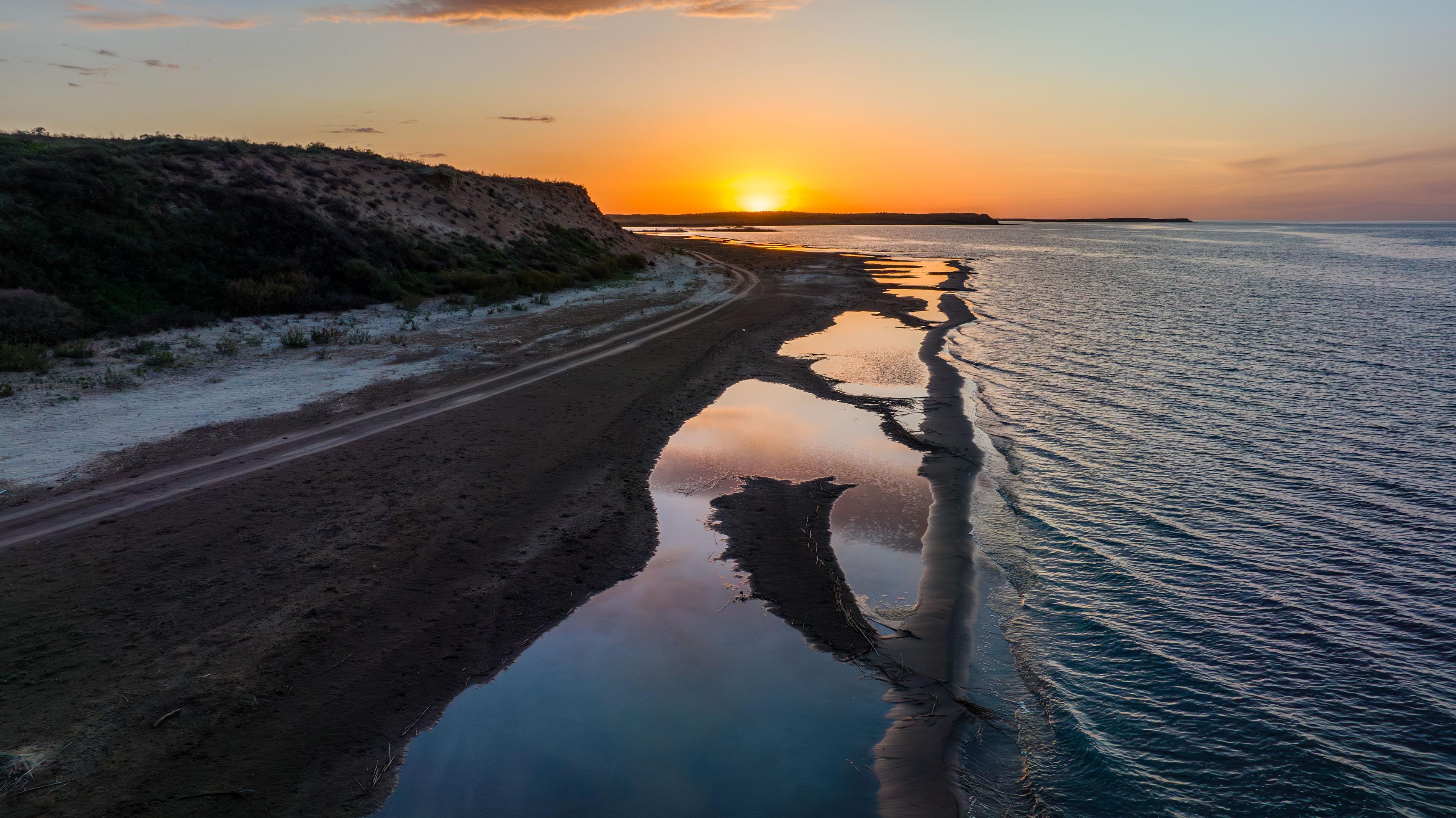
- Day 6: Leave Samarkand in the morning and drive north to Nurata, an old pilgrimage town with a sacred spring and the ruins of a fortress traditionally linked to Alexander the Great. Continue to the yurt camps near Aydarkul, a large lake created by an accidental flood release in 1969 on the edge of the Kyzylkum desert. From the camps it is about four hours by road to Samarkand. Expect felt yurts, a simple dinner around a fire, a camel ride if you like and a sky with very little light pollution.
- Day 7: A quiet desert morning, then the long drive to Bukhara, about 300 km by the scenic route and a full day with stops.
Facilities at yurt camps are basic compared with city hotels, and bookings should be made well in advance in spring and autumn. Our Nuratau and Aydarkul guide explains what a night there involves. If the desert does not appeal, take the Afrosiyob from Samarkand to Bukhara in about 1 h 50 min and gain half a day in Bukhara.
Day 8: Bukhara on foot
One full day is enough for the core of Bukhara if you use it well. Start at Lyabi-Hauz, the pool beneath old mulberry trees, and walk through the three trading domes to the Ulugbek and Abdulaziz Khan madrasahs. In the afternoon go to Po-i-Kalyan, the Kalyan Minaret of 1127 and the great Friday mosque beside it, then the Ark Fortress. Fit the Samanid Mausoleum in early in the morning, before the crowds.
Bukhara is the best place to buy suzani embroidery and miniatures, and it has some of the most comfortable old-town guesthouses in the country. If you want a second night here, see our two-day Bukhara itinerary.
Days 9 to 11: Khiva, and the way home
The Jaloliddin Manguberdi high-speed train, launched in May 2026, links Bukhara and Khiva in roughly 3 h 30 min to 4 h 25 min across the Kyzylkum, according to the timetables we have seen. It also serves Tashkent and Samarkand, and the faster journey replaces what used to be a full day on the road. Check live times before you fix hotels.
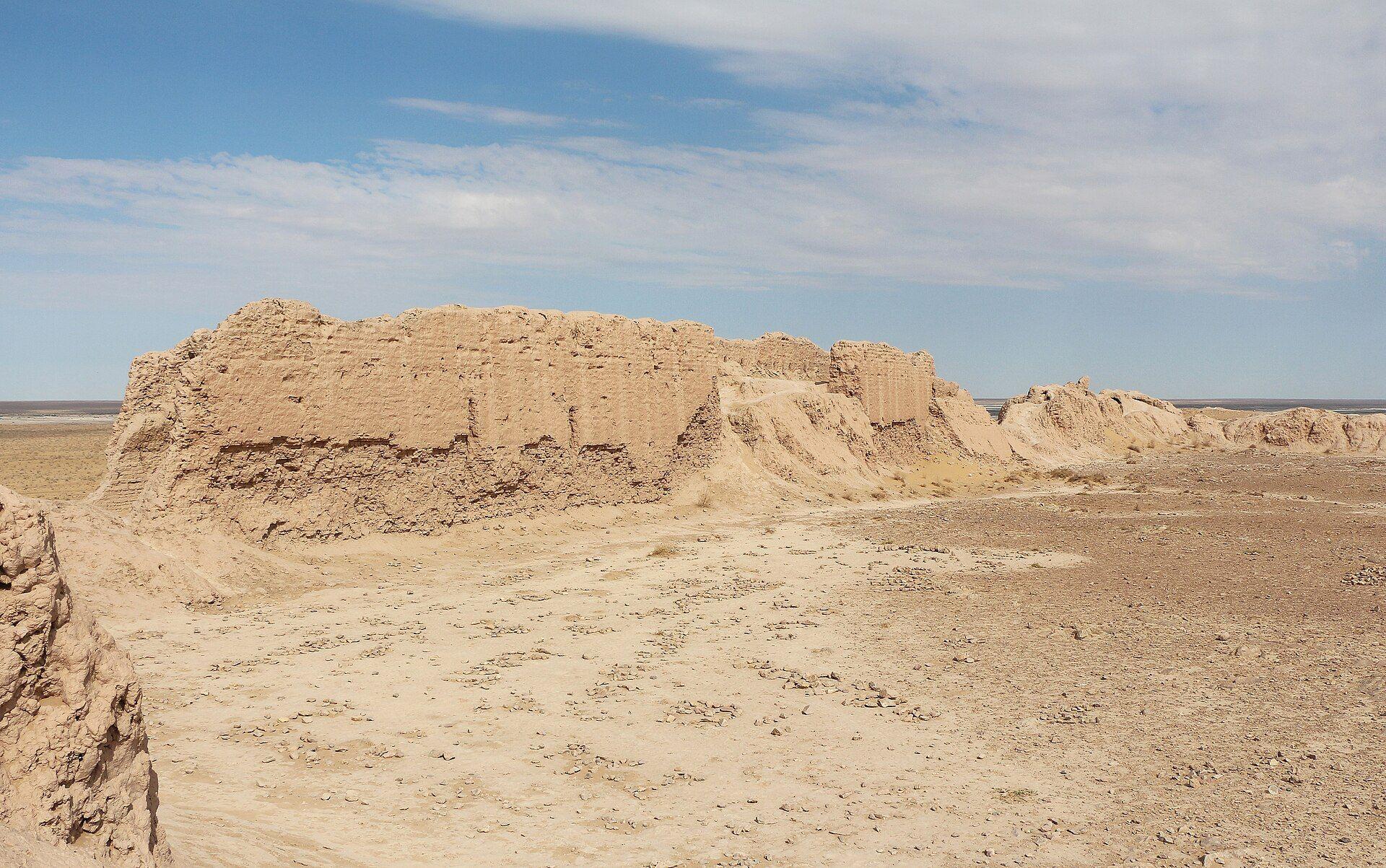
Arrive in time for a first walk through Ichan-Kala, the walled inner town, as the light turns orange. Day 10 is for the main sights: the Juma Mosque with its forest of carved wooden columns, Tash-Hauli palace, Kalta Minor and the Islam Khoja Minaret. If you prefer to see the desert fortresses, replace the afternoon with a car excursion to Ayaz-Kala and Toprak-Kala in Khorezm. Our guide to the Khorezm fortresses explains the options and the roads.
On day 11, fly from Urgench to Tashkent, about 1 h 30 min to 1 h 40 min, and connect to your international flight. Uzbekistan Airways' cheapest fares on the route started around 442,000 som (about US$37) after its October 2026 fare cut. Tashkent's domestic flights use a separate terminal from international departures, so leave at least three hours between flights.
Variations: swap, shorten or stretch
- Khorezm instead of Fergana: drop days 2 and 3 and spend them at Khiva, adding a full fortress day. This suits travellers who prefer desert landscapes to markets and workshops.
- Nuratau instead of the yurt: spend a night in a mountain homestay in the Nuratau range rather than the desert camp.
- No yurt: take the Afrosiyob to Bukhara on day 6 and use the extra time for Bukhara or the Seven Pirs shrines.
- Reverse order: fly into Urgench on a European service that stops there, start in Khiva and finish in Tashkent after the Fergana Valley.
- Twelve days: add a night in Khiva or Bukhara, or Shakhrisabz as a day trip from Samarkand.
Whichever route you choose, remember that Uzbekistan's heat in July and August and its cold in December and January shape what is pleasant. Our guides to the weather by month and to Uzbekistan in autumn help you choose the season.
Costs and booking for 11 days
Typical costs in 2026, per person and excluding international flights: boutique hotel doubles in the old towns from about US$50 to 100 a night; train fares of roughly US$26 for Tashkent to Samarkand in economy and similar single-digit to low double-digit dollar figures for the shorter legs; a domestic flight of about US$37 from Urgench; a private guide and car at typical rates of US$50 to 100 a day each; and yurt-camp nights at moderate prices that vary by operator. An independent traveller in mid-range hotels spends roughly US$900 to 1,400 on the ground for the 11 days. A guided private tour with transfers costs more.
Book in this order: international flights, the Afrosiyob and Jaloliddin Manguberdi seats (sales open up to 60 days ahead, and morning services can sell out in spring and autumn), the yurt camp, then the hotels. Navruz in March, April, May and September to October are the busiest months.
Doing it with TourEast
We plan this route as a private tour with a guide and driver, or can adapt one of our longer small-group departures. Tell us your arrival date, whether you want the desert night and whether Fergana or Khorezm matters more to you, and we will draft the days for you in our trip builder at /trip-builder or on WhatsApp.